Artwork
Portrait of a Gentleman
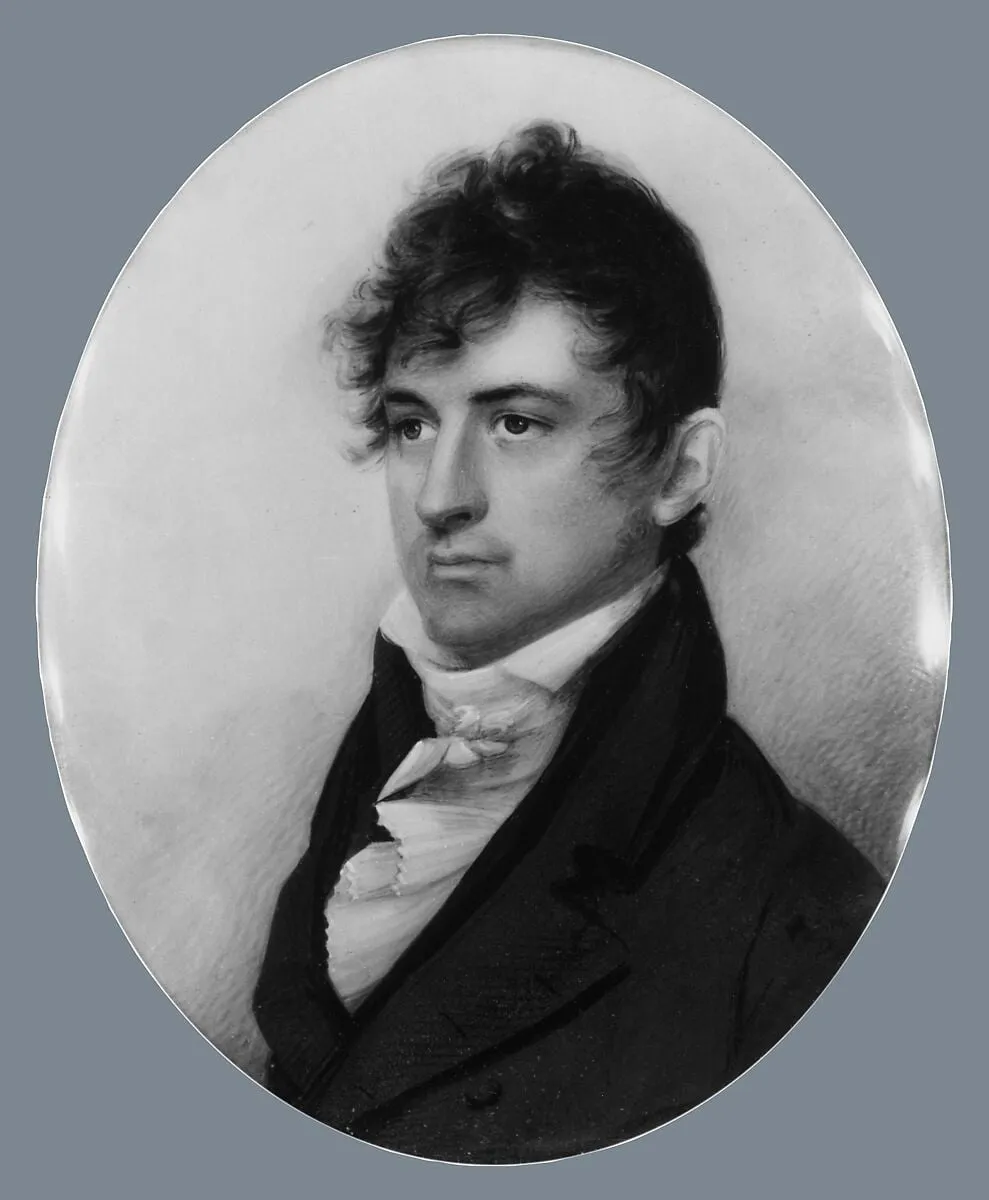
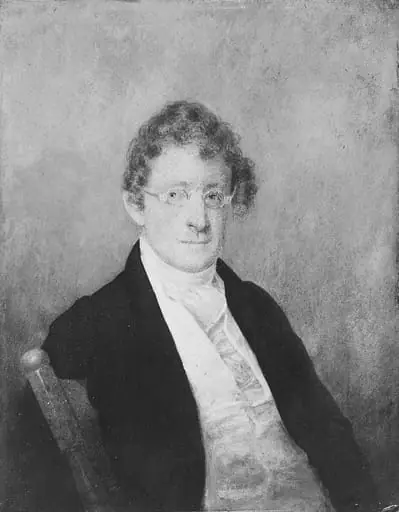
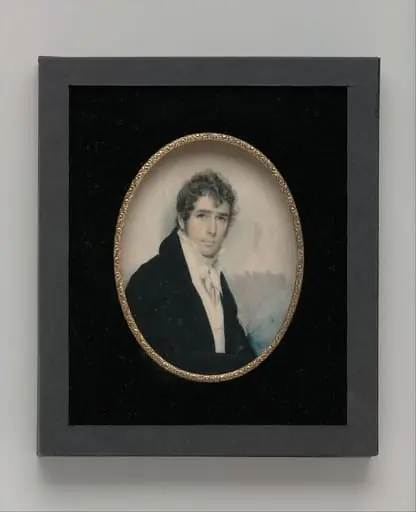
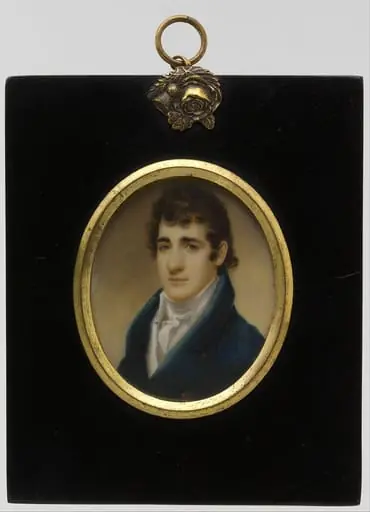
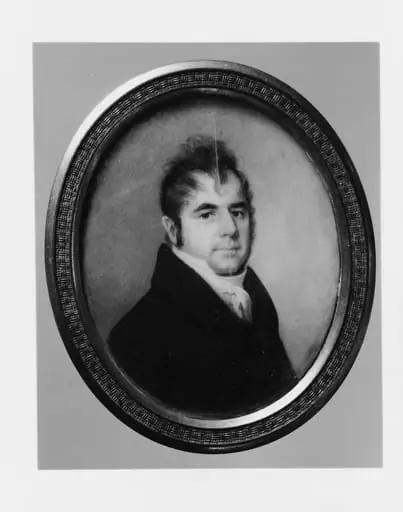
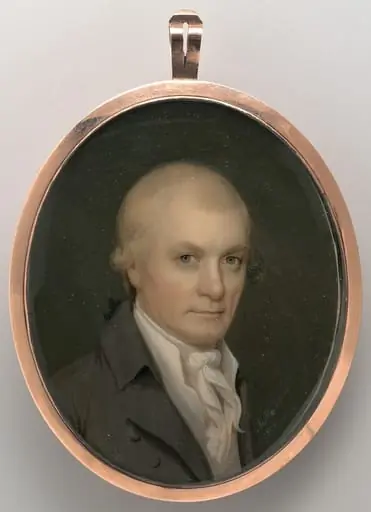
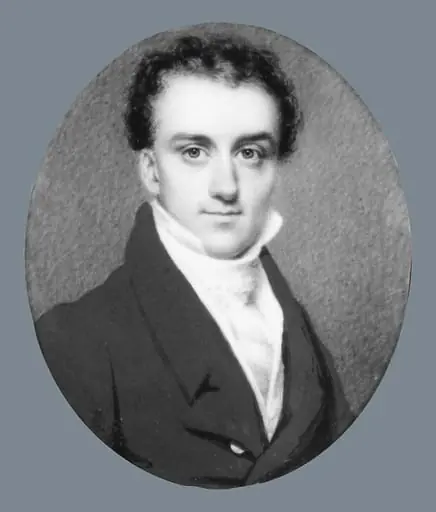
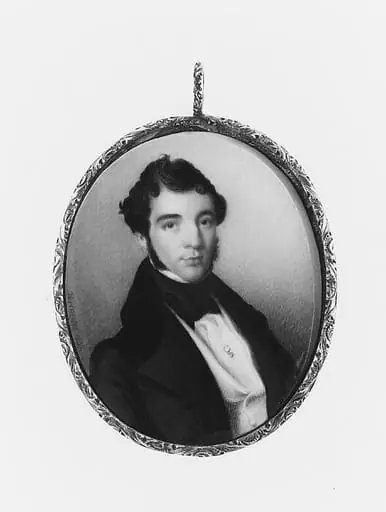
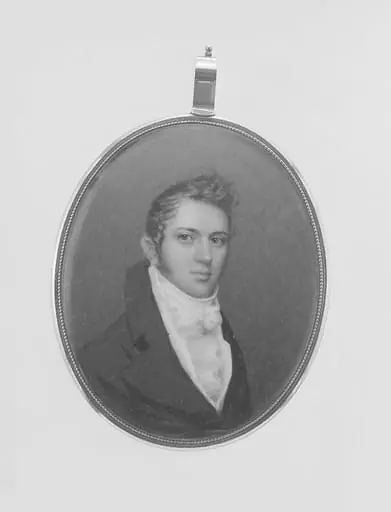
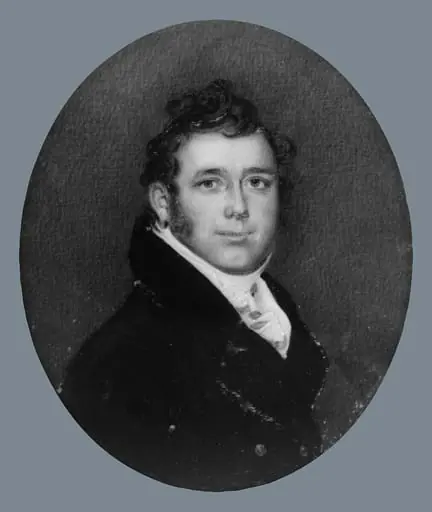
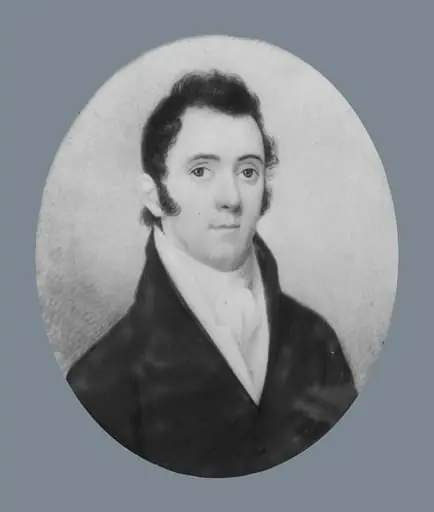
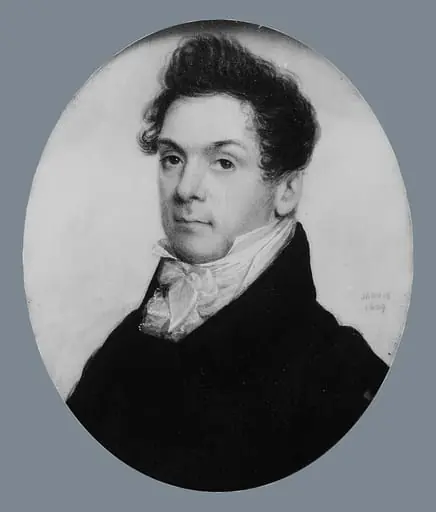
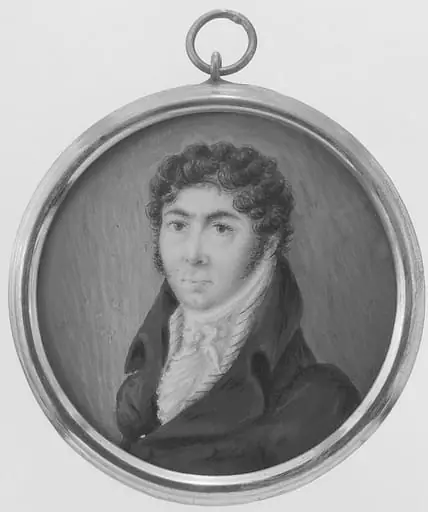
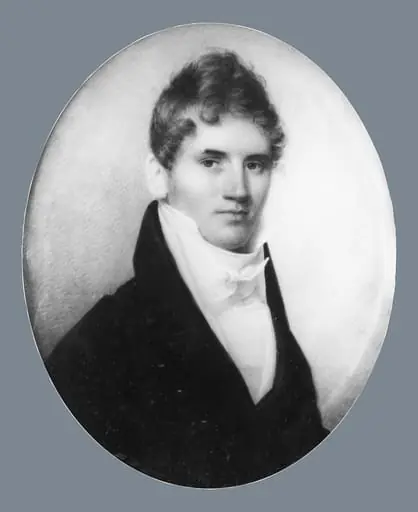
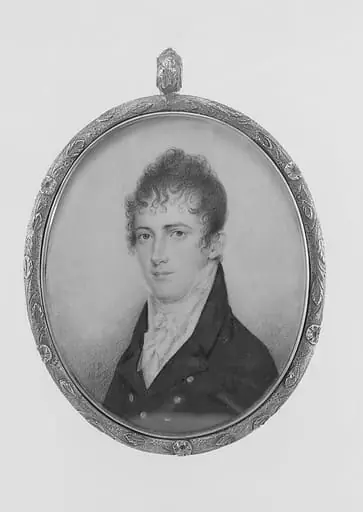
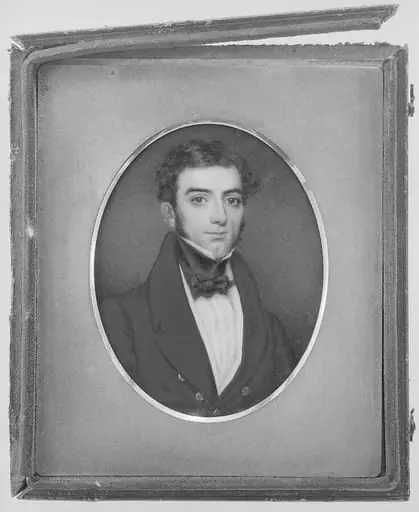
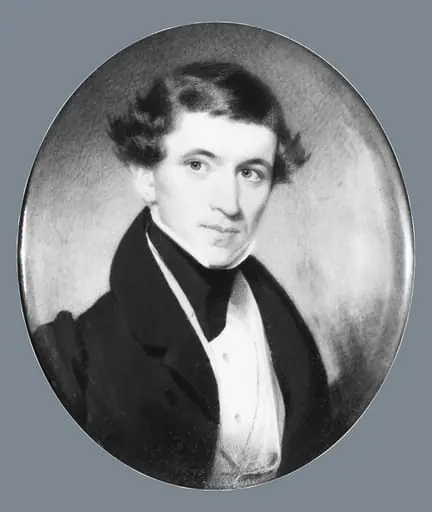
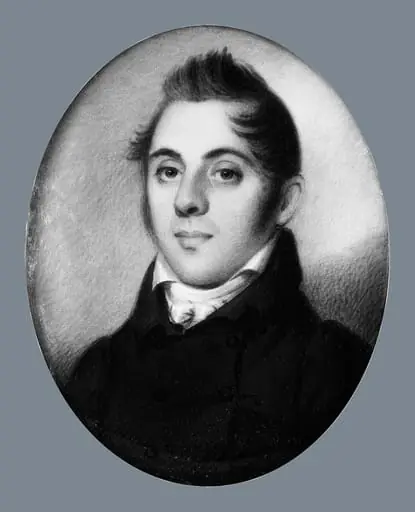
Portrait of a Gentleman is a watercolor painting by the Biedermeier artist Joseph Wood. It dates from 1810 and is held in the collection of the Metropolitan Museum of Art.
About this work
Technique & Style
Created in 1810 by Joseph Wood, this portrait utilizes watercolor applied to an ivory support, a medium characteristic of miniature painting traditions.
Created in 1810 by Joseph Wood, this portrait utilizes watercolor applied to an ivory support, a medium characteristic of miniature painting traditions. The work measures approximately 7.6 by 6 units, indicating a small-scale format intended for intimate viewing. As a piece classified within the American Wing of the Metropolitan Museum of Art, the object represents a specific genre of portraiture focusing on a male subject.
The selection of ivory as a ground suggests a smooth, luminous surface quality typical of the era's fine miniatures, allowing the watercolor pigments to achieve a delicate translucency. While specific details regarding the current physical condition or the artist's specific brushwork handling are not explicitly detailed in the available records, the fundamental material construction defines its stylistic category as an early nineteenth-century American miniature.
History & Provenance
The portrait is held by The Metropolitan Museum of Art, New York, where it is catalogued as an American Wing object. Its accession number is 1975.134.1. The work was first publicly exhibited in 2015 as part of the Museum’s display of early American portrait miniatures in Gallery 704, where it remains on view.
Overview
Joseph Wood's "Portrait of a Gentleman," painted around 1810, is a watercolor miniature on ivory. This artwork presents an unidentified male sitter, characteristic of the small-scale portraits popular during the early 19th century. It is part of the American Wing's collection, representing a significant aspect of American portraiture from that era.
Subject & Meaning
The portrait features a gentleman in a dark coat, his white collar providing a crisp contrast against the plain background. His face is softly illuminated, and he gazes directly forward, engaging the viewer. This straightforward presentation and emphasis on the sitter's features were typical of the period, aiming to capture a clear and personal likeness without elaborate settings.
Context
Miniature portraits like this one served an important social function in the early 19th century. Their compact size made them ideal personal keepsakes, easily carried within a pocket or locket. These intimate objects allowed individuals to maintain a close connection with images of loved ones, acting as portable forms of remembrance and personal display before the advent of photography.
Artist & collection