Artwork
William Ewart Gladstone (1809–1898)
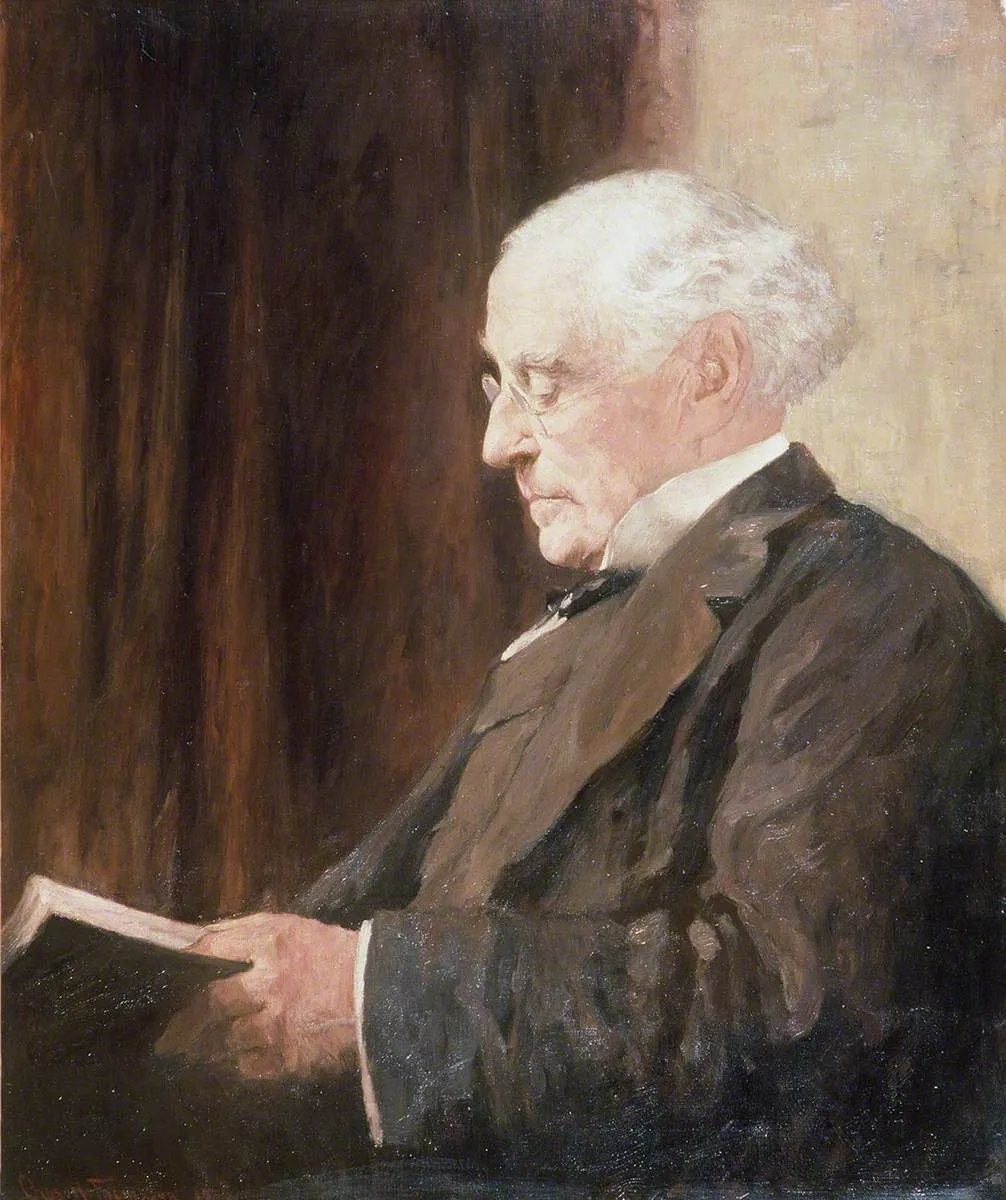
William Ewart Gladstone (1809–1898) is an oil painting by the Realist artist Charles Herbert Thompson. It dates from 1936 and is held in the collection of the National Library of Wales.
About this work
Overview
3 centimetres, the work depicts the celebrated four-time Prime Minister of the United Kingdom in a quiet, contemplative moment, seated with an open book.
William Ewart Gladstone (1809-1898) is an oil-on-canvas portrait painted in 1936 by the British artist Charles Herbert Thompson. Measuring 75 by 62.3 centimetres, the work depicts the celebrated four-time Prime Minister of the United Kingdom in a quiet, contemplative moment, seated with an open book. The painting belongs to the National Library of Wales, where it is held in the National Library of Wales Framed works of art collection. As a posthumous portrait of one of the most dominant political figures of the Victorian era, created nearly four decades after Gladstone's death, the work occupies a significant place in the tradition of British political portraiture, bridging historical memory and artistic interpretation.
Subject & Meaning
The portrait presents William Ewart Gladstone in profile, facing left, an elderly statesman with white, thinning hair and round spectacles. He wears a dark suit with a white collar and dark bow tie, the conventional attire of a Victorian gentleman. The open book in his left hand serves as a key iconographic element, alluding to Gladstone's renowned intellectualism, his classical education at Eton and Christ Church, Oxford, and his prolific literary output. The book also evokes his public image as a man of deep moral conviction and Christian faith, qualities that informed his political career from its beginnings as a Tory MP in 1832 through his transformation into the face of the Liberal Party. The composition's intimacy, cropped closely around the figure with the book extending just beyond the lower left edge, suggests private study rather than public oratory, offering a reflective counterpoint to the vigorous political life that spanned four premierships between 1868 and 1894. The divided background, dark drapery to the left and lighter wall to the right, may subtly evoke the political divisions and moral complexities of his era, including his evolving stance on Irish Home Rule, which dominated his final years in office.
Technique & Style
Thompson executed the portrait in oil paint on canvas, working with a restrained palette dominated by browns, blacks, and off-whites, with subtle warm tones in the flesh. Light falls from the upper right, illuminating Gladstone's forehead, cheek, and hand while casting the left side of his figure into softer shadow, a treatment that models the aged features with quiet dignity. The brushwork is visible and somewhat loose, particularly in the background and the darker areas of the suit, while the face receives smoother handling, a contrast that directs attention to the sitter's contemplative expression. The paint surface shows slight texture throughout. The overall approach suggests an early twentieth-century sensibility, neither fully academic nor modernist, but respectful of traditional portrait conventions while allowing for expressive freedom in the handling of paint. The intimate scale and close cropping reinforce the work's contemplative mood, distinguishing it from the grander, more ceremonial portraits typical of Victorian official commissions.
History & Provenance
The portrait was painted in 1936, long after Gladstone's death in 1898, indicating it was conceived as a historical commemoration rather than a sitting from life. Charles Herbert Thompson, the artist, worked in a period when Gladstone's legacy remained a subject of active political and cultural debate, particularly regarding Irish Home Rule and the foundations of the modern Liberal Party. The painting is now held by the National Library of Wales as part of its Framed works of art collection, having been accessioned into that institution's holdings. No specific exhibition history is recorded in the available sources, and details of its commission and prior ownership remain to be documented. The work's presence in the National Library of Wales, rather than a national portrait gallery, suggests it may have entered Welsh collections through connections to Gladstone's final residence at Hawarden Castle in Flintshire, where he died and where his descendants maintained ties.
Context
Charles Herbert Thompson's 1936 portrait emerged during a period of reassessment for Gladstone's historical reputation. By the 1930s, the Liberal Party that Gladstone had defined had undergone dramatic decline, supplanted by the rise of Labour, yet his stature as a statesman remained secure in the public imagination. The decision to paint Gladstone posthumously, rather than commission a portrait of a contemporary political leader, reflects the enduring fascination with what historians have termed 'Gladstonian liberalism,' his political doctrine promoting equality of opportunity and the repeal of protectionist trade barriers. The National Library of Wales's acquisition of the work connects to Welsh cultural interest in Gladstone's later life at Hawarden, where he was buried in the church of St Deiniol after his death from cancer on 19 May 1898. Thompson's portrayal, emphasizing intellectual reflection over political power, participates in a broader twentieth-century tendency to humanize Victorian statesmen, offering a private counter-image to the public iconography of the 'Grand Old Man' or 'GOM' as he was known.
Legacy
As a posthumous portrait created nearly four decades after its subject's death, the painting functions less as immediate political commemoration than as an act of historical preservation and cultural memory. It sustains the visual tradition of Gladstone portraiture for a generation that knew him only through reputation, photography, and earlier painted images. The work's location in the National Library of Wales ensures its accessibility to researchers and public audiences, contributing to ongoing scholarly and public engagement with Gladstone's complex legacy, from his early defence of his family's slave-owning interests through his anti-slavery advocacy, his moral campaigns among London's prostitutes, his four terms as Prime Minister, and his ultimately unsuccessful crusade for Irish Home Rule. Within the broader corpus of British political portraiture, Thompson's painting exemplifies the early twentieth-century practice of revisiting Victorian subjects with techniques that blend respectful tradition with modern directness, ensuring that Gladstone's image continued to circulate in British visual culture well beyond his lifetime and the political order he represented.
Artist & collection

- Parchedig David Edwardes (1836–1916), MA
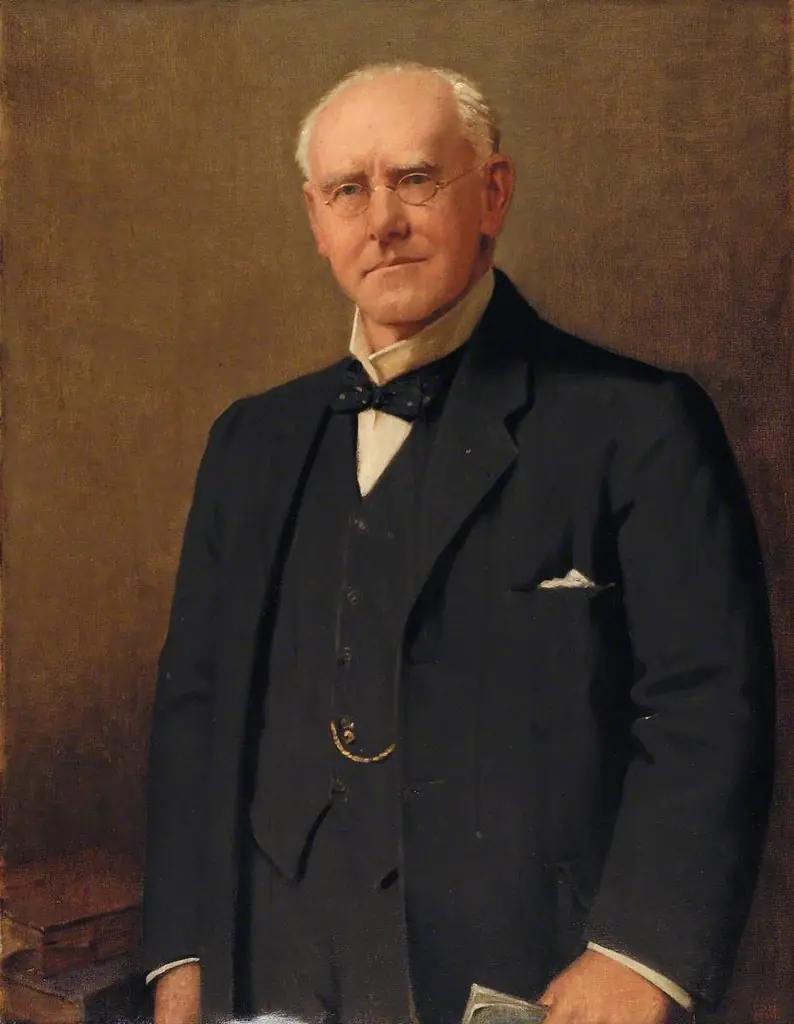 Professor John Owen Thomas
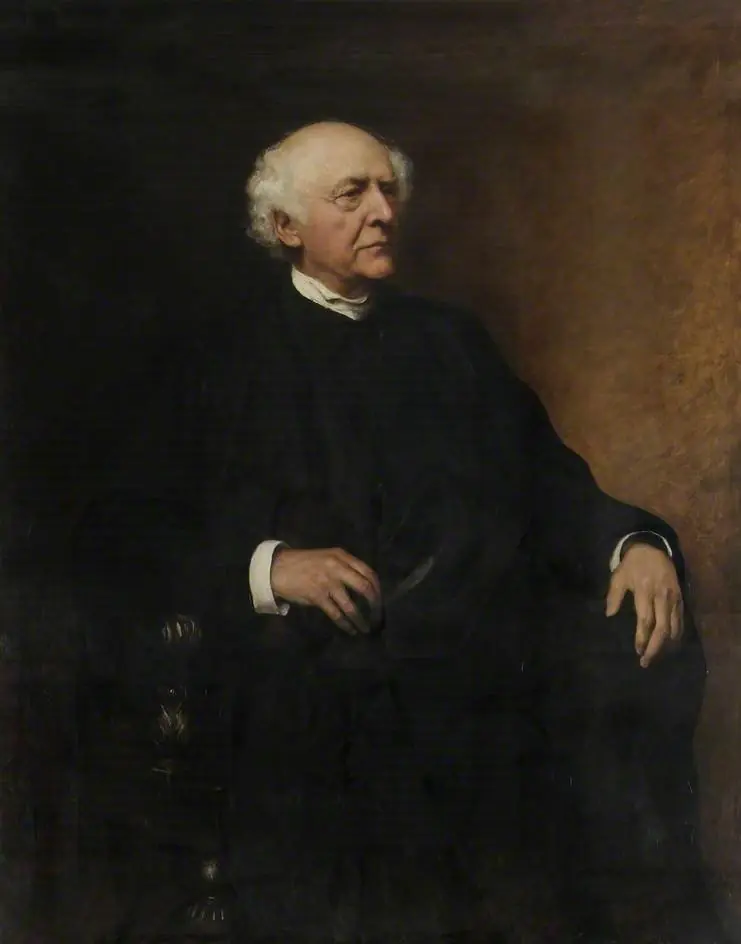 The Very Revd Henry George Lidell, D.D.
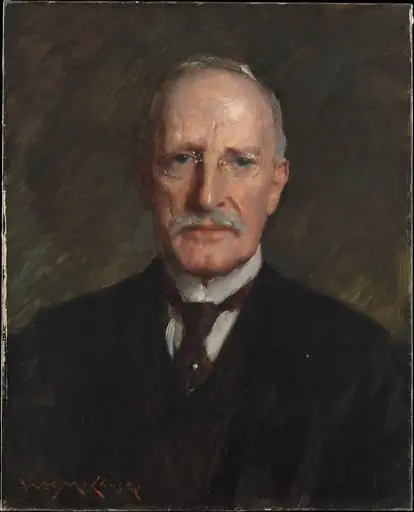 Edward Guthrie Kennedy
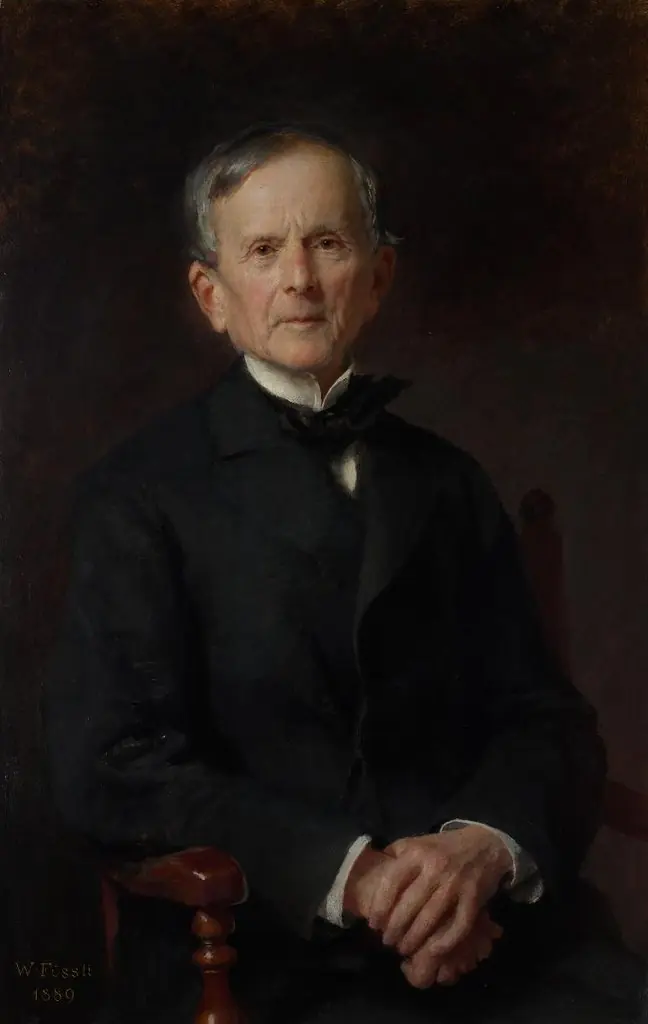 Bildnis Emil Tobler-Finsler
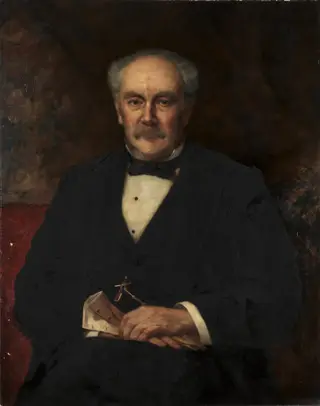 Hinman B. Hurlbut
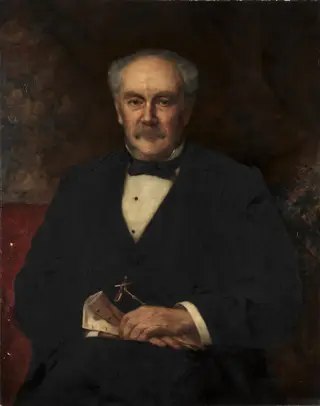 Hinman B. Hurlbut
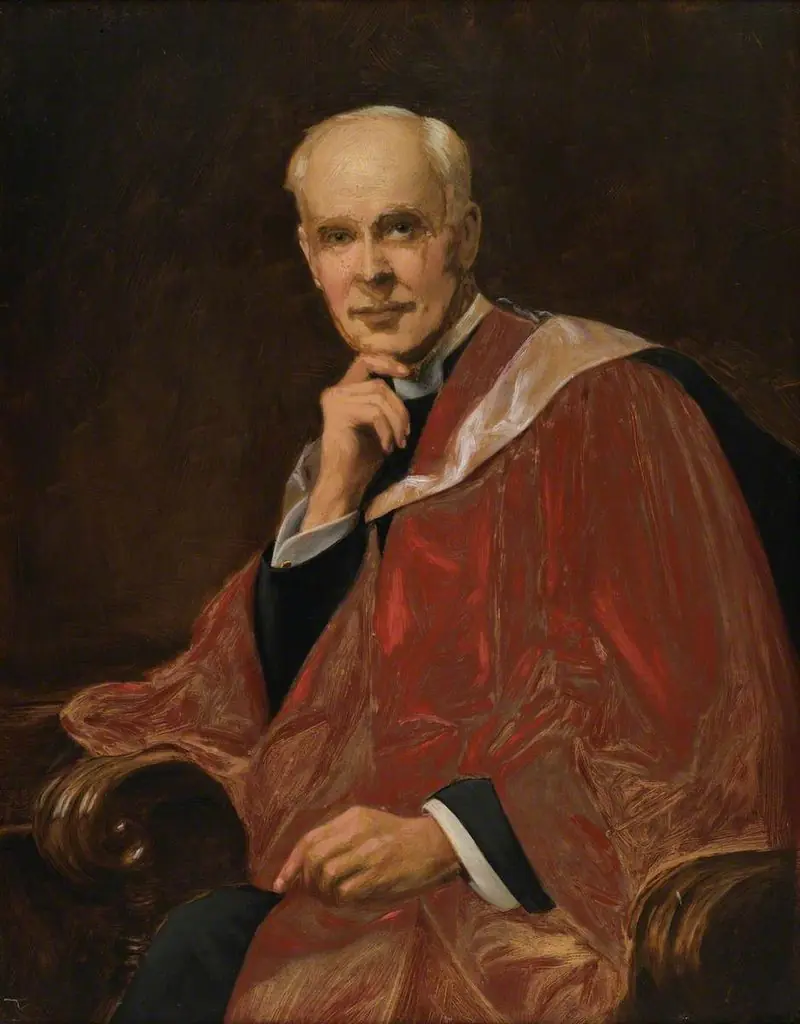 William Porter (1876–1937), MA, DLitt, DD, Professor of Hebrew and Old Testament Exgesis, Bala (1907–1921) and Aberystwyth (1921–1937)
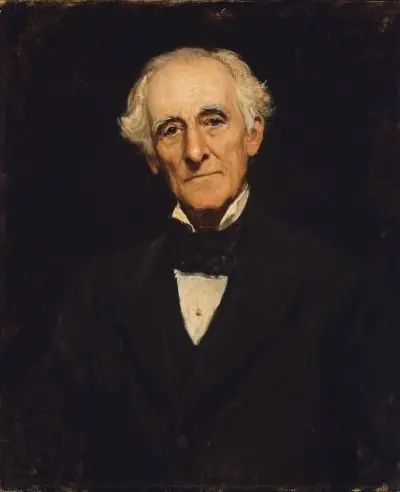 Dudley Williams
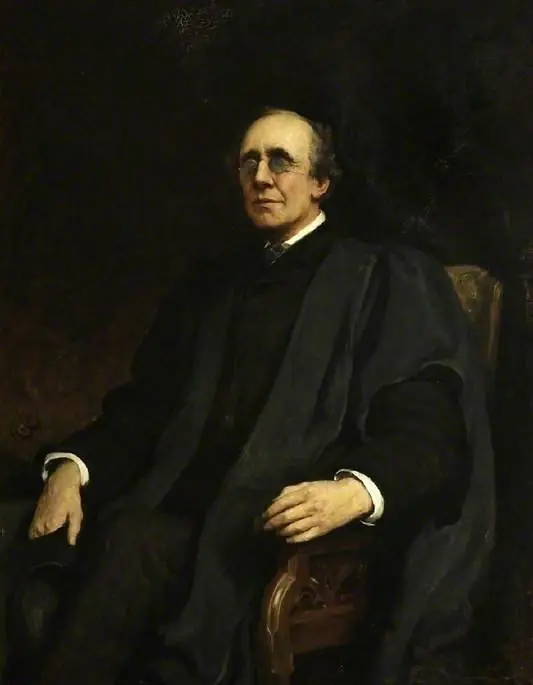 Professor Henry Fawcett
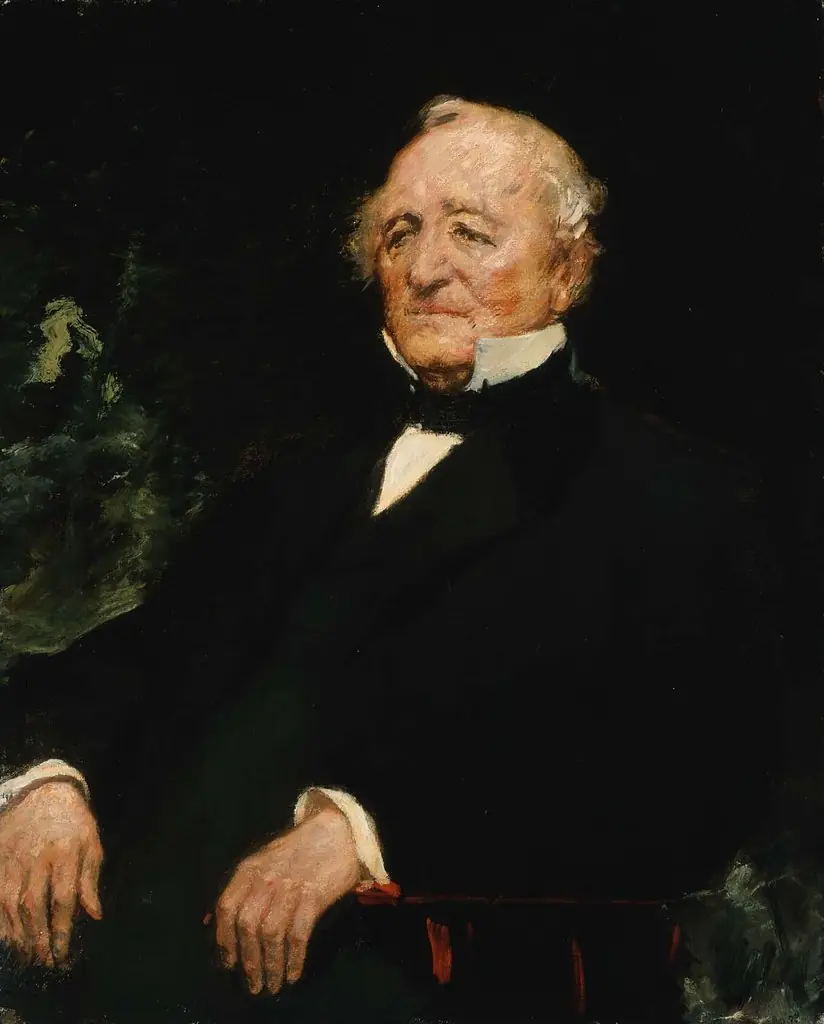 Senator Charles Sumner
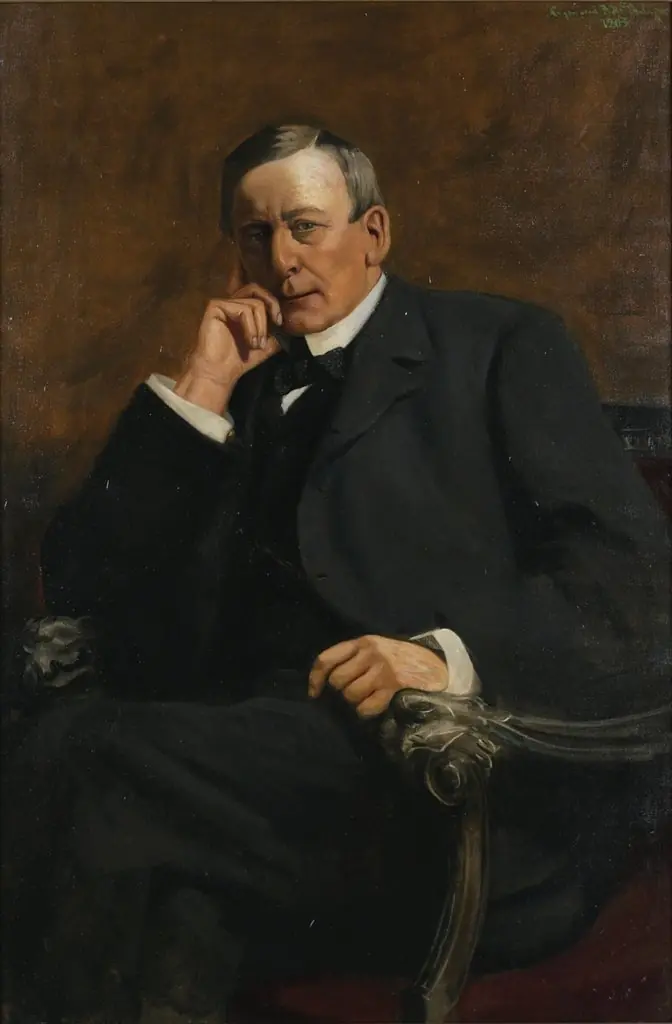 Portrait of William Rolleston