Artwork
Joanna Cornelia Ziesenis, née Wattier, as Epicharis in the Play of that name by G M J B Legouvé
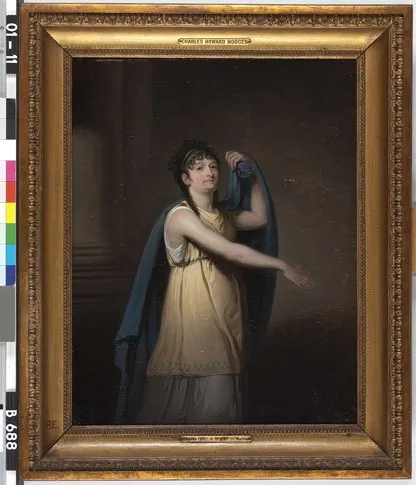
Joanna Cornelia Ziesenis, née Wattier, as Epicharis in the Play of that name by G M J B Legouvé is an oil painting by Charles Howard Hodges. It dates from 1804 and is held in the collection of the Rijksmuseum.
About this work
Subject & Meaning
The portrait depicts Johanna Wattier in the role of Epicharis, a character from the play of the same name by Gabriel Marie Jean Baptiste Legouvé.
The portrait depicts Johanna Wattier in the role of Epicharis, a character from the play of the same name by Gabriel Marie Jean Baptiste Legouvé. By adopting this dramatic identity, Wattier is presented not as herself but as a theatrical figure, a convention common in early nineteenth-century portraiture that allowed actresses and patrons to be commemorated in costume. The painting thereby represents both the sitter and her performance, fusing personal likeness with literary and stage tradition.
The work is held in collections associated with the Rijksmuseum, the Cultural Heritage Agency of the Netherlands Art Collection, and the Stadsschouwburg Amsterdam, a city theatre, suggesting an enduring link between the portrait and the theatrical heritage of the Netherlands.
History & Provenance
Charles Howard Hodges painted this portrait in 1804, depicting the actress Joanna Cornelia Ziesenis, née Wattier, in the role of Epicharis from the play by Gabriel-Marie-Jean-Baptiste Legouvé. The work is currently held in the collection of the Rijksmuseum, with additional attribution to the Cultural Heritage Agency of the Netherlands Art Collection and the Stadsschouwburg Amsterdam. It is located in the Rijksmuseum's depot at the RCE and at the Stadsschouwburg Amsterdam.
The portrait is held within the collections of the Rijksmuseum, the Cultural Heritage Agency of the Netherlands, and the Stadsschouwburg Amsterdam. Physically, the work is located at the Rijksmuseum depot managed by the Cultural Heritage Agency or at the Stadsschouwburg Amsterdam. No specific inventory numbers or detailed exhibition history for this painting are provided in the available records.
Context
The 1804 oil portrait of Joanna Cornelia Ziesenis as Epicharis, painted by Charles Howard Hodges, exemplifies early 19th-century Dutch portraiture within the broader Neoclassical movement that emphasized individual expression and theatrical representation. Scholarship situates this work within the cultural context of Dutch stage adaptations and the prominence of family networks in artistic patronage, reflecting the Wattier family's social connections in Amsterdam. Its depiction of theatrical performance aligns with contemporary literary trends, positioning it at the intersection of visual art and popular theater of the period.
Legacy
The painting of Joanna Cornelia Ziesenis as Epicharis remained in the possession of the Rijksmuseum and was documented in its collection records as part of the Cultural Heritage Agency of the Netherlands Art Collection and the Stadsschouwburg Amsterdam holdings. Its provenance reflects continuous stewardship from its creation in 1804 to its current status within Dutch state-managed cultural repositories. The work is cited in scholarly assessments of 19th-century Dutch portraiture as an example of theatrical representation in early neoclassical painting, contributing to the historical understanding of stage costume and character depiction in Dutch art. Its inclusion in institutional inventories underscores its recognized significance within national cultural heritage frameworks.
Overview
In 1804 Charles Howard Hodges, an English painter active in the Dutch art scene, produced an oil portrait now held by the Rijksmuseum. The canvas captures Dutch actress Johanna Wattier in costume, portraying the historical figure Epicharis from the drama by G. M. J. B. Legouvé.
Technique & Style
Hodges employs a restrained palette of muted yellows and blues, set against a dark interior that isolates the figure. The contrast of illuminated skin and drapery with the surrounding shadow demonstrates a chiaroscuro approach, emphasizing volume and the dramatic tension of the stage pose.
Artist & collection
Artist
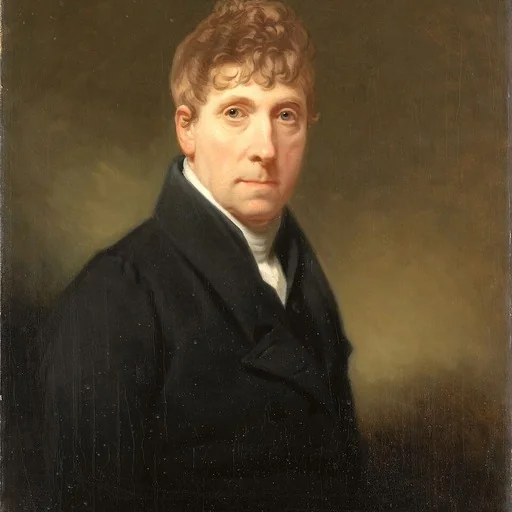
Charles Howard Hodges (1764 – 24 July 1837) was an English painter active in the Netherlands during the late 18th and early 19th centuries.

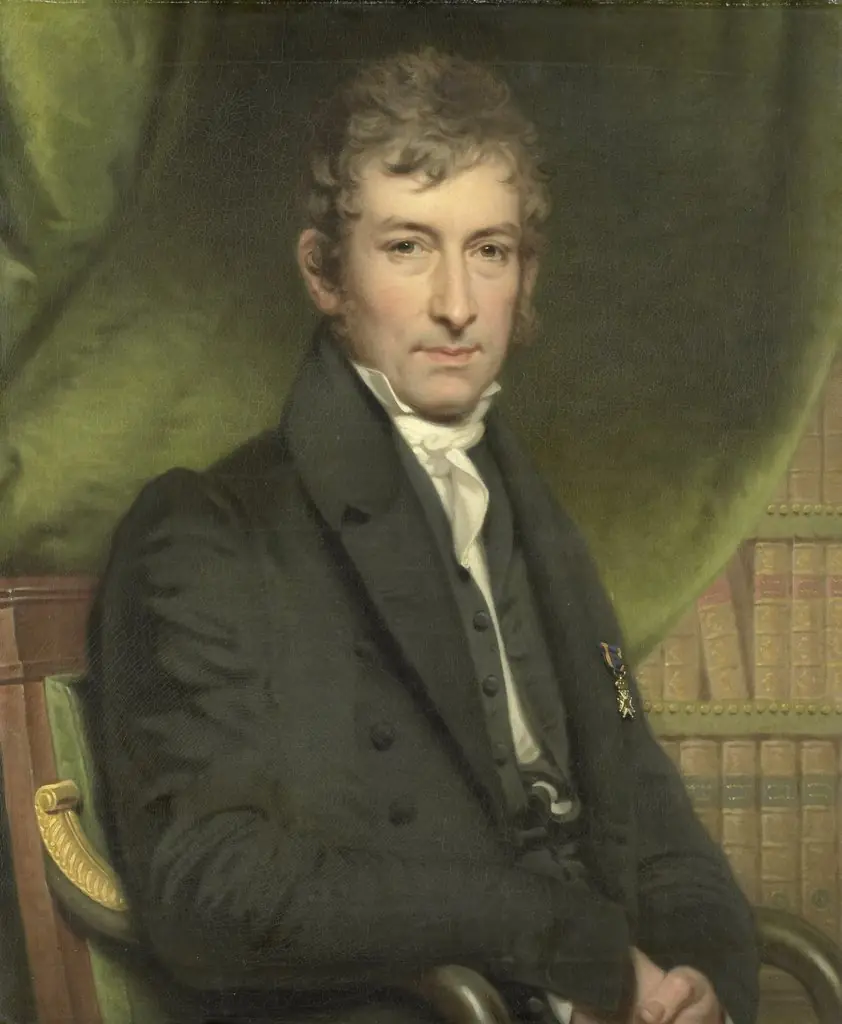 Portrait of Johan Fraser
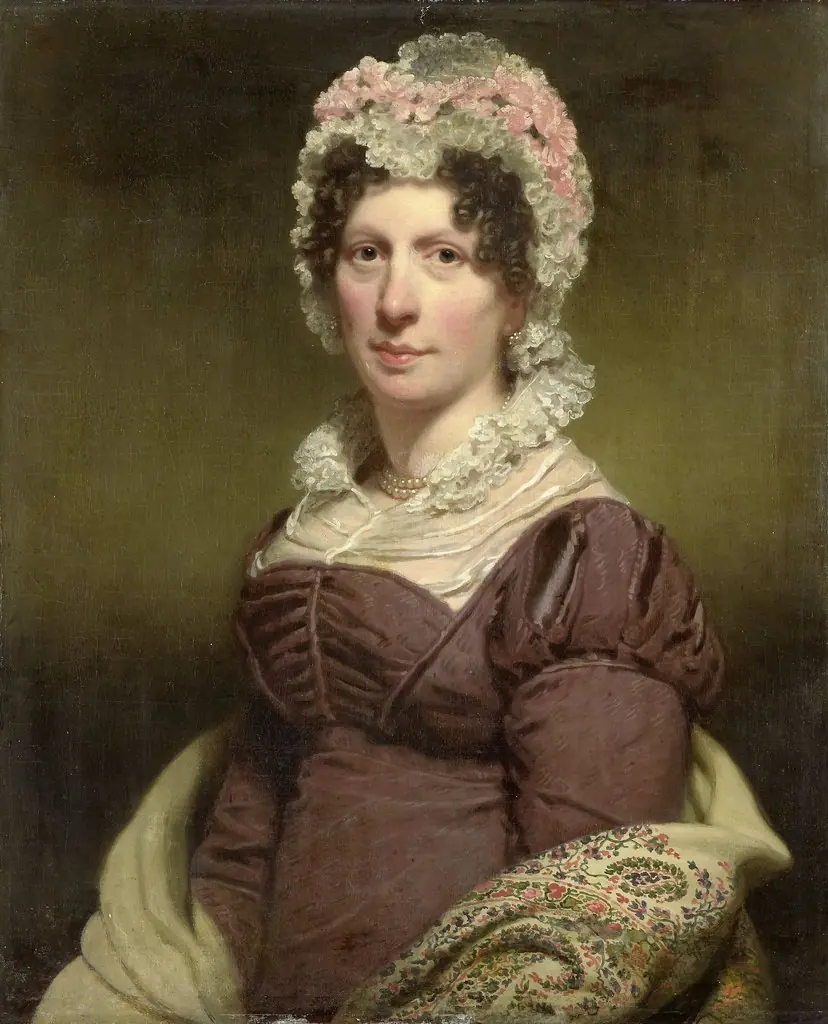 Portrait of a Woman
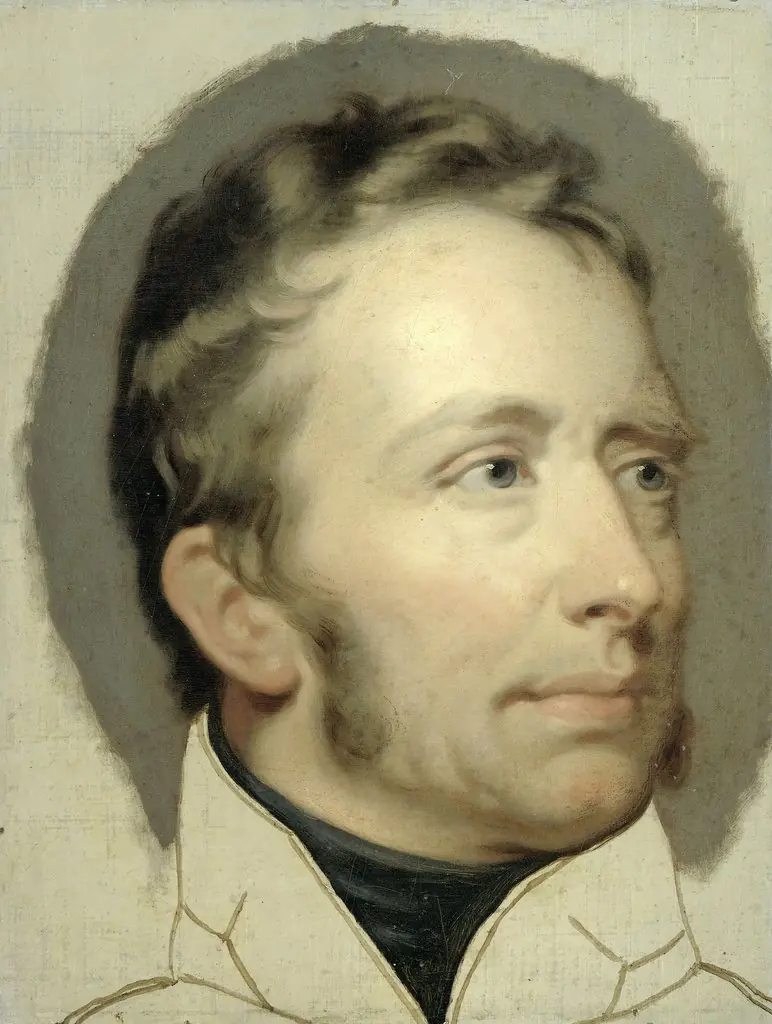 William I (1772-1843), King of the Netherlands
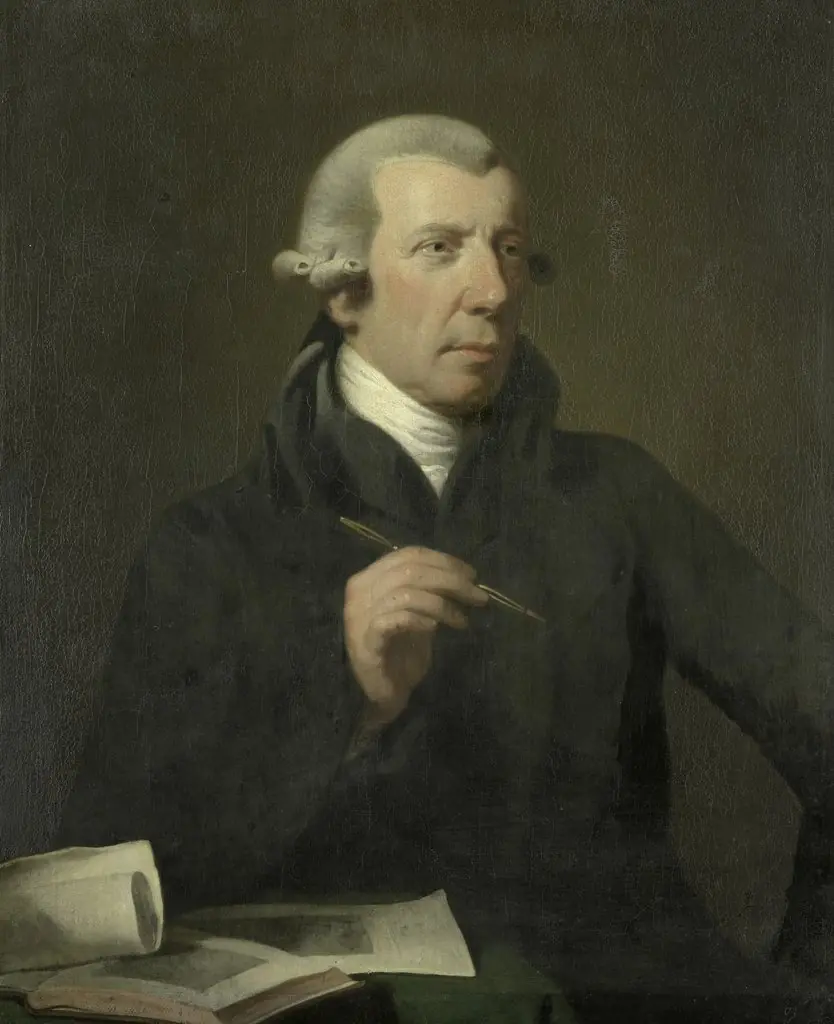 Portrait of Reinier Vinkeles, Draftsman and Engraver
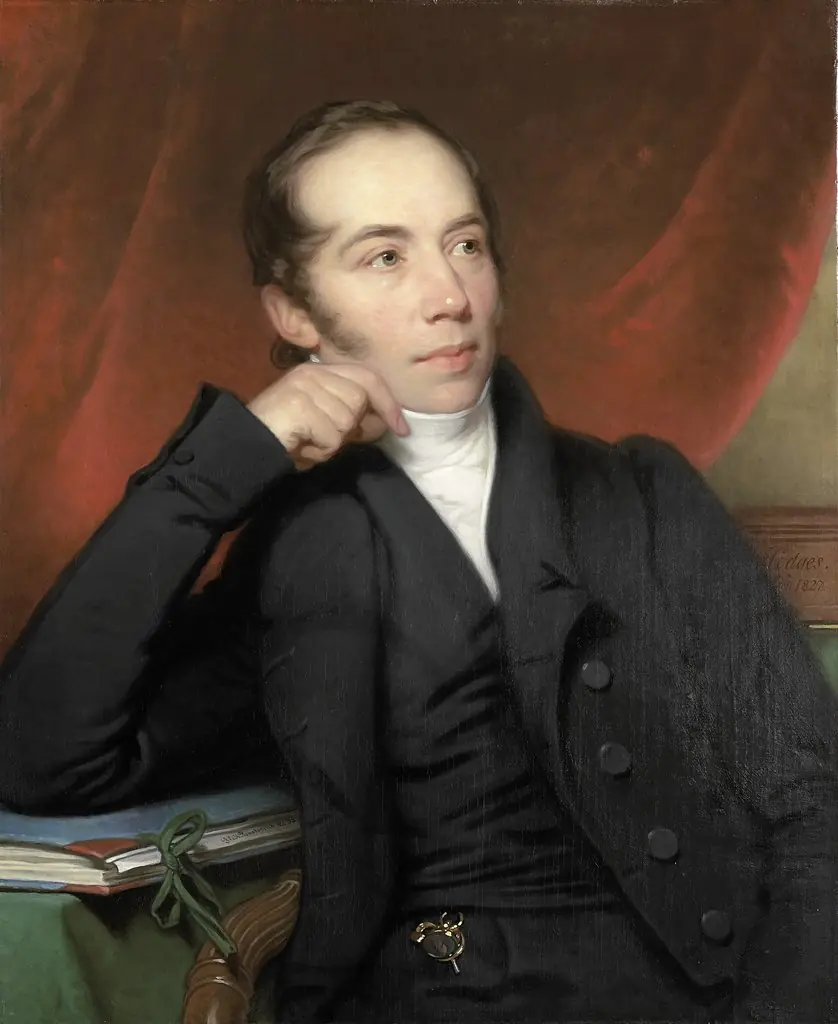 Portrait of Pieter Ernst Hendrik Praetorius, Broker, Draftsman and Painter. Chairman of the Board of the Rijksmuseum 1852-74
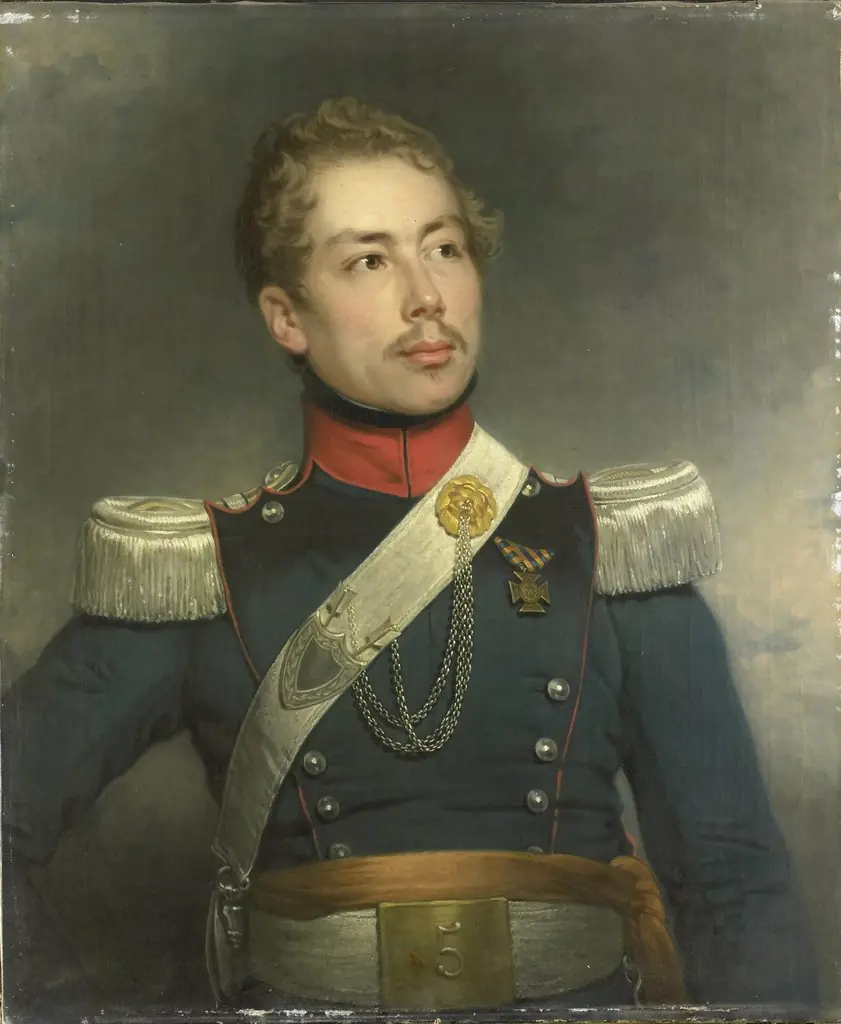 Portrait of Christian Edouard Fraser, Second Lieutenant of the 5th Regiment of the Dragoons
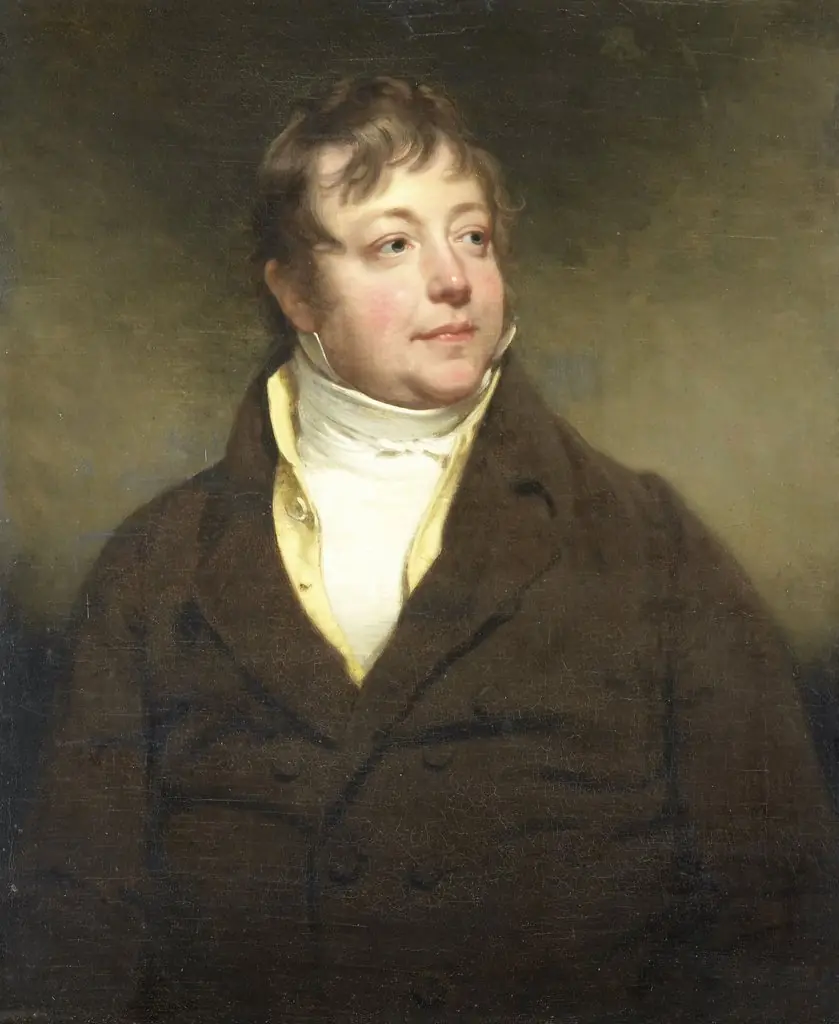 Portrait of a Man, perhaps J.W. Beynen
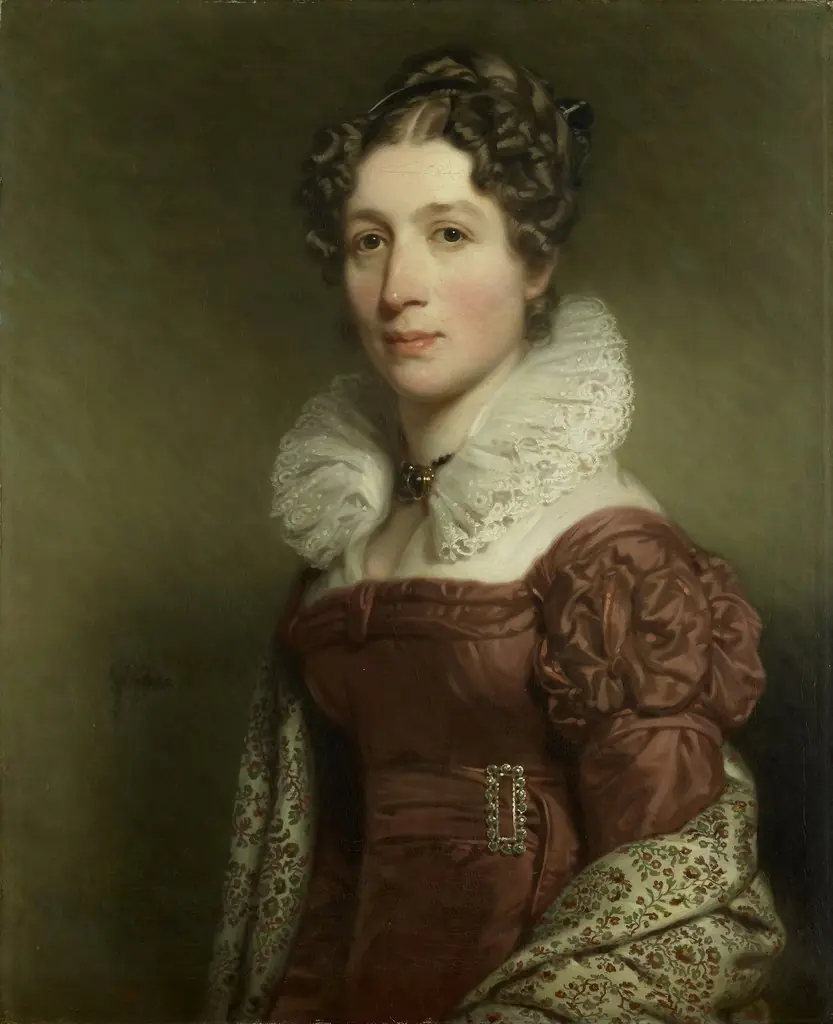 Portrait of Jacoba Vetter, Wife of Pieter Meijer Warnars, Bookseller in Amsterdam
 Mme. Dufresne
 Mme. Dufresne
 H Beard Print Collection
 Galathea. Study
 A Dancing Young Woman as Terpsichore
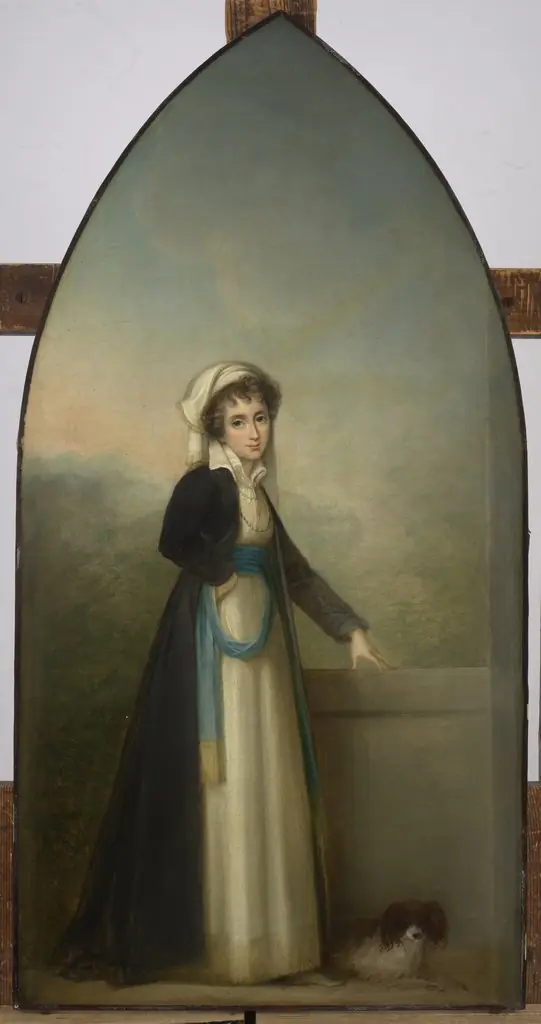 Portrait of Izabela née von Flemming, Princess Czartoryska (1746–1835)
 Untitled
 H Beard Print Collection
 H Beard Print Collection
 The Goddess Juno
 Portrait of a woman with a veil
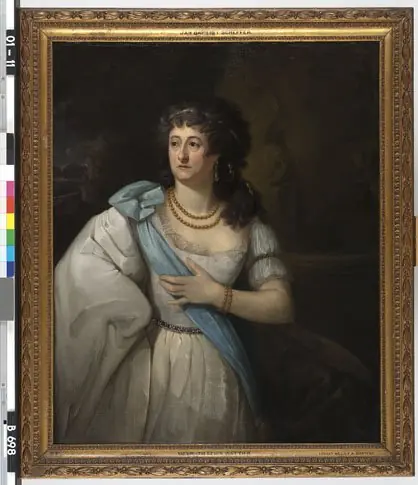
- Joanna Cornelia Ziesenis-Wattier (1762-1827). Toneelspeelster, in de rol van Elfride in het gelijknamige toneelstuk van Friedrich Justin Bertuch