Artwork
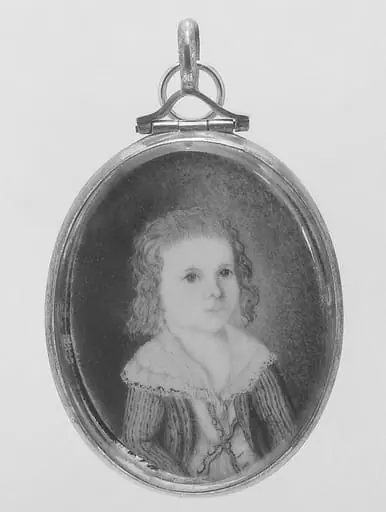
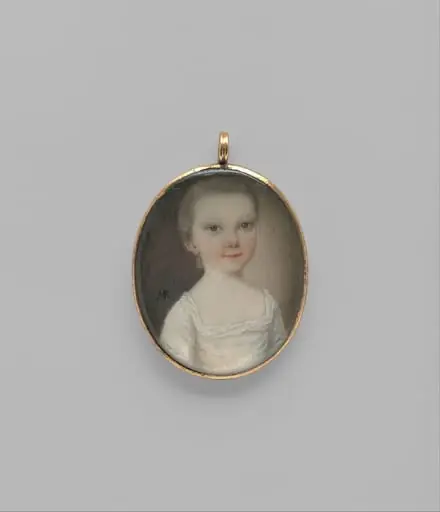
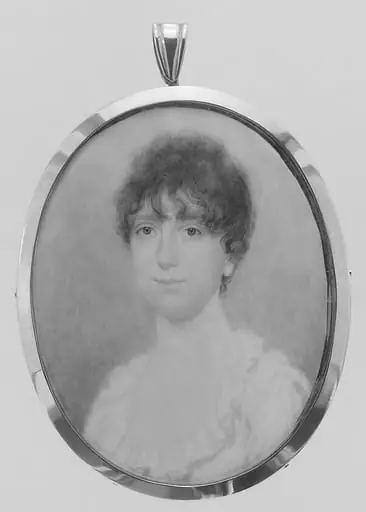
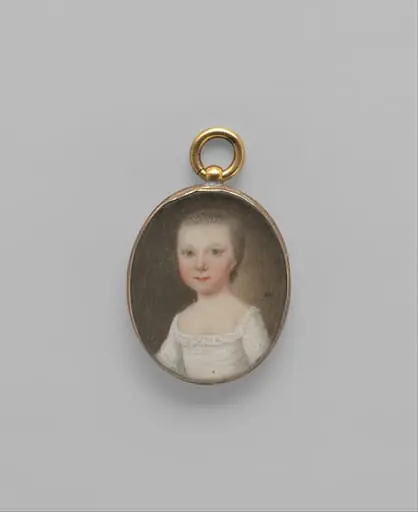
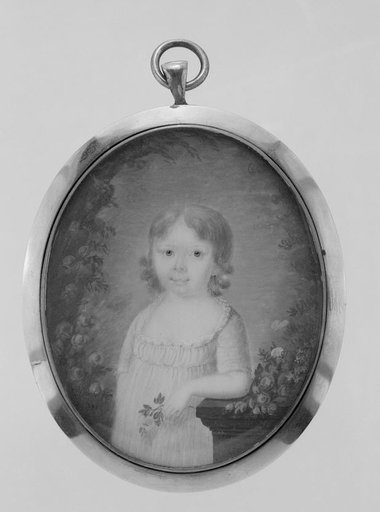
Portrait of a Girl
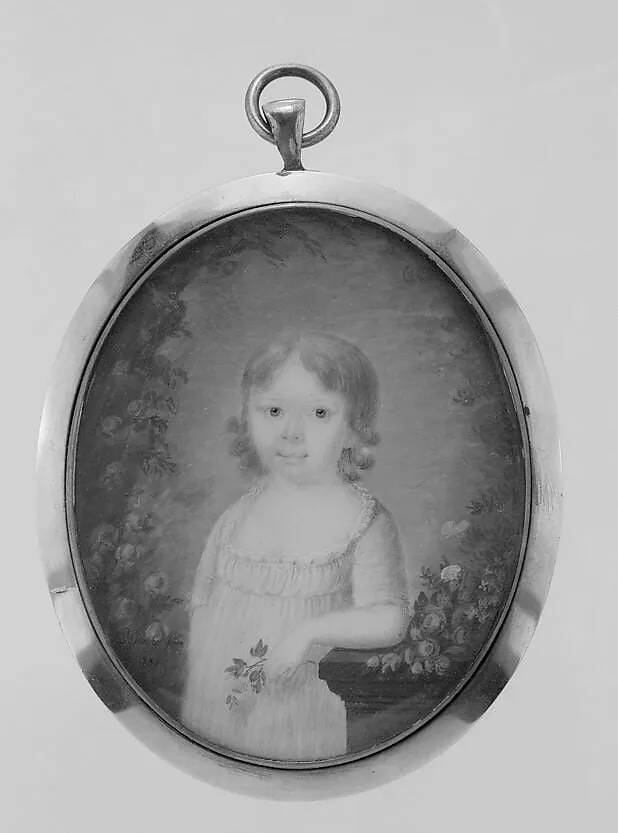
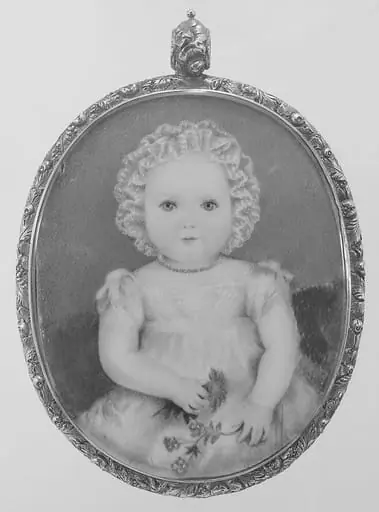
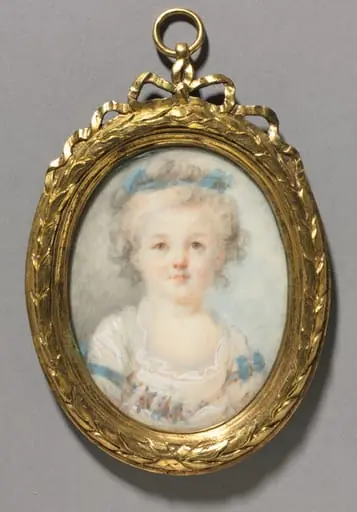
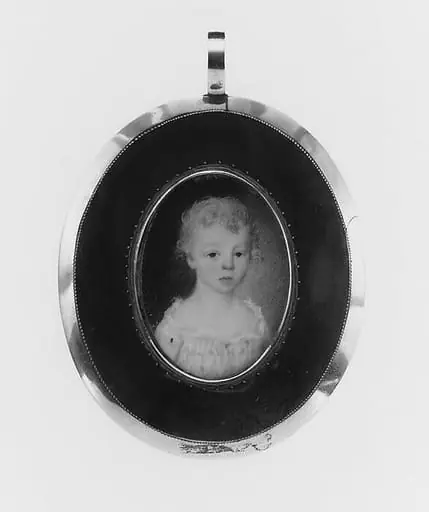
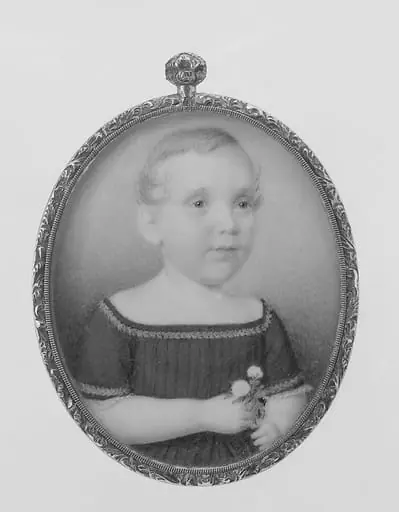
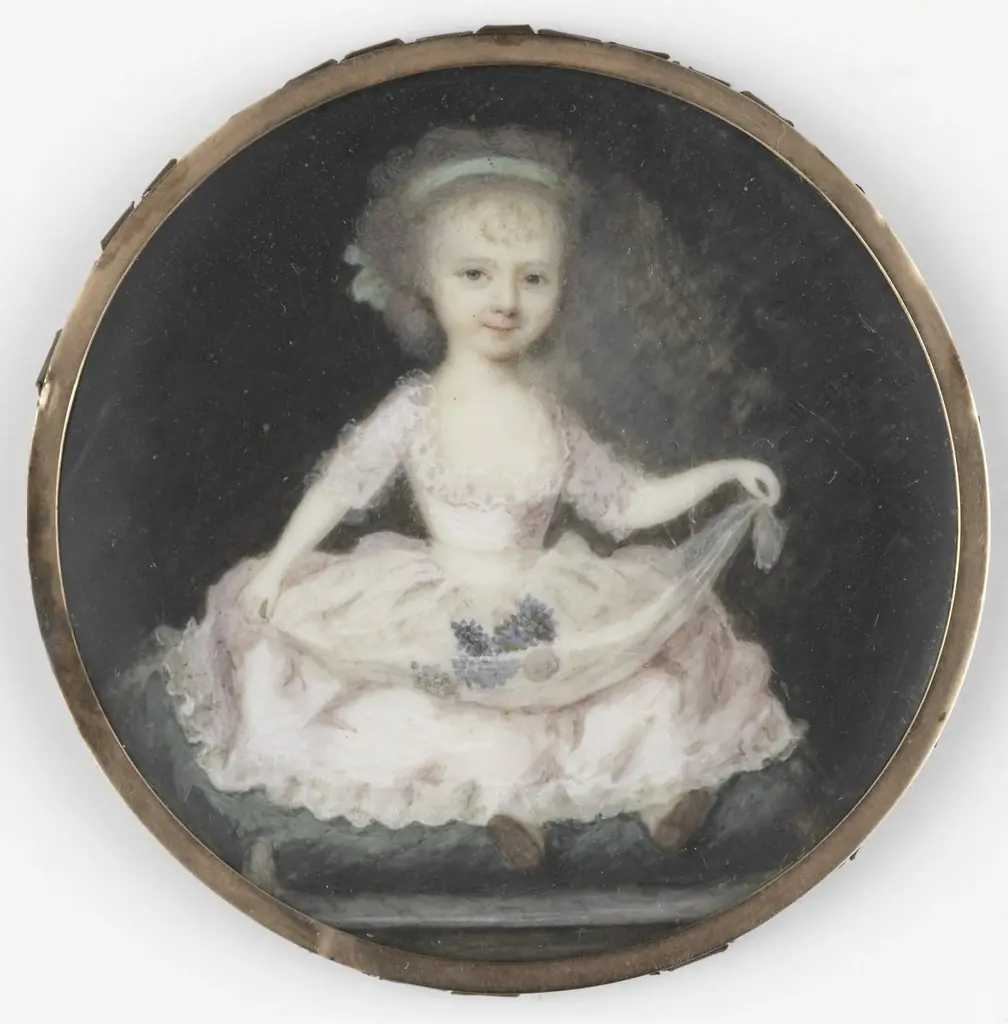
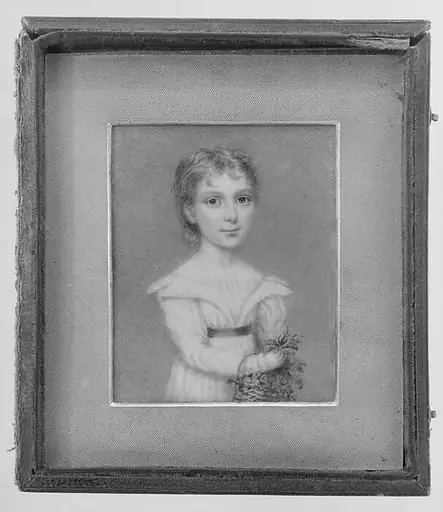
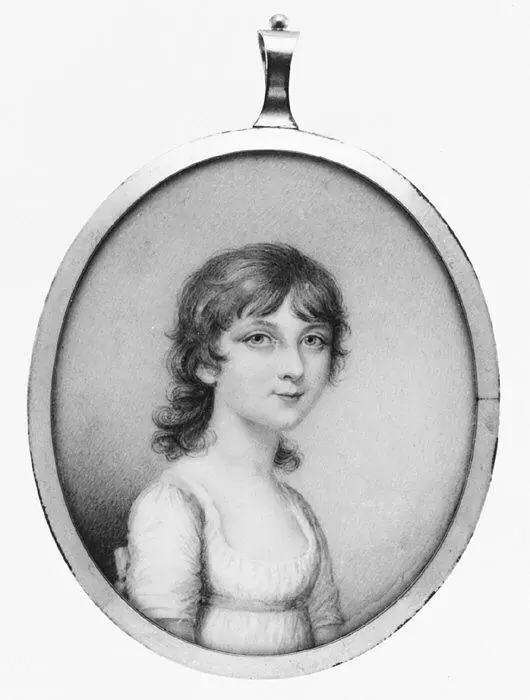
Portrait of a Girl is a watercolor painting by the Rococo painting artist Philippe Abraham Peticolas. It dates from 1797 and is held in the collection of the Metropolitan Museum of Art.
- Accession no.
- 2006.235.152
- Credit line
- Dale T. Johnson Fund, 2006
About this work
Overview
The work captures a young subject in a formal pose, reflecting the common practice of commissioning such intimate likenesses during the late 18th century.
Philippe Abraham Peticolas, a French-born artist working in Richmond, Virginia, created Portrait of a Girl in 1797. This watercolor on ivory miniature exemplifies the artist's skill in small-scale portraiture. The work captures a young subject in a formal pose, reflecting the common practice of commissioning such intimate likenesses during the late 18th century. Its delicate execution and rococo influence are characteristic of the period.
Subject & Meaning
The miniature depicts a young girl, her dark curls adorned with a blue ribbon, gazing directly forward. Dressed in a white gown, she is presented in a formal yet intimate manner, typical of portraiture from the era. Such small-scale works often served as personal mementos, allowing individuals to carry the likenesses of loved ones. The direct gaze invites a connection with the viewer, emphasizing the personal nature of the artwork.
Technique & Style
Executed in watercolor on a thin slice of ivory, this piece is a prime example of miniature painting. Peticolas employed delicate, translucent layers, known as glazing, to render the girl's skin with a soft, lifelike quality. The artwork's small scale, roughly the size of a playing card, and its refined aesthetic align with the Rococo style prevalent in the late 18th century, emphasizing elegance and intricate detail.
Context
Before the advent of photography, miniature portraits like this one served a crucial role in society. These small, portable artworks allowed individuals to carry or display the images of family members, friends, or romantic interests. They were highly personal objects, often exchanged as tokens of affection or remembrance. Peticolas specialized in this genre, catering to a demand for intimate and finely detailed likenesses.
Legacy
Philippe Abraham Peticolas established a significant artistic presence in late 18th-century Virginia, particularly through his expertise in portrait and miniature painting. His influence extended beyond his own works, as his sons later became notable figures within the cultural landscape of antebellum Virginia. This familial artistic tradition underscores the lasting impact of Peticolas's contributions to the region's artistic heritage.
Artist & collection
Artist
Philippe Abraham Peticolas (1760 – 1841) was an early American artist known for his portraits and miniatures.