Artwork
Thomas Willing
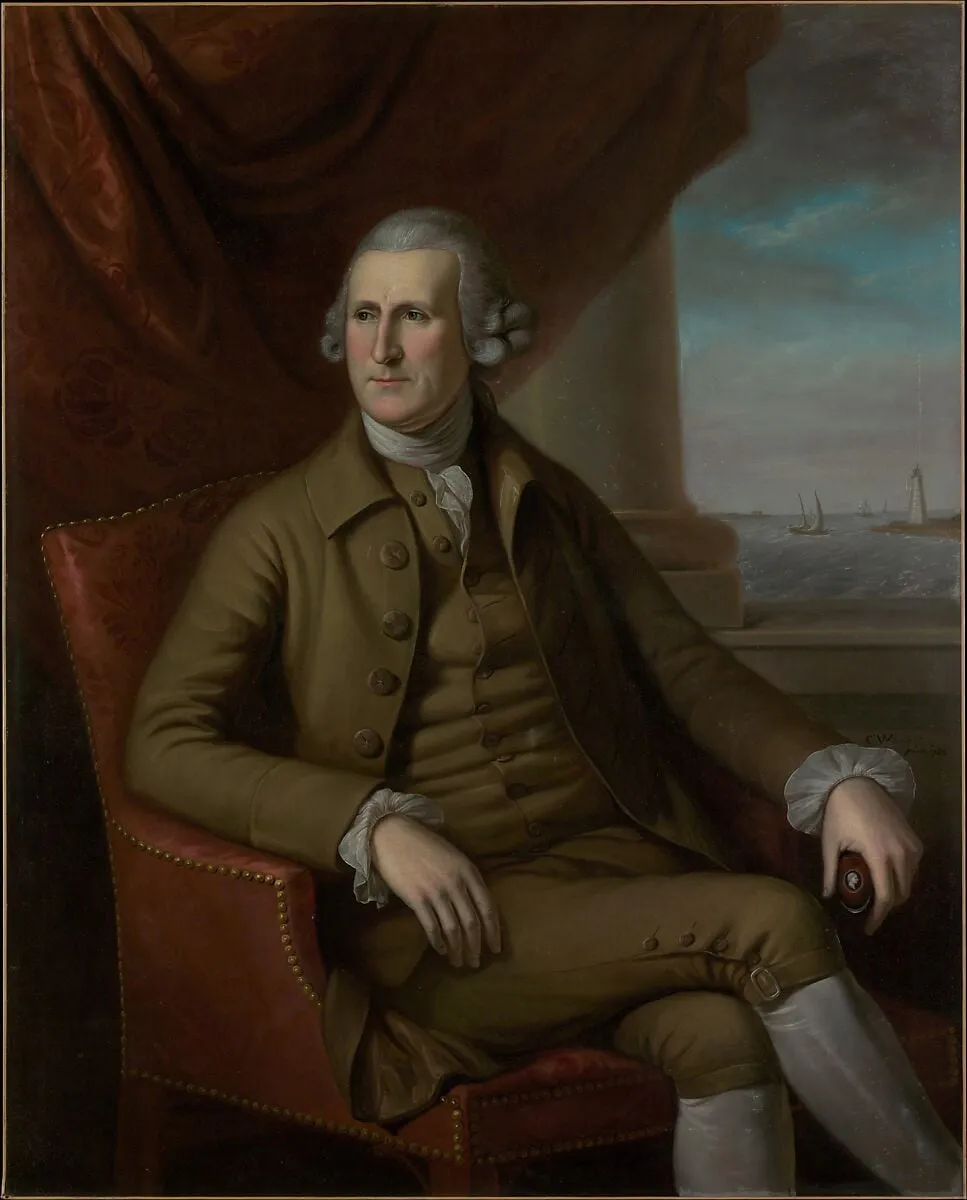
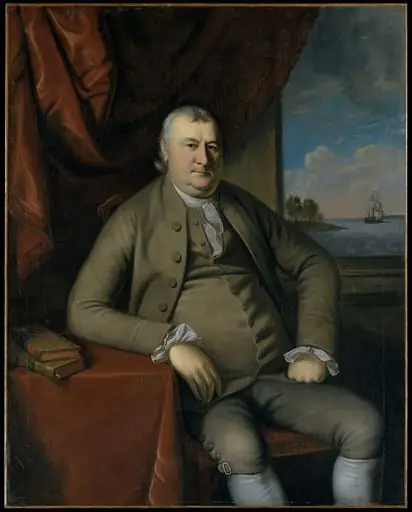
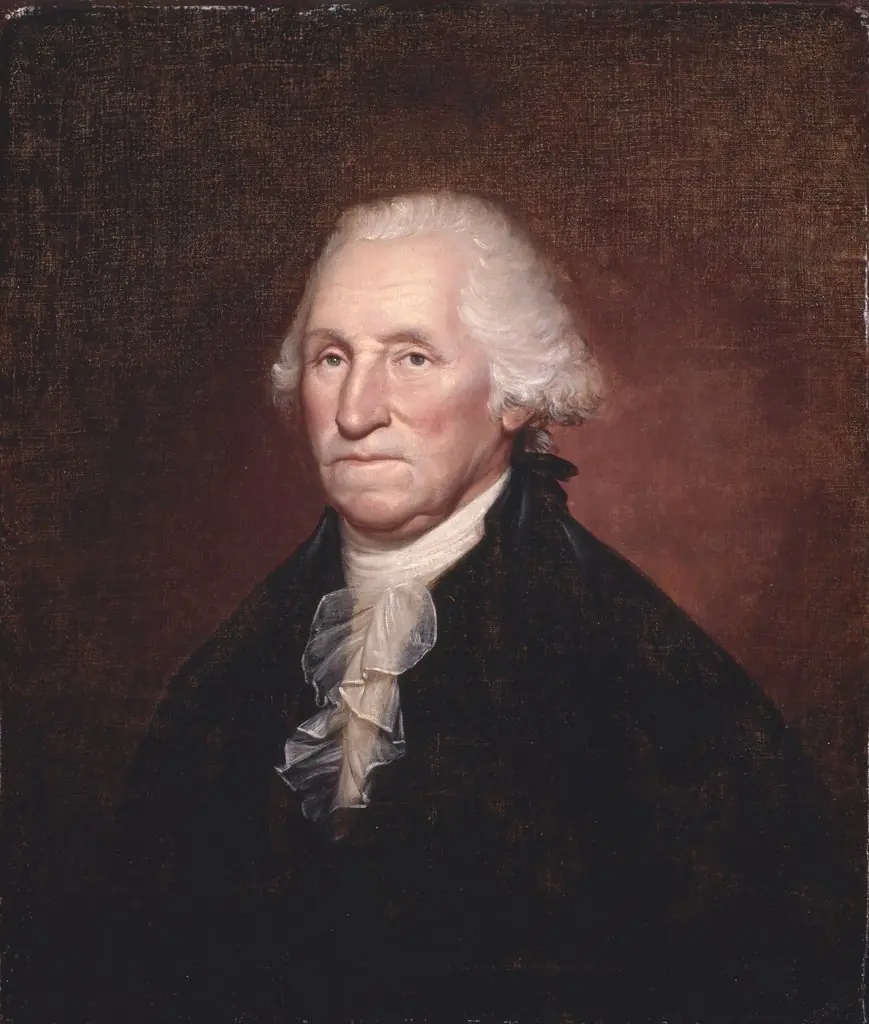
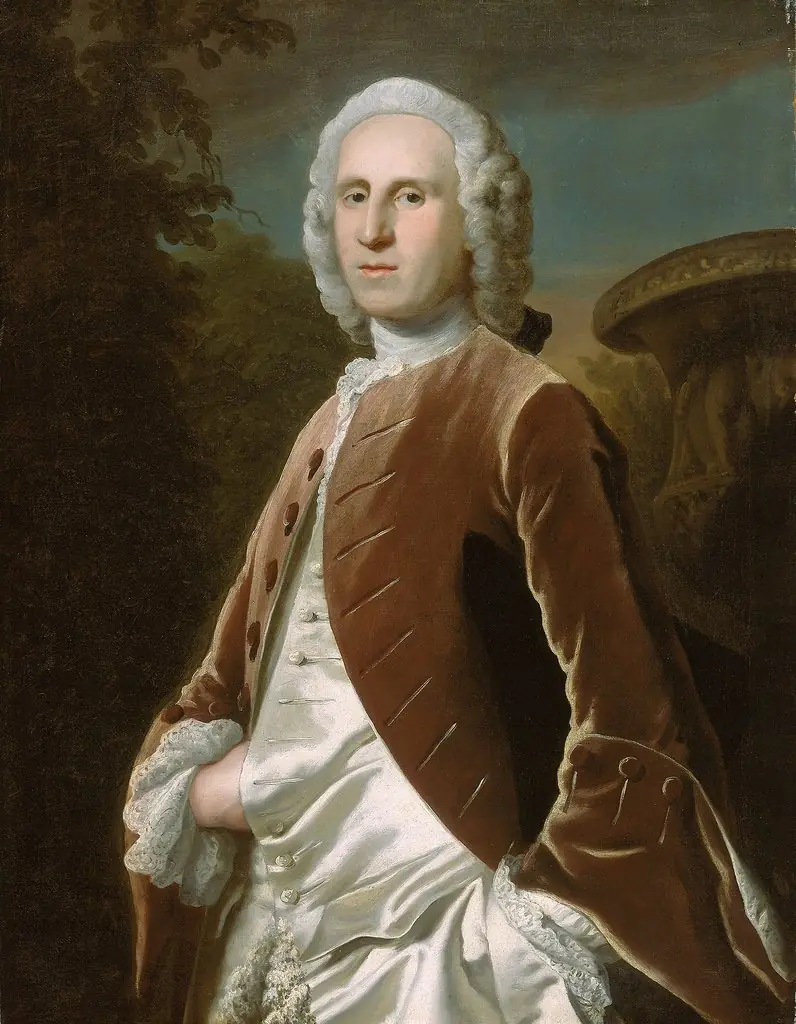
Thomas Willing is an oil painting by the American Impressionist artist Charles Willson Peale. It dates from 1782 and is held in the collection of the Metropolitan Museum of Art.
About this work
Technique & Style
As a genre portrait housed within the American Wing collection, the piece relies on the traditional medium of oil on canvas to define the sitter's likeness.
Created in 1782, the portrait of Thomas Willing by Charles Willson Peale is executed in oil paint on a canvas support. The work measures 125.7 cm in height and 101 cm in width, presenting a formal full-length depiction of the subject. As a genre portrait housed within the American Wing collection, the piece relies on the traditional medium of oil on canvas to define the sitter's likeness.
The painting's physical dimensions and material composition are consistent with late 18th-century portraiture practices. The artwork remains in the collection of the Metropolitan Museum of Art, where its classification as a portrait highlights its primary function as a formal representation of Thomas Willing.
History & Provenance
The portrait of Thomas Willing by Charles Willson Peale is dated to 1782 based on internal records and the Wikidata entry for the work. The painting was created as a formal portrait of the subject, Thomas Willing, who served as the first president of the Bank of North America. Provenance traces the work to the Metropolitan Museum of Art, where it is currently held. No further commission or creation history details are provided beyond the artist, subject, date, and institutional location.
Charles Willson Peale's 1782 oil-on-canvas portrait of Thomas Willing is held in the collection of the Metropolitan Museum of Art, specifically within its American Wing. The work measures 125.7 cm in height and 101 cm in width. While the sources confirm the painting's current location and physical dimensions, they do not provide a specific inventory or accession number.
Furthermore, the available documentation does not record any exhibition history for this portrait, leaving its display record outside the scope of the provided data.
Overview
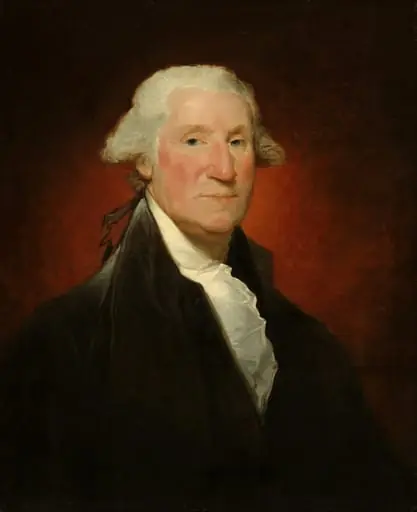
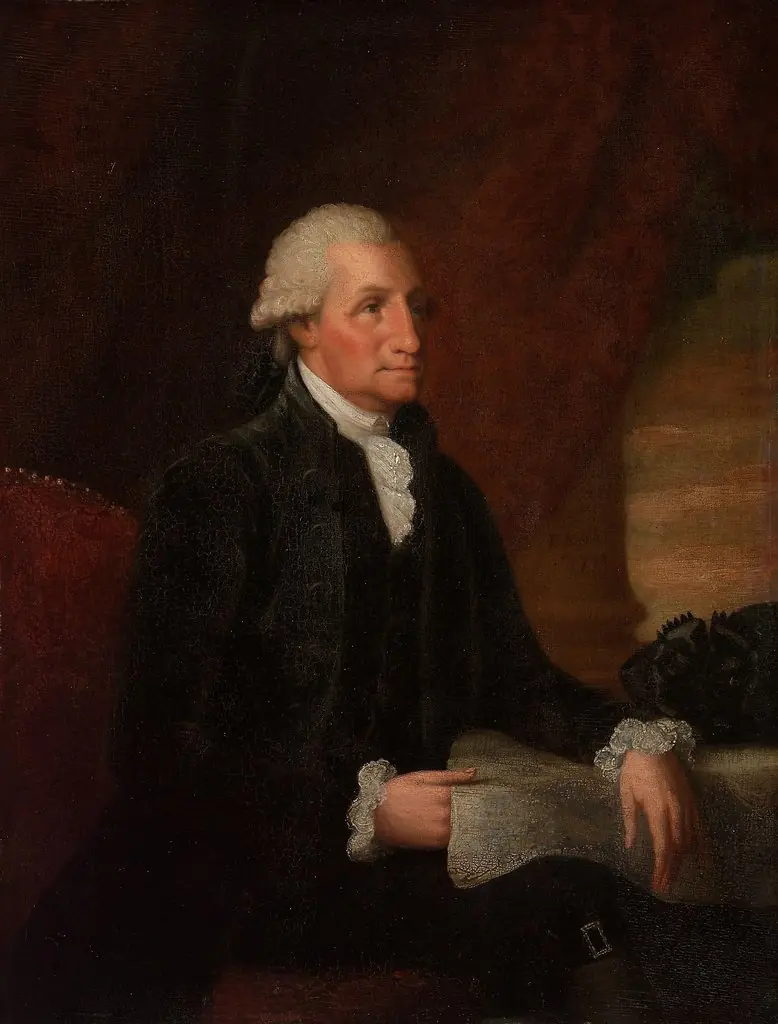
Painted in 1782 by Charles Willson Peale, this oil on canvas portrait depicts Thomas Willing, a prominent Philadelphia financier and merchant. The composition presents Willing seated in a three-quarter view, dressed in the formal attire of the late eighteenth century, which underscores his elevated social standing. Peale directs the viewer's attention to specific attributes that define the sitter's identity: a table to the right holds ledgers and books, symbolizing Willing's commercial acumen and intellectual engagement.
The artist employs a restrained palette and precise brushwork to render the textures of the fabric and the objects on the table, characteristic of Peale's commitment to naturalism during his early career. Executed shortly after the American Revolution, the work reflects the emerging American elite's desire to document their civic and economic contributions through portraiture. This piece stands as a significant example of Peale's ability to capture the character of the new nation's leadership, balancing psychological presence with the symbolic details of the sitter's profession.
Subject & Meaning
The portrait of Thomas Willing captures him in a moment of quiet gravity, his expression conveying a sense of earnestness. His period clothing and the meticulously rendered details, such as the books positioned on a table nearby, function as visual cues. These elements collectively communicate his social standing and intellectual inclinations, offering insight into the sitter's identity and the values esteemed during his lifetime.
Context
Beyond its portrayal of an individual, the painting offers insights into its historical period. The specific style of clothing worn by Thomas Willing and the design of the furniture visible in the background are characteristic of the era in which the portrait was created. These elements collectively serve as historical markers, reflecting the prevailing fashions and domestic aesthetics of the time.
Artist & collection
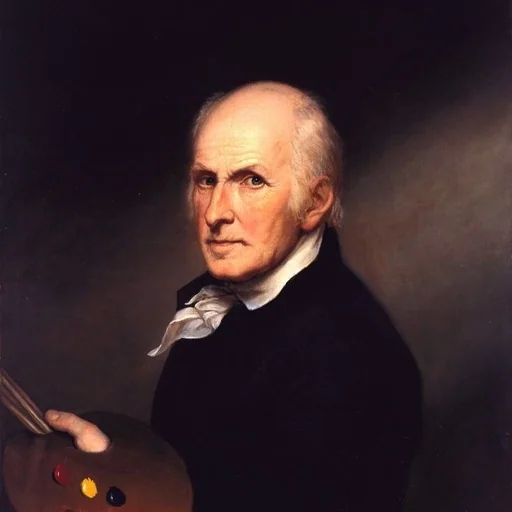
Artist
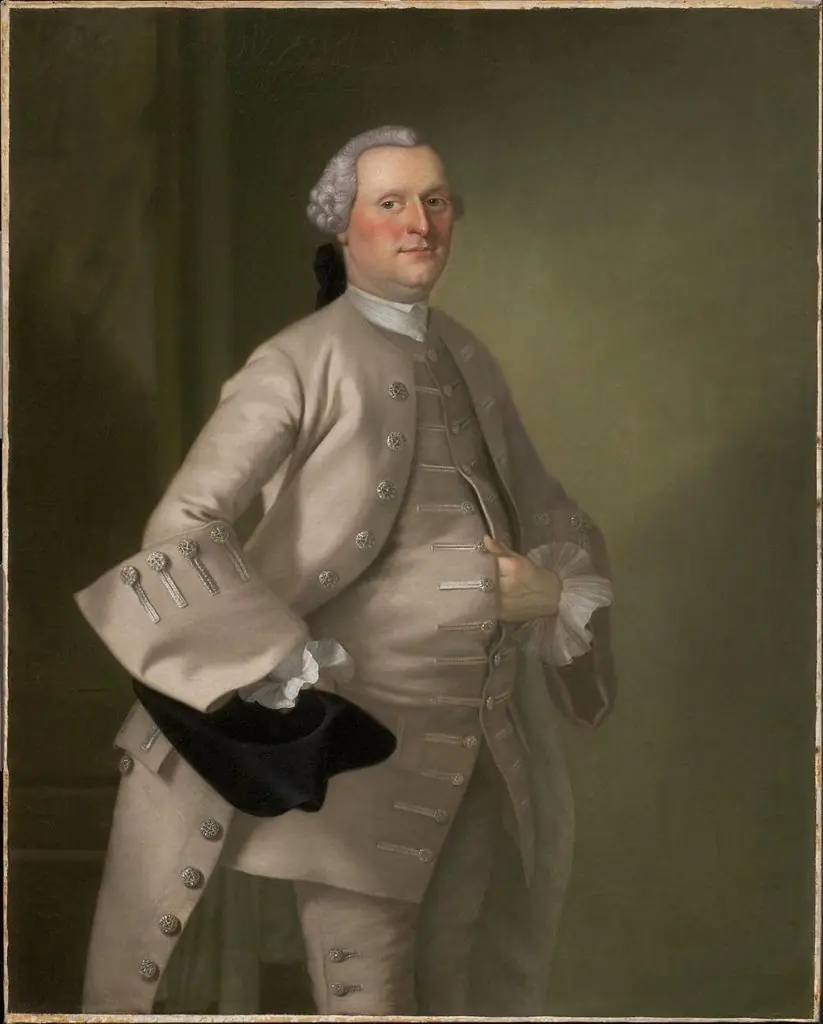
Charles Willson Peale (April 15, 1741 – February 22, 1827) was an American painter, military officer, scientist, and naturalist.