Artwork
Décolation de St. Jean (Beheading of Saint John the Baptist)
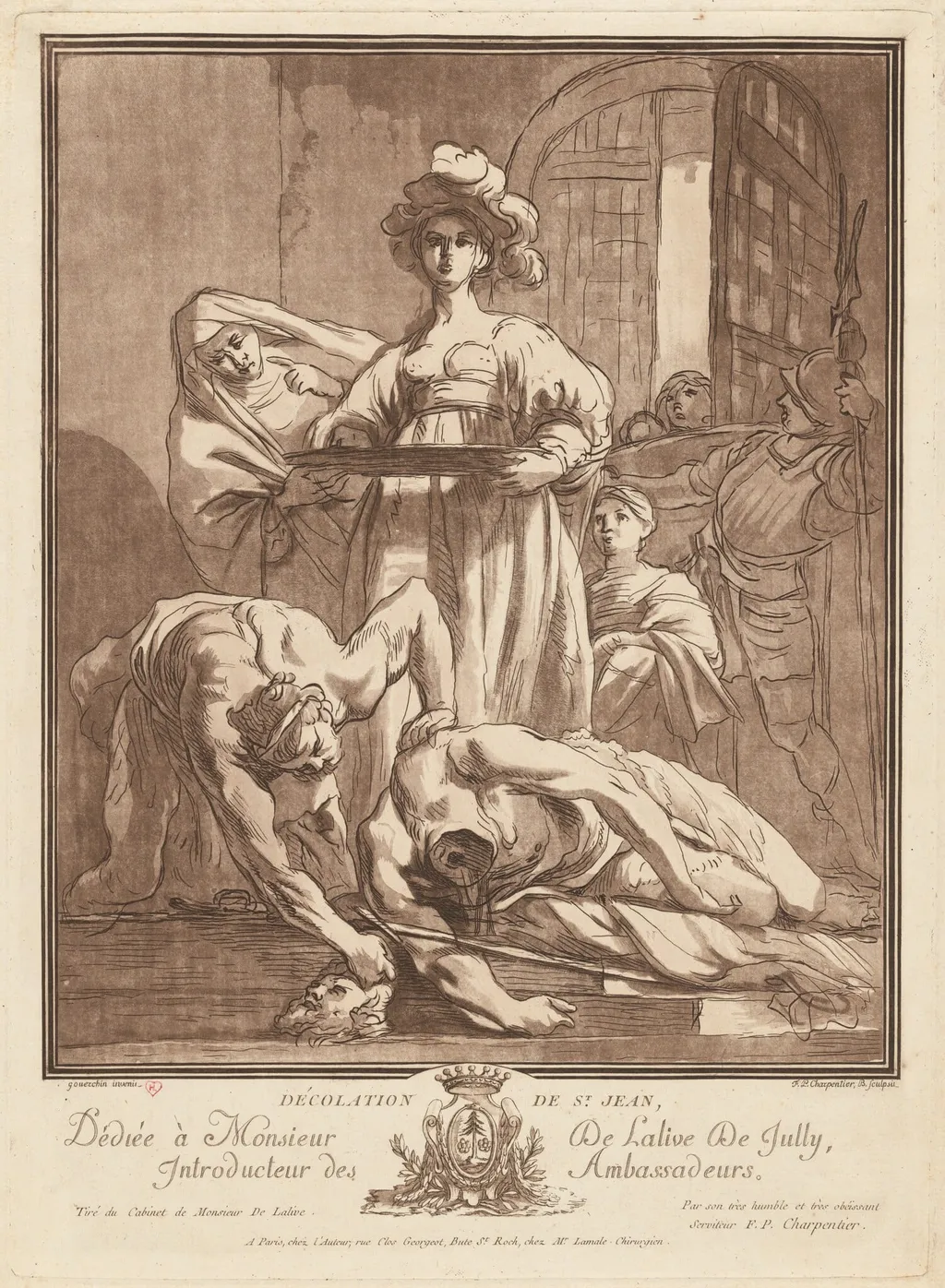
Décolation de St. Jean (Beheading of Saint John the Baptist) is an ink print by the Romanticist artist François-Philippe Charpentier. It dates from 1762 and is held in the collection of the National Gallery of Art. François‑Philippe Charpentier’s 1762 print, titled Décolation de St.
- Inscription
- Inscribed:lower center in plate: DÉCOLATION DE ST. JEAN / below image, at left: gouerchin invenit; below image, at right: F. P. Charpentier, B. sculpsit; below image, at center: Dédiée a Monsieur De Lalive de Jully, / Introducteur des Amassadeurs. / Tiré du Cabinet de Monsieur De Lalive Par son très humble et très obeissant / Serviteur F. P. Charpentier / A Paris, chez l'Auteur, rue Clos Georgeot, Bute St. Roch, che Mr. Lamale Chirurgien
- Markings
- Marked:Henri Ledoux (Lugt 4052); verso: none
About this work
Overview
François‑Philippe Charpentier’s 1762 print, titled Décolation de St. Jean, depicts the biblical beheading of John the Baptist. Executed in brown ink on laid paper, the image combines etching with aquatint and roulette techniques to render a somber, stone‑walled setting populated by a sword‑wielding woman and onlookers in various states of shock.
Subject & Meaning
The composition centers on a female figure poised with a sword over the neck of the martyr, evoking the moment of execution. Surrounding characters kneel or avert their gaze, emphasizing the drama and collective grief associated with the saint’s death, a common theme in 18th‑century religious art.
Technique & Style
Charpentier employed a hybrid process: line etching for precise contours, aquatint for tonal washes, and a roulette tool to create fine stippled textures. The brown palette and rough stone background enhance the chiaroscuro effect, while the laid‑paper surface contributes subtle grain to the overall atmosphere.
History & Provenance
Born in Blois in 1734, Charpentier trained in Paris after leaving a Jesuit college for financial reasons. He later patented mechanical methods for aquatint production. The Décolation de St. Jean is now part of the National Gallery of Art’s collection in Washington, D.C.
Context
The print belongs to the religious genre prevalent in mid‑18th‑century France, reflecting both devotional practice and the market for narrative prints. Charpentier’s work illustrates the period’s interest in combining technical innovation with traditional biblical subjects.
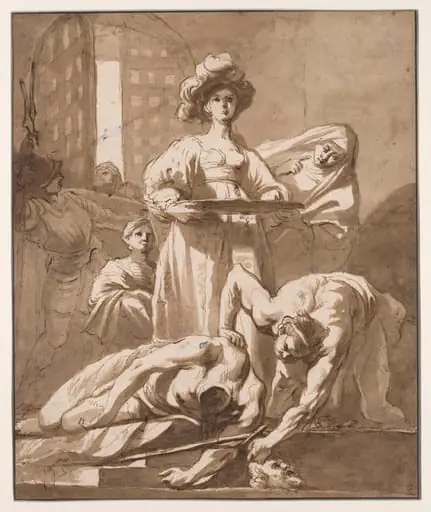
Own this work as a print
Artist & collection

Artist
François-Philippe Charpentier (b. Blois, 1734; d. there 22 July 1817) was a French engraver and inventor. His father was a bookbinder, a poor man who reportedly made many sacrifices so that his son might attend the…

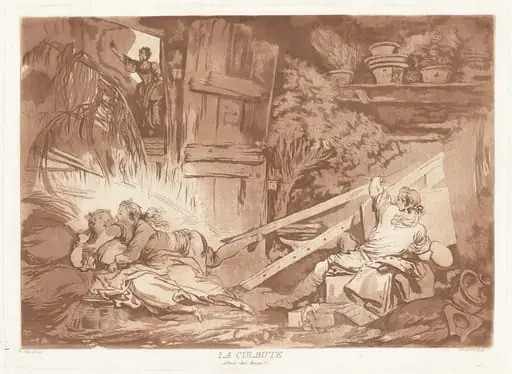 La Culbute (The Tumble)
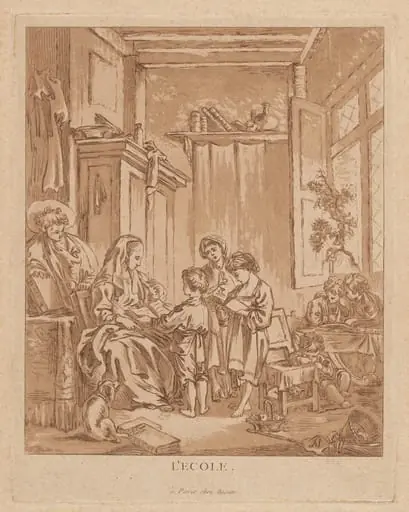 L’École (The School)
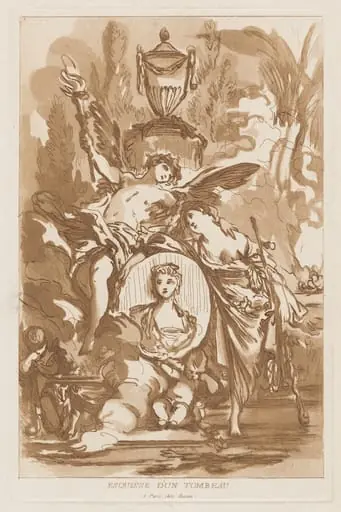 Esquisse d’un tombeau (Sketch for a Tomb)
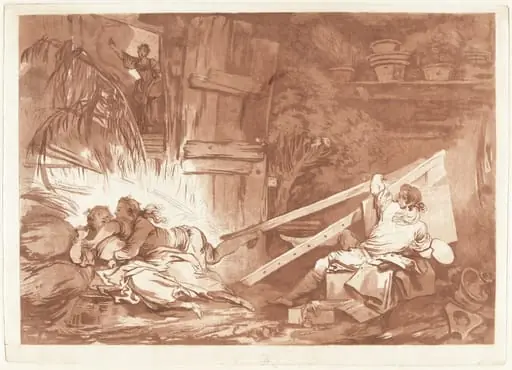 The Tumble
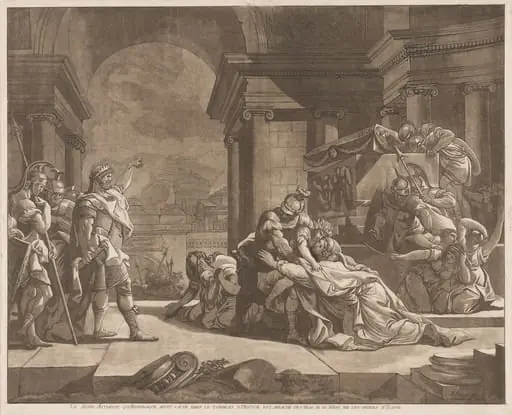 Le Jeune Astianax qu’Andromaque avoit caché dans le tombeau d’Hector est arraché des bras de sa Mere par les ordres d'Ulisse (Young Astianax, who Andromache Hid in Hector's Tomb, is Seized from his Mother's Arms by Ulysses' Orders)
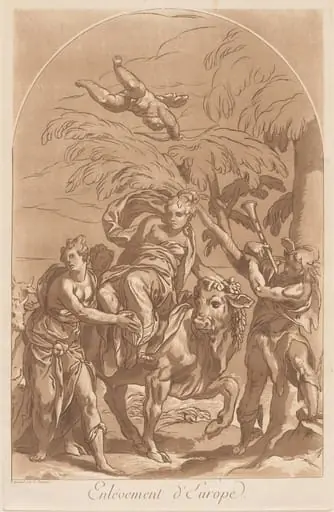 Rape of Europa
 Étude de Mandiants (Study of Beggars)
 Les Graces (The Graces)
- Salome with the Head of John the Baptist
 The Flagellation
![The Challenge [right], by Gabriel de Saint-Aubin](https://artifactworldgallery.com/img/gabriel-de-saint-aubin--the-challenge-right--75162e00e6876b27-w320.webp) The Challenge [right]
The Challenge [right] Scherzi di Fantasia: Satyr Family with the Obelisk
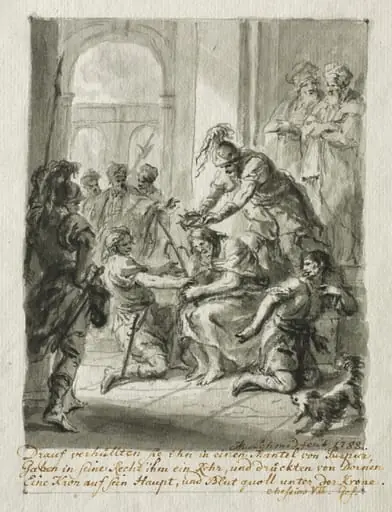 Christ Crowned with Thorns
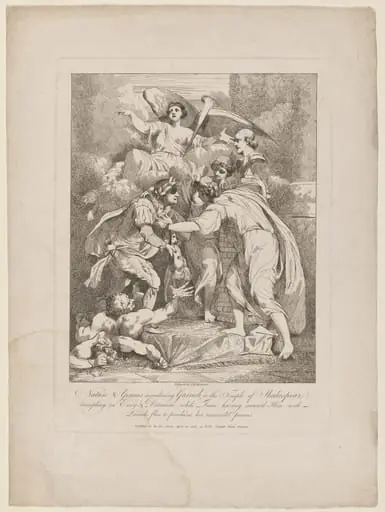 Nature and Genius Introducing Garrick to the Temple of Shakespeare
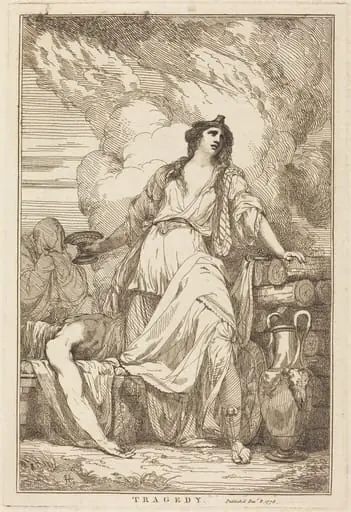 Tragedy
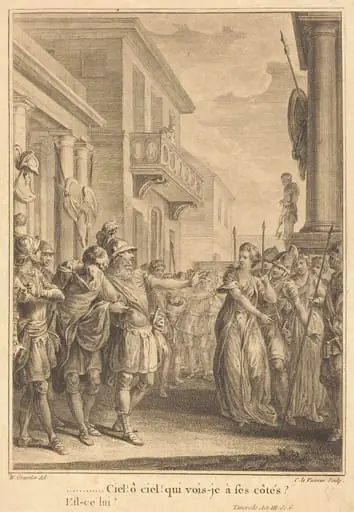 Ciel! ô ciel! qui vois-je à ses côtés?
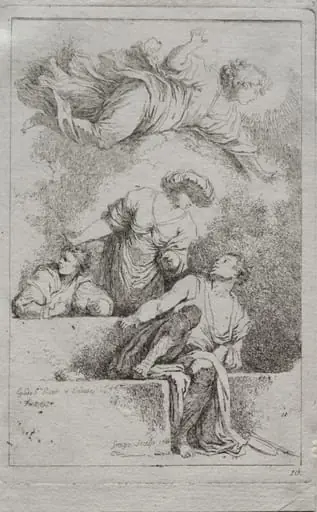 The Disciples at the Tomb
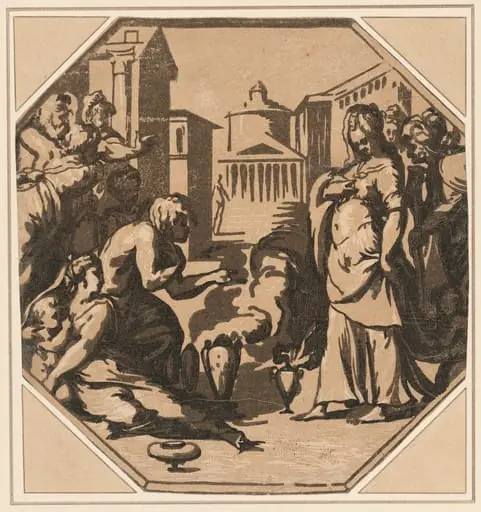 Homage to Psyche
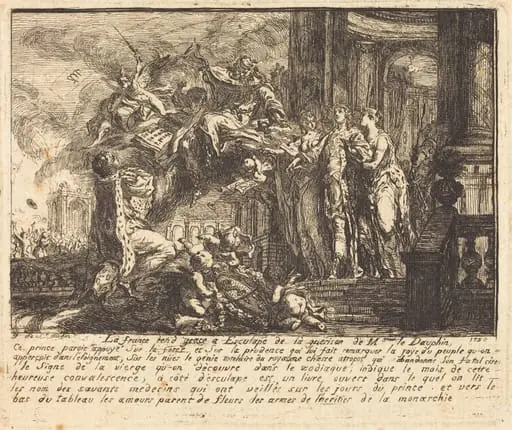 Allegory of the Dauphin's Convalescence (Allegorie sur la convalescence du Dauphin)
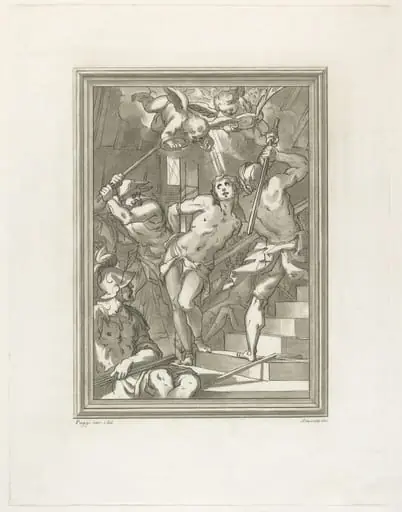 Flagellation of a Saint