Artist
Subject
History
History is a subject in art. The gallery holds 28 works in this subject in art, including works by Ștefan Popescu, Constantin Găvenea and Akseli Gallen-Kallela.
In the academic theory of art, "history" denoted the most ambitious form of painting and sculpture: the depiction of significant human events drawn from the Bible, classical antiquity, mythology, and allegory. The genre crystallised in the Italian Renaissance around Leon Battista Alberti's ideal of the *istoria*, a morally elevated multi-figure narrative, and was formally codified by the French Royal Academy of Painting and Sculpture, founded in 1648 under Charles Le Brun. In 1669 the Academy's secretary André Félibien published the famous hierarchy of genres, placing history painting above portraiture, genre scenes, landscape, and still life on the grounds that only it could combine all the others while teaching virtue through noble subjects.
A history painting was judged by its capacity to stage a complex action legibly and movingly. It demanded mastery of the idealised human figure, expressive gesture, balanced composition, and learned iconography, often on a monumental scale. In Britain, Joshua Reynolds promoted these standards through his *Discourses* at the Royal Academy, defining the "Grand Manner" that lent the dignity of history to portraiture. The genre also rewarded erudition: viewers were expected to recognise episodes from Livy, Homer, or scripture.
Its canonical masters span two centuries. Nicolas Poussin (1594–1665) set the standard of restrained classicism that French artists revered as the *grand goût*. Jacques-Louis David recast that austerity into revolutionary Neoclassicism with the *Oath of the Horatii* (1784) and *The Death of Marat* (1793), the latter dubbed the "pietà of the Revolution." His pupil Antoine-Jean Gros chronicled the Napoleonic campaigns, while Eugène Delacroix shifted the genre toward Romantic colour and emotion in the *Barque of Dante* (1822) and *Liberty Leading the People* (1830).
Though history painting declined as an academic ideal after the mid-nineteenth century, its commemorative impulse migrated into public sculpture and the war memorial. The catastrophe of the World Wars produced a vast monumental culture—some 176,000 memorials were raised in France alone—shifting emphasis from "great men" to the ordinary fallen. This lineage survives in works such as the Romanian First and Second World War monuments and military cemeteries held in this collection, where the old grand genre's mission of public memory endures in stone.
Key artists

Works
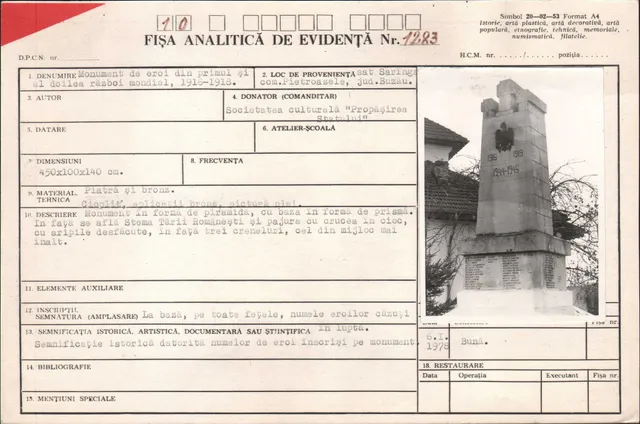
 Monument al eroilor căzuți în Primul Război Mondial și în Al Doilea Război Mondial
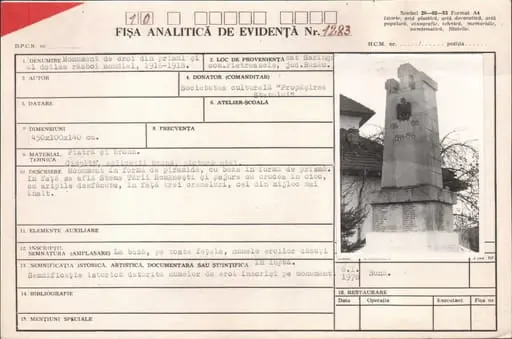 Monument de eroi din Primul și Al Doilea Război Mondial
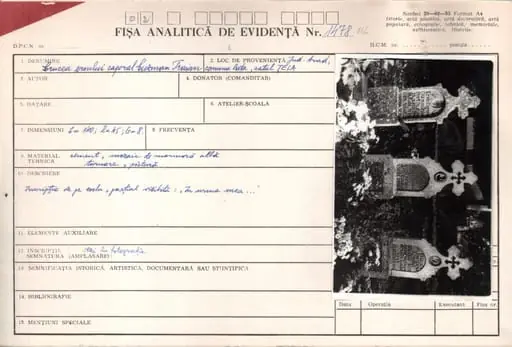 Monument al eroului Cuzman Traian căzut în Al Doilea Război Mondial
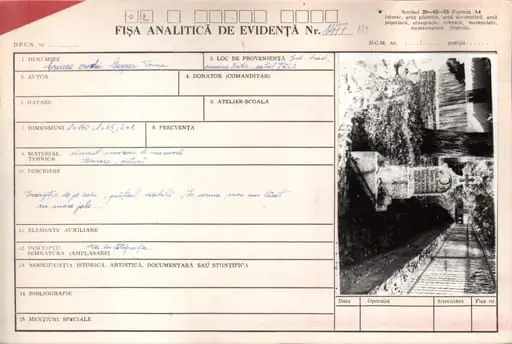 Monument al eroilor căzuți în Al Doilea Război Mondial
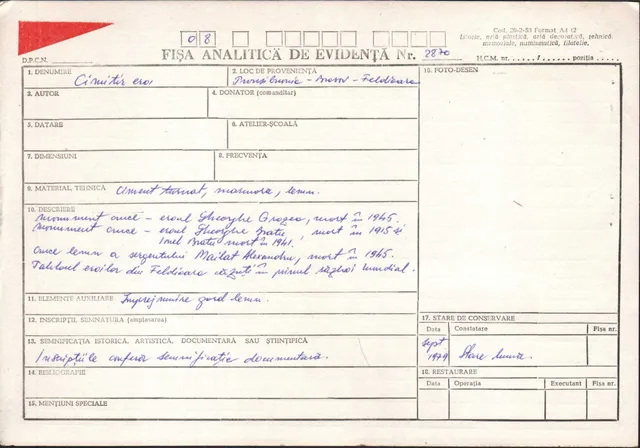
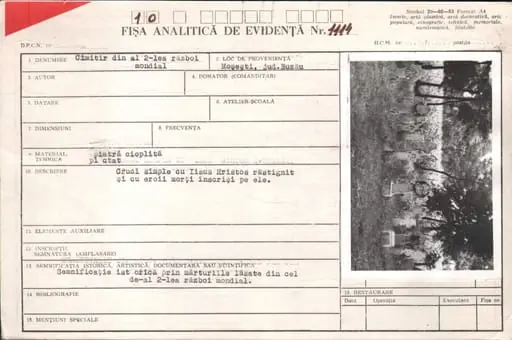 Cimitir din Al Doilea Război Mondial
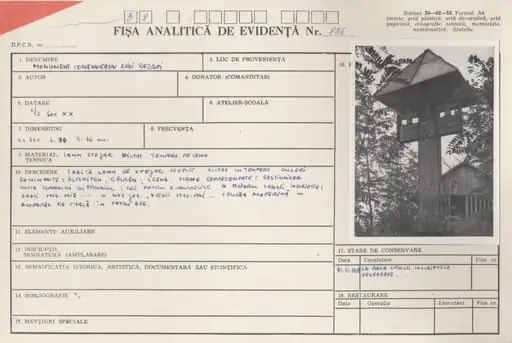 Monument al eroilor căzuți în Primul Război Mondial
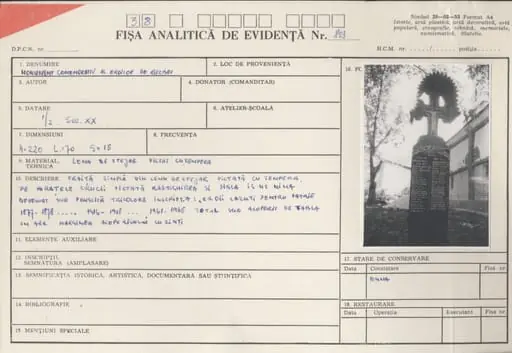 Monument al eroilor căzuți în Războiul de Independență, în Primul Război Mondial și în Al Doilea Război Mondial
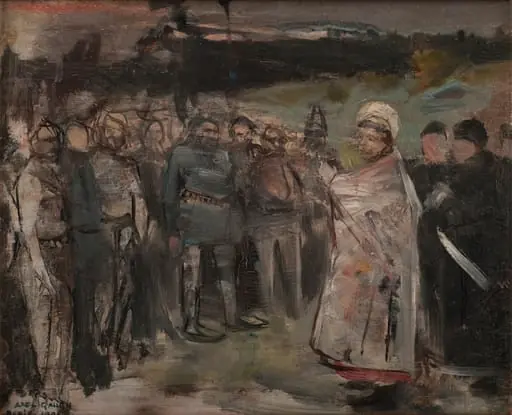 Piispa Henrik kastaa suomalaisia
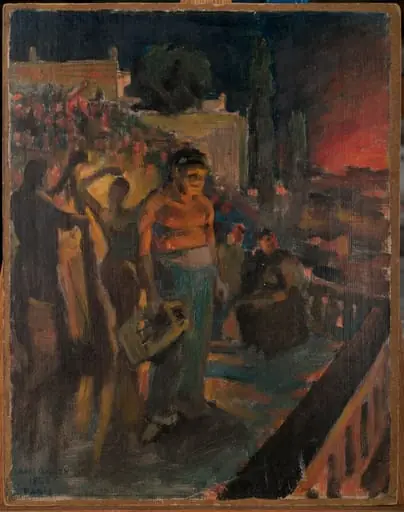 Nero Rooman palossa
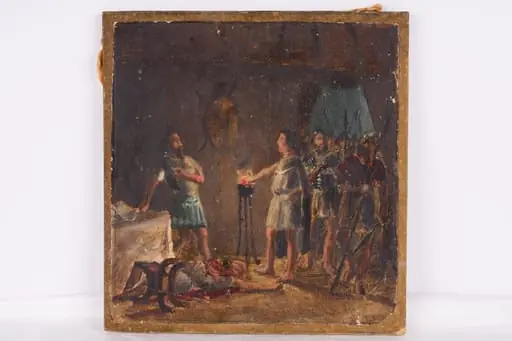 Mucius Scaevola
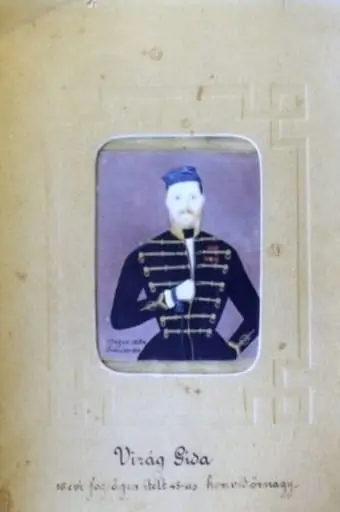 Maiorul Virágh Gedeon
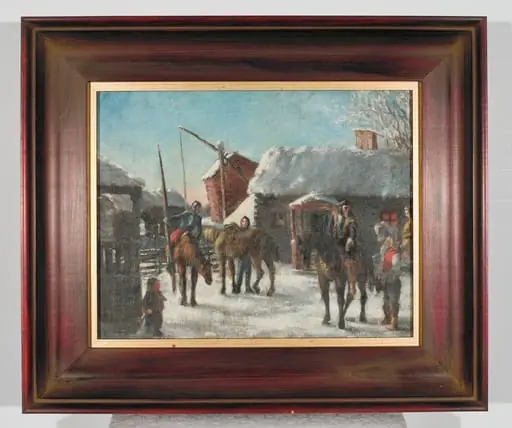 Ratsumiehiä talon pihalla
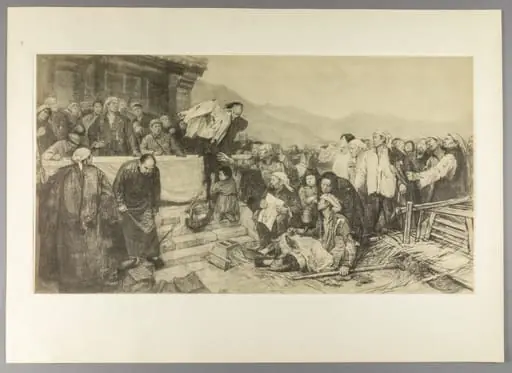 Reproducere după un desen cu titlul „Cămașa însângerată” realizată de Wang Che-kouo și datată în 1959. Exemplarul a fost oferit lui Nicolae Ceaușescu, secretar general al Partidului Comunist Român; șeful de stat al Republicii Socialiste România, ca parte a unui album ce conține un catalog quatrolingv (franceză, spaniolă, engleză, chineză) și alte 9 reproduceri după picturi cu semnificație istorică pentru mișcarea comunistă în RP China.
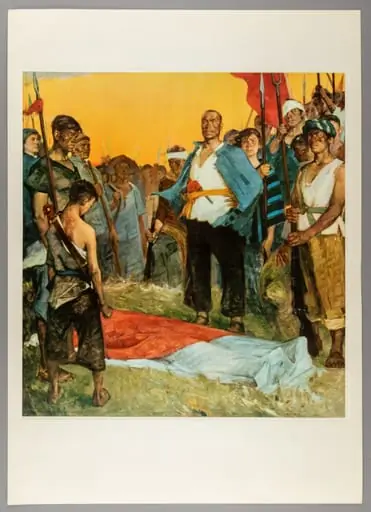 Reproducere după o pictură în ulei cu titlul „Noi continuăm lupta” realizată de Tsuan Chan-che și datată în 1961. Exemplarul a fost oferit lui Nicolae Ceaușescu, secretar general al Partidului Comunist Român; șeful de stat al Republicii Socialiste România, ca parte a unui album ce conține un catalog quatrolingv (franceză, spaniolă, engleză, chineză) și alte 9 reproduceri după picturi cu semnificație istorică pentru mișcarea comunistă în RP China.
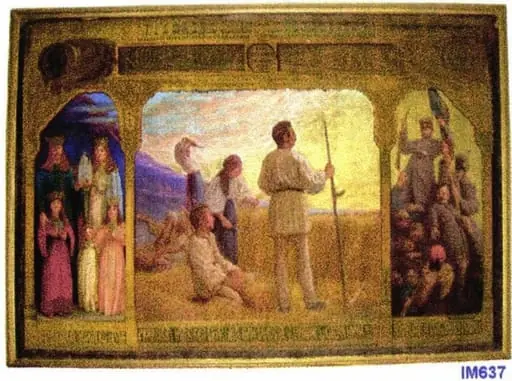 Triptic
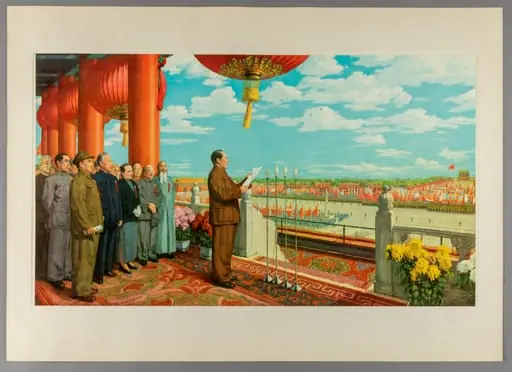 Reproducere după o pictură în ulei cu titlul „Ceremonia de proclamare a Republicii Populare China” realizată de Tong Hsi-wen și datată în 1951. Comemorează proclamarea Republicii Populare Chineze, de către liderul comunist Mao Zedong, pe 21 septembrie 1949. Exemplarul a fost oferit lui Nicolae Ceaușescu, secretar general al Partidului Comunist Român; șeful de stat al Republicii Socialiste România, ca parte a unui album ce conține un catalog quatrolingv (franceză, spaniolă, engleză, chineză) și alte 9 reproduceri după picturi cu semnificație istorică pentru mișcarea comunistă în RP China.
 Reproducere după o pictură în ulei cu titlul „Flacăra revoluționară la Yenan” realizată de Tsai Liang și datată în 1959. Exemplarul a fost oferit lui Nicolae Ceaușescu, secretar general al Partidului Comunist Român; șeful de stat al Republicii Socialiste România, ca parte a unui album ce conține un catalog quatrolingv (franceză, spaniolă, engleză, chineză) și alte 9 reproduceri după picturi cu semnificație istorică pentru mișcarea comunistă în RP China.
 Reproducere după o pictură în ulei cu titlul „Președintele Mao pe muntele King-Kang” realizată de Lo Kong-lieu și datată în 1961. Pe muntele King-kang se afla baza trategică a Armatei Roșii chineze. Exemplarul a fost oferit lui Nicolae Ceaușescu, secretar general al Partidului Comunist Român; șeful de stat al Republicii Socialiste România, ca parte a unui album ce conține un catalog quatrolingv (franceză, spaniolă, engleză, chineză) și alte 9 reproduceri după picturi cu semnificație istorică pentru mișcarea comunistă în RP China.
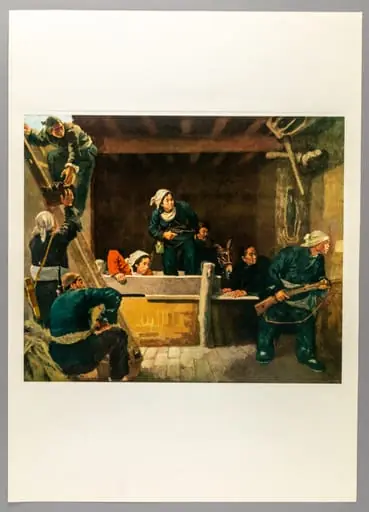 Reproducere după o pictură în ulei cu titlul „Lupta subterană” realizată de Lo Kong-lieu și datată în 1951. Exemplarul a fost oferit lui Nicolae Ceaușescu, secretar general al Partidului Comunist Român; șeful de stat al Republicii Socialiste România, ca parte a unui album ce conține un catalog quatrolingv (franceză, spaniolă, engleză, chineză) și alte 9 reproduceri după picturi cu semnificație istorică pentru mișcarea comunistă în RP China.
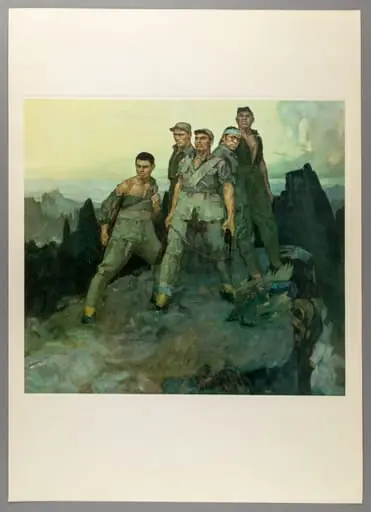 Reproducere după o pictură în ulei cu titlul „Cinci eroi în lupta de la muntele Lang-Ya” realizată de Tchan Kien-kiun și datată în 1959. Exemplarul a fost oferit lui Nicolae Ceaușescu, secretar general al Partidului Comunist Român; șeful de stat al Republicii Socialiste România, ca parte a unui album ce conține un catalog quatrolingv (franceză, spaniolă, engleză, chineză) și alte 9 reproduceri după picturi cu semnificație istorică pentru mișcarea comunistă în RP China.
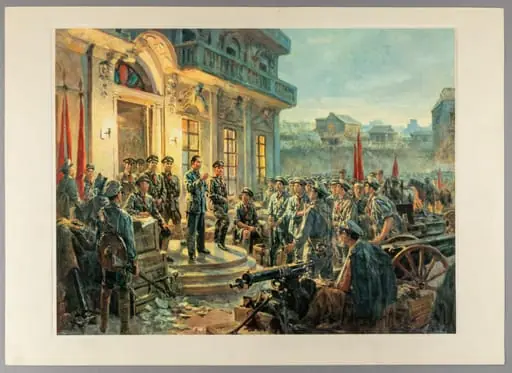 Reproducere după o pictură în ulei cu titlul „Insurecția din Nanchang” realizată de Li Ping-hong și datată în 1951. Pe 1 august 1927, la Nanchang, a avut loc o insurecție organizate de comuniști. Revolta din Nanchang, condusă de ofițeri pro-comunisti ai Kuomintangului coordonați de sovietici, a reușit să păstreze controlul asupra orașului doar câteva zile, dar a furnizat un nucleu de trupe și o metodă de organizare din care s-a dezvoltat ulterior Armata Populară de Eliberare (PLA). Exemplarul a fost oferit lui Nicolae Ceaușescu, secretar general al Partidului Comunist Român; șeful de stat al Republicii Socialiste România, ca parte a unui album ce conține un catalog quatrolingv (franceză, spaniolă, engleză, chineză) și alte 9 reproduceri după picturi cu semnificație istorică pentru mișcarea comunistă în RP China.
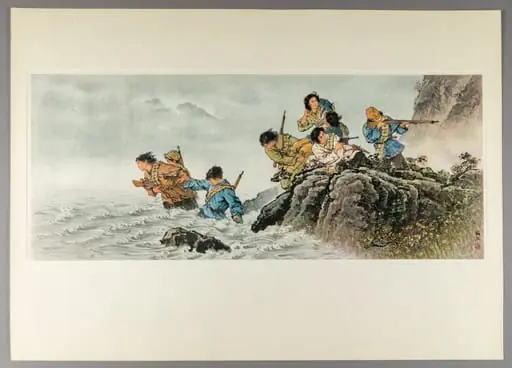 Reproducere după o pictură în ulei cu titlul „8 revoluționari trecând fluviul” realizată de Wang Cheng-lie și datată în 1957. Exemplarul a fost oferit lui Nicolae Ceaușescu, secretar general al Partidului Comunist Român; șeful de stat al Republicii Socialiste România, ca parte a unui album ce conține un catalog quatrolingv (franceză, spaniolă, engleză, chineză) și alte 9 reproduceri după picturi cu semnificație istorică pentru mișcarea comunistă în RP China.
 Compoziție cu ruine și păsări
 Pe Omu
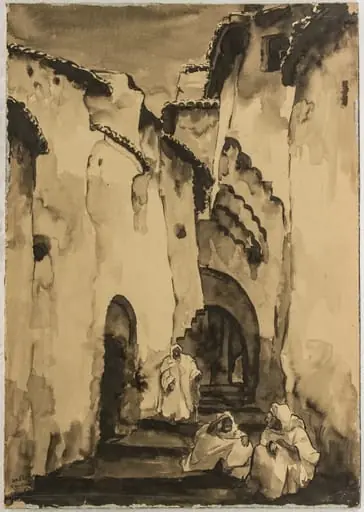 Peisaj arab
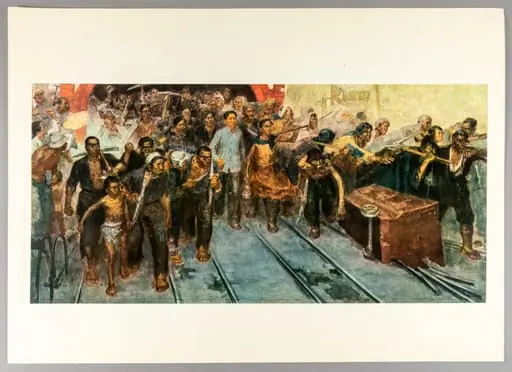 Reproducere după o pictură în ulei cu titlul „Camaradul Liou Chao-chi și minerii din Anyuan” realizată de Heou Yi-min și datată în 1961. În 1922 a avut loc Greva minerilor Anyuan, eveniment care a marcat un moment decisiv pentru Partidul Comunist Chinez, deoarece lideri comuniști, printre care și Mao Zedong, au venit în ajutorul minerilor care reprezentau masele suferinde în interesul cărora trebuia să aibă loc revoluția. După greva nonviolentă a treisprezece mii de muncitori, majoritatea acestora s-a înrolat ca soldați în Armata Roșie pentru a-l sprijini pe Mao și Revoluția. Exemplarul a fost oferit lui Nicolae Ceaușescu, secretar general al Partidului Comunist Român; șeful de stat al Republicii Socialiste România, ca parte a unui album ce conține un catalog quatrolingv (franceză, spaniolă, engleză, chineză) și alte 9 reproduceri după picturi cu semnificație istorică pentru mișcarea comunistă în RP China.
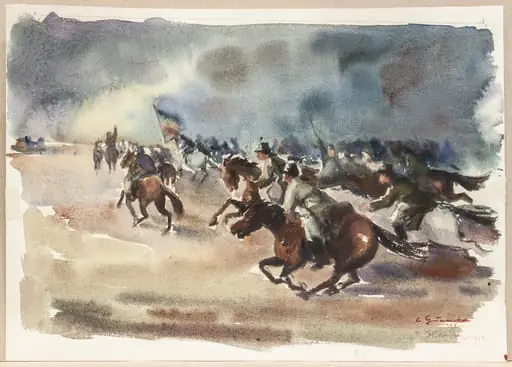 Asaltul cavaleriei 1877
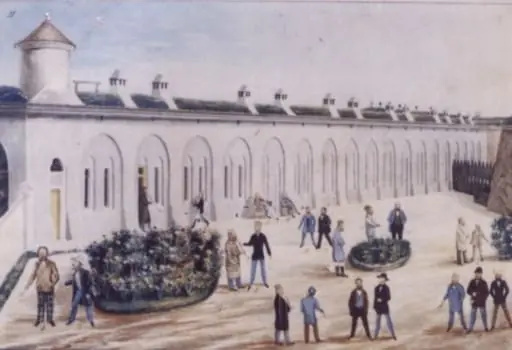 Deținuți pașoptiști în curtea cetății Aradului
Frequently asked questions
What is History?
History is the systematic study of the past, focusing primarily on the human past.
How many History works does Artifact World Gallery have?
Artifact World Gallery holds 28 public-domain History works, all free to view and download.
Who are the key History artists?
Key History artists in the collection include Ștefan Popescu, Constantin Găvenea and Akseli Gallen-Kallela.
Where can I see History works?
History works in the collection are held by National Museum of Romanian History, National Heritage Institute, Bucharest and Gallen-Kallela Museum.