Artwork
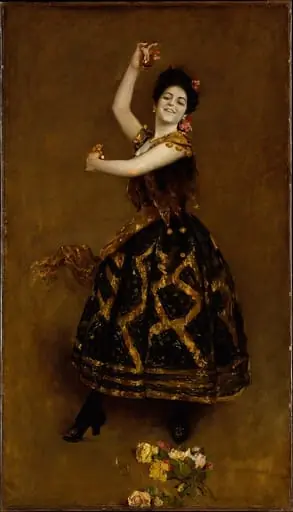
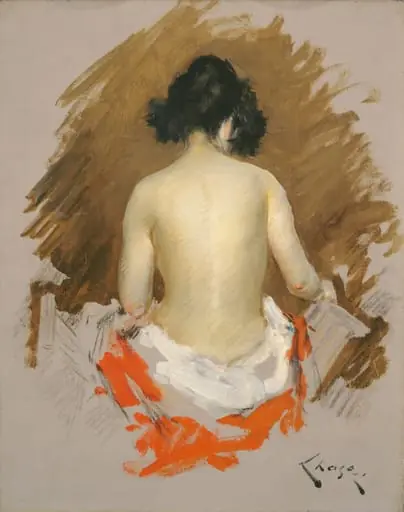
Study of Flesh Color and Gold

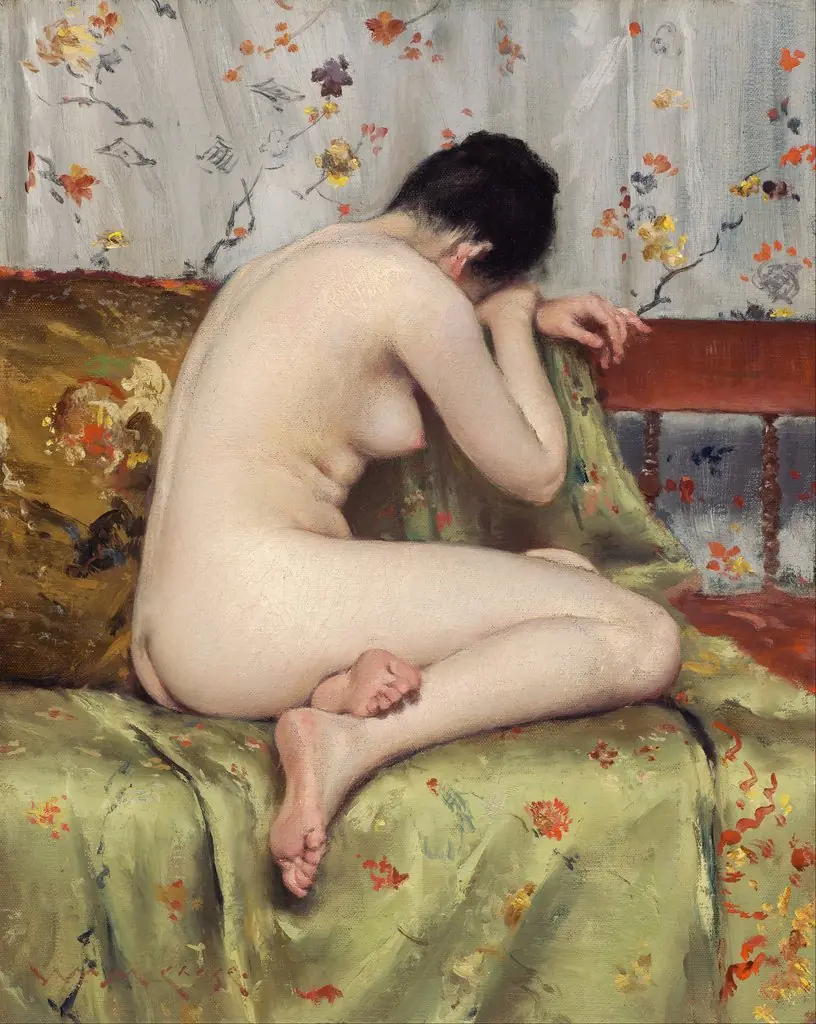
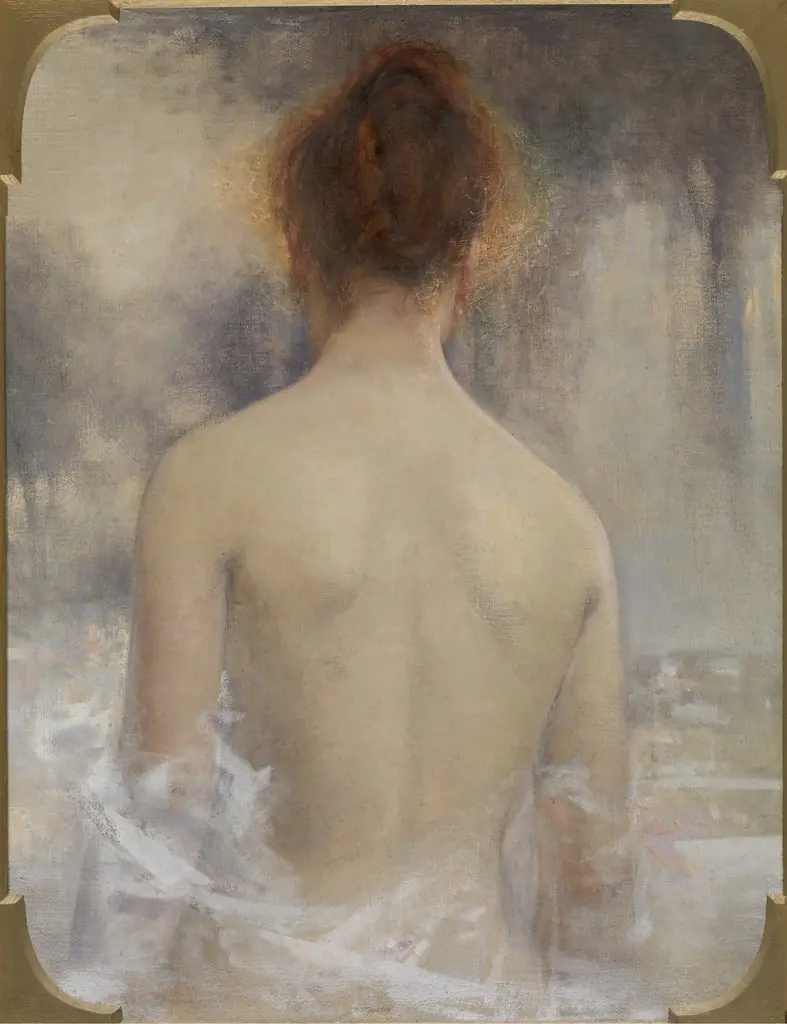
Study of Flesh Color and Gold is a pastel drawing by the Impressionist artist William Merritt Chase. It dates from 1888 and is held in the collection of the National Gallery of Art.
- Inscription
- Inscribed:lower right in red pastel: Wm M Chase
About this work
Overview
William Merritt Chase’s 1888 work titled Study of Flesh Color and Gold is a pastel drawing executed on paper that has been coated with a mauve‑gray gritty ground. The piece presents an intimate examination of human skin tones juxtaposed with metallic gold, rendered in a close‑up format that emphasizes subtle shifts in hue and texture.
Technique & Style
Chase applied soft pastels to a specially prepared surface, using a strainer to secure the paper and a gritty, mauve‑gray coating to create a tactile base. This treatment allows the pastel pigment to settle into the texture, producing a nuanced surface quality that enhances the perception of depth and materiality within the limited palette.
Subject & Meaning
The drawing concentrates on the interplay between flesh and gold, exploring how light interacts with organic skin and reflective metal. By isolating these elements, Chase investigates the challenges of rendering translucency, warmth, and the reflective qualities of gold, offering insight into his study of color relationships and visual perception.
Context
Created during a period when Chase was actively experimenting with media, the work reflects broader late‑19th‑century interests in material innovation and the study of color theory. The use of a textured ground aligns with contemporary artistic efforts to expand the expressive possibilities of pastel as a medium.
Own this work as a print
Artist & collection
Artist
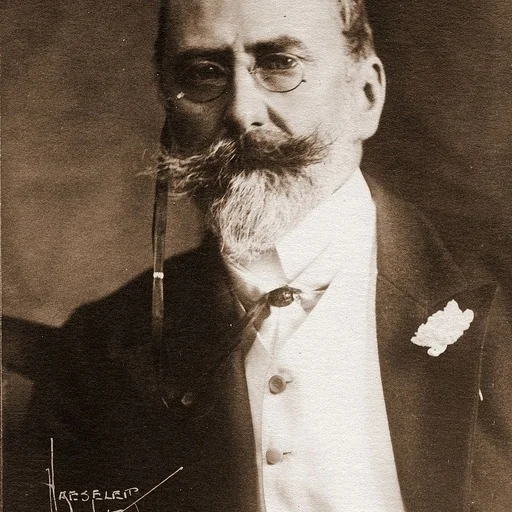
William Merritt Chase (November 1, 1849 – October 25, 1916) was an American painter, known as an exponent of Impressionism and as a teacher.