Artwork
Self-Portrait
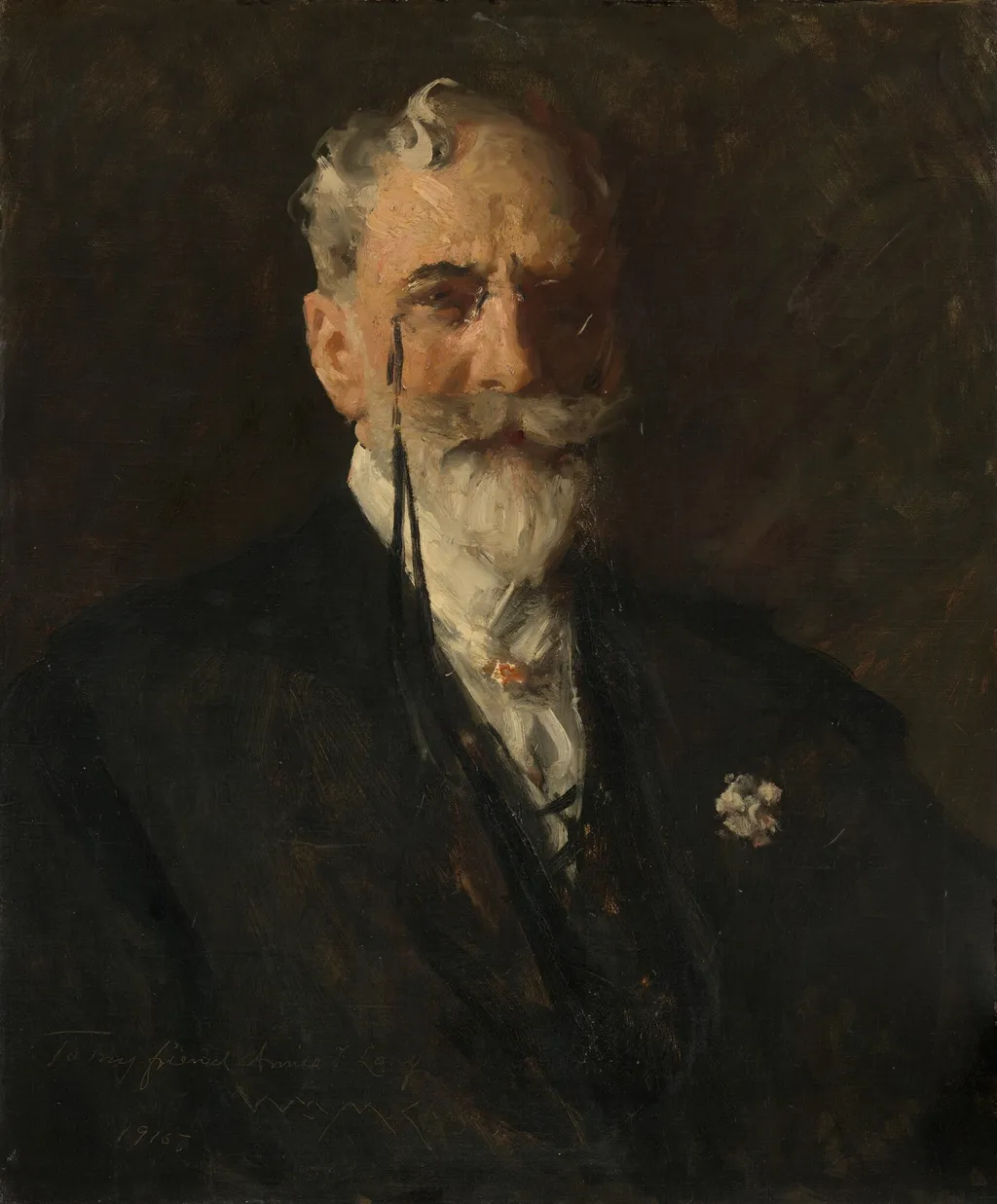
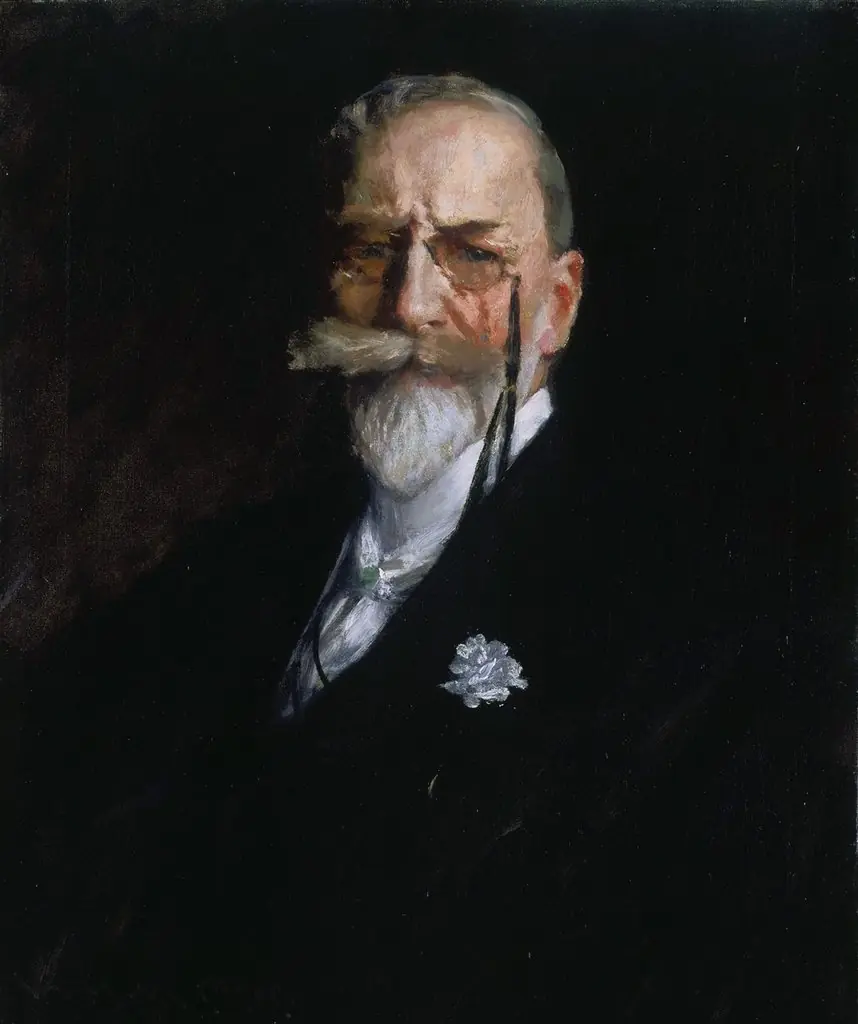
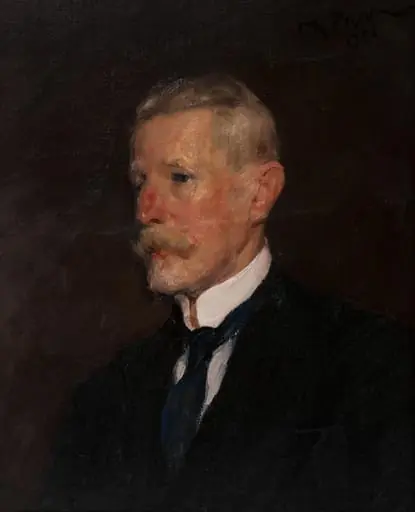
Self-Portrait is an oil painting by the American Impressionist artist William Merritt Chase. It dates from 1915 and is held in the collection of the National Gallery of Art.
- Inscription
- Inscribed:lower left: To my friend Annie T. Lang / Wm M. Chase. / 1915.
About this work
Subject & Meaning
Lang, identifying her as the artist's friend and suggesting the portrait may have originally served as a gifted memento.
Executed in 1915, this oil on canvas depicts the artist William Merritt Chase as its sole subject. The work functions as a self-portrait, presenting the creator as the main focus of the composition. The painting carries personal significance through an inscription addressing the piece to Annie T. Lang, identifying her as the artist's friend and suggesting the portrait may have originally served as a gifted memento. The image remains a genre portrait centered on the identity of the painter himself.
Technique & Style
The Self-Portrait (1915) is executed in oil on canvas, measuring 63.5 × 51.44 cm. The painting employs chiaroscuro to model the sitter's features. Stylistically, the piece combines realist detail with a subdued palette, emphasizing the artist's self-focus, consistent with Chase's mature portrait practice.
History & Provenance
William Merritt Chase's Self-Portrait was painted in 1915 in oil on canvas. An inscription on the work reads "To my friend Annie T. Lang / Wm. M. Chase. / 1915," suggesting an early association with Annie Traquair Lang (1885–1918), possibly one of the artist's students.
The painting subsequently passed through the New York dealer William Macbeth, Inc., from which the Corcoran Gallery of Art in Washington purchased it in November 1923. It remained with the Corcoran until 2014, when it was acquired by the National Gallery of Art, where it is currently held.
Context
William Merritt Chase's 1915 Self-Portrait, an oil on canvas measuring 63.5 × 51.44 cm, depicts the artist directly and was originally linked to his student Annie Traquair Lang before entering the Corcoran Gallery of Art in 1923 and later the National Gallery of Art in 2014. The painting's status as a self-portrait situates it within Chase's broader portraiture, illustrating his engagement with personal identity and his role as a central figure in early twentieth-century American art.
Legacy
The self-portrait painted by William Merritt Chase in 1915 has come to symbolize the artist's mature self-representation. The canvas entered the Corcoran Gallery of Art in 1923 and was later acquired by the National Gallery of Art in 2014, underscoring its recognized cultural value. Its presence in both institutions highlights its enduring relevance and scholarly attention, positioning the piece as an important reference point for studies of American portraiture and early 20th-century art.
Overview
William Merritt Chase's Self-Portrait, painted in 1915, is an oil on canvas work capturing the artist in his later years. The painting presents Chase seated, directly engaging the viewer with a serious expression. This detailed depiction, created by the artist himself, serves as a significant record of his appearance and artistic presence towards the end of his career, showcasing his characteristic attention to realism and individual character.
Own this work as a print
Artist & collection
Artist
William Merritt Chase (November 1, 1849 – October 25, 1916) was an American painter, known as an exponent of Impressionism and as a teacher.

- Gregorio Salcedo Viana
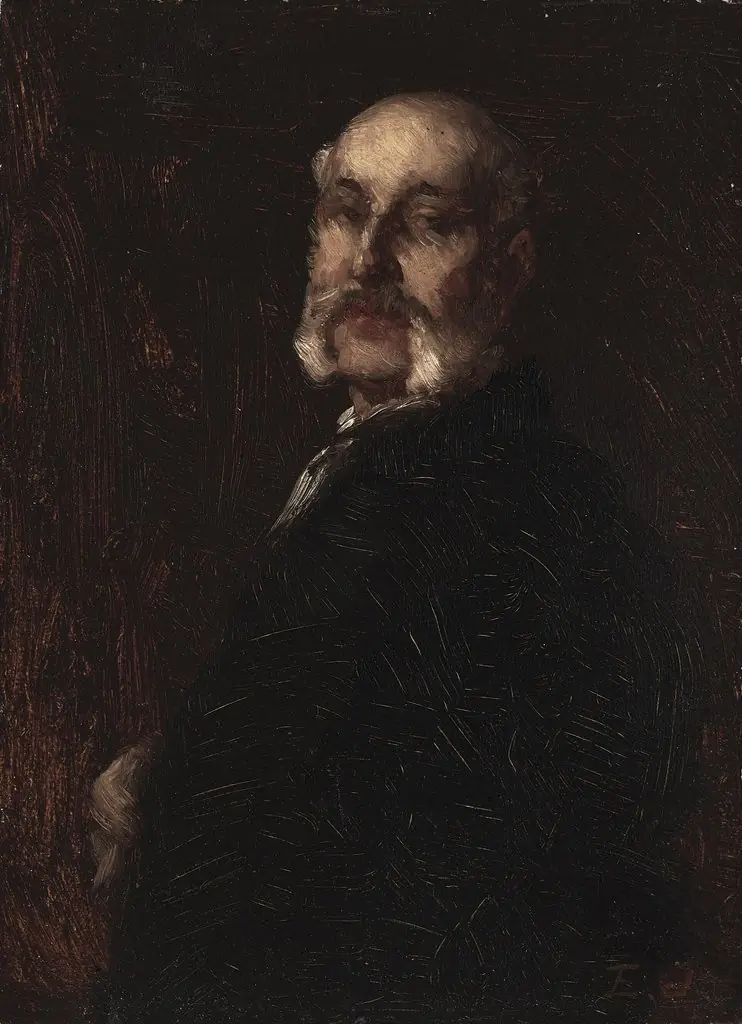 Portrait of Franklin H. Delano
 Self Portrait
 Portrait of José Prudencio Guerrico
 Portrait of Franklin H. Delano
 Portrait of Władysław Bogusławski
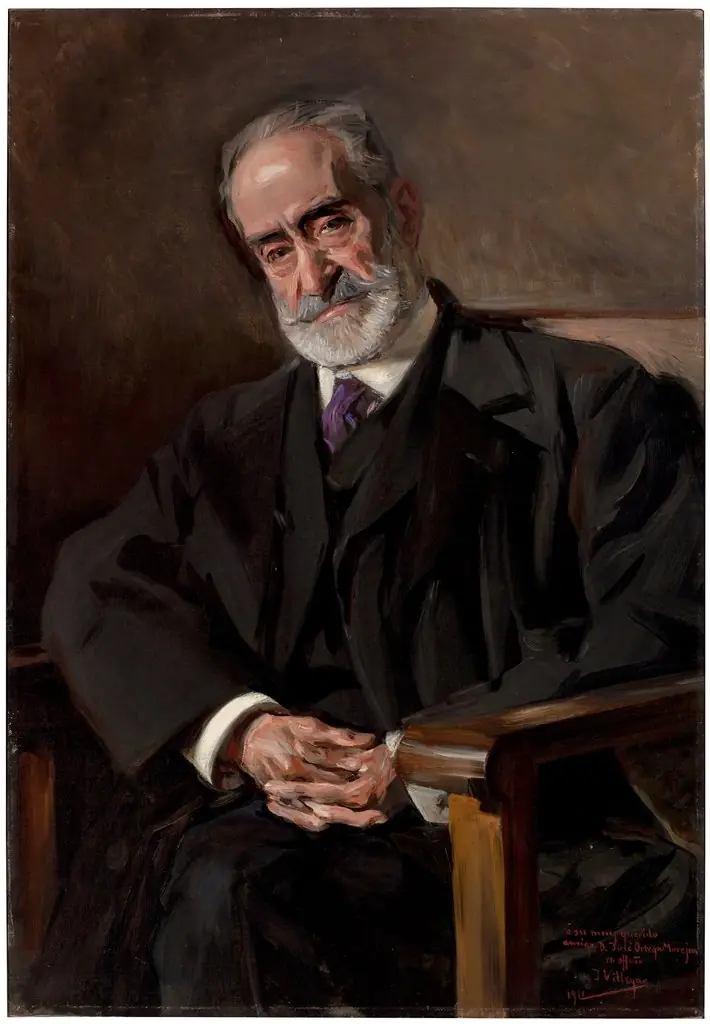 Manuel Ortega Morejón
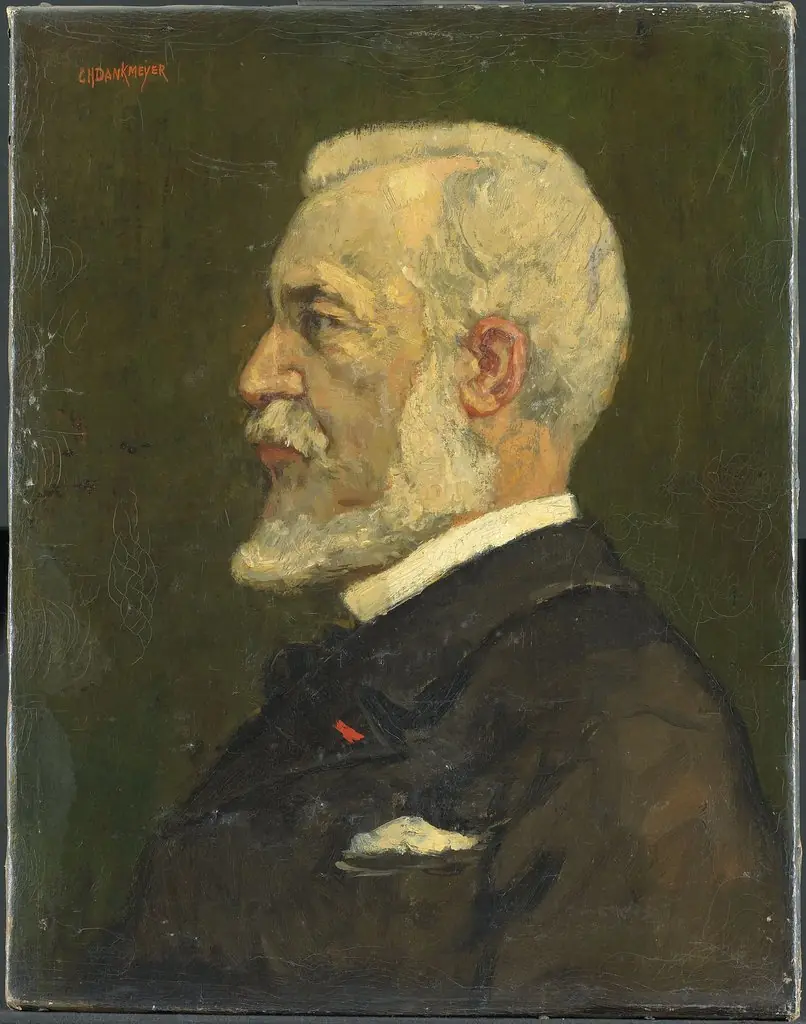 portrait of Johannes Bosboom
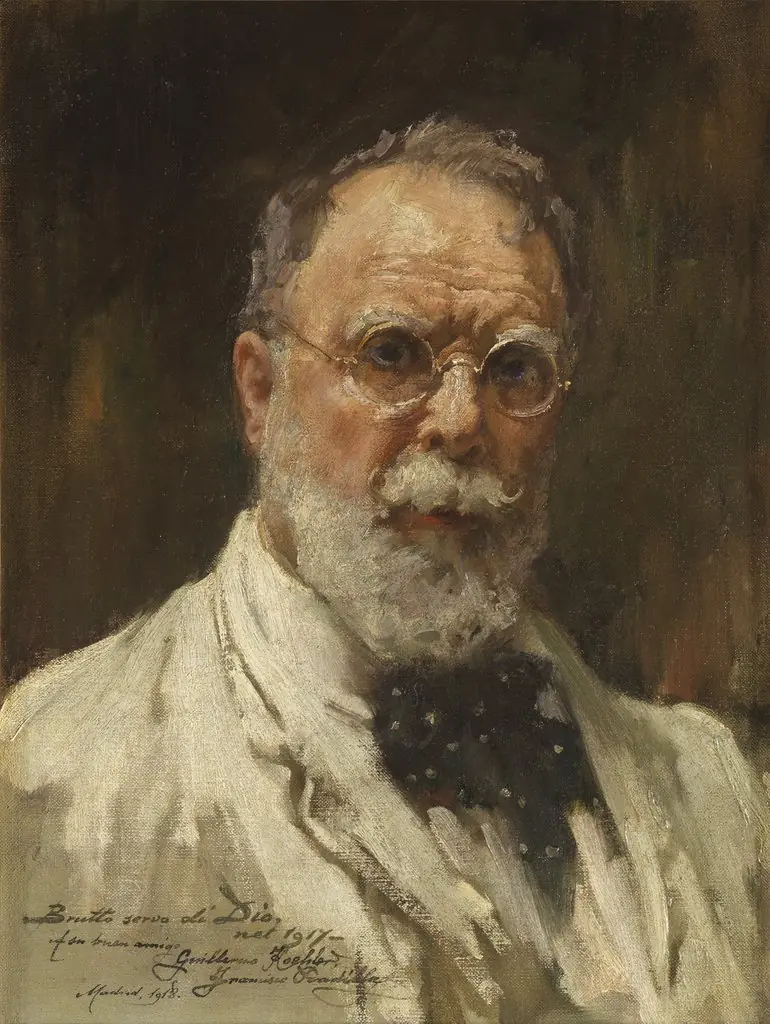 Autorretrato
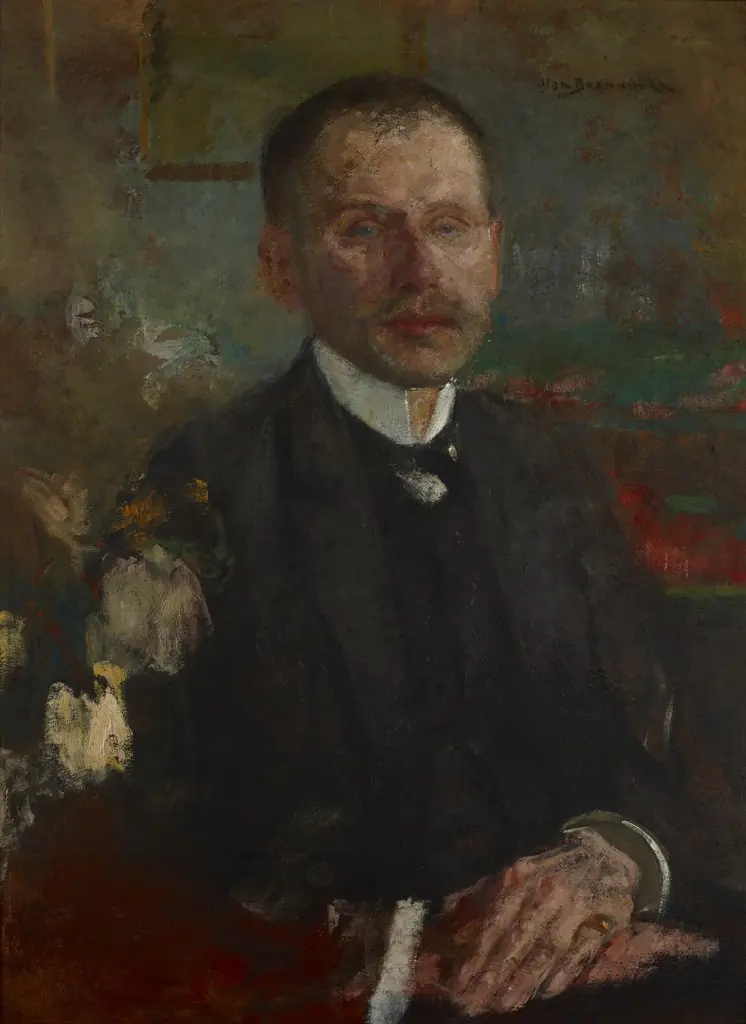 Portrait of Bogdan Faleński – two-sided painting
 Vanha herra
 Portrait of Adam Nowina Boznański, Artist's Father