Artwork
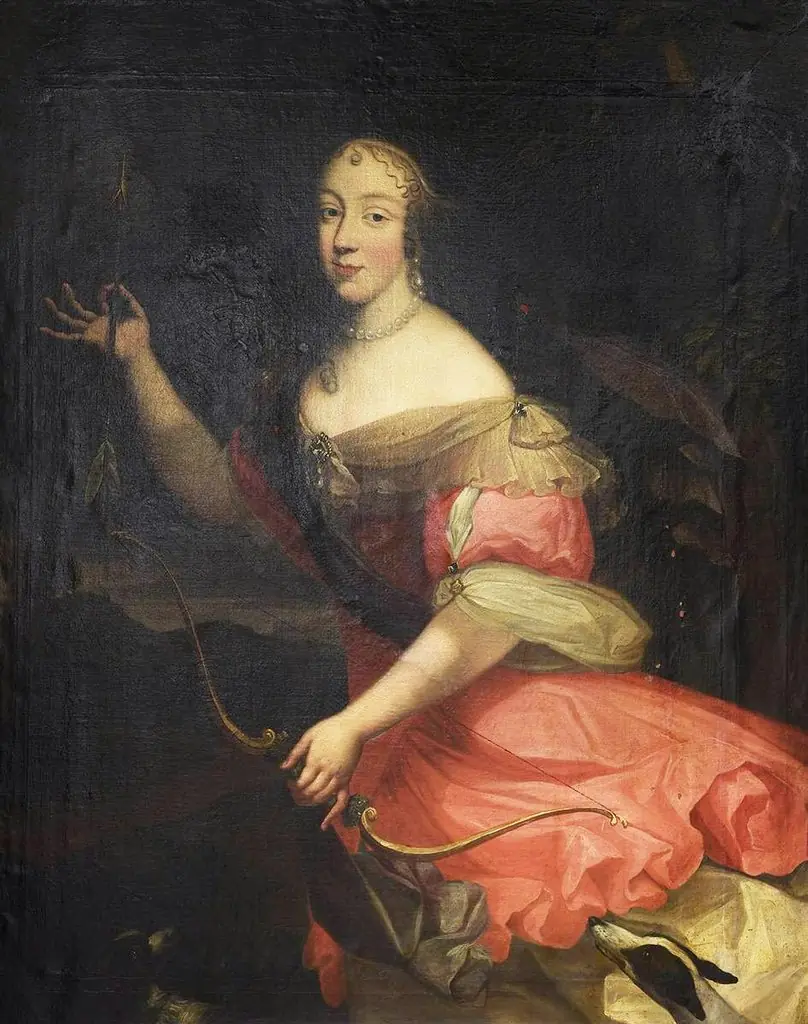
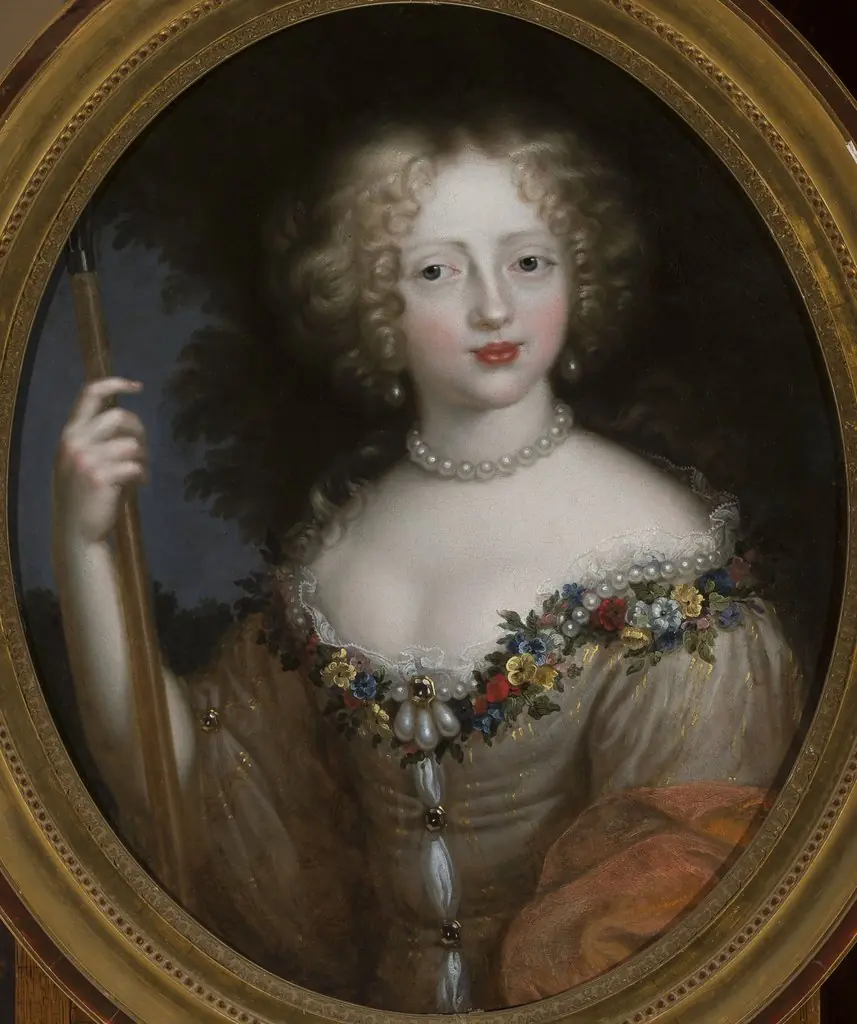
Presumed portrait of Louise-Françoise de La Baume Le Blanc, duchesse de La Vallière as Diana
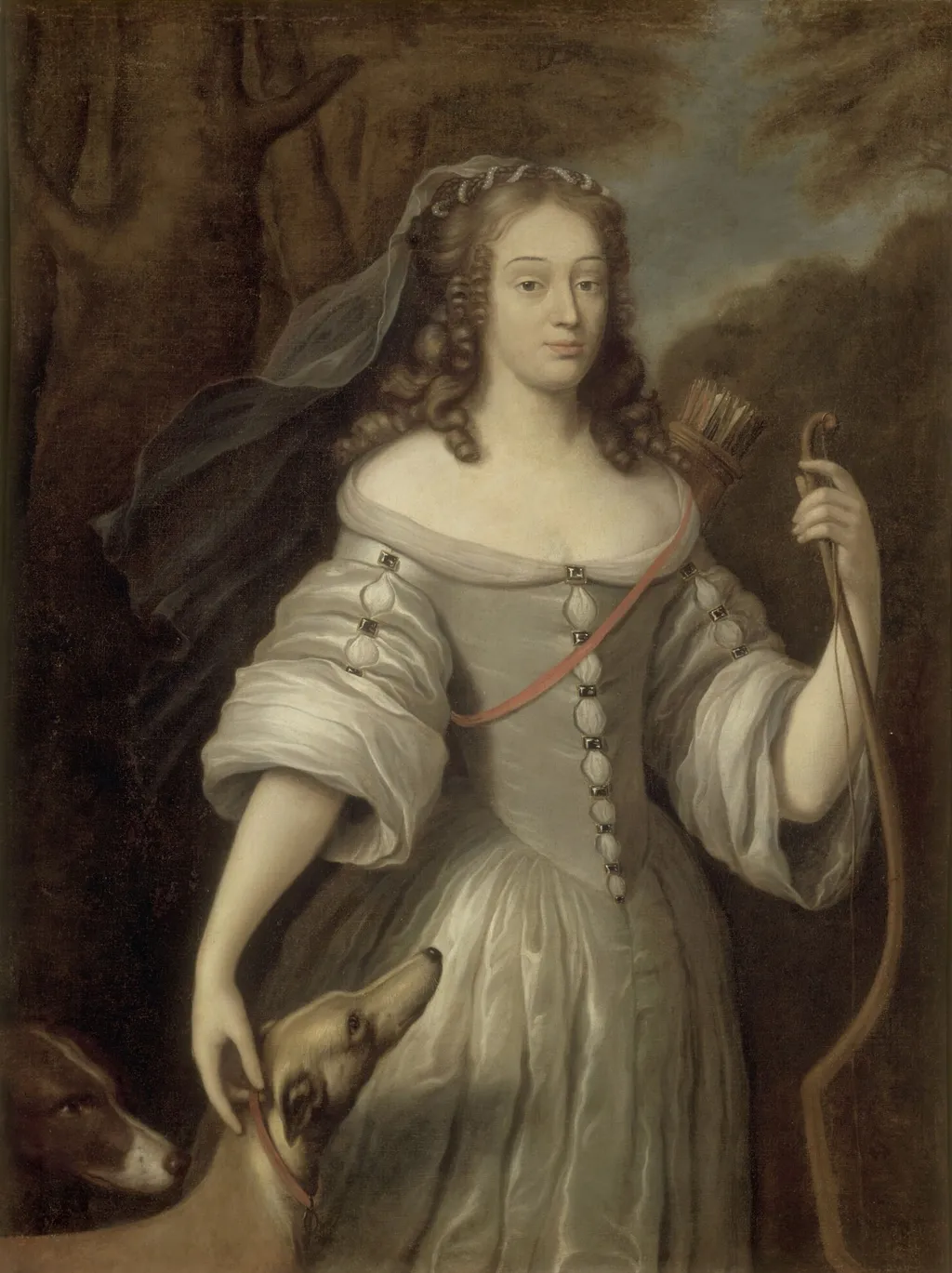
Presumed portrait of Louise-Françoise de La Baume Le Blanc, duchesse de La Vallière as Diana is an oil painting by the French Classical Baroque artist Claude Lefèbvre. It dates from 1665 and is held in the collection of the Palace of Versailles.
About this work
Subject & Meaning
The inclusion of a dog, a traditional companion of Diana, reinforces the identification with the goddess’s domain over animals and the hunt.
The painting depicts Louise-Françoise de La Baume Le Blanc, duchesse de La Vallière, posed as the classical goddess Diana, aligning her identity with attributes of chastity, hunting, and sovereignty over nature.
She is shown holding a bow and accompanied by a quiver, a dog, and a figure in the background, all of which reference Diana’s iconography as protector of the wild and emblem of purity. The inclusion of a dog, a traditional companion of Diana, reinforces the identification with the goddess’s domain over animals and the hunt.
By conflating the sitter with Diana, the portrait elevates her status, suggesting virtues associated with the goddess, moral rectitude and noble authority, within the context of the French court.
Technique & Style
The work is executed in oil paint on canvas, measuring 129 cm in height by 96 cm in width. It portrays Louise de La Vallière in the guise of Diana, accompanied by symbolic elements such as a bow, quiver, dog, and the figure of Landgravine Charlotte of Hesse-Kassel. The composition combines Baroque theatricality with a refined, almost courtly elegance, reflecting the stylistic conventions of 17th-century French portraiture.
The handling of light and drapery demonstrates the painter’s technical skill within the French school of the period, while the rendering of textures, particularly in fabric and fur, exemplifies the attention to material detail characteristic of the era.
History & Provenance
The painting was created in 1665 by Claude Lefèbvre, depicting Louise-Françoise de La Baume Le Blanc as Diana. It entered the collection of the Museum of the History of France at the Palace of Versailles, where it remains on display. The work is catalogued in the Joconde database under inventory numbers MV 3540, INV 9825, and B 2254, confirming its status as part of the French national collections.
The work is held at the Palace of Versailles, specifically within the Museum of the History of France at the national museum of the châteaux of Versailles and Trianon. Its official inventory numbers are MV 3540, INV 9825, and B 2254, as recorded in the French national museum collections database. The painting was previously attributed to the 17th-century French School by Villot before its current identification as a work by Claude Lefèbvre. No specific exhibition history is detailed in the available records.
Context
The presumed portrait of Louise-Françoise de La Baume Le Blanc, duchesse de La Vallière as Diana has been consistently catalogued as a work of Claude Lefèbvre from 1665, aligning with the artist’s mature production during the reign of Louis XIV. The painting’s reception situates it within the French court portraiture tradition, where mythological guise, here Diana, serves to ennoble the sitter while signaling virtue and detachment. Its inclusion in the collections of the Palace of Versailles underscores its institutional recognition as a historical portrait of a prominent royal mistress and later penitent, reflecting the museum’s role in preserving Bourbon-era imagery.
Scholarly attention has centered on the work’s iconographic program rather than technical analysis, emphasizing the choice of Diana to evoke chastity and the hunt, qualities associated with La Vallière’s later religious life. The portrait’s dimensions (129 × 96 cm) and oil-on-canvas format align with mid-seventeenth-century French aristocratic portraiture, reinforcing its place in the visual culture of the Grand Siècle.
Legacy
The painting has been cited in scholarly discussions of 17th‑century French portraiture as an early example of mythological personification used to glorify court mistresses, influencing later decorative cycles that depicted aristocratic women as classical deities. Its presence in the collection of the Museum of the History of France at Versailles has reinforced its reputation as a canonical work of the French Baroque, frequently referenced in studies of royal patronage and gender representation. Contemporary conservation reports note that the work’s condition has shaped restoration practices for similar portrait‑mythological hybrids in French museum holdings.
Overview
This 1665 oil painting, attributed to Claude Lefèbvre, portrays a figure believed to be Louise-Françoise de La Baume Le Blanc, duchesse de La Vallière, disguised as the mythological goddess Diana. The work is part of the Palace of Versailles collection.
Own this work as a print
Artist & collection

 Portrait of a woman in Minerva’s costume
 Bildnis einer Hofdame
 Kuningatar Ulrika Eleonora vanhempi
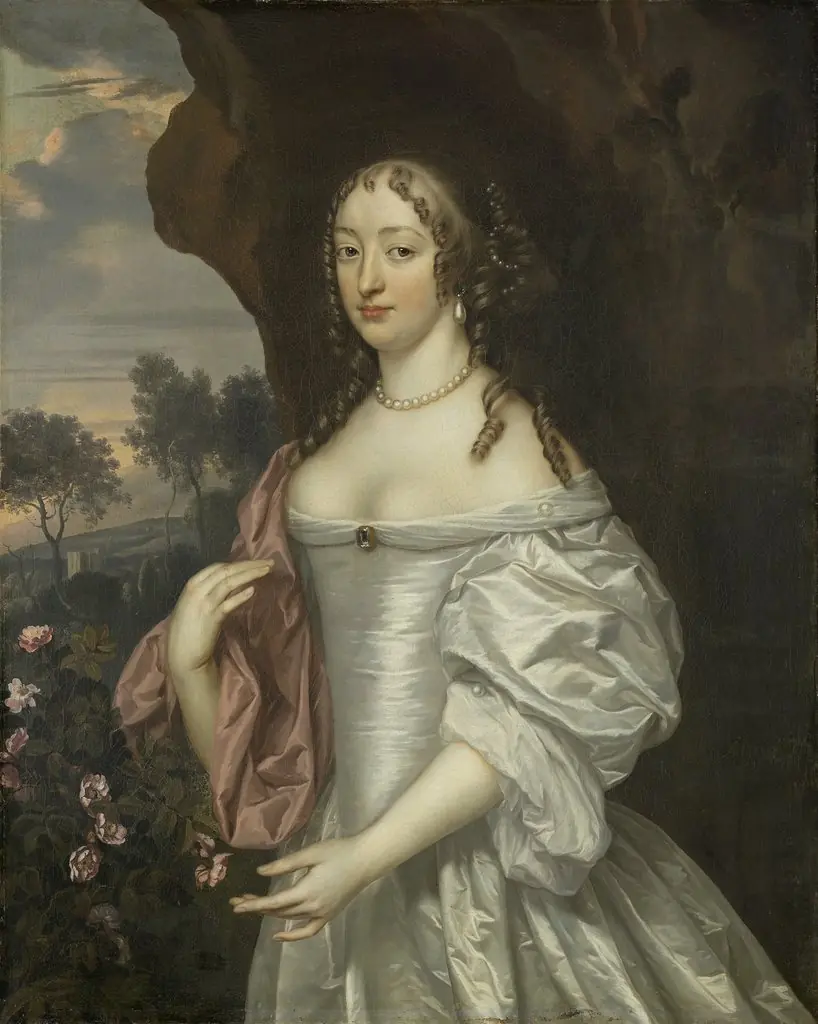 Jacoba van Orliens (1643-91). Wife of Jacob de Witte van Haamstede
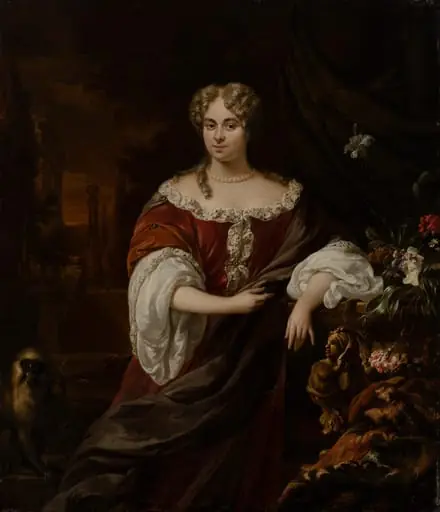 Naisen muotokuva
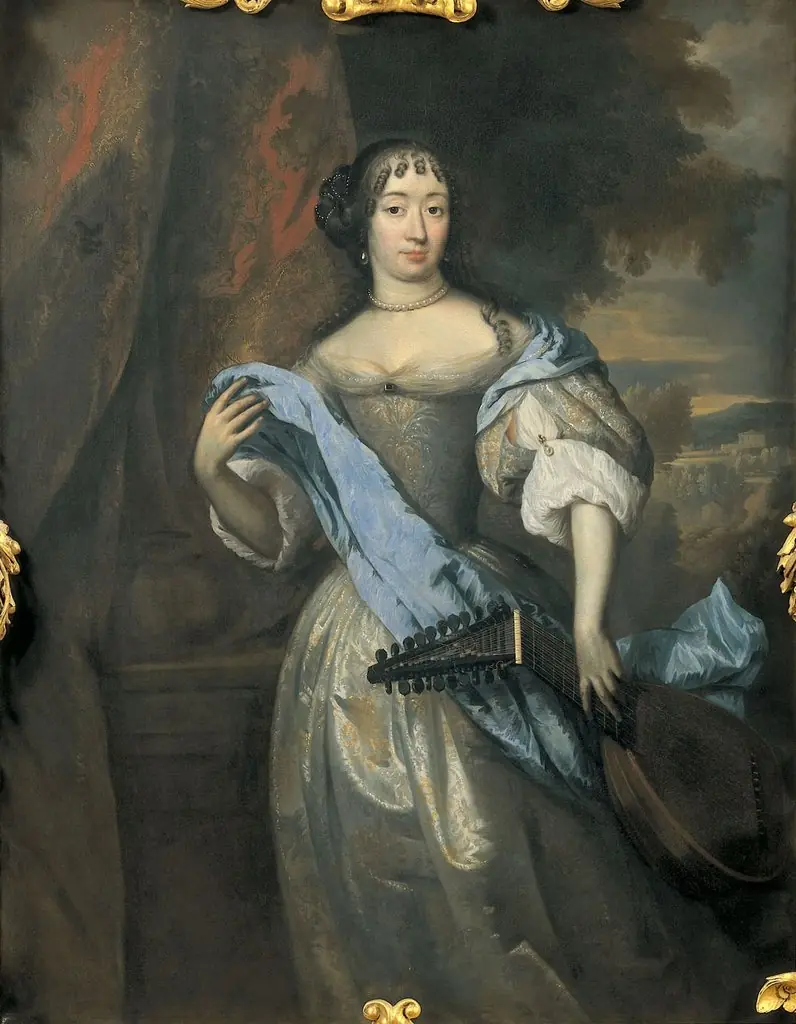 Johanna le Gillon, Wife of Hieronymus van Beverningk
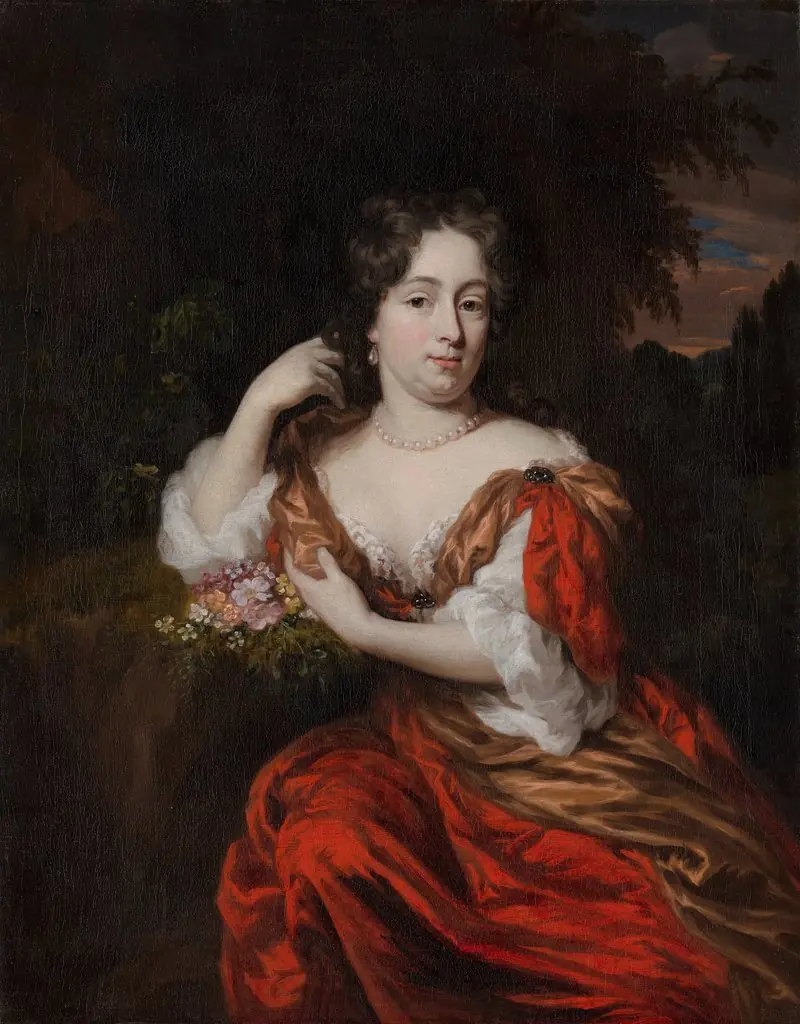 Portrait of Catharina Dierquens
 Portrait of a young woman
 Portrait of a Woman