Artwork
Jacoba van Orliens (1643-91). Wife of Jacob de Witte van Haamstede
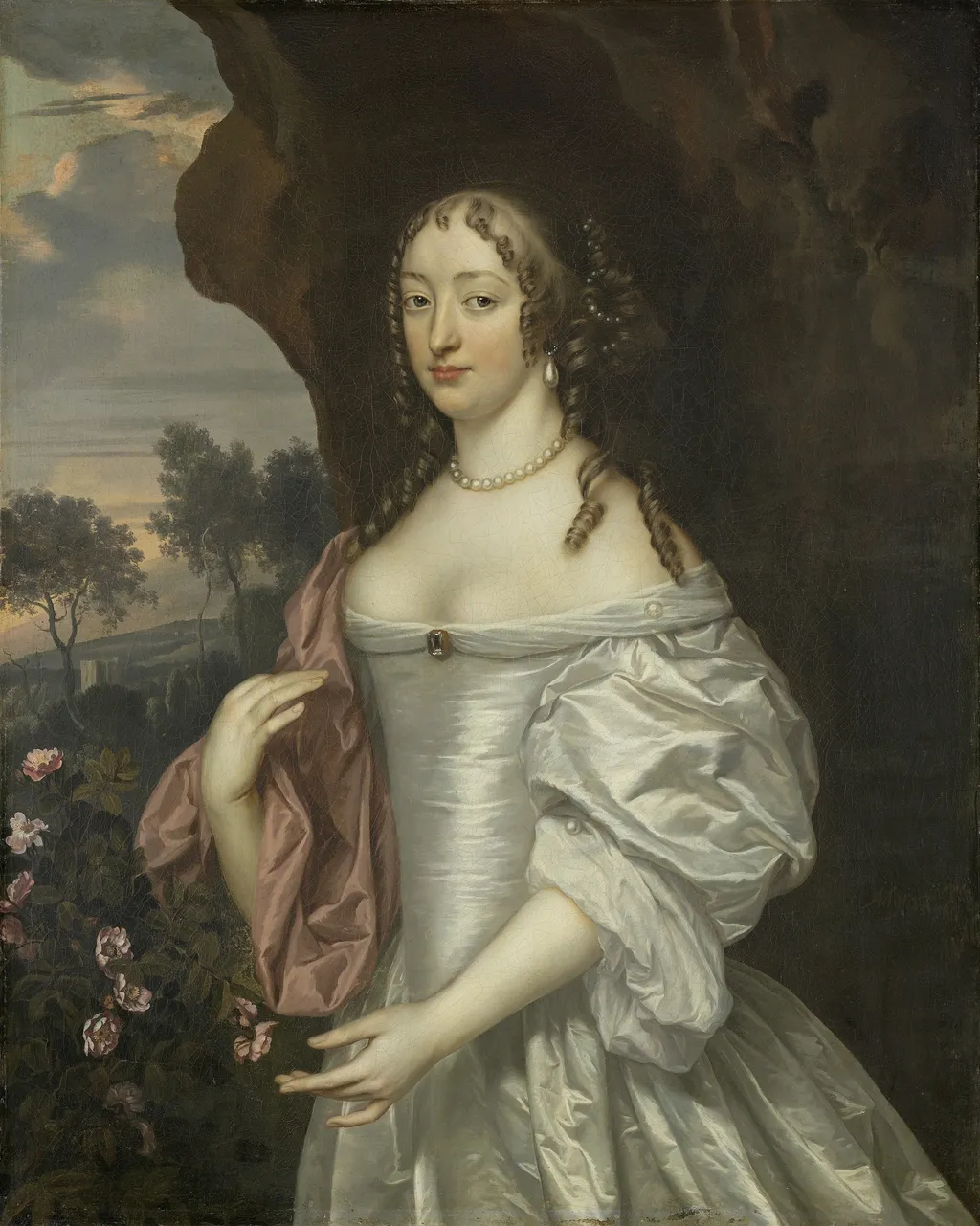
Jacoba van Orliens (1643-91). Wife of Jacob de Witte van Haamstede is an oil painting by the Dutch Golden Age artist Johannes Mytens. It dates from 1660 and is held in the collection of the Rijksmuseum.
About this work
Subject & Meaning
As a genre portrait, the piece functions primarily as a likeness of the individual rather than an allegorical narrative containing complex symbolic elements.
The work is a portrait depicting Jacoba van Orliens (1643–1691), identified as the wife of Jacob de Witte van Haamstede. Created by Johannes Mytens in 1660, the painting presents the sitter as its main subject. As a genre portrait, the piece functions primarily as a likeness of the individual rather than an allegorical narrative containing complex symbolic elements.
The depiction focuses on the identity and status of Jacoba van Orliens within the context of 17th-century portraiture.
Technique & Style
The portrait is executed in oil on canvas, measuring 113 by 91 cm. Its scale and medium are consistent with Dutch Golden Age formal portraiture. The handling and stylistic qualities of the work reflect the conventions of the period, with Johannes Mytens (also known as Jan Mijtens) working in a tradition of dignified, large-scale likenesses. Beyond the confirmed oil-on-canvas technique and dimensions, the provided sources do not specify brushwork, surface condition, or additional formal details.
History & Provenance
Johannes Mytens executed this oil-on-canvas portrait of Jacoba van Orliens in 1660. The work measures 113 cm in height and 91 cm in width. Historically, the painting entered the collection of Adriaan van der Hoop before becoming part of the holdings at the Rijksmuseum, where it remains located.
The portrait of Jacoba van Orliens, painted by Johannes Mytens in 1660, is part of the Rijksmuseum's Adriaan van der Hoop collection and is displayed at the Rijksmuseum in Amsterdam. Its dimensions are 113 cm in height and 91 cm in width. The work has been exhibited in Rijksmuseum exhibitions focused on Dutch Golden Age portraiture.
Context
Jacoba van Orliens (1643-91), depicted in a 1660 portrait by Johannes Mytens, represents a union between two prominent Hague families and exemplifies 17th-century Dutch portraiture's focus on elite domestic subjects. The work, housed at the Rijksmuseum in Amsterdam, measures 113 cm by 91 cm and is part of the Adriaan van der Hoop collection, reflecting the era's patronage networks among wealthy merchants and civic elites.
Scholarship emphasizes its significance as a rare surviving example of Mytens' early portraiture, with art historians contextualizing it within the broader trajectory of Dutch Golden Age portraiture that prioritized psychological realism and meticulous rendering of textiles and furnishings.
Overview
Johannes Mytens, a Dutch portrait painter active in The Hague during the mid‑17th century, created an oil portrait of Jacoba van Orliens in 1660. The work depicts the wife of Jacob de Witte van Haamstede and is part of the Rijksmuseum’s collection.
Own this work as a print
Artist & collection
Artist
Johannes Mytens or Jan Mijtens, or "Mytens" to the English (c. 1614 – 24 December 1670) was a Dutch Golden Age painter, almost entirely as a portraitist. Mytens was born in The Hague. According to Houbraken, Johannes…

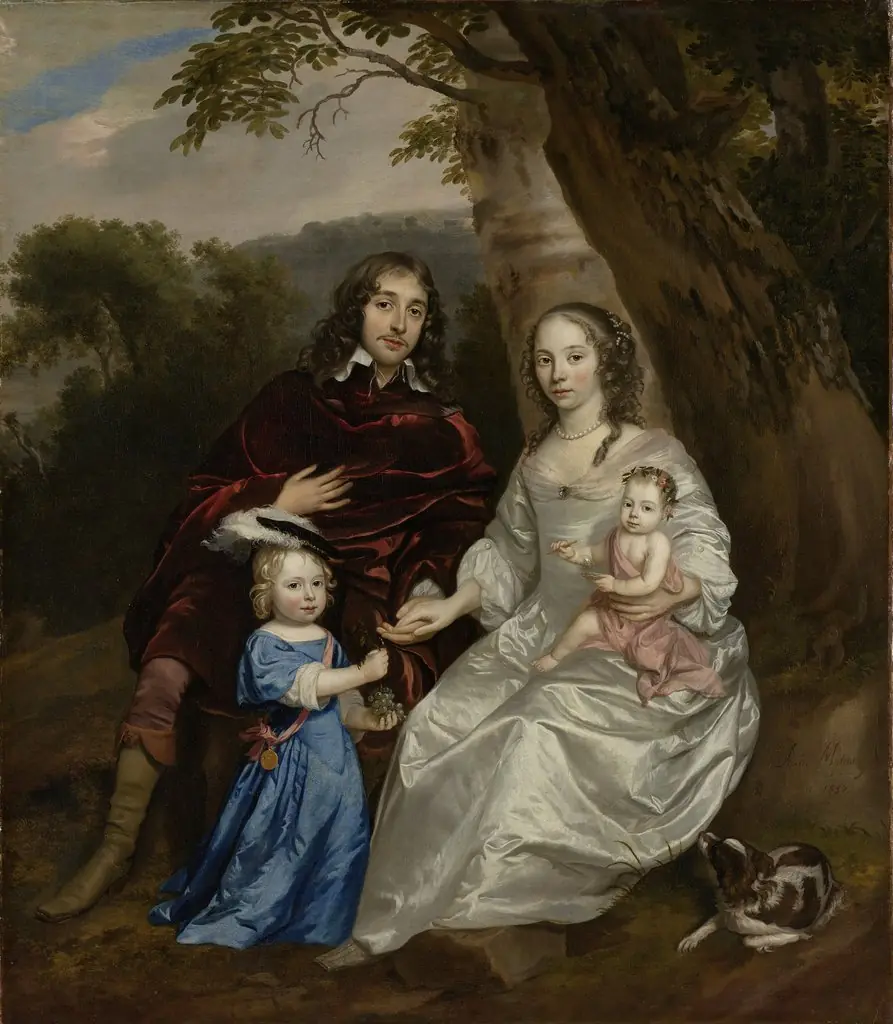 Govert van Slingelandt (1623-90), lord of Dubbeldam. With his first wife Christina van Beveren and their two sons
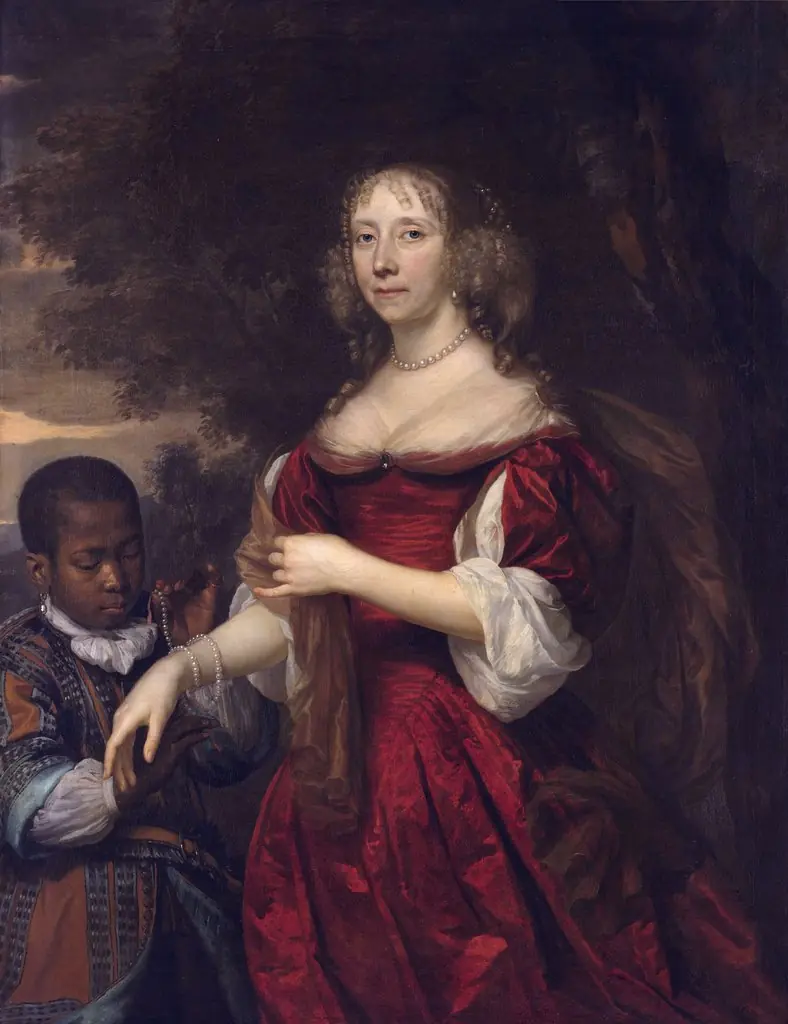 Portrait of Margaretha van Raephorst (d 1690). Wife of Cornelis Tromp
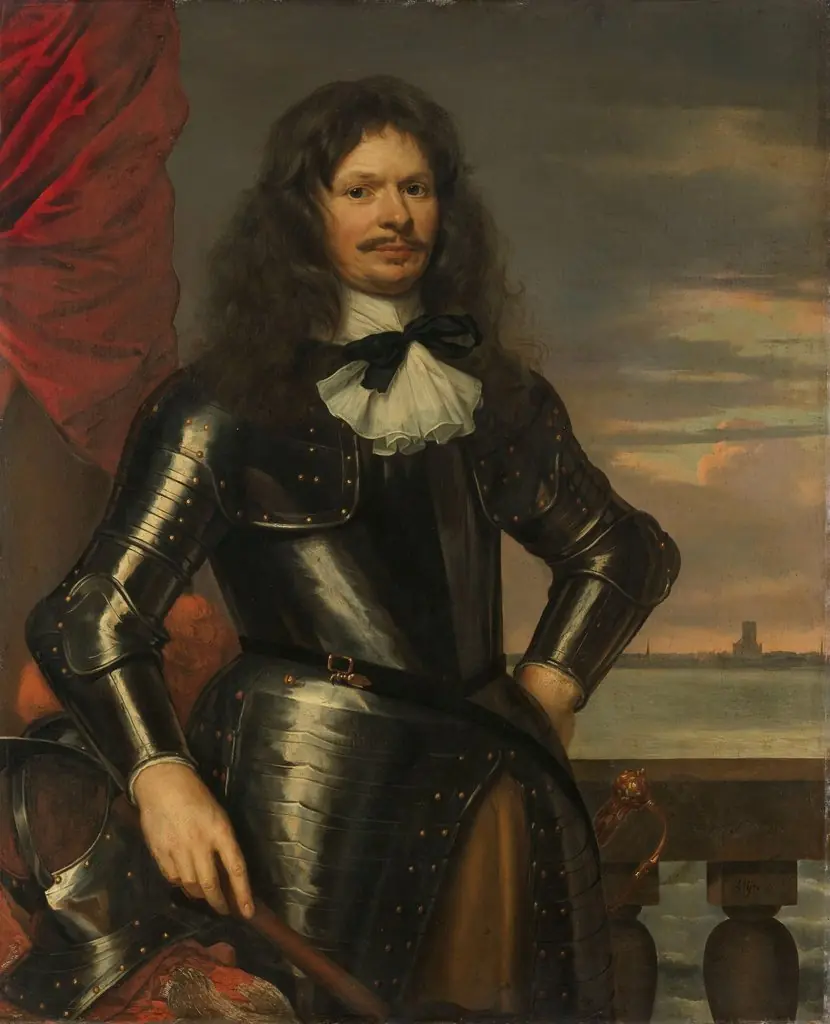 Portrait of Johan van Beaumont. Colonel in the Holland guards and commander of Den Briel
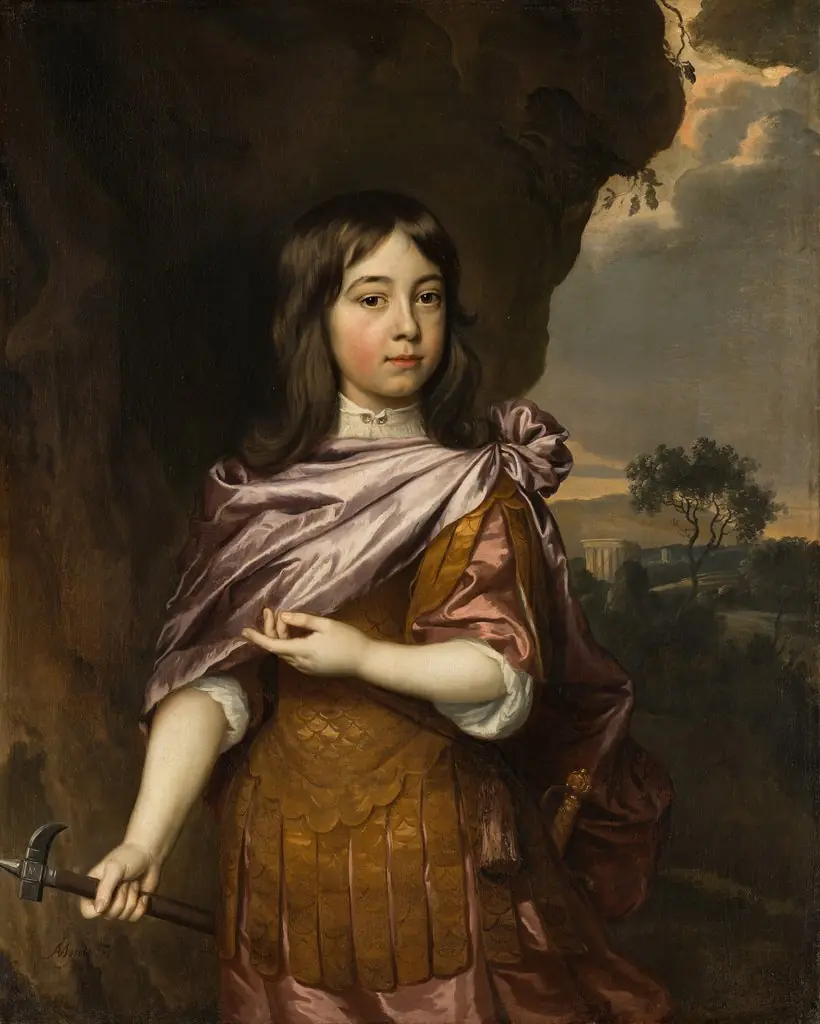 Portrait of Wolfert van Brederode
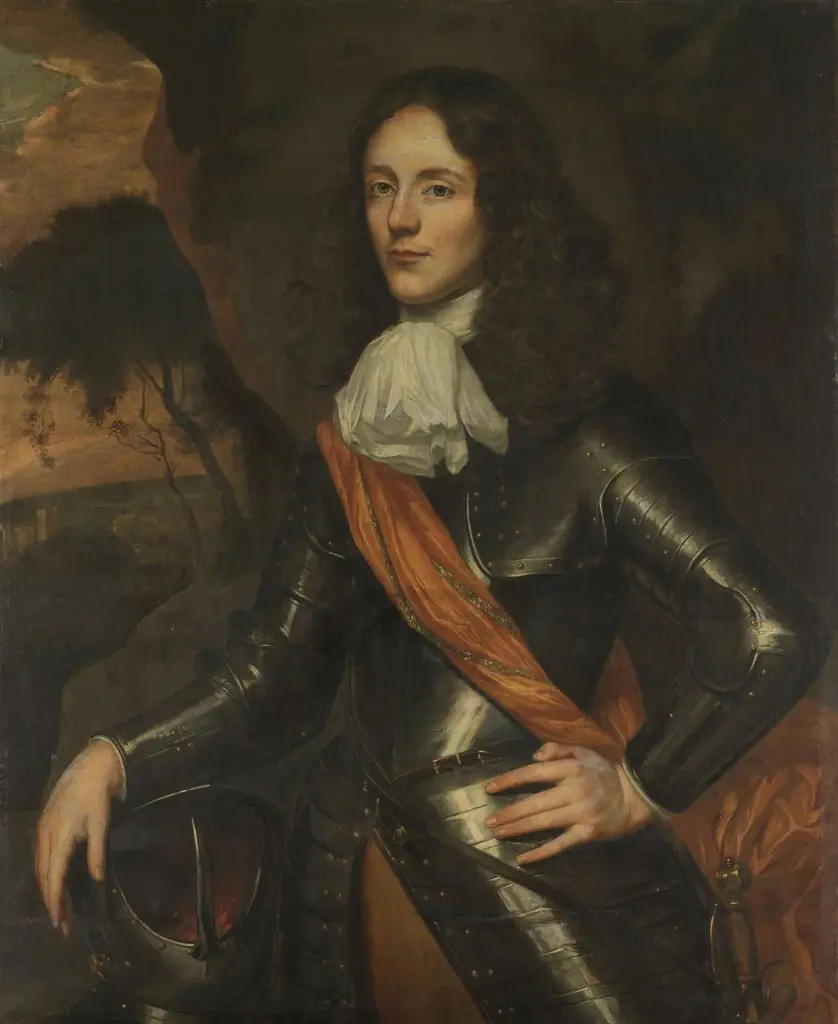 A military officer
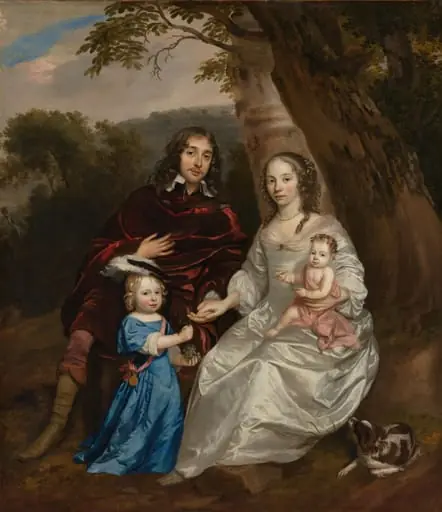 Portrait of Govert van Slingelandt (1623-1690), with his First Wife Christina van Beveren (1632-1656) and their Two Children
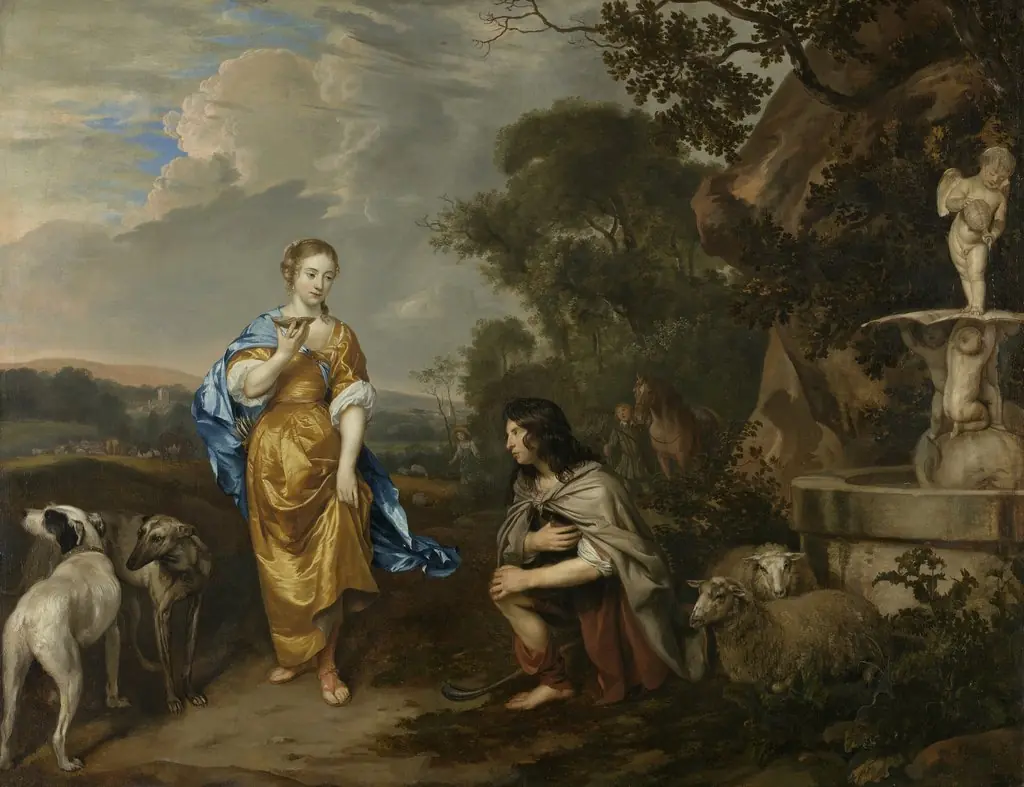 Double portrait of a young couple as Granida and Daiphilo
- Portrait of Maria de Witte Françoisdr (b 1616). Wife of Johan van Beaumont
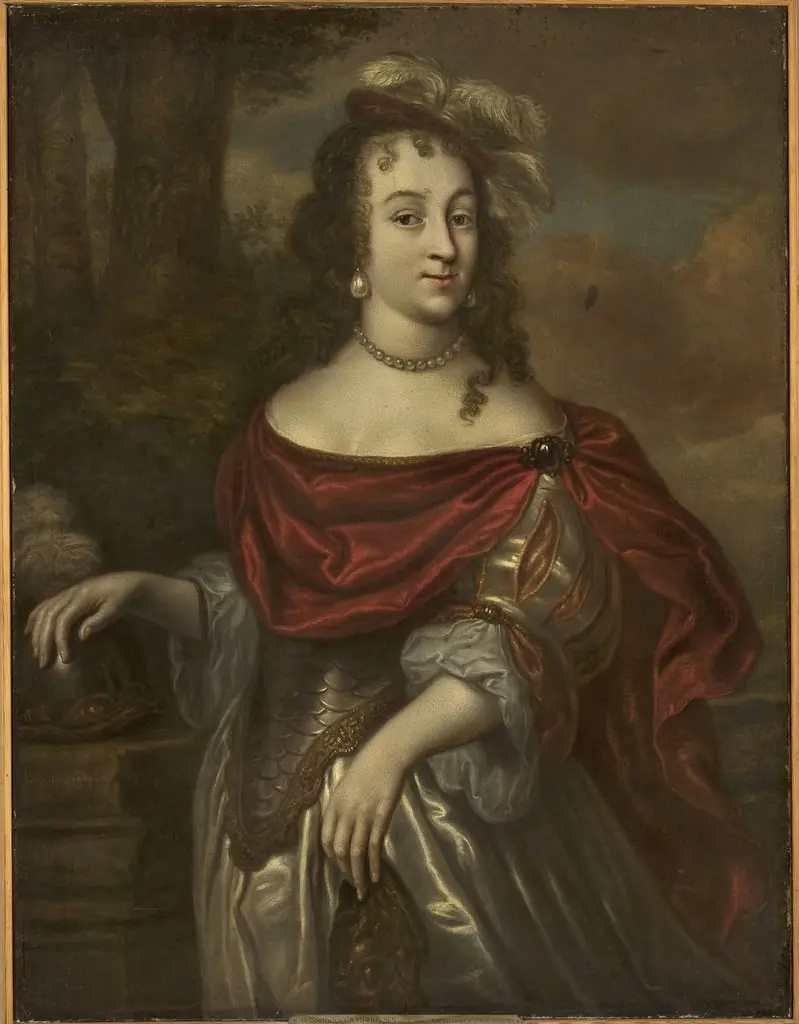 Portrait of a woman in Minerva’s costume
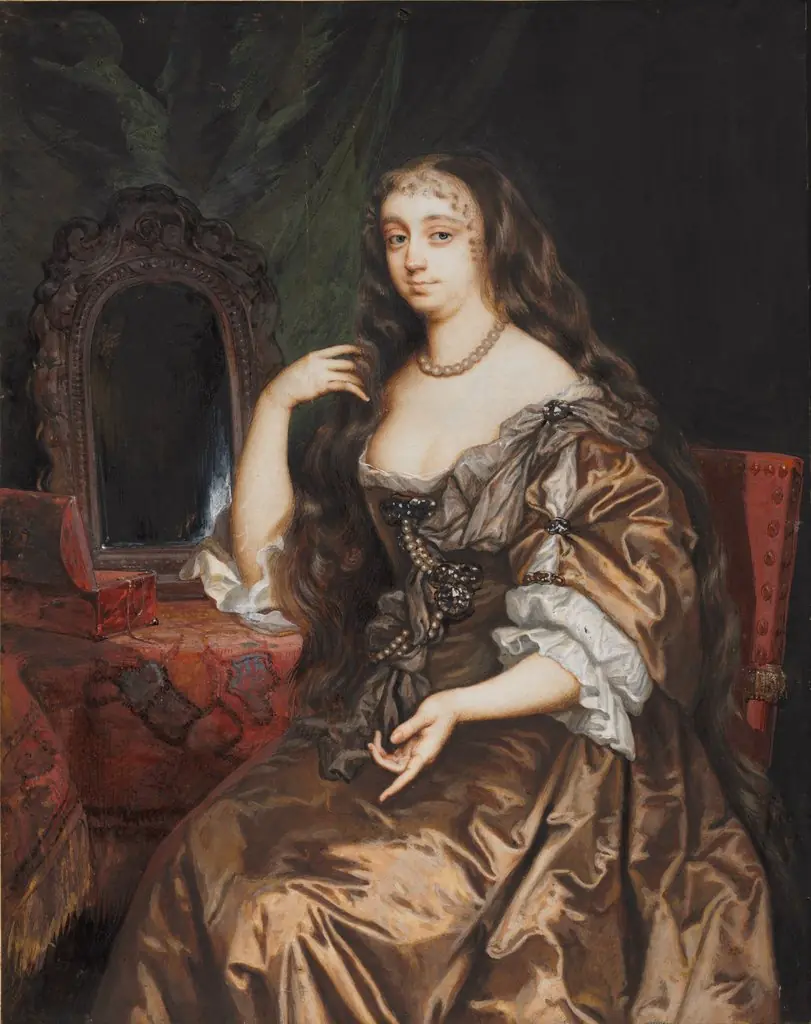 Portrait of Anne Hyde, Duchess of York
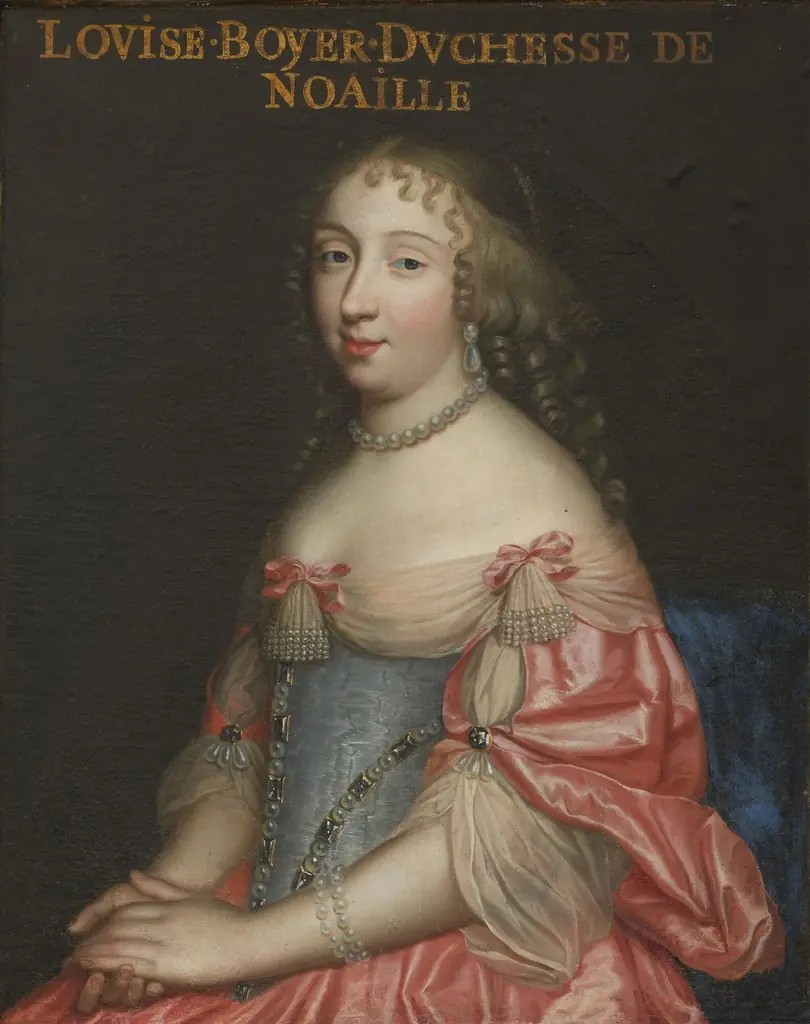 Louise Boyer, Duchess of Noailles (1632-1697)
 Portrait of a Lady
 Portrait of a Woman
 Portræt af en kvinde som Flora
 Kuningatar Ulrika Eleonora vanhempi
 Portrait of Marguerite-Louise-Suzanne de Bethune Sully, Duchess of Lude
 Retrato de la Condesa de Goldstein
 Portrait of Maria Timmers (1658-1753)