Artwork
Count Palatine Gustav Samuel
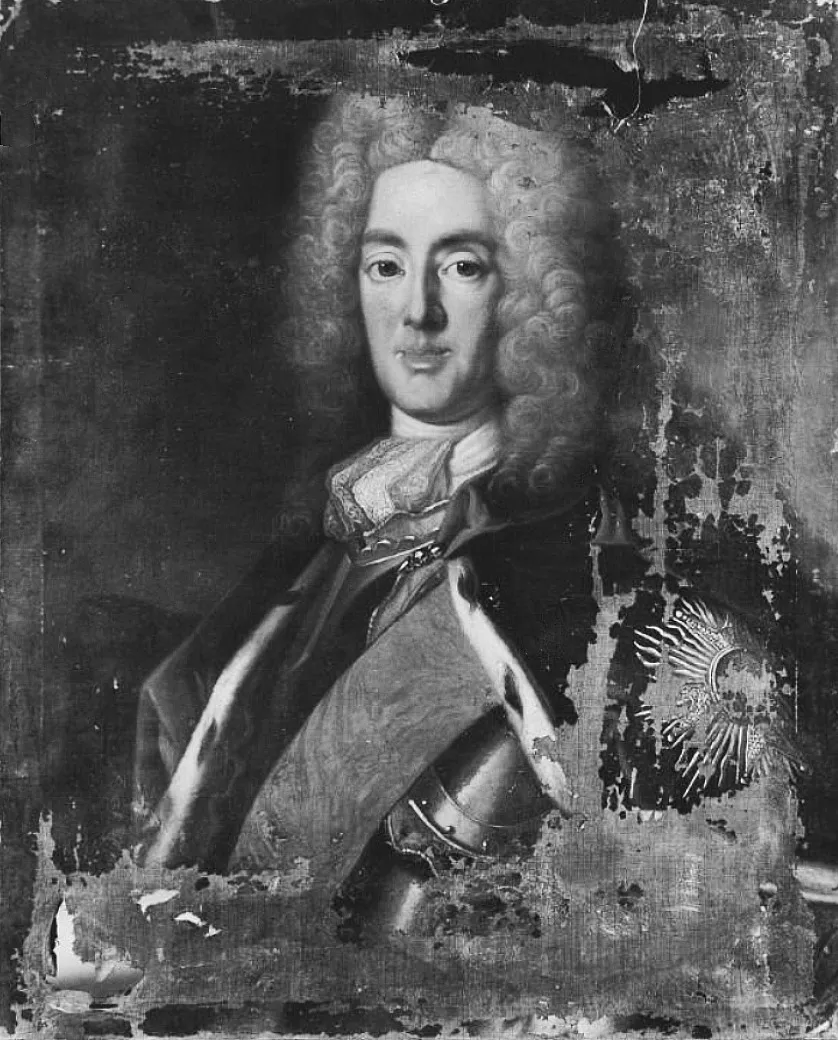
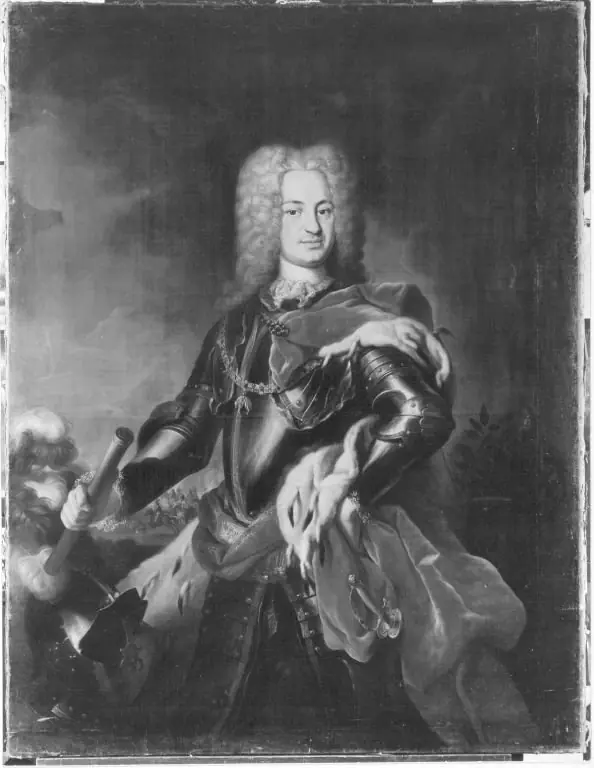
Count Palatine Gustav Samuel is an oil painting by the Rococo painting artist Claude Thomas. It dates from 1750 and is held in the collection of the Bavarian State Painting Collections.
About this work
Subject & Meaning
The painting portrays Gustav Samuel Leopold, Duke of Zweibrücken, a member of the Palatine cadet branch of the Wittelsbach dynasty.
The painting portrays Gustav Samuel Leopold, Duke of Zweibrücken, a member of the Palatine cadet branch of the Wittelsbach dynasty. As a mid-eighteenth-century portrait, the work participates in the tradition of European aristocratic representation, asserting the sitter's noble status and political legitimacy through formal presentation. The title's reference to "Count Palatine" underscores his connection to the Electoral Palatinate, one of the most significant territories within the Holy Roman Empire.
The portrait thus functions as both personal likeness and instrument of dynastic authority, visually encoding the subject's rank within the hierarchical social order of the period.
Technique & Style
Executed in 1750 by Claude Thomas, this portrait of Gustav Samuel Leopold, Duke of Zweibrücken, is an oil painting on canvas. The work measures 79.6 cm in height and 64.9 cm in width. As a formal portrait, the piece focuses on the depiction of the Duke, utilizing the standard materials of the period to render the subject within the traditions of eighteenth-century portraiture.
History & Provenance
The portrait of Gustav Samuel Leopold, Duke of Zweibrücken, was executed in 1750 by the artist Claude Thomas. Created using oil paint on canvas, the work measures 79.6 cm in height and 64.9 cm in width. The painting currently resides within the Bavarian State Painting Collections, where it is housed at the Alte Pinakothek.
No further details regarding the specific commission, intermediate ownership history, or creation circumstances are provided in the available records.
The painting Count Palatine Gustav Samuel is housed in the Bavarian State Painting Collections at the Alte Pinakothek. Its inventory number is not specified in the provided sources. The work was exhibited in the exhibition "Portraits of the Palatine" at the Alte Pinakothek in 2003.
The artwork entered the collection of the Bavarian State Painting Collections, which maintains it in Munich.
Context
The portrait of Count Palatine Gustav Samuel Leopold, Duke of Zweibrücken, painted by Claude Thomas in 1750, exemplifies 18th-century German aristocratic portraiture and situates the subject within the cultural milieu of the Bavarian court. Executed in oil on canvas, the work measures 79.6 cm by 64.9 cm and is housed in the Alte Pinakothek, part of the Bavarian State Painting Collections. Its depiction of the young duke reflects contemporary interests in representing noble lineage and virtue through formal composition and restrained realism.
The painting has been studied as a representative example of early German Rococo portraiture, with scholars noting its technical precision and historical significance in capturing Enlightenment-era elite identity. This work contributes to the broader narrative of portraiture in 18th-century Europe, illustrating the intersection of art, aristocracy, and political symbolism.
Legacy
The portrait Count Palatine Gustav Samuel, painted by Claude Thomas in 1750, is held by the Bavarian State Painting Collections and displayed at the Alte Pinakothek in Munich. Its depiction of Gustav Samuel Leopold, Duke of Zweibrücken, has informed scholarly studies of 18th-century German portraiture and remains part of discussions on courtly representation in European art.
The work's inclusion in the Alte Pinakothek's collection has allowed continued public access and academic analysis, contributing to the understanding of the cultural and artistic patronage of the Palatine branch of the Wittelsbach family.
Overview
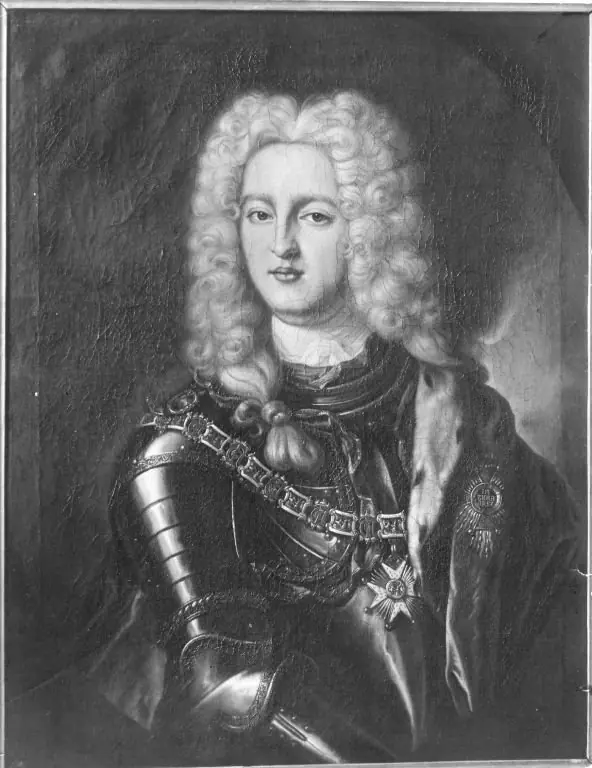
Count Palatine Gustav Samuel is an oil portrait created around 1750 by Claude Thomas. The painting is now held at the Alte Pinakothek.
Artist & collection
Artist
Claude Thomas painted formal portraits of 17th- and 18th-century French aristocrats in stiff lace and velvet.

 Kong Christian VI som prins
 Kong Christian VI som prins
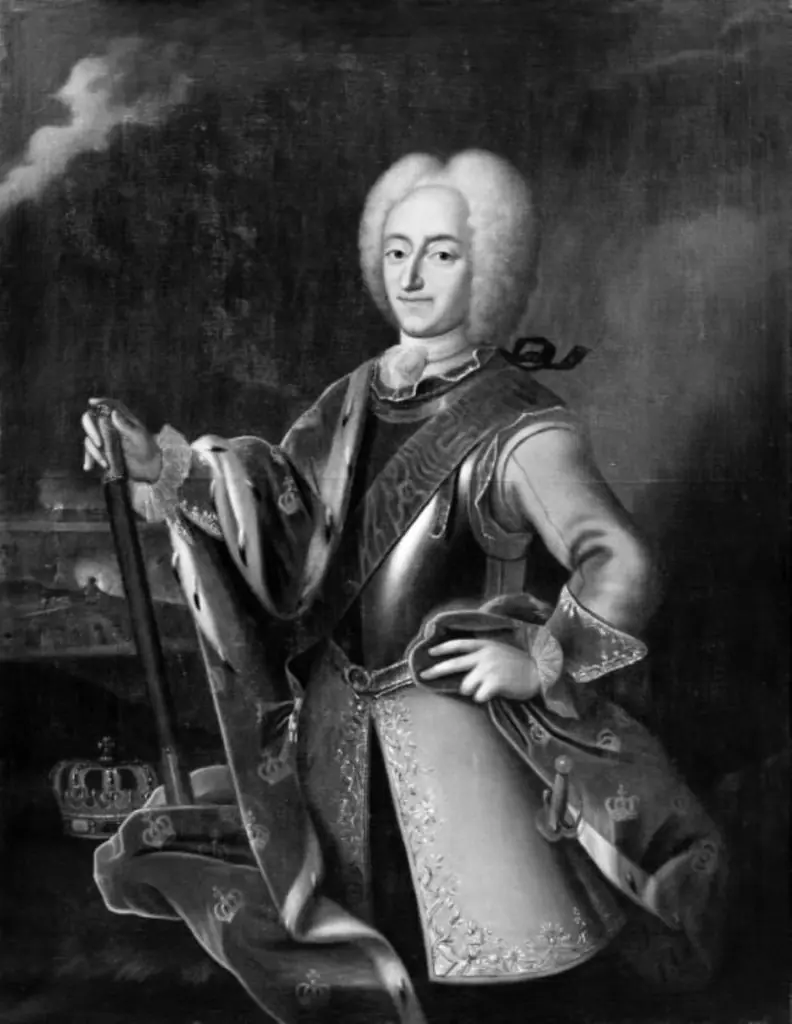 Kong Frederik IV
 Kong Frederik IV
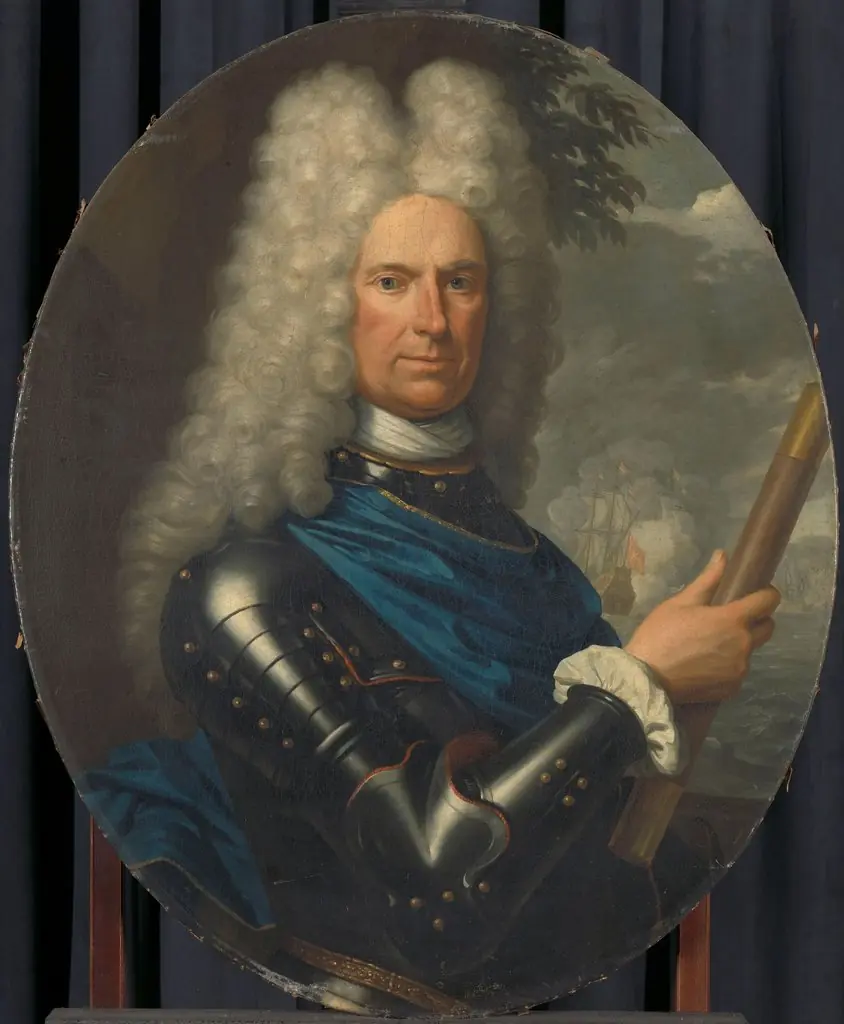 Portrait of Rear-Admiral Arent van Buren
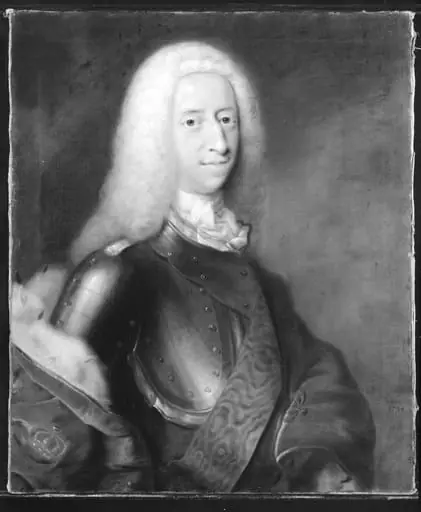 King Christian VI
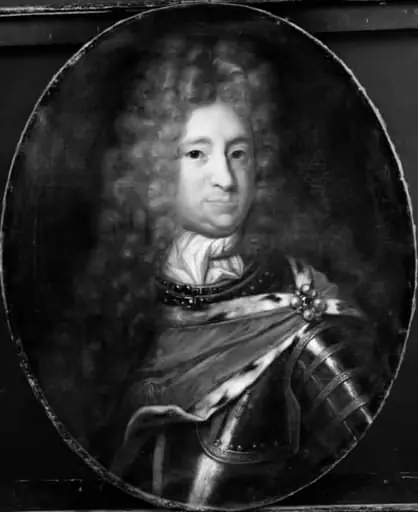 Hertug Gustaf Adolf til Mechlenborg
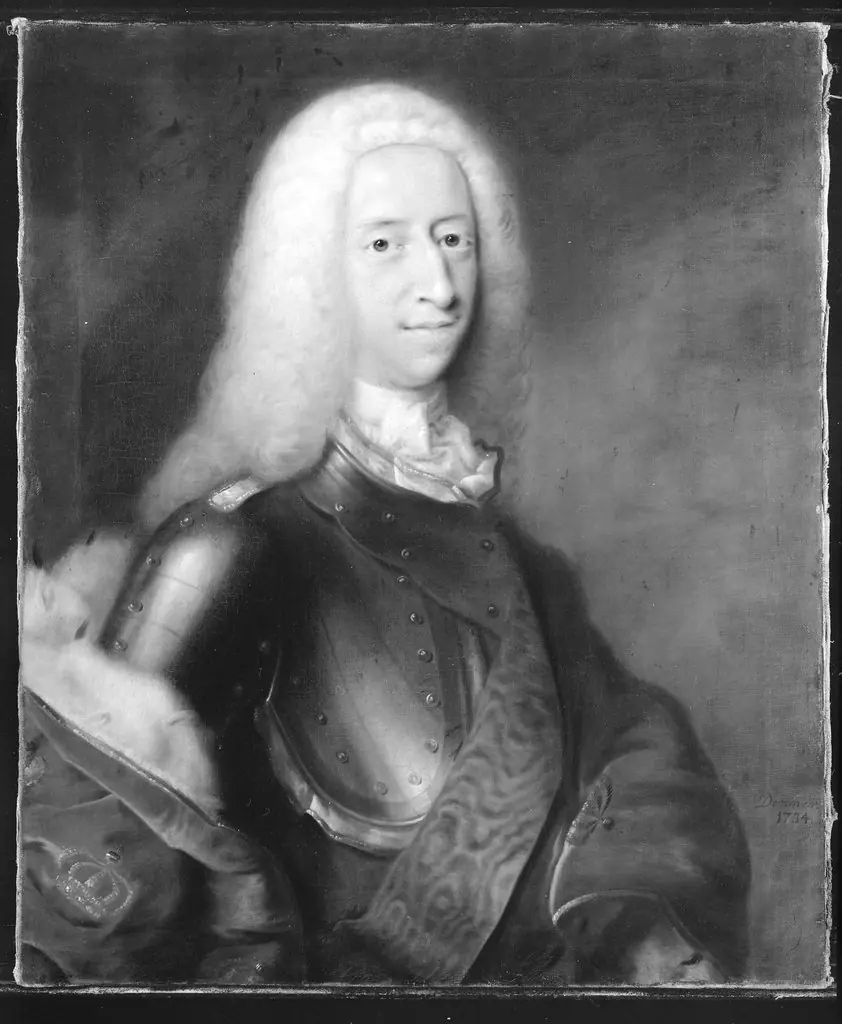 King Christian VI
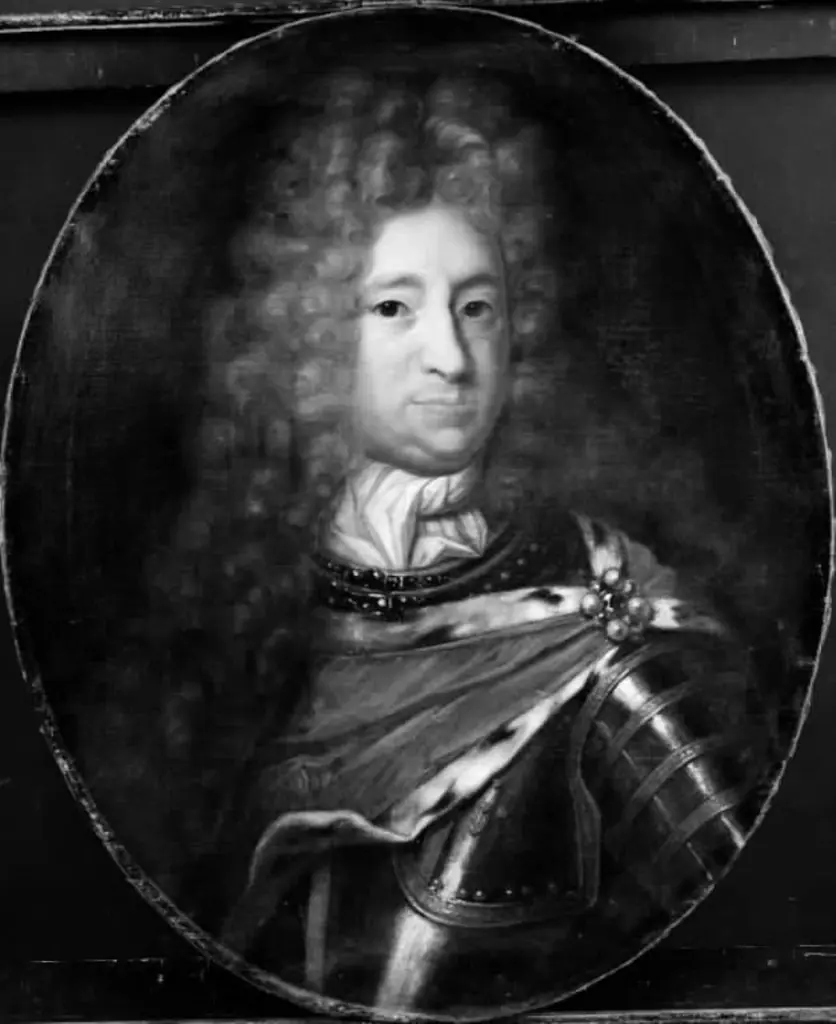 Hertug Gustaf Adolf til Mechlenborg
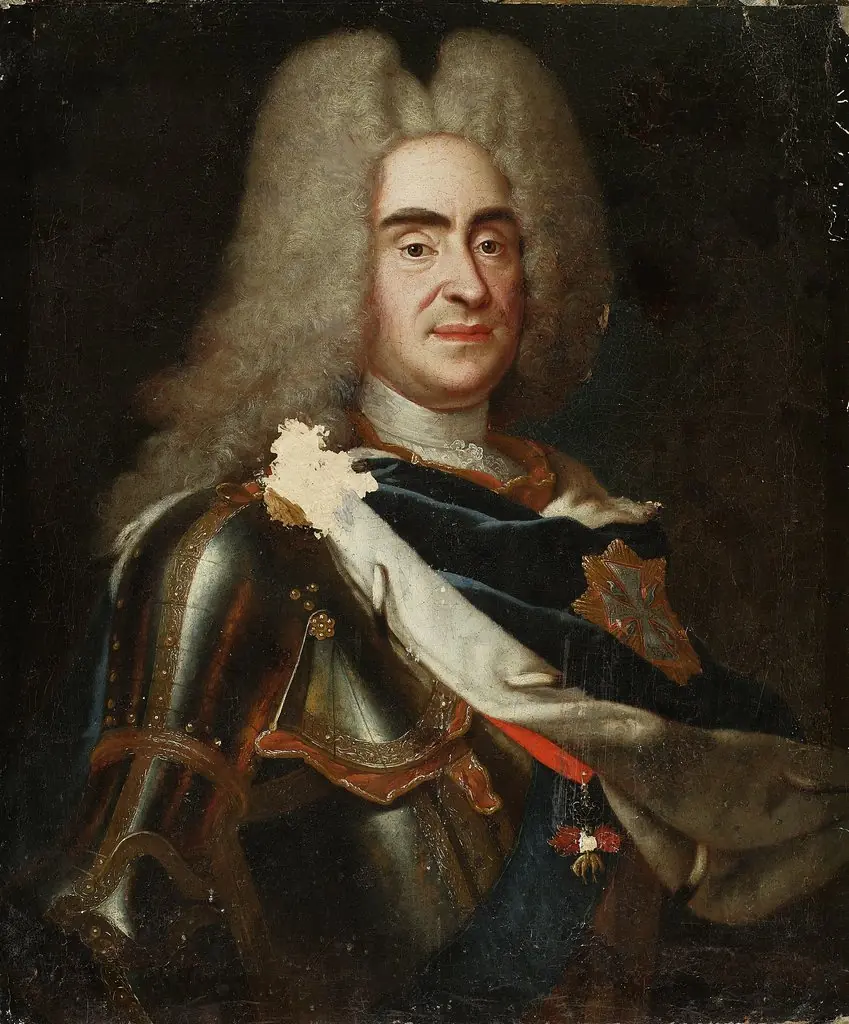 Portrait of Augustus II the Strong (1670–1733)
 Bildnis des Joseph Karl Emanuel von Sulzbach als Feldherr (1694-1729)
- Count Palatine Christian III from Zweibrücken-Birkenfeld