Artwork
Der hl. Petrus von Alcántara wandelt über den Fluss Quadiana
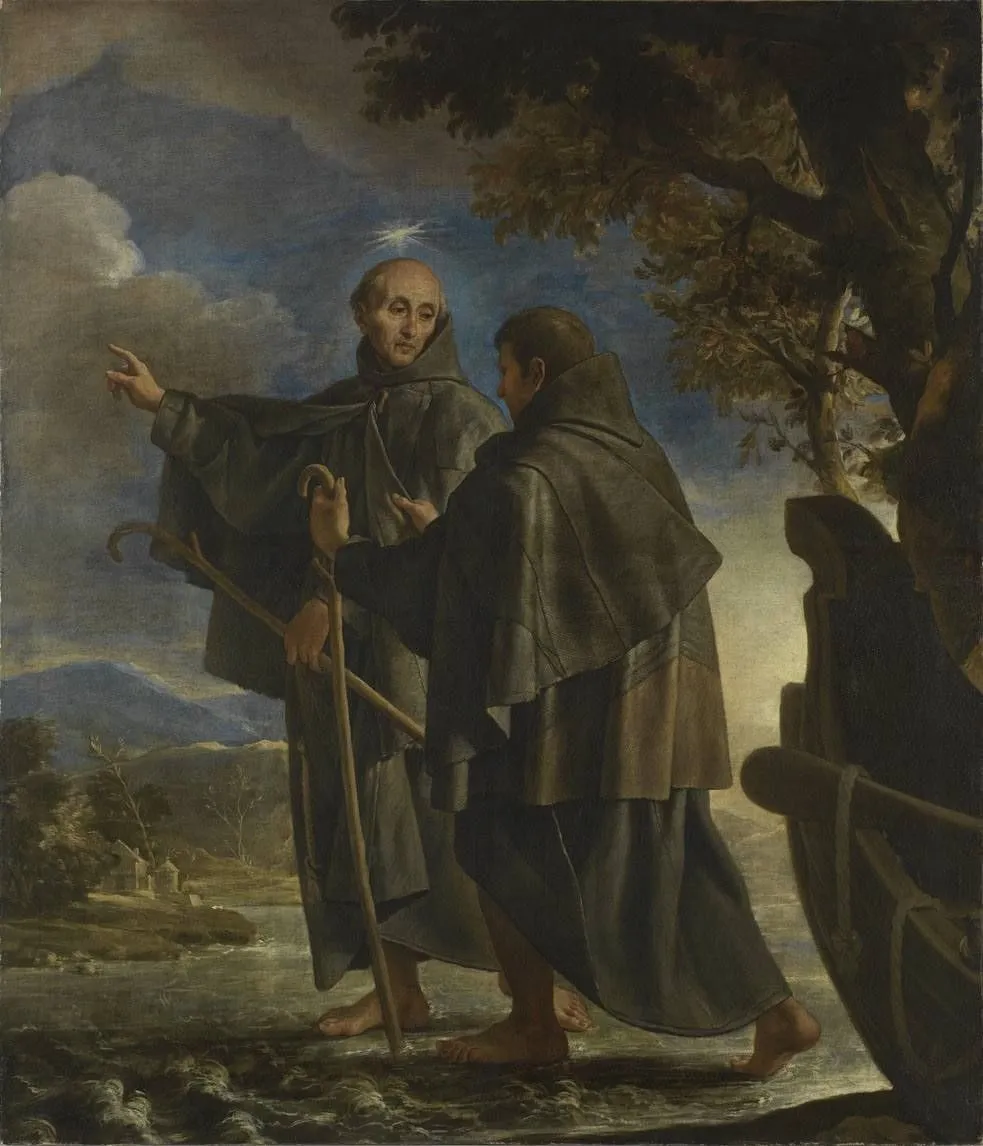
Der hl. Petrus von Alcántara wandelt über den Fluss Quadiana is an unspecified painting by the Spanish Baroque Tenebrist artist Claudio Coello. It is held in the collection of the Bavarian State Painting Collections.
About this work
Technique & Style
The classification as a painting underscores its two-dimensional, painted nature, serving the devotional and expressive demands of its genre.
Claudio Coello executed this religious painting in 1690, working on a monumental scale that measures 230 by 199 cm. The substantial dimensions of the support accommodate a grand visual narrative characteristic of late 17th-century Baroque religious art. While specific medium details are not documented in the available records, the work aligns with the conventional material practices of the era, typically employing oil paint on canvas to achieve dramatic contrasts and dynamic handling. The classification as a painting underscores its two-dimensional, painted nature, serving the devotional and expressive demands of its genre.
History & Provenance
The work titled Der hl. Petrus von Alcántara wandelt über den Fluss Quadiana was created in 1690 by Claudio Coello. It belongs to the religious painting genre and portrays Peter of Alcantara.
The painting is part of the Bavarian State Painting Collections and is housed in the Alte Pinakothek in Munich. Its dimensions are 230 cm in height and 199 cm in width.
The painting has been part of the Bavarian State Painting Collections and is held at the Alte Pinakothek in Munich. Its measured dimensions are 230 cm in height and 199 cm in width. Created by Claudio Coello in 1690, the work entered the Bavarian state collection as a religious painting depicting Peter of Alcantara.
No specific exhibition history is documented in the available sources.
Context
The painting Der hl. Petrus von Alcántara wandelt über den Fluss Quadiana by Claudio Coello, created in 1690, exemplifies the devotional intensity characteristic of late Baroque Spanish religious art and reflects the enduring cult of Saint Peter of Alcantara within Iberian ecclesiastical circles. Its composition and iconography align with Counter-Reformation visual strategies aimed at fostering personal piety, situating it within the artistic milieu of 17th-century Madrid where artists like Coello navigated the intersection of royal patronage and monastic devotion.
The work's placement in the Alte Pinakothek's collection underscores its significance as a representative example of Iberian Baroque painting beyond Spain's borders, contributing to scholarly discussions on the transnational circulation of devotional imagery in European art history.
Overview
Painted in 1696 by Claudio Coello, this work captures Saint Peter of Alcántara crossing the Quadiana River, a moment tied to his reputation for spiritual discipline. As court painter to Charles II of Spain, Coello was among the final significant figures of Spain’s Baroque tradition. The painting was commissioned for religious devotion and later entered the collection of the Alte Pinakothek, reflecting its enduring ecclesiastical significance in Habsburg Spain.
Subject & Meaning
The scene portrays Saint Peter of Alcántara, a 16th-century Franciscan reformer known for extreme asceticism, standing beside a younger companion on a riverbank. His upward gesture and bare feet emphasize his devotion and connection to the divine. The younger figure, cloaked and attentive, represents a disciple receiving spiritual instruction.
The composition conveys a moment of revelation, where earthly limits are transcended through faith, aligning with Counter-Reformation ideals of personal piety.
Legacy
Coello’s painting stands as one of the last major religious works of Spain’s Baroque era, marking the transition toward more restrained 18th-century sensibilities. While not widely reproduced, its presence in the Alte Pinakothek secured its role in European collections of Spanish art. The work remains a quiet testament to the enduring influence of Franciscan spirituality in Habsburg visual culture, preserved more for its historical continuity than its public fame.
Artist & collection
Artist
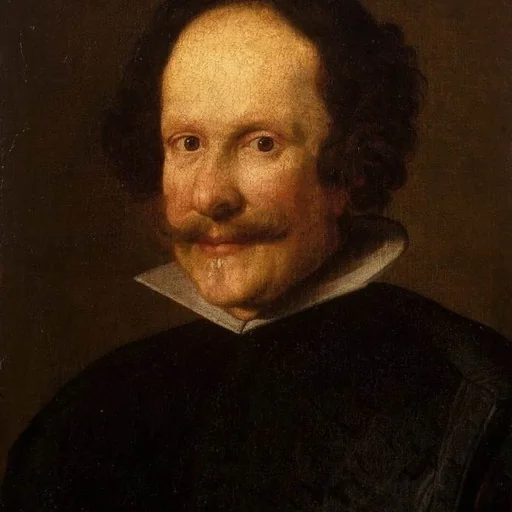
Claudio Coello (2 March 1642 – 20 April 1693) was a Spanish-Portuguese Baroque painter.

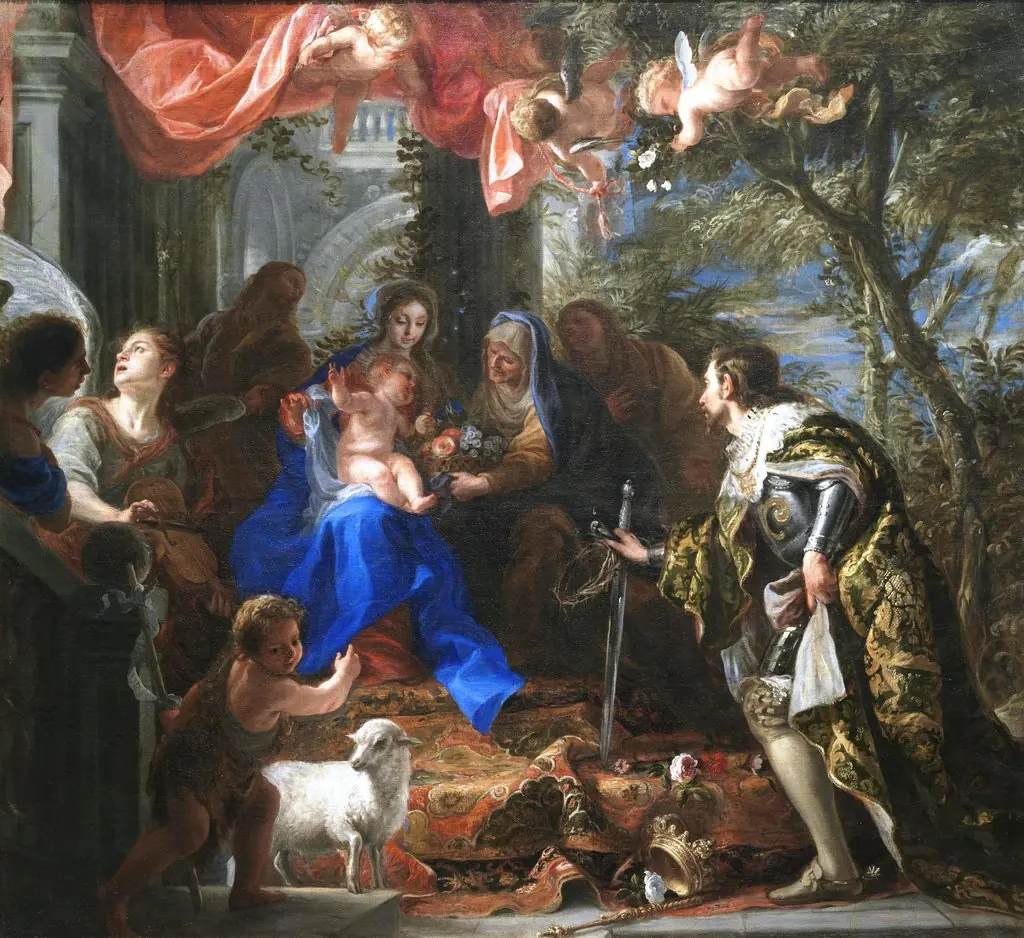 The Virgin and Child adored by Saint Louis, King of France
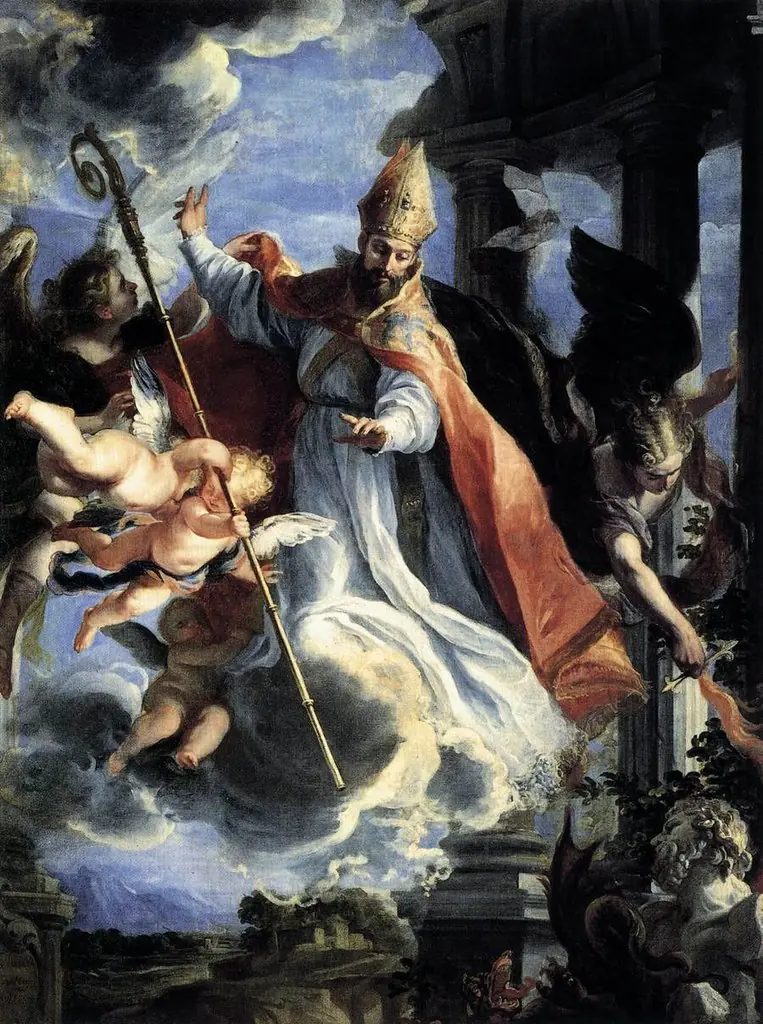 The Triumph of Saint Augustine
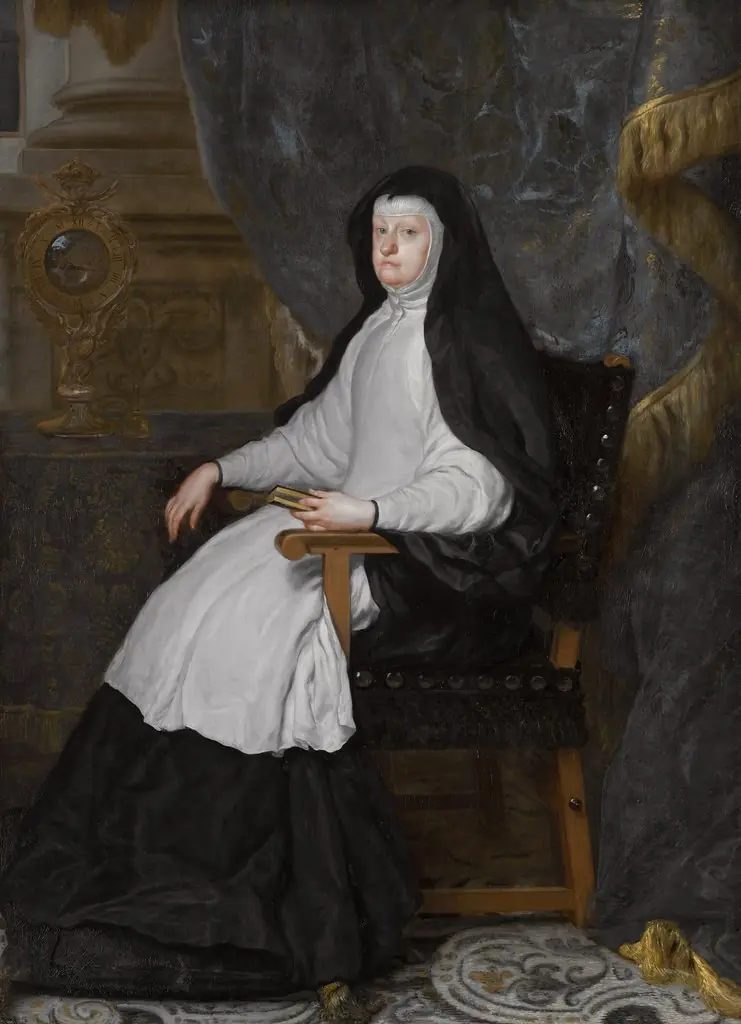 Mariana of Austria, Consort of King Philip IV of Spain, as a Widow
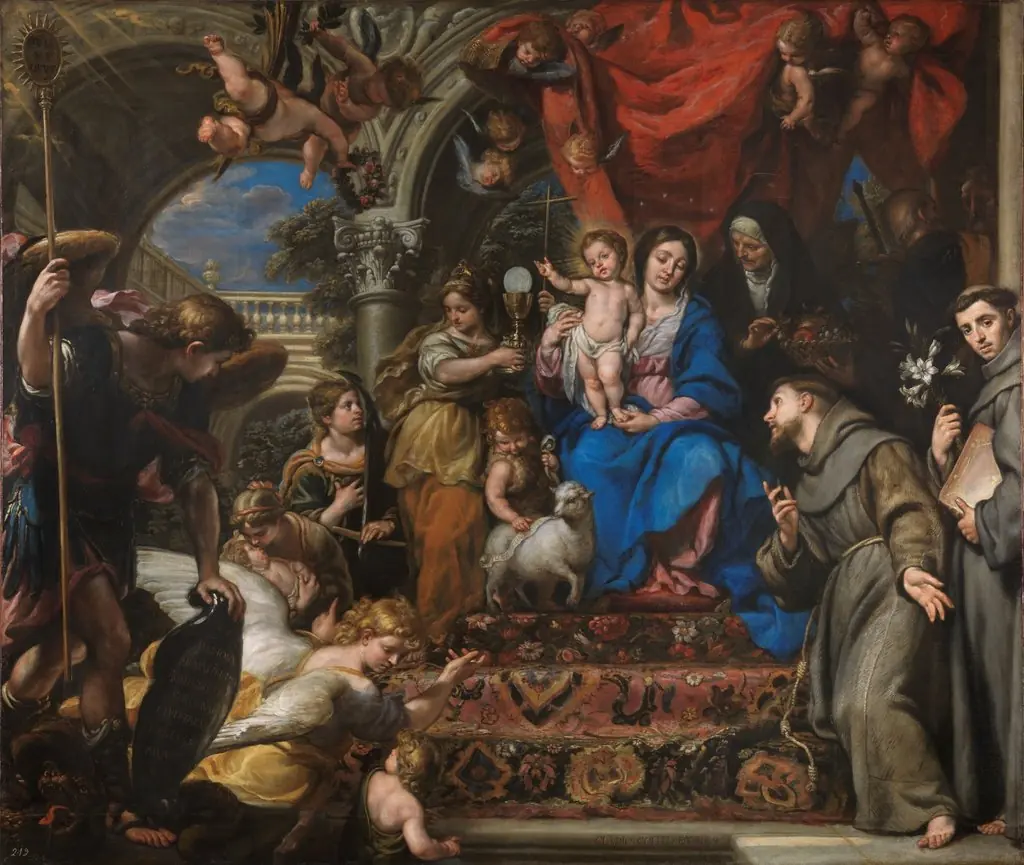 The Virgin and Child between the Theological Virtues and Saints
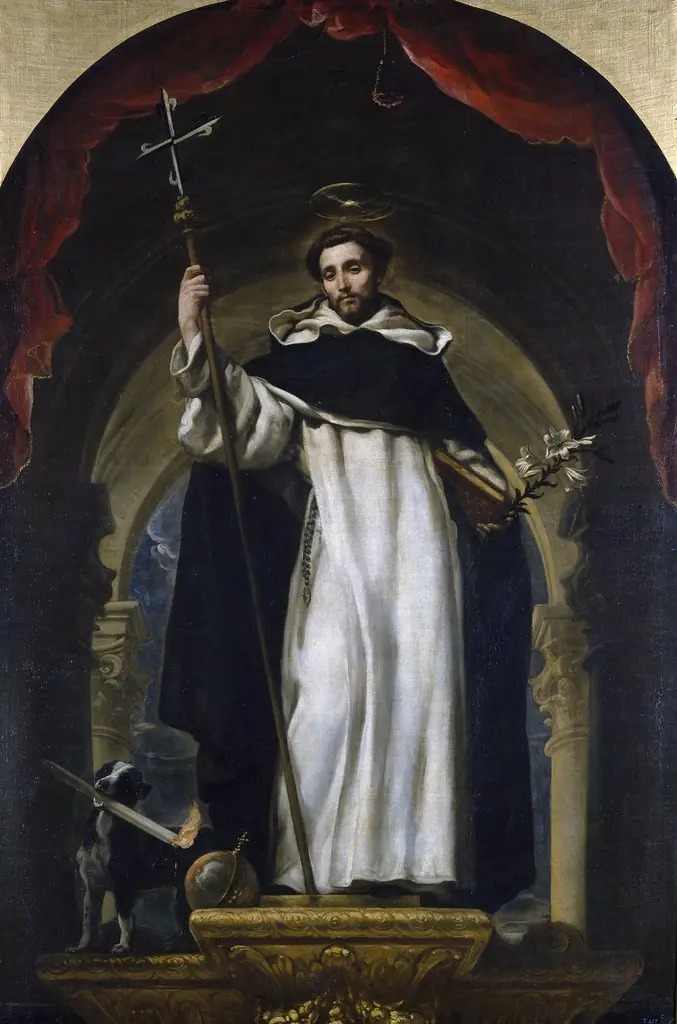 Saint Dominic of Guzmán
 Santa Rosa de Lima
 Saint Anthony of Padua
 Maria, die unbefleckt Empfangene (und Werkstatt)
- The Vision of the Blessed Sebastián Aparicio
 San Diego de Alcalá en las islas Canarias
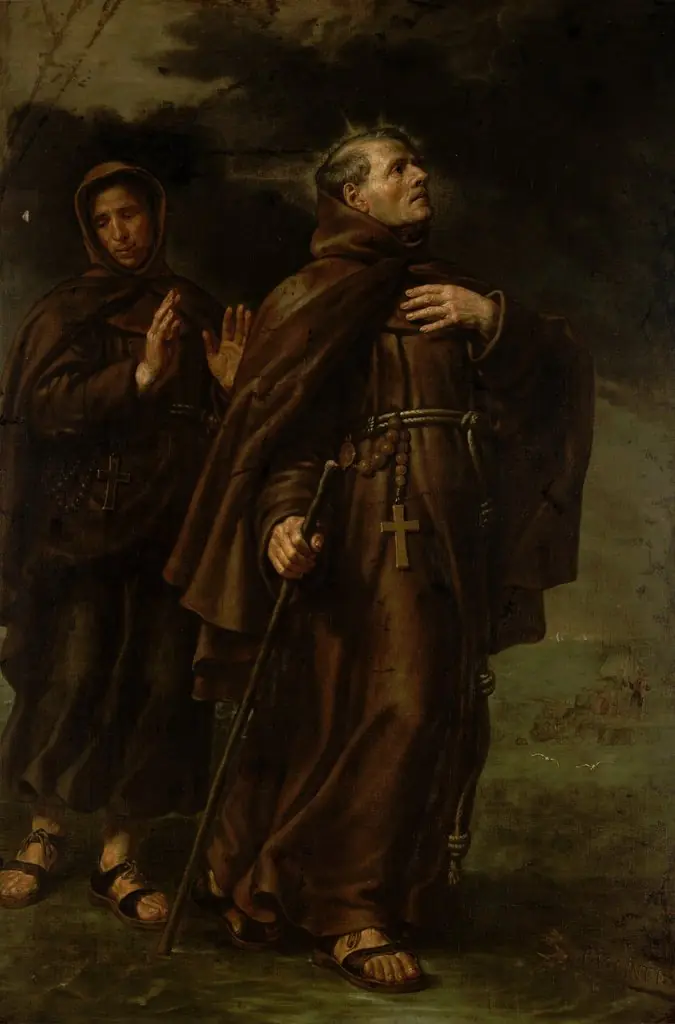 The Miracle of Saint John of Capestrano
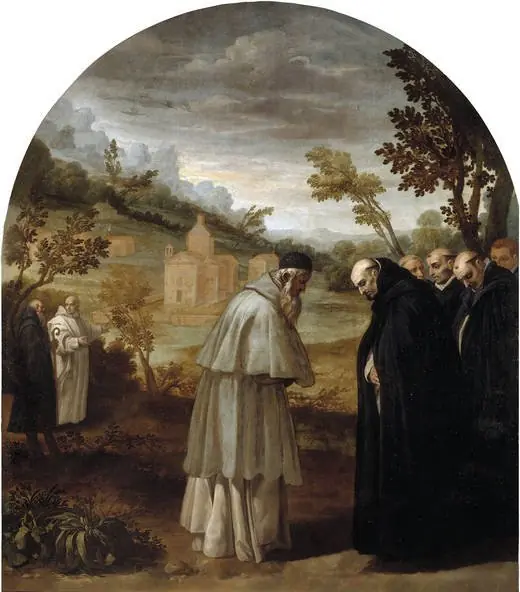 Saint Bruno Bids Farewell to Saint Hugo Before his Trip to Rome
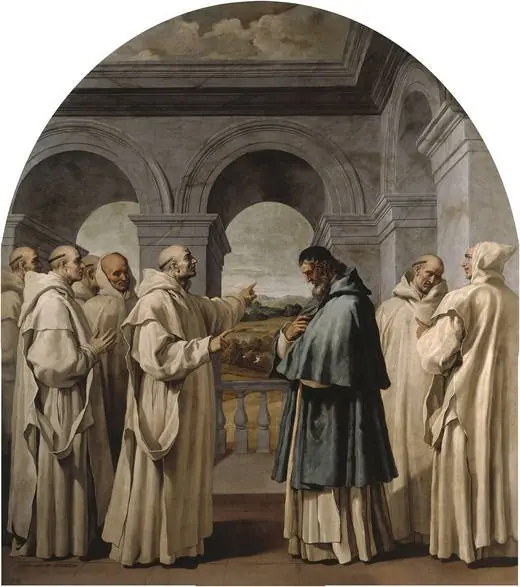 Saint Bruno Bids Farewell to Saint Hugo
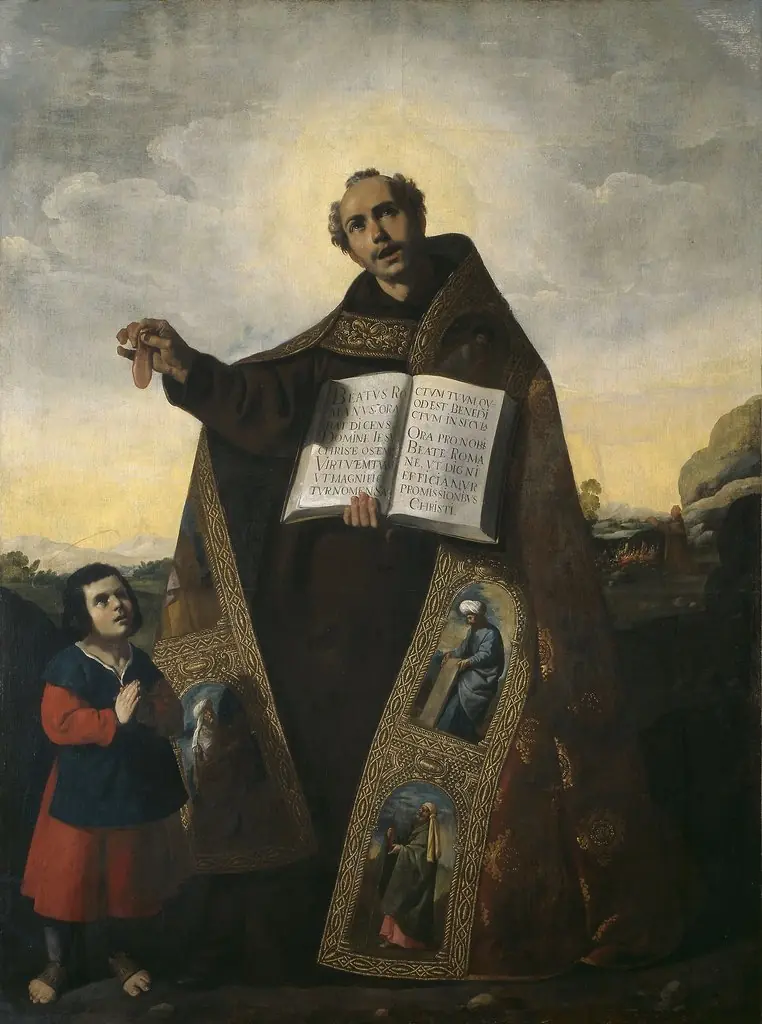 Saint Romanus of Antioch and Saint Barulas
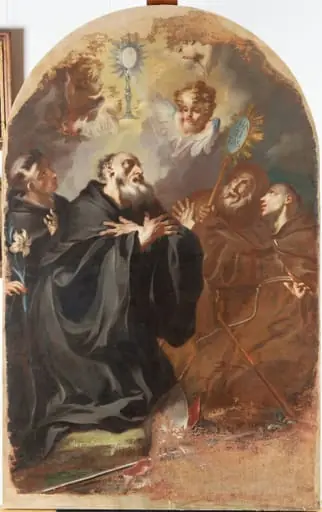 Heilige, die eine Monstranz anbeten
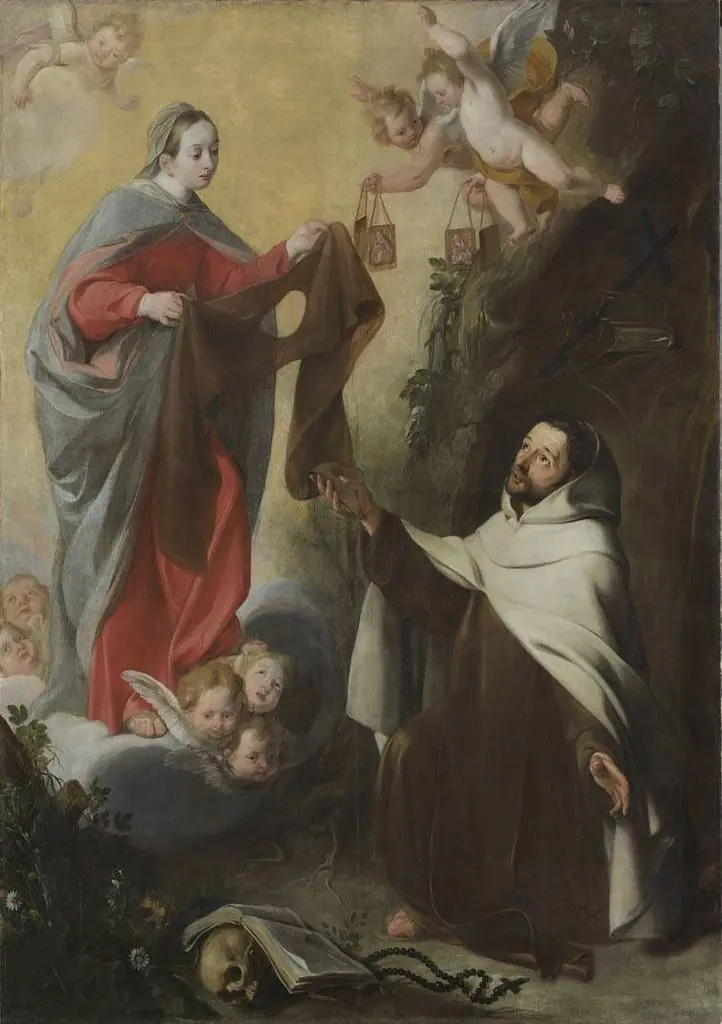 Maria überreicht dem Karmelit Simon Stock das Skapulier
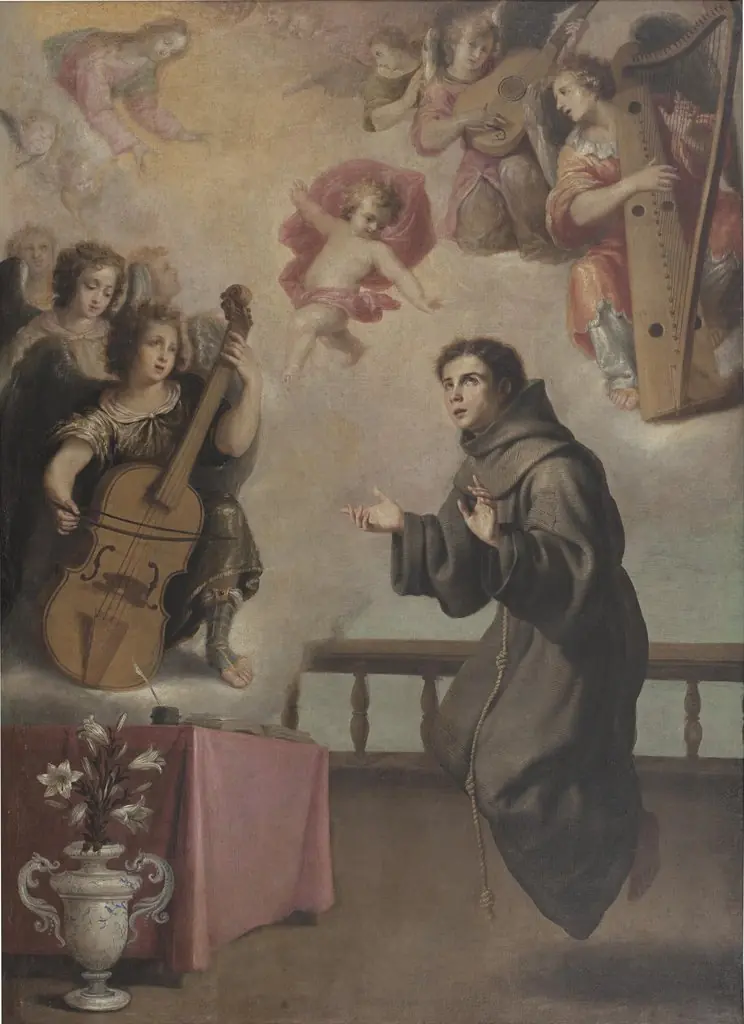 Saint Anthony of Padua
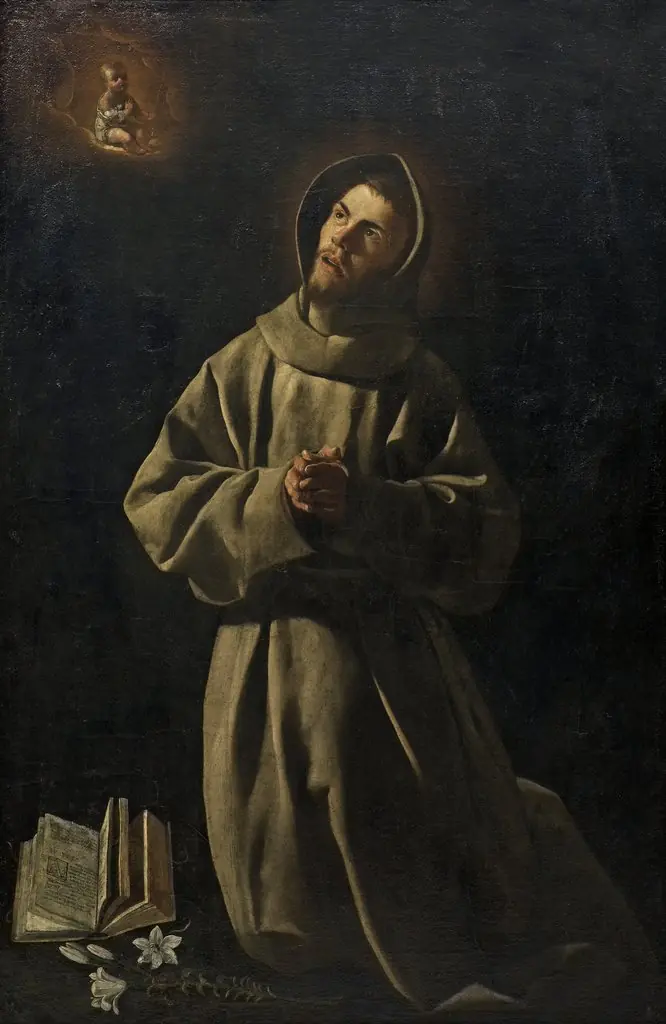 Apparition of the Child Jesus to Saint Anthony of Padua
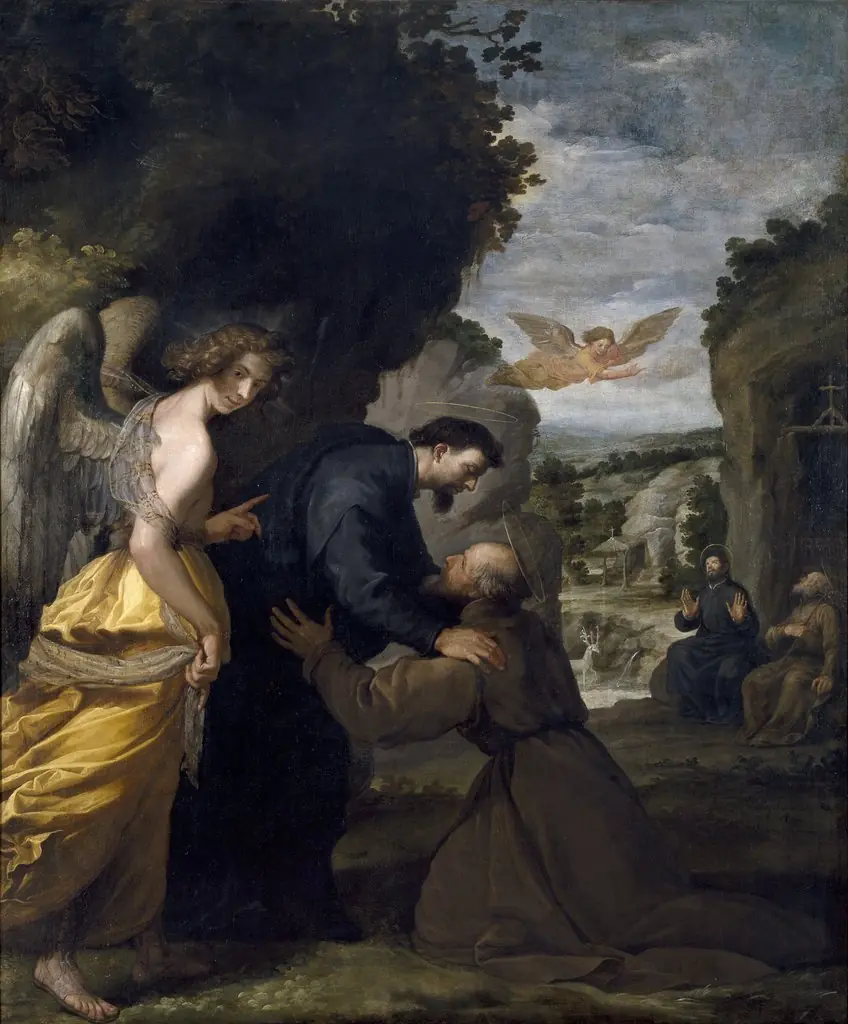 Encuentro de San Juan de Mata y San Félix de Valois
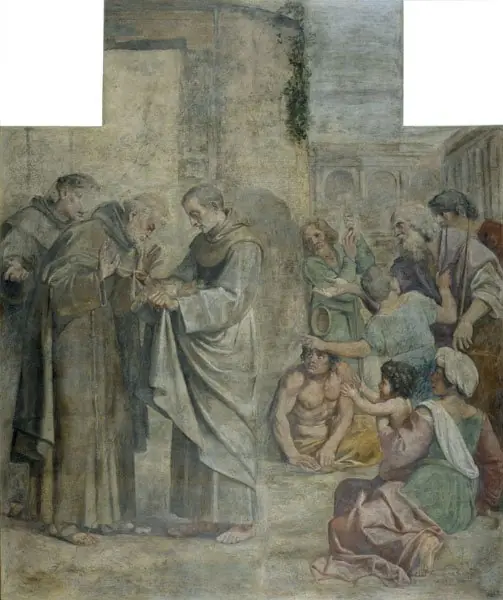 Miracle of the Roses