Artwork
Mother and Child
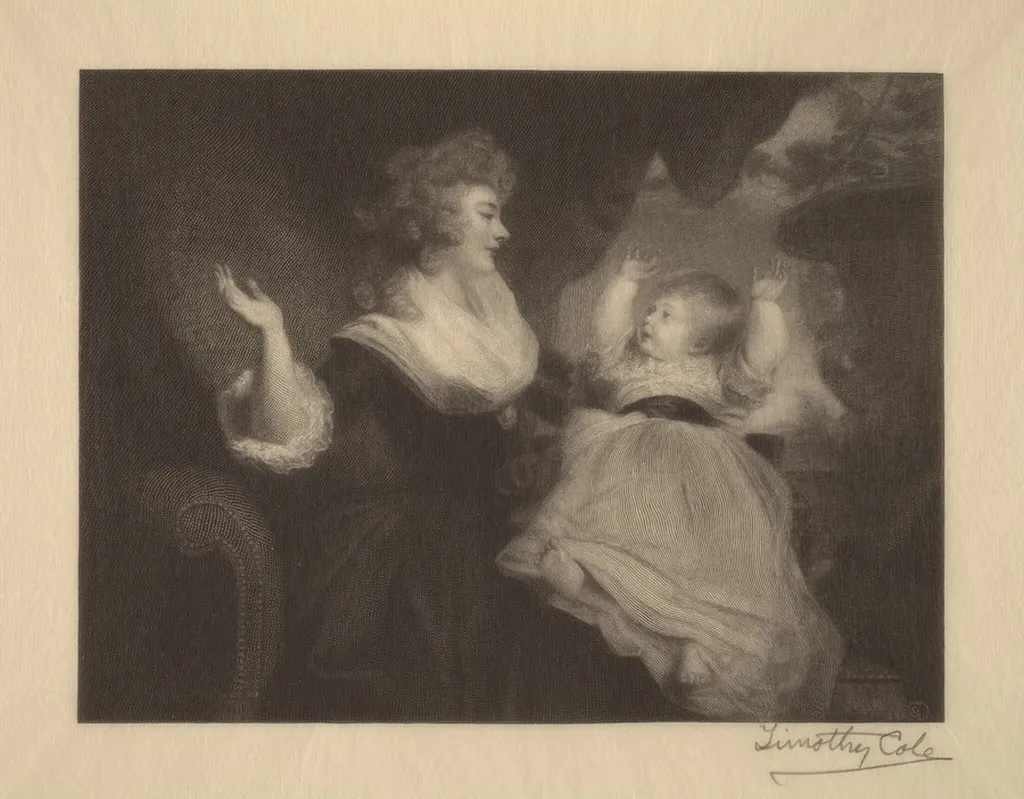
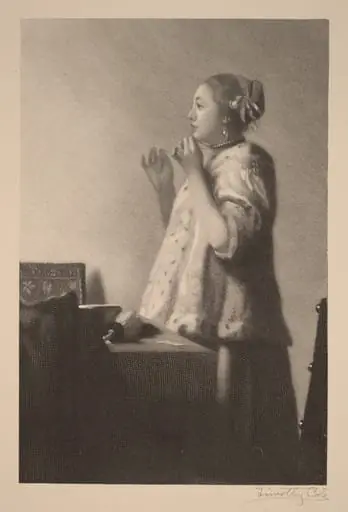
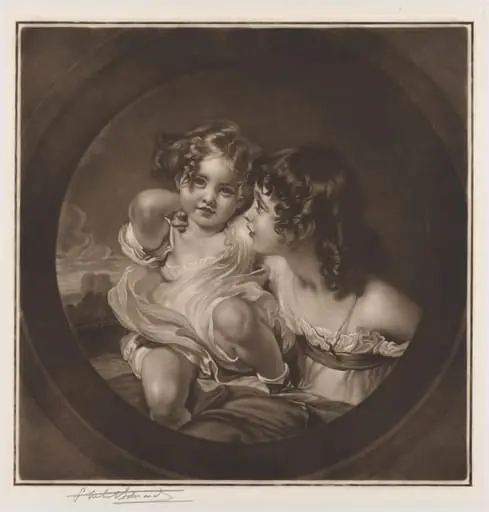
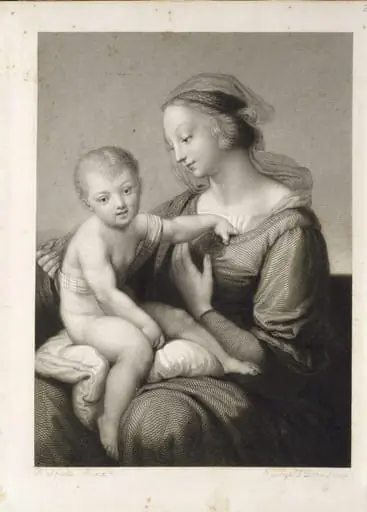
Mother and Child is an ink print by the Impressionist artist Timothy Cole. It dates from 1892 and is held in the collection of the National Gallery of Art.
About this work
Overview
Unlike painted works, this piece relies on the engraver’s hand to render form and emotion, making it a refined example of 19th-century reproductive printmaking.
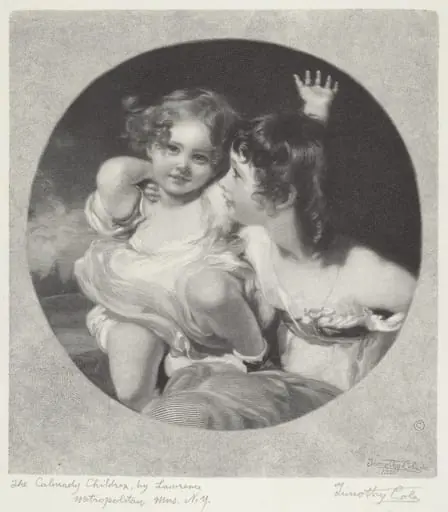
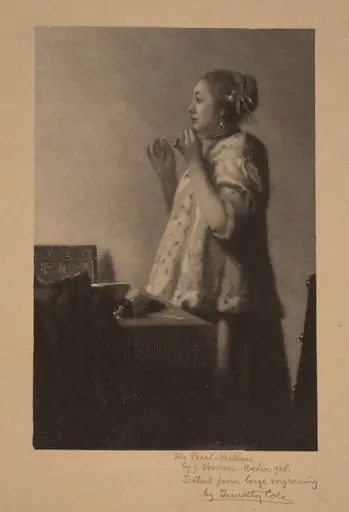
Timothy Cole’s 1892 wood engraving titled Mother and Child is a finely detailed print that captures an intimate moment between a woman and her infant. Executed in black and white, the work emphasizes texture and tonal contrast through the precision of engraved lines. Unlike painted works, this piece relies on the engraver’s hand to render form and emotion, making it a refined example of 19th-century reproductive printmaking.
Subject & Meaning
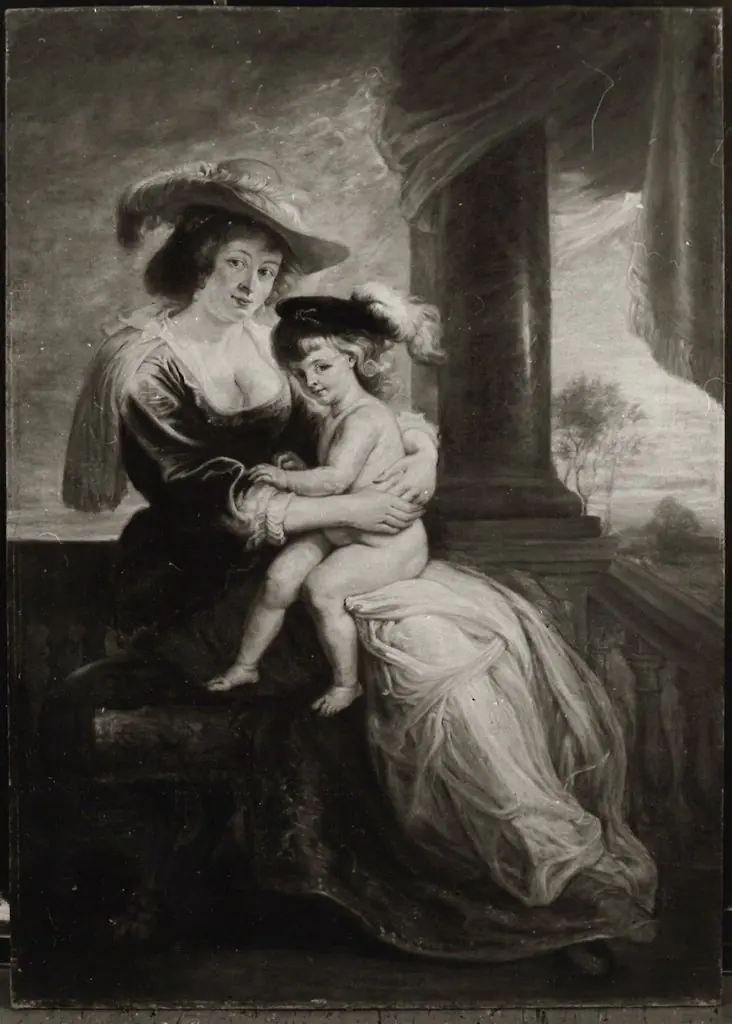
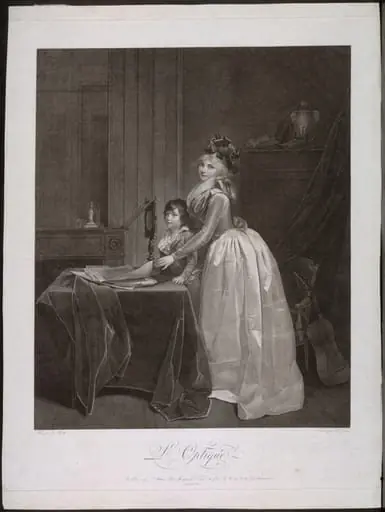
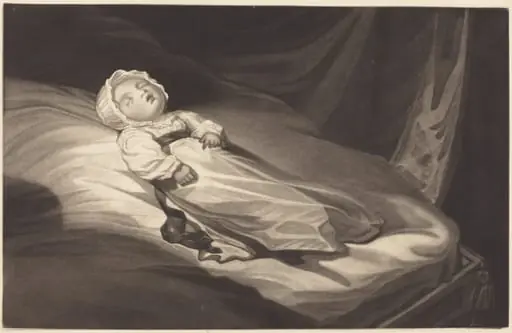
The composition centers on a mother gazing down at her child, who reaches upward with outstretched hands. Their quiet interaction conveys tenderness without theatricality. The mother’s modest attire and calm expression, paired with the child’s open gesture, suggest domestic warmth and maternal devotion. The absence of narrative context invites contemplation of the universal bond between caregiver and infant.
Technique & Style
Cole employed wood engraving, a technique involving incising fine lines into the end grain of hardwood to create detailed tonal gradations. His use of cross-hatching and delicate stippling models the folds of fabric, curls of hair, and soft contours of skin. The dark background isolates the figures, enhancing their emotional presence. The style leans toward realism, prioritizing observable detail over atmospheric effects.
History & Provenance
Created in 1892, this engraving emerged during a period when wood engraving was widely used in illustrated books and periodicals. Cole, known for his reproductive prints after Old Master paintings, adapted his skill to original compositions. The work likely circulated in art journals or private collections, reflecting the era’s appreciation for finely crafted prints as accessible art forms.
Context
In the late 19th century, American artists like Cole engaged with European traditions while developing a distinct domestic aesthetic. Though often associated with realism, Cole’s work occasionally absorbed the softness of Impressionist lighting, though this piece avoids brushy ambiguity. The focus on everyday intimacy aligns with broader cultural shifts toward valuing private, familial moments in art.
Legacy
Timothy Cole’s Mother and Child exemplifies the technical mastery of American wood engraving at its peak. While not widely exhibited today, it remains a reference point for understanding how printmaking could convey emotional depth without color or brushwork. The work endures as a quiet testament to the precision and sensitivity possible in hand-carved imagery.
Own this work as a print
Artist & collection