Artwork
Interior
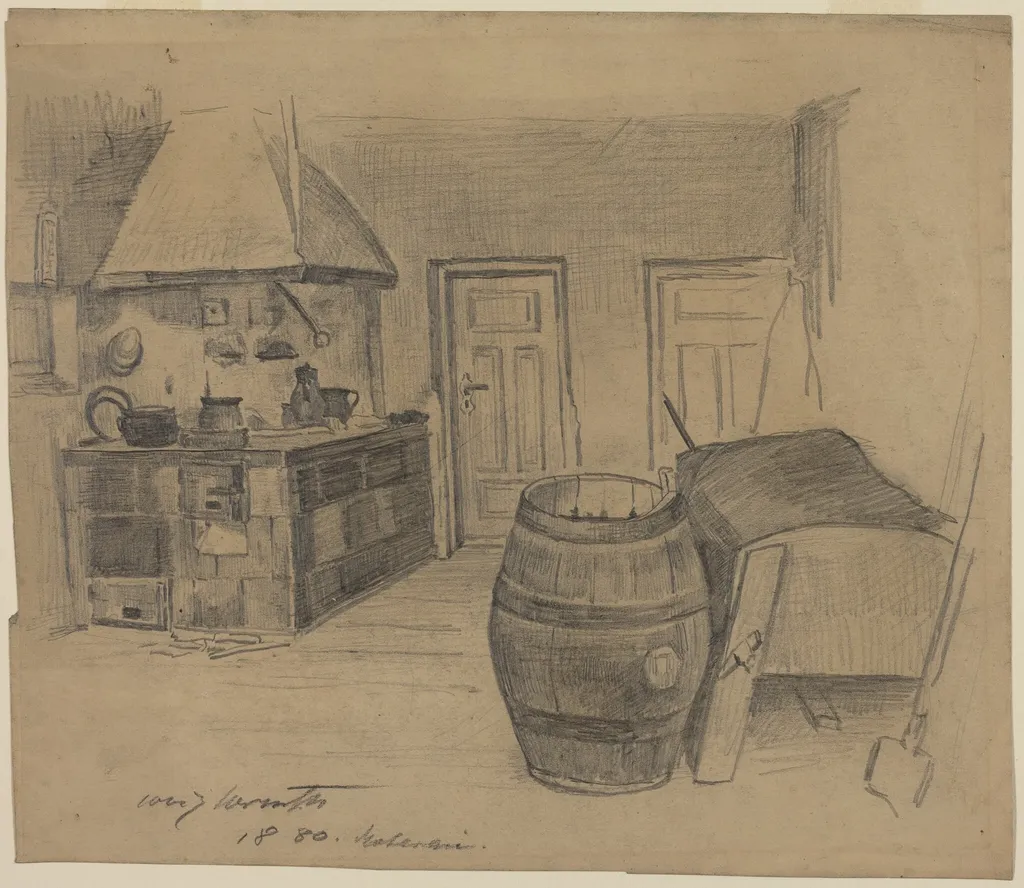
Interior is a graphite drawing by the Impressionist artist Lovis Corinth. It dates from 1880 and is held in the collection of the National Gallery of Art.
- Inscription
- Inscribed:lower left: Lovis Corinth / 1880. (illegible word); on verso stamped: JOSE LUIS BUSANICHE / SECRETARIO GENERAL / COMISION NACIONAL DE MUSEOS Y MONUMENTOS HISTOR
About this work
Overview
Created in 1880, Interior is a graphite drawing on wove paper by German artist Lovis Corinth. Executed early in his career, the work captures a modest domestic space with a straightforward, observational approach that anticipates his later development toward a more expressive visual language.
Subject & Meaning
The composition depicts a simple room: a wooden table bearing a teapot, cups and small dishes, a barrel placed in the foreground, and a chair propped against it. A door and a shelved cabinet appear in the background, rendered with loose lines that emphasize the everyday character of the setting.
Technique & Style
Corinth employs soft graphite shading to model forms and suggest depth, while maintaining a sketch‑like quality. The drawing balances precise delineation of objects with an overall atmospheric effect, reflecting the naturalistic tendencies that marked his early work before his post‑stroke shift toward expressionism.
History & Provenance
Trained in Paris and Munich, Corinth later joined the Berlin Secession, eventually serving as its president after Max Liebermann. Interior belongs to the period before his 1911 stroke, when his style was still rooted in realistic observation rather than the later, more emotive approach.
Context
The piece aligns with late‑19th‑century Realist interests in portraying ordinary life and domestic interiors. By focusing on commonplace objects and the play of light, Corinth participates in a broader artistic movement that sought to elevate everyday scenes to subjects worthy of serious artistic inquiry.
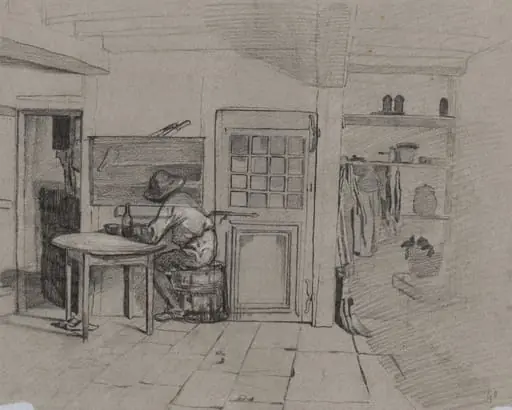
Own this work as a print
Artist & collection
Artist
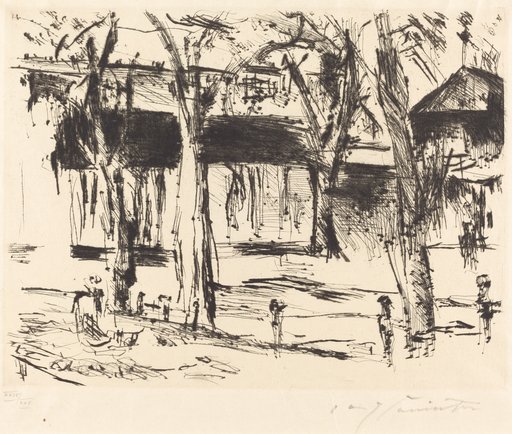
Lovis Corinth (21 July 1858 – 17 July 1925) was a German artist and writer whose mature work as a painter and printmaker realized a synthesis of impressionism and expressionism.

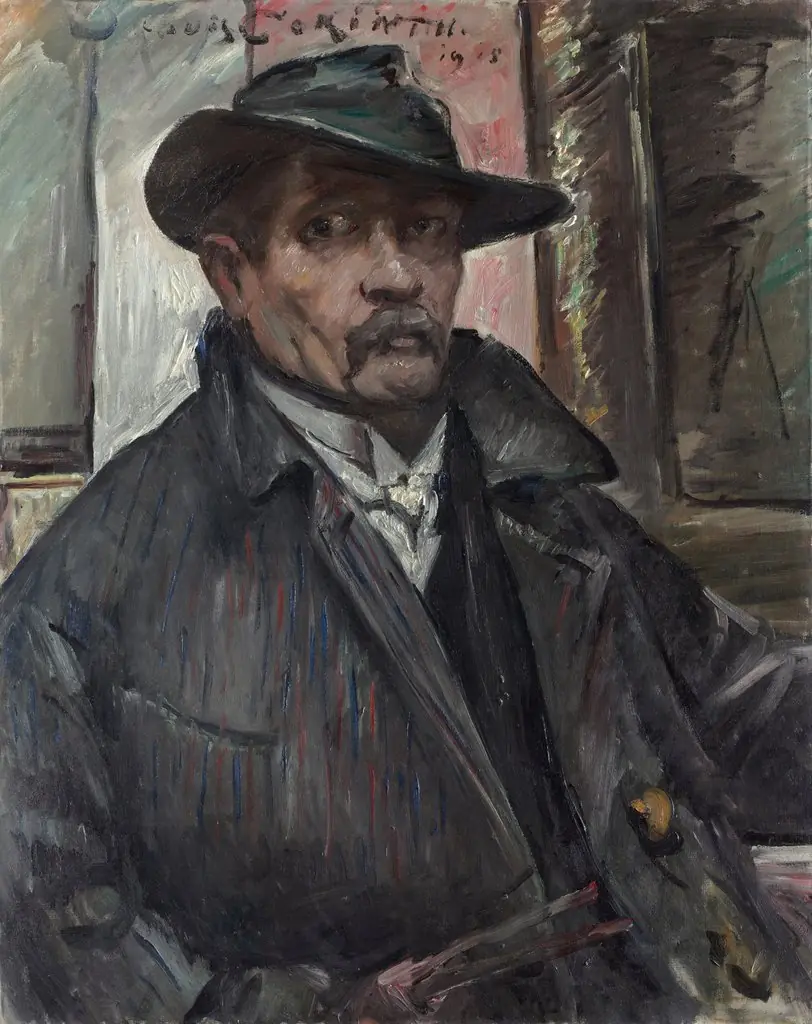
- A Farmhouse Interior with a Boy at a Table
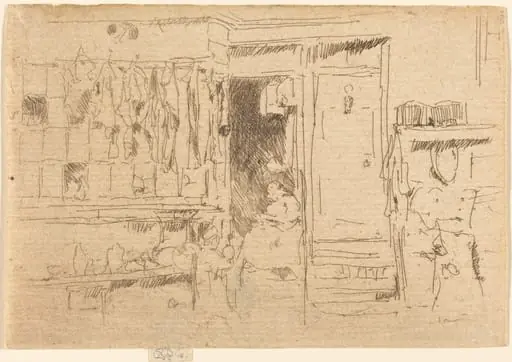 Old-Clothes Shop, No.I
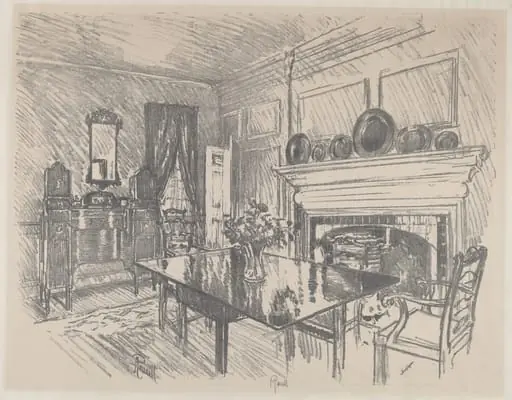 The Dining Room, Stenton
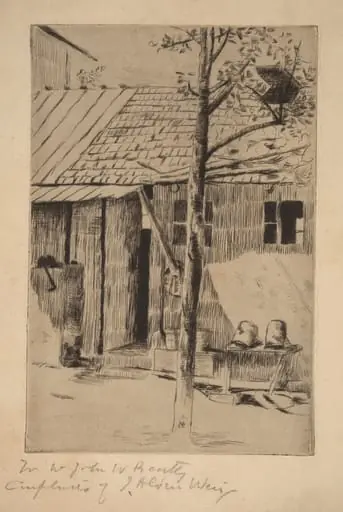 Dooryard, Buckets and Tree
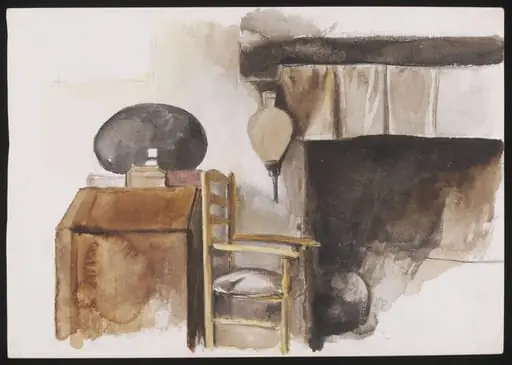 Study of a fireplace, a writing desk and a rush-seated ladderback chair
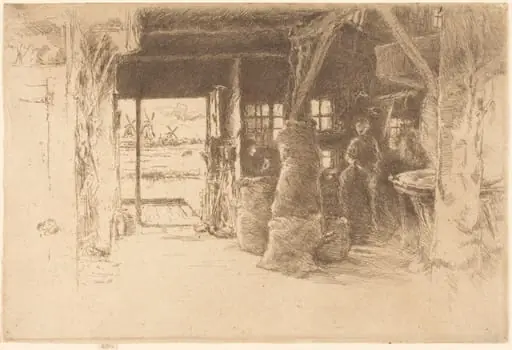 The Mill
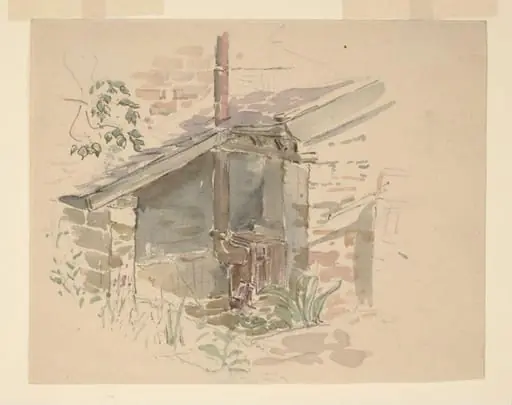 A garden shed with iron stove and chimney in the garden at Gwaynynog
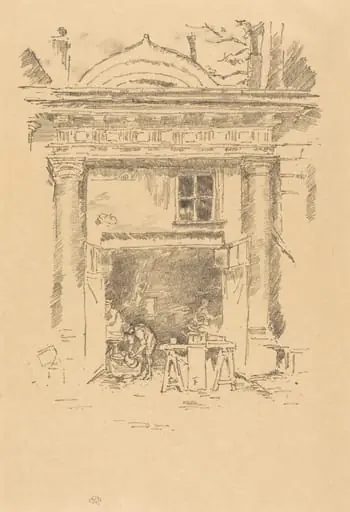 The Whitesmiths, Impasse des Carmélites
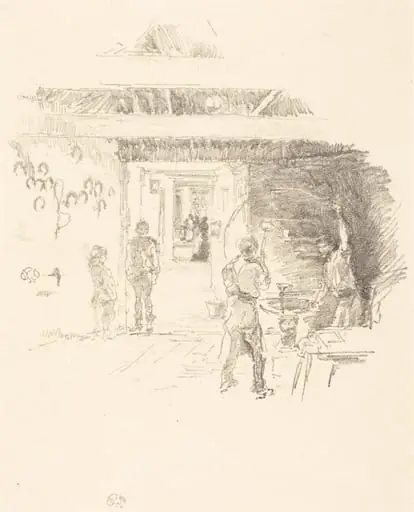 The Tyresmith
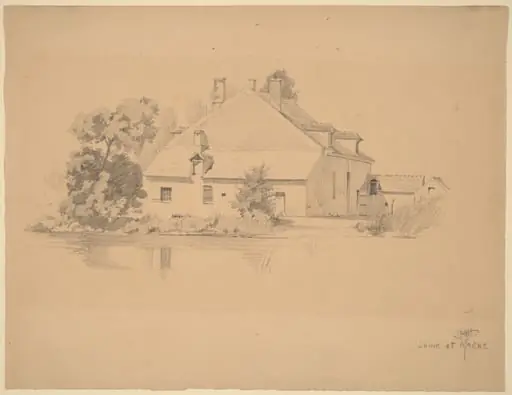 Seine et Marne
 The Tyresmith
 Women at a Well, Allinges