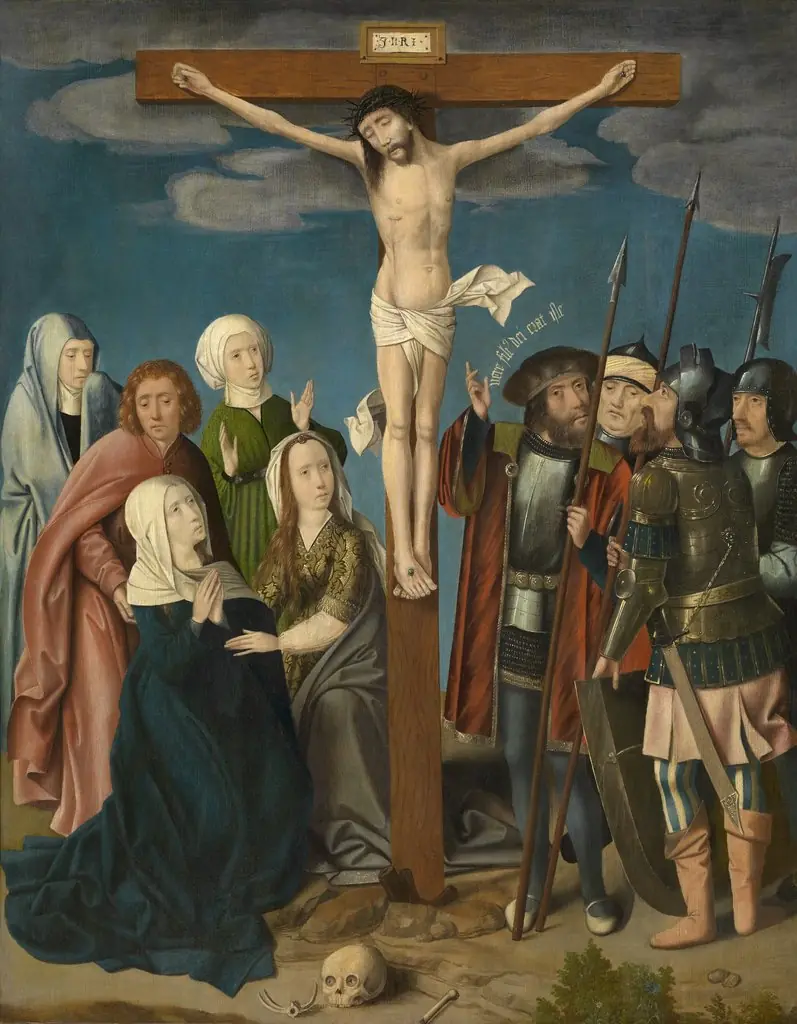
Artwork
Crucifixion with the Virgin, Mary Magdalen and St John the Evangelist
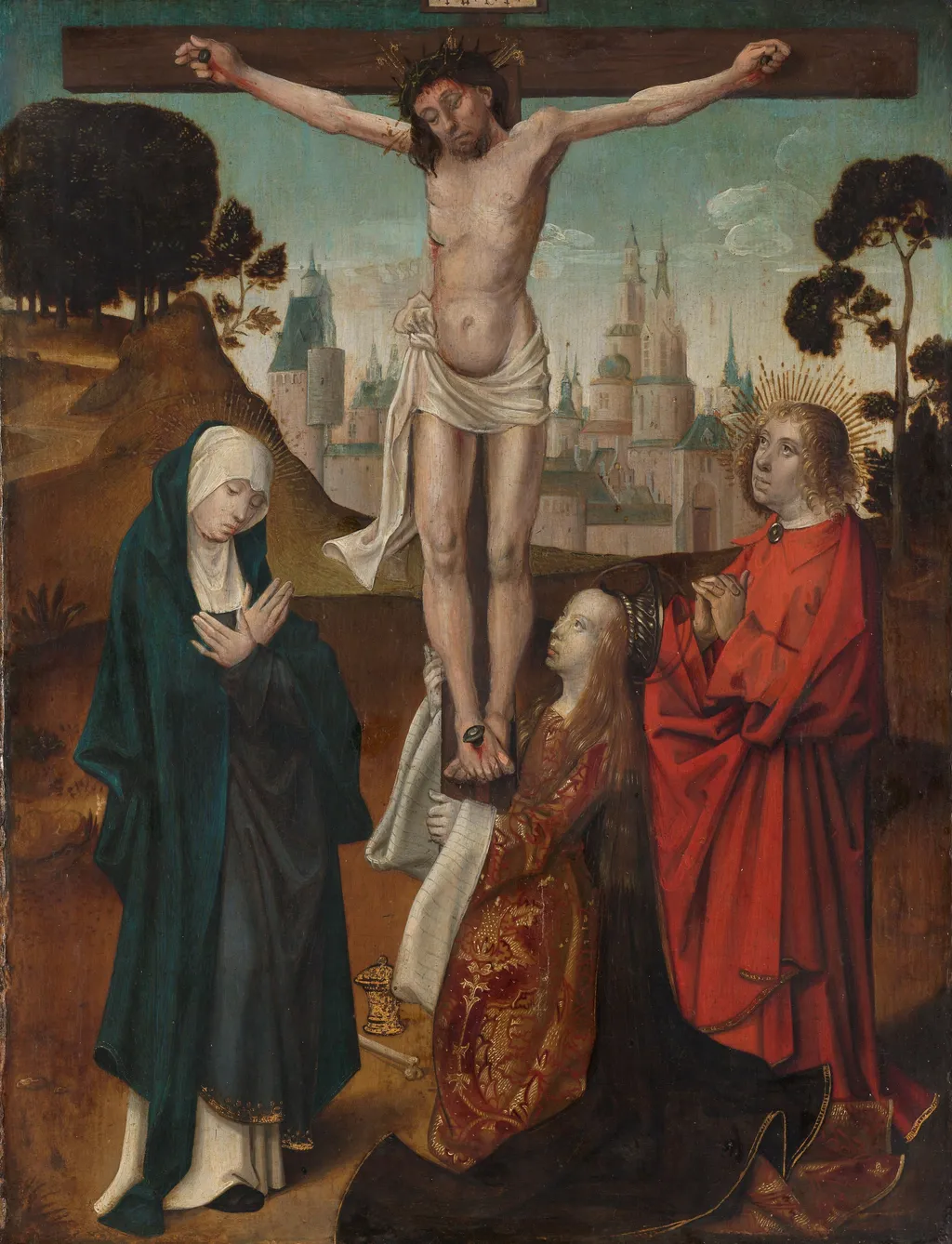
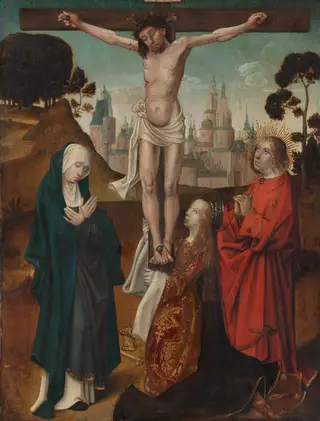
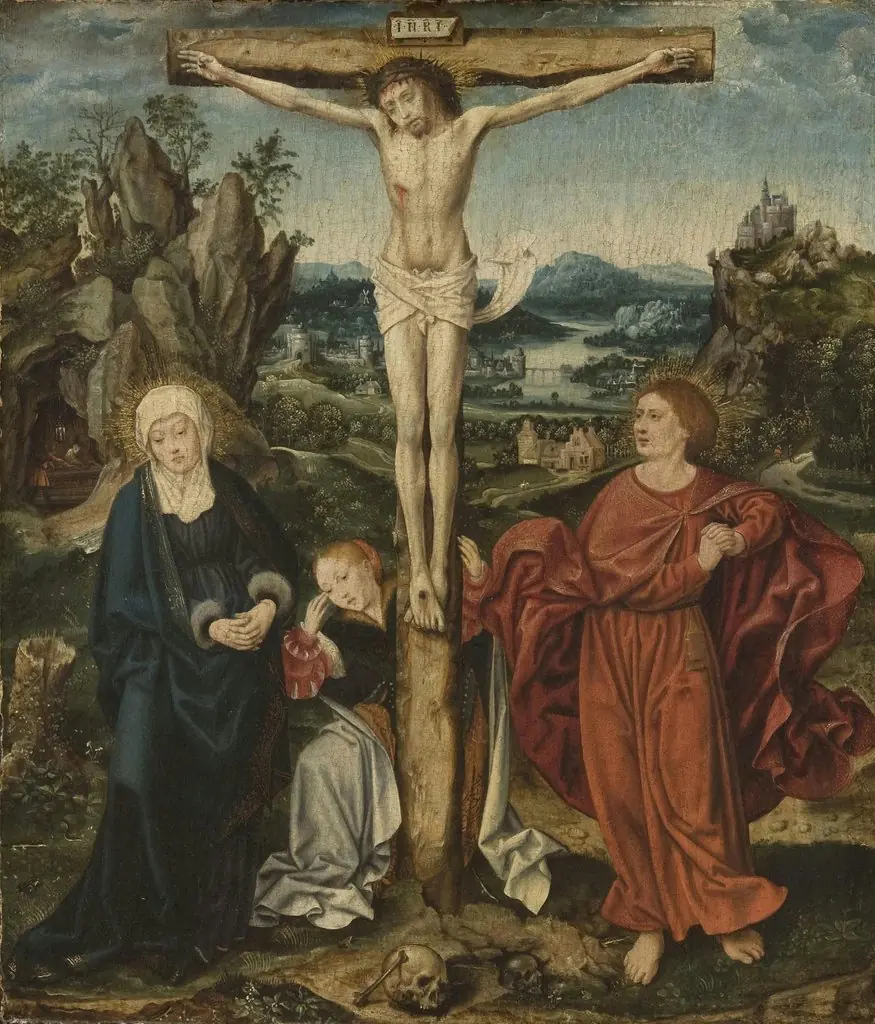
Crucifixion with the Virgin, Mary Magdalen and St John the Evangelist is an oil painting by the Northern Renaissance artist Cornelis Engebrechtsz.. It dates from 1515 and is held in the collection of the Rijksmuseum.
About this work
Subject & Meaning
By grouping these holy women with Mary, the work underscores the communal nature of redemption and invites contemplation of Christ’s sacrifice.
The painting shows the crucifixion of Jesus flanked by the Virgin Mary, Mary Magdalene and the Apostle John, a common composition in Dutch Renaissance religious art. Engebrechtsz. places the three figures at the foot of the cross, emphasizing their roles as witnesses and intercessors during the Passion. The presence of the Magdalene, often identified by her jar, and John, the beloved disciple, reinforces themes of devotion and sorrow.
By grouping these holy women with Mary, the work underscores the communal nature of redemption and invites contemplation of Christ’s sacrifice.
Technique & Style
The work is executed in oil paint on a wooden panel, a support and medium characteristic of early Netherlandish devotional panels. Its modest dimensions, 37.5 cm in height by 29 cm in width, make it a small-scale, intimate object suited to private devotion rather than large altarpiece display.
Stylistically, the painting belongs to Cornelis Engebrechtsz.'s Leiden workshop production of 1515, a period associated with the late Northern Renaissance and the early dissemination of Italianate motifs in the Low Countries. The composition centers on the Crucifixion of Christ, flanked by the Virgin, Mary Magdalene, and St John the Evangelist, a traditional devotional arrangement that Engebrechtsz. treats with the elongated figures and expressive emotional register typical of his mature style.
History & Provenance
Painted in 1515, this triptych was created by Cornelis Engebrechtsz for a Leiden context, as indicated by the documented place of making.
By the early modern period it had entered the collection of the Amsterdam city council, where it was recorded in 1640 as hanging in the Nieuwe Kerk. The painting was later transferred to the national collection and has been held by the Rijksmuseum in Amsterdam since the institution’s foundation, where it remains today.
The work is held by the Rijksmuseum in Amsterdam, where it is inventoried as SK-C-170.
Its exhibition history includes inclusion in the 2015 presentation “Cornelis Engebrechtsz. (c. 1462–1527): Master of the Leidse Fijnschilders” held at Museum De Lakenhal in Leiden.
Overview
Cornelis Engebrechtsz., an early Dutch painter from Leiden, completed Crucifixion with the Virgin, Mary Magdalen and St John the Evangelist in 1515. This oil painting exemplifies the Northern Renaissance style, presenting a poignant depiction of Christ's crucifixion. The work captures the somber moment with key biblical figures gathered at the foot of the cross, reflecting the devotional focus characteristic of the period.
Legacy
Engebrechtsz. holds historical importance as Leiden's first notable painter, laying foundational artistic practices in the city. His studio served as a training ground for several artists, including his own sons and the renowned Lucas van Leyden. Although Lucas van Leyden eventually achieved greater fame, Engebrechtsz.'s role as a mentor significantly influenced the development of painting in the Northern Netherlands.
Own this work as a print
Artist & collection
Artist
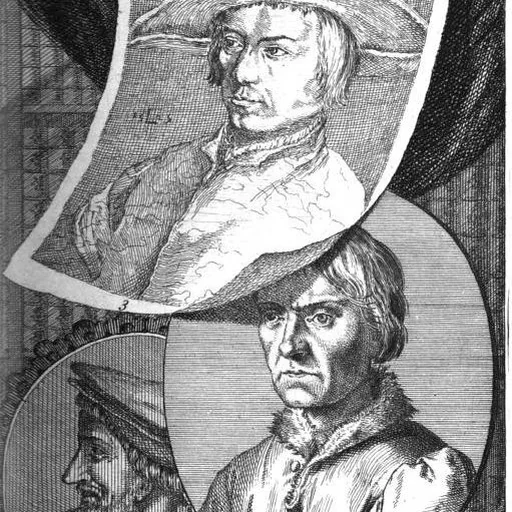
Cornelis Engebrechtsz., also known as Cornelis Engelbrechtsz. (c.1462–1527) was an early Dutch painter. He was born and died in Leiden, and is considered the first important painter from that city. Engebrechtsz. taught…

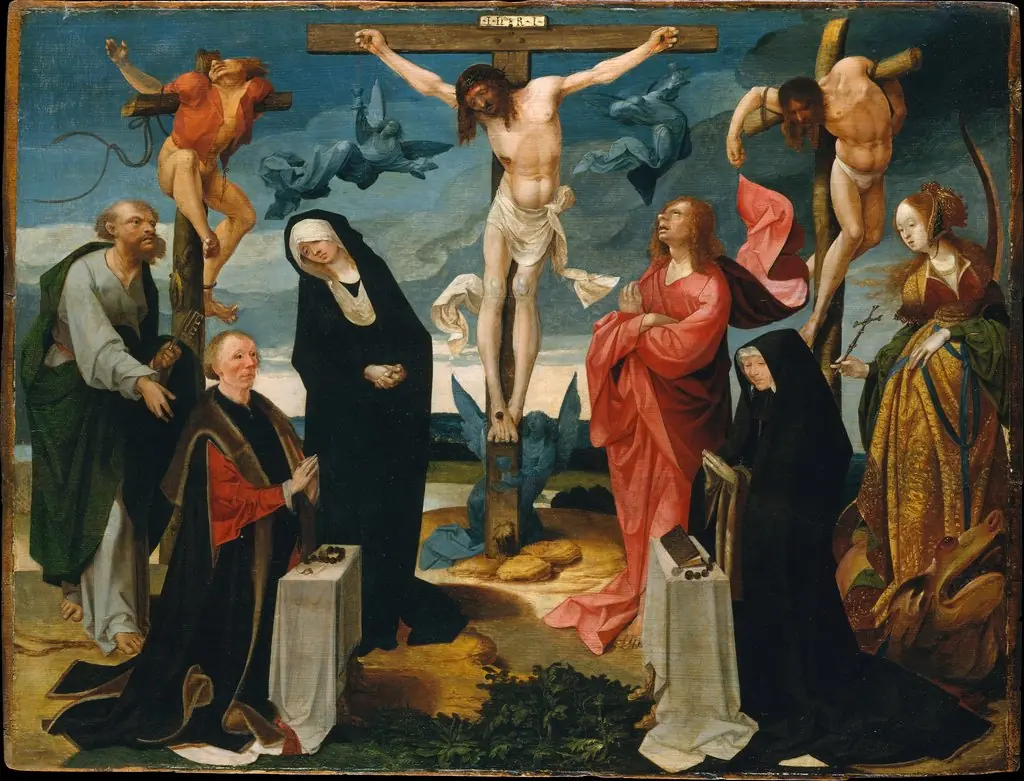 The Crucifixion with Donors and Saints Peter and Margaret
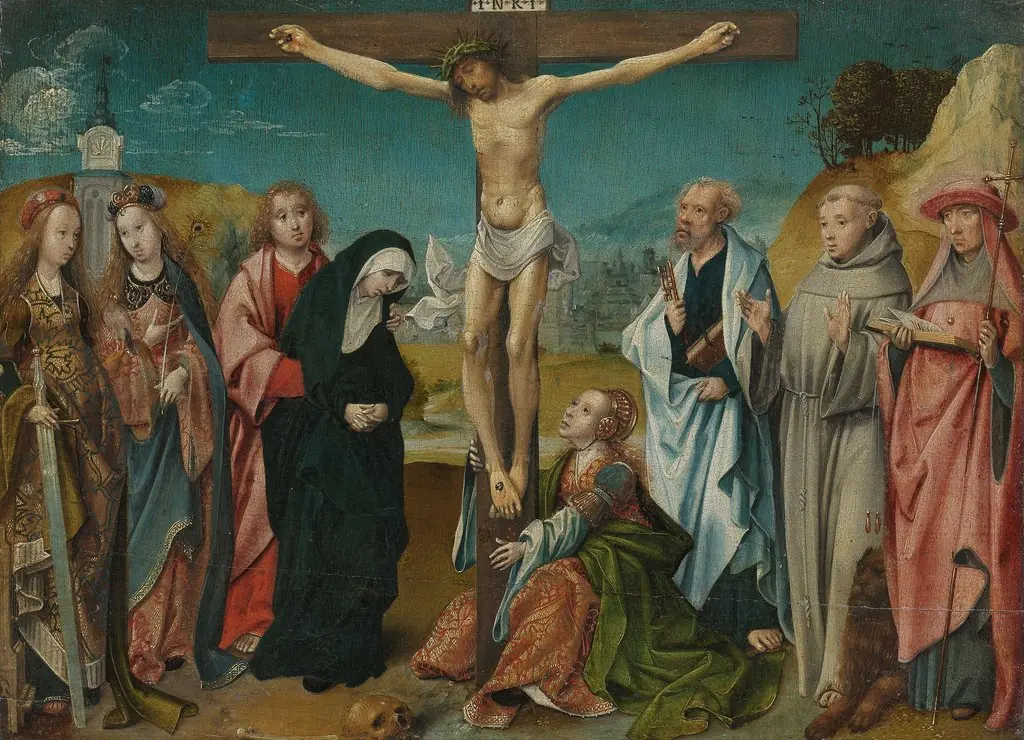 Christ on the cross with the Virgin, St John the Evangelist, Mary Magdalen, and Sts Cecilia and Barbara (left), and Sts Peter, Francis and Jerome (right)
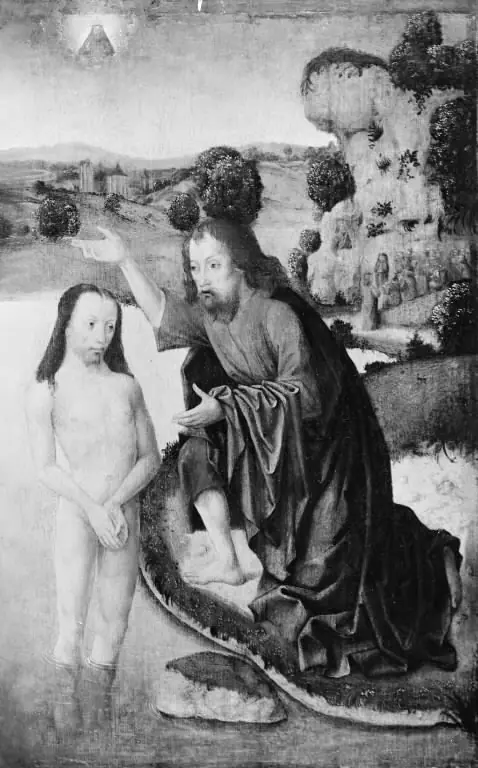 The Baptism of Christ
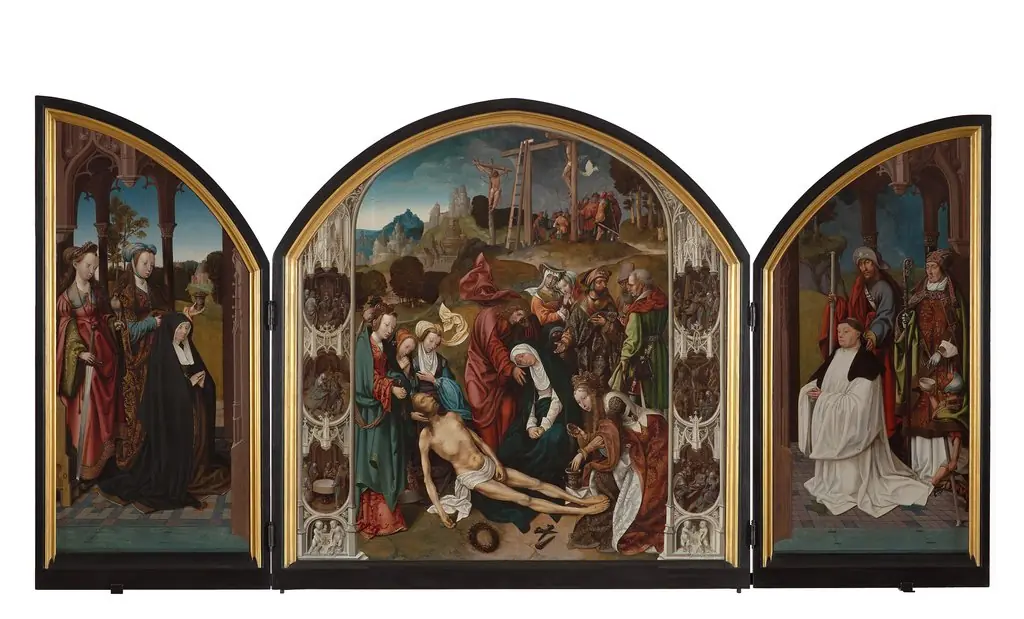 Ss Cecilia,Mary Magdalene with donatrix,lamentation flanked by other six Sorrows of Mary, Ss James Great,Martin of Tours an Augustine monk