Artwork
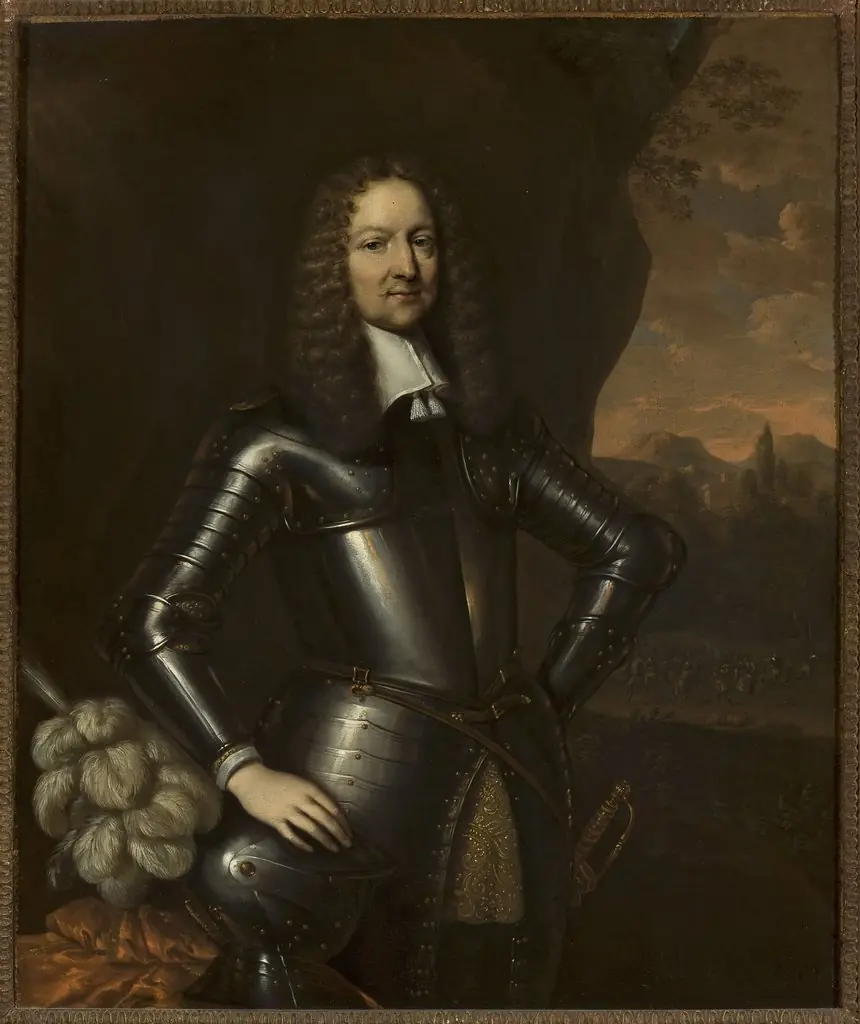
Portrait of an Officer in Armour
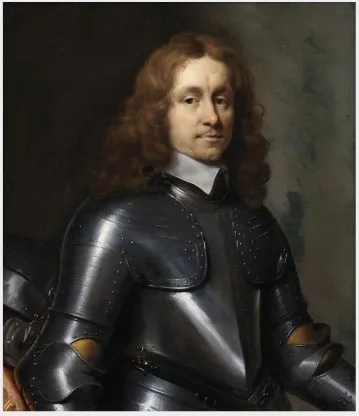
Portrait of an Officer in Armour is an oil painting by the Dutch Golden Age artist Cornelis Janssens van Ceulen. It dates from 1637 and is held in the collection of the National Gallery of Ireland.
About this work
Overview
Born in London to Flemish refugees, he became one of the first native-born painters in England to sign his works systematically.
Painted around 1637, this oil portrait depicts a military officer in full armor, attributed to Cornelis Janssens van Ceulen, an Anglo-Dutch artist active in England since the early 17th century. Born in London to Flemish refugees, he became one of the first native-born painters in England to sign his works systematically. The painting is part of the National Gallery of Ireland’s collection and reflects the stylistic conventions of Dutch Golden Age portraiture, adapted to English aristocratic tastes.
Subject & Meaning
The subject is a commissioned portrait of a military figure, likely a gentleman-officer of high standing. His armor, meticulously rendered, signals rank and duty, while the crisp white collar suggests civilian refinement alongside martial identity. The direct gaze and composed posture convey quiet authority rather than aggression, aligning with ideals of noble self-possession. The absence of overt symbols of power or victory emphasizes personal dignity over triumph.
Technique & Style
Van Ceulen employed fine brushwork to capture the texture of polished steel, using subtle gradations of tone to suggest the metallic sheen and the play of light across rivets and contours. The dark, muted background isolates the figure, focusing attention on the armor and facial expression. The rendering of his curly brown hair and the softness of the lace collar contrast with the rigid geometry of the armor, creating a balance between human warmth and martial formality.
History & Provenance
The painting has remained in institutional hands since at least the 19th century, entering the National Gallery of Ireland’s collection through documented acquisition. Van Ceulen’s prolific output in England, over a hundred signed portraits, established his reputation among the gentry and emerging professional classes. Though less celebrated than contemporaries like Van Dyck, his work provides insight into the domestic portrait market in early Stuart England.
Context
Created during the height of the Dutch Golden Age, the portrait reflects the transnational nature of artistic practice in Northern Europe. Van Ceulen, part of a diaspora of Flemish artists, brought continental techniques to England, where portraiture was increasingly valued as a marker of social status. The image aligns with broader trends in military portraiture, where armor symbolized civic responsibility and personal honor amid political instability preceding the English Civil War.
Legacy
Van Ceulen’s work, including this portrait, contributes to the understanding of how Dutch stylistic traditions were absorbed into English portraiture before the dominance of Van Dyck. His signed oeuvre helped establish the precedent for artist attribution in England. Though not widely known today, his paintings remain valuable records of the material culture and self-representation of the English elite in the decades before the Civil War.
Artist & collection
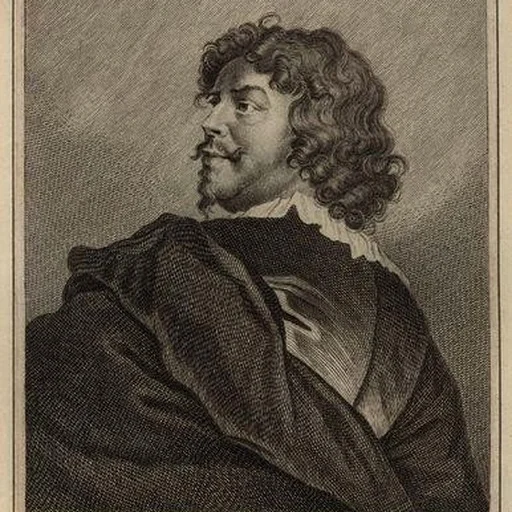
Artist
Cornelis Janssens (born Cornelis Janssens van Ceulen, Dutch:; bapt. 14 October 1593 – bur. 5 August 1661) was an Anglo-Dutch painter of portraits. Born of Dutch or Flemish parents who fled to London from Antwerp to…

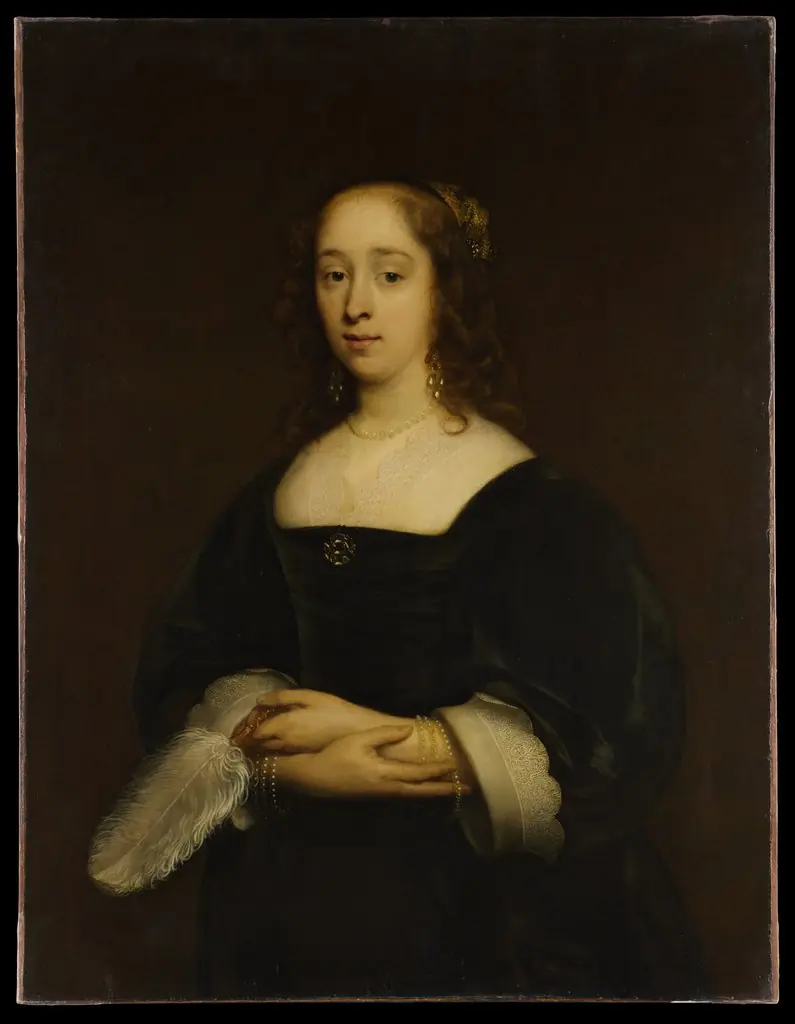
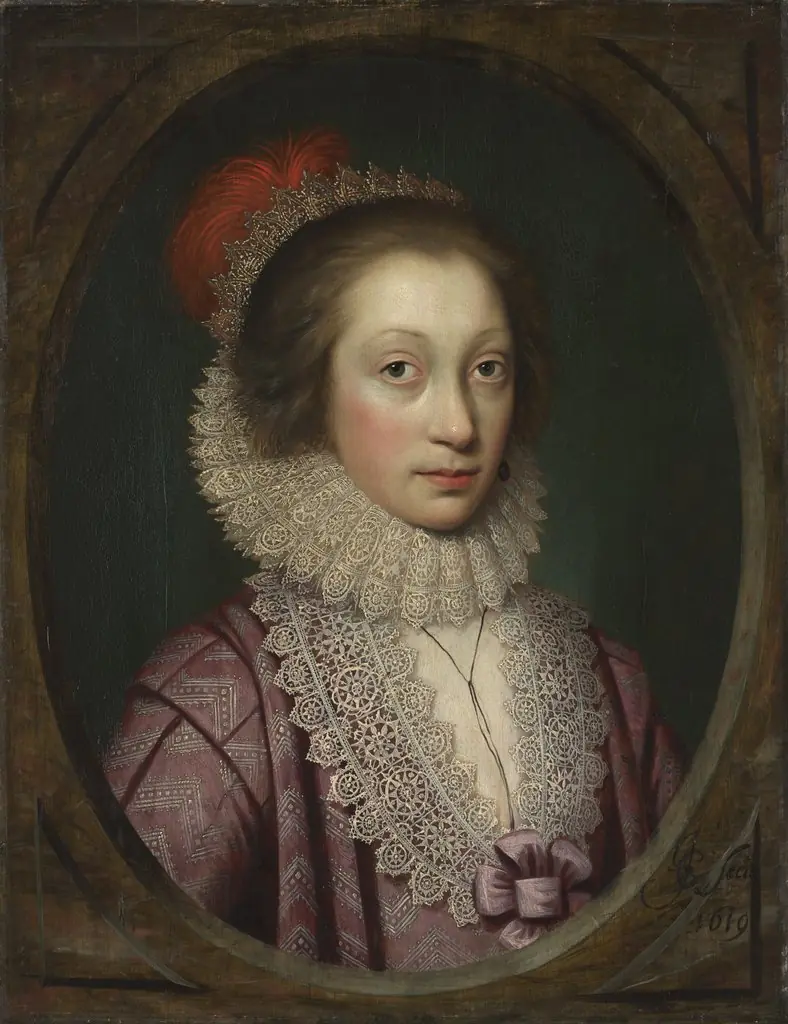
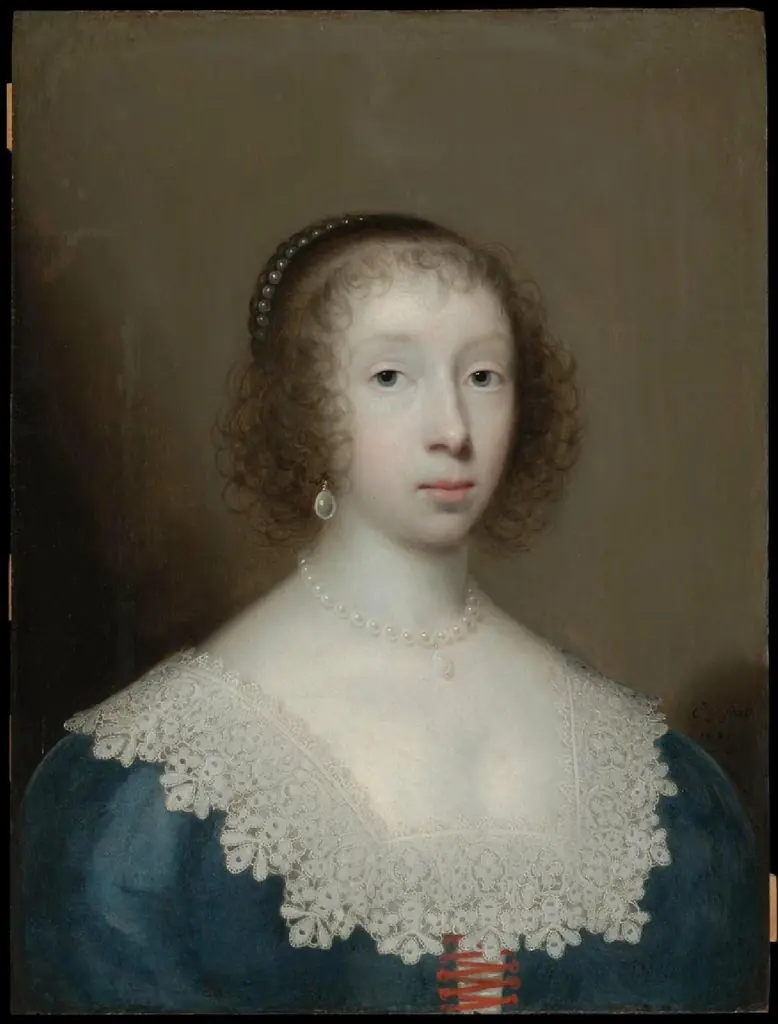
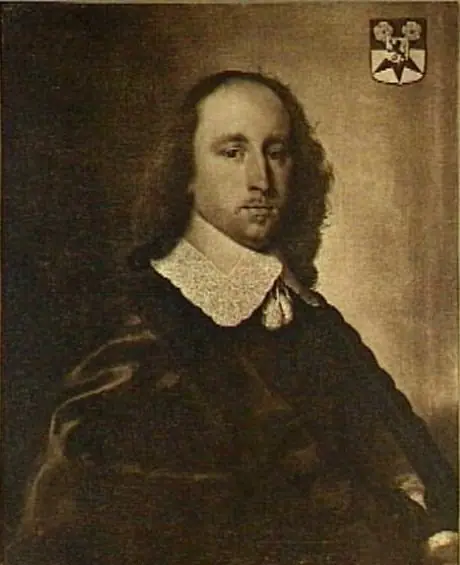
 Self portrait
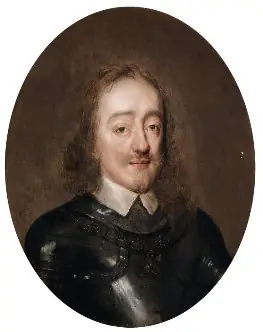 Portrait of Charles I, King of England (1600-1649)
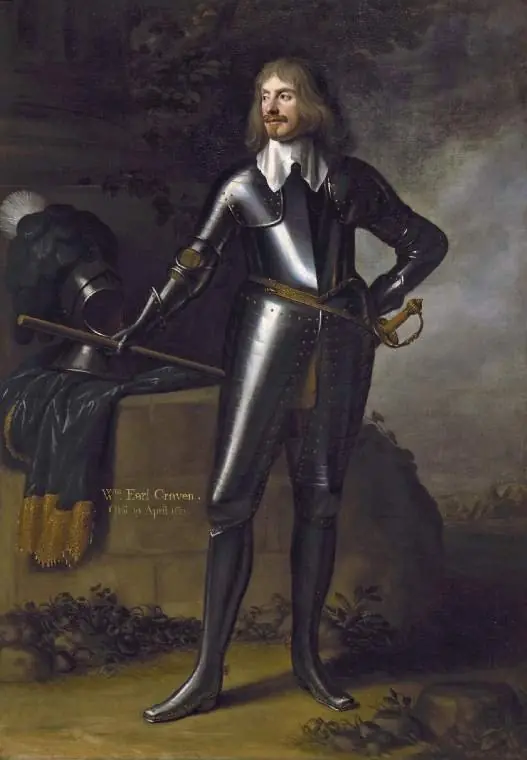 Portrait of William, Earl of Craven
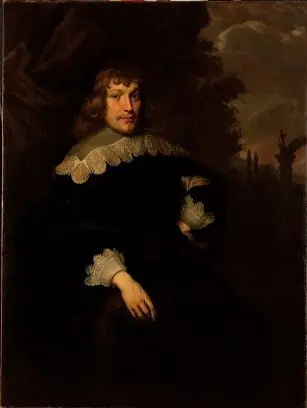 Portrait of Hendrick Bicker (1615-1651)
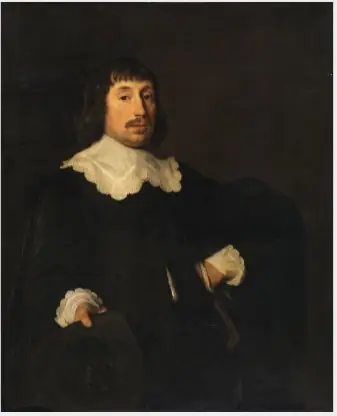 Portrait of a Man
 Portrait of a Gentleman, possibly Patrick Sarsfield (d.1693)
 Portrait of Francesco de' Medici (1614-1634)
 Portrait of a Man Aged 28
 Oliver Cromwell
 Portrait of Thomas Wharton, 1st Marquess of Wharton (1648-1715)
 Portrait of Kronprinz Wilhelm Heinrich zu Brandenburg
- Portrait of an officer