Artwork
Portrait of Eleanor or Mary Campion
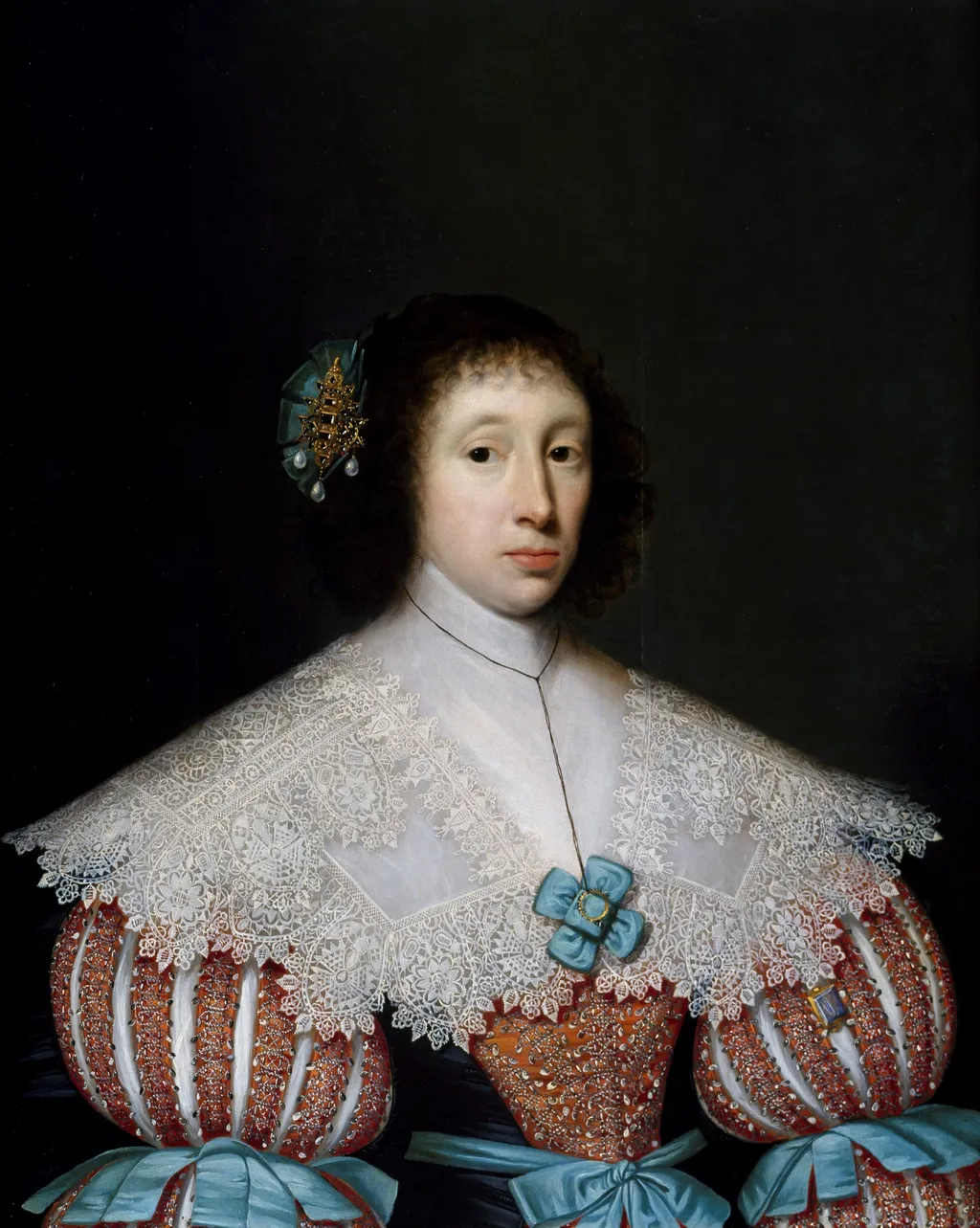
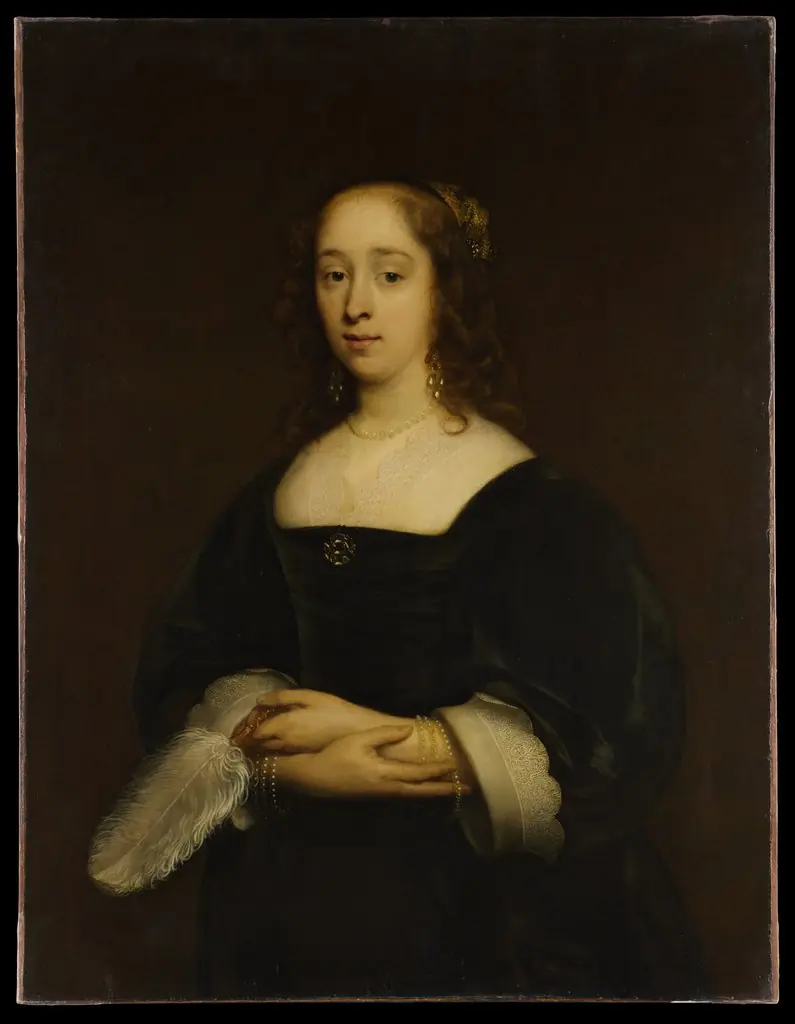
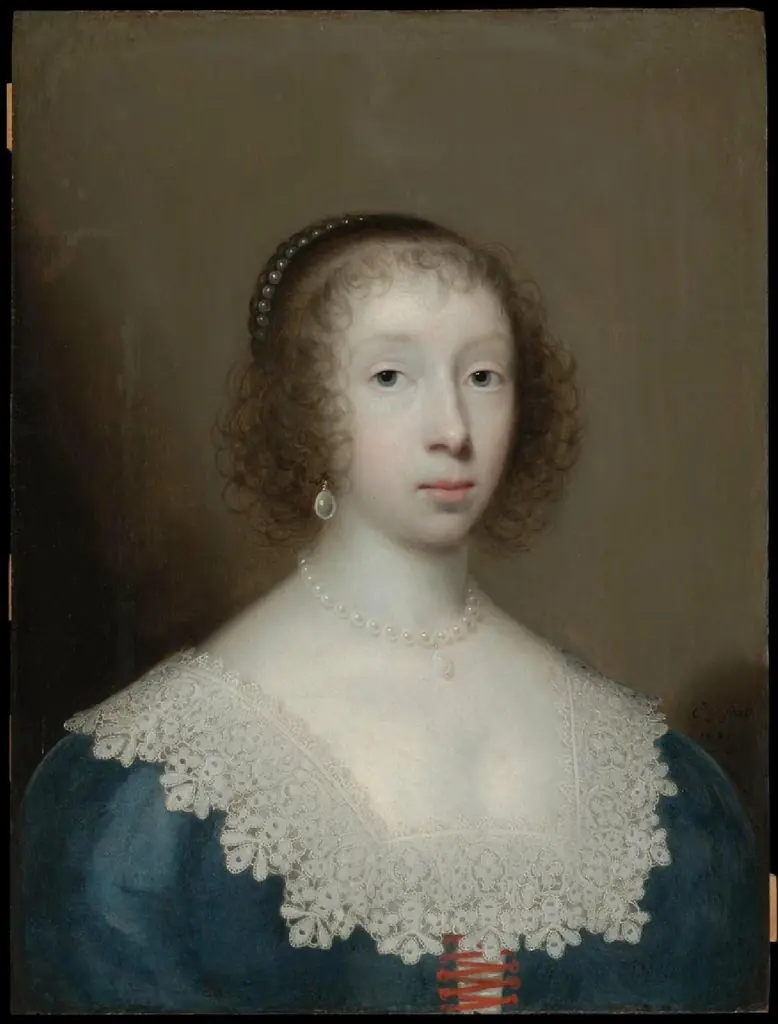
Portrait of Eleanor or Mary Campion is an unspecified painting by the Dutch Golden Age artist Cornelis Janssens van Ceulen. It dates from 1630 and is held in the collection of the Museum of Fine Arts, Houston.
About this work
Overview
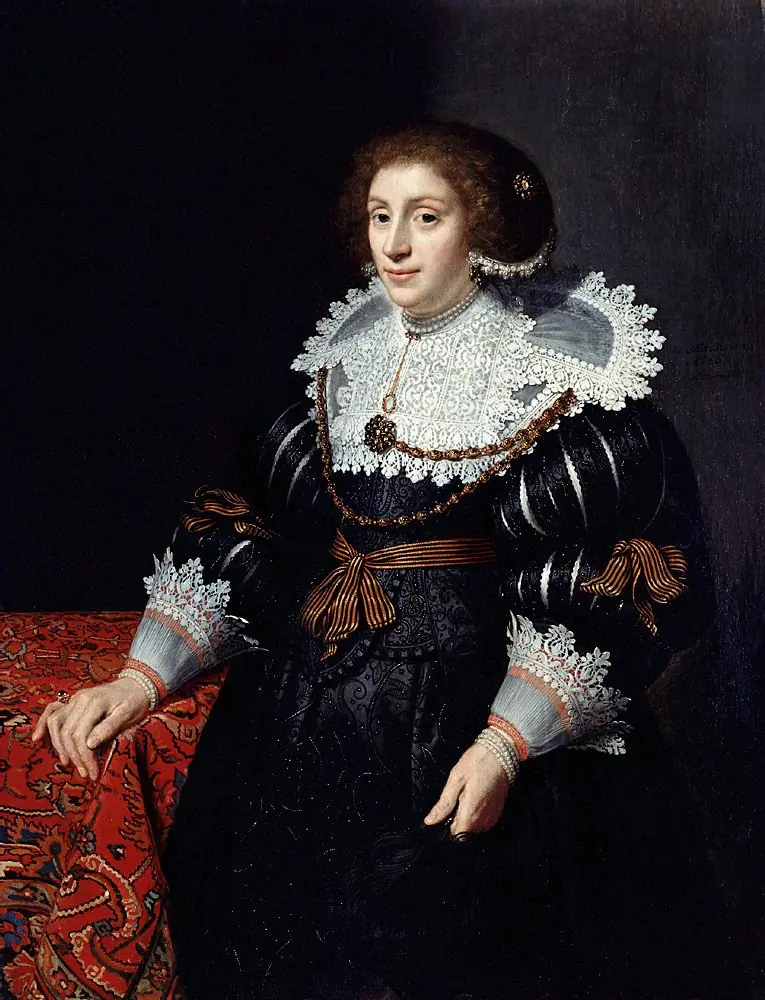
Painted in 1630 by Cornelis Janssens van Ceulen, this portrait depicts a woman likely named Eleanor or Mary Campion.
Painted in 1630 by Cornelis Janssens van Ceulen, this portrait depicts a woman likely named Eleanor or Mary Campion. Van Ceulen, born in London to Dutch parents, worked primarily in England before moving to Middelburg in 1643. He was among the first English-born artists to sign his portraits systematically, contributing significantly to the portraiture tradition of the Dutch Golden Age. The painting is now held in the Museum of Fine Arts, Houston.
Subject & Meaning
The sitter is portrayed with quiet composure, her gaze directed outward but unengaged, suggesting introspection rather than performative display. Her attire, elaborate lace, red sleeves, and blue embellishments, signals wealth and social standing, typical of elite women in early 17th-century England. The absence of symbolic objects or narrative context focuses attention on her presence, emphasizing status through dress rather than allegory.
Technique & Style
Van Ceulen employs precise brushwork to render fine textures: the lace collar, metallic brooch, and woven patterns on the dress are meticulously detailed. The solid black background isolates the figure, enhancing the contrast and three-dimensionality of her form. Subtle chiaroscuro models the face and fabric, lending depth without dramatic lighting. The restrained palette and controlled composition reflect the Dutch Golden Age’s preference for realism over theatricality.
History & Provenance
The painting entered the Museum of Fine Arts, Houston’s collection as part of its broader holdings of early modern European portraiture. Van Ceulen’s prolific output, hundreds of signed works, established his reputation in England before his relocation to the Netherlands. While the sitter’s exact identity remains uncertain, the painting’s craftsmanship and provenance align with documented commissions from London’s merchant and gentry classes during the 1630s.
Context
During the 1630s, English portraiture was dominated by foreign-born artists, including van Ceulen, who bridged Flemish and English traditions. His work reflects the influence of continental techniques, particularly in the handling of light and fabric, while serving the tastes of a local elite seeking refined, lifelike likenesses. The absence of overt religious or political symbolism aligns with the secular focus of Dutch-influenced portraiture in Stuart England.
Legacy
Van Ceulen’s signed portraits helped establish a precedent for artist attribution in England, where such practice was uncommon before the mid-17th century. His attention to textile detail and psychological restraint influenced later portraitists working in the Anglo-Dutch style. Though less celebrated than contemporaries like Van Dyck, his body of work remains a key record of middle- and upper-class identity in early modern Britain.
Own this work as a print
Artist & collection
Artist
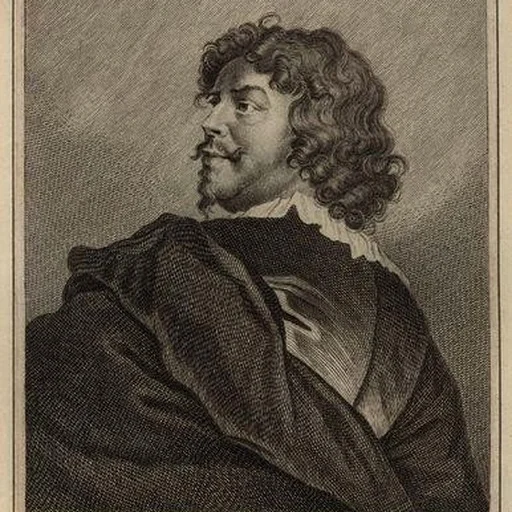
Cornelis Janssens (born Cornelis Janssens van Ceulen, Dutch:; bapt. 14 October 1593 – bur. 5 August 1661) was an Anglo-Dutch painter of portraits. Born of Dutch or Flemish parents who fled to London from Antwerp to…

- Portrait of a Lady
 Portrait of a Woman
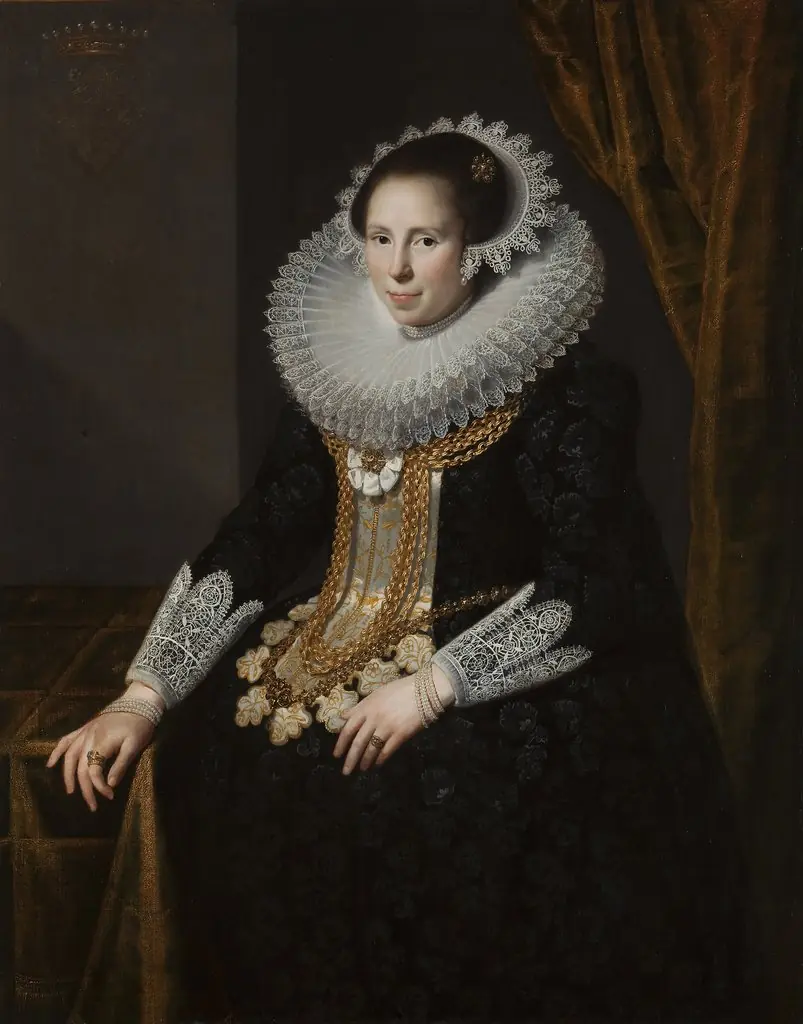 Portrait of Johanna Martens
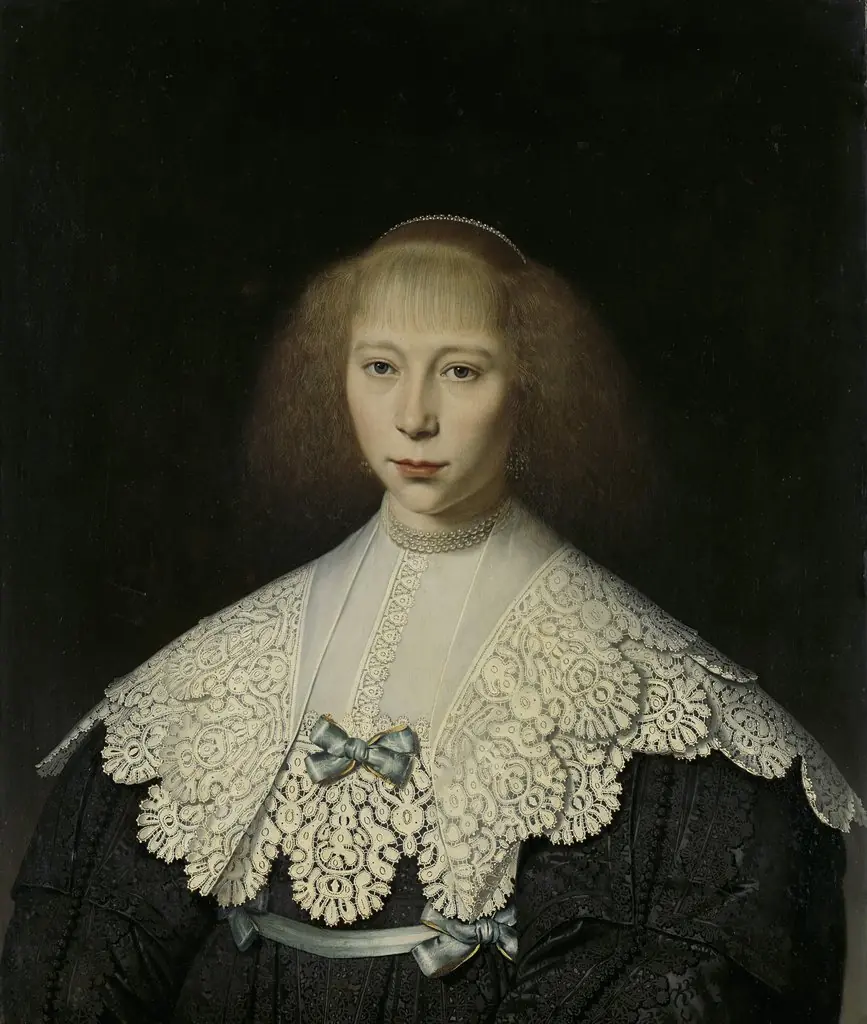 Agatha Geelvinck (1617-38). First wife of Frederik Dircksz Alewijn
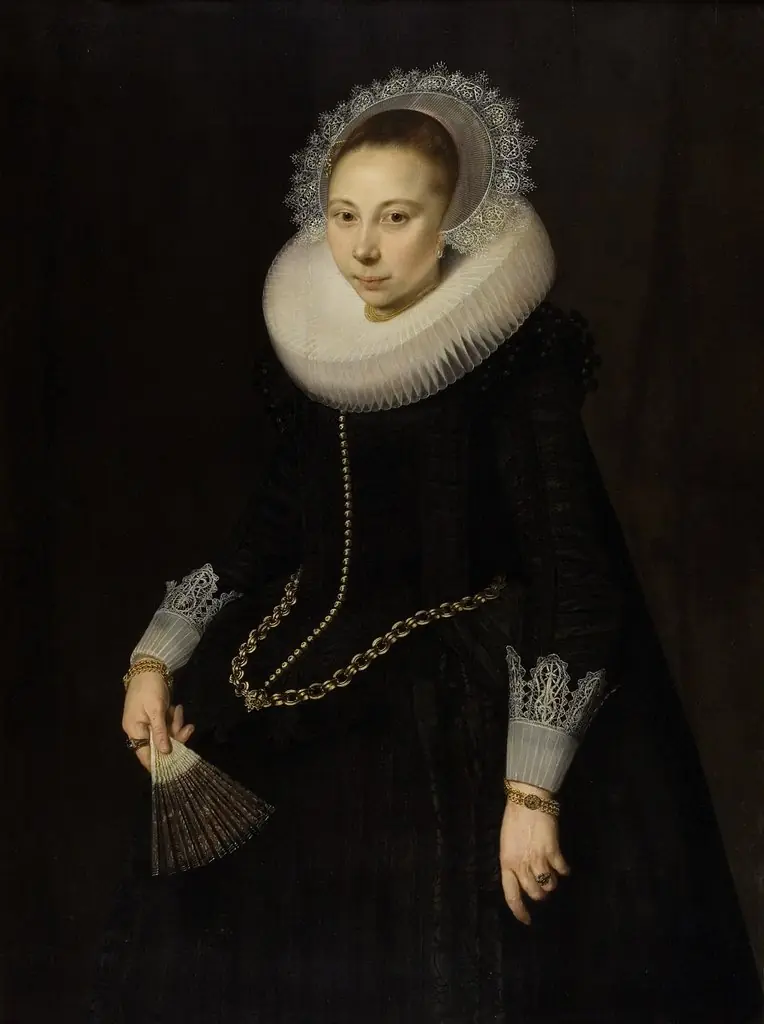 Portrait of Maria Overrijn van Schoterbosch (1599/1600-1638)
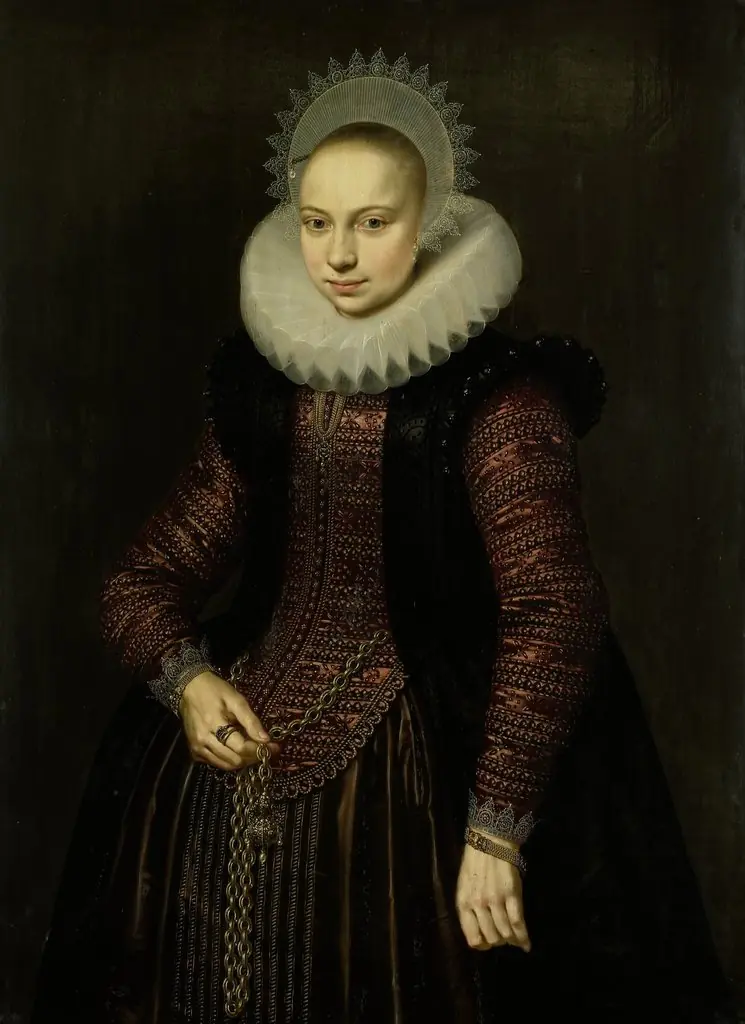 Portrait of Brechtje Overrijn van Schoterbosch (1592-1618)
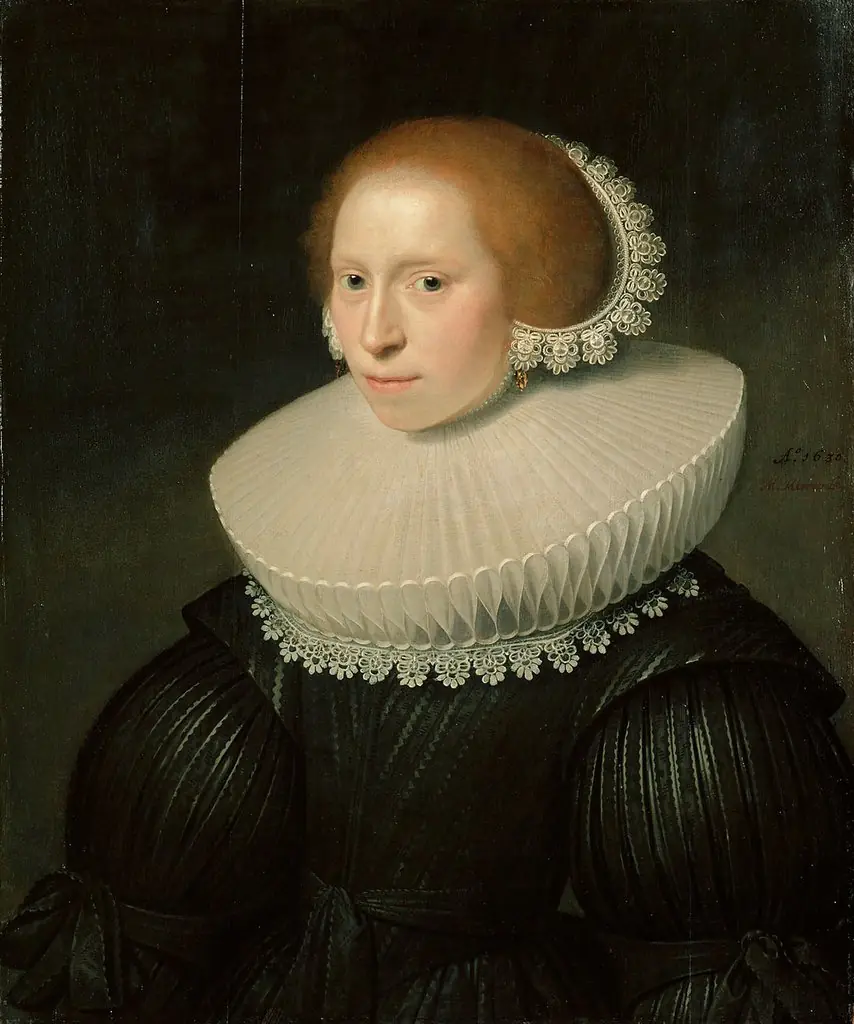 Portrait of a young woman
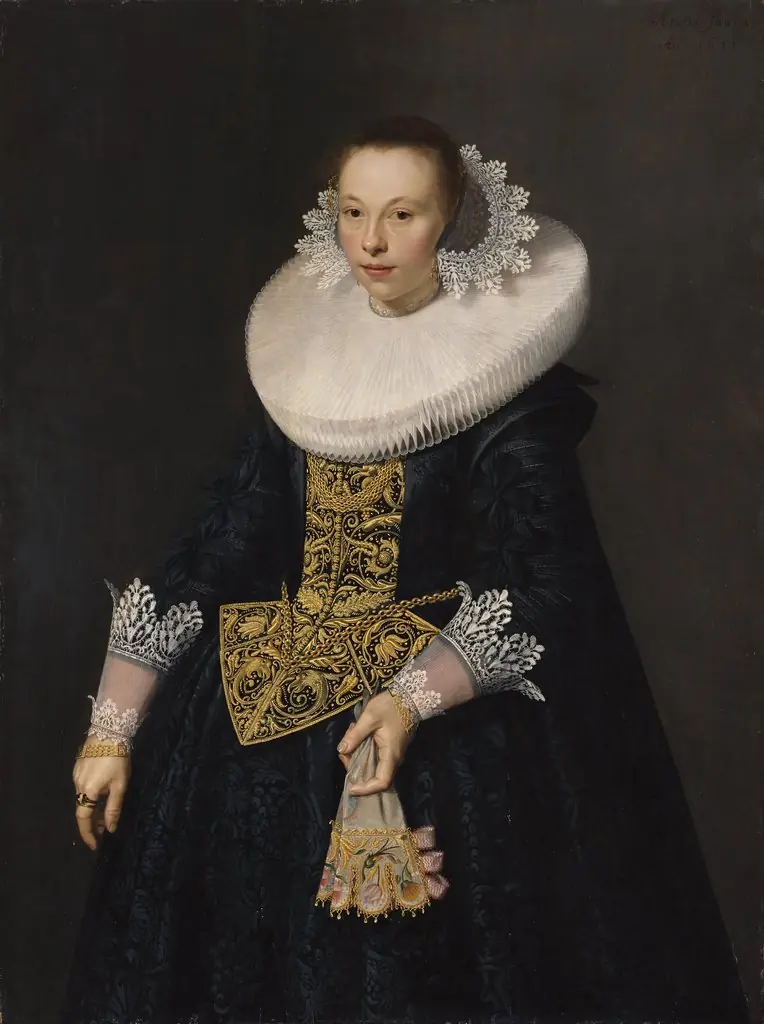 Portrait of a Young Woman
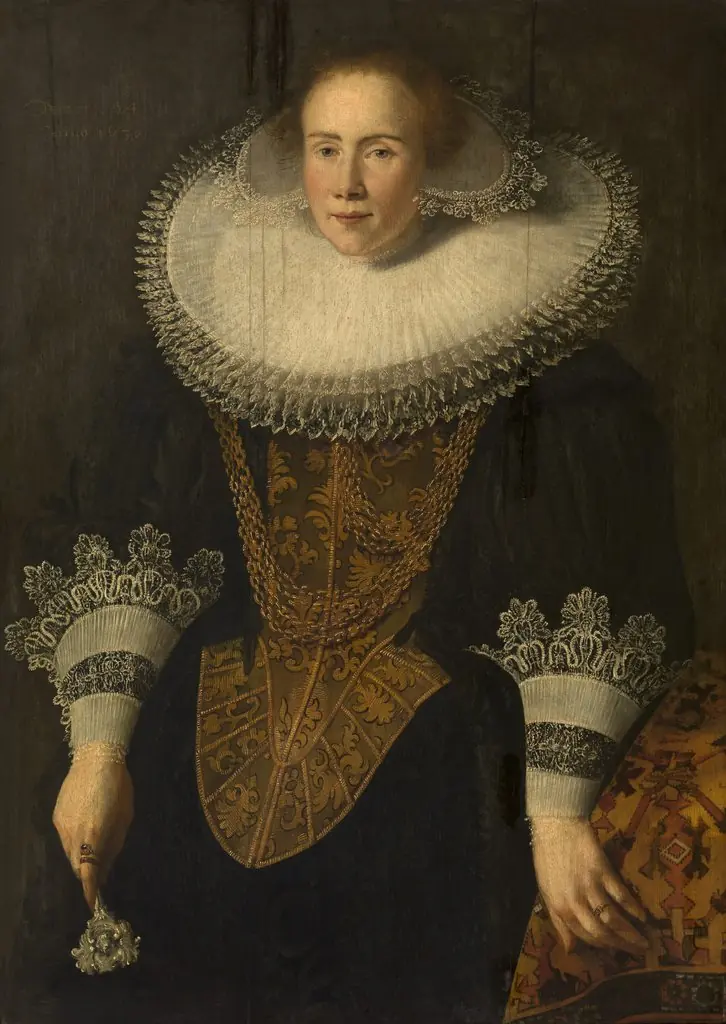 Portrait of a Woman
 Portrait of Hendrickje Uylenburgh (1600-c. 1682)
 Portret van een vrouw
 Portrait of a Young Lady