Artwork
The Company of Captain Dirck Jacobsz Rosecrans and Lieutenant Pauw
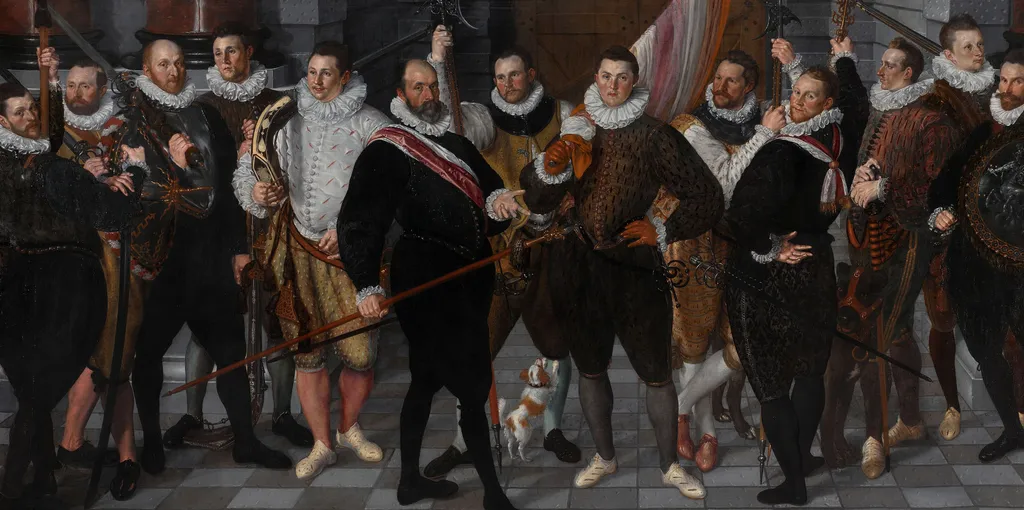
The Company of Captain Dirck Jacobsz Rosecrans and Lieutenant Pauw is an oil painting by the Northern Renaissance artist Cornelis Ketel. It dates from 1594 and is held in the collection of the Rijksmuseum.
About this work
Technique & Style
The work measures 208 cm in height and 410 cm in width, presenting a substantial group portrait format typical of the genre.
Created in 1588 by Cornelis Ketel, this schutterstuk is executed in oil paint applied to a canvas support. The work measures 208 cm in height and 410 cm in width, presenting a substantial group portrait format typical of the genre. As a civic guard piece, the painting depicts members of the Schutterij, utilizing the medium to capture the formal assembly of the company led by Captain Dirck Jacobsz Rosecrans and Lieutenant Pauw.
History & Provenance
Cornelis Ketel created this schutterstuk, formally titled The Company of Captain Dirck Jacobsz Rosecrans and Lieutenant Pauw, in 1588. Executed in oil paint on canvas, the work measures 208 cm in height and 410 cm in width. The painting was commissioned to depict the civic guard company led by Captain Dirck Jacobsz Rosecrans and Lieutenant Pauw.
Today, the artwork is held in the collection of the Rijksmuseum in Amsterdam, where it is displayed in hall 2.1. While some records also associate the piece with the Amsterdam Museum, its primary documented location remains the Rijksmuseum.
The painting is held by the Rijksmuseum in Amsterdam, where it is part of the museum's collection alongside the Amsterdam Museum. It is displayed in hall 2.1 of the Rijksmuseum.
The work is catalogued in the Rijksmuseum's holdings as a schutterstuk (militia piece) painted in oil on canvas, measuring 208 cm in height and 410 cm in width. No exhibition history beyond its installation in hall 2.1 is recorded in the available sources.
Context
The painting is recognized as a civic guard portrait, or schutterstuk, a genre that celebrated Amsterdam's militia companies. Its depiction of the captain and lieutenant reflects the social prominence of the subjects and the importance of collective identity in late 16th-century Dutch society. The work's creation in 1588 aligns with a period when such group portraits were commissioned to commemorate civic achievements and military preparedness.
Stylistically, the artist demonstrates skill in rendering individual character within a unified composition, a hallmark of the transition from Mannerist influences toward more naturalistic representation in Dutch art.
Overview
Cornelis Ketel’s 1594 oil painting portrays a Dutch civic guard, or schutterij, assembled in formal attire. Two officers dominate the composition, while the surrounding members hold weapons or ceremonial staffs. A small white dog rests at their feet, adding a domestic touch. The work exemplifies the Northern Renaissance’s interest in collective portraiture and is part of the Rijksmuseum’s collection.
Subject & Meaning
The canvas records a militia company led by Captain Dirck Jacobsz Rosecrans and Lieutenant Pauw, reflecting the civic pride of late‑16th‑century Amsterdam. The figures’ solemn expressions and coordinated stances convey discipline and communal responsibility, while the red sash worn by the central figure signals rank. The inclusion of the dog may symbolize loyalty to the group.
Artist & collection
Artist
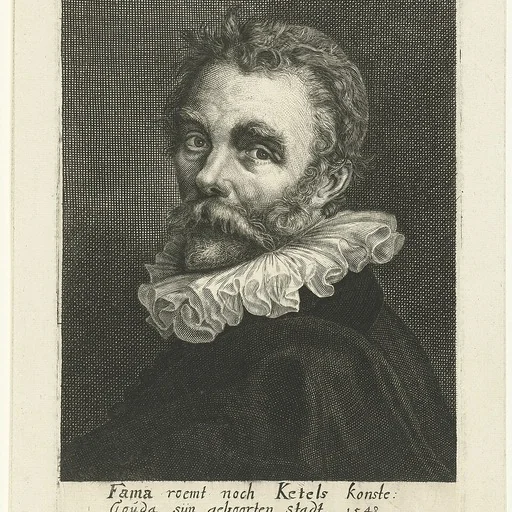
Cornelis or Cornelius Ketel (18 March 1548 – 8 August 1616) was a Dutch Mannerist painter, active in Elizabethan London from 1573 to 1581, and in Amsterdam till his death.

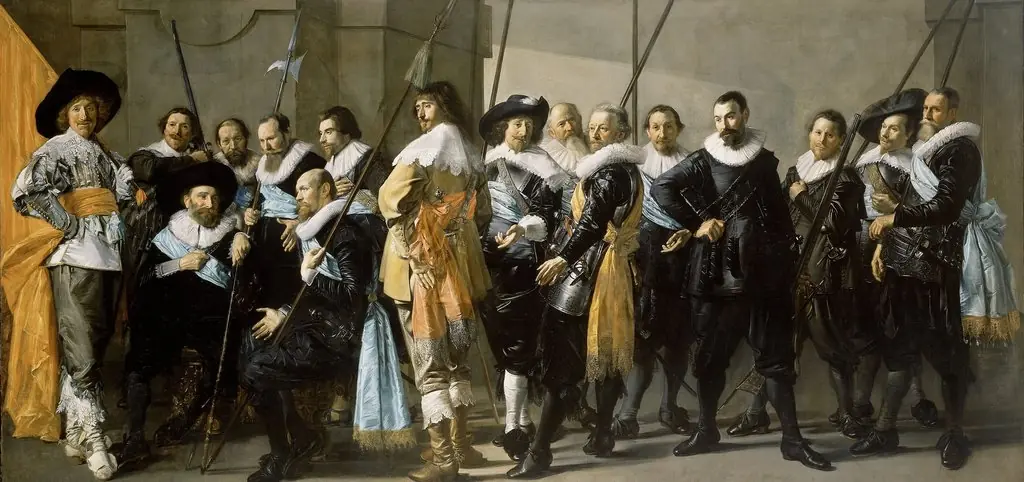 Militia Company of District XI under the Command of Captain Reynier Reael
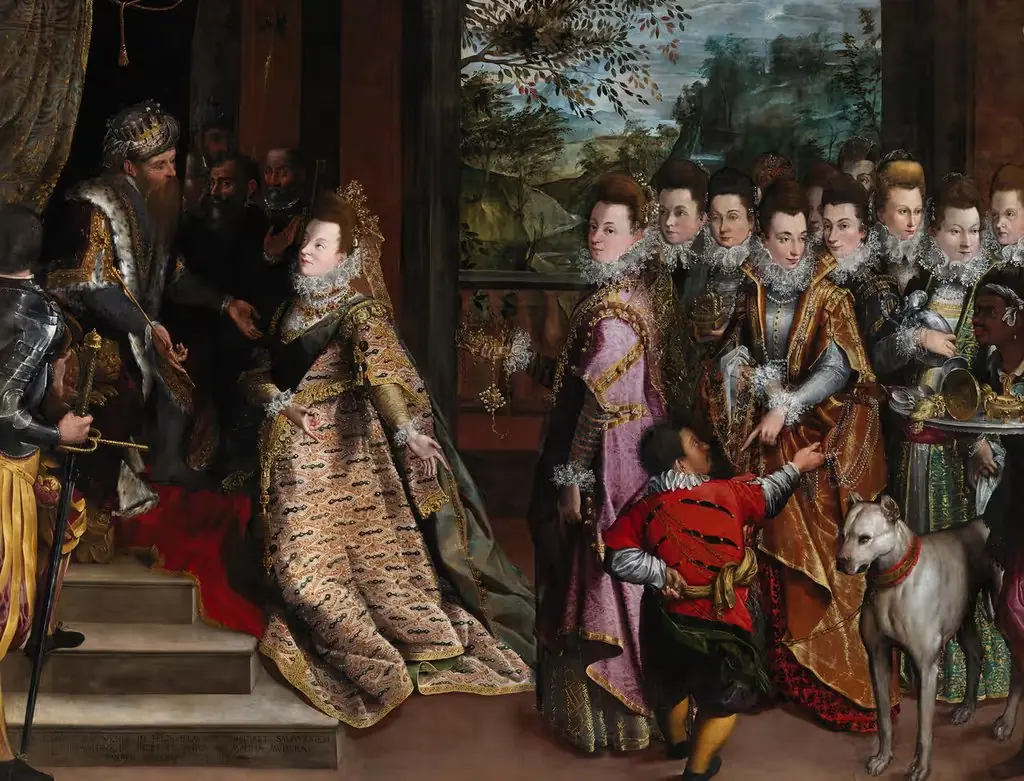 Visit of the Queen of Sheba
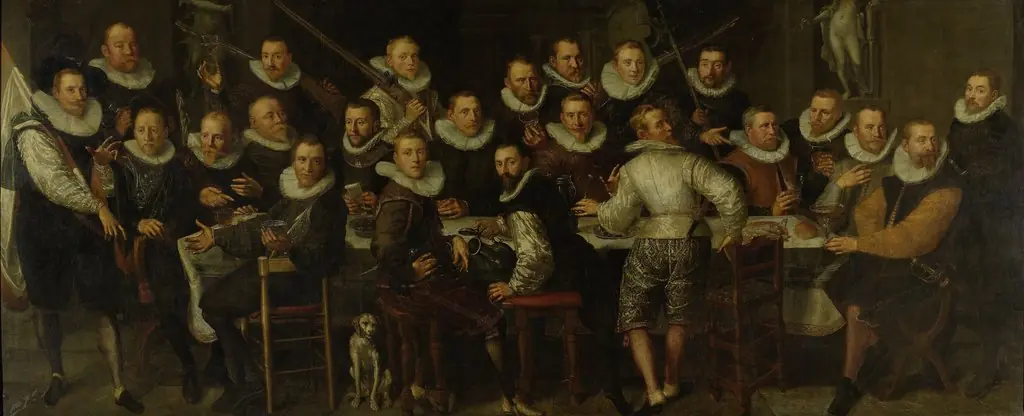
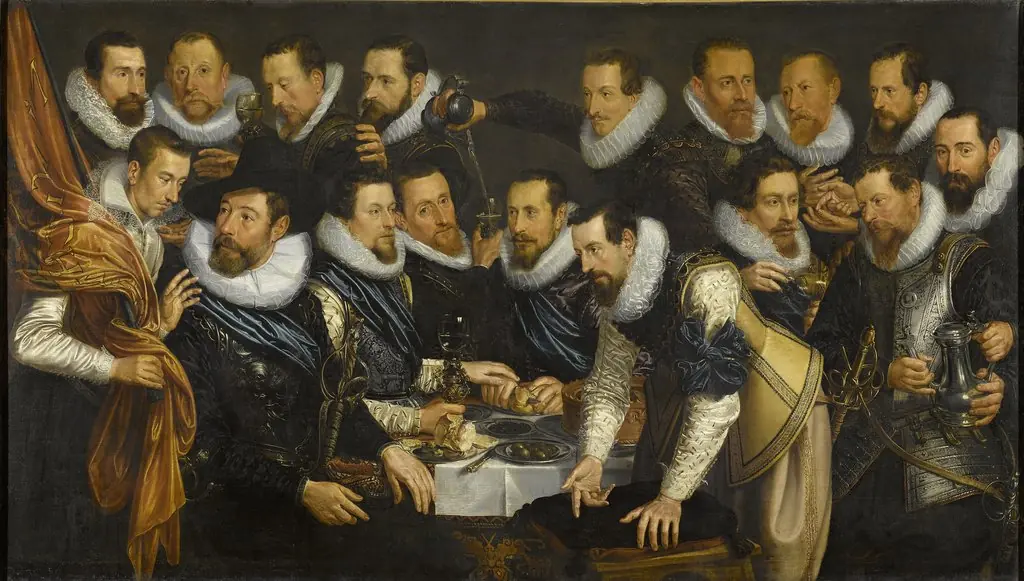 Officers and other civic guardsmen of the XIth District of Amsterdam, under the command of Captain Geurt Dircksz van Beuningen and Lieutenant Pieter Martensz Hoeffijser
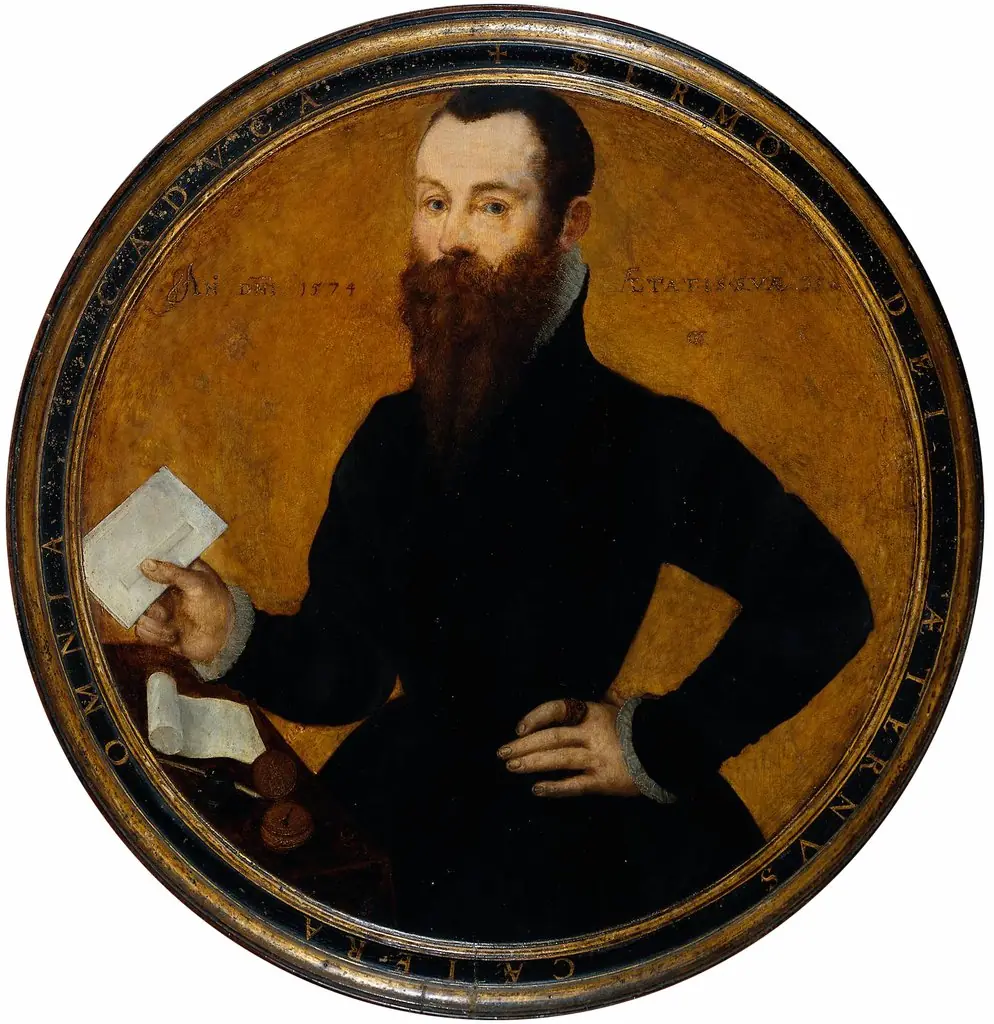
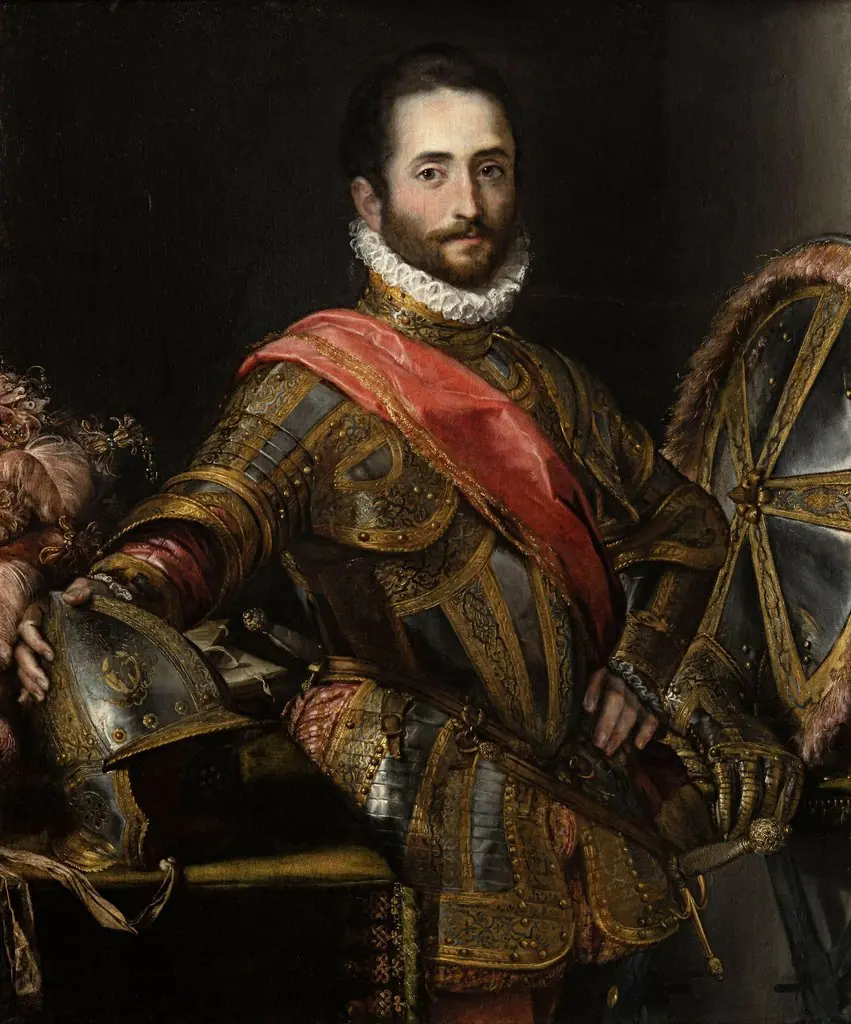 Portrait of Francesco Maria II della Rovere
 Die Sieger der Seeschlacht von Lepanto 1571
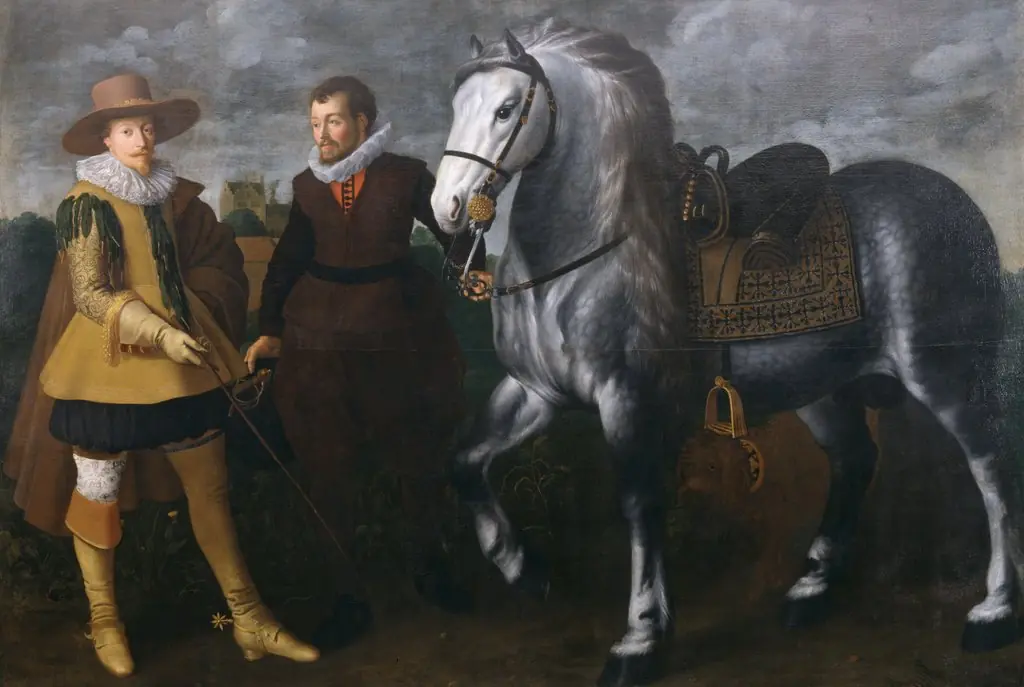 Prince Maurits with His Horse and Groom
 Rich Children, Poor Parents
 Prince Maurits accompanied by his two brothers, Frederick V, Elector of the Palatinate, and some counts of Nassau on horseback