Artwork
madonna col bambino in un giardino
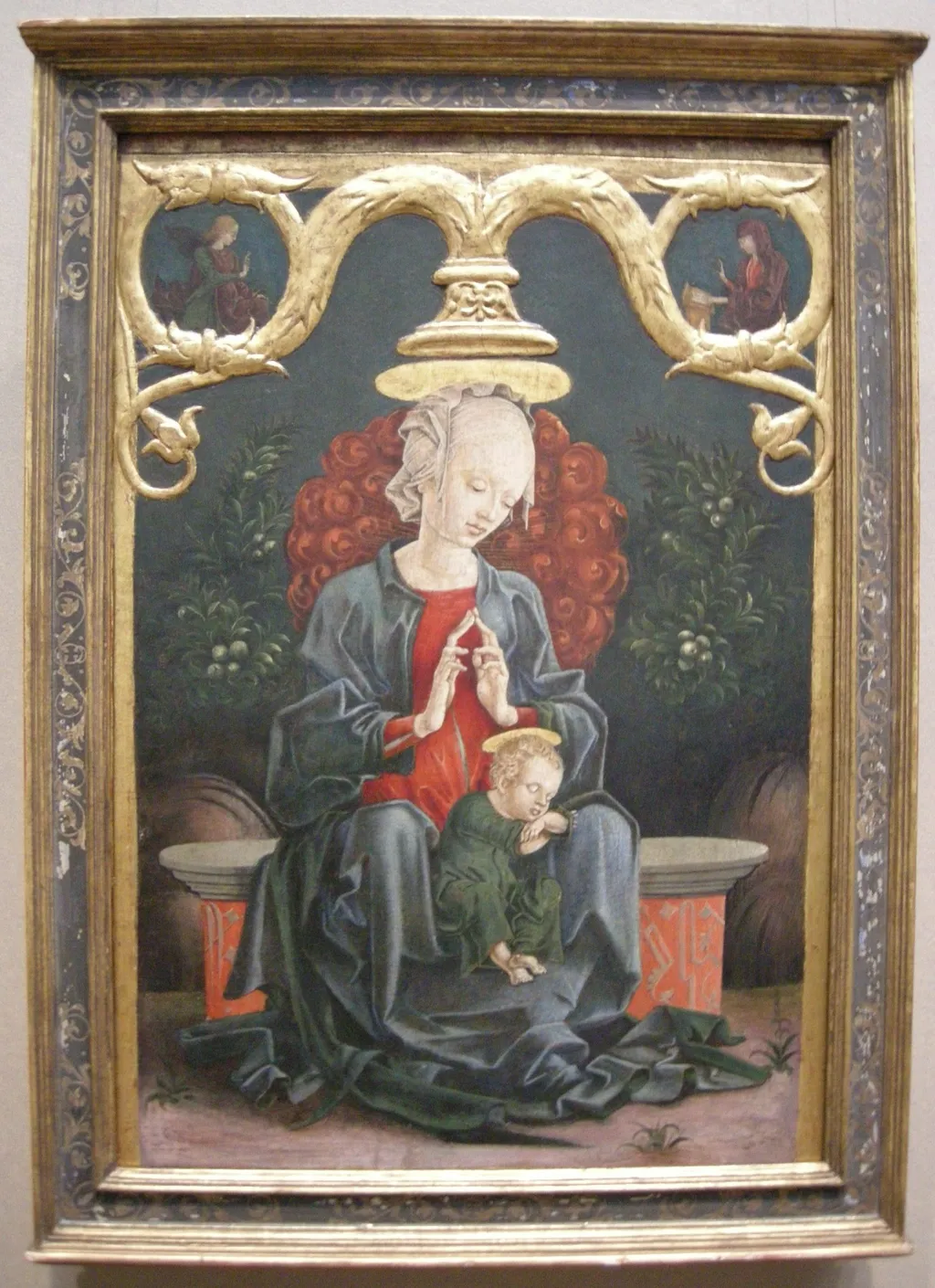
madonna col bambino in un giardino is an unspecified painting by the Early Renaissance artist Cosimo Tura. It dates from 1450 and is held in the collection of the National Gallery of Art.
About this work
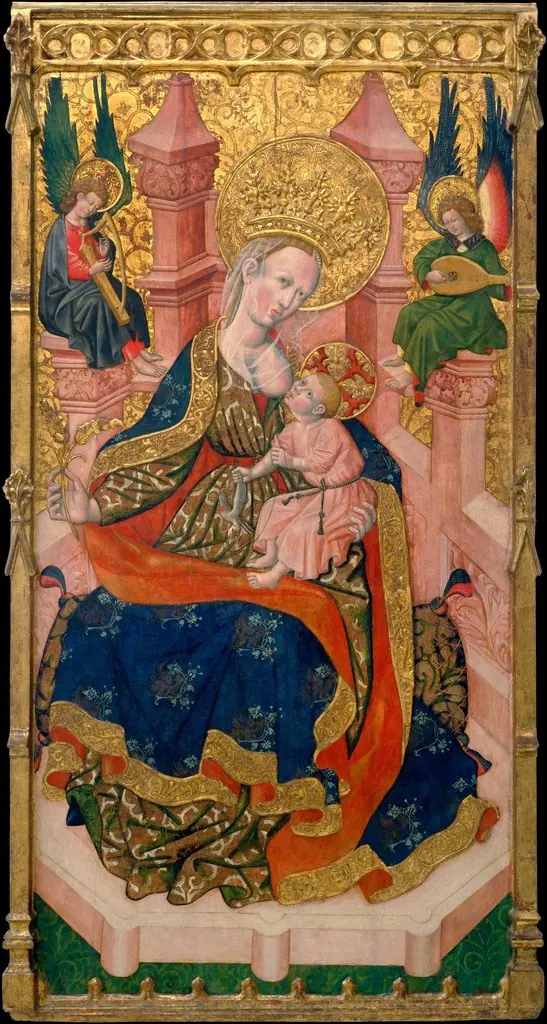
A red-haired woman in a blue robe and red underdress holds a child dressed in green, seated on draped cloth. Her halo signals the religious subject. Behind them, against deep blue, two small round paintings sit within gold frames and leafy ornament. Cosimo Tura, around 1450.
Subject & Meaning
The Christ Child’s presence underscores the Incarnation, while Mary’s tender embrace emphasizes her role as intercessor and maternal protector.
Cosimo Tura’s Madonna col bambino in un giardino (1450) depicts the Virgin Mary holding the Christ Child within an enclosed garden, a motif rooted in medieval and Renaissance religious iconography. The garden, or hortus conclusus, symbolizes Mary’s purity and virginity, referencing the Song of Songs (4:12) in Christian exegesis. The Christ Child’s presence underscores the Incarnation, while Mary’s tender embrace emphasizes her role as intercessor and maternal protector.
The work’s religious genre aligns with contemporaneous devotional practices, aiming to evoke contemplation of divine love and the sacred bond between mother and son. Tura’s composition reflects both theological doctrine and affective piety of the mid-15th century.
History & Provenance
Created around 1450, this religious painting is attributed to the Italian artist Cosimo Tura. The work, which depicts the Virgin Mary and the Christ Child, was executed during the mid-15th century. While specific details regarding its original commission or early ownership history are not provided in the available records, the piece is currently held in the collection of the National Gallery of Art in Washington, D.C. The gallery serves as its present location and custodian, having acquired the panel at some point prior to its current cataloging.
The dating of the inception to approximately 1450 places the creation of the work firmly within Tura's early career period.
Context
Cosimo Tura’s ‘Madonna col Bambino in un giardino’ (c. 1450) exemplifies early Quattrocento religious painting in Italy. The work, classified as a religious genre piece, depicts the Virgin Mary with the infant Christ within a garden setting and is part of the National Gallery of Art’s collection in Washington, D.C.. As one of Tura’s documented paintings from the mid‑15th century, it reflects the stylistic transition from Gothic devotional imagery toward more naturalistic forms characteristic of the Renaissance.
Scholarship on Tura’s corpus situates this painting within his broader development of altarpieces and small‑scale devotional works, underscoring his role in the evolution of sacred imagery in Italian art.
Overview
Cosimo Tura, a pivotal artist in the Italian early Renaissance and a founder of the School of Ferrara, created Madonna col Bambino in un giardino around 1450. This painting, depicting the Virgin Mary and Christ Child, exemplifies the Quattrocento style prevalent in Northern Italy. It is currently part of the collection at the National Gallery of Art in Washington.
Technique & Style
This painting showcases the distinctive Quattrocento style characteristic of Northern Italy during the early Renaissance. Tura's approach to form and detail, combined with the rich, decorative elements such as the elaborate gold frames and foliage, reflects the aesthetic principles of the Ferrarese school. His work was instrumental in shaping the regional artistic traditions that emerged during this period.
Legacy
Tura's artistic output, including this depiction of the Madonna and Child, profoundly impacted the evolving art scene in Ferrara. His distinct interpretation of early Renaissance aesthetics helped establish the identity of the Ferrarese school, influencing subsequent generations of artists and securing his place within the broader history of Italian art.
Own this work as a print
Artist & collection
Artist
Cosmè Tura (Italian pronunciation:; c. 1430 – 1495), also known as Il Cosmè or Cosimo Tura, was an Italian early-Renaissance (or Quattrocento) painter and considered one of the founders of the School of Ferrara. He…

![Saint Francis [far left panel], by Cosimo Tura](https://artifactworldgallery.com/img/cosimo-tura--saint-francis-far-left-panel--3b890eb4471ebc8a-w320.webp)
![The Virgin Annunciate [middle right panel], by Cosimo Tura](https://artifactworldgallery.com/img/cosimo-tura--the-virgin-annunciate-middle-right-panel--9eeab22c5567995d-w320.webp)
![The Annunciation with Saint Francis and Saint Louis of Toulouse [four panels], by Cosimo Tura](https://artifactworldgallery.com/img/cosimo-tura--the-annunciation-with-saint-francis-and-saint-louis-of-toulo--b6fe2fe99644e8d8-w320.webp)
![The Archangel Gabriel [middle left panel], by Cosimo Tura](https://artifactworldgallery.com/img/cosimo-tura--the-archangel-gabriel-middle-left-panel--c900f72d54477be2-w320.webp)
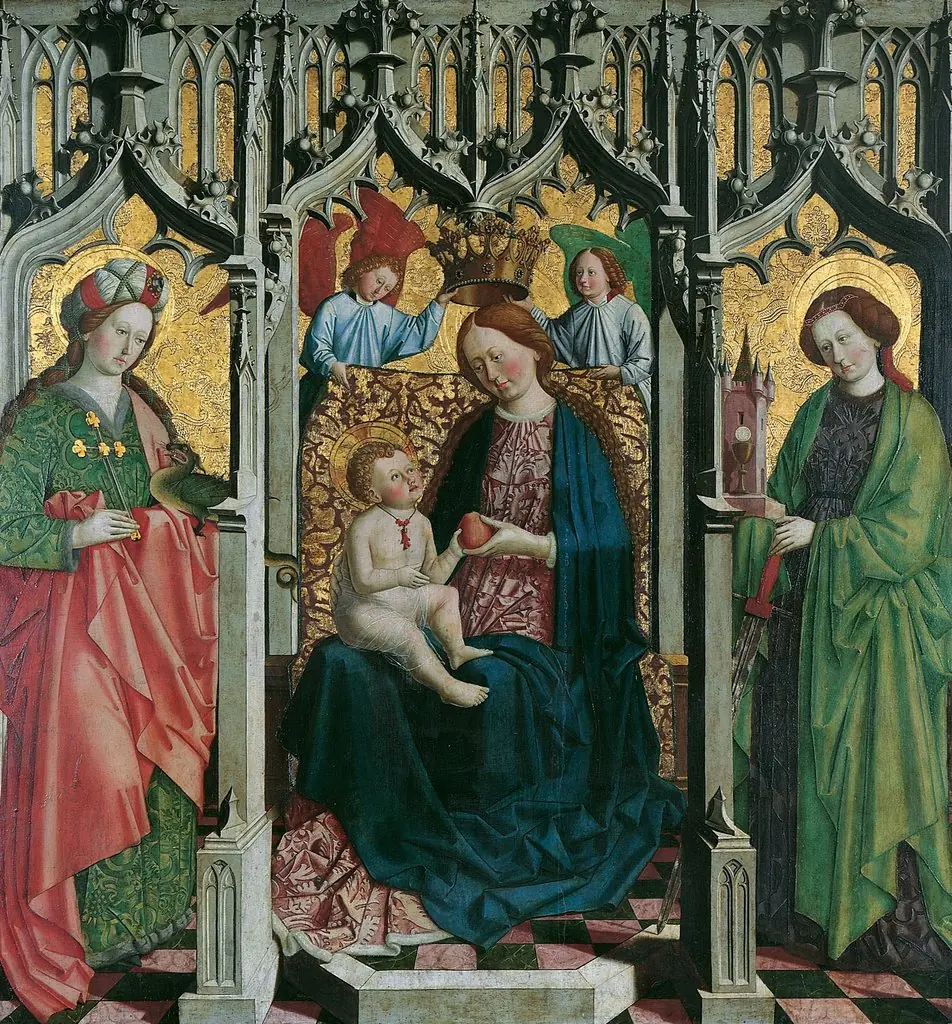 Mary and child enthroned with St. Barbara and St. Margaret
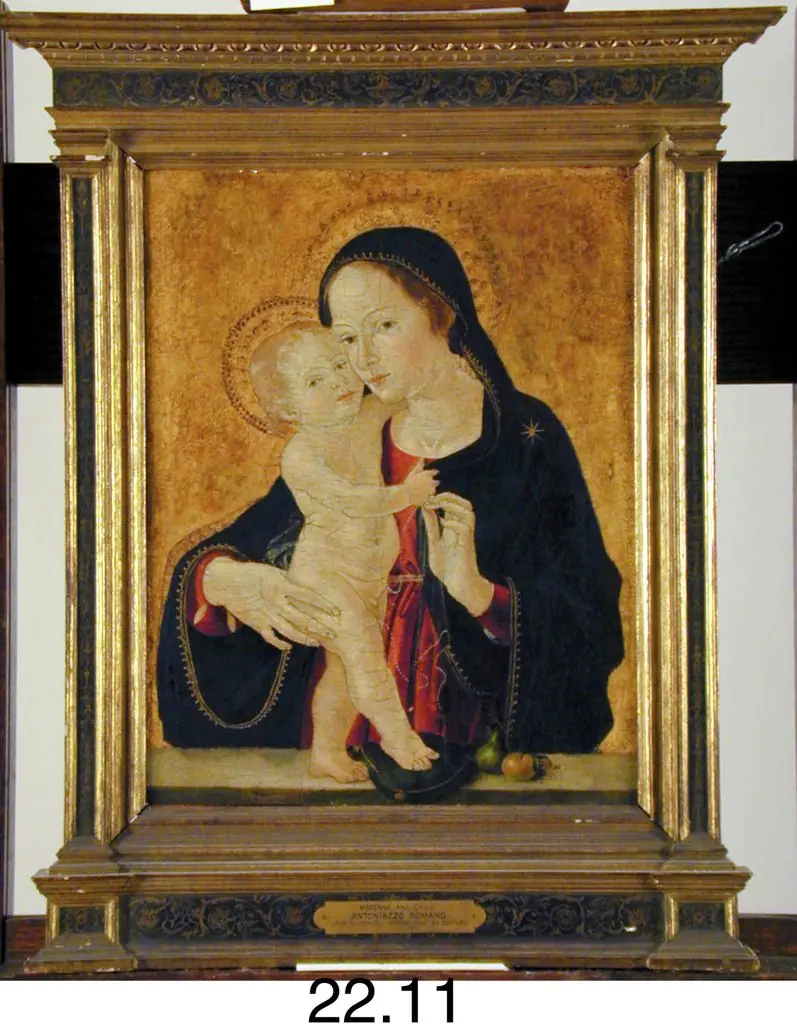 Madonna and Child
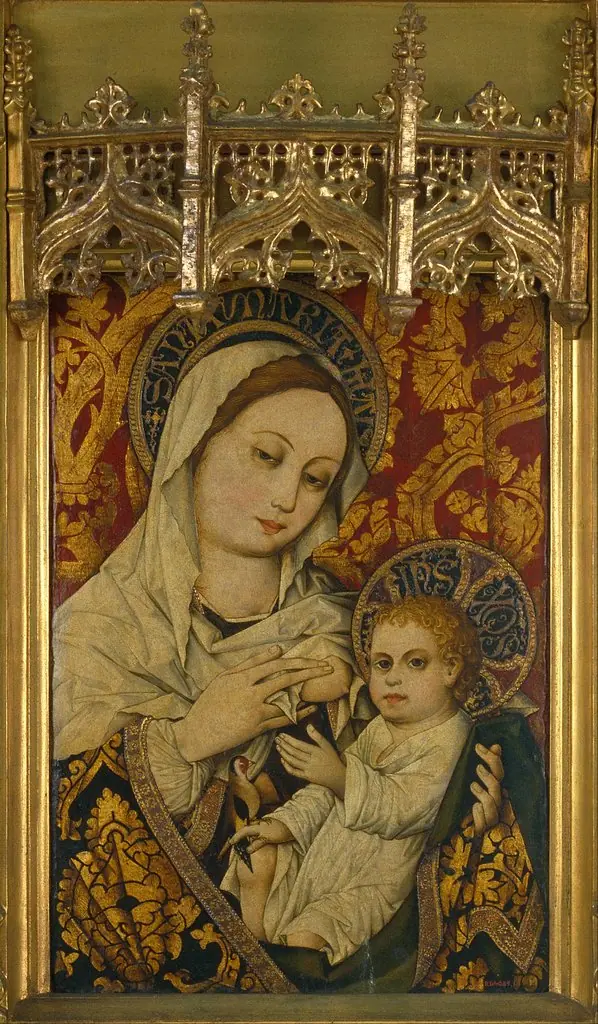 Virgin Suckling the Child
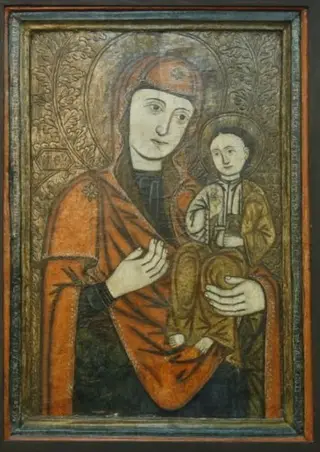 Maica Domnului cu Pruncul
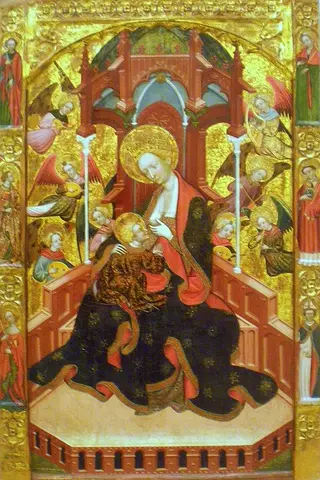 Virgin Suckling the Child
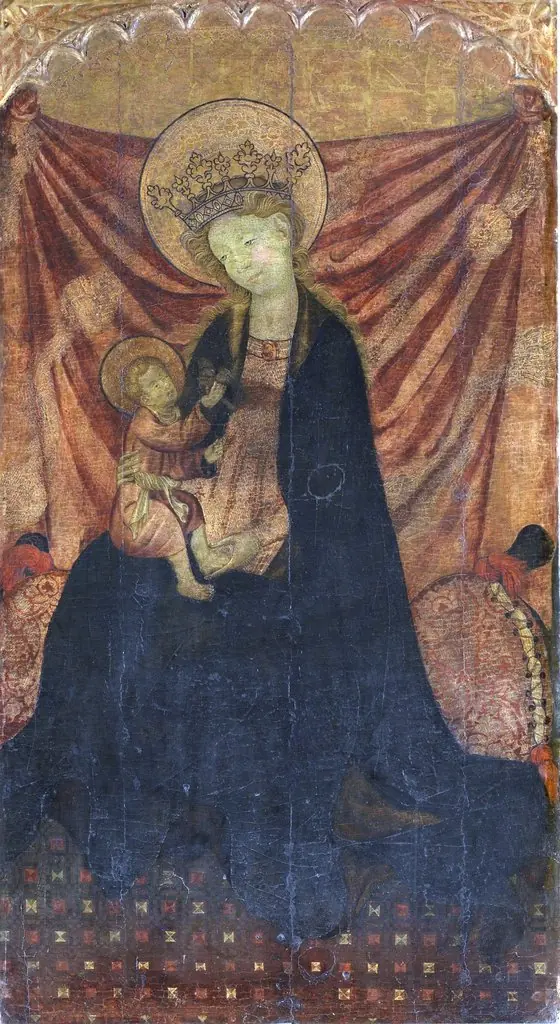 The Virgin and Child
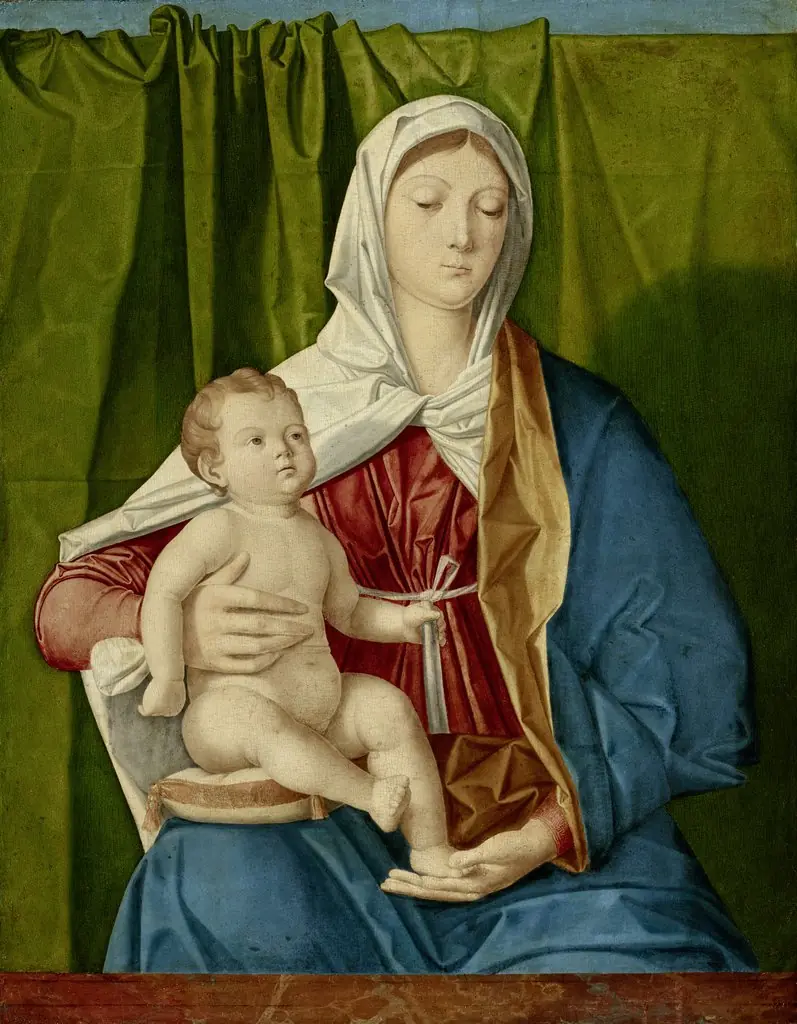 The Virgin and Child
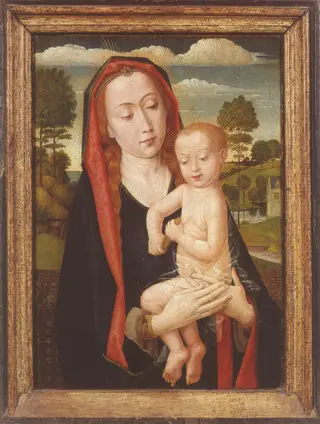 Maria met kind voor een borstwering met doorzicht naar een heuvellandschap
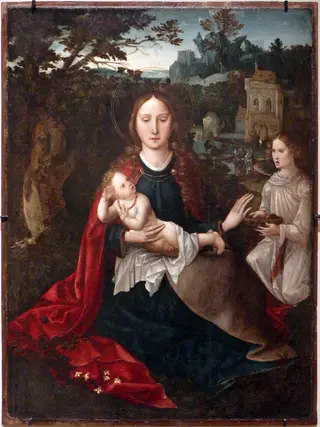 A Virgem Maria e o Menino Jesus com um Anjo
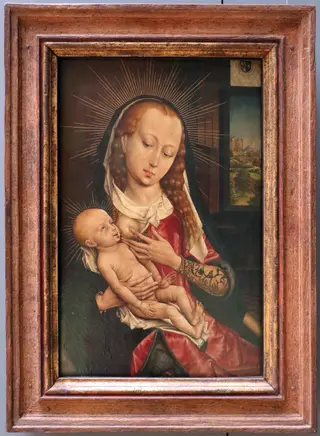 Virgin and Child
 Virgin Suckling the Child