Artwork
Madonna and Child
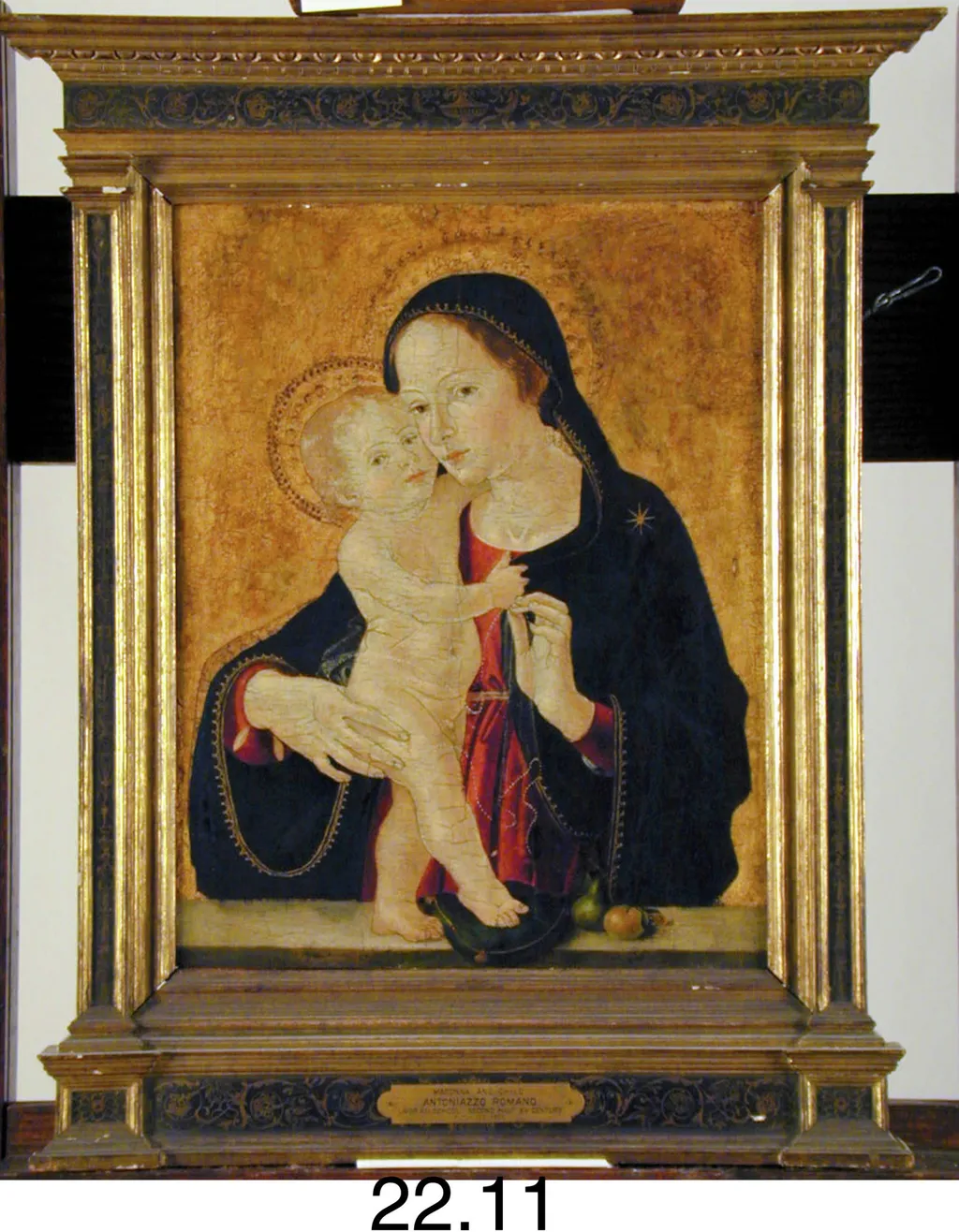
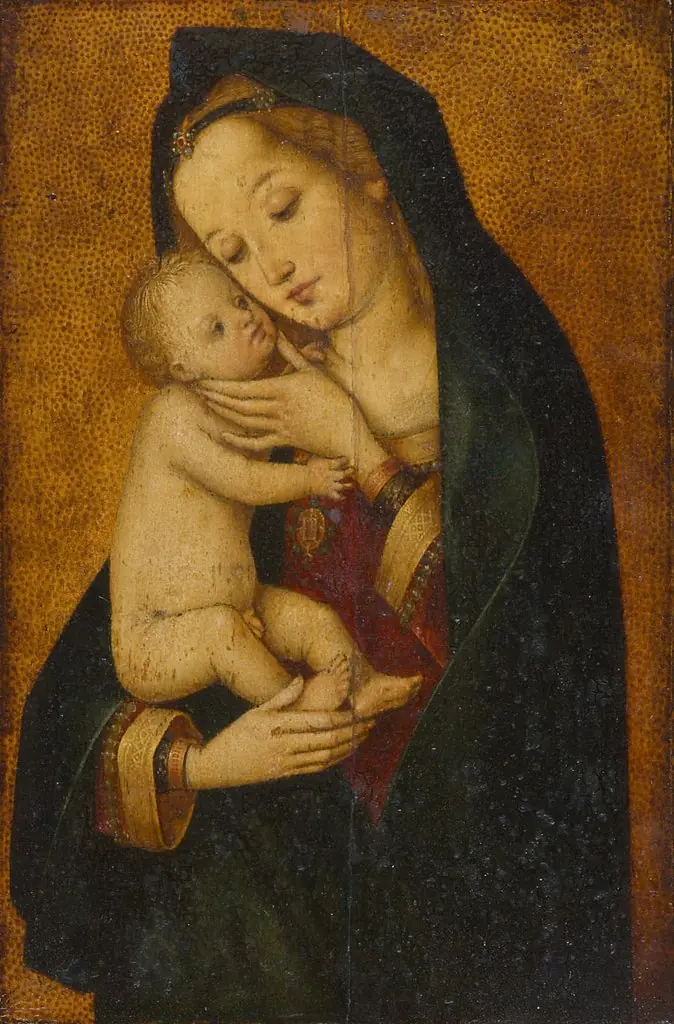
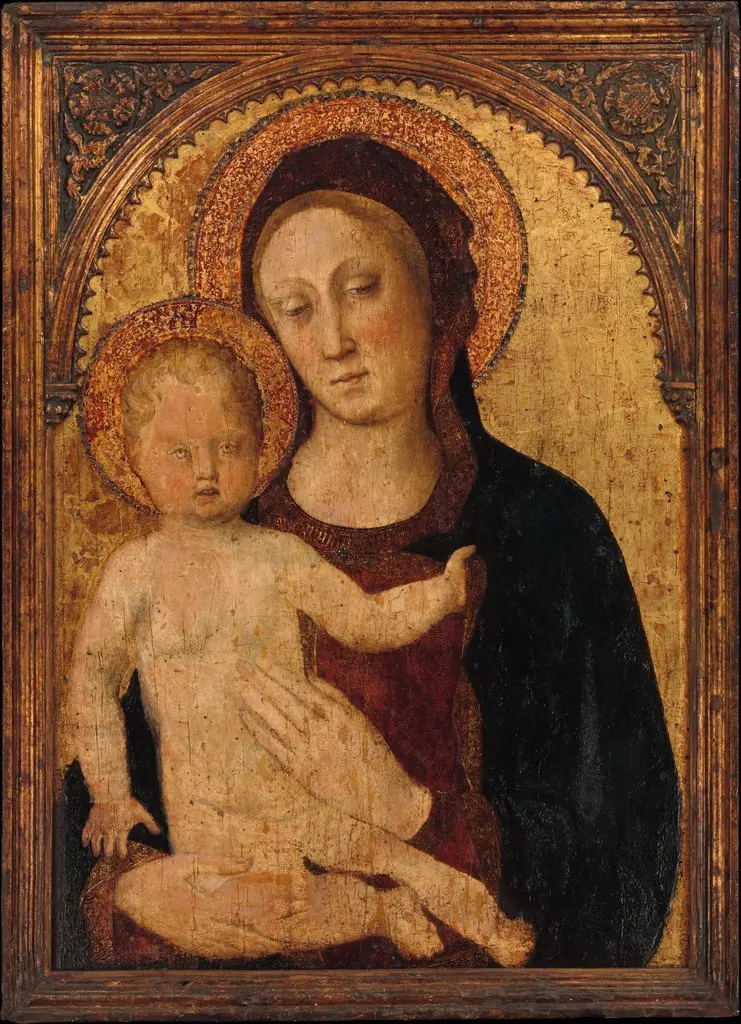
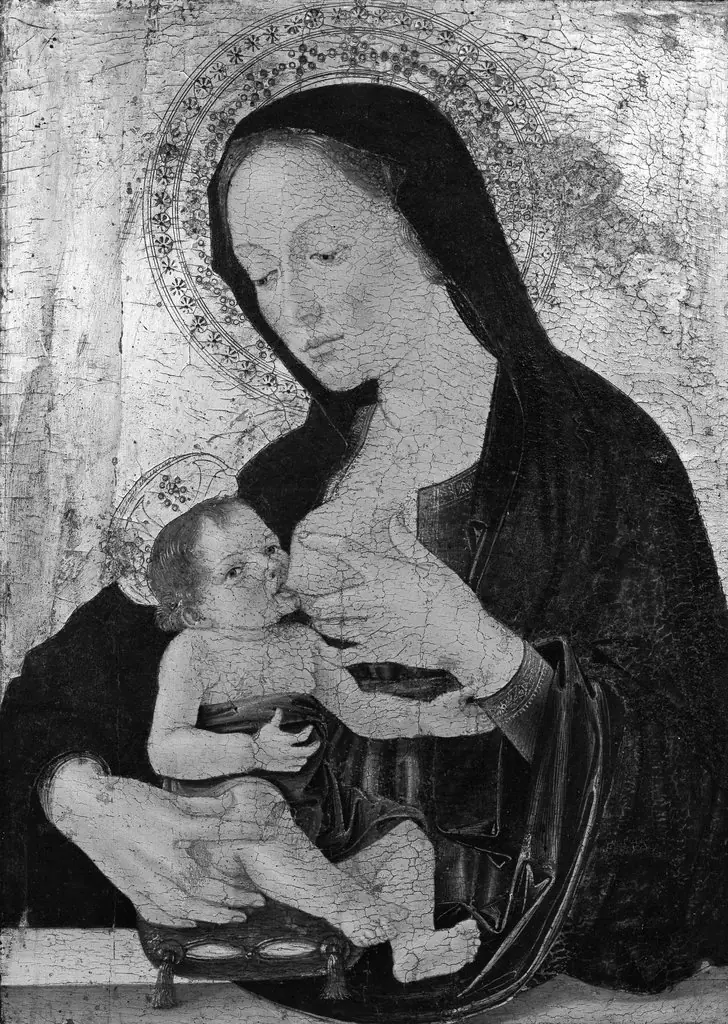
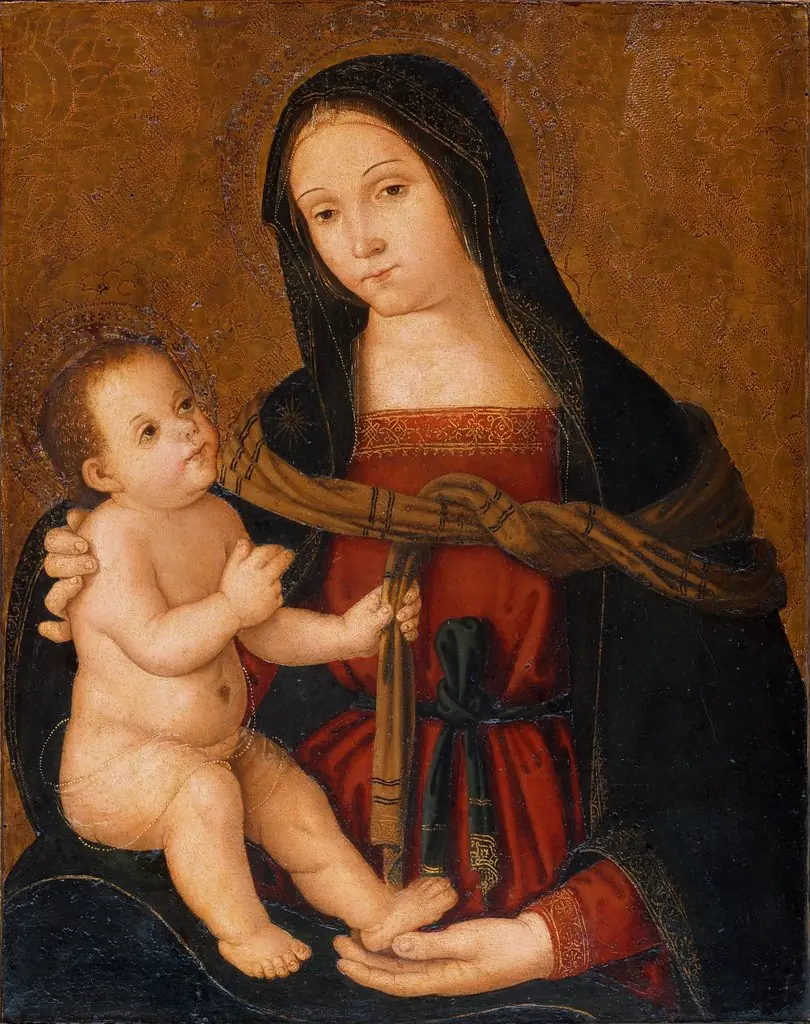
Madonna and Child is an unspecified painting by the Italo Byzantine artist Antoniazzo Romano. It dates from 1479 and is held in the collection of the Detroit Institute of Arts.
About this work
Subject & Meaning
The work focuses exclusively on these two figures, embodying the theological significance of the Incarnation and the maternal bond within a sacred context.
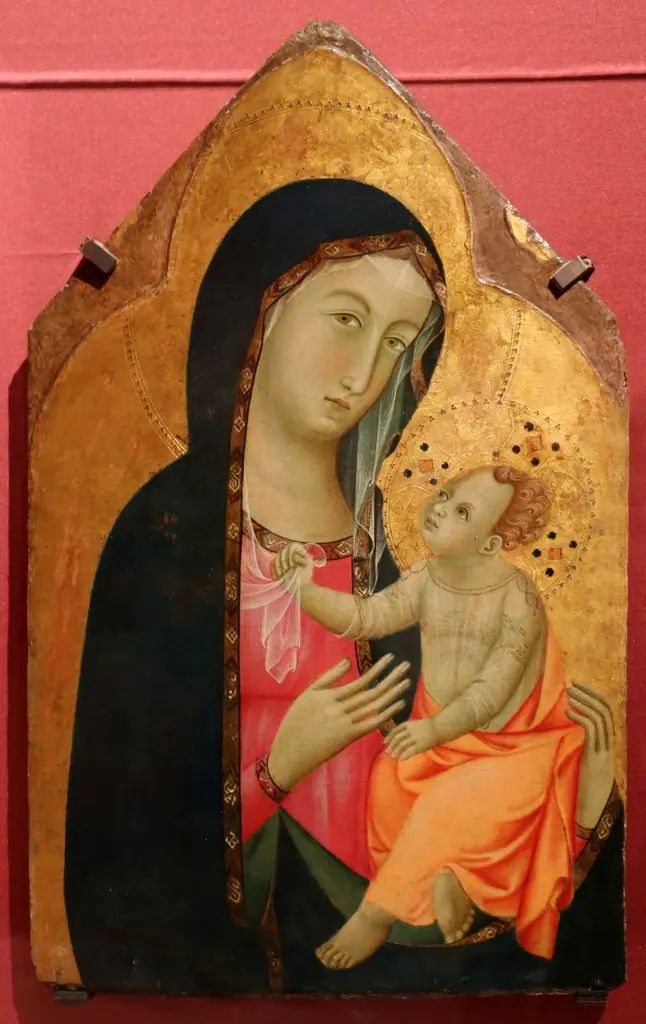
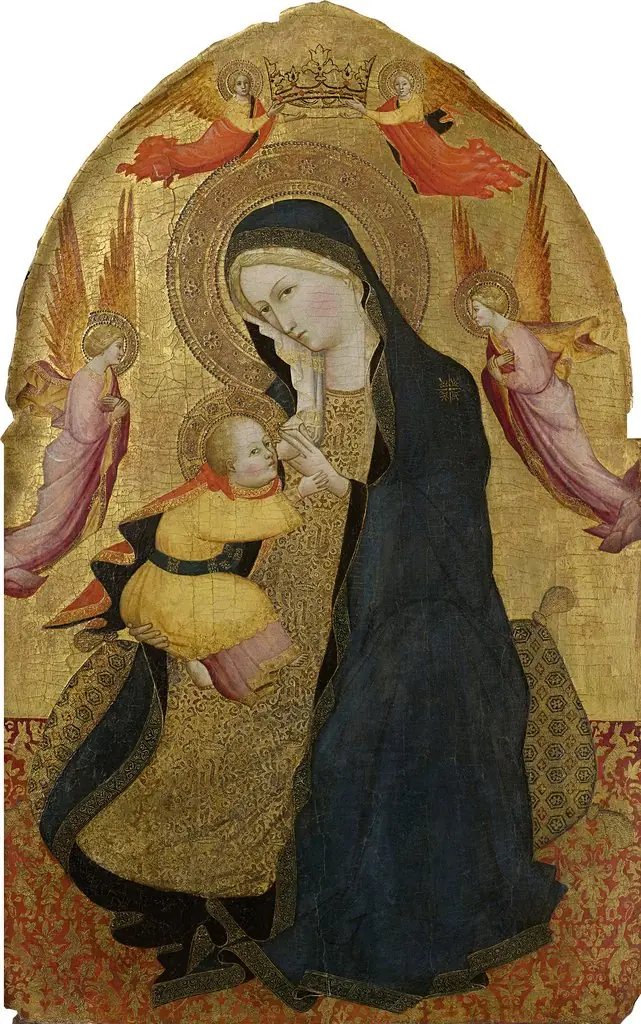
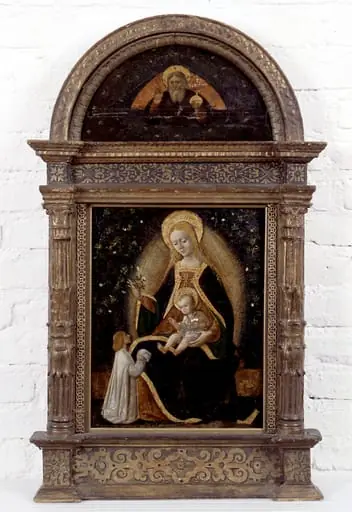
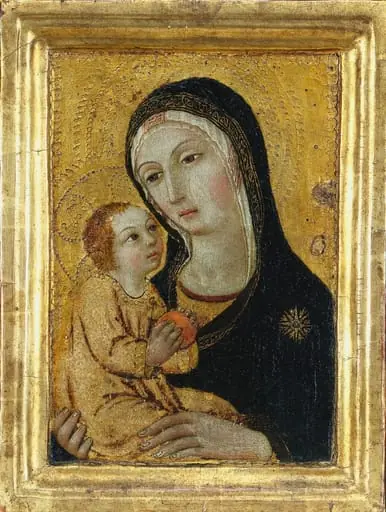
This religious painting by Antoniazzo Romano depicts the Madonna and Child, a central subject in Christian iconography representing the Virgin Mary holding the infant Jesus. The work focuses exclusively on these two figures, embodying the theological significance of the Incarnation and the maternal bond within a sacred context. As a piece of religious art, it serves as a devotional image intended to inspire contemplation of the divine nature of Christ and the role of Mary as his mother.
Technique & Style
The work is classified as a painting created by Antoniazzo Romano, depicting the religious subject of the Madonna and Child. Executed within the tradition of religious art, the piece measures 41.6 cm in height and 34 cm in width. It is currently held in the collection of the Detroit Institute of Arts.
As a painting, the medium is applied to a support, though the specific material of the support is not detailed in the provided records. The formal qualities focus on the depiction of Mary and the Christ Child as the main subjects.
History & Provenance
The painting is held by the Detroit Institute of Arts, accessioned as DIA 22.11.
It was included in the exhibition "Antoniazzo Romano: Painter to Renaissance Rome" held at the National Gallery of Art, Washington, D.C., from October 20, 2019, to January 26, 2020.
Context
Antoniazzo Romano's 'Madonna and Child' exemplifies late 15th-century Roman devotional painting, blending Early Renaissance compositional clarity with emerging High Renaissance emotional expressiveness. The work reflects the artist's integration of Perugian influences while contributing to the stylistic evolution seen in artists like Raphael, as documented in art historical analyses of the period. Its religious genre and subject matter align with contemporary devotional practices, situating it within broader discussions of sacred imagery in Italian Renaissance art.
Scholarship emphasizes its significance as a testament to Romano's role in bridging devotional art traditions, with the Detroit Institute of Arts' collection highlighting its preservation and study.
Overview
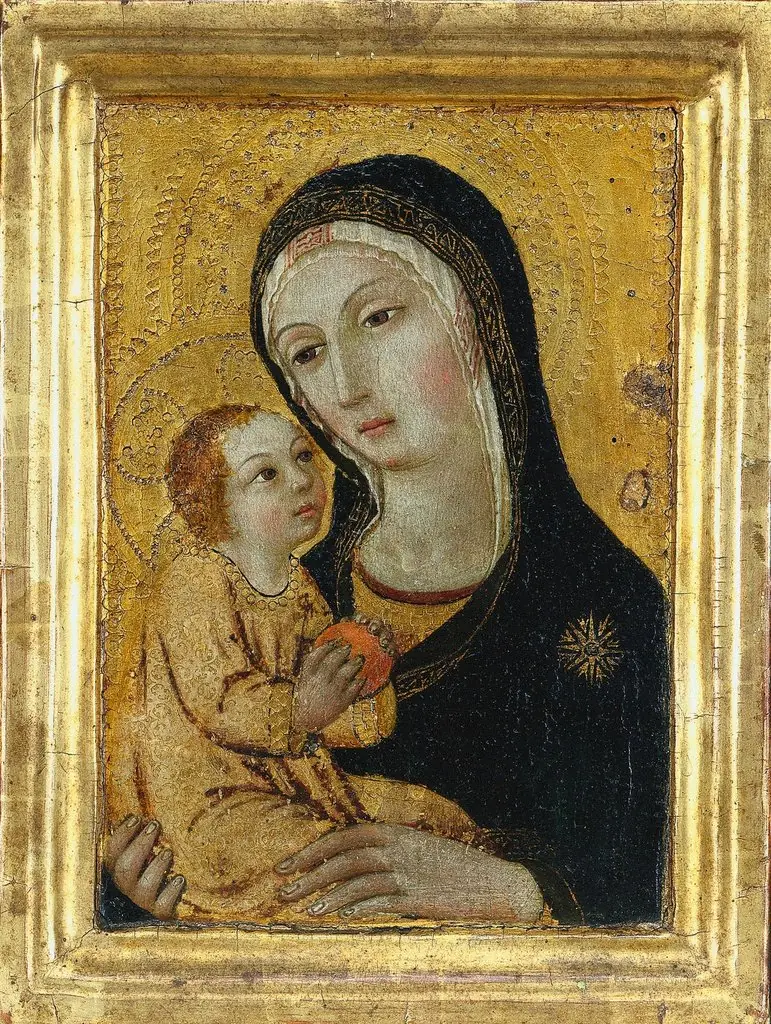
Madonna and Child, created by Antoniazzo Romano around 1479, is a painting in the Italo-Byzantine style, characterized by flat, stylized figures and a gilded background. The work, now in the Detroit Institute of Arts, exemplifies the artist's revival of archaic forms, notably through gold ground painting, during a period when such traditions were waning.
Legacy
As a testament to Antoniazzo Romano's work in the Italo-Byzantine style, Madonna and Child contributes to the understanding of transitional periods in Renaissance art, highlighting the coexistence of traditional and emerging techniques.
Own this work as a print
Artist & collection
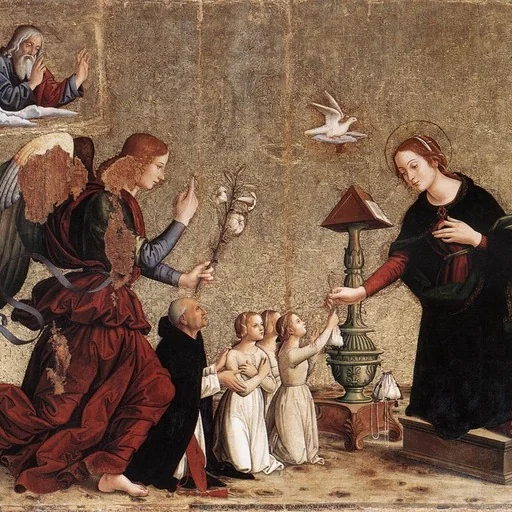
Artist
Antonio di Benedetto Aquilo degli Aquili (c. 1430 – c. 1510), known as Antoniazzo Romano, was an Italian Early Renaissance painter, the leading figure of the Roman school during the latter part of the 15th century He…

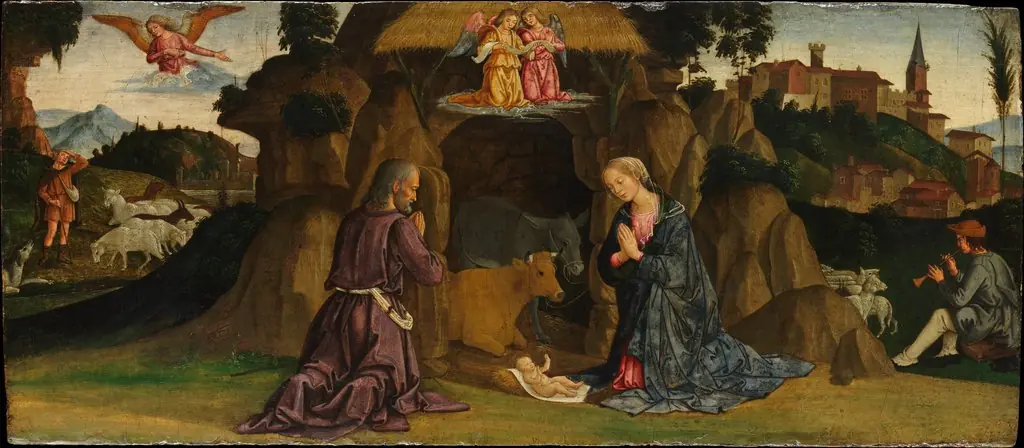 The Nativity
 Madonna and Child
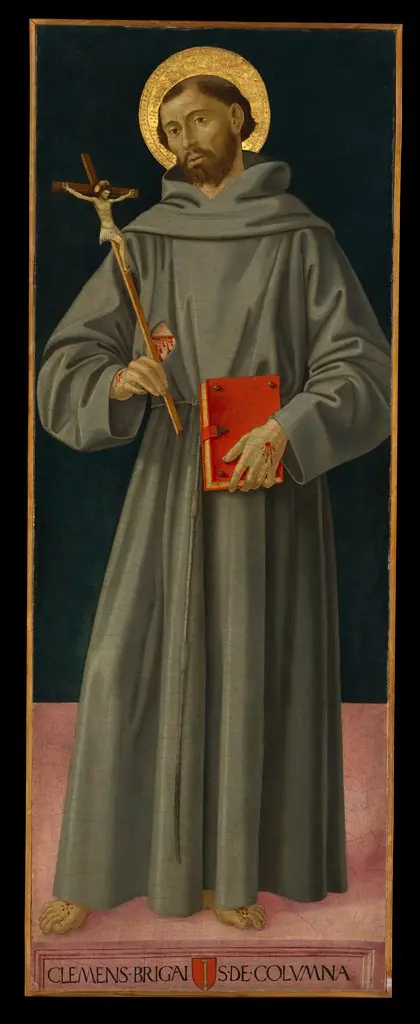 Saint Francis of Assisi
 Triptych: Bust of Christ, Saint John the Baptist and Saint Peter. Closed: Saint John the Evangelist and Saint Colombe
 Madonna and Child
 Christ Enthroned, the Virgin, Saint Francesca Romana, an Angel and Donor
 Virgin and Child with Donor
 John the Baptist