Artwork
Anna Watson Stuart
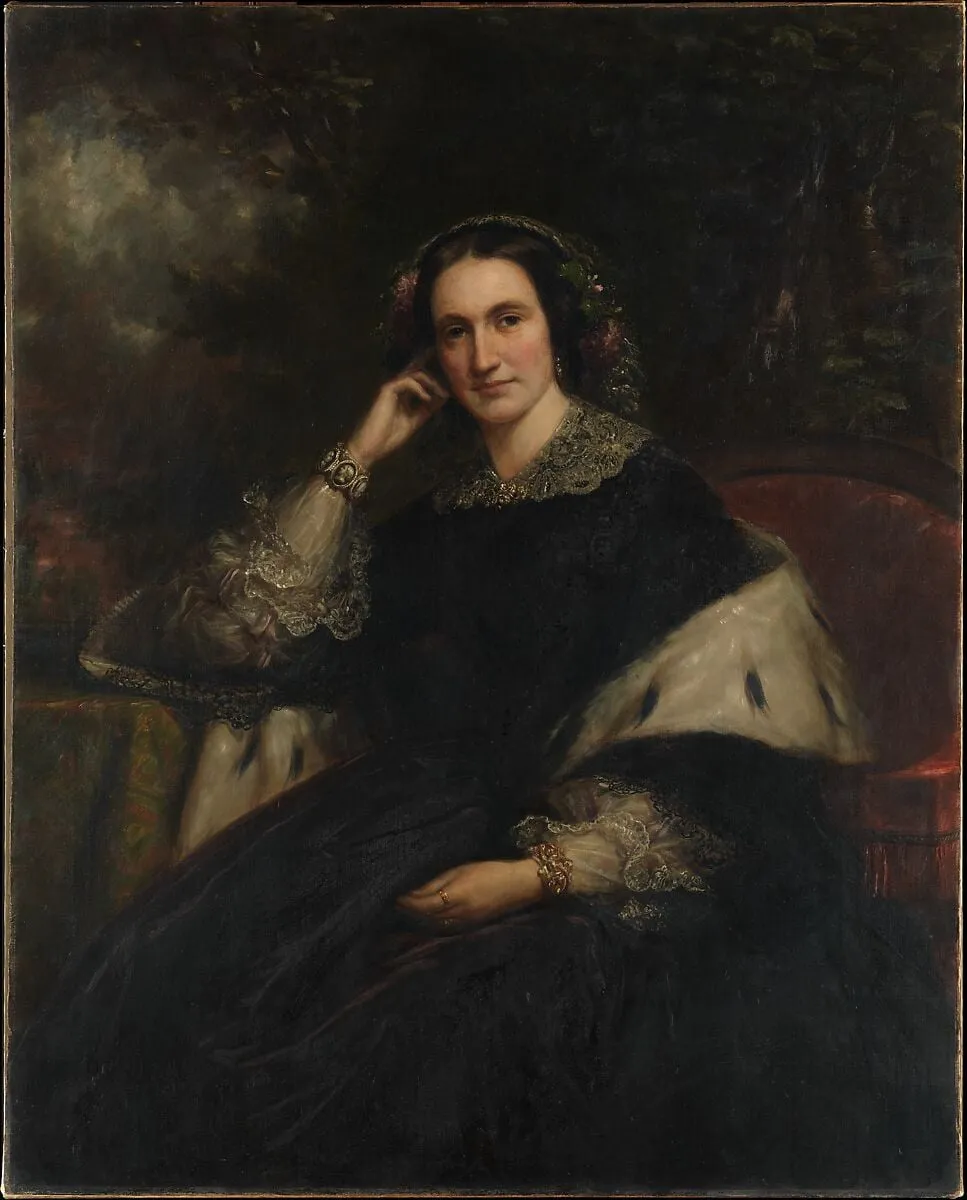
Anna Watson Stuart is an oil painting by the American Impressionist artist Daniel Huntington. It dates from 1862 and is held in the collection of the Metropolitan Museum of Art.
About this work
Technique & Style
As a formal portrait, the composition focuses on the depiction of a woman, adhering to the conventions of the genre during the mid-19th century.
Created in 1862 by Daniel Huntington, this portrait of Anna Watson Stuart is executed in oil paint on a canvas support. The work measures 127 centimeters in height by 101.6 centimeters in width. As a formal portrait, the composition focuses on the depiction of a woman, adhering to the conventions of the genre during the mid-19th century.
The piece is currently held within the American Wing of the Metropolitan Museum of Art. While specific details regarding the artist's brushwork, surface condition, or handling history are not provided in the available records, the material construction remains consistent with standard easel painting practices of the era, utilizing traditional pigments bound in oil applied to a woven textile ground.
History & Provenance
Anna Watson Stuart was painted in 1862 by the American artist Daniel Huntington. Executed in oil on canvas, the portrait entered the collection of the Metropolitan Museum of Art, where it remains today. The work’s creation date and medium are consistently recorded across sources, and its current institutional provenance is identified as the Metropolitan Museum of Art.
The painting Anna Watson Stuart by Daniel Huntington is held by the Metropolitan Museum of Art, New York. Its accession number is 61.156.1. The work was first exhibited in 1862 and remains in the museum’s collection, as documented in the institution’s records and metadata.
Overview
This oil on canvas, titled Anna Watson Stuart, was created by Daniel Huntington around 1862. It depicts a woman, Anna Watson Stuart, in a formal portrait setting. The painting exemplifies Huntington's shift towards portraiture and aligns with the emerging American Impressionist sensibilities of the era, presenting a quiet and composed image that transcends its specific historical moment.
Subject & Meaning
The portrait features Anna Watson Stuart, a member of New York society, seated in a red chair. Her dark dress and folded hands convey a sense of quiet dignity. Huntington captures her with a calm expression and an unadorned pose, suggesting a confident demeanor rather than ostentation.
This understated presentation contributes to the work's timeless quality, offering a glimpse into the refined character of its subject.
Context
Created around 1862, Anna Watson Stuart emerged during the American Civil War, a period of national upheaval. Despite the external turmoil, the portrait conveys a profound sense of tranquility and an almost timeless quality. The sitter, Anna Watson Stuart, belonged to New York's prominent social circles, and Huntington's depiction of her reflects a quiet confidence that contrasts with the turbulent historical backdrop against which it was painted.
Artist & collection

Artist
Daniel Huntington (October 4, 1816 – April 19, 1906) was an American artist who belonged to the art movement known as the Hudson River School and later became a prominent portrait painter.



- Anna Helena Lovisa Jägerhorn
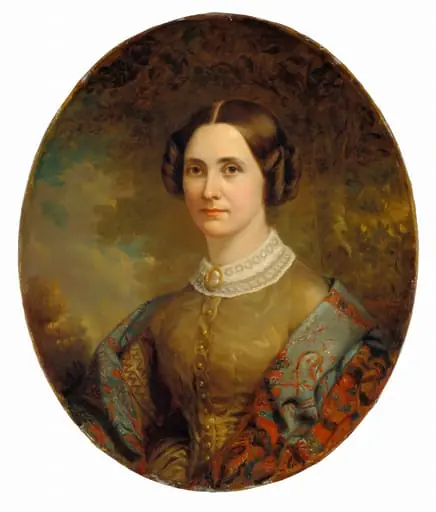 Portrait of a Lady
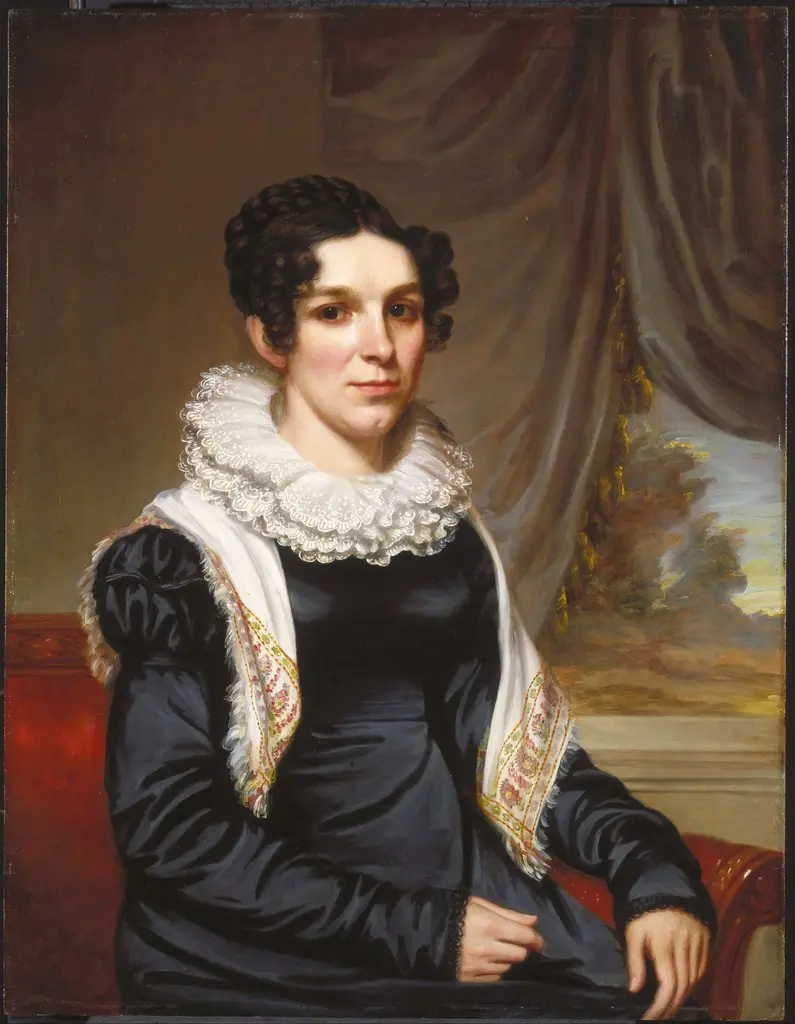 Maria Clarissa Leavitt
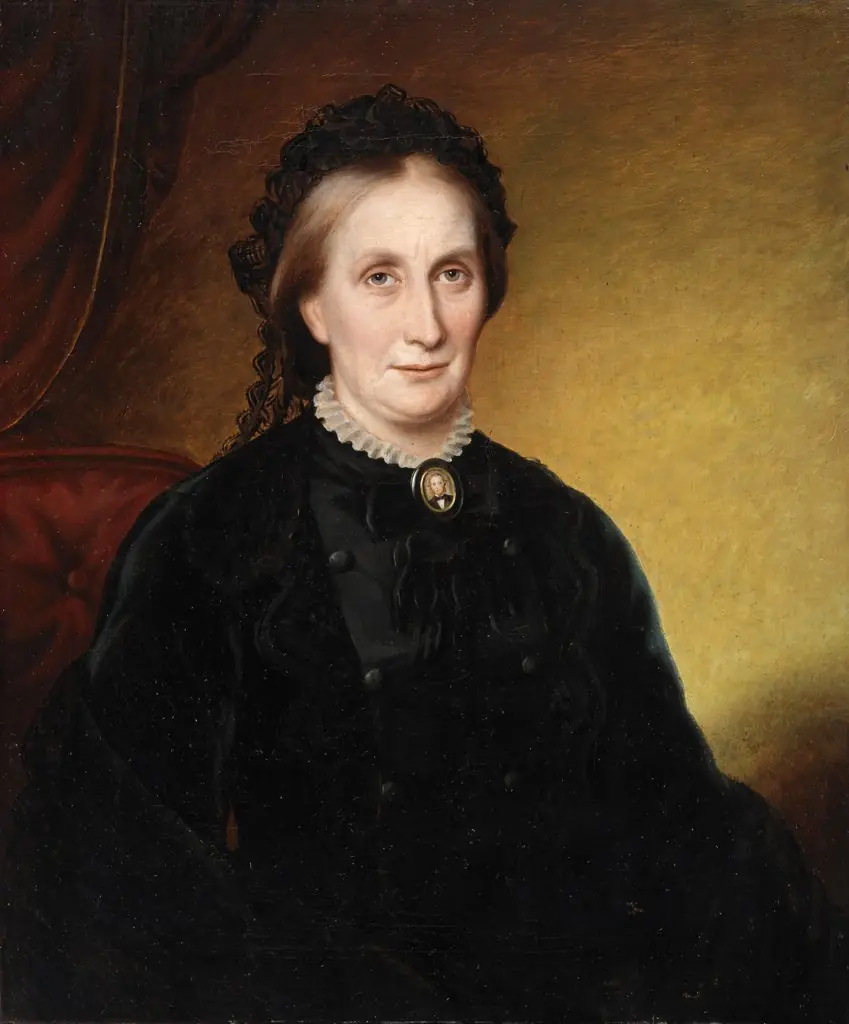 Mrs Frances J. Hadden
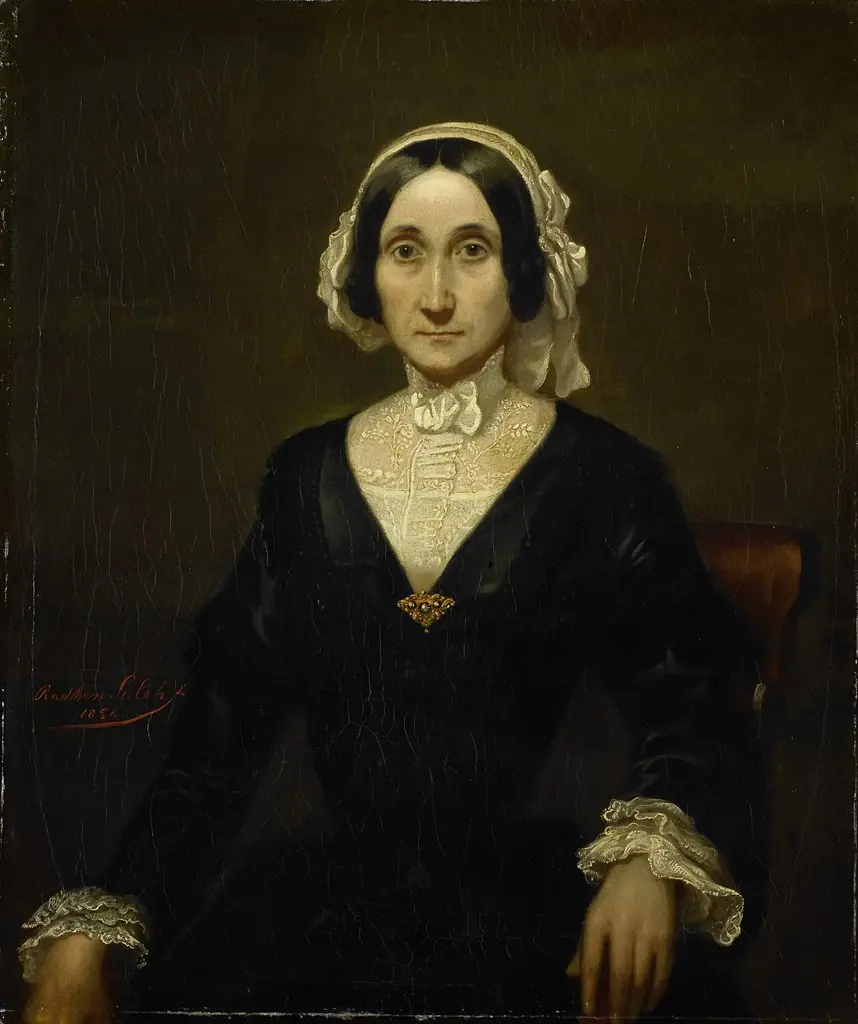 Portrait of Mrs. W.J.S. van Alphen, baroness of Reede van Oudtshoorn
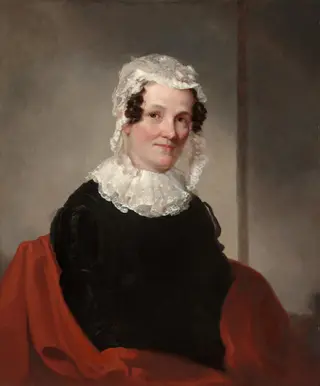 Lydia Coit Terry (Mrs. Eliphalet Terry)
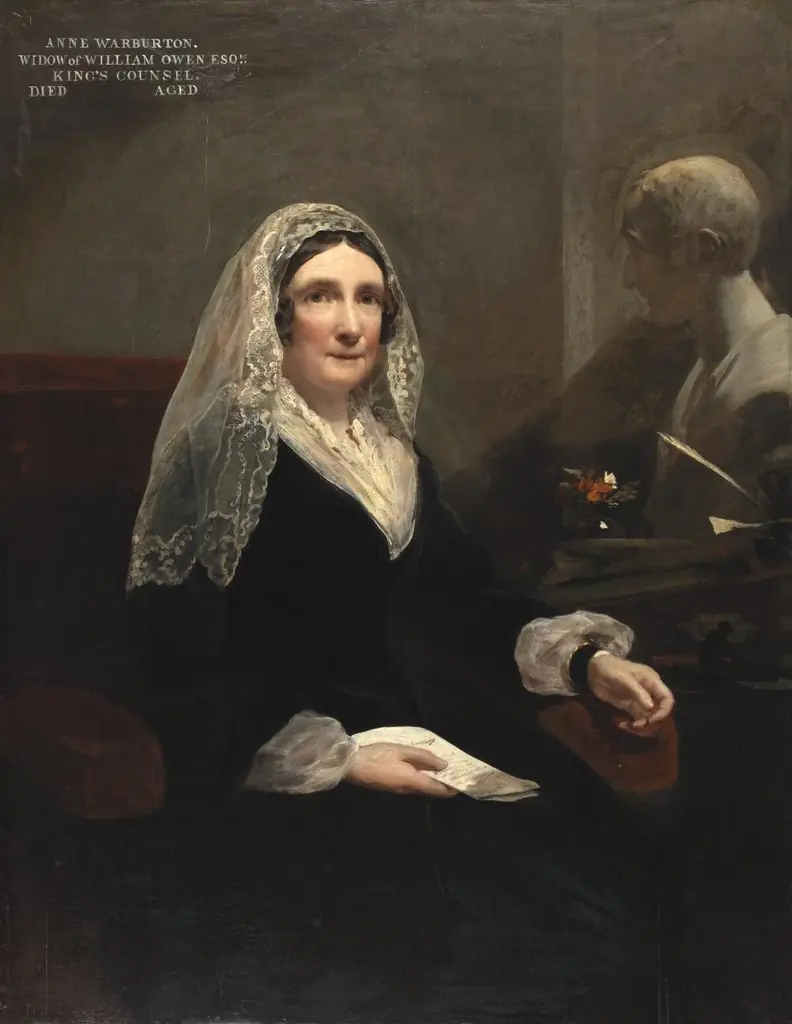 Anne Warburton, died 1876
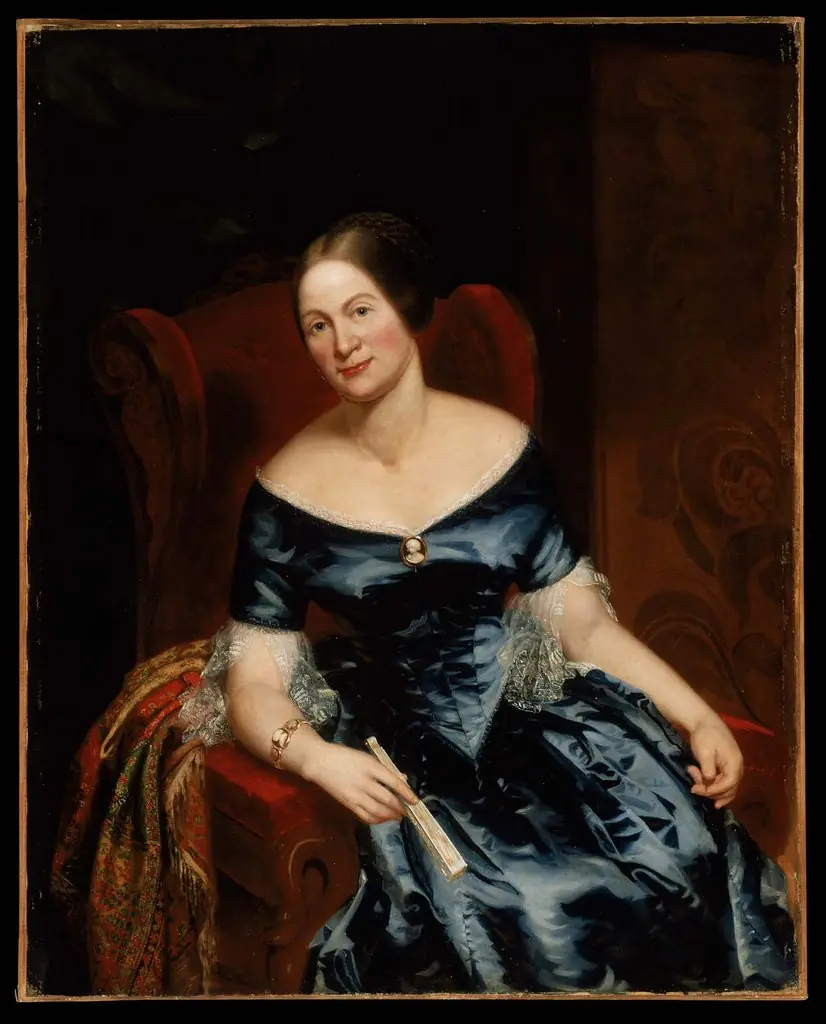 Cornelia M. Walter (Mrs. William B. Richards)
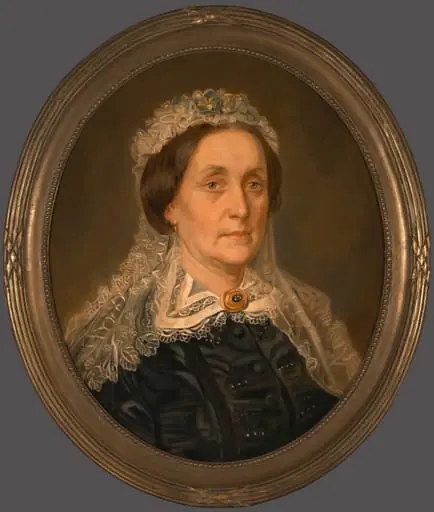 Cecilia Lindroos (os. Meyer) vanhana.
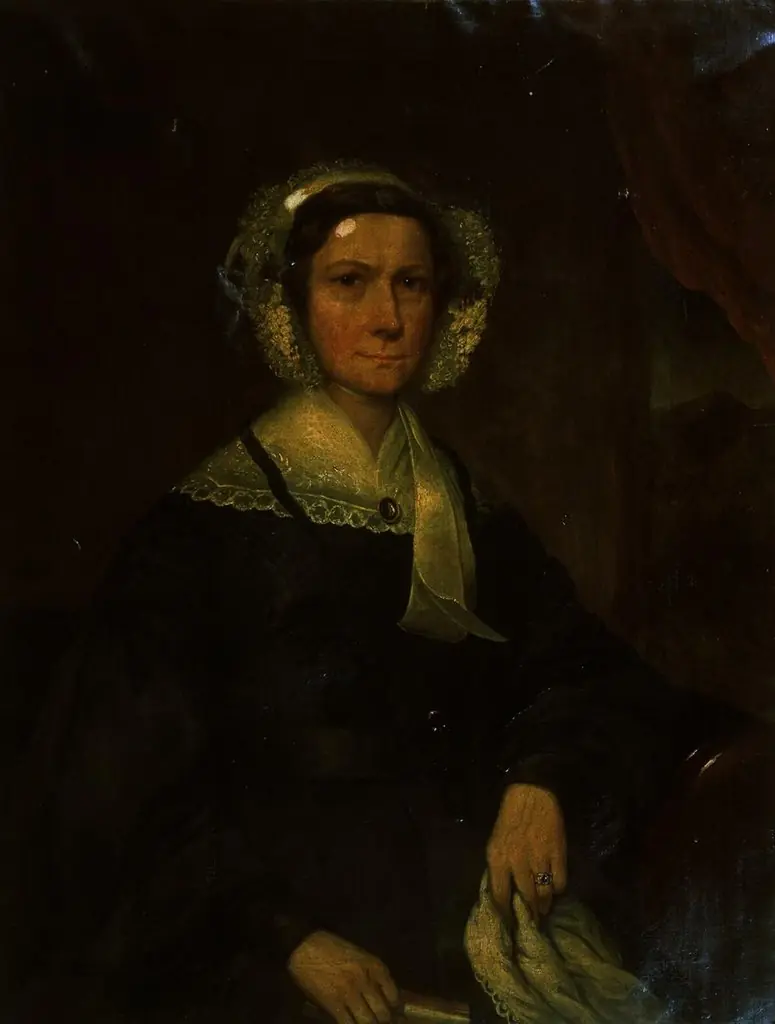 Mrs John Jones, Castle St, Liverpool
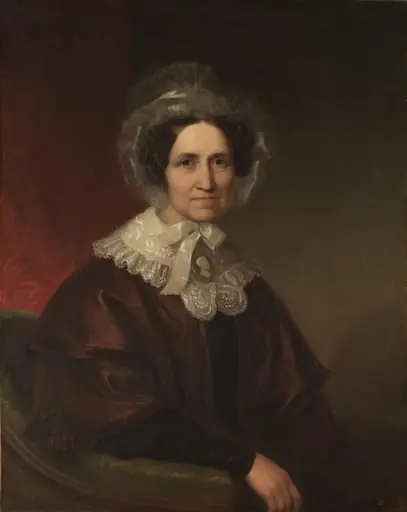 Sarah Eliot Scoville
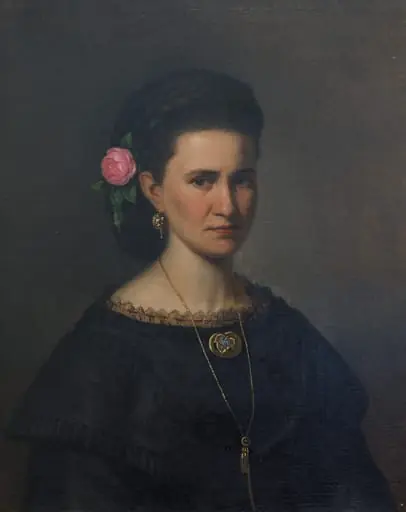 Portret de femeie