Artwork
John David Wolfe
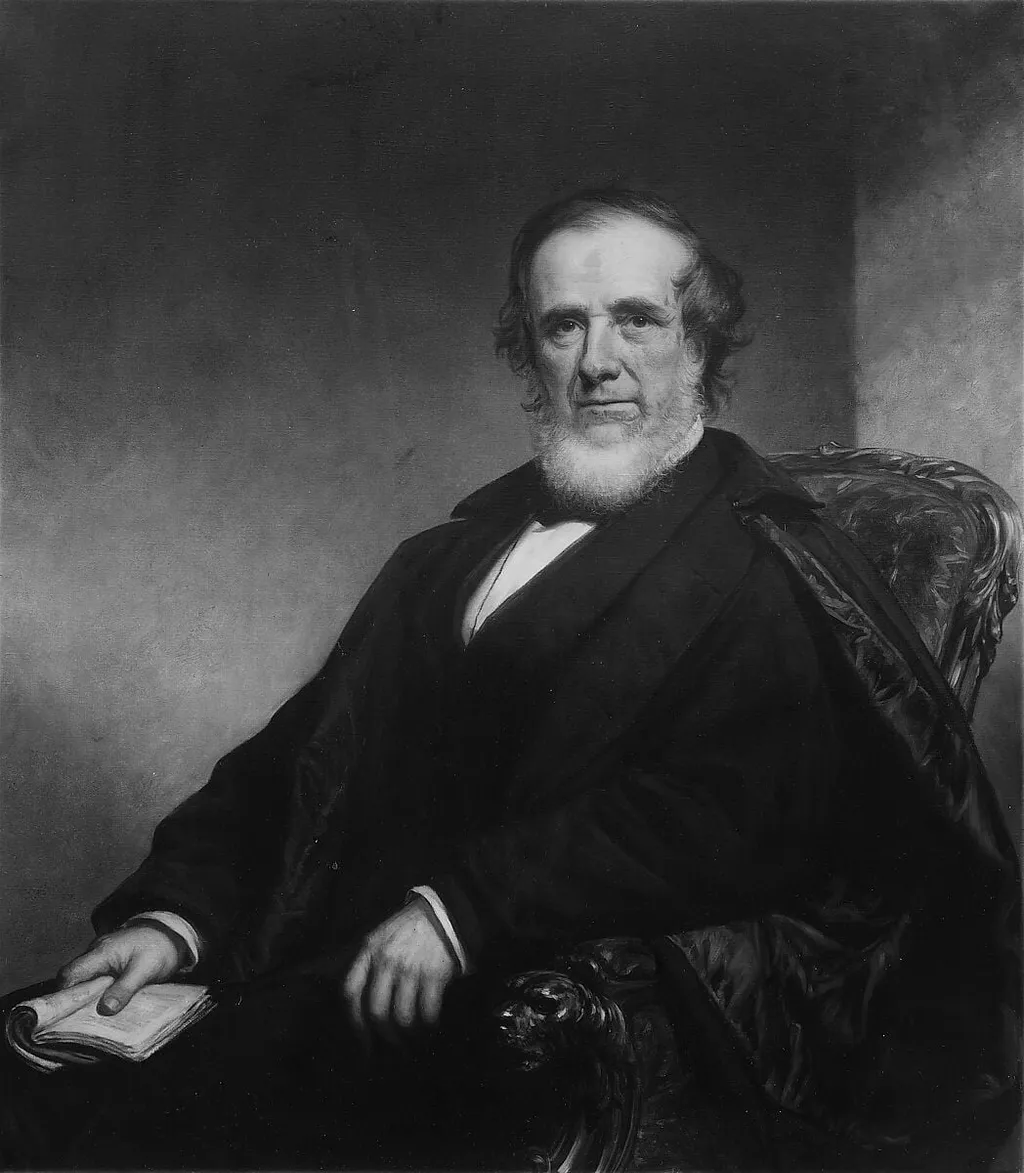
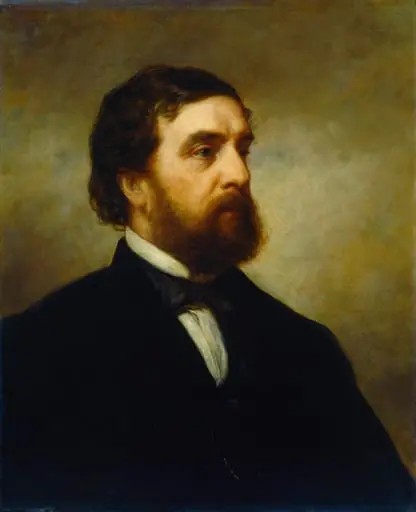
John David Wolfe is an oil painting by the American Impressionist artist Daniel Huntington. It dates from 1871 and is held in the collection of the Metropolitan Museum of Art.
About this work
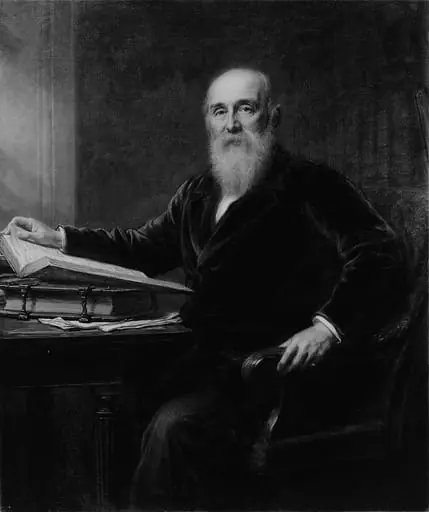
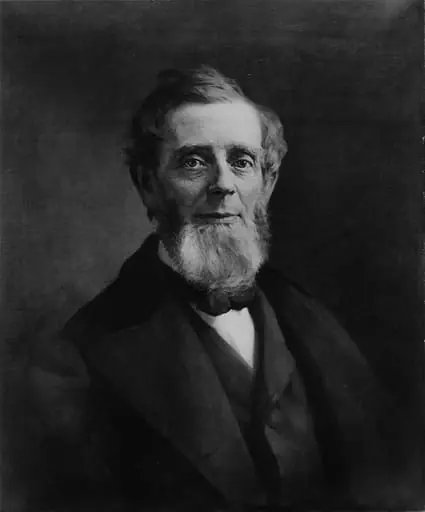
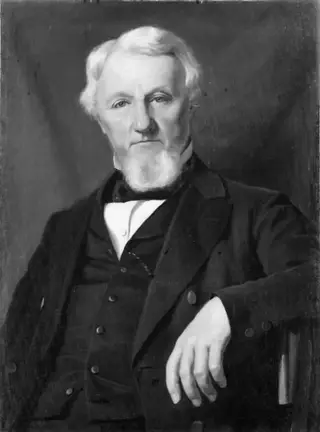
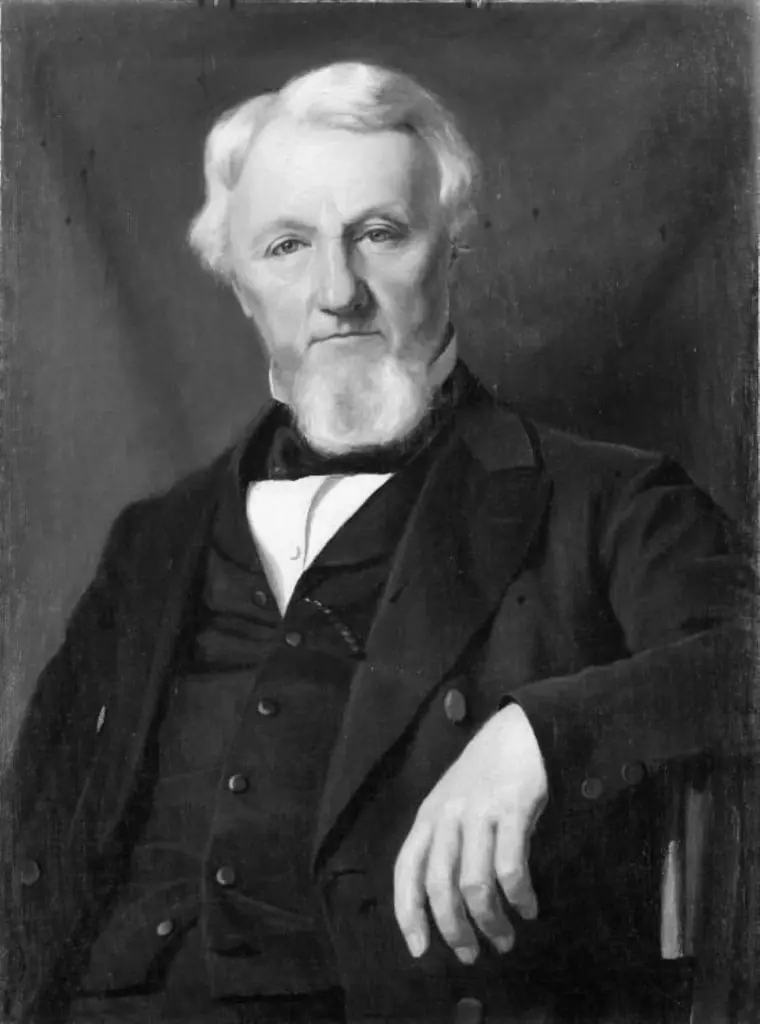
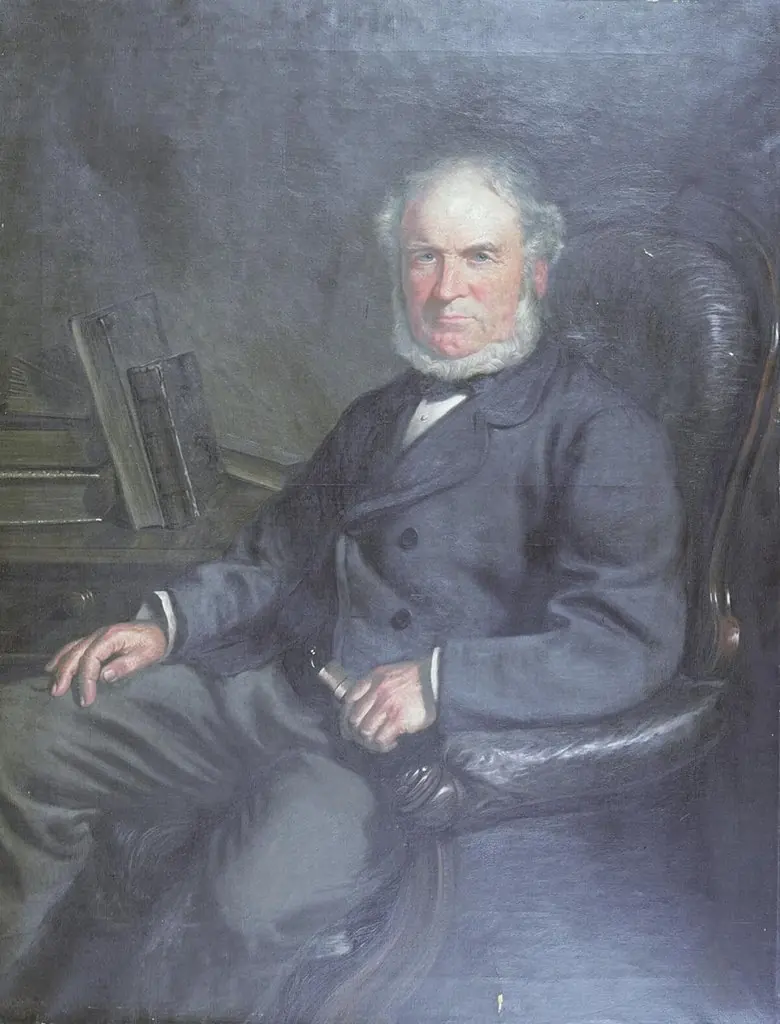
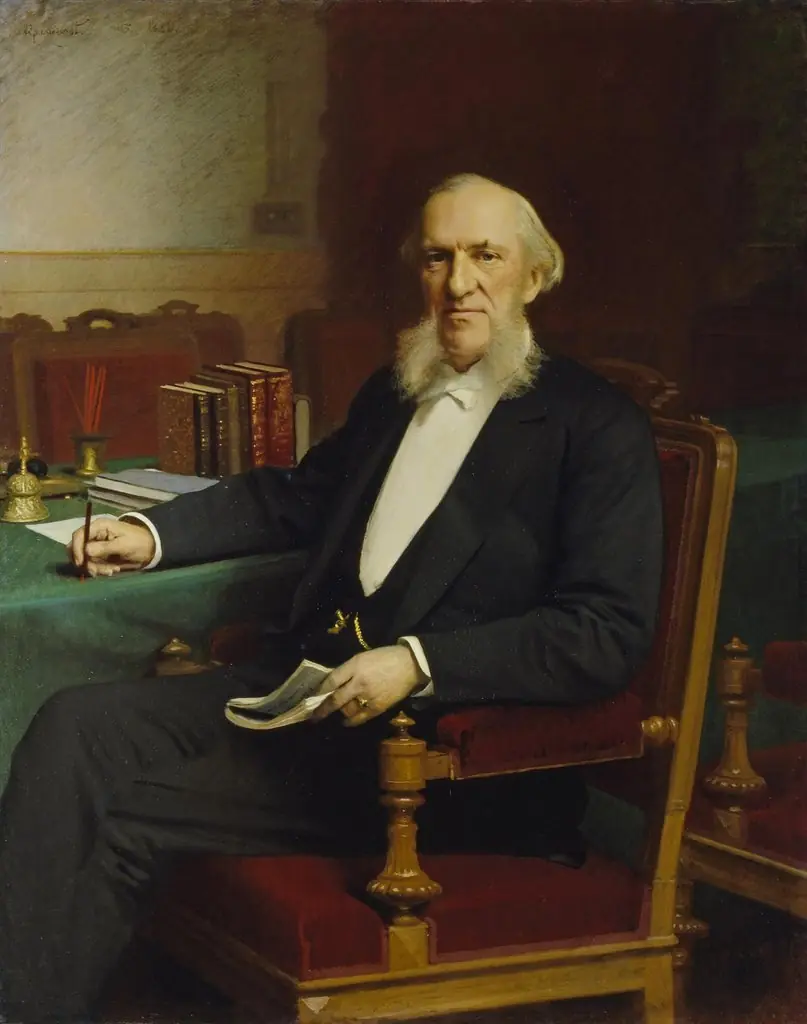
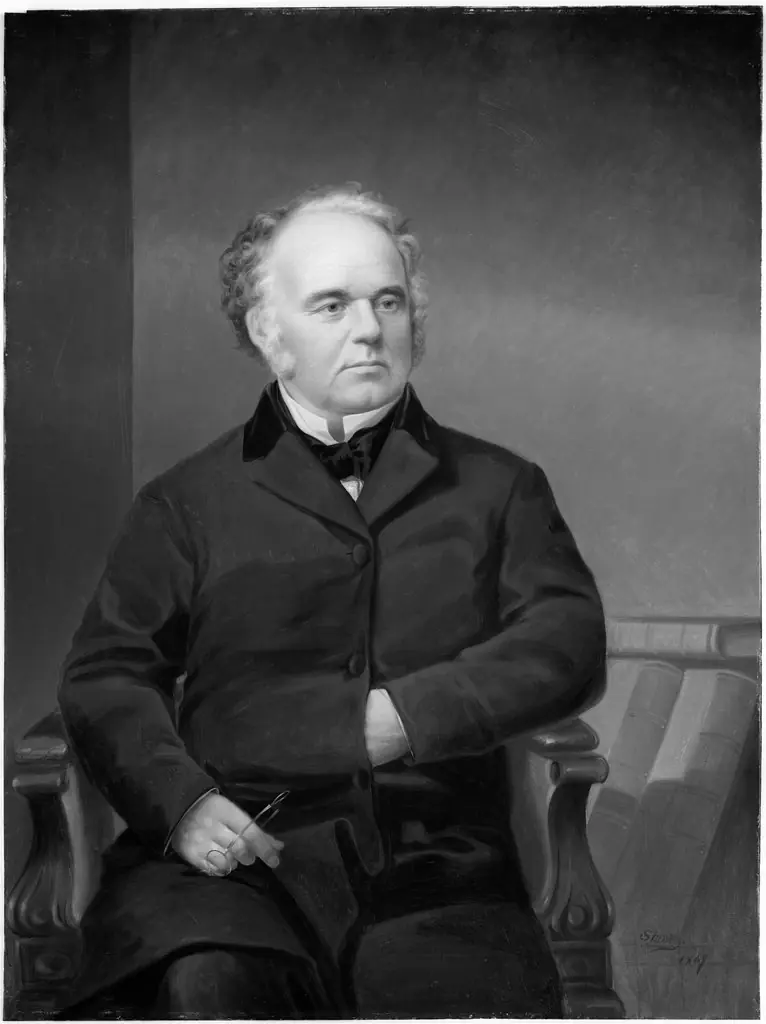
A man in a dark suit sits in a red chair, one hand resting on a book, his calm gaze fixed straight ahead. Daniel Huntington painted the portrait in 1871, when such likenesses were common among wealthy Americans. The book hints at education or status, while the expression keeps its thoughts private.
Technique & Style
No further details regarding Huntington's specific handling, brushwork, palette, or the painting's present condition are documented in the available sources.
The portrait of John David Wolfe is executed in oil on canvas, a standard medium for Daniel Huntington's formal portraiture of this period. The canvas support measures 109.9 cm in height by 94.9 cm in width, a vertical format suited to a seated or standing half-length depiction of the sitter. The work is classified as a portrait within the Metropolitan Museum of Art's American Wing collection.
No further details regarding Huntington's specific handling, brushwork, palette, or the painting's present condition are documented in the available sources.
History & Provenance
John David Wolfe is an 1871 oil-on-canvas portrait by Daniel Huntington, created as a likeness of the sitter John David Wolfe. It has remained in the collection of the Metropolitan Museum of Art since its acquisition, forming part of The American Wing, and measures 109.9 × 94.9 cm. No further ownership transfers are documented; the available sources confirm the institution and wing but do not list a specific accession number or any record of the work's public exhibition history.
Overview
This oil on canvas portrait from 1871 depicts John David Wolfe, a man seated in a red chair. He wears a dark suit, his hand resting on a book, suggesting a contemplative or learned demeanor. His calm expression and direct gaze engage the viewer, set against a subdued, unadorned background. The painting exemplifies a common form of portraiture for prominent individuals of the period.
Subject & Meaning
The sitter, John David Wolfe, is presented with a composed and introspective air. His hand resting on a book subtly communicates intellectual pursuits or social standing, a common visual cue in 19th-century portraiture. Despite the directness of his gaze, Wolfe's quiet expression maintains a sense of reserve, inviting interpretation rather than revealing overt emotion.
Context
Created by Daniel Huntington in 1871, this work reflects the prevalent demand for formal portraiture among affluent Americans during the late 19th century. Such commissions served to document and affirm the status of individuals like Wolfe, often emphasizing their dignity and achievements through conventional poses and settings. The painting belongs to a tradition of depicting prominent figures within the American social landscape.
Artist & collection

Artist
Daniel Huntington (October 4, 1816 – April 19, 1906) was an American artist who belonged to the art movement known as the Hudson River School and later became a prominent portrait painter.