Artwork
Henry Theodore Tuckerman
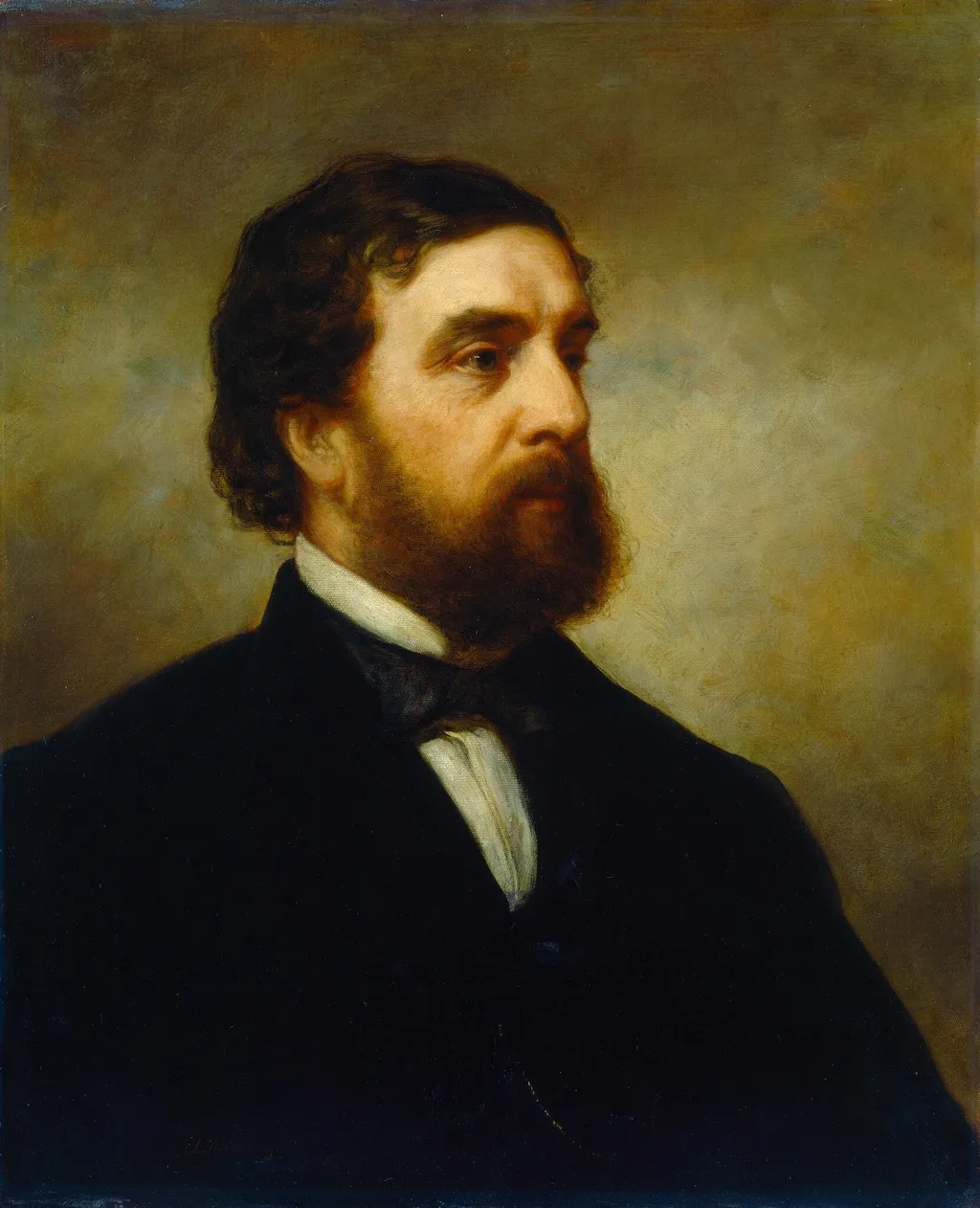
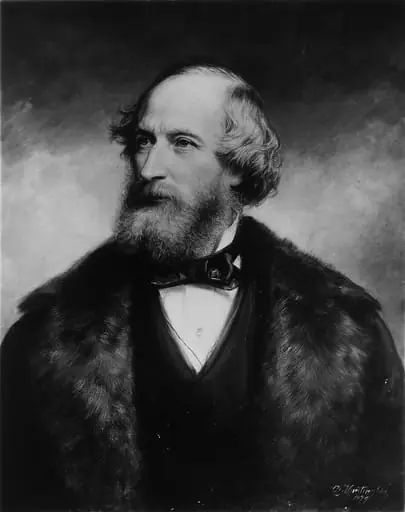
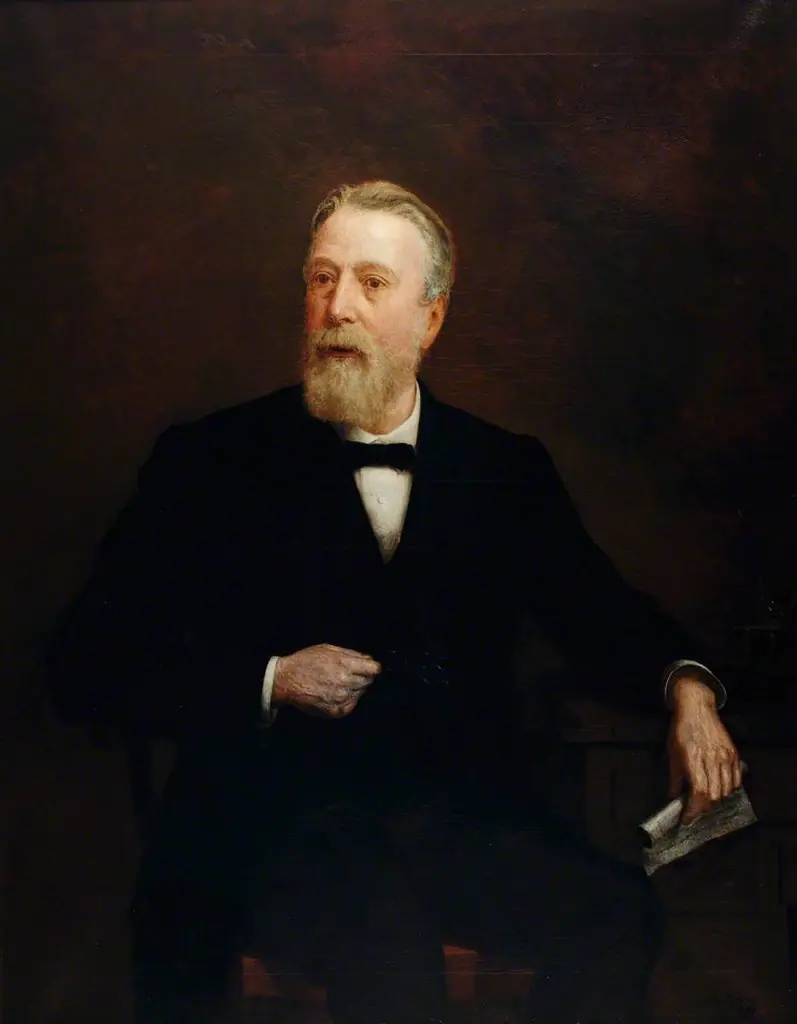
Henry Theodore Tuckerman is an oil painting by the American Impressionist artist Daniel Huntington. It dates from 1866 and is held in the collection of the National Gallery of Art.
- Inscription
- Inscribed:lower left: D. Huntington / 1866; possibly in a different hand, on back of stretcher: Henry J (sic). Tuckerman by D. Huntington 1866.
About this work
Technique & Style
The portrait of Henry Theodore Tuckerman is executed in oil on canvas, a standard support for mid-nineteenth-century American portraiture. The work measures 68.2 by 56.2 centimeters, a modest upright format well suited to a bust- or half-length composition. No further technical remarks regarding handling, surface condition, or stylistic characterization are documented in the available sources.
History & Provenance
The portrait of Henry Theodore Tuckerman, executed by Daniel Huntington in 1866, belongs to the National Gallery of Art in Washington, D.
The portrait of Henry Theodore Tuckerman, executed by Daniel Huntington in 1866, belongs to the National Gallery of Art in Washington, D.C., where it is recorded as part of the Andrew W. Mellon collection. Its acquisition history moves from the artist’s estate to George D. Smith, then to Thomas B. Clarke after a 1920 Anderson Galleries sale, and finally to the Trust, which gifted it to the museum in 1947. The work debuted in the 1908 Century Association memorial exhibition of Huntington’s oeuvre and has subsequently appeared in exhibitions drawn from the Clarke collection catalogues.
Legacy
The portrait of Henry Theodore Tuckerman by Daniel Huntington entered the artist’s estate in 1908 and was later sold at auction to Thomas B. Clarke, whose collection was subsequently acquired by the National Gallery of Art through the A.W. Mellon Educational and Charitable Trust in 1947. The work, recorded in the National Gallery’s catalogue as part of the Andrew W. Mellon collection, is cited in Wikidata as a representative example of Huntington’s mature portraiture and as a key document for the study of 19th‑century American intellectual portraiture. Its appearance in the 1908 Memorial Exhibition of Daniel Huntington reinforced scholarly attention to Huntington’s legacy and contributed to the painting’s reputation as an exemplar of formal realism in American portraiture.
Overview
This oil on canvas painting, titled Henry Theodore Tuckerman, was created by Daniel Huntington in 1866. It is a formal portrait depicting the American writer and critic Henry Theodore Tuckerman. The artwork is executed in oil paint on a canvas support, a common medium for portraiture during the mid-19th century. This piece serves as a visual record of a notable cultural figure of its era.
Subject & Meaning
The painting presents Henry Theodore Tuckerman seated, engaging the viewer with a direct gaze. He is depicted in attire characteristic of the period, conveying a sense of his social standing. The artist, Daniel Huntington, aimed to capture more than just a likeness, endeavoring to portray Tuckerman's thoughtful disposition and intellectual character through his expression and posture. This approach reflects a common goal in 19th-century portraiture: to reveal the sitter's inner life.
Own this work as a print
Artist & collection

Artist
Daniel Huntington (October 4, 1816 – April 19, 1906) was an American artist who belonged to the art movement known as the Hudson River School and later became a prominent portrait painter.

- Joseph Wesley Harper, Jr.
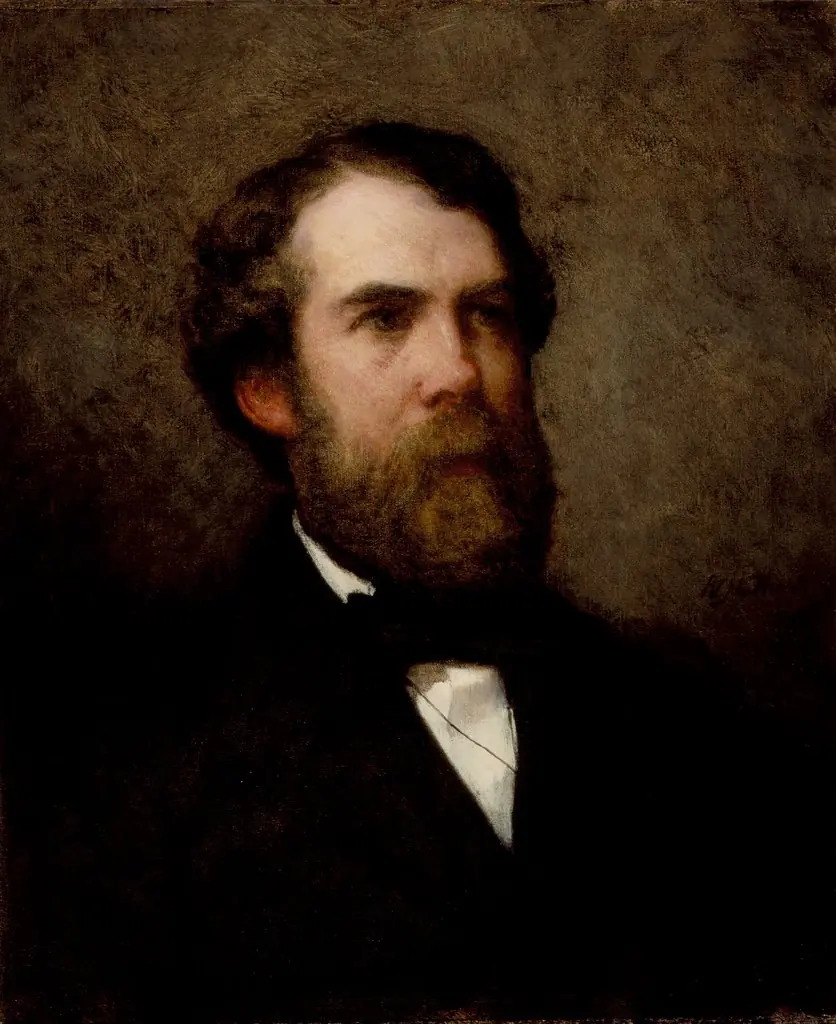 Portrait of Edward Wheelwright
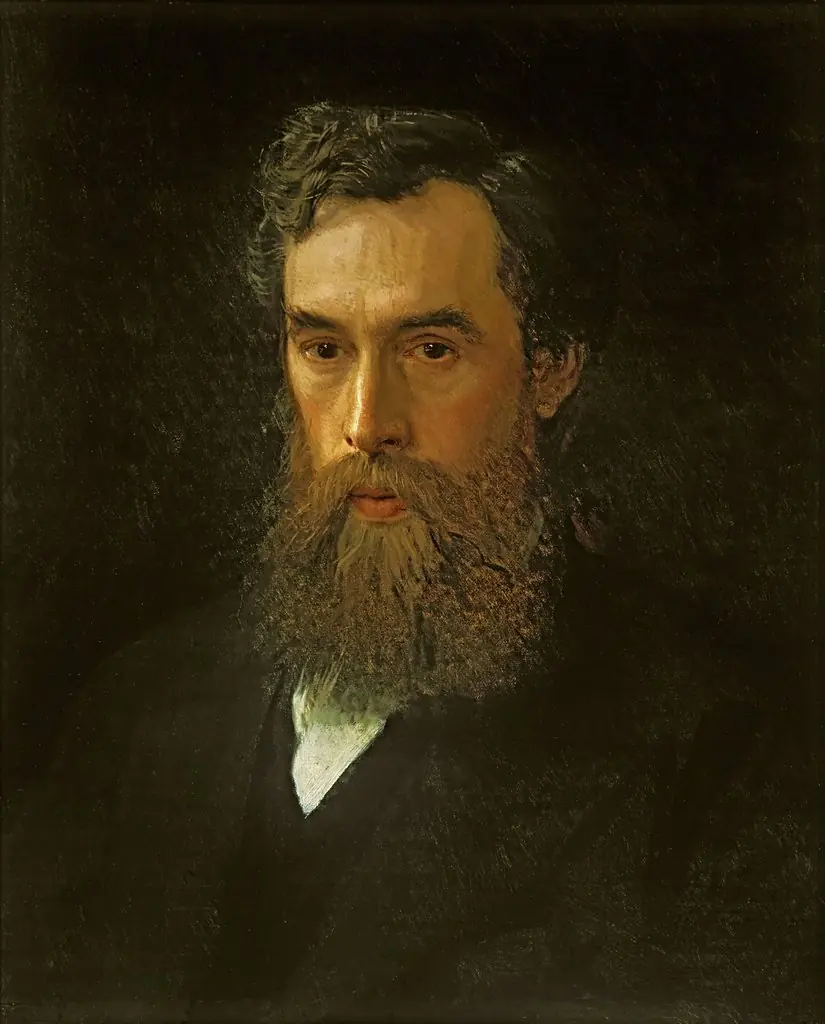 Portrait of Pavel Tretyakov
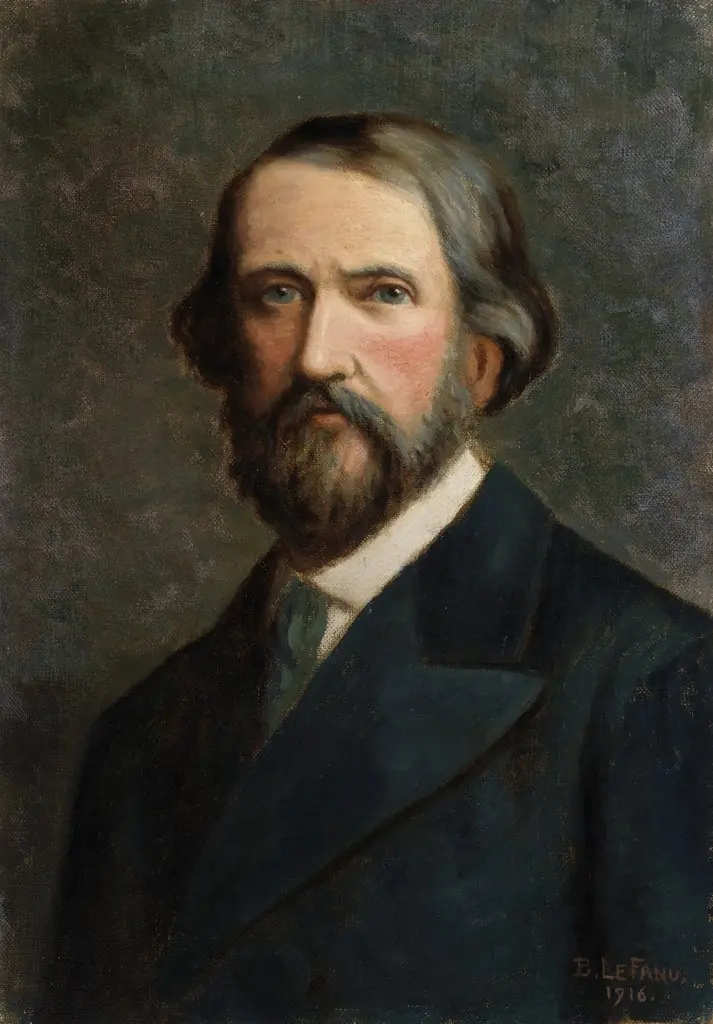 Joseph Sheridan Le Fanu
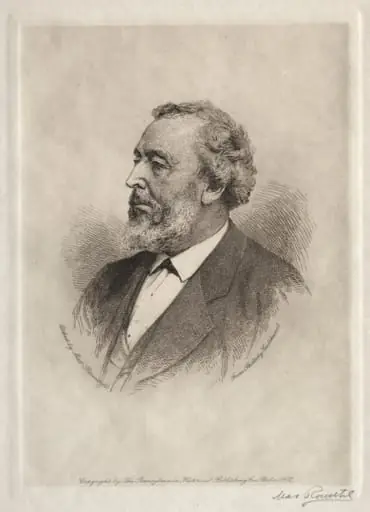 Bayard Taylor
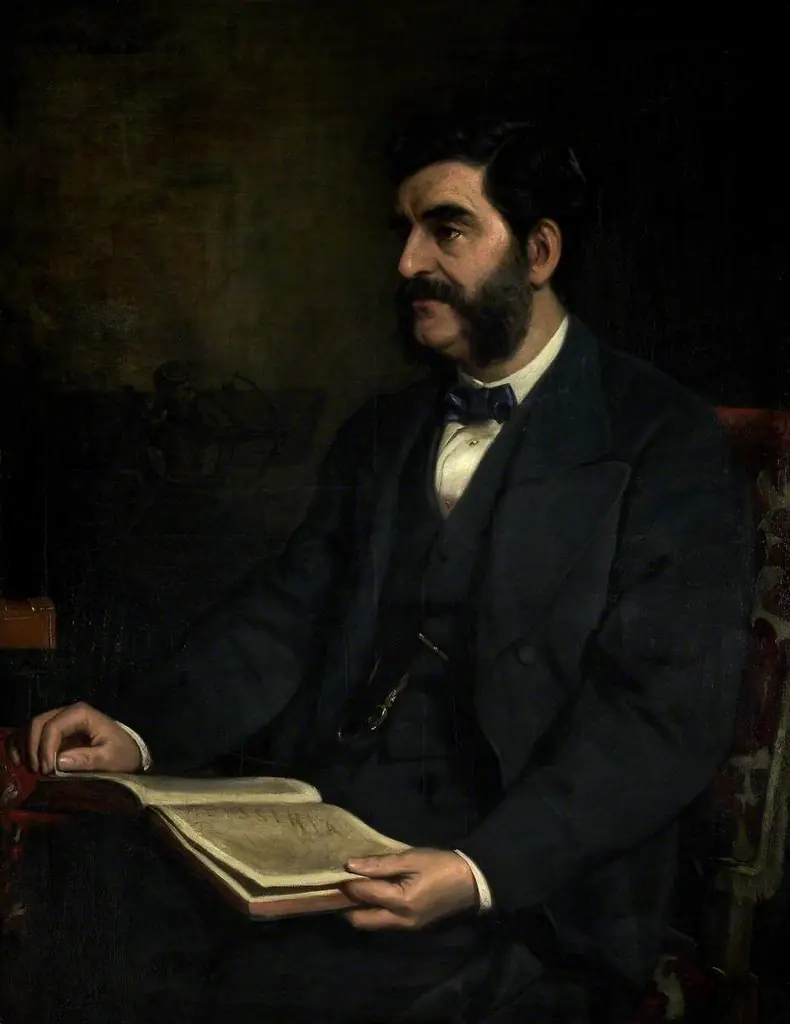 Hormuzd Rassam (1826–1910)
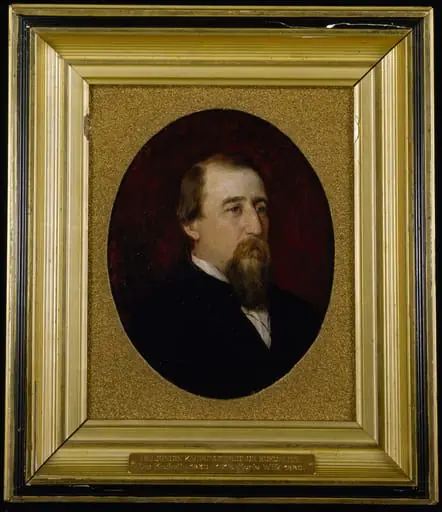 Leo Mechelin (1839-1914)
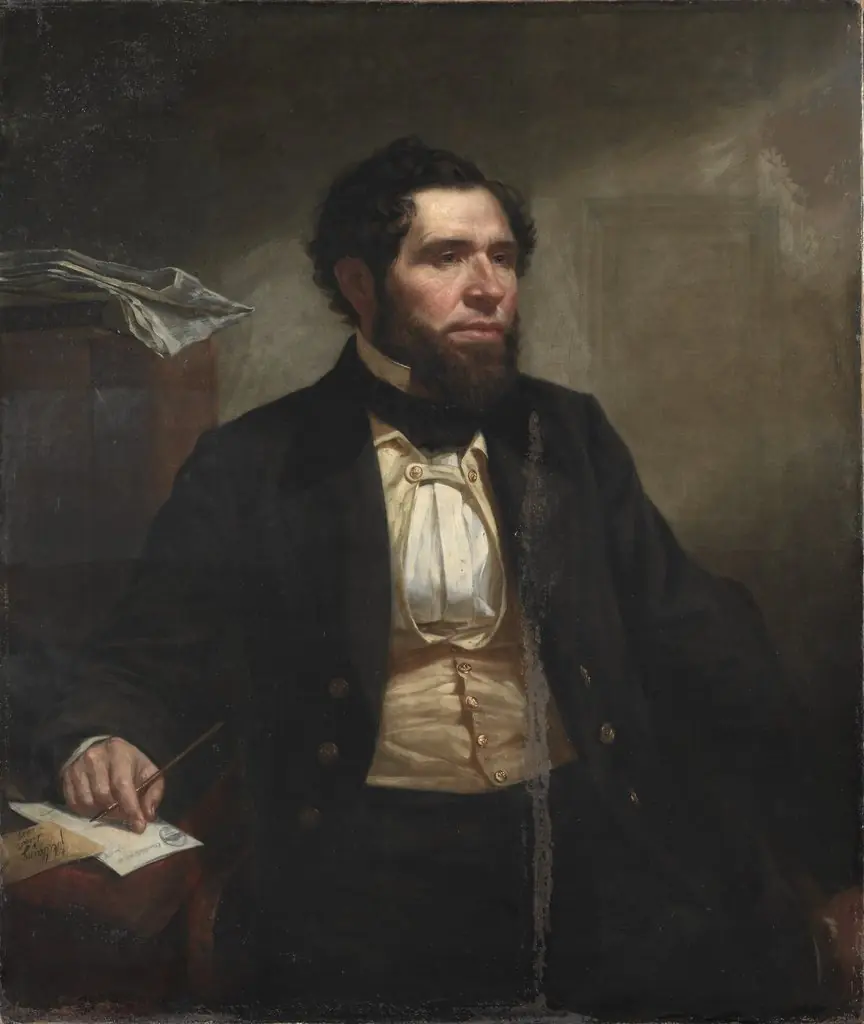 Frederic W. Lincoln, Jr.
 Frederic W. Lincoln, Jr.
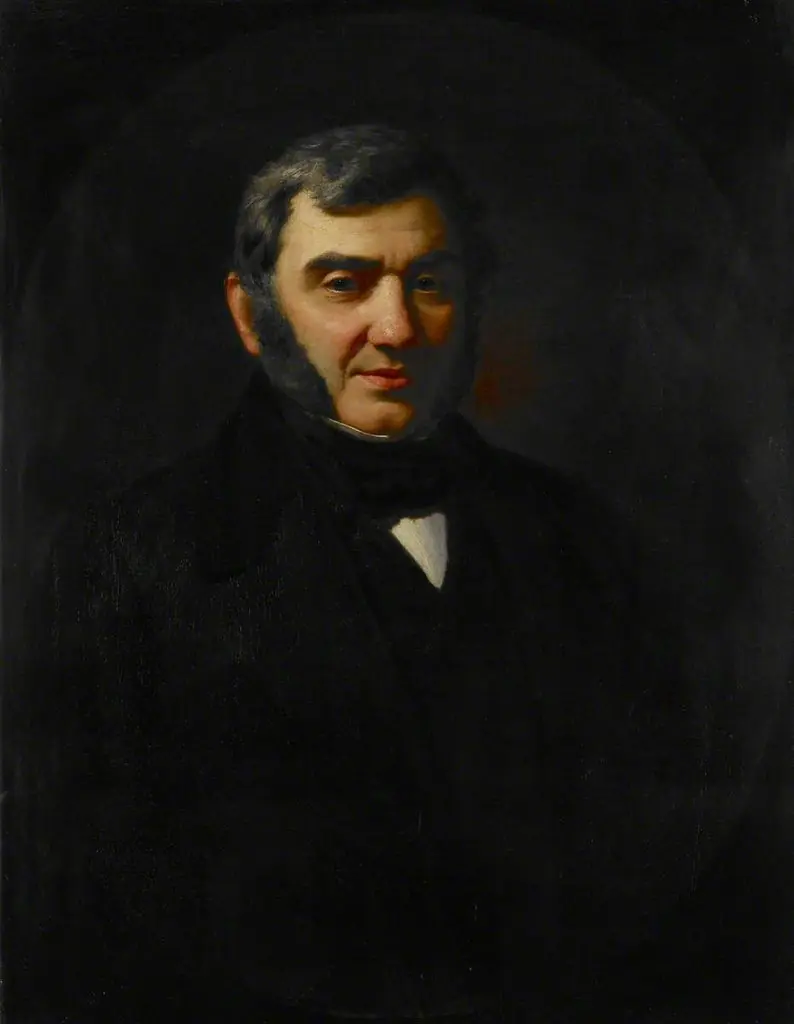 Sir Anthony Panizzi (1797–1879), Principal Librarian (1856–1866)
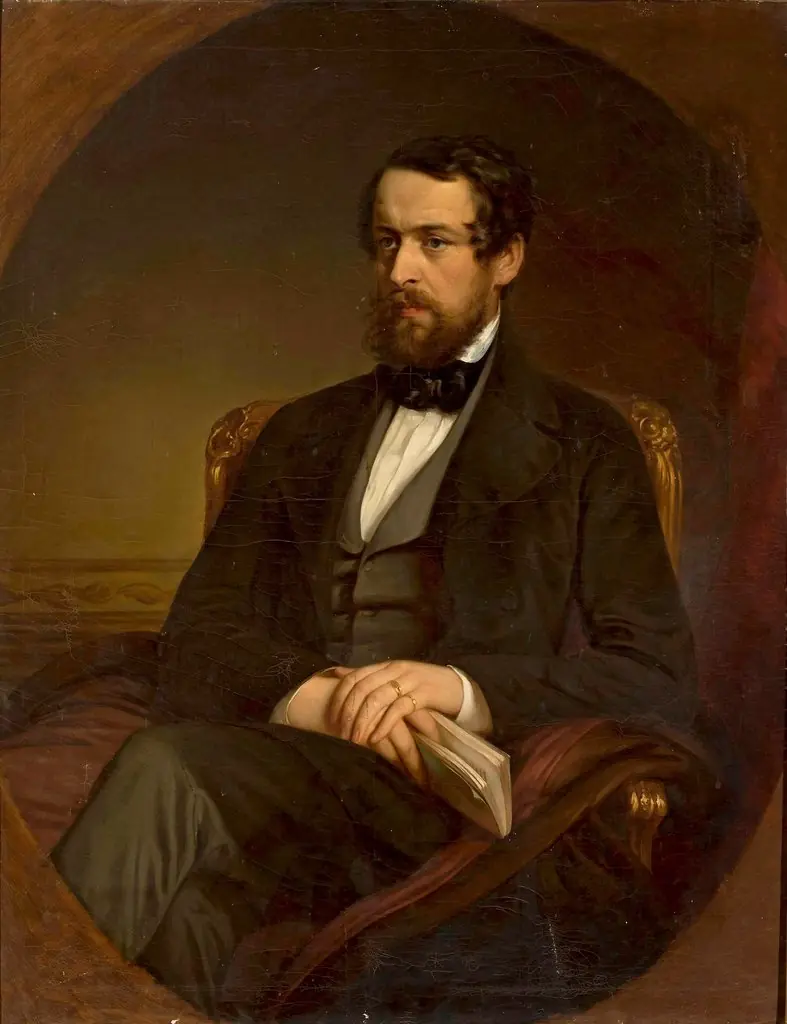 Portrait of Zdzisław Zamoyski
 David Duncan