Artwork
David and Goliath
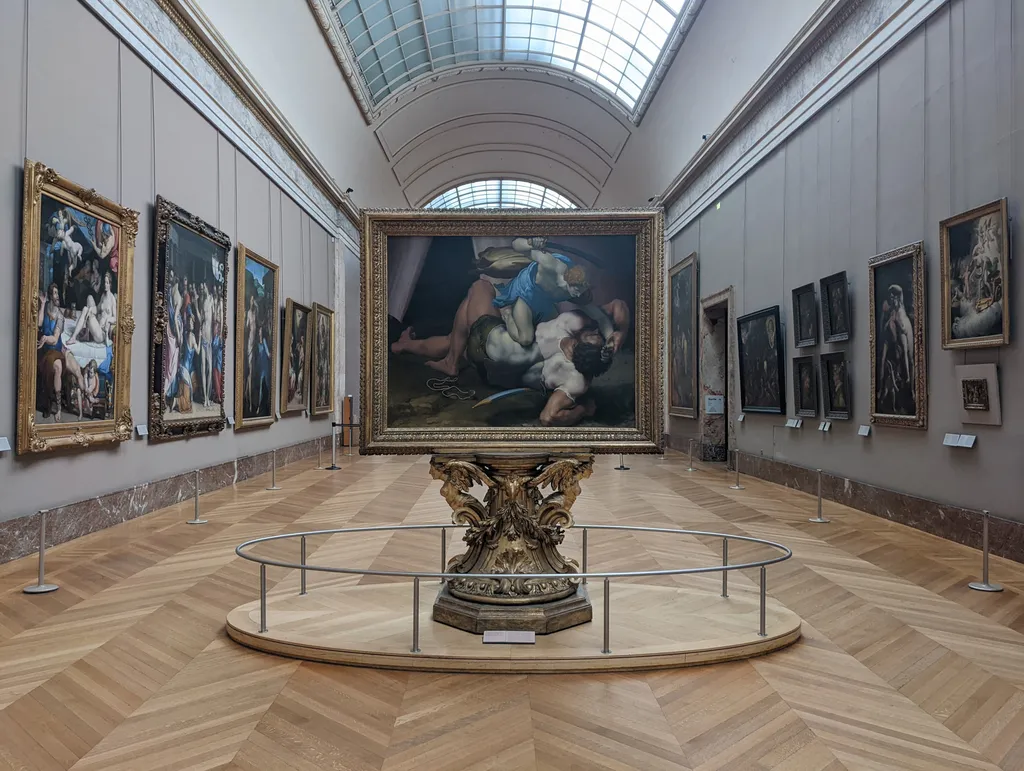
David and Goliath is an oil painting by the Mannerist artist Daniele da Volterra. It dates from 1552 and is held in the collection of the Palace of Versailles.
About this work
Subject & Meaning
The scene’s spare, dark background focuses attention on the two figures and their confrontation, underscoring the triumph of youthful faith over brute force.
The painting depicts the biblical episode from the First Book of Samuel in which David slays the giant Goliath. On both sides of the slate panel, the same moment is shown: David stands over Goliath, who lies prostrate on the ground, and David raises a scimitar to complete the killing. The double-sided format emphasizes the immediacy of the act and invites comparison with sculpture, reflecting a contemporary debate on the primacy of painting versus sculpture.
The scene’s spare, dark background focuses attention on the two figures and their confrontation, underscoring the triumph of youthful faith over brute force.
Technique & Style
This double-sided work is executed in oil paint on a large, flat slate support. The artist selected this unusual stone surface to engage with contemporary debates regarding the superiority of painting versus sculpture, effectively allowing the two-dimensional image to rival three-dimensional forms through its reversibility. Preparation for the complex composition involved the creation of a clay maquette.
During the painting process, the slate slab fractured but was subsequently repaired using two tenons that remain barely visible today. Stylistically, the work employs warm tones to model volumetric forms, creating a sharp contrast against a dark background that enhances the figures' relief. Although both faces depict the same biblical moment, they are slightly out of phase; the positioning of the fallen giant and the expression of the victor shift subtly between sides to suggest the approaching finality of the execution.
History & Provenance
Daniele da Volterra painted this double-sided oil on slate work around 1555, though one source cites 1552, as a commission from Giovanni della Casa, Archbishop of Benevento. The artist utilized a composition derived from a drawing by his teacher, Michelangelo, and prepared the piece with a clay maquette. A large, flat slate support was selected, which had already fractured and required repair with barely visible tenons before painting commenced.
Following della Casa's death, the work passed to his nephew, Annibale Rucellai, and subsequently to Monsignor Montalto and Monsignor Giudice. On July 31, 1715, the Spanish ambassador Prince of Cellamare presented the painting to Louis XIV at Marly, mistakenly attributing it to Michelangelo. It remained at Versailles throughout the eighteenth century before entering the Louvre in 1811.
The piece was later moved to Fontainebleau in 1939, where it suffered rain damage from a storm-broken ceiling, leading to a restoration in 2007.
Daniele da Volterra's double-sided painting David and Goliath is held in the Department of Paintings at the Louvre Museum in Paris. The work, executed on slate, was previously part of the royal collection at the Palace of Versailles, where it remained throughout the 18th century. It was offered to Louis XIV on July 31, 1715, by the Spanish ambassador as a work by Michelangelo.
The painting was first exhibited at the Louvre in 1811 in the Galerie d'Apollon (catalog number 109). It was later moved to the Château de Fontainebleau in 1939 for storage. In the modern era, it was featured in the exhibition Le Seizième siècle Européen, Peintures et dessins dans les collections publiques françaises (catalog number 110). The piece was notably restored in 2007 following water damage sustained at Fontainebleau.
Legacy
The work quickly achieved success, yet the identity of its creator, Daniele da Volterra, eventually fell into obscurity. For over a century, the painting was mistakenly attributed to Michelangelo, a misconception that persisted when it was presented to Louis XIV in 1715 as a work by the master. This double-sided oil on slate was conceived as a contribution to the contemporary artistic debate regarding the supremacy of painting versus sculpture, with its unique format allowing it to rival three-dimensional statuary.
Scholars recognize the piece as exceptional for depicting the same scene on both sides of a single slate panel, a feat unmatched in scale and execution. The painting's legacy includes its restoration in 2007 following water damage incurred during a storm at the Château de Fontainebleau.
Overview
Created around 1555, this double‑sided work by the Italian Mannerist Daniele da Volterra is executed in oil on slate. Both faces of the slab depict the same biblical episode, with the composition centered on the moment when the youthful David stands triumphantly over the fallen giant Goliath. The piece is part of the Louvre’s collection in Paris.
Context
The painting reflects the Mannerist fascination with dramatic tension and exaggerated poses, moving away from the balanced compositions of the High Renaissance. Its subject, popular among Counter‑Reformation patrons, allowed the artist to explore moralizing content while showcasing virtuoso handling of light, shadow, and anatomical detail.
Own this work as a print
Artist & collection
Artist
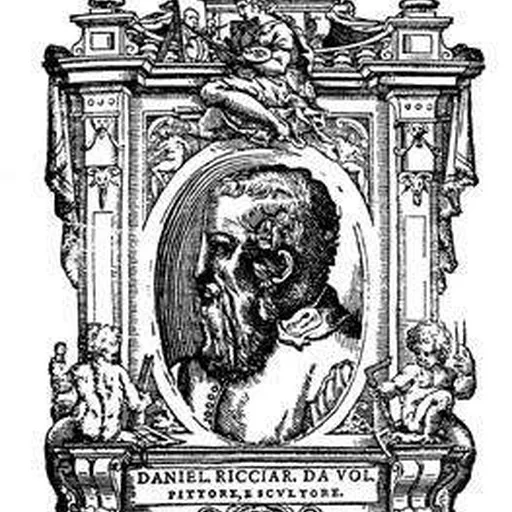
Daniele Ricciarelli (Italian:; c. 1509 – 4 April 1566), better known as Daniele da Volterra (, Italian: ), was a Mannerist Italian painter and sculptor. He is best remembered for his association with Michelangelo.…

- Tryptich of the soapmaker Jan van der Biest
 Interior of the Museum of the Academy
 The Entombment
 The Tribuna of the Uffizi
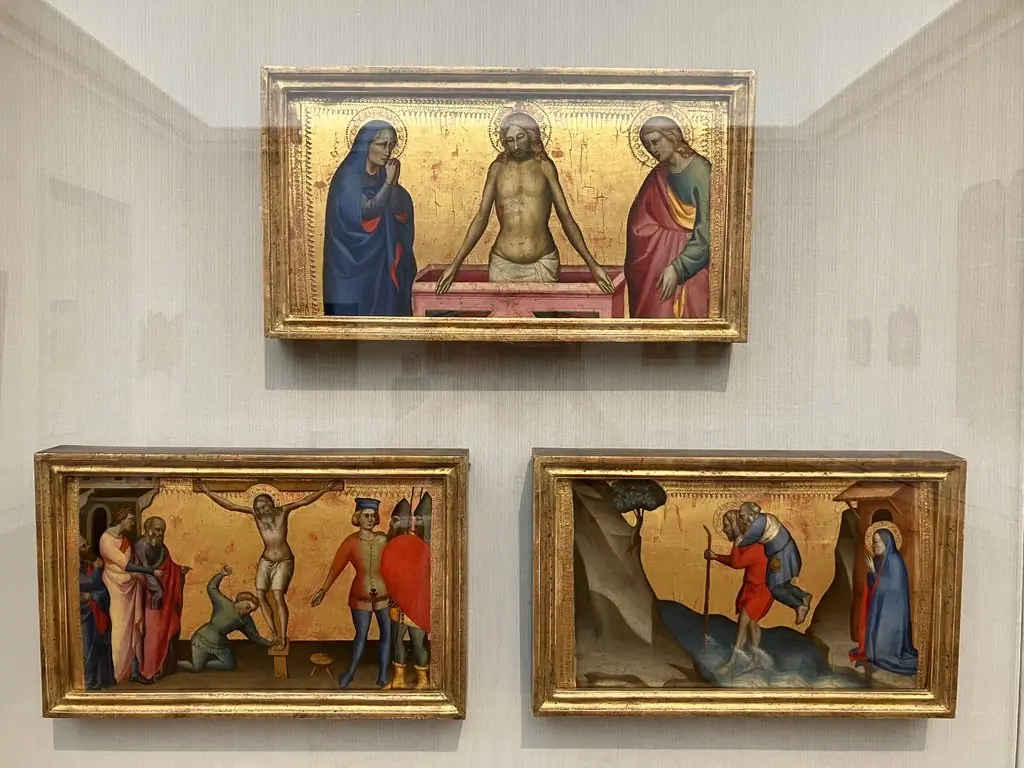 Three parts of a predella
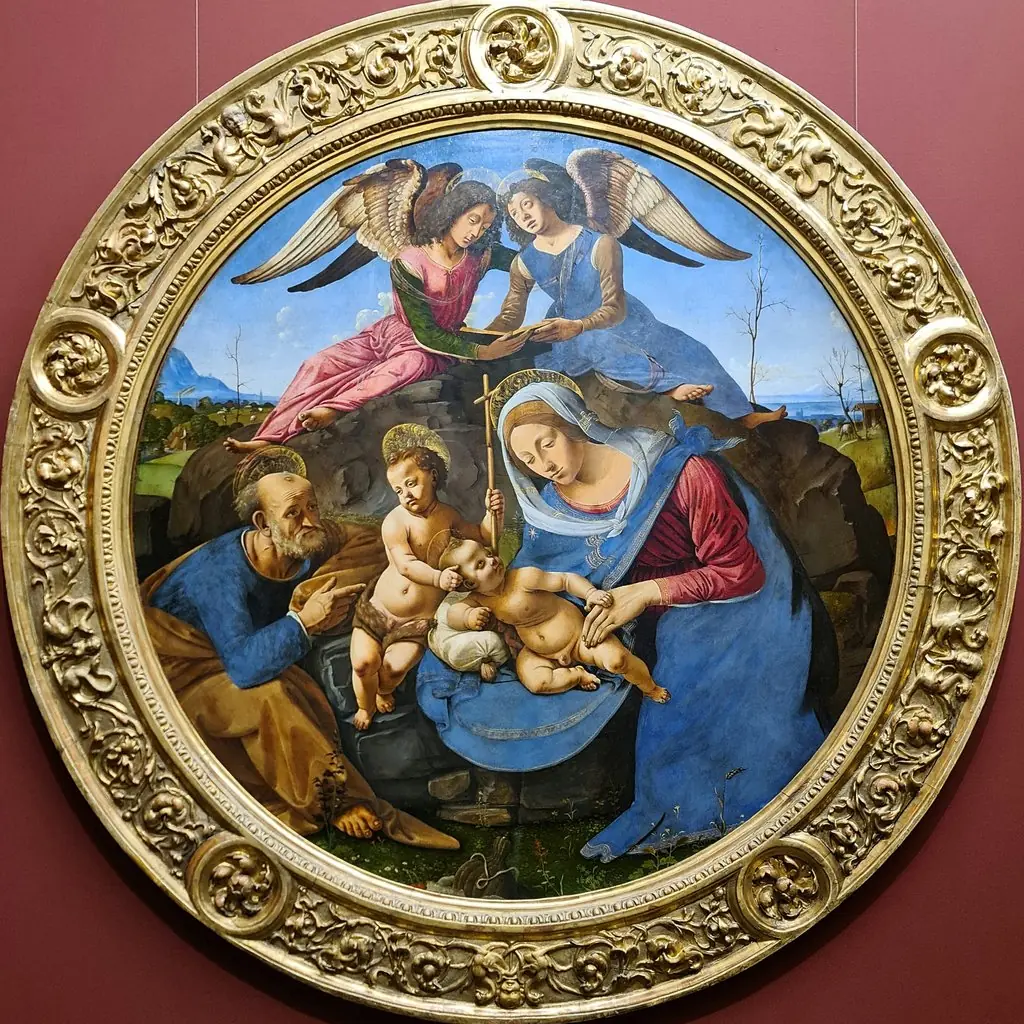 Holy Family
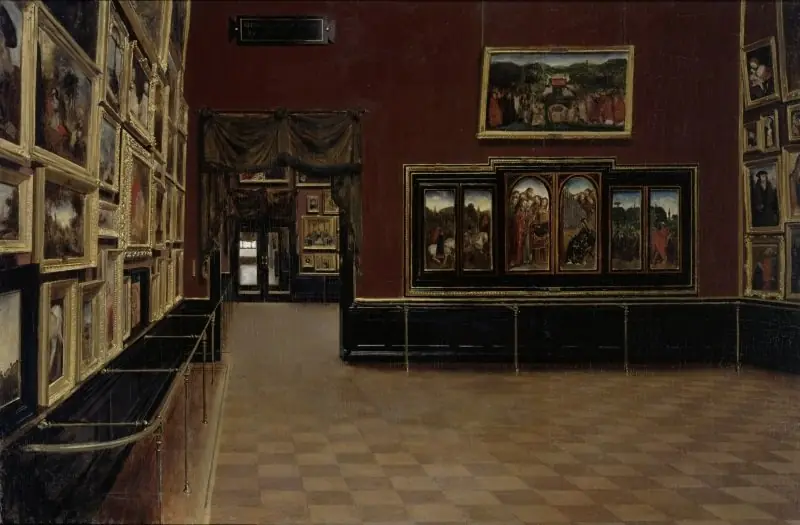 Die Alte Gemäldegalerie im Schinkel Museum
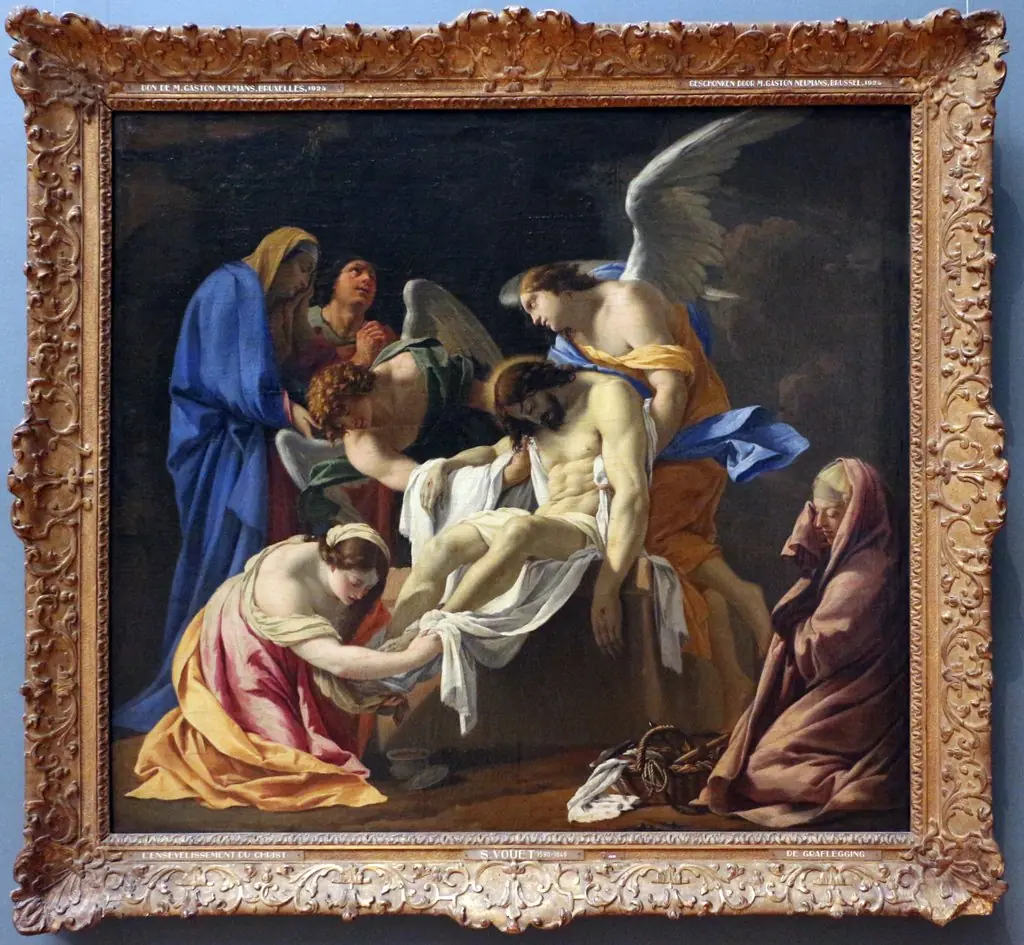 The entombment
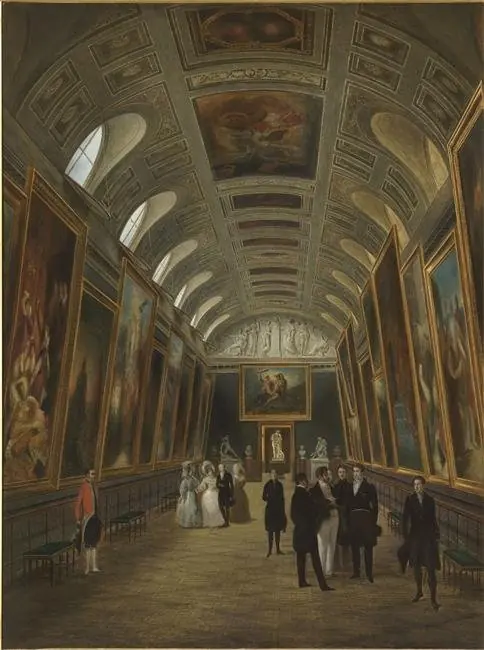 Louis-Philippe visiting the Luxembourg Museum
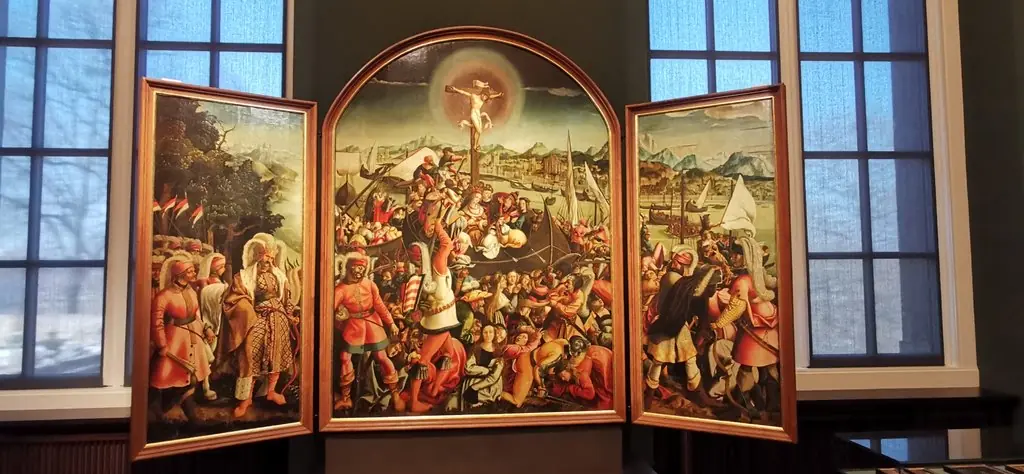 Breu, Jörg
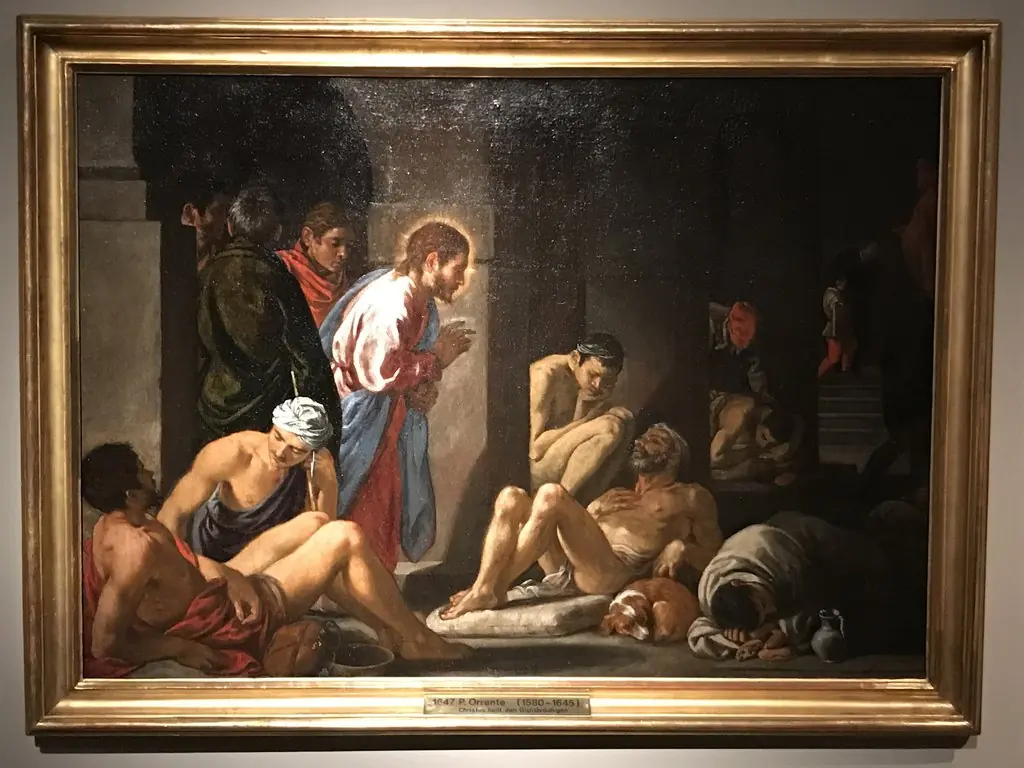 Christ Healing the Sick at the Pool of Bethesda
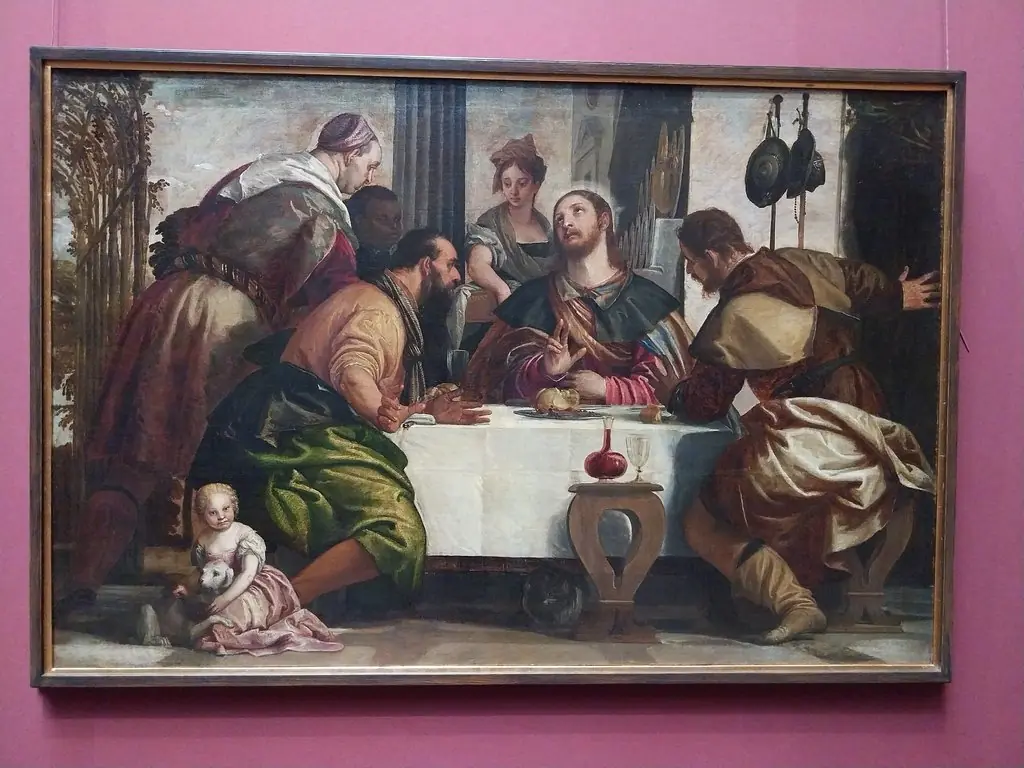 Christus mit den Jüngern in Emmaus