Artwork
Portrait of a Gentleman
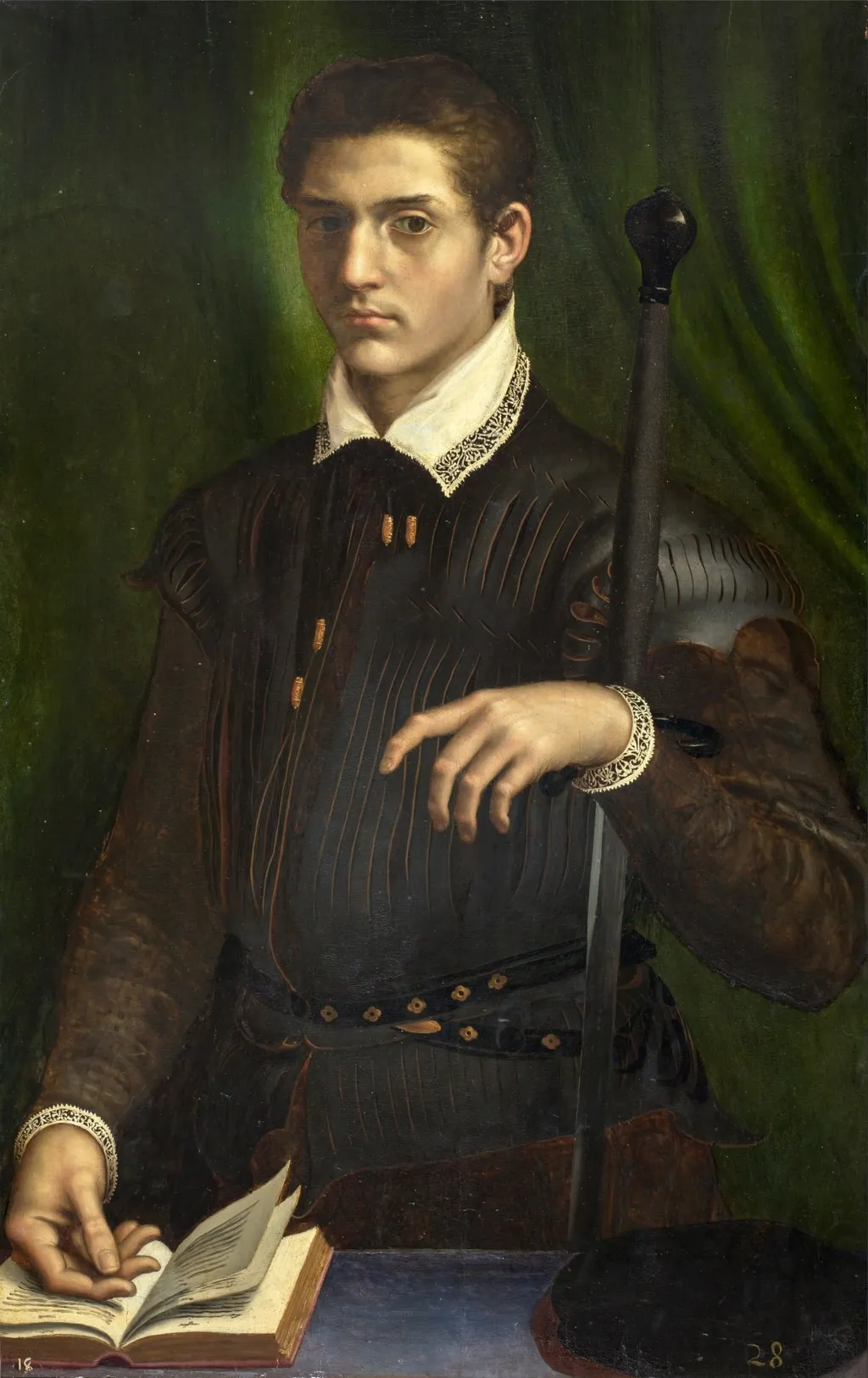
Portrait of a Gentleman is an unspecified painting by the Mannerist artist Daniele da Volterra. It dates from 1550 and is held in the collection of the Museo del Prado.
About this work
Technique & Style
The composition directs attention to the face, which is softly illuminated to accentuate individual features and psychological presence.
The painting is executed in oil on canvas, measuring 101 cm in height and 64 cm in width. The handling combines smooth transitions in the flesh tones with more deliberate, linear brushwork in the costume and accessories, particularly evident in the precise rendering of the ruff collar and the metallic sheen of the dagger.
Stylistically, the work adheres to mid-16th-century Roman portrait conventions, emphasizing a restrained, dignified presentation of the sitter through controlled modeling and a muted palette. The composition directs attention to the face, which is softly illuminated to accentuate individual features and psychological presence. The background remains neutral, ensuring the figure dominates the pictorial field.
History & Provenance
The Portrait of a Gentleman is a painting executed by Daniele da Volterra in 1550. The work depicts a man and includes a weapon as a main subject. Historical records indicate that the painting was once owned by Philip V of Spain before passing to Charles III of Spain. It is currently held in the collection of the Museo del Prado.
Portrait of a Gentleman, painted by Daniele da Volterra in 1550, is housed in the Museo del Prado in Madrid, Spain. It entered the collection through inheritance from Charles III of Spain and later Philip V of Spain. The work has been part of the museum's permanent display since its acquisition, contributing to the institution's holdings of Renaissance portraiture.
Context
The work is generally attributed to Daniele da Volterra, a pupil of Michelangelo whose career was defined by his close association with the master and his role in preserving Michelangelo's legacy. Executed circa 1550, the painting exemplifies the late Renaissance portrait tradition, blending classical dignity with emerging Mannerist sensibilities. Its presence in the Spanish royal collection, documented through successive monarchs, reflects the diplomatic and artistic exchanges between Italy and Spain in the 16th century.
The portrait's composition and execution have been analyzed as indicative of Volterra's transition from sculptural training under Michelangelo to his independent work in painting, situating it within broader discussions of artistic influence and patronage during the Counter-Reformation era.
Overview
Portrait of a Gentleman, created circa 1550 by Italian Mannerist artist Daniele da Volterra, is a portrait painting housed in the Museo del Prado. The work showcases a man in a distinctive attire, holding an open book and a sword against a somber, dark green background.
Subject & Meaning
The subject, a gentleman, is portrayed with a serious demeanor, conveying a sense of gravity. His attire combines practical and ornate elements, such as a striped shirt with metal buttons and fancy cuffs, suggesting a balance between functionality and status. The juxtaposition of an open book (symbolizing intellect or spirituality) and a sword (embodying power or defense) may imply a multifaceted personality or the Renaissance ideal of a well-rounded individual.
Legacy
While Portrait of a Gentleman may not be as widely recognized as Daniele da Volterra's modifications to The Last Judgment, it contributes to the artist's reputation for nuanced, emotionally charged portraits. The painting's exploration of light, shadow, and the juxtaposition of symbols (book and sword) showcases Mannerist innovations that influenced subsequent artistic movements.
Artist & collection
Artist
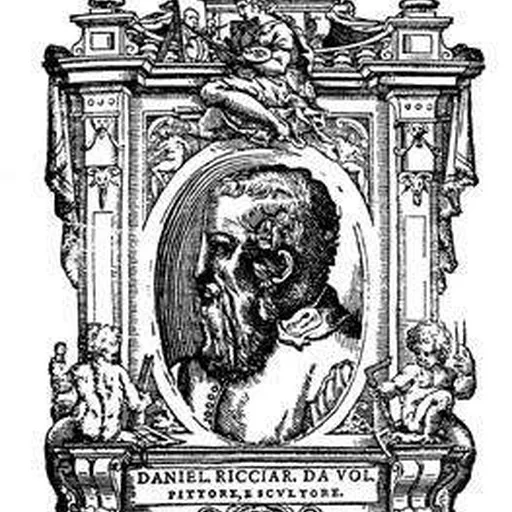
Daniele Ricciarelli (Italian:; c. 1509 – 4 April 1566), better known as Daniele da Volterra (, Italian: ), was a Mannerist Italian painter and sculptor. He is best remembered for his association with Michelangelo.…

- Portrait of Alessandro de' Medici
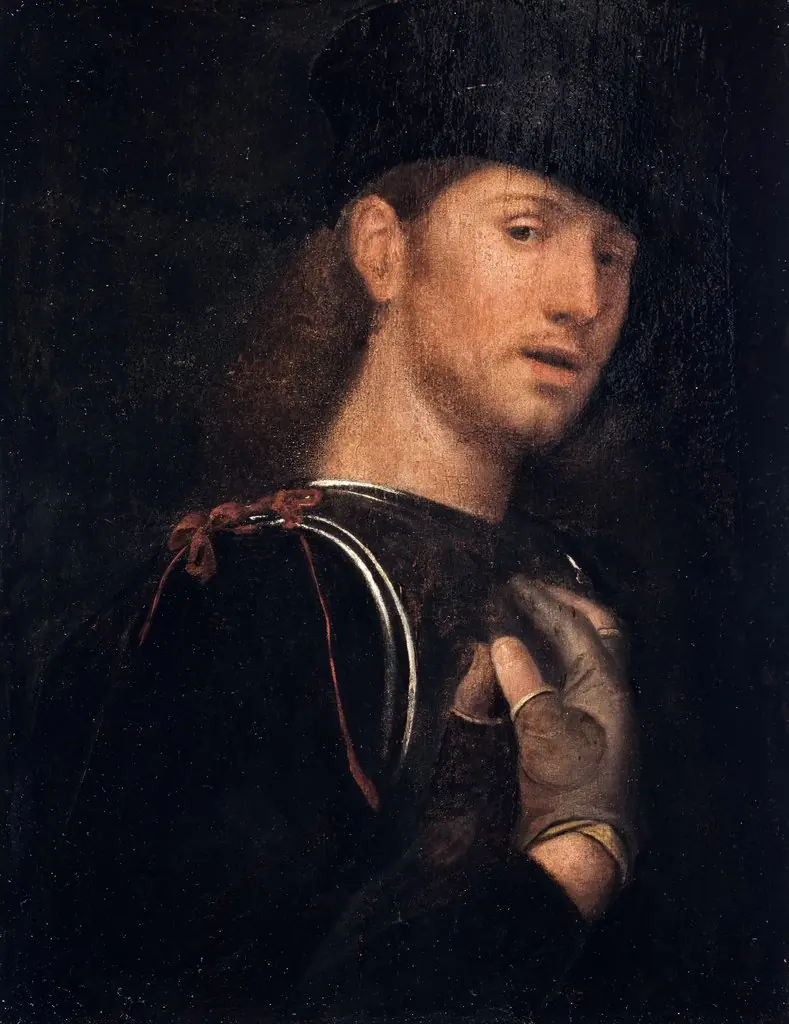 Portrait of An Archer
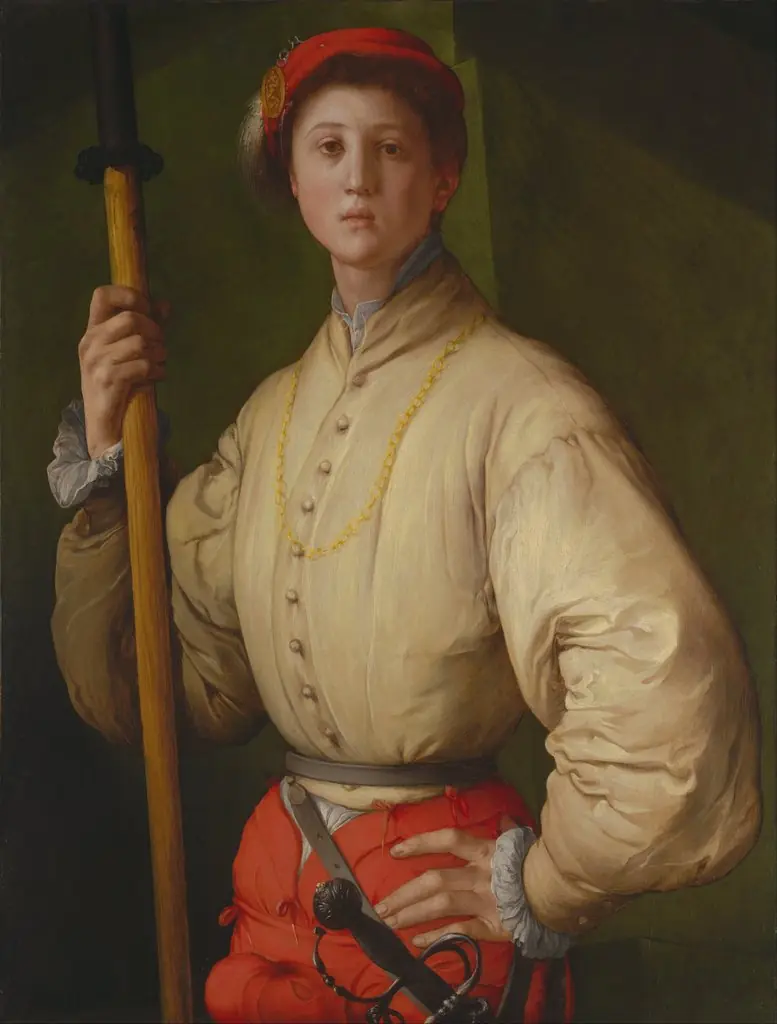 Portrait of a Halberdier, Francesco Guardi?
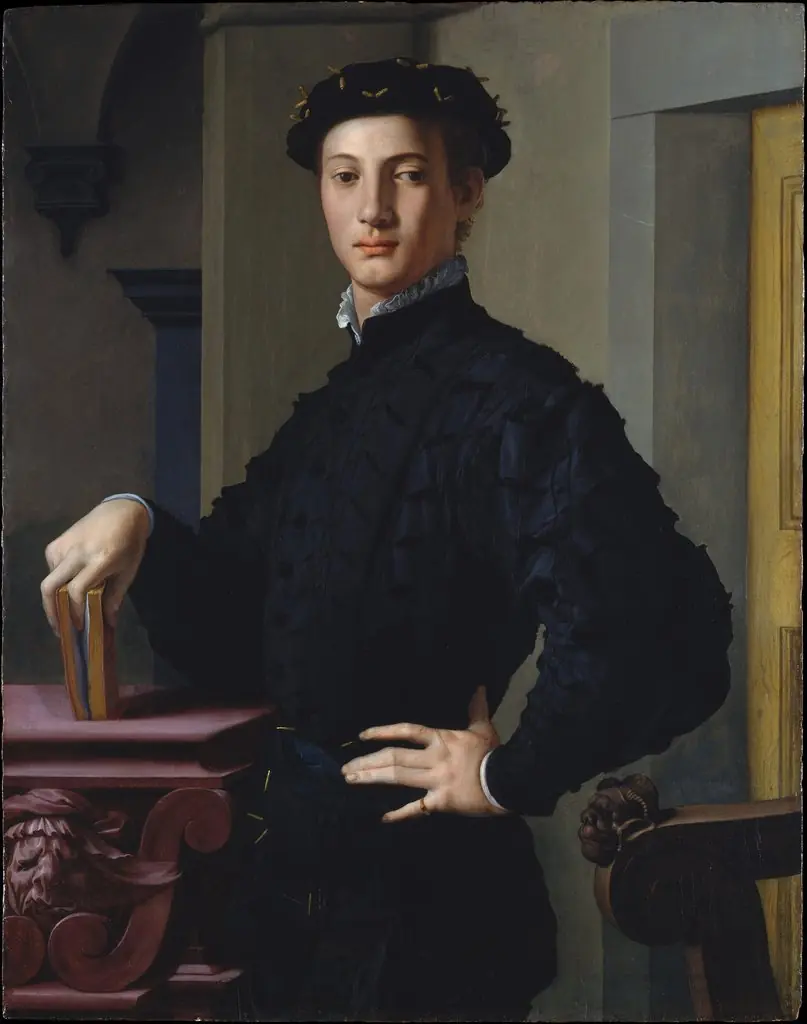 Portrait of a Young Man with a Book
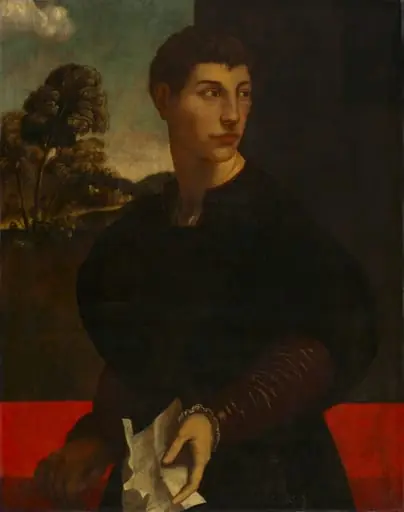 Portrait of a Young Man
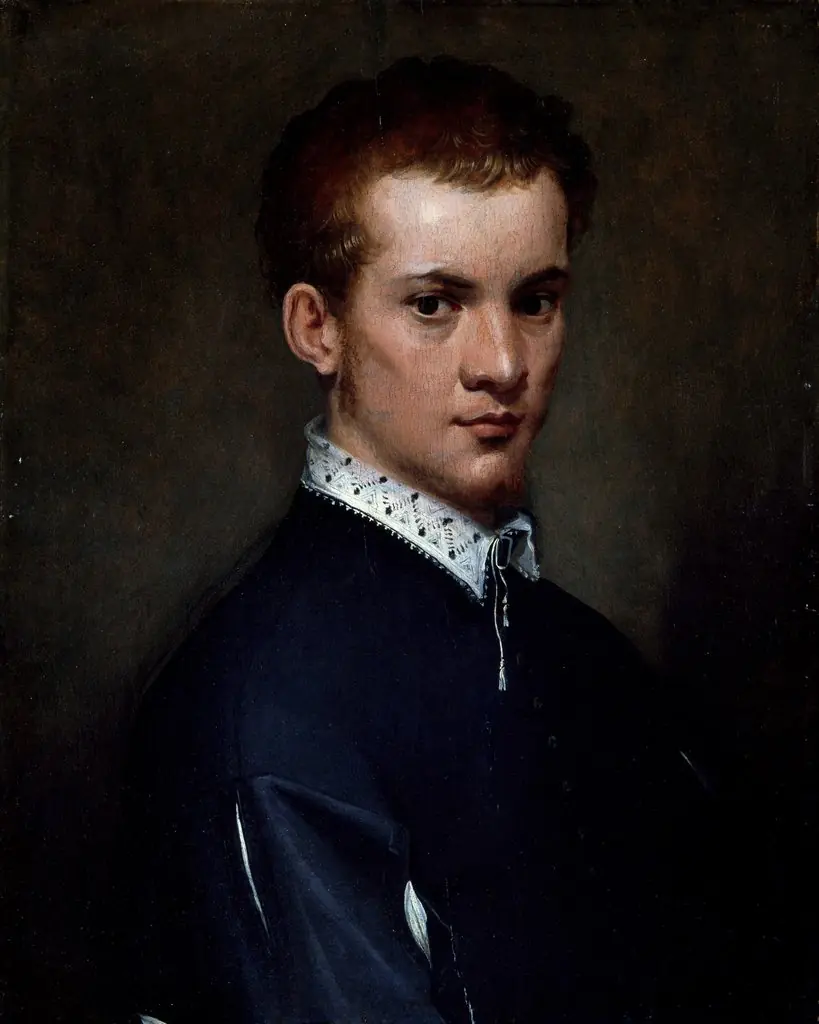 Portrait of a Young Man
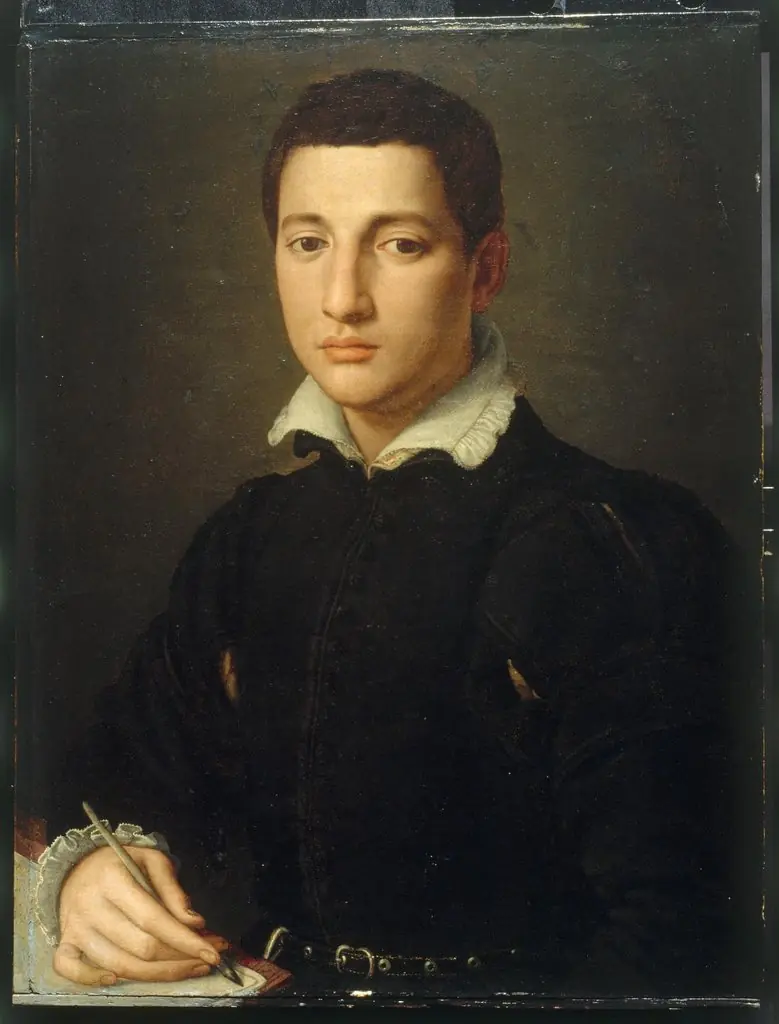 Portrait of a Young Man Writing
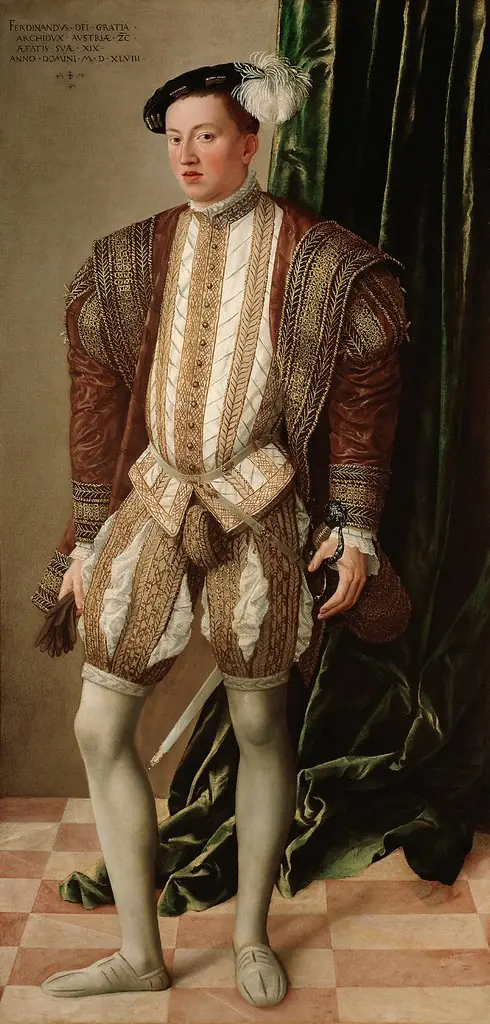 Erzherzog Ferdinand von Tirol (1529-1595)
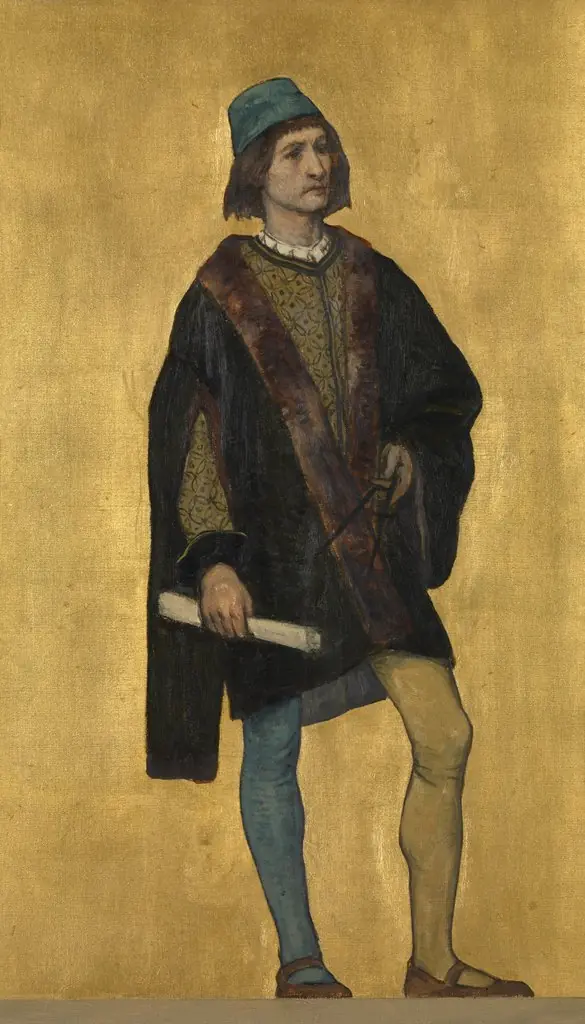 The Architect Jan van de Poele
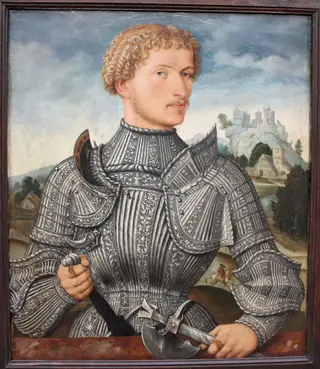 Portrait of sir Rehlinger
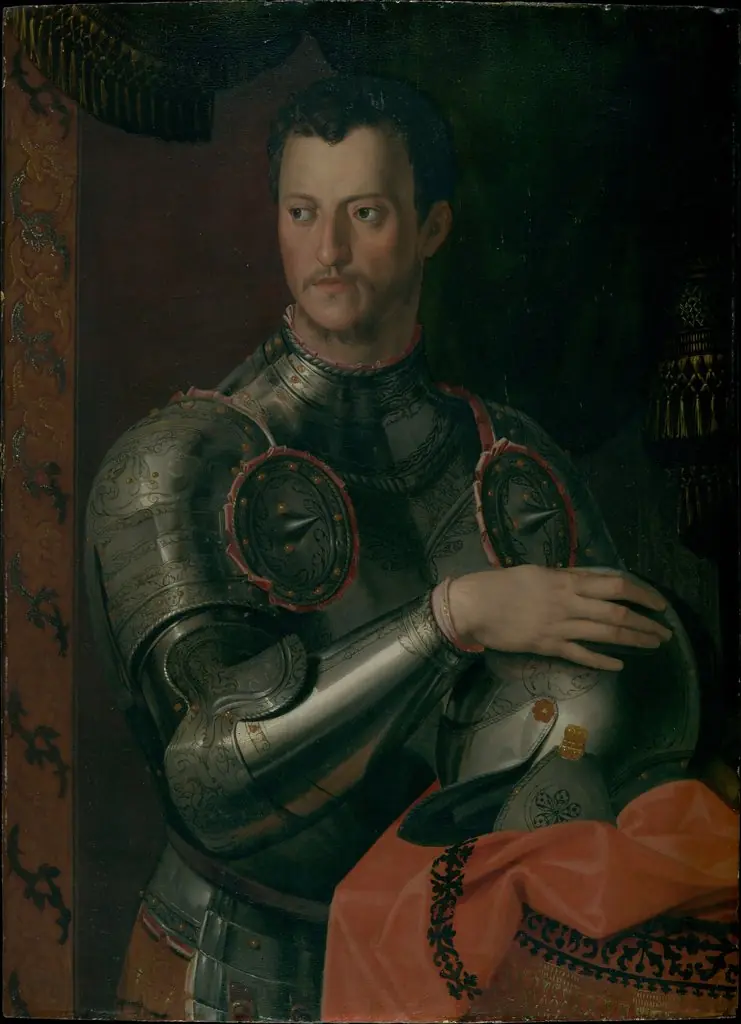 Cosimo I de' Medici (1519–1574)
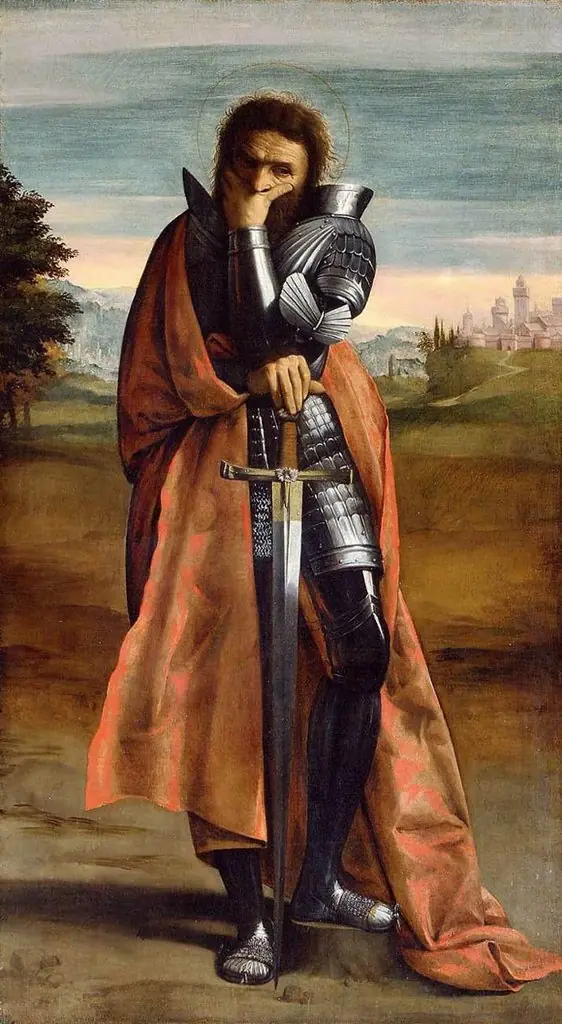 Saint Demetrius