Artwork
Michelangelo Buonarroti
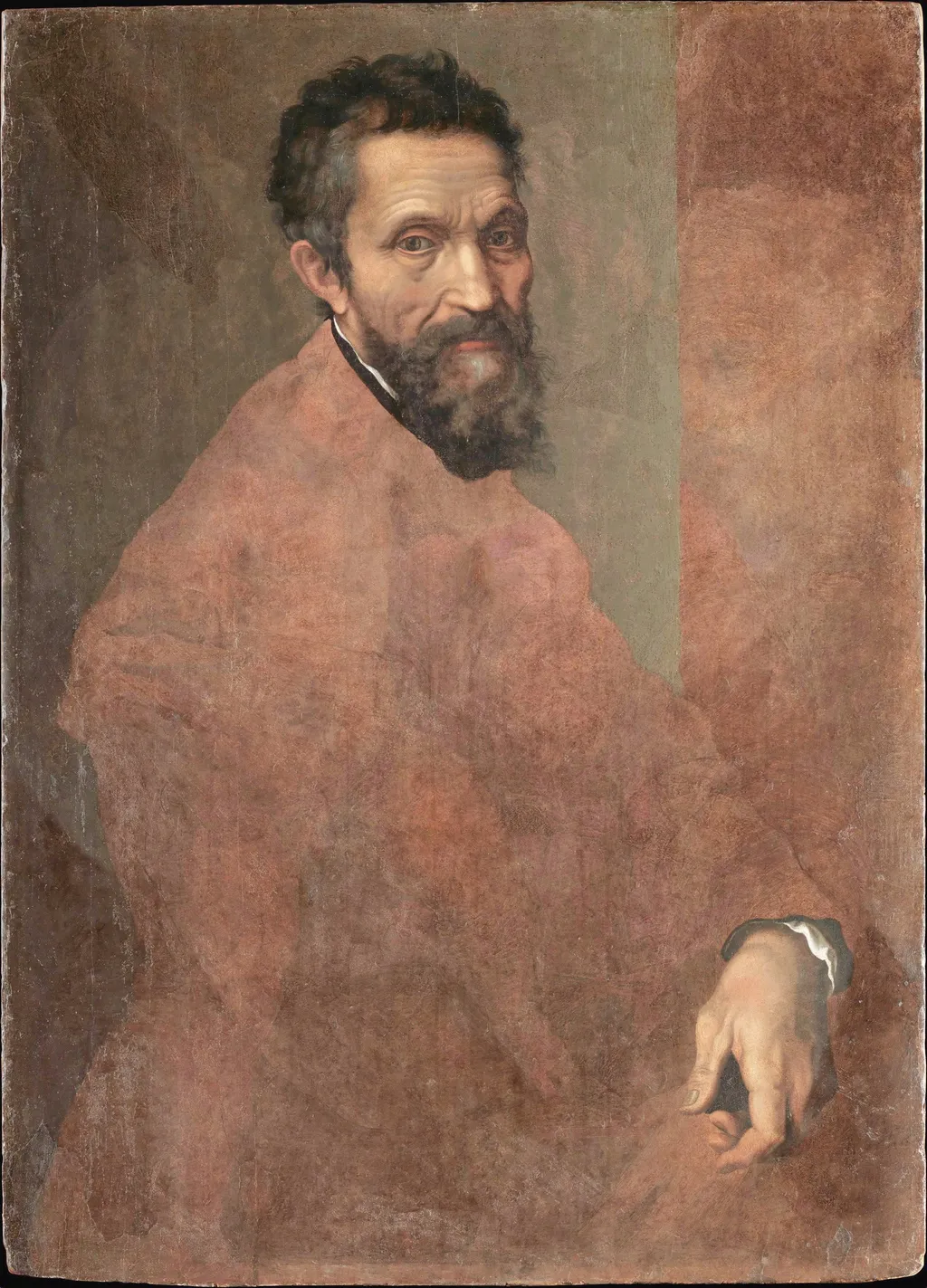
Michelangelo Buonarroti is an oil painting by the Mannerist artist Daniele da Volterra. It dates from 1545 and is held in the collection of the Metropolitan Museum of Art.
About this work
Subject & Meaning
As a direct representation of the creator, the image serves to document the appearance of the renowned High Renaissance master during the mid-sixteenth century.
The work is a portrait that depicts the artist Michelangelo Buonarroti as its primary subject. Created in 1545 by Daniele da Volterra, the painting presents Michelangelo as a man and an artist, focusing on his physical likeness rather than a narrative scene or allegorical symbolism. As a direct representation of the creator, the image serves to document the appearance of the renowned High Renaissance master during the mid-sixteenth century.
Technique & Style
This portrait of Michelangelo Buonarroti, completed in 1545, is executed in oil paint on a panel support. The work depicts the artist as a man and is classified within the portrait genre. Standing 88.3 cm in height and 64.1 cm in width, the painting presents a formal representation of the subject.
The medium and support combination reflects standard practices for mid-16th-century portraiture, utilizing oil pigments applied to a rigid wooden panel to ensure durability and detail.
History & Provenance
The portrait of Michelangelo was executed by Daniele da Volterra in 1545. It is an oil painting on panel measuring 88.3 cm in height and 64.1 cm in width. The work depicts the artist as a middle‑aged man and was classified as a portrait.
Since its creation it has been part of the collection of the Metropolitan Museum of Art in New York, where it remains on public display. The painting’s inception is recorded as the year 1545, and its physical dimensions correspond to the values noted in the museum’s catalogue.
The painting is held by the Metropolitan Museum of Art, which is identified as both its collection and its location. According to the available records, it belongs to the museum's holdings without a specific accession number being cited in the sources. No exhibition history is documented in the provided material.
The work was created in 1545 by Daniele da Volterra, a pupil and close associate of Michelangelo, and entered the Metropolitan Museum of Art's collection as a portrait of the sitter.
Overview
This painting, created by Daniele da Volterra in 1545, depicts the renowned artist Michelangelo Buonarroti. Executed in oil paint, the work captures the elder artist with a solemn demeanor, reflecting the artistic currents of the mid-16th century. It is currently housed in the collection of The Metropolitan Museum of Art.
Context
Daniele da Volterra, a prominent Mannerist painter, maintained a significant personal and professional relationship with Michelangelo. This close association likely afforded Volterra a unique insight into his subject, enabling him to capture a nuanced portrayal of the celebrated sculptor and painter during his later years. The work stands as a testament to their connection.
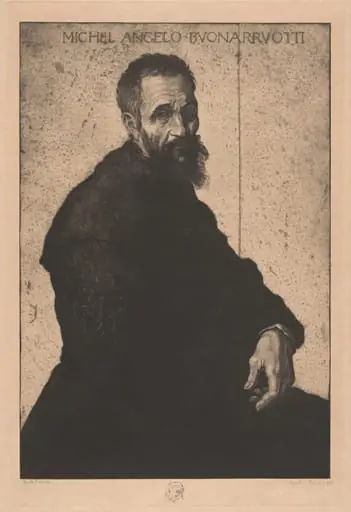
Own this work as a print
Artist & collection
Artist
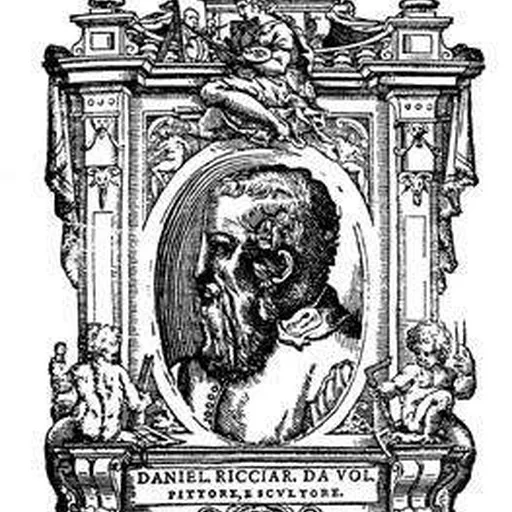
Daniele Ricciarelli (Italian:; c. 1509 – 4 April 1566), better known as Daniele da Volterra (, Italian: ), was a Mannerist Italian painter and sculptor. He is best remembered for his association with Michelangelo.…

 Portrait of Alvise Contarini (?)
 Portrait of a Prelate
 Man Holding a Flute
 Daniele Barbaro, Patriarch of Aquileia
 Portrait of a seated Old Man
 Bildnis eines alten Mannes, an einem Tisch sitzend
 Portrait of a man in Brescia
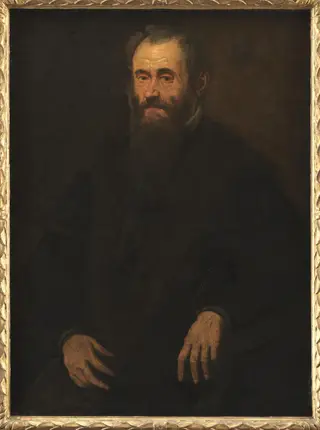 Portrait of a Man
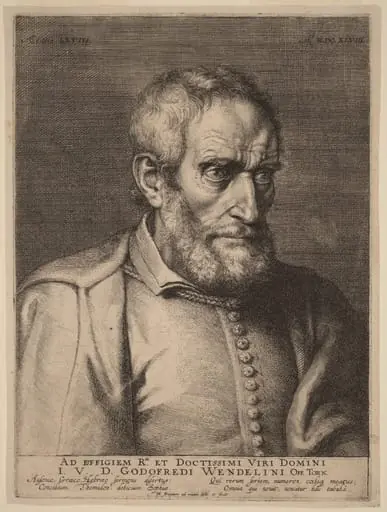 Godefroy Wendelin
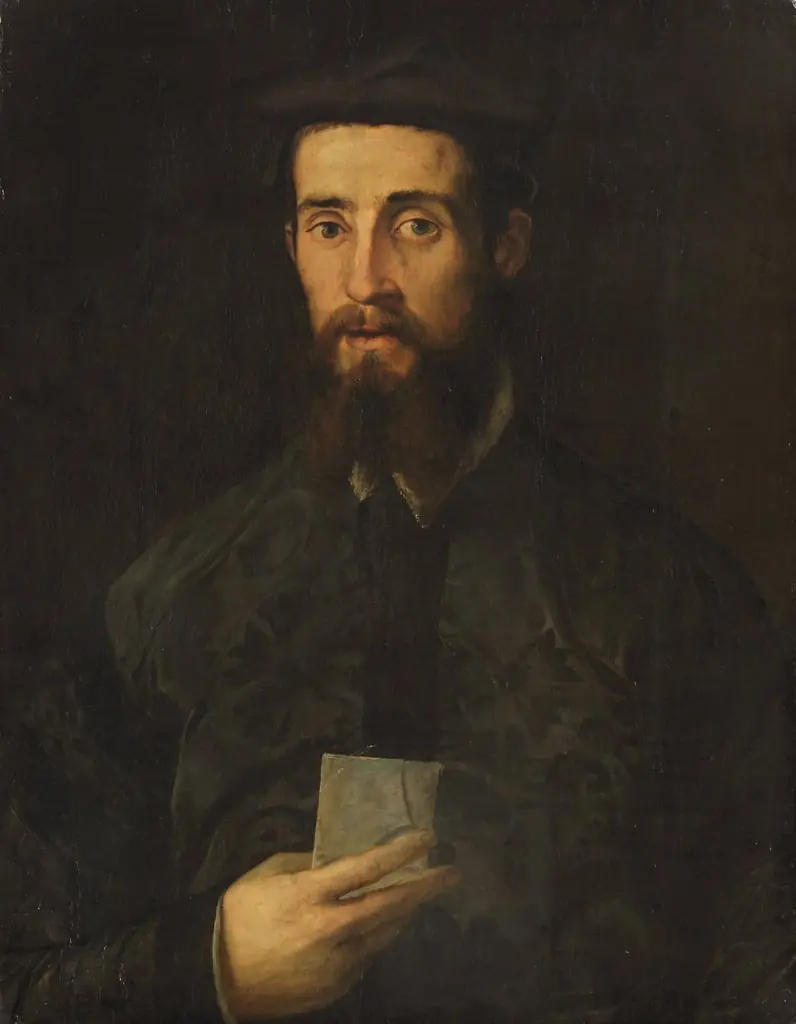 Giovanni della Casa (1503-1556)
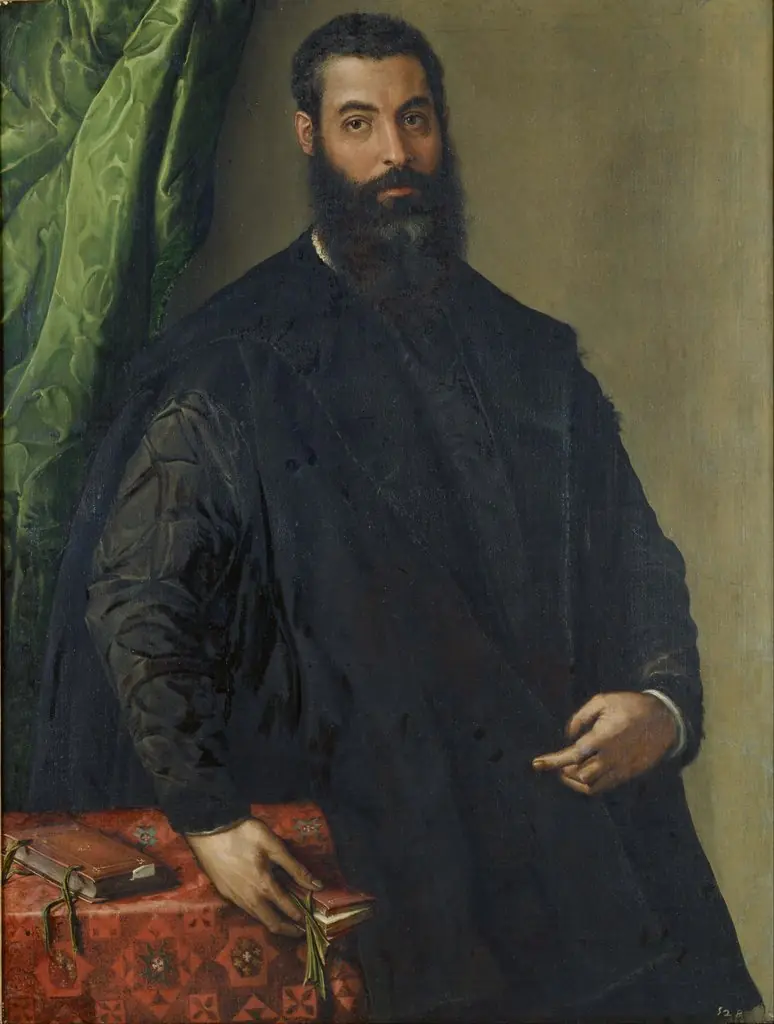 Portrait of a Man
- Michelangelo Buonarroti