Artwork
Windermere
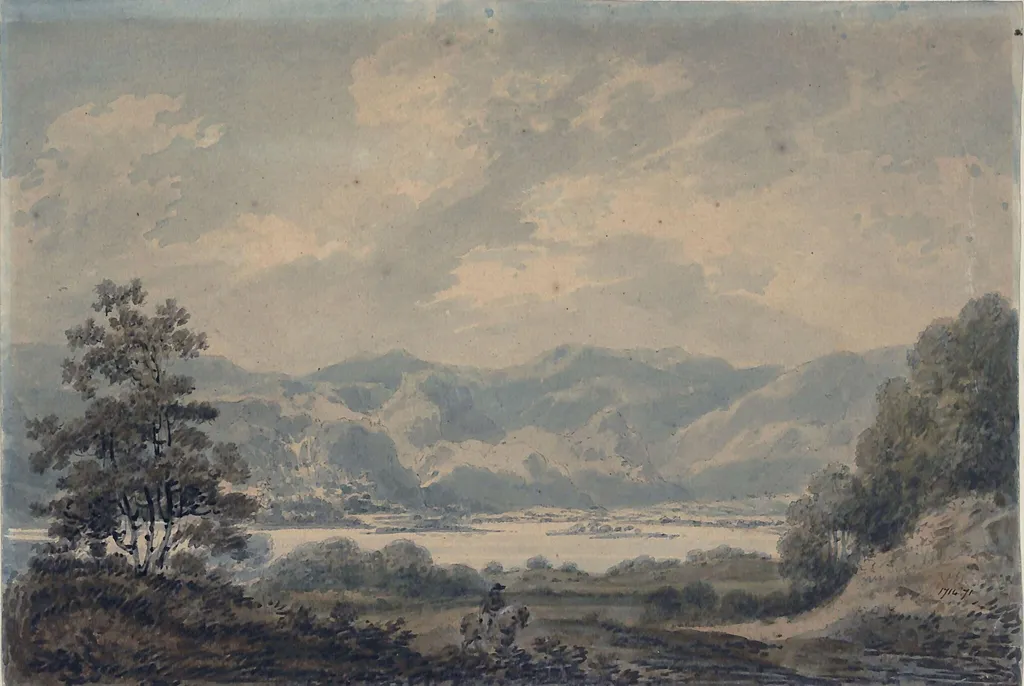
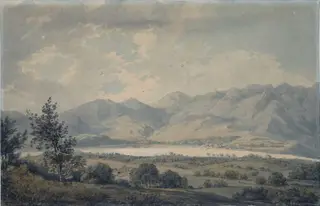
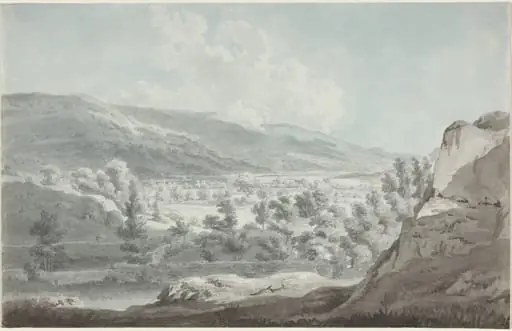
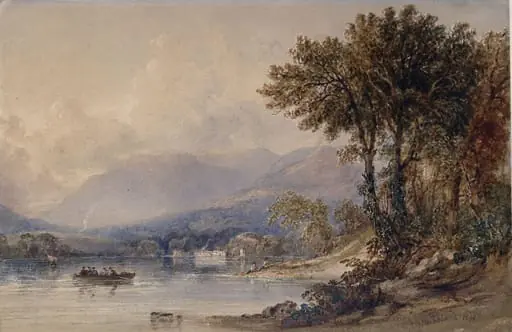
Windermere is a watercolor work on paper by the Rococo painting artist Dayes. It dates from 1794 and is held in the collection of the Victoria and Albert Museum.
About this work
Overview
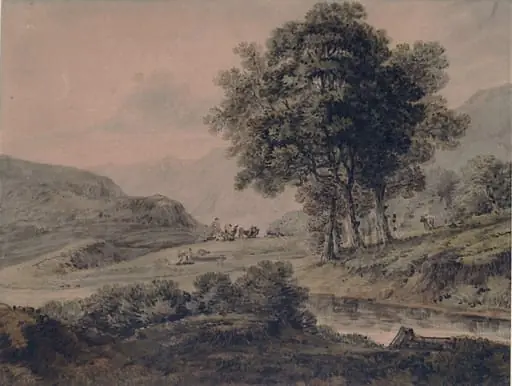
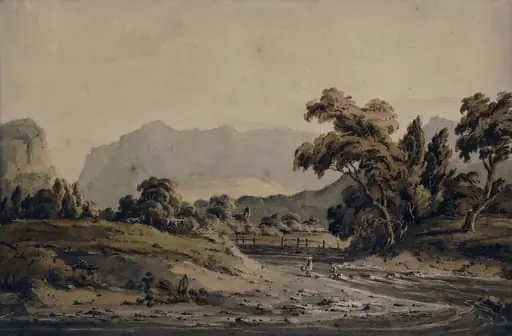
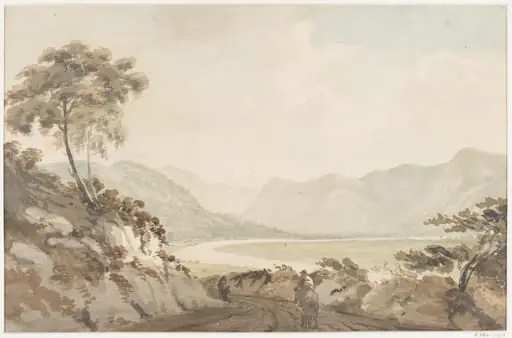
Created in 1794, this watercolour by Dayes depicts Windermere, the largest lake in England’s Lake District. The work presents a tranquil valley scene, with gentle hills receding into the distance and a meandering river threading through the foreground. Light, airy clouds populate a bright sky, contributing to a serene atmosphere that emphasizes the natural beauty of the region.
Subject & Meaning
The composition focuses on the lake’s surrounding landscape, highlighting the harmonious relationship between water, land, and sky. By portraying a calm, unpopulated valley, the image invites contemplation of the pastoral ideal that was increasingly valued in late‑18th‑century England, reflecting a growing appreciation for unspoiled scenery as a source of emotional renewal.
Technique & Style
Executed in watercolour, the painting employs a light, translucent palette that allows colors to blend softly across the paper. Loose brushwork creates a sense of immediacy, while the delicate handling of atmospheric effects, particularly the fluffy clouds and shimmering water, produces a dreamy, almost lyrical quality typical of the period’s emerging Romantic sensibility.
History & Provenance
The work originates from the late Georgian era, a time when British artists began to travel and document the country’s natural landmarks. Though specific ownership records are limited, the piece has been associated with collections that emphasize British landscape art of the 18th century, underscoring its relevance to the period’s visual record of the Lake District.
Context
Created shortly before the Romantic movement gained prominence, the watercolour reflects an early shift away from strict topographical accuracy toward a more emotive representation of nature. Windermere, already celebrated by poets and travelers, served as an emblem of the sublime countryside, influencing both visual and literary depictions of the English landscape.
Own this work as a print
Artist & collection

Artist
Edward Dayes painted quiet English landscapes and views in watercolour during the late 1700s.