Artwork
Battle Piece: Cavalry and Infantry contesting a stream
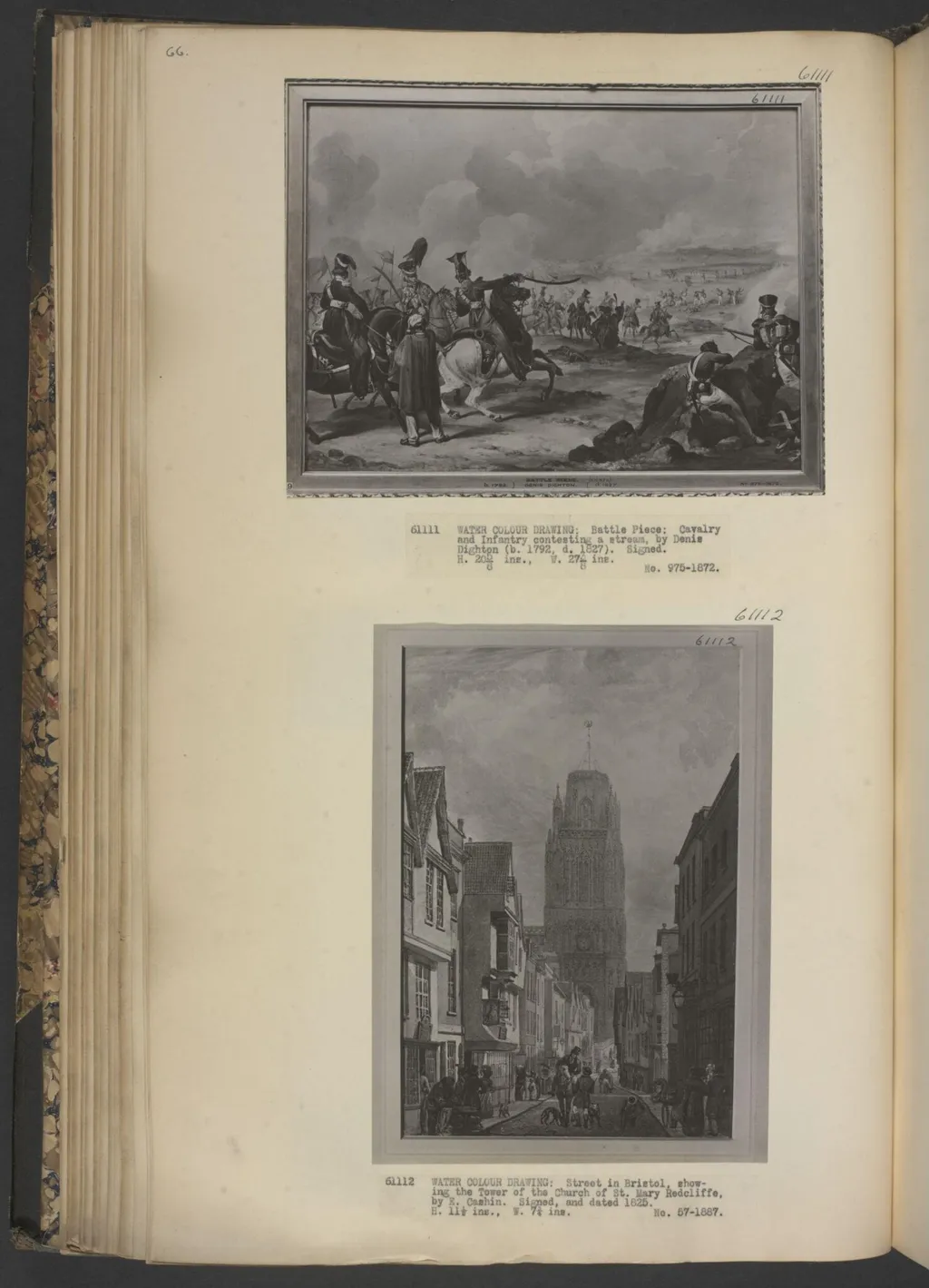
Battle Piece: Cavalry and Infantry contesting a stream is a watercolor work on paper by the British Romanticist artist Denis Dighton. It dates from 1821 and is held in the collection of the Victoria and Albert Museum.
About this work
Overview
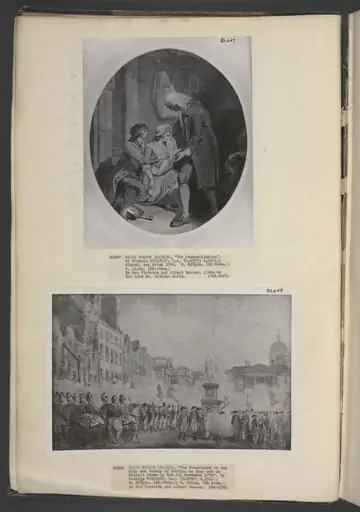
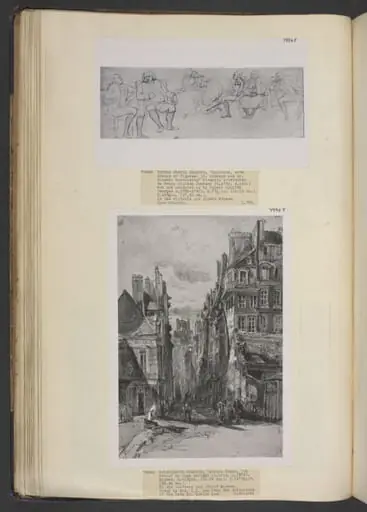
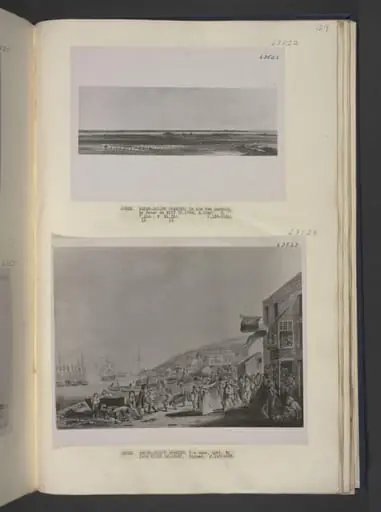
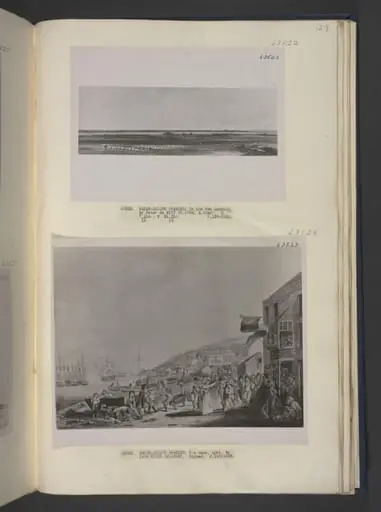
Created around 1821 by Denis Dighton, this watercolour depicts a moment of military conflict between cavalry and infantry near a shallow stream. The work is part of the Victoria and Albert Museum’s collection and exemplifies early 19th-century British military art. Unlike formal battle portraits, it captures the immediacy and disorder of combat, emphasizing motion over precision.
Subject & Meaning
The looming stormy sky amplifies the sense of peril, suggesting nature as a silent witness to human violence, a common theme in Romantic-era military imagery.
The scene portrays soldiers engaged in a chaotic struggle along a watercourse, with mounted troops charging through the shallows and foot soldiers scrambling on the banks. The composition conveys the confusion and urgency of frontline conflict. The looming stormy sky amplifies the sense of peril, suggesting nature as a silent witness to human violence, a common theme in Romantic-era military imagery.
Technique & Style
Dighton employed loose, energetic watercolour strokes to suggest movement: rapid washes for the splashing water, jagged lines for uniforms and equipment. The medium’s transparency allows layers of colour to suggest depth and atmosphere without detail. The lack of polished finish reinforces the immediacy of the moment, prioritizing emotional impact over technical refinement.
History & Provenance
The watercolour was likely produced during or shortly after the Napoleonic Wars, reflecting contemporary interest in battlefield realism. It entered the Victoria and Albert Museum’s collection through its predecessor institutions, which systematically acquired works documenting British military and cultural history. Its survival suggests it was valued for its documentary and artistic qualities.
Context
In the early 1800s, British artists increasingly turned to recent wars for subject matter, moving away from classical or mythological themes. Dighton’s work aligns with Romanticism’s emphasis on emotion, turbulence, and the sublime in nature. His depiction of unglamorous combat reflects a broader shift toward portraying war’s physical and psychological strain rather than its heroism.
Legacy
Though not widely known today, Dighton’s watercolour contributes to a lesser-known body of British military art that prioritized atmospheric realism over grand narrative. It stands as an example of how watercolour, often associated with landscape or topography, was adapted to convey the violence and chaos of war, influencing later illustrators of military scenes.
Own this work as a print
Artist & collection
Artist
Denis Dighton carried a tiny pocket spyglass in his coat just to study the angles of uniforms.