Subject
Tower
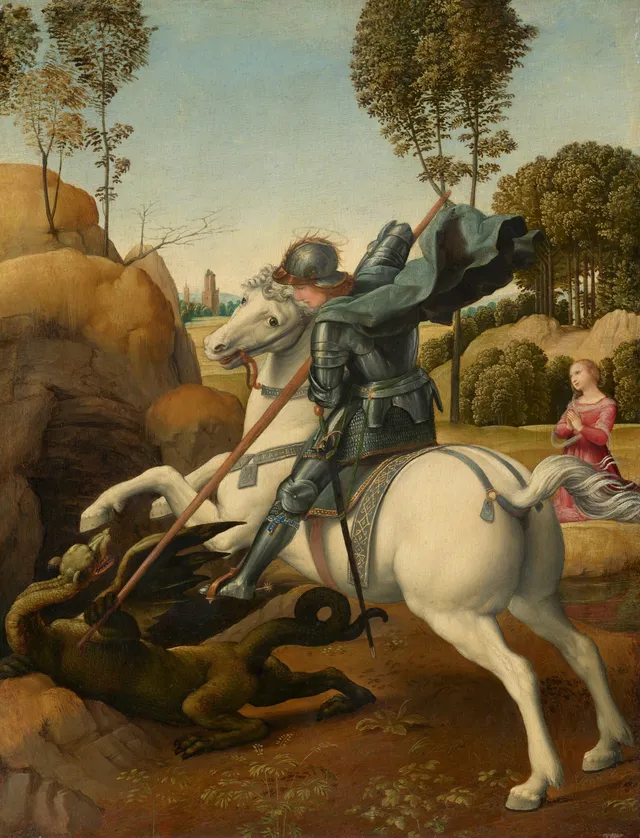
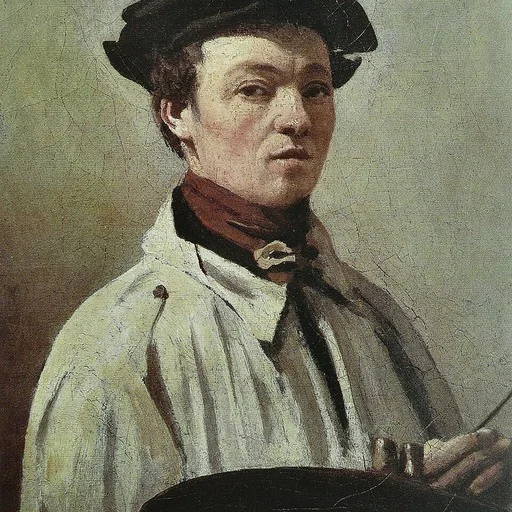
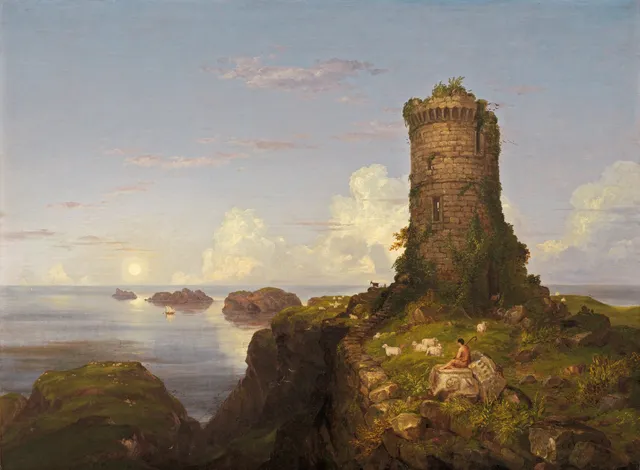
Tower is a subject in art. The gallery holds 84 works in this subject in art, including works by Jean Baptiste Camille Corot, Thomas Cole and Raphael.
A tower is a tall structure, taller than it is wide, often by a significant factor. Towers are distinguished from masts by their lack of guy-wires and are therefore, along with tall buildings, self-supporting structures.
Key artists
Overview
A tower is a tall structure whose height significantly exceeds its width, distinguished from masts by its self-supporting nature without the use of guy-wires. While often confused with tall buildings, towers are specifically defined as structures built not primarily for habitability but to serve functions that require elevation, such as increasing visibility for clocks or defense. They can stand alone, be supported by adjacent buildings, or feature on top of larger structures. Historically, the term derives from the Old English torr, which evolved from the Latin turris and Old French tor, with roots extending into a pre-Indo-European Mediterranean language connected to the Illyrian toponym Boudorgis and the ethnonym for the Etruscans.
Iconography & meaning
Beyond their structural utility, towers carry profound symbolic weight as markers of power, orientation, and cosmic order. In Mesopotamian culture, ziggurats functioned as models of the universe, representing a world mountain with an axis connecting heaven, earth, and the underworld. The biblical Tower of Babel exemplifies the tower as a status symbol and a testament to human ambition. Throughout history, tower houses in Tuscany, castle keeps, and belfries have served as political assertions of dominance. Towers also function as vital landmarks and orientation points, guiding seafarers via lighthouses and acting as beacons for communities through bell towers, clock towers, and minarets that broadcast acoustic and visual signals across distances.
Across movements & periods
The treatment of the tower in human culture and architecture has evolved significantly from prehistory to modernity. The earliest known structures, such as the Neolithic tower of Jericho dating to the 8th millennium BC and the Sumerian ziggurats of the 4th millennium BC, emphasized monumental religious and communal presence. Phoenician and Roman cultures utilized towers primarily for fortification and sentinel roles, integrating square and octagonal towers into city walls and palaces, as seen in the Servian and Aurelian Walls and Diocletian's Palace. During the medieval period, towers became central to castle defense and civic identity, with Italian city-states erecting rivaling tower houses, such as the Two Towers of Bologna built between 1109 and 1119. The modern era shifted the tower's purpose toward communication and technical utility, producing structures like the Eiffel Tower and the CN Tower, while also redefining the typology with high-rise skyscrapers that, despite being habitable buildings, often adopt the nomenclature and visual language of towers.
Notable depictions
Architectural history provides numerous canonical towers that have defined the form's cultural and structural possibilities. The circular stone tower of Neolithic Jericho represents the earliest known example. The Leaning Tower of Pisa, a campanile built between 1173 and 1372, is renowned for its unintended tilt, while the Himalayan stone towers of Tibet, built approximately in the 14th and 15th centuries, represent distinct regional adaptations. The Strasbourg Cathedral houses the highest medieval tower built of cut stone. Modern landmarks include the Berliner Funkturm, a 146.7-meter steel lattice tower, and the Stuttgart Television Tower, the world's first reinforced concrete television tower. Internationally, the Eiffel Tower held the record as the tallest human construction from 1889 to 1930, later surpassed by the Chrysler Building and then the Empire State Building, culminating in the Burj Khalifa as the tallest construction since 2009.
Works
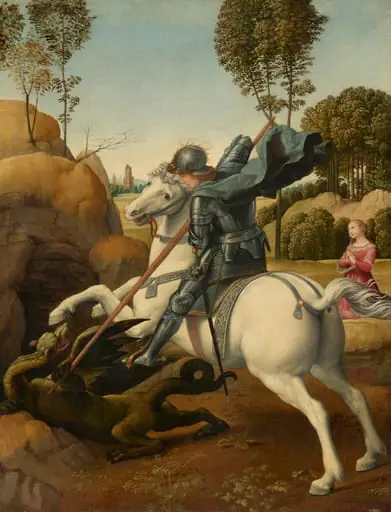 Saint George and the Dragon
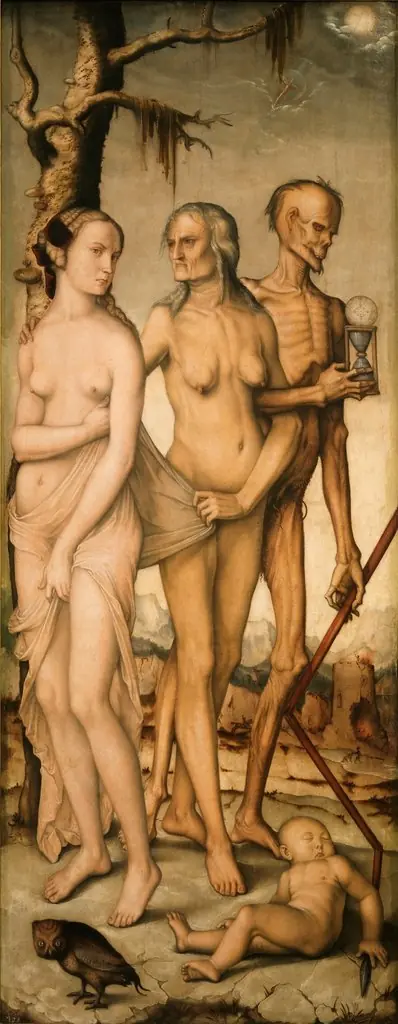 The Ages and Death
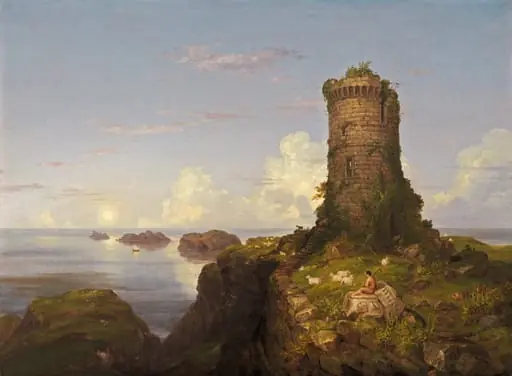 Italian Coast Scene with Ruined Tower
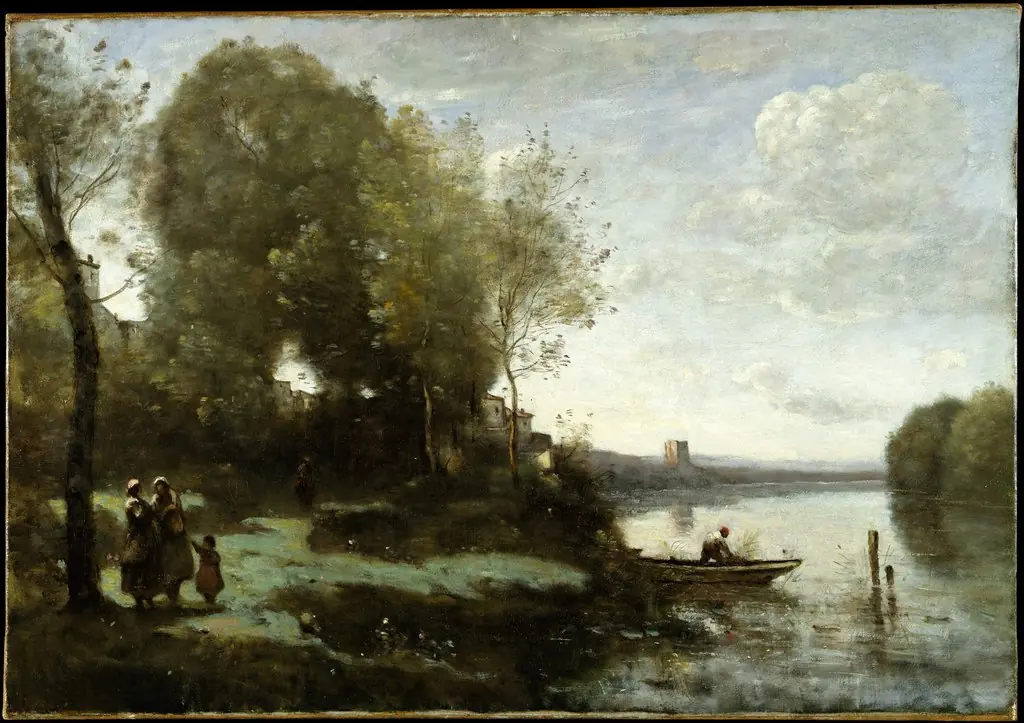 River with a Distant Tower
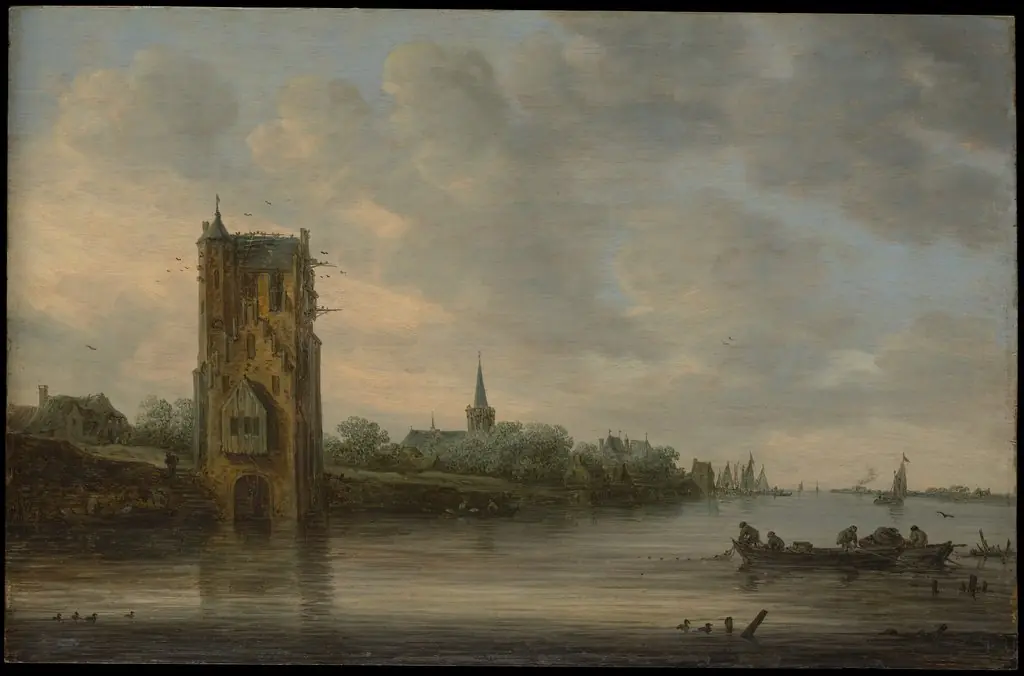 The Pelkus Gate near Utrecht
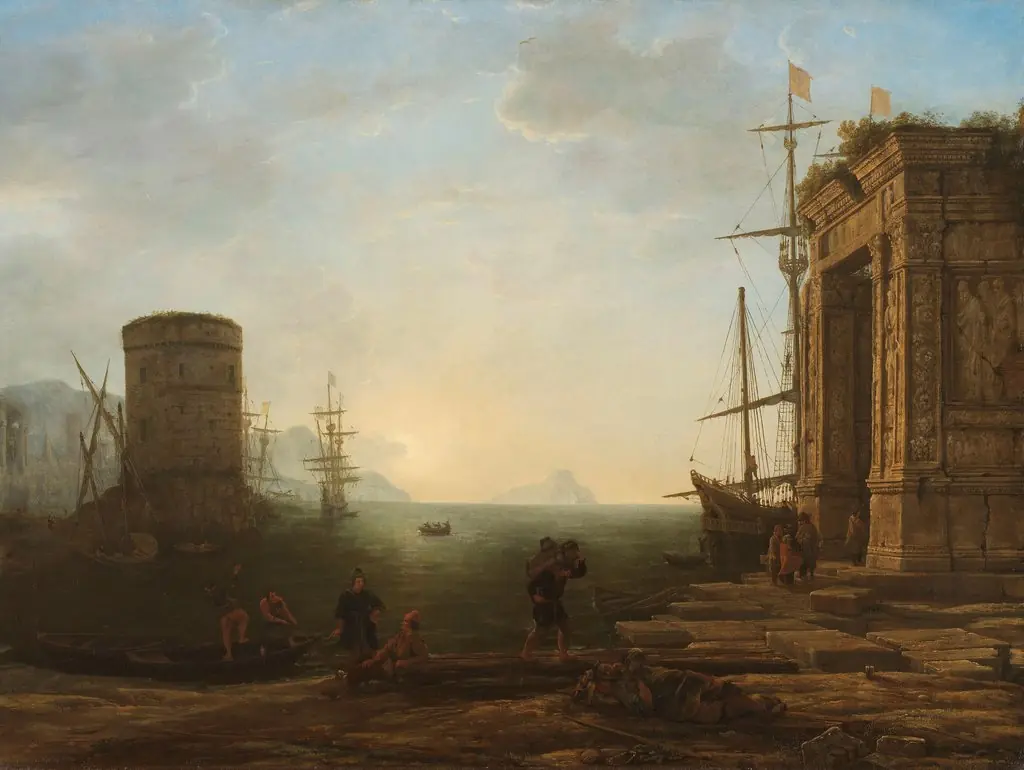 Harbour at Sunrise
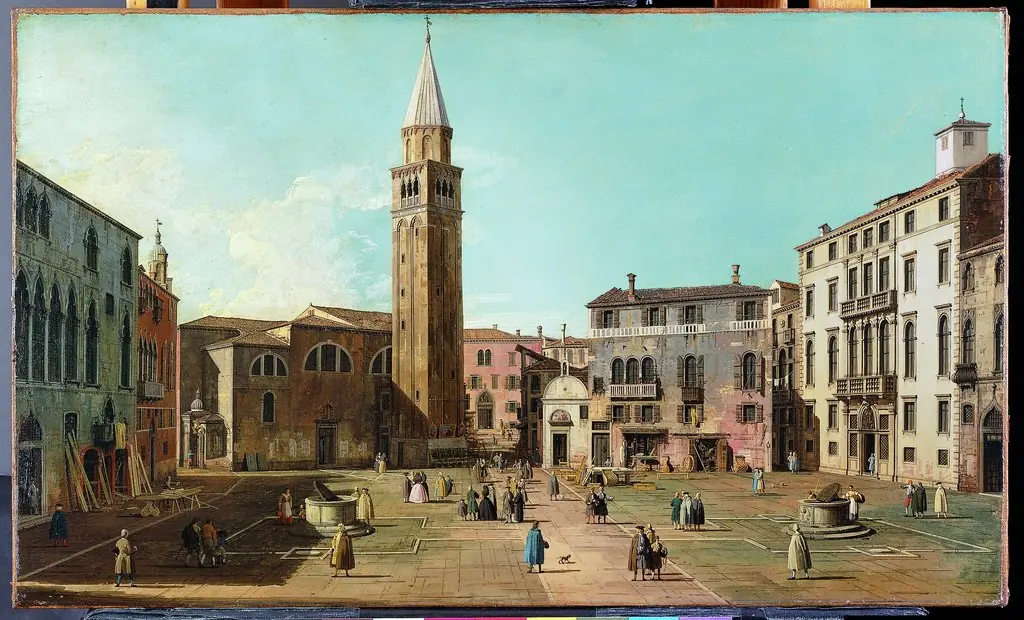 Campo Sant'Angelo
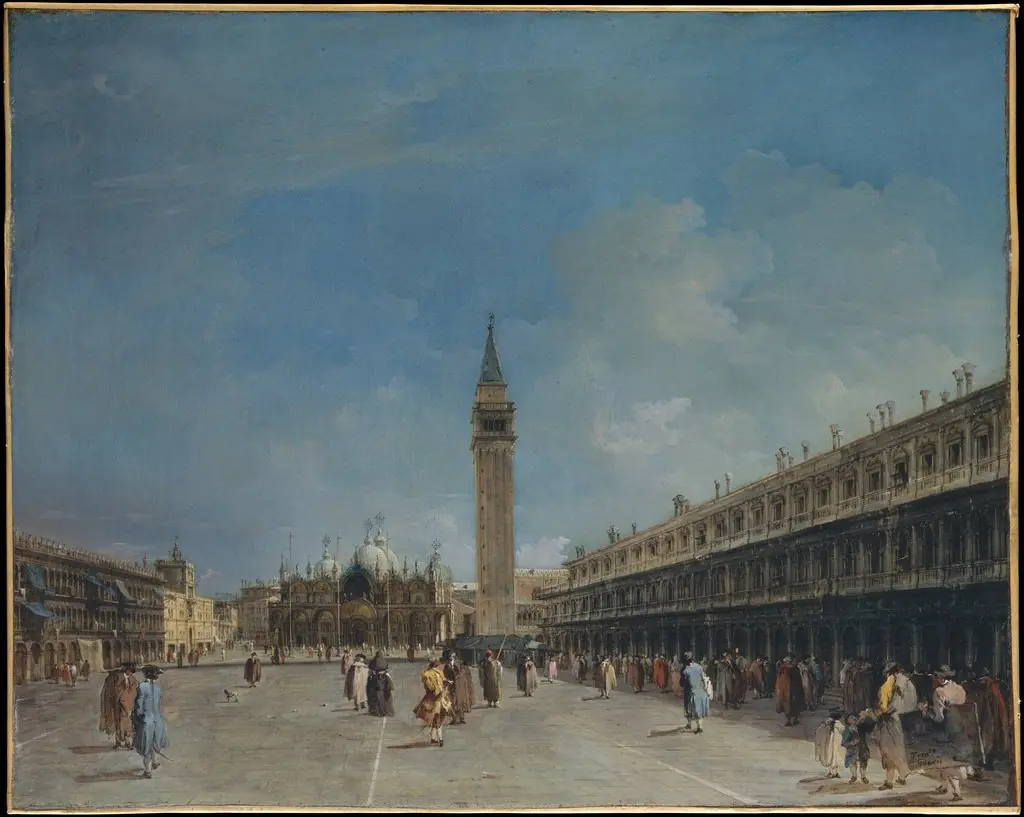 Piazza San Marco
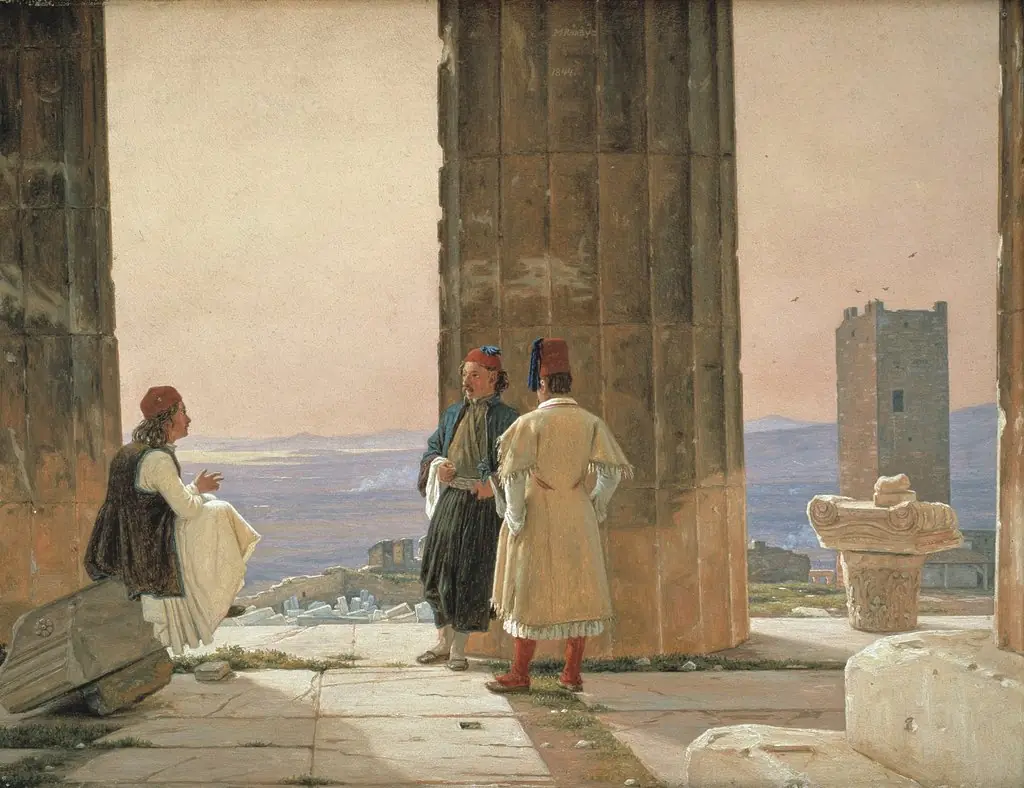 The View from the Temple of Athena on the Acropolis
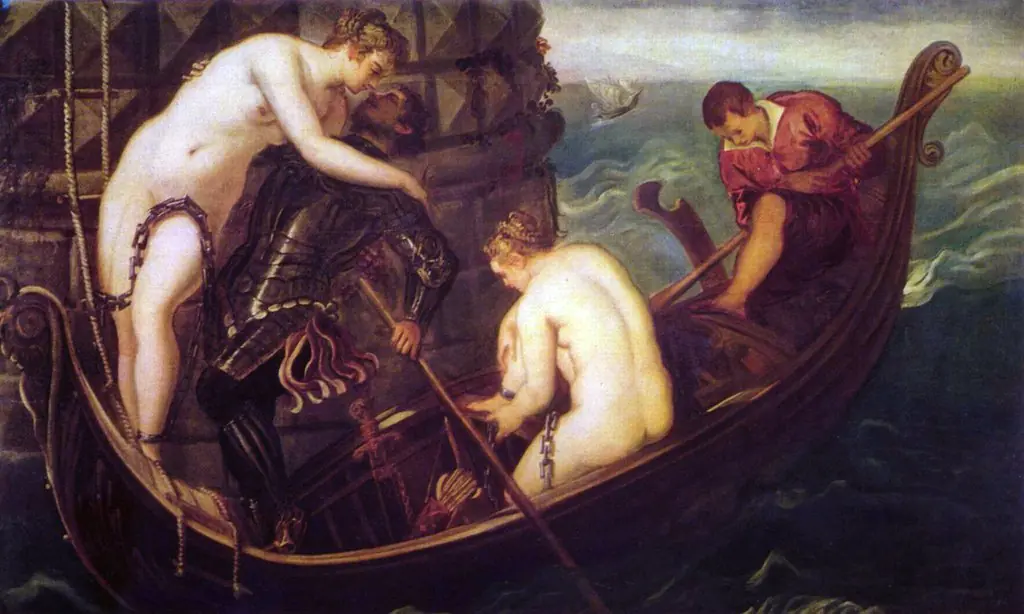 The Deliverance of Arsinoe
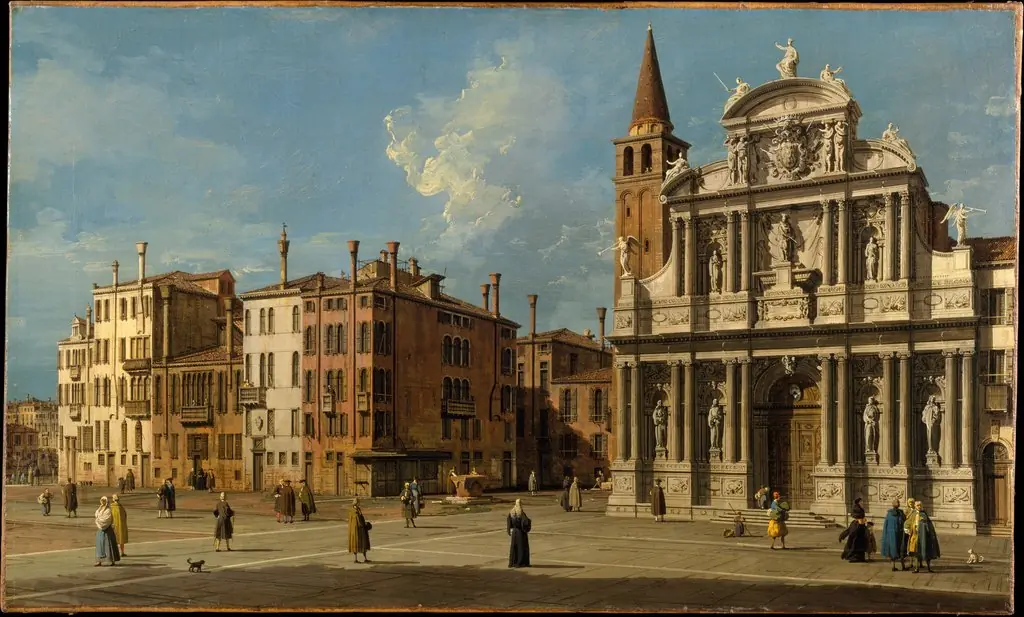 Campo Santa Maria Zobenigo, Venice
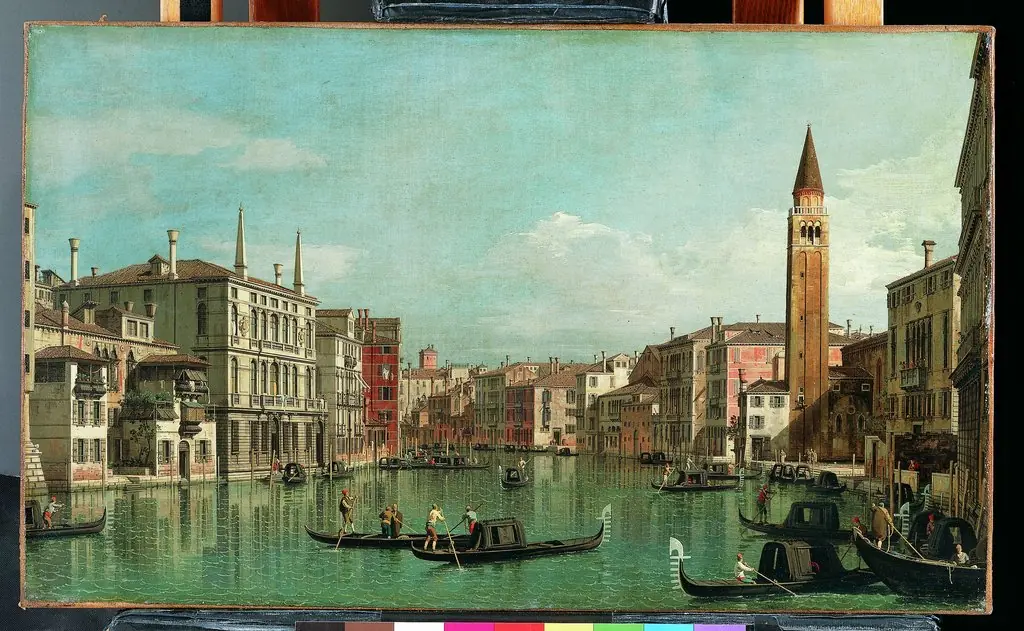 The Grand Canal, Venice, Looking Southeast, with the Campo della Carità to the Right
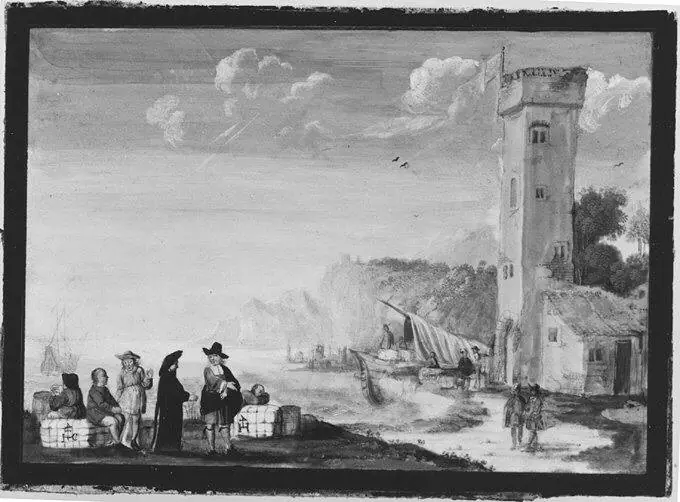 Harbor Scene
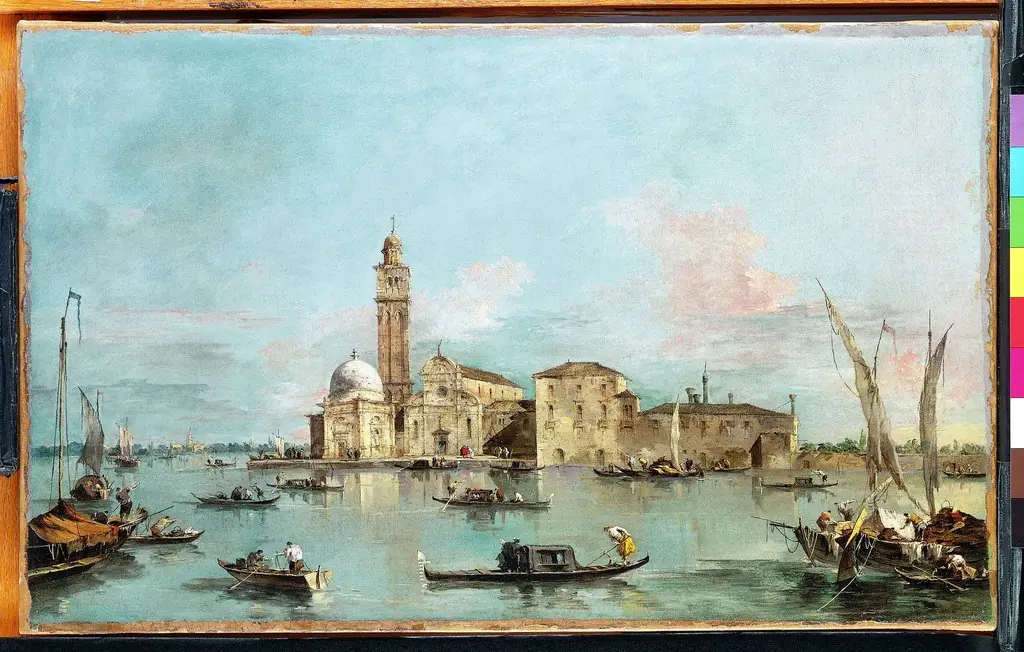 The Island of San Michele, Venice
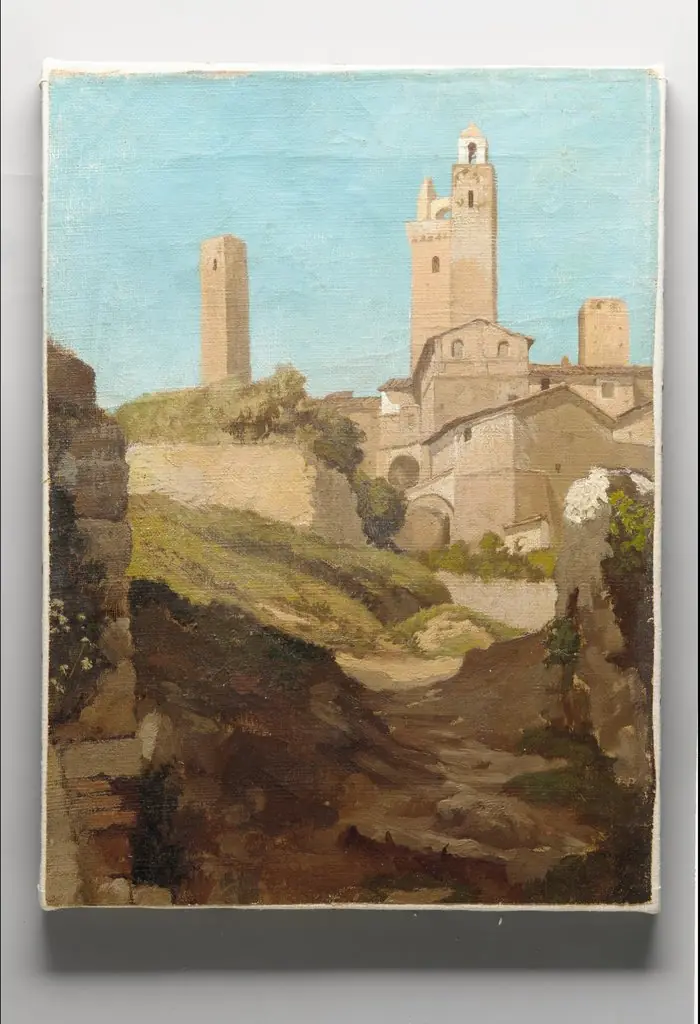 San Gimignano
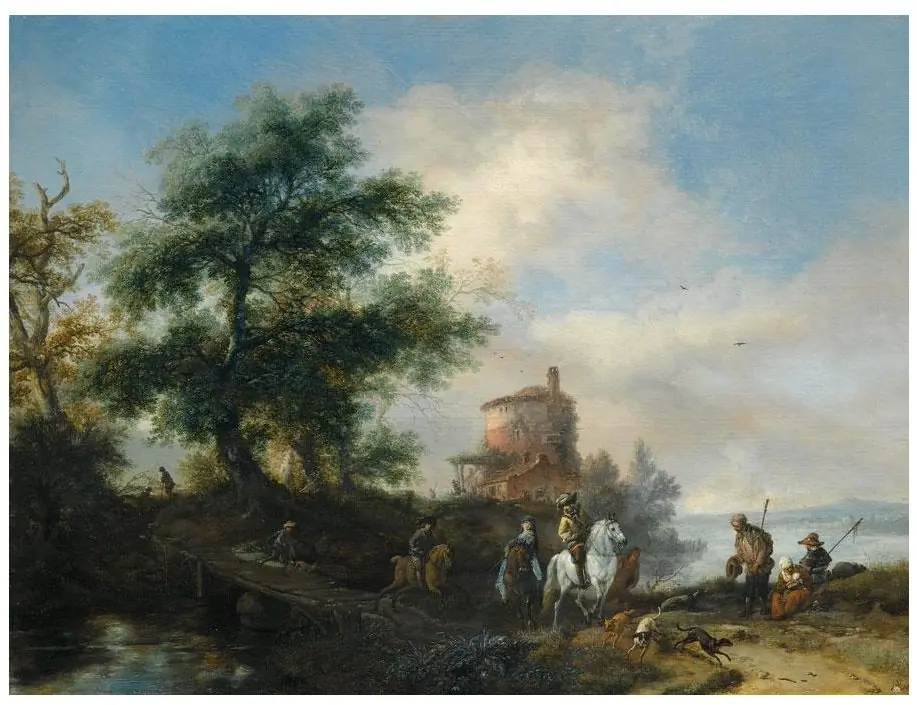 Departure of the hunt
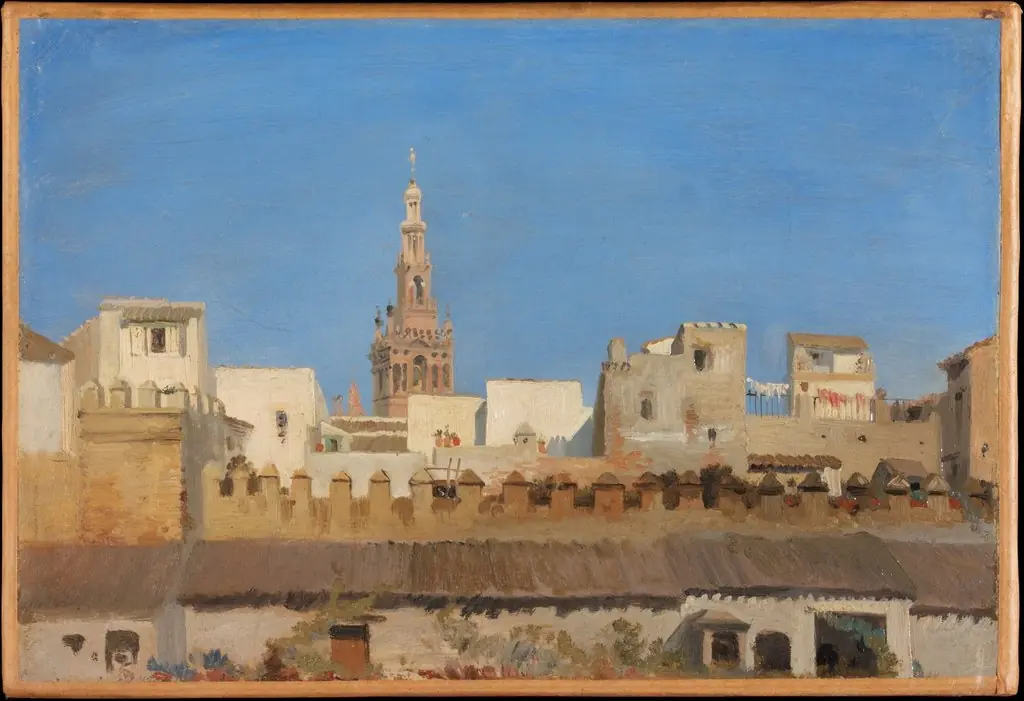 The Giralda, Seville
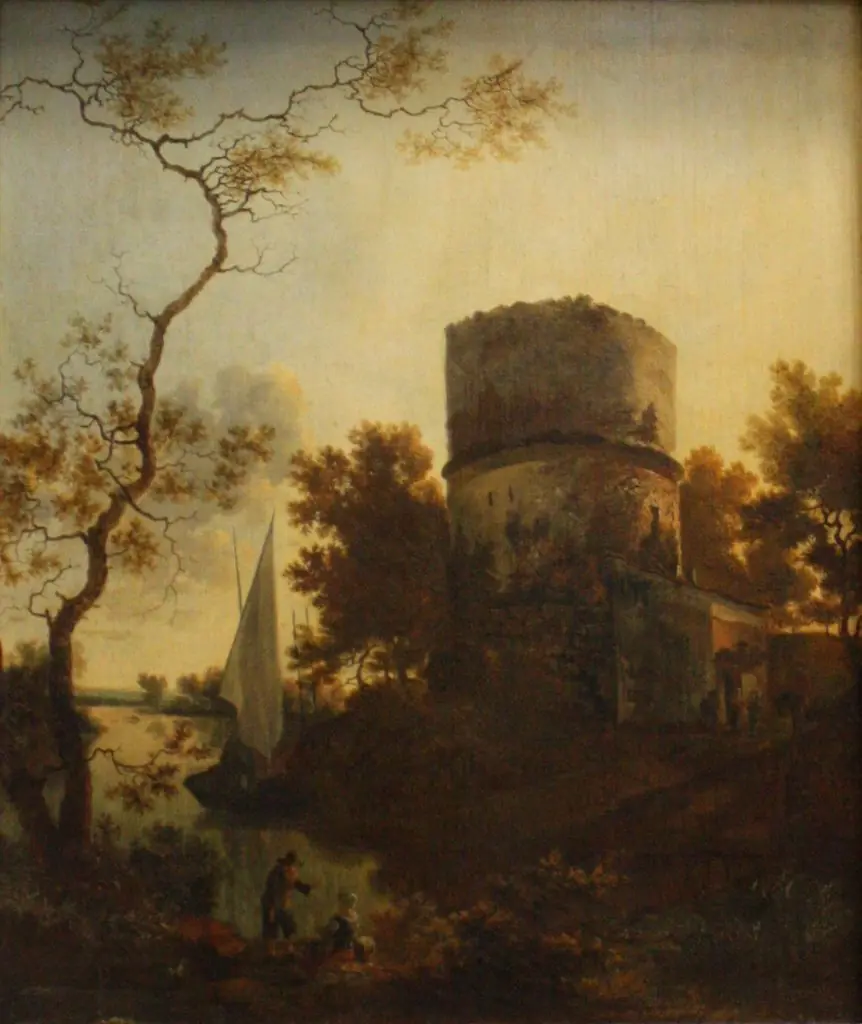 Landscape near Tivoli
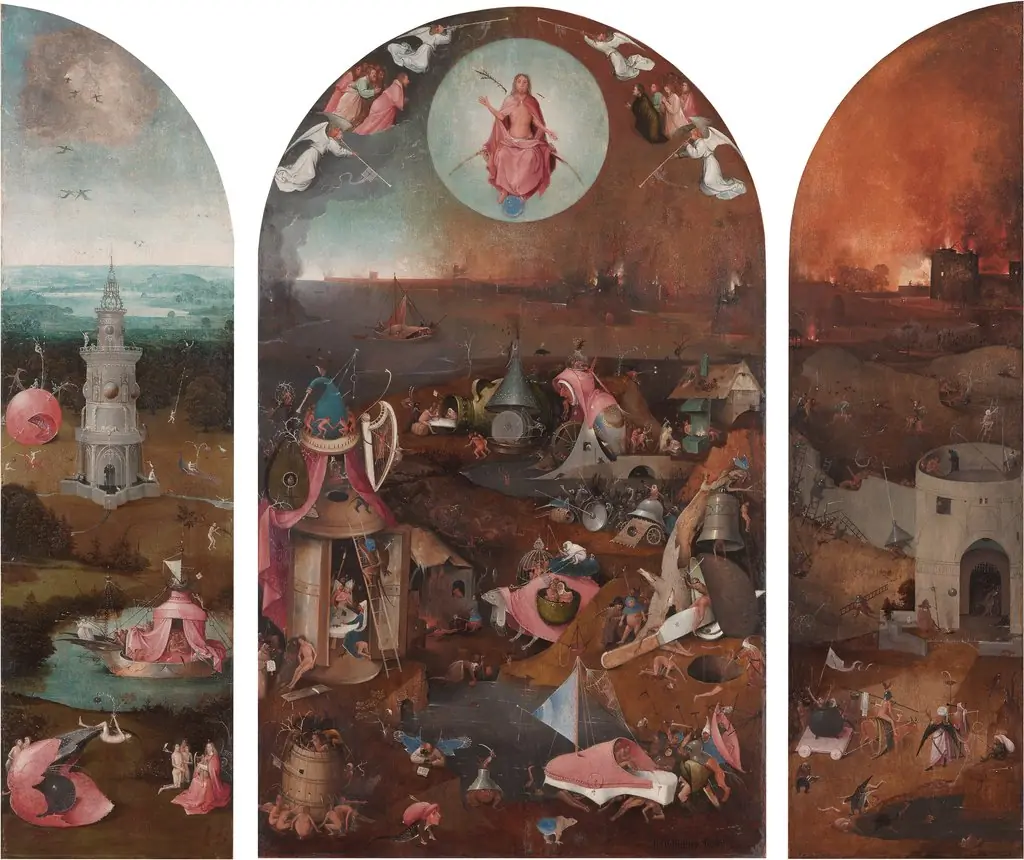 Last Judgement
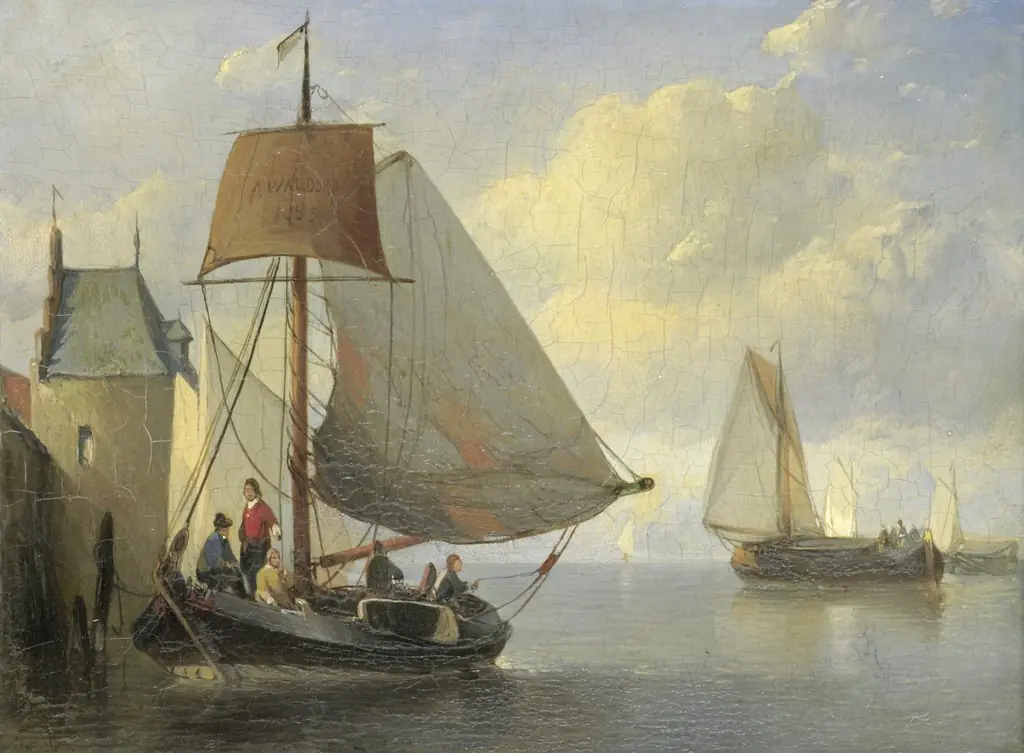 Riviergezicht met een waltoren geïnspireerd op de Camperveerse toren te Veere
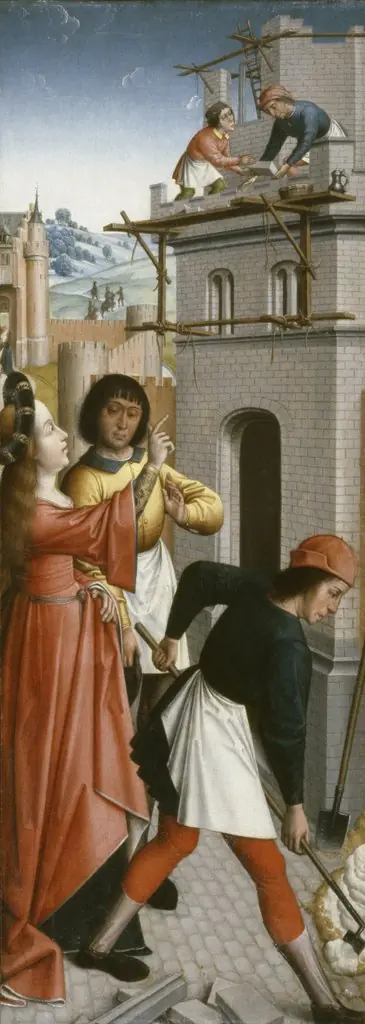 St. Barbara Directing the Construction of a Third Window in Her Tower
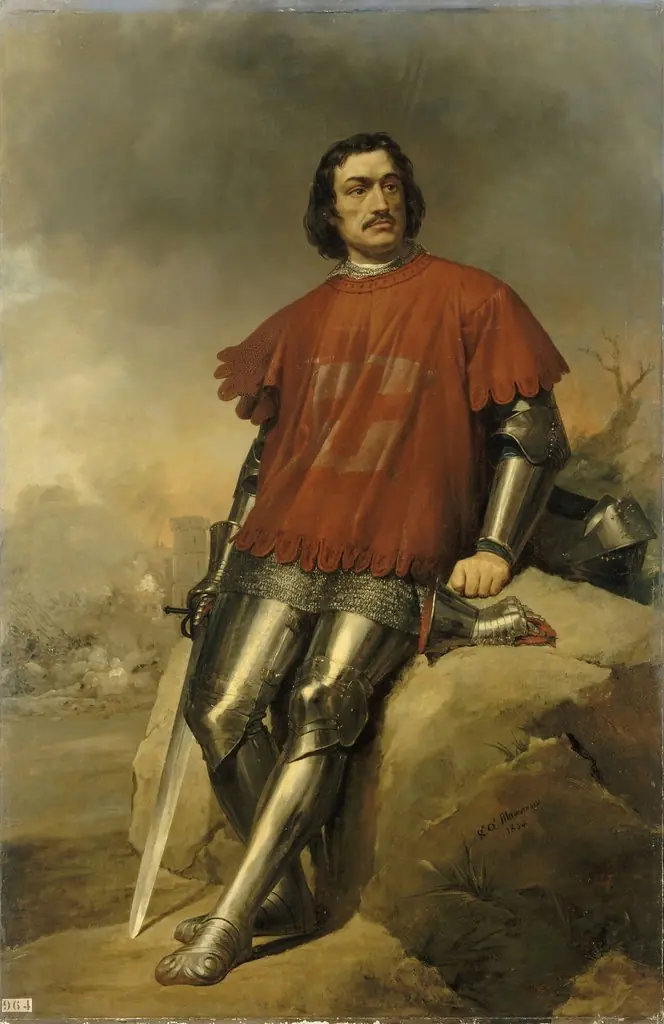 Jean, dit Poton, seigneur de Xaintrailles (?-1461)
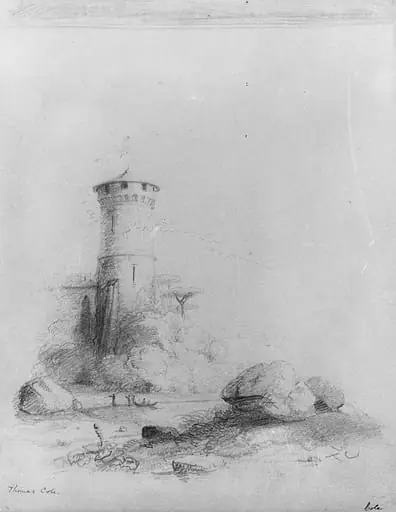 Landscape with Tower (from McGuire Scrapbook)
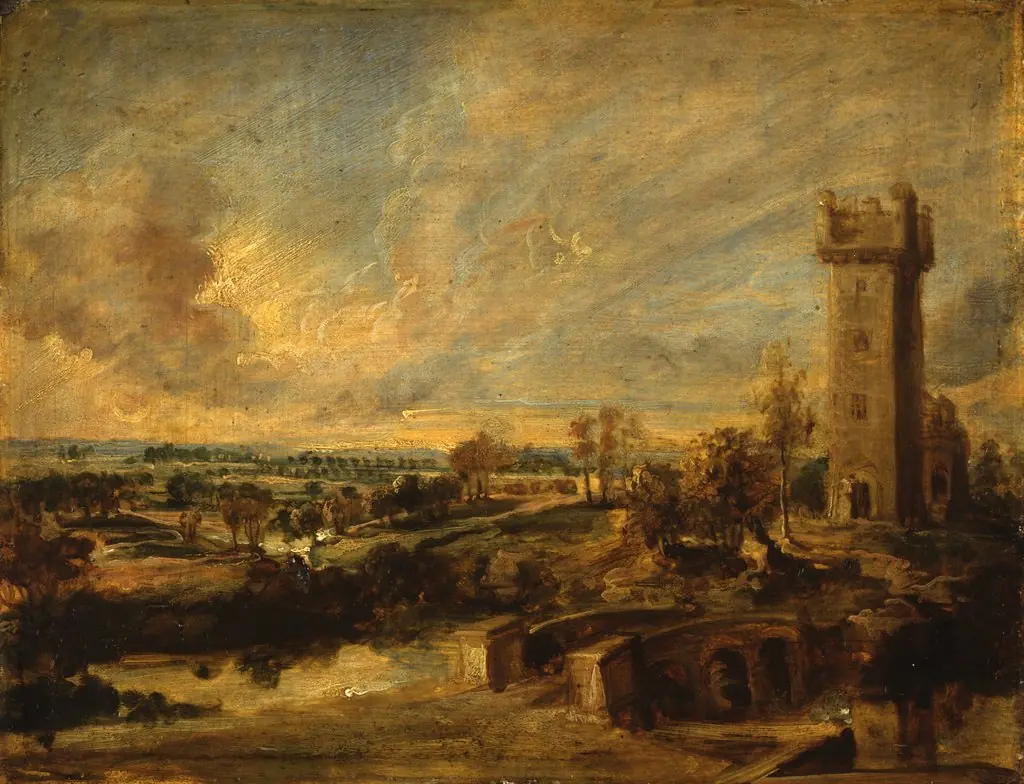 Landscape with Tower
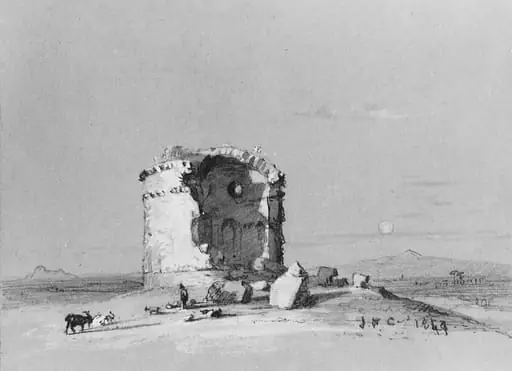 Torre dei Schiavi, The Roman Campagna (from Cropsey Album)
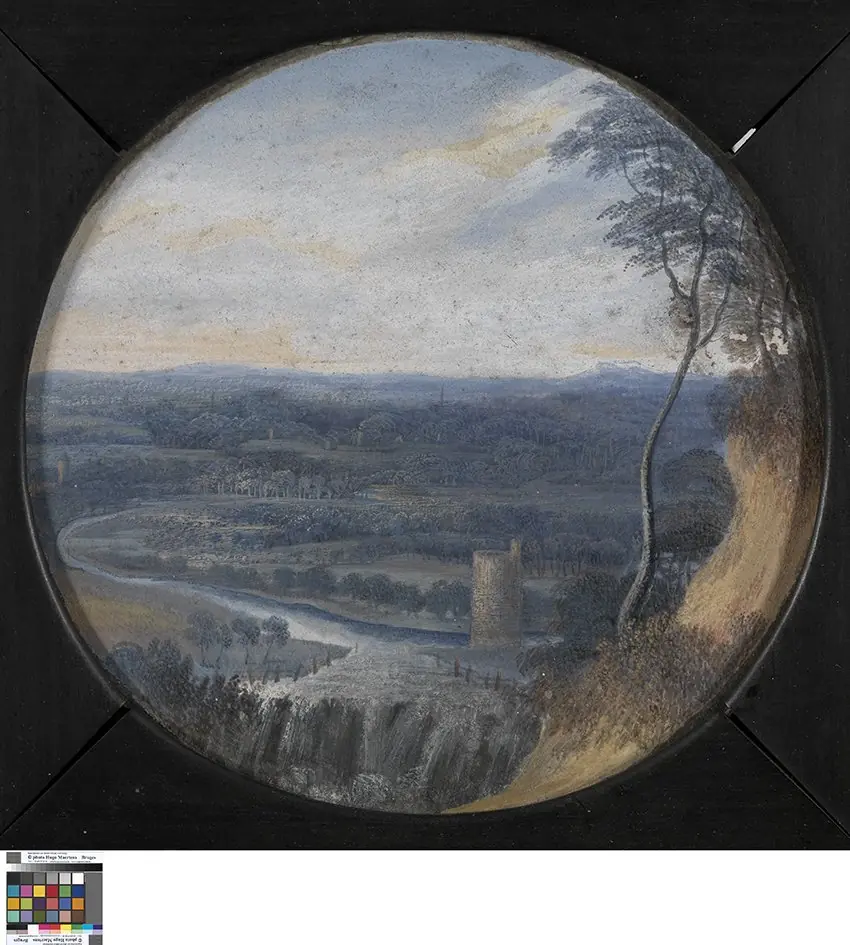 Landschap
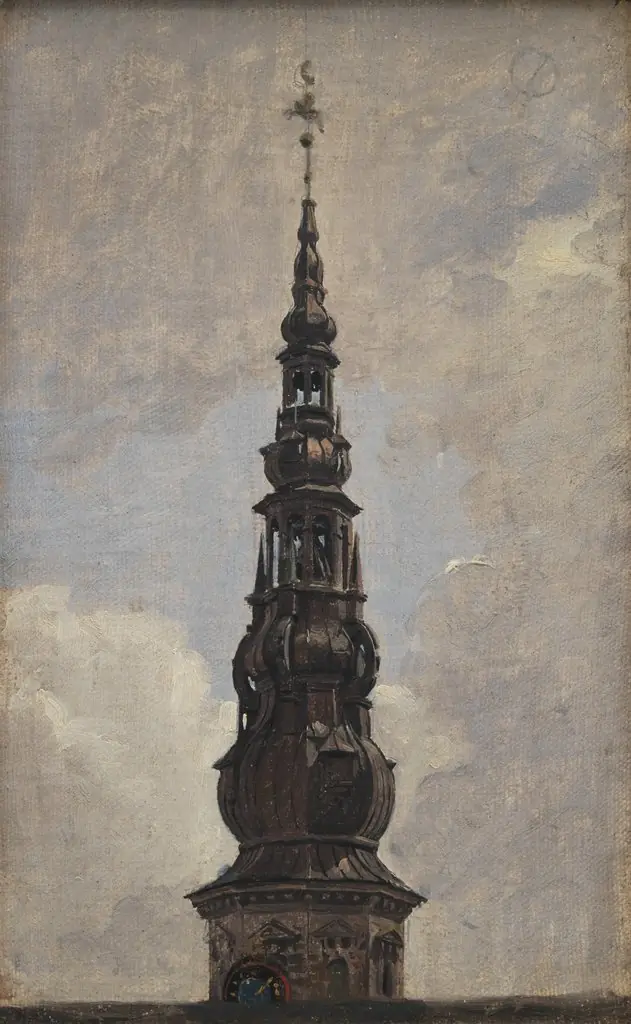 Trompetertårnets spir. Kronborg. Studie
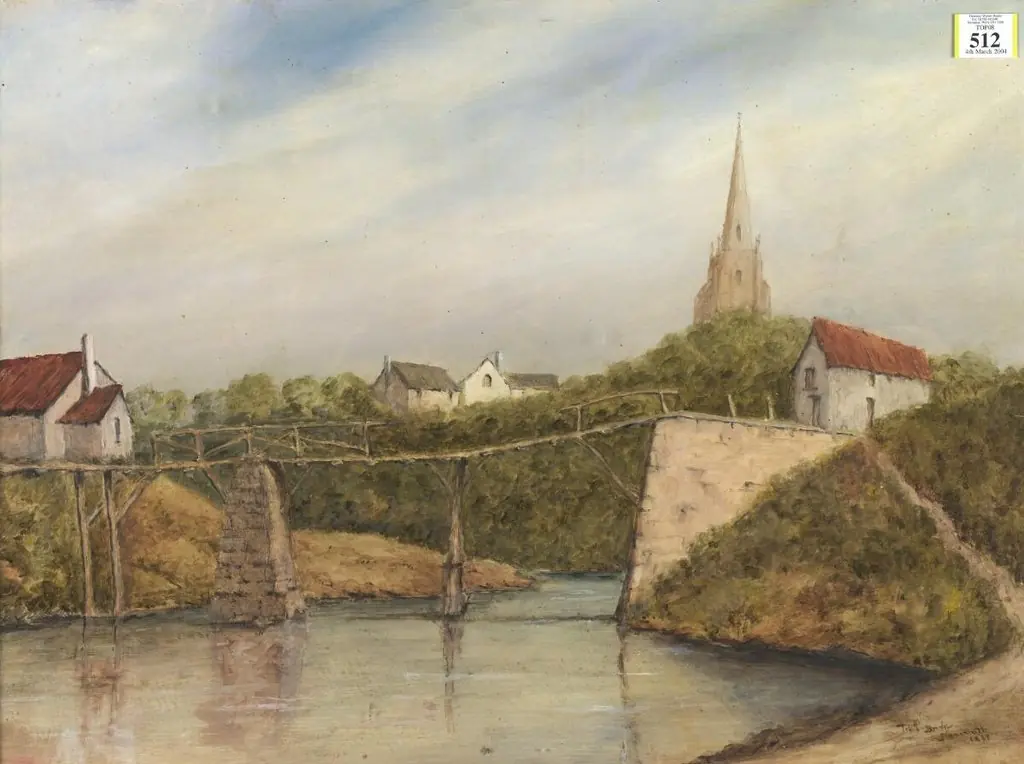 Tibbs Bridge, Monmouth
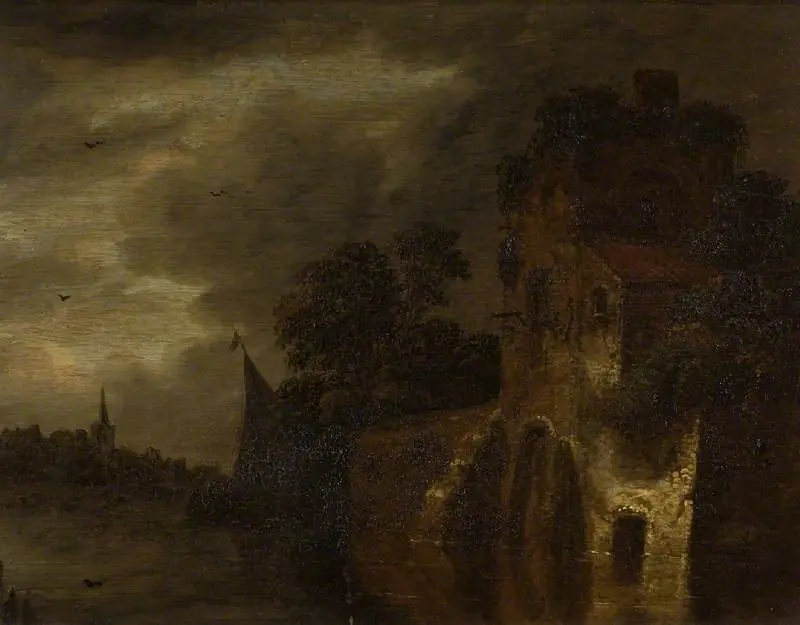 A Tower beside a river
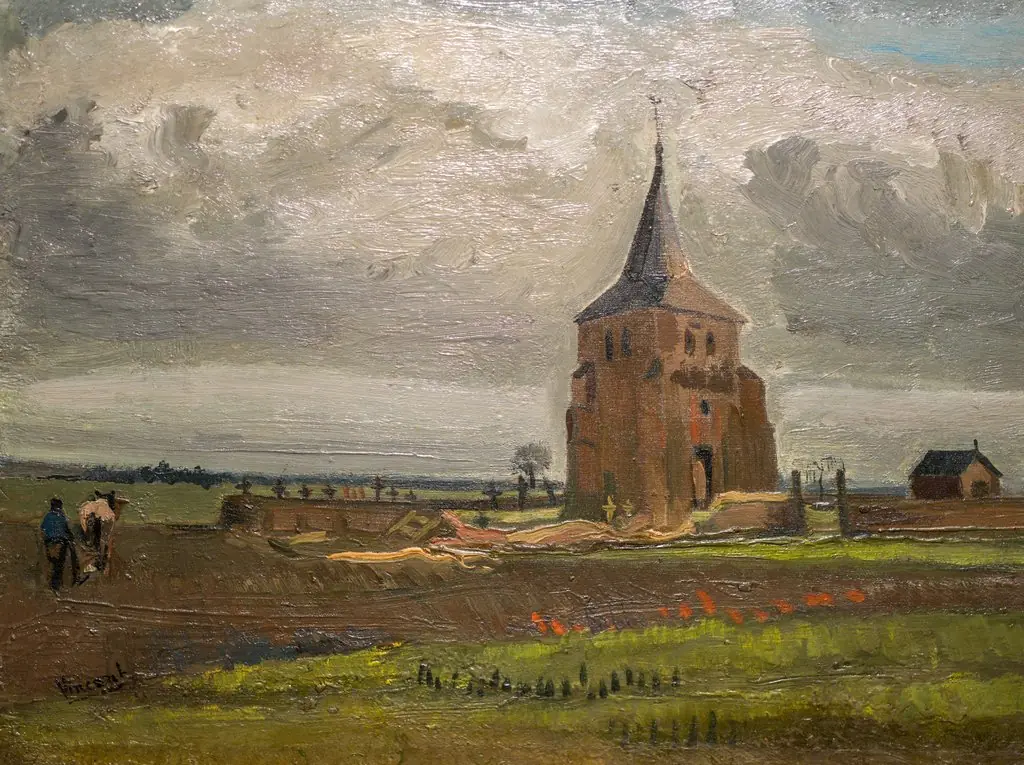 The Old Tower at Nuenen
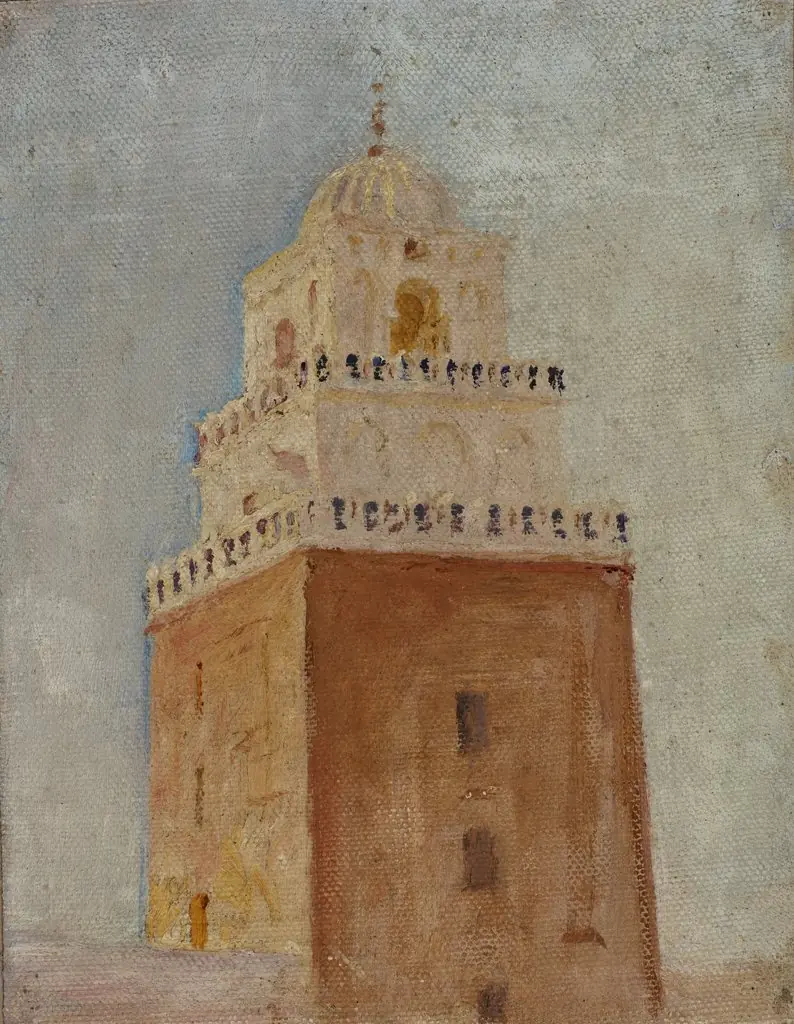 Kairouan (The Minaret of the Mosque of the Barber)
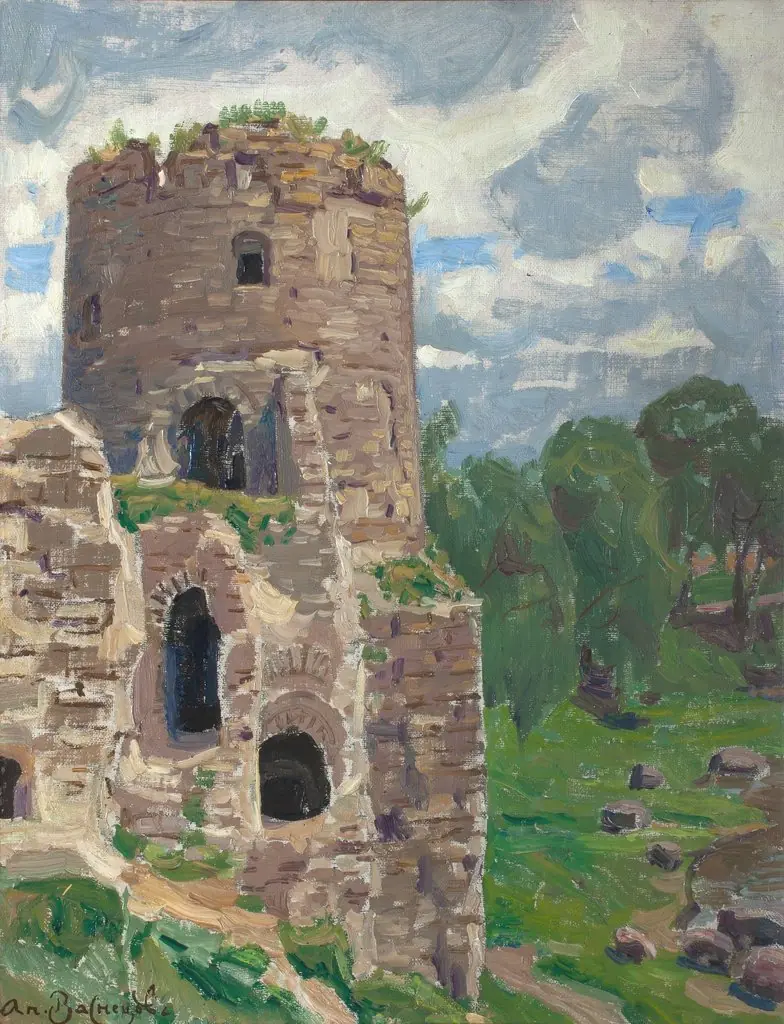 Gremyachaya tower
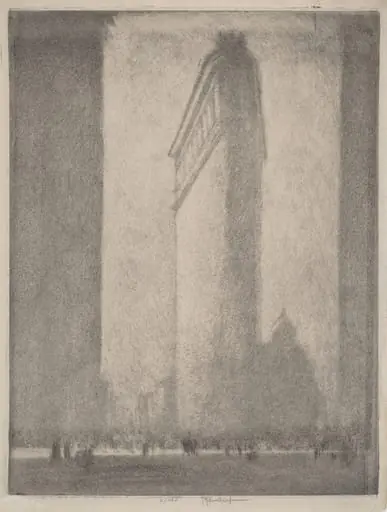 The Flat Iron New York
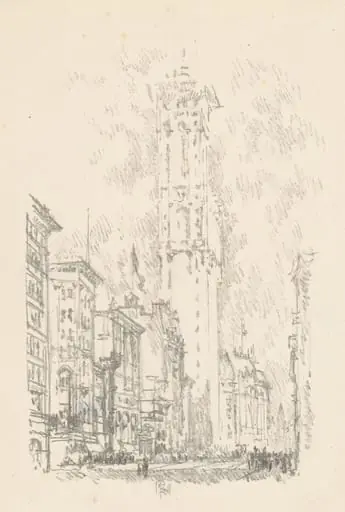 The Times Building
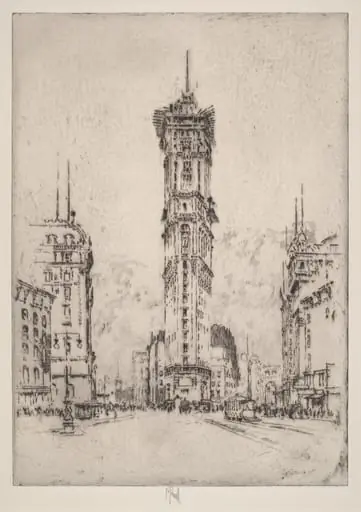 The Times Building
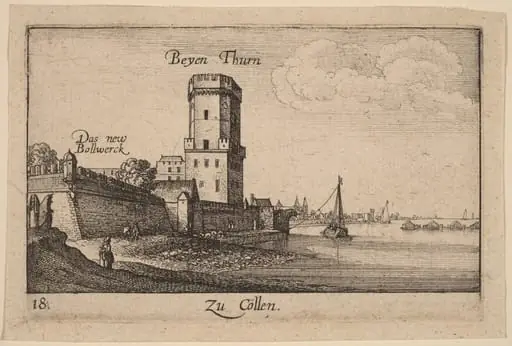 Cologne
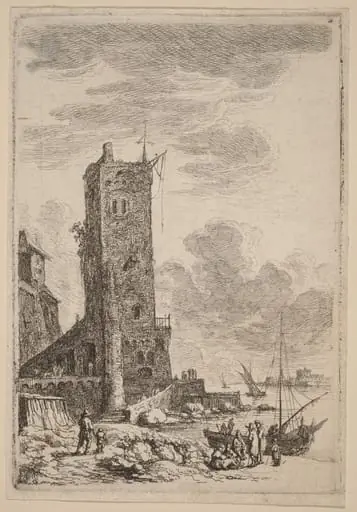 Harbor at Livorno
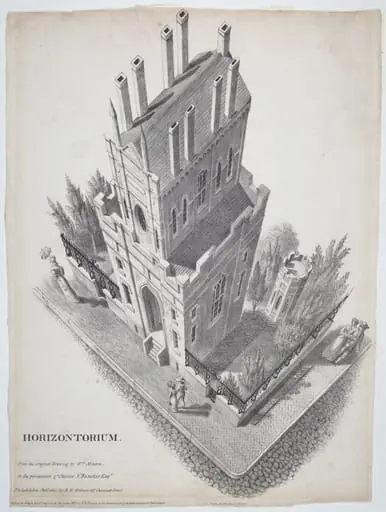 Horizontorium
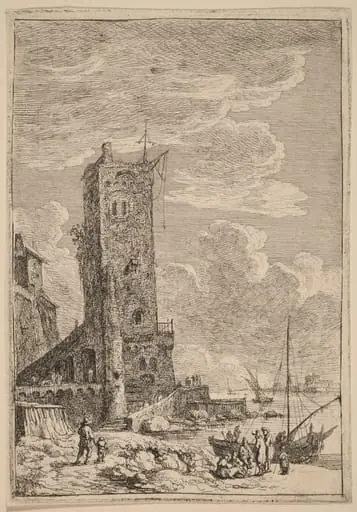 Harbor at Livorno
 Din catedrala Brașov
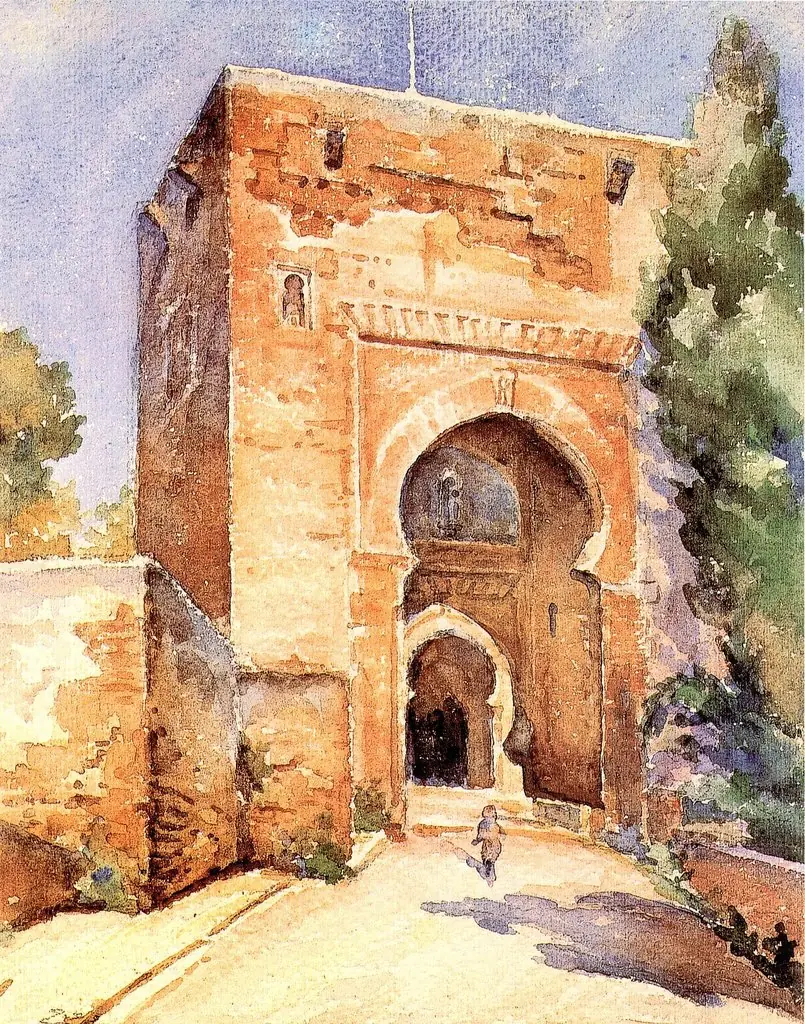 Granada, Alhambra: Justice Portal
 Peisaj industrial
![View of Kilgoben [Kilgobbin] Castle, 5 miles from Dublin [...]](https://artifactworldgallery.com/img/gabriel-ca-1729-1817-beranger--view-of-kilgoben-kilgobbin-castle-5-miles-from-dublin--924293240c630cbc-w320.webp) View of Kilgoben [Kilgobbin] Castle, 5 miles from Dublin [...]
View of Kilgoben [Kilgobbin] Castle, 5 miles from Dublin [...] La câmp
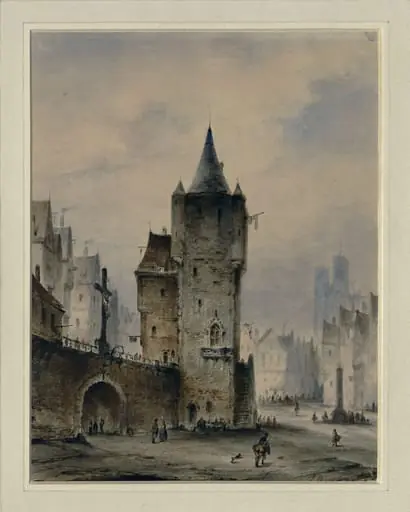 View of an Imaginary Town
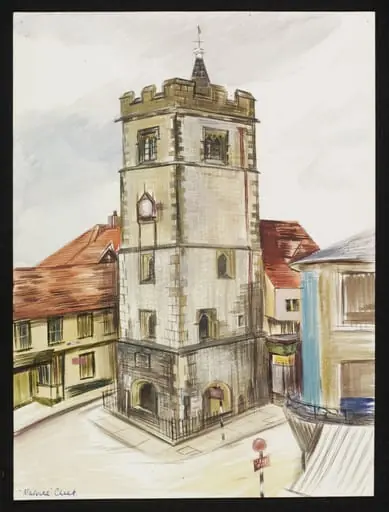 The Clock Tower, St. Albans
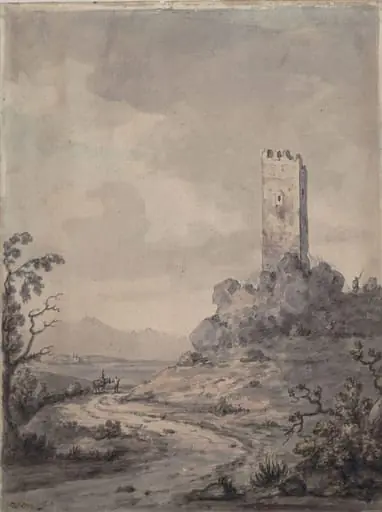 Landscape with tower
![Prospect of the Entrance into the Tower [of London] taken from the back of the Stone Kitchen](https://artifactworldgallery.com/img/paul-sandby--prospect-of-the-entrance-into-the-tower-of-london-taken-from--b35494ee95d2329d-w320.webp) Prospect of the Entrance into the Tower [of London] taken from the back of the Stone Kitchen
Prospect of the Entrance into the Tower [of London] taken from the back of the Stone Kitchen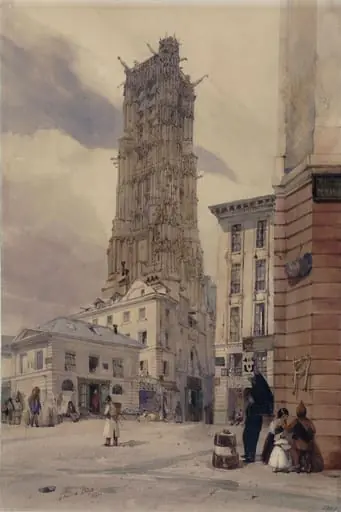 The Tower of St Jacques, Paris
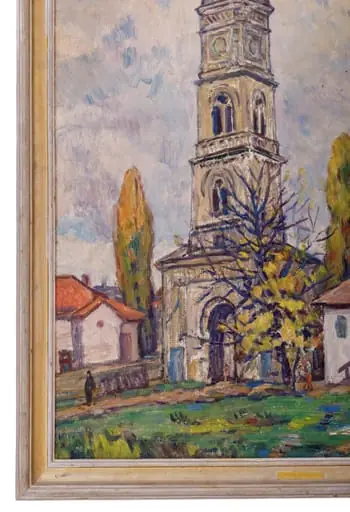 Turnul Bărboi
 Peisaj cu bărci
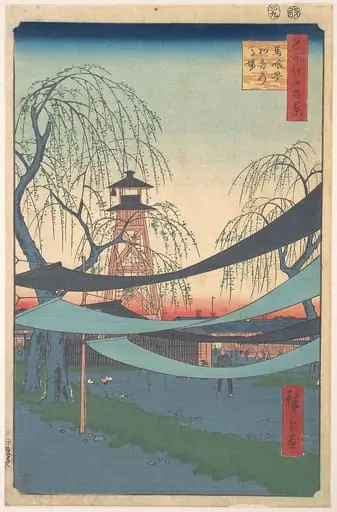 名所江戸百景 馬喰町初音の馬場|The First Race Course, Horse-Dealer's Street
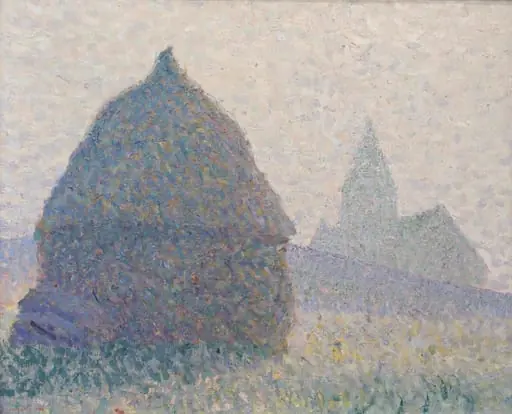 Claie de fân
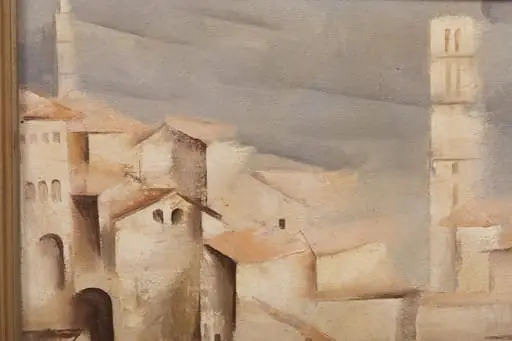 Peisaj
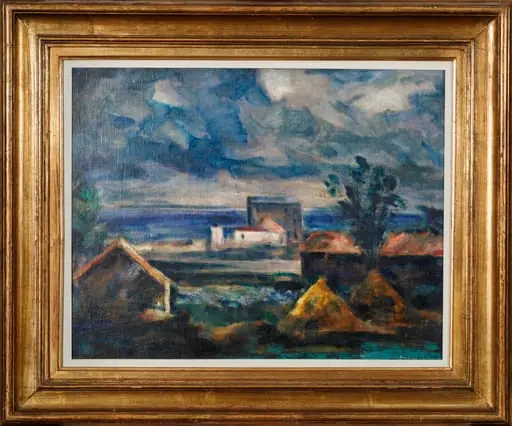 Efect de noapte la Mangalia
 名所江戸百景 馬喰町初音の馬場|Hatsune no Baba; Bakurocho
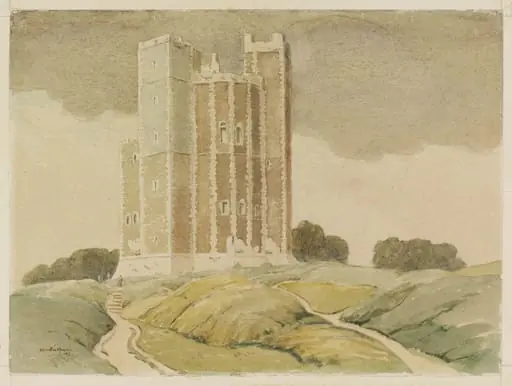 Orford Castle
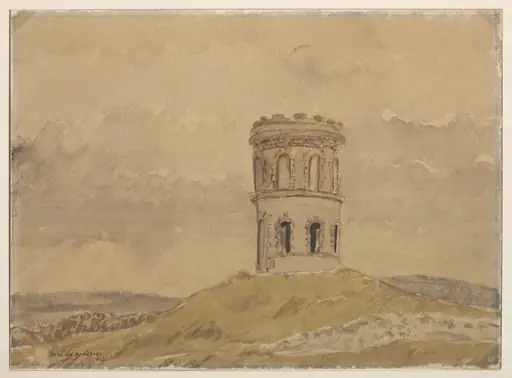 Solomon's Temple, Buxton
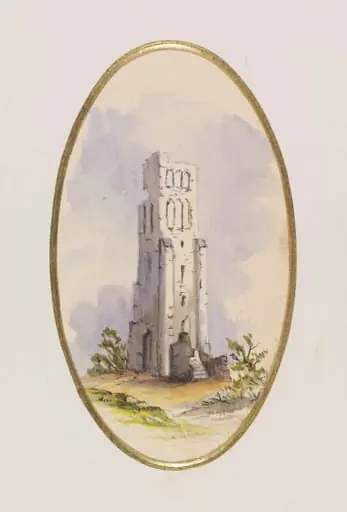 Ruin near Arimathea
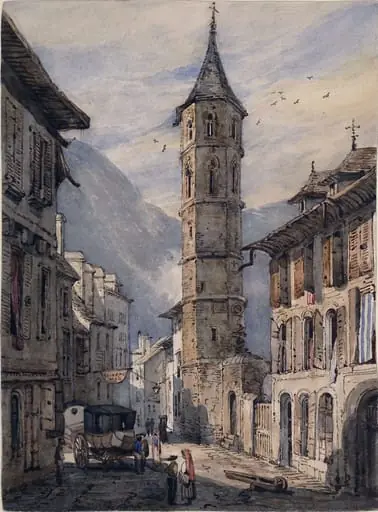 Street scene, with bell tower
![Tower at Freston, near Woolverstone Park [Suffolk]](https://artifactworldgallery.com/img/luigi-mayer--tower-at-freston-near-woolverstone-park-suffolk--b8d7562f14cab099-w320.webp) Tower at Freston, near Woolverstone Park [Suffolk]
Tower at Freston, near Woolverstone Park [Suffolk]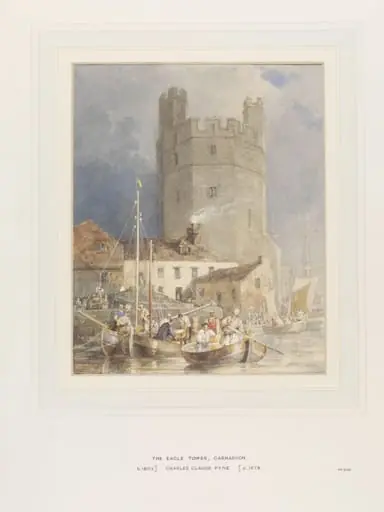 Eagle Tower, Carnarvon
![Mosque of Sidi el-hal-lui [Saiyyid al-Halawi] (the cake man) the oldest mosque in Tlemcen](https://artifactworldgallery.com/img/john-baptist-joseph-dormer--mosque-of-sidi-el-hal-lui-saiyyid-al-halawi-the-cake-man-the--be58e84276206cf9-w320.webp) Mosque of Sidi el-hal-lui [Saiyyid al-Halawi] (the cake man) the oldest mosque in Tlemcen
Mosque of Sidi el-hal-lui [Saiyyid al-Halawi] (the cake man) the oldest mosque in Tlemcen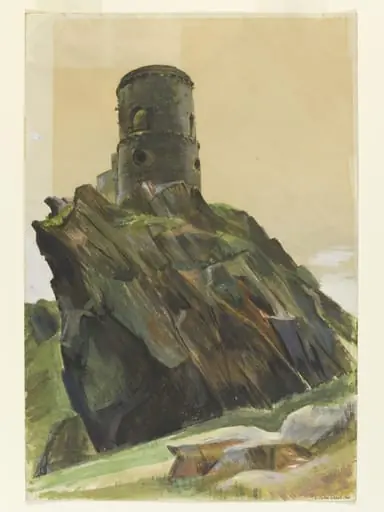 Mowcop
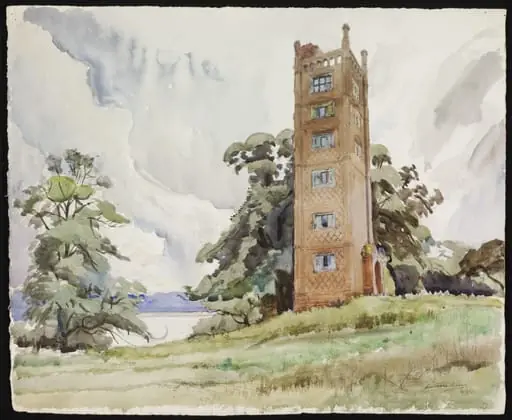 Freston Tower
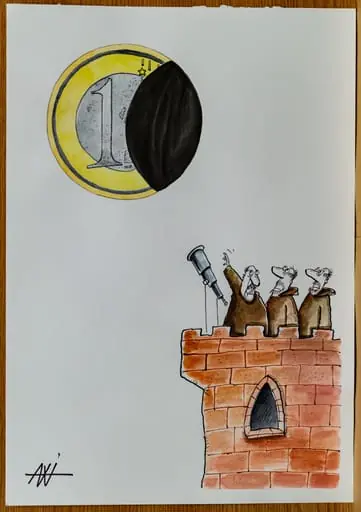 Eclipsa
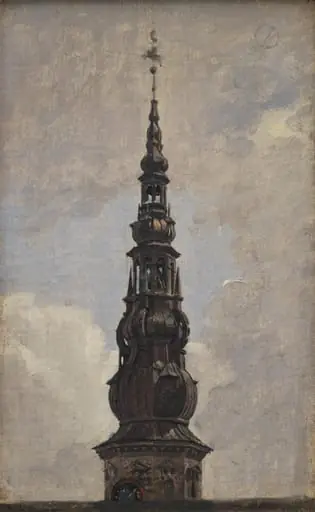 The Great Spire of Kronborg Castle. Study
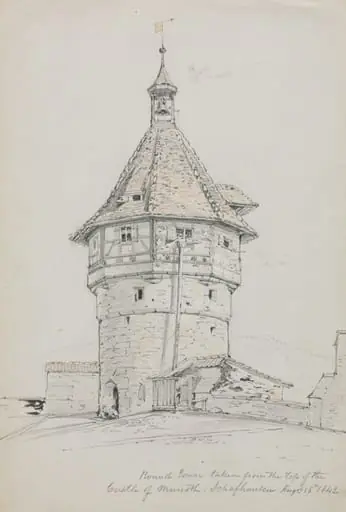 Round Tower, Castle of Munoth, Schafhausen, Switzerland
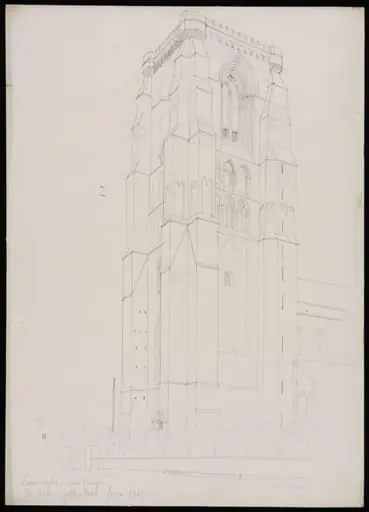 W. tower of the church, Lisseweghe
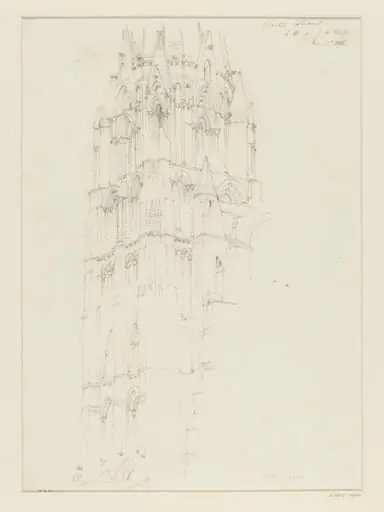 Chartres Cathedral
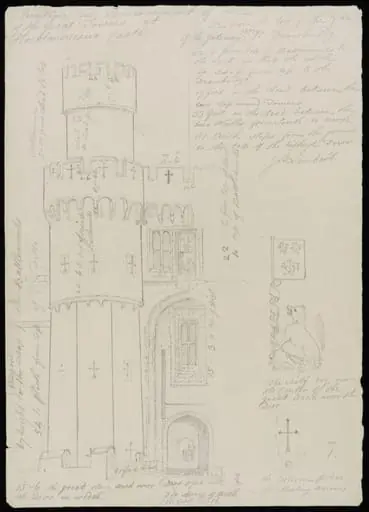 Elevation of one of the great towers.
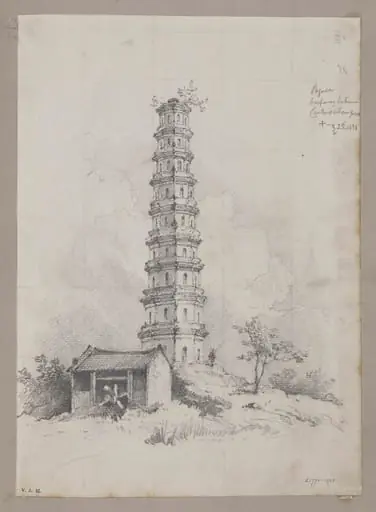 Pagoda halfway between Canton and Whampoa
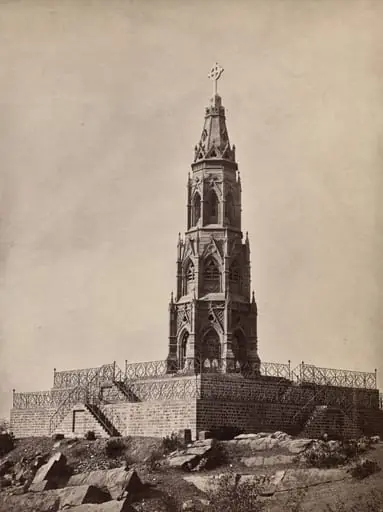 Memorial Monument of the British Soldiers in 1859
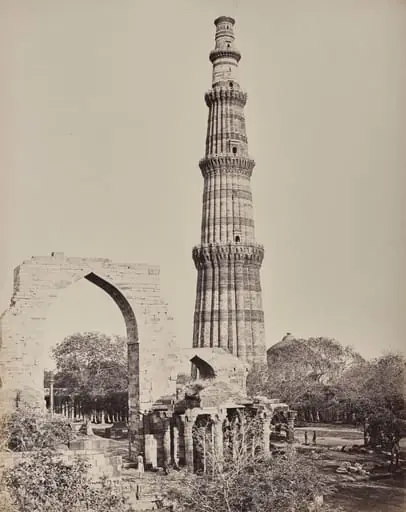 Delhi. The Kootub Minar or Tower in the Ruined City of Old Delhi
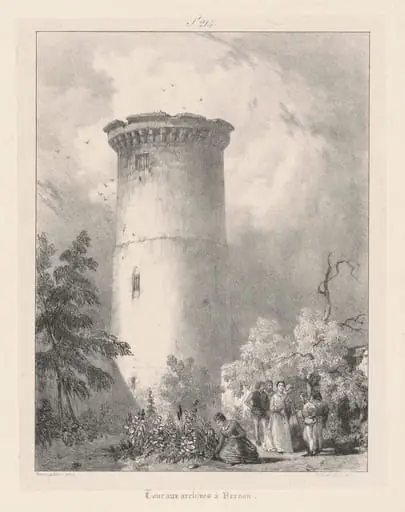 Tour aux Archives à Vernon
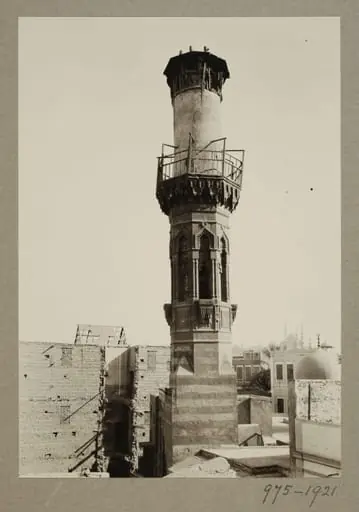 Minaret of the mosque of Qadi Yahya Zayn al-Din (Habbaniyya), Cairo
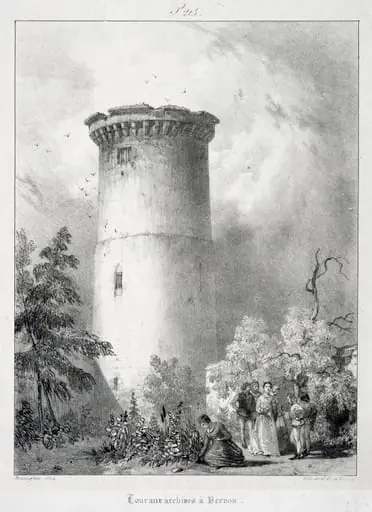 Voyages pittoresques et romantiques dans l'ancienne France, Normandie: Tour aux archives à Vernon
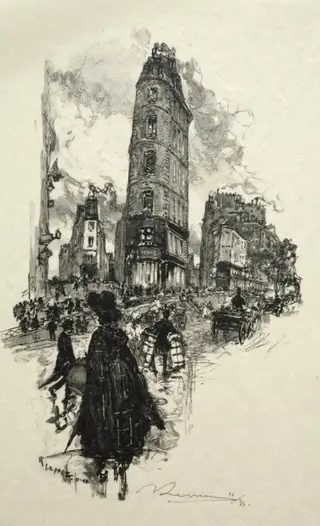 Coin de la Rue de la Lune
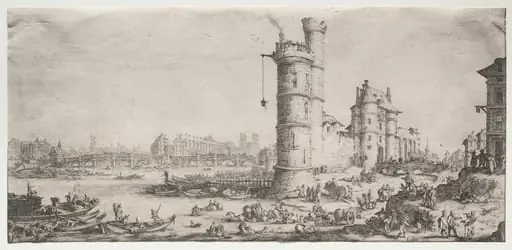 Les deux grandes vues de Paris: Vue du Pont Neuf
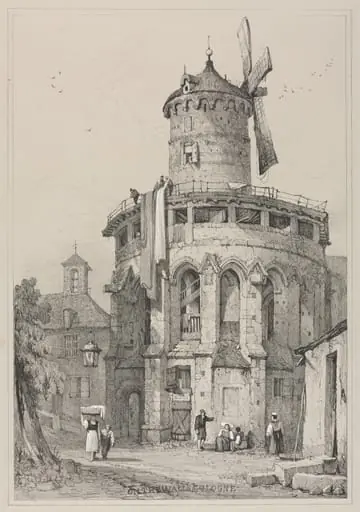 Facsimiles of Sketches Made in Flanders and Germany: On the Walls, Cologne
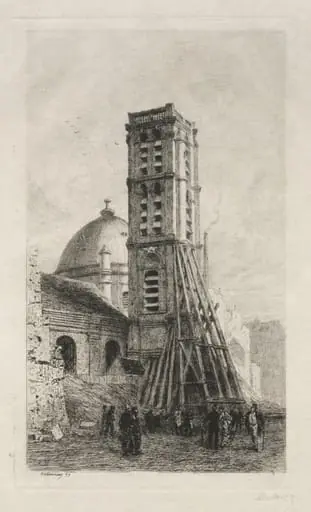 L'Eglise Saint-Roch
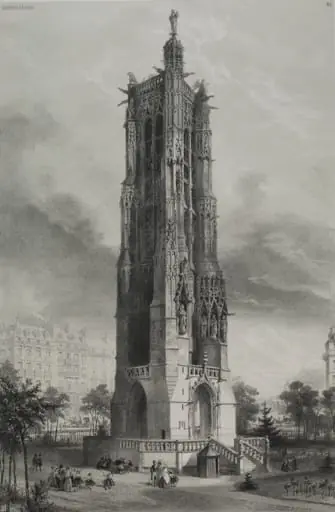 La Tour St. Jacques
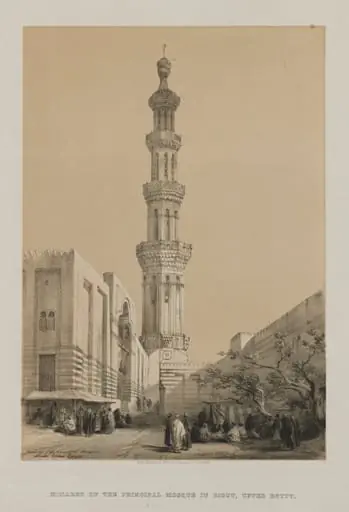 Egypt and Nubia, Volume III: Minaret of the Principal Mosque Siout, Upper Egypt
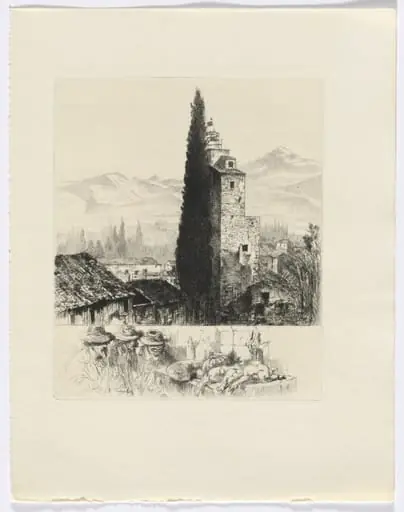 Frédéric Mistral: Mémoires et Recits by Frédéric Mistral: tower in landscape/ man and dead game (insert after p. 200)
Frequently asked questions
What is Tower?
Tower is a subject in art. A tower is a tall structure, taller than it is wide, often by a significant factor.
How many Tower works does Artifact World Gallery have?
Artifact World Gallery holds 84 public-domain Tower works, all free to view and download.
Who are the key Tower artists?
Key Tower artists in the collection include Jean Baptiste Camille Corot, Thomas Cole and Raphael.
Where can I see Tower works?
Tower works in the collection are held by Victoria and Albert Museum, Metropolitan Museum of Art and Cleveland Museum of Art.