Artwork
Portrait of Hugo du Bois, Director of the Rotterdam Chamber of the Dutch East India Company, elected 1734
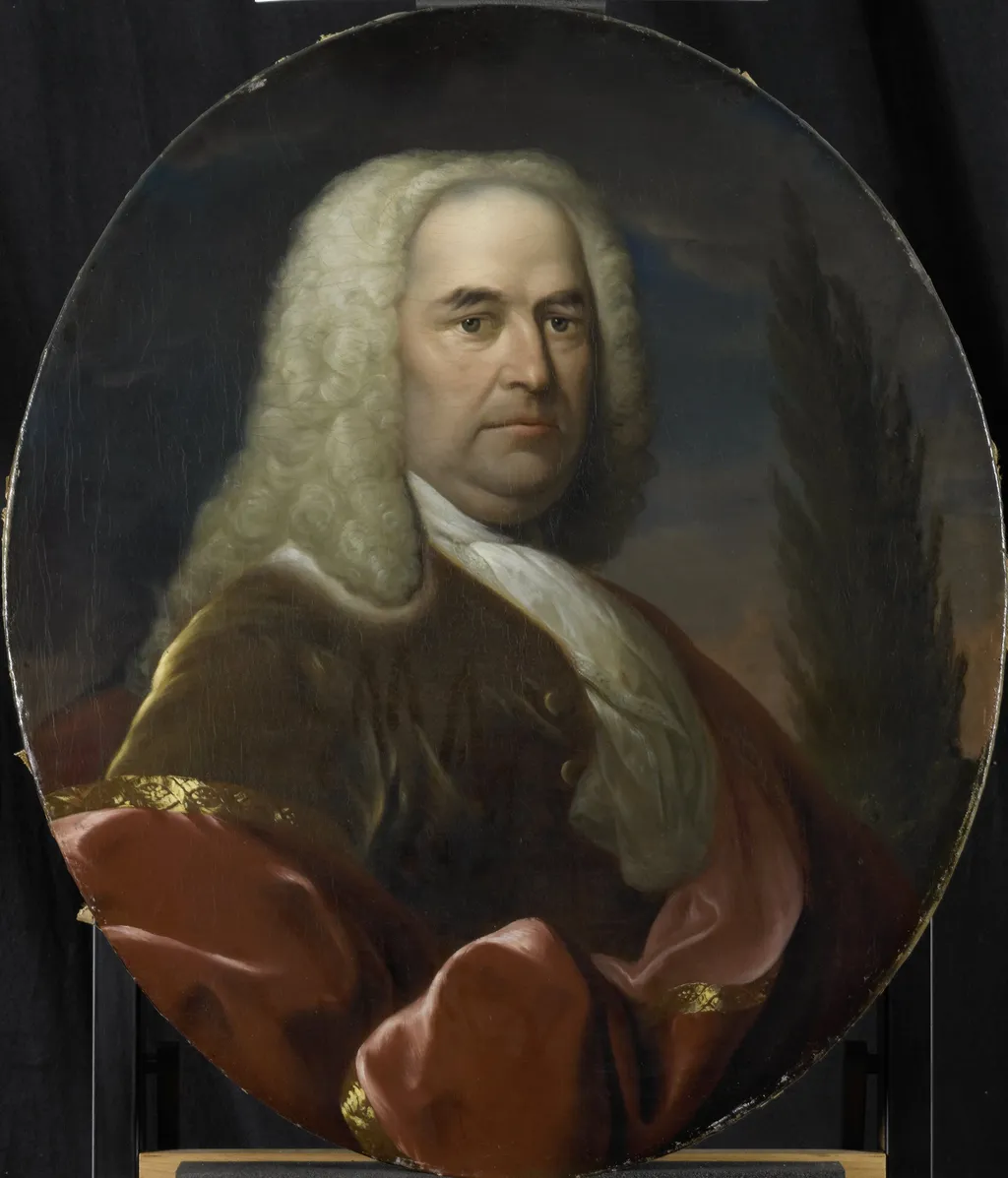
Portrait of Hugo du Bois, Director of the Rotterdam Chamber of the Dutch East India Company, elected 1734 is an oil painting by the Rococo painting artist Dionys van Nijmegen. It dates from 1750 and is held in the collection of the Rijksmuseum.
About this work
Technique & Style
No evidence of significant losses or later restorations is indicated in the available records.
The portrait is painted in oil on canvas and measures 82 cm in height by 68 cm in width. The handling shows a smooth, refined application of paint typical of mid-eighteenth-century Dutch portraiture, with careful attention to facial modeling and costume details. The composition is frontal, emphasizing the sitter’s dignified presence against a neutral background, while the restrained palette and precise brushwork highlight the status conveyed by the subject’s attire and the framed inscription. No evidence of significant losses or later restorations is indicated in the available records.
History & Provenance
The painting was created in 1750 by Dionys van Nijmegen, as recorded in both the cataloguing data and the Wikidata entry for the work. It depicts Hugo du Bois in his capacity as a Director of the Rotterdam Chamber of the Dutch East India Company, an office to which he was elected in 1734, though the portrait itself postdates that election by sixteen years.
The work's documented ownership history is bound to the institutions that absorbed the holdings of the Rotterdam Chamber and its successor bodies. The painting is associated with collections including the East India Company itself, the Nederlandsch Museum voor Geschiedenis en Kunst, and the Schielandshuis, before passing into the present-day holdings of the Rijksmuseum and Museum Rotterdam. No information is provided regarding the original commissioner or the circumstances under which the portrait was produced.
Portrait of Hugo du Bois, Director of the Rotterdam Chamber of the Dutch East India Company, painted in 1750 by Dionys van Nijmegen, is part of the Rijksmuseum collection in Amsterdam and is also listed in the Museum Rotterdam holdings. The work has been exhibited at the Rijksmuseum as part of its portrait series and has appeared in displays concerning Dutch East India Company history at the Museum Rotterdam.
Legacy
The portrait of Hugo du Bois, painted by Dionys van Nijmegen in 1750, became part of the Rijksmuseum and Museum Rotterdam collections, ensuring the image’s continued visibility within Dutch cultural institutions. Its inclusion in holdings of the East India Company and Rotterdam Chamber linked the work to the commercial and civic history of the Netherlands, reinforcing du Bois’s legacy as a key figure in 18th‑century mercantile society. The painting’s presence in exhibitions at the Schielandshuis and the Netherlands Museum of History and Art further cemented its reputation as an emblem of Rotterdam’s mercantile heritage, influencing later artistic representations of civic leaders.
Overview
The oil painting, executed around 1750 by Dutch artist Dionys van Nijmegen, portrays Hugo du Bois, who served as director of the Rotterdam Chamber of the Dutch East India Company after his election in 1734. The work is part of the Rijksmuseum’s collection.
Subject & Meaning
Hugo du Bois is presented as a dignified figure, his white curls and solemn expression underscoring his status. The attire, a brown coat trimmed with gold buttons and a white cravat, signals his wealth and official position within the mercantile enterprise of the 18th‑century Netherlands.
Own this work as a print
Artist & collection

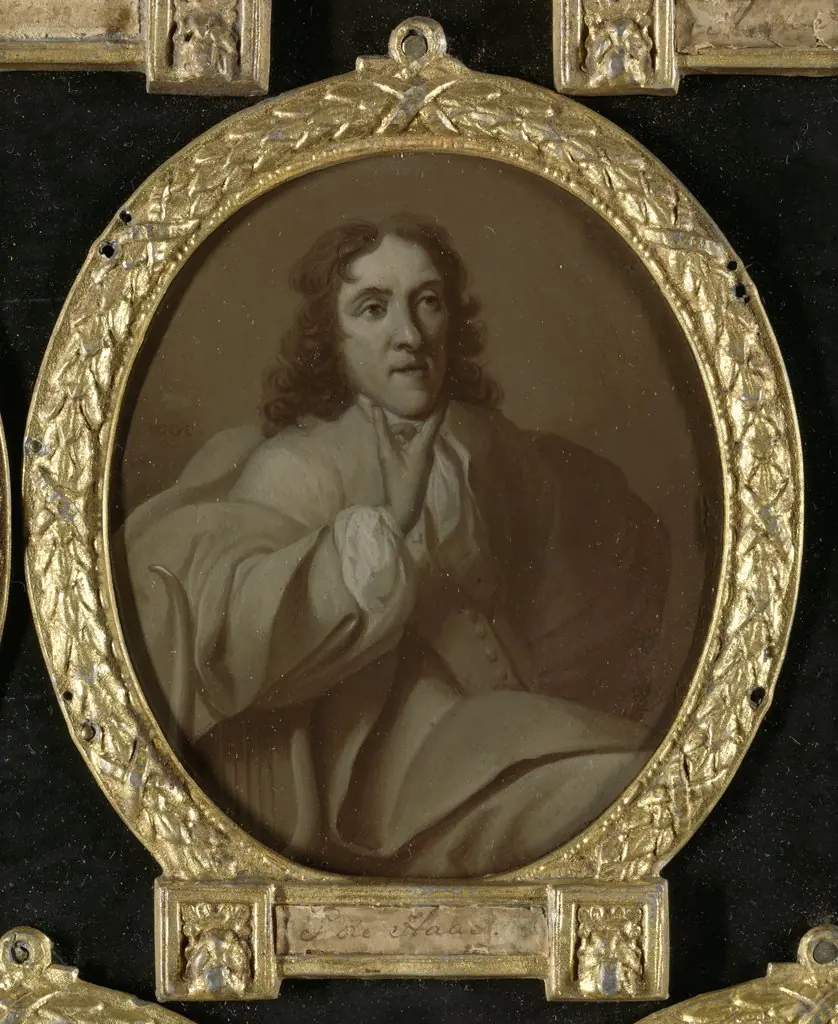
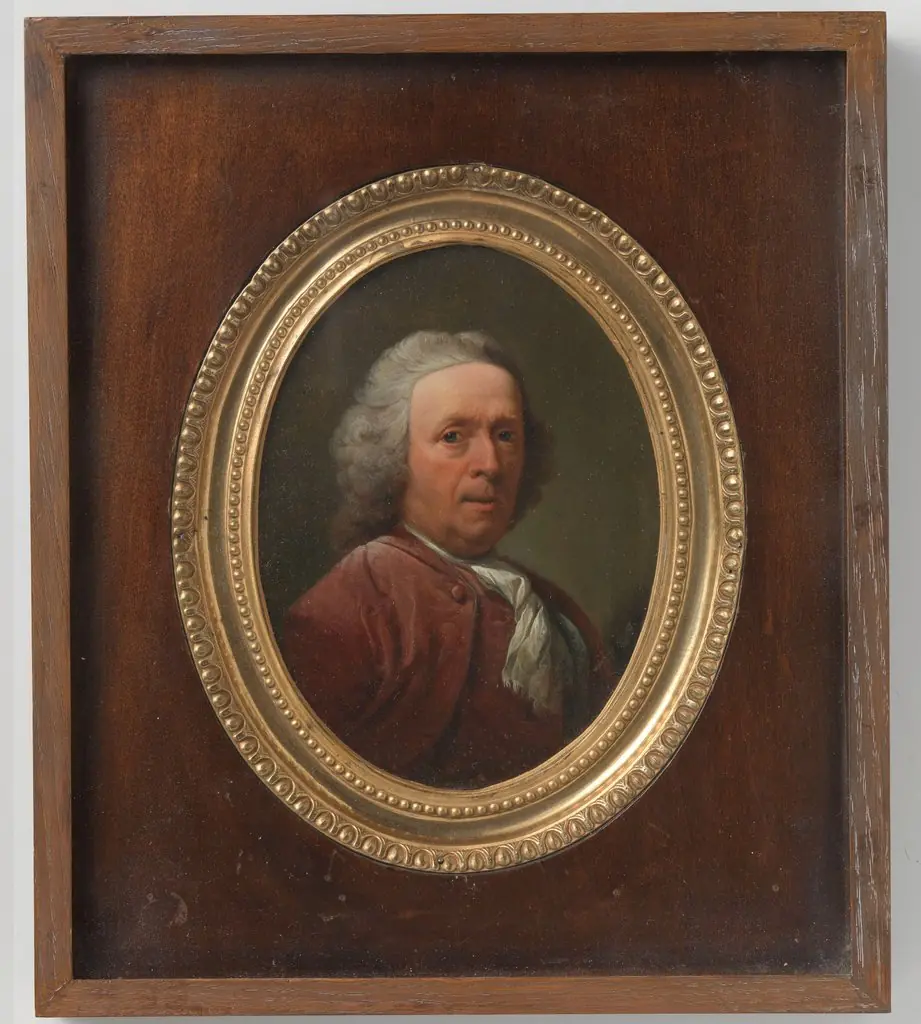
- Portrait of Hugo du Bois, Director of the Rotterdam Chamber of the Dutch East India Company, elected 1734
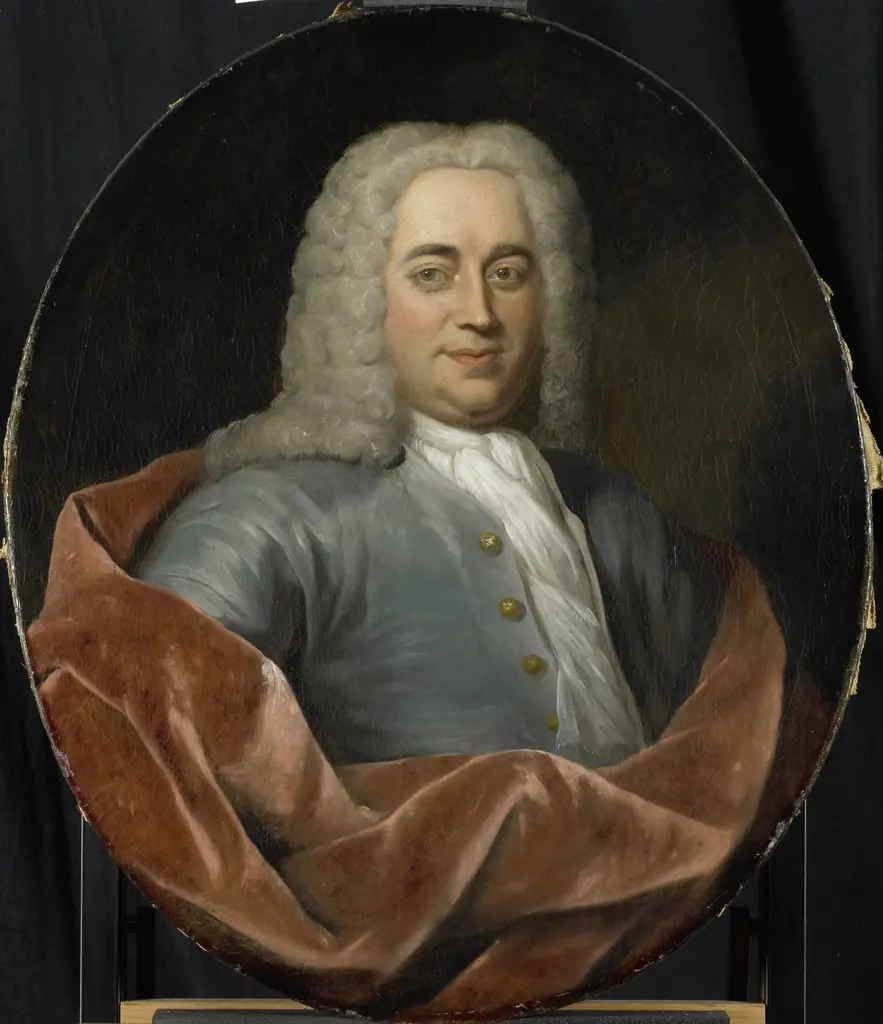 Portrait of Walter Senserff, Director of the Rotterdam Chamber of the Dutch East India Company, elected 1731
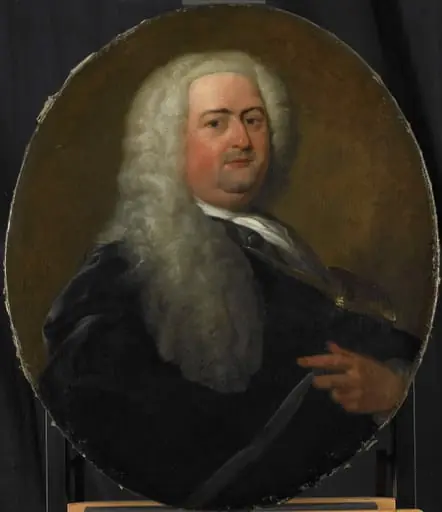 Portrait of Adriaen Paets, Director of the Rotterdam Chamber of the Dutch East India Company, elected 1734
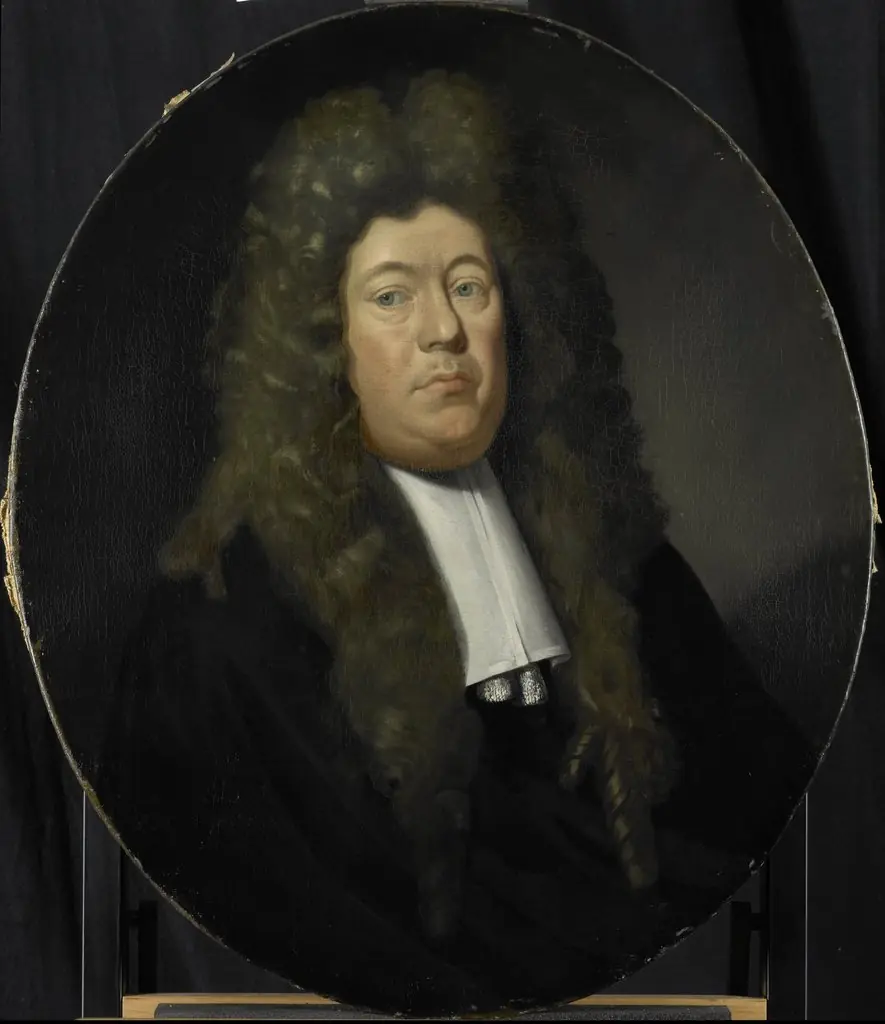 Portrait of Adriaen Paets, Director of the Rotterdam Chamber of the Dutch East India Company, elected 1668
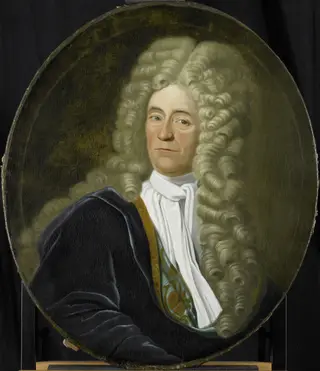 Portrait of Willem van Hogendorp, Director of the Rotterdam Chamber of the Dutch East India Company, elected 1692
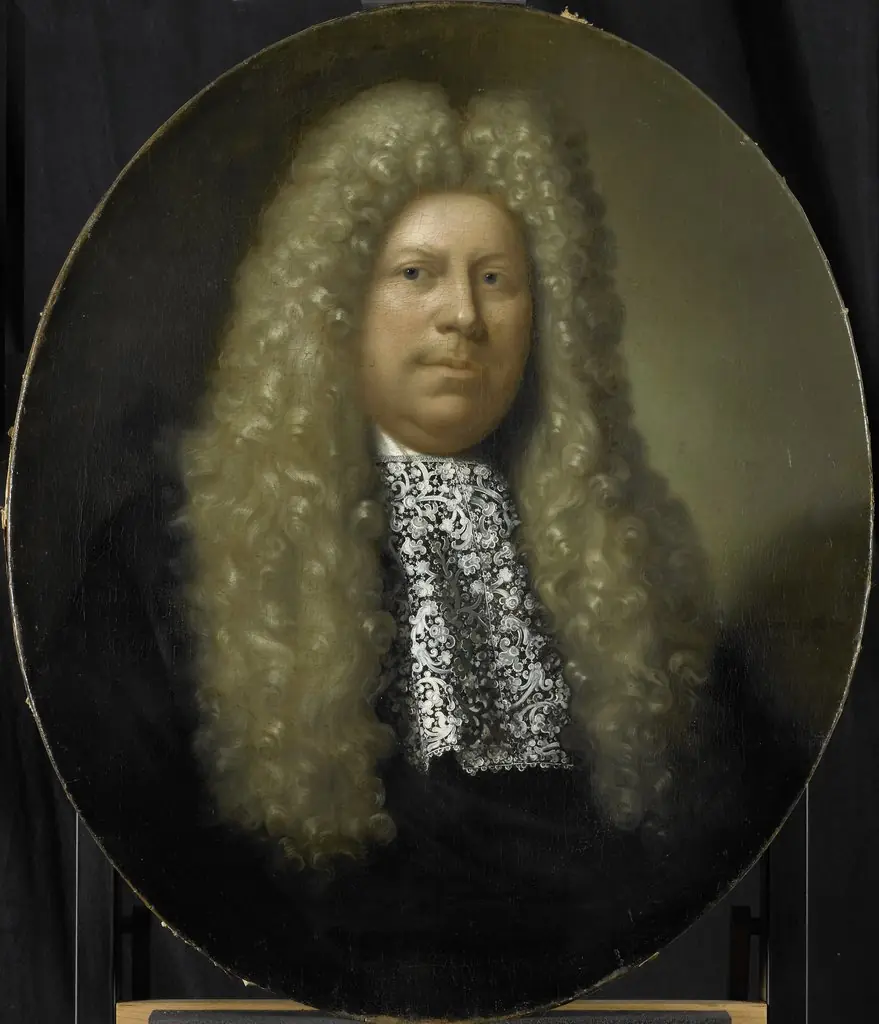 Portrait of Jacob Dane, Director of the Rotterdam Chamber of the Dutch East India Company, elected 1689
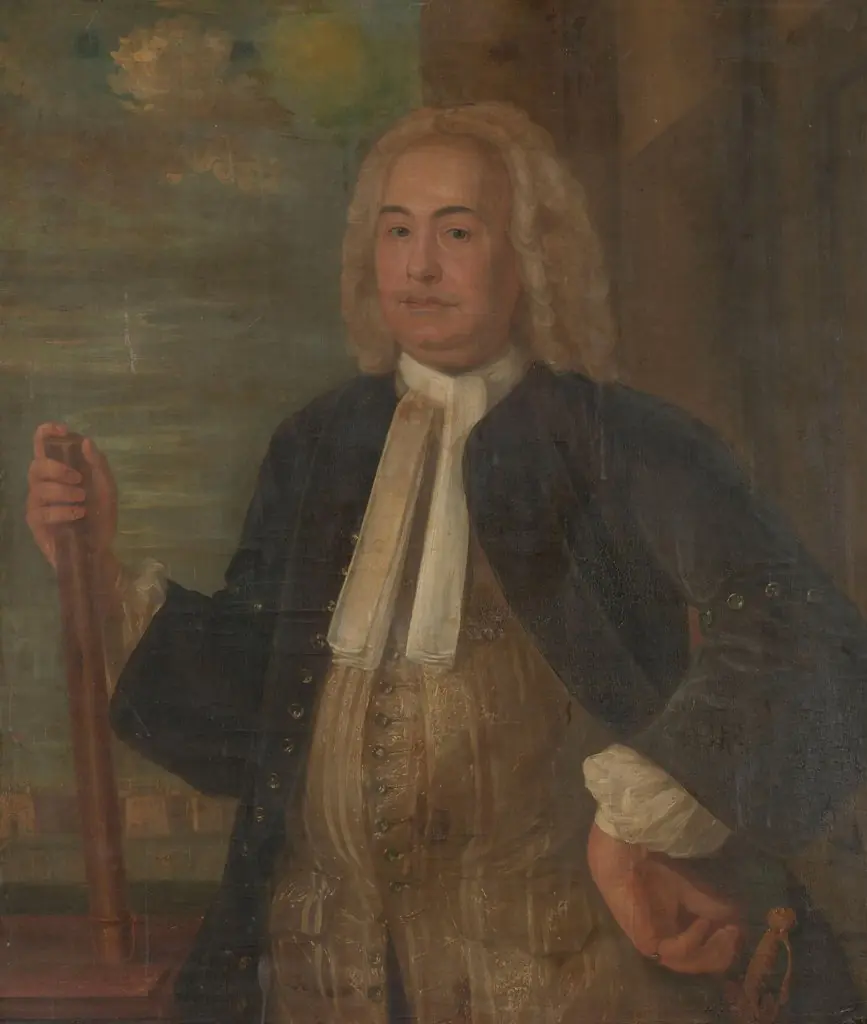 Portrait of Johannes Thedens, Governor-General of the Dutch East India Company
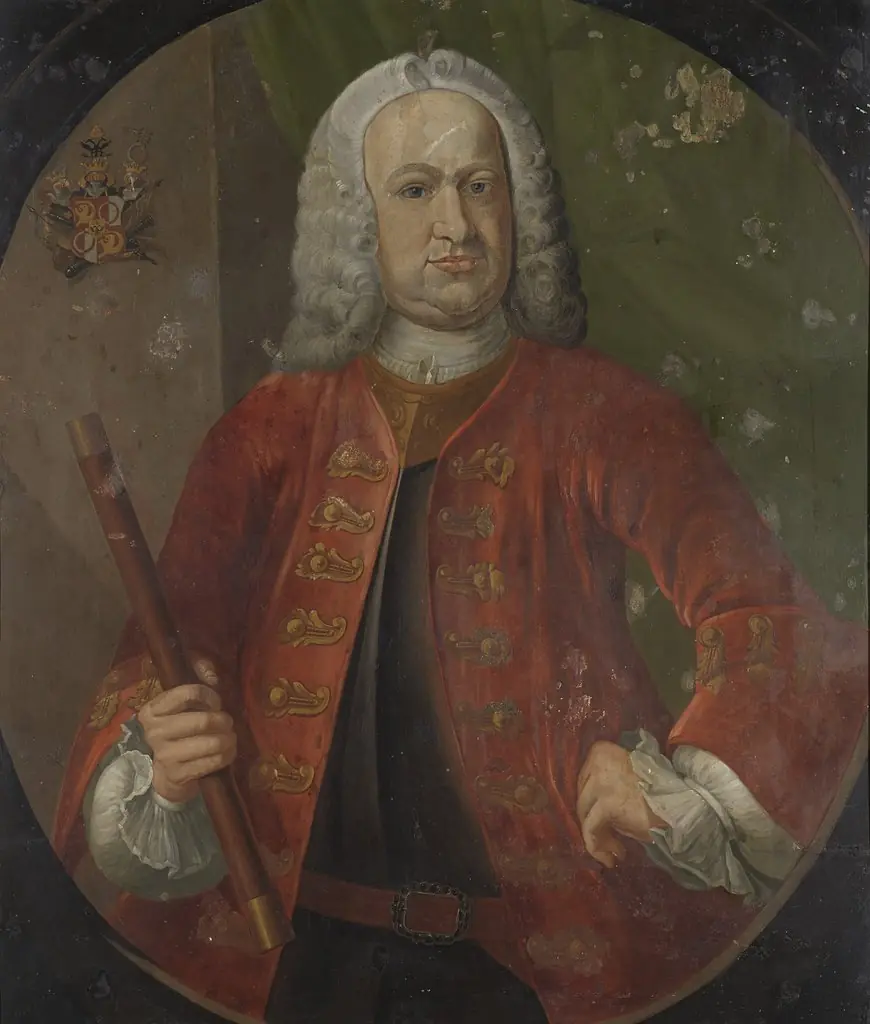 Portrait of Gustaaf Willem, Baron van Imhoff, Governor-General of the Dutch East India Company
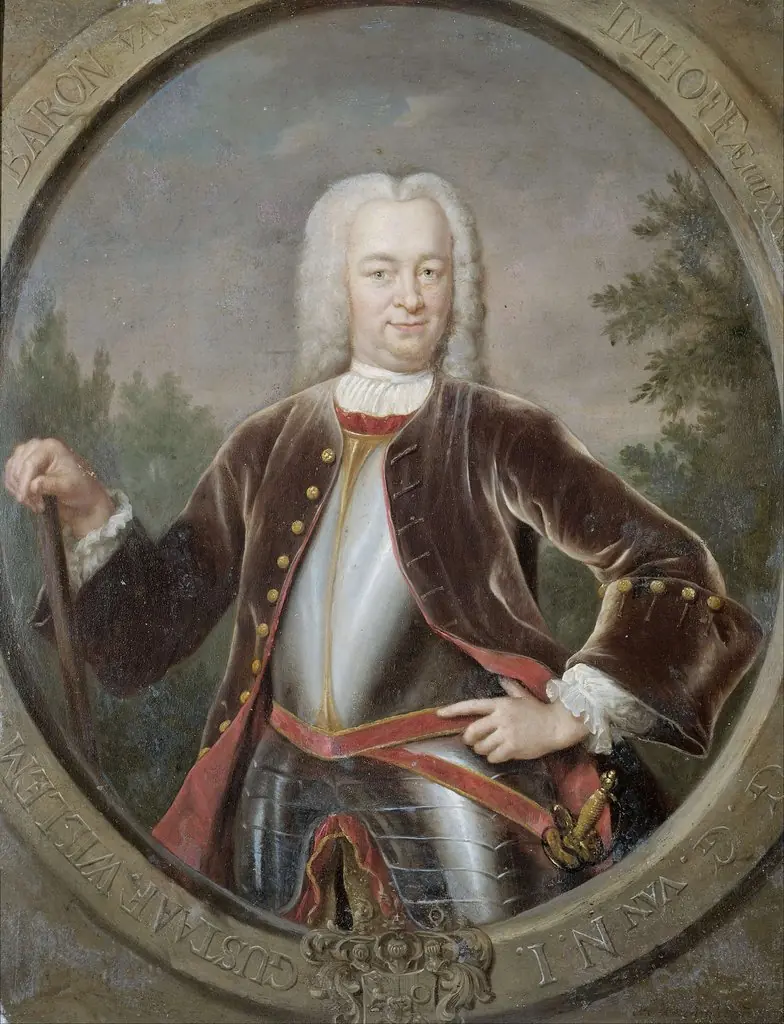 Portrait of Gustaaf Willem, Baron van Imhoff, Governor-General of the Dutch East India Company
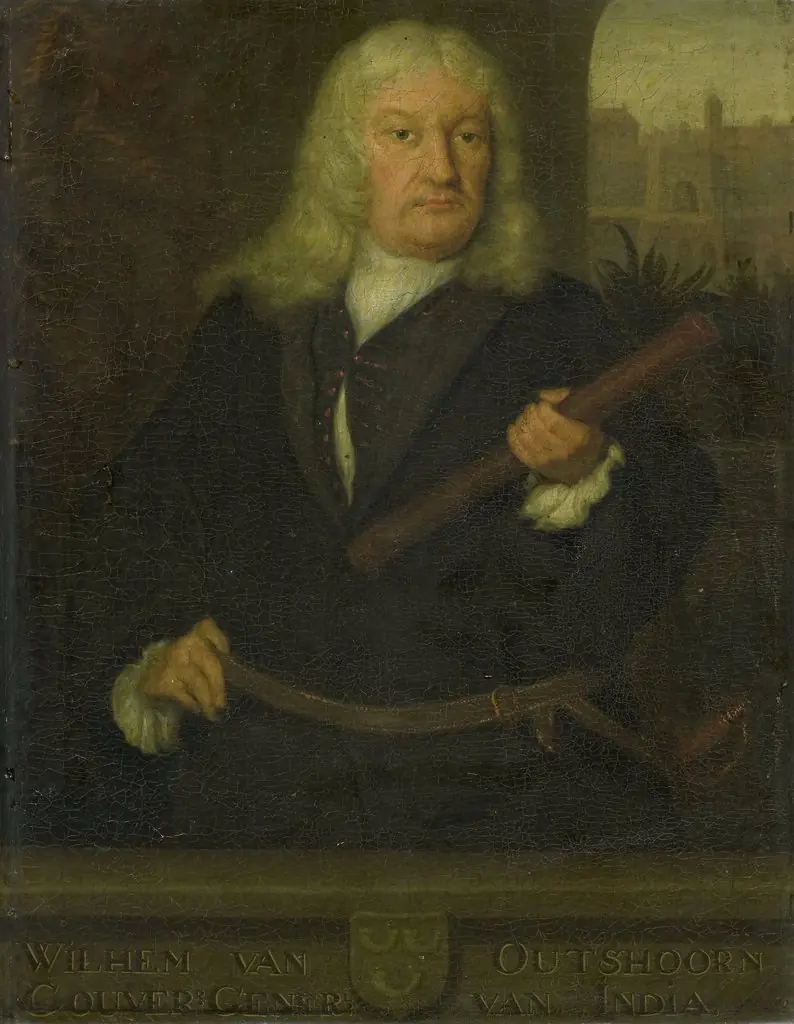 Portrait of Willem van Outhoorn, Governor General of the Dutch East Indies