Artwork
Portrait of Gustaaf Willem, Baron van Imhoff, Governor-General of the Dutch East India Company
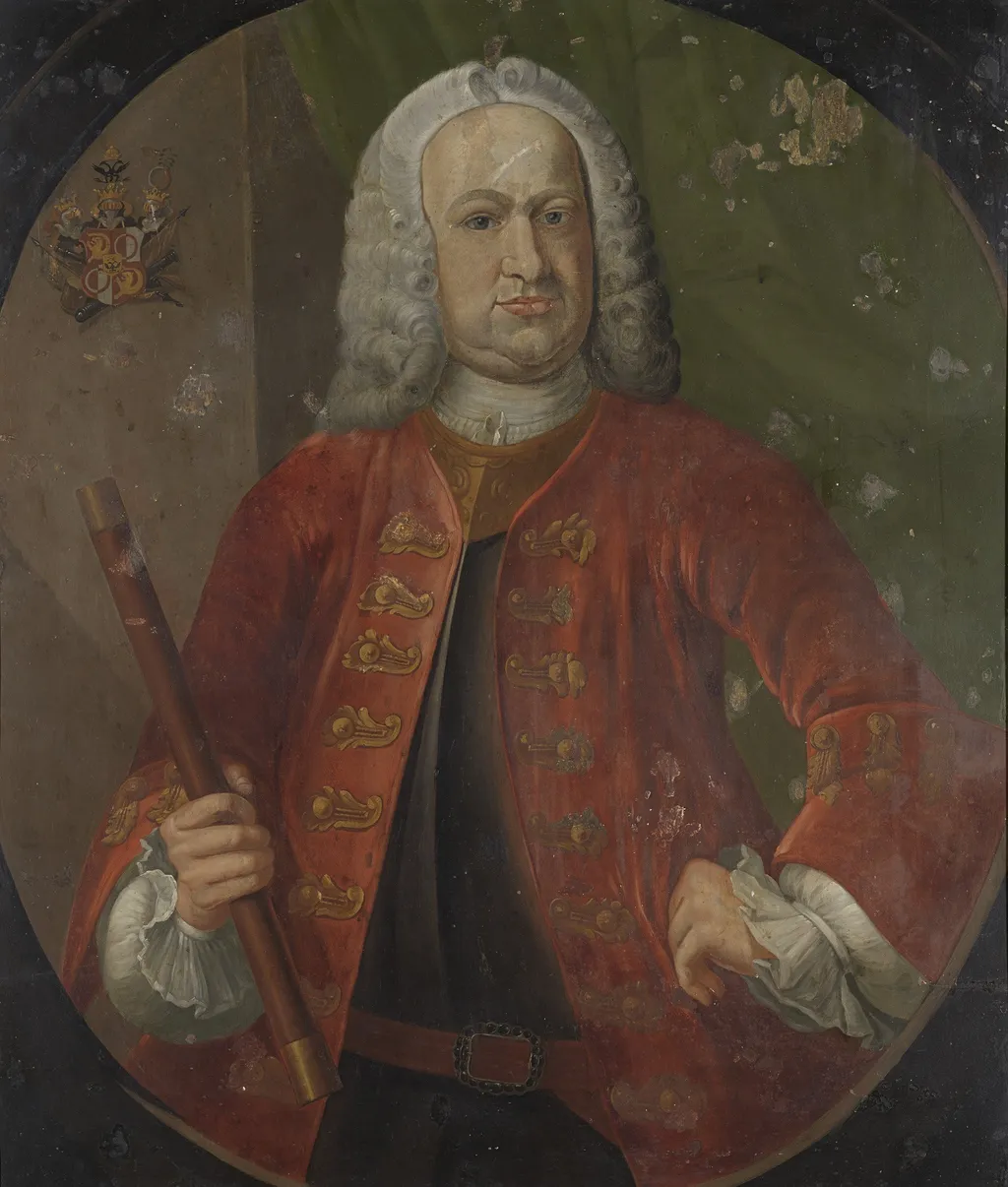
Portrait of Gustaaf Willem, Baron van Imhoff, Governor-General of the Dutch East India Company is an oil painting. It dates from 1750 and is held in the collection of the Rijksmuseum.
About this work
Technique & Style
The specific combination of materials and the large-scale dimensions characterize the physical handling and formal presence of the piece.
Created in 1750, this portrait of Gustaaf Willem, Baron van Imhoff is executed in oil paint on a brass support. The work measures 110 cm in height and 92.5 cm in width. As an anonymous painting held by the Rijksmuseum, it functions within the genre of portraiture, utilizing the metallic surface of the brass to underpin the oil medium.
The specific combination of materials and the large-scale dimensions characterize the physical handling and formal presence of the piece.
History & Provenance
The portrait was painted in 1750 as a commissioned work for Gustaaf Willem Baron van Imhoff, who served as Governor-General of the Dutch East India Company. It was created by an anonymous artist and executed in oil paint on a brass support. The work measures 110 cm in height and 92.5 cm in width.
It has been part of the Rijksmuseum collection since its acquisition and is currently displayed at the museum in Amsterdam.
Overview
The work titled "Portrait of Gustaaf Willem, Baron van Imhoff, Governor‑General of the Dutch East India Company" is a brass painting depicting the Dutch official in a vivid red coat with gold ornamentation. He is shown with a large white wig, holding a dark walking stick, set against a dark background that includes a muted greenish circular area and a modest crest in the upper left corner.
Subject & Meaning
Gustaaf Willem van Imhoff, who served as Governor‑General of the Dutch East India Company, is presented in formal attire that emphasizes his rank and authority. The bright red coat with gold buttons and cuffs signals wealth and official status, while the white wig reflects contemporary fashion among European elites in the mid‑18th century.
Artist & collection

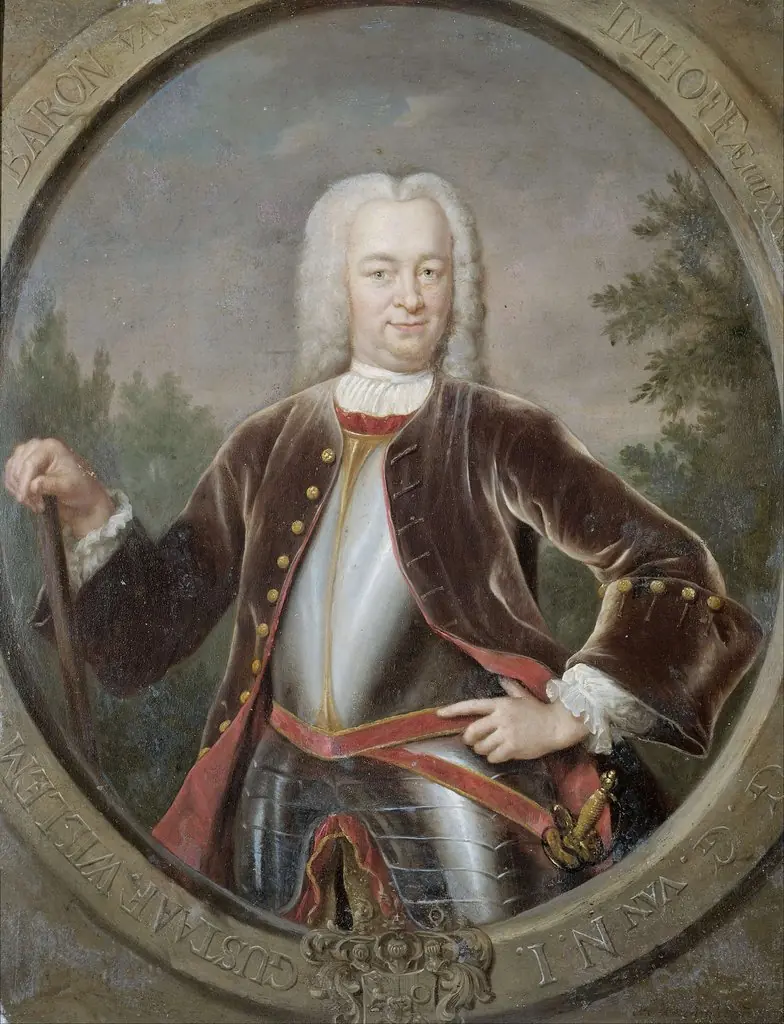
- Portrait of Gustaaf Willem, Baron van Imhoff, Governor-General of the Dutch East India Company
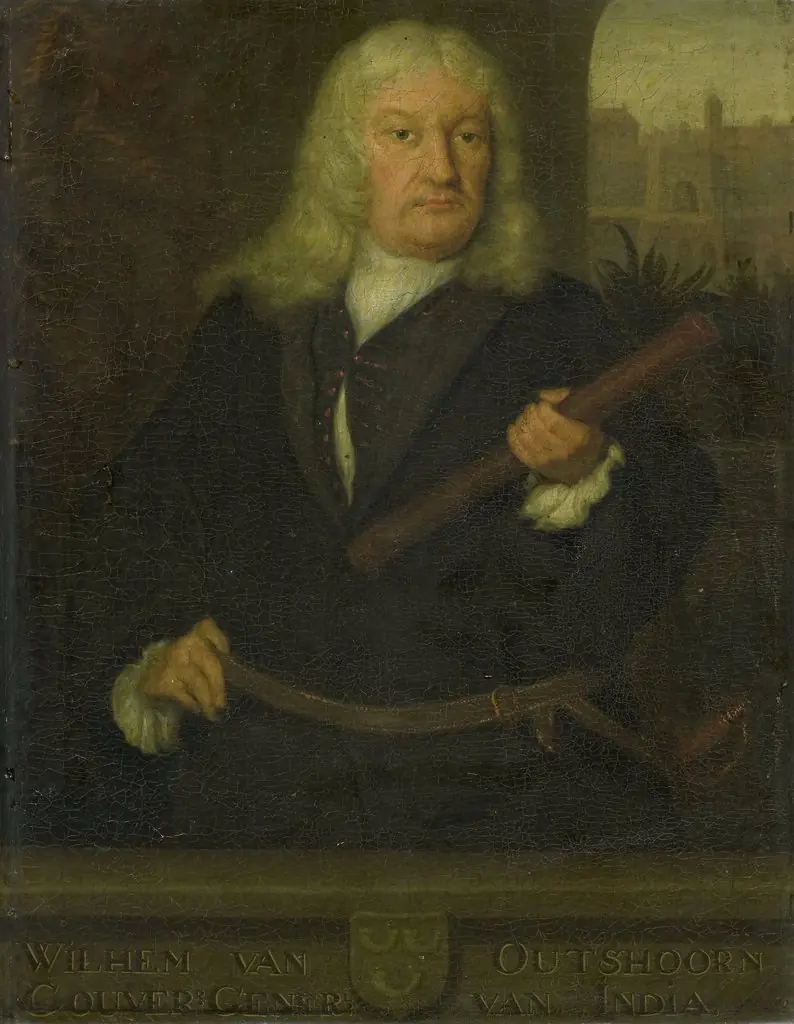 Portrait of Willem van Outhoorn, Governor General of the Dutch East Indies
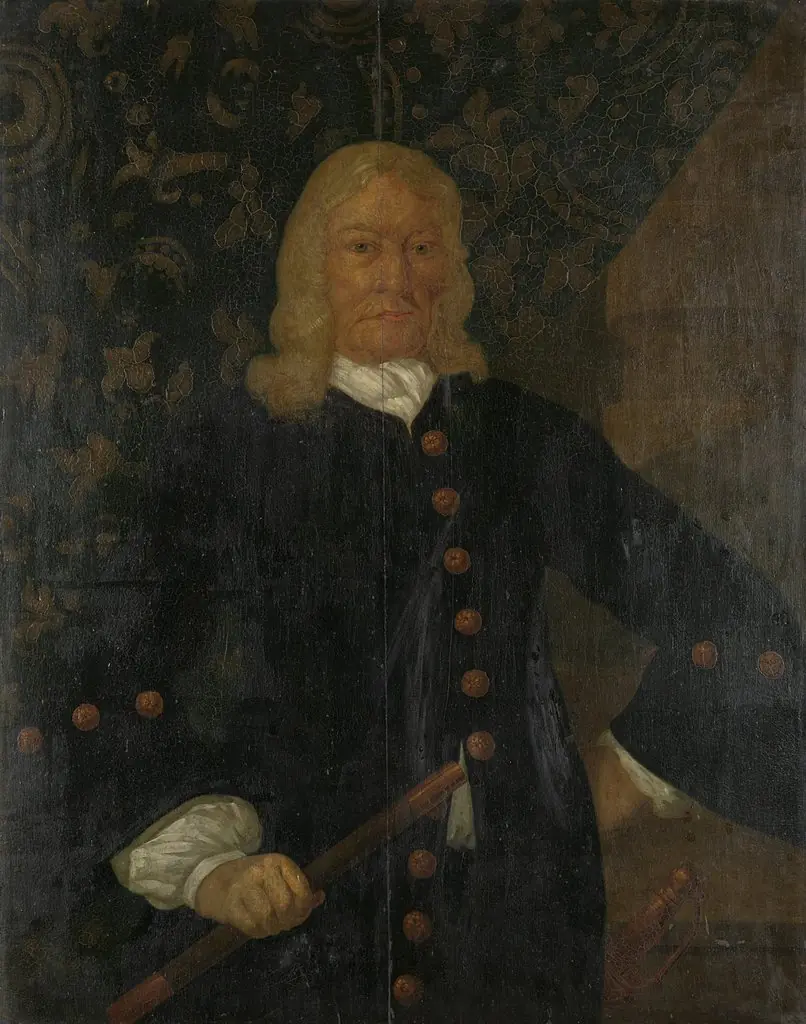 Portrait of Willem van Outhoorn, Governor-General of the Dutch East Indies
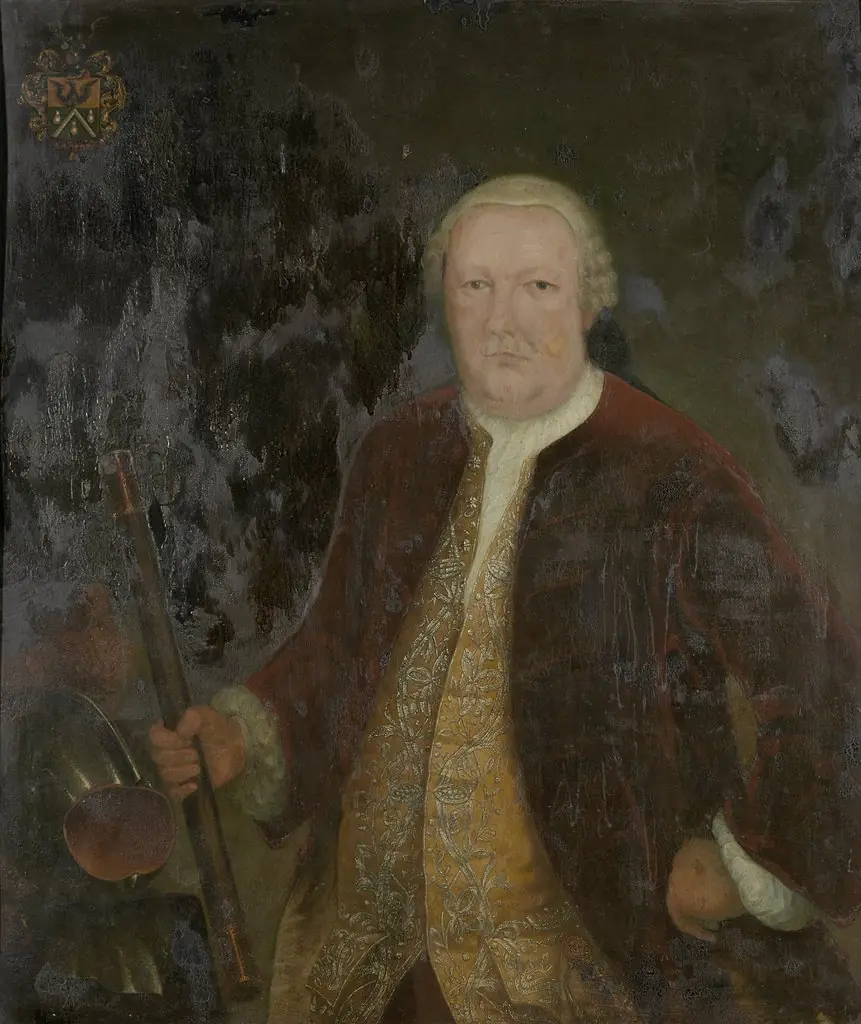 Portrait of Petrus Albertus van der Parra, Governor-General of the Dutch East India Company
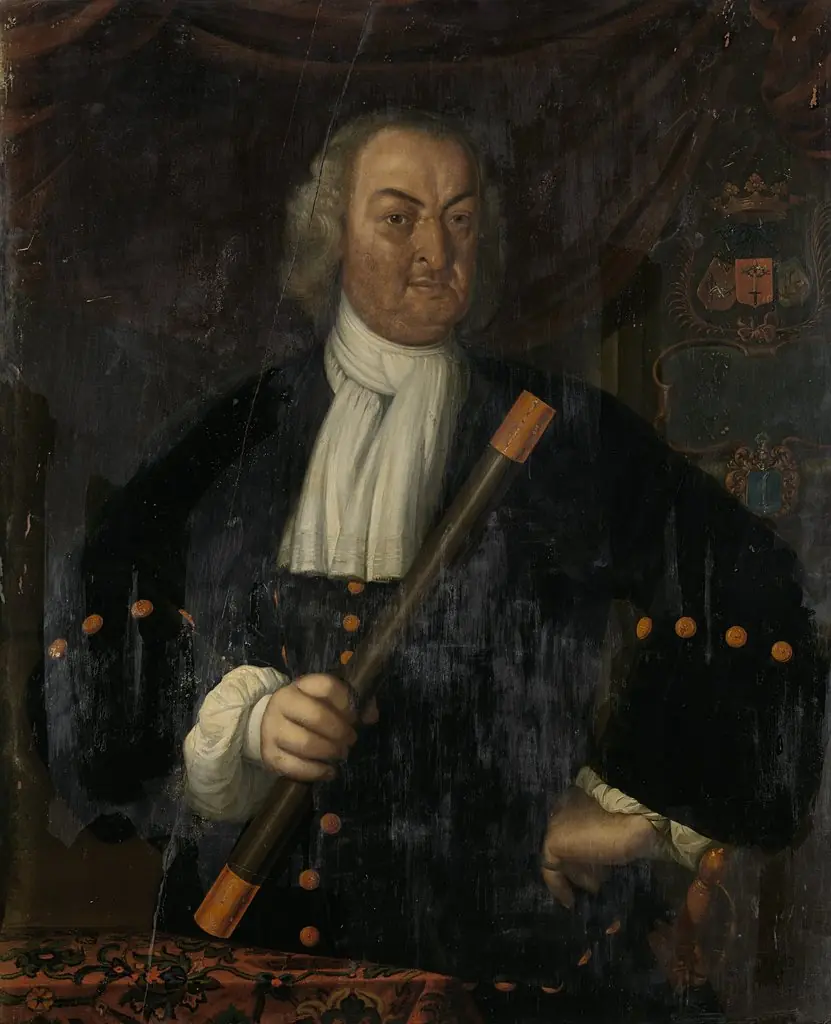 Portrait of Hendrik Swaardecroon (Hendrick Zwaardecroon), Governor General of the Dutch East Indies
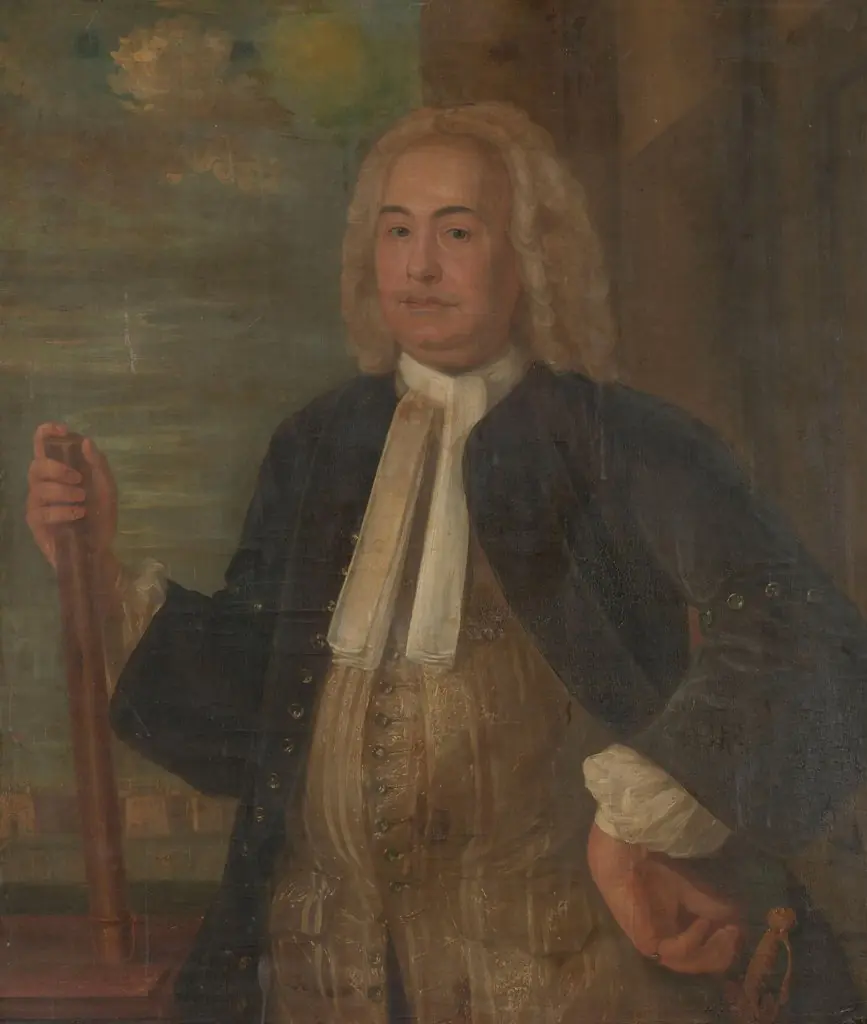 Portrait of Johannes Thedens, Governor-General of the Dutch East India Company
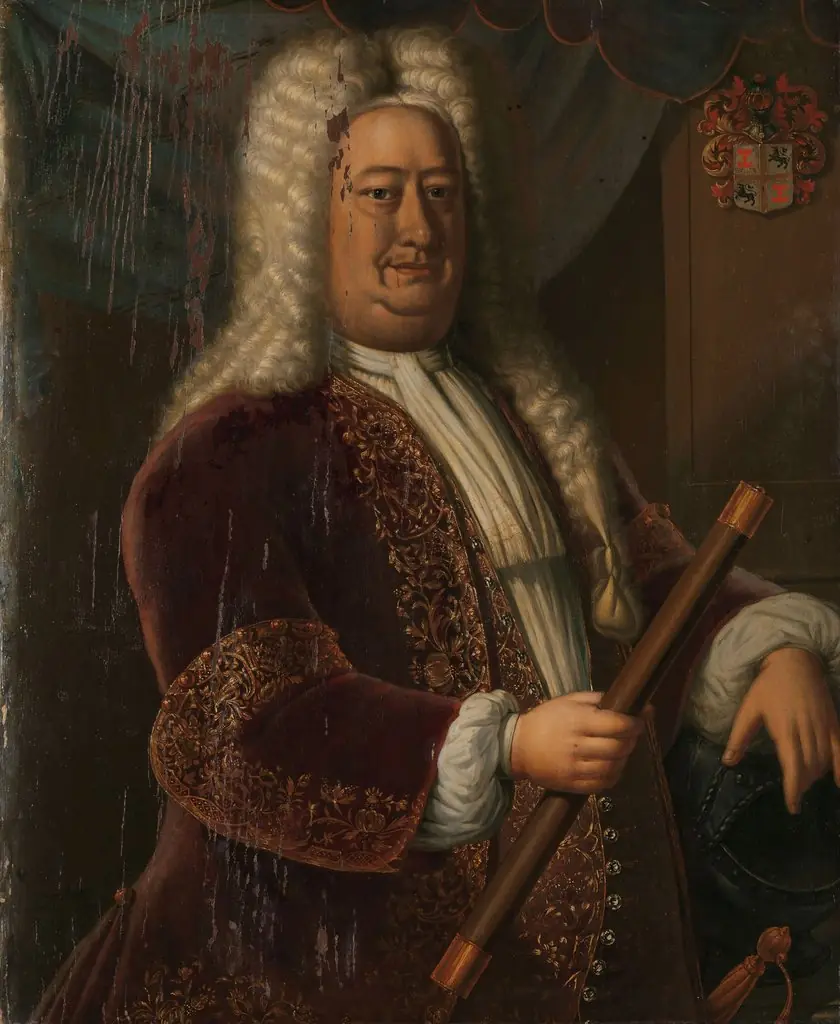 Portrait of Dirk van Cloon, Governor-General of the Dutch East Indies
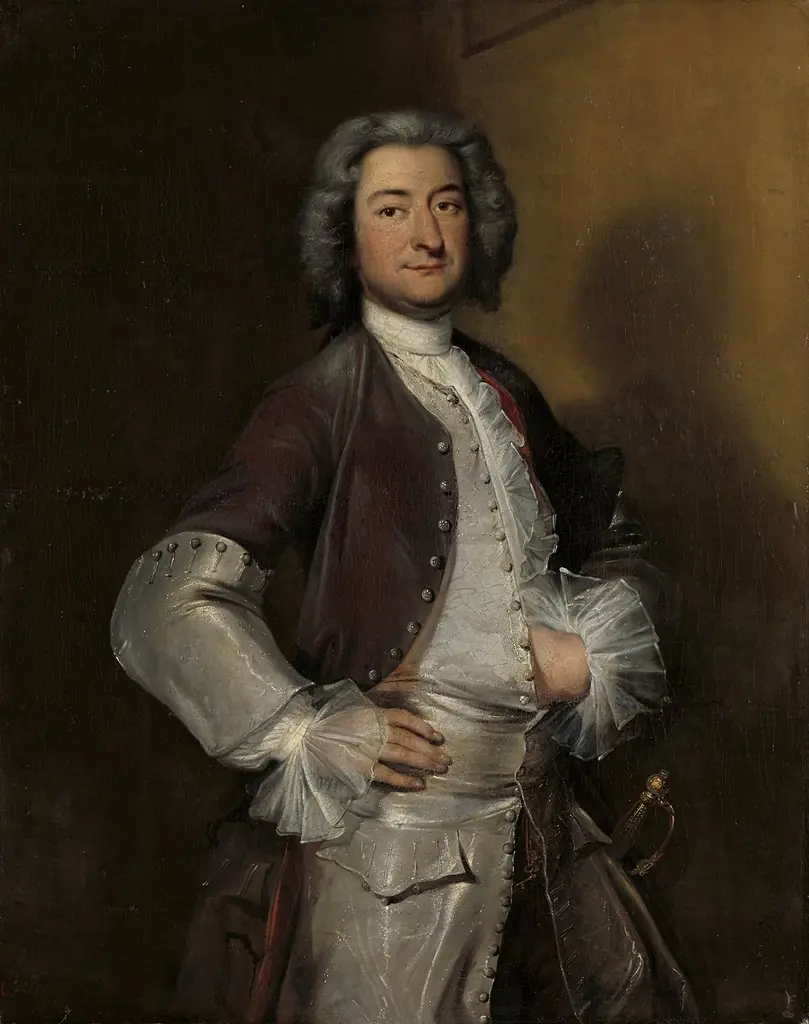 Portrait of Isaac Sweers, Chief Officer of Amsterdam and Governor of the Dutch East India Company
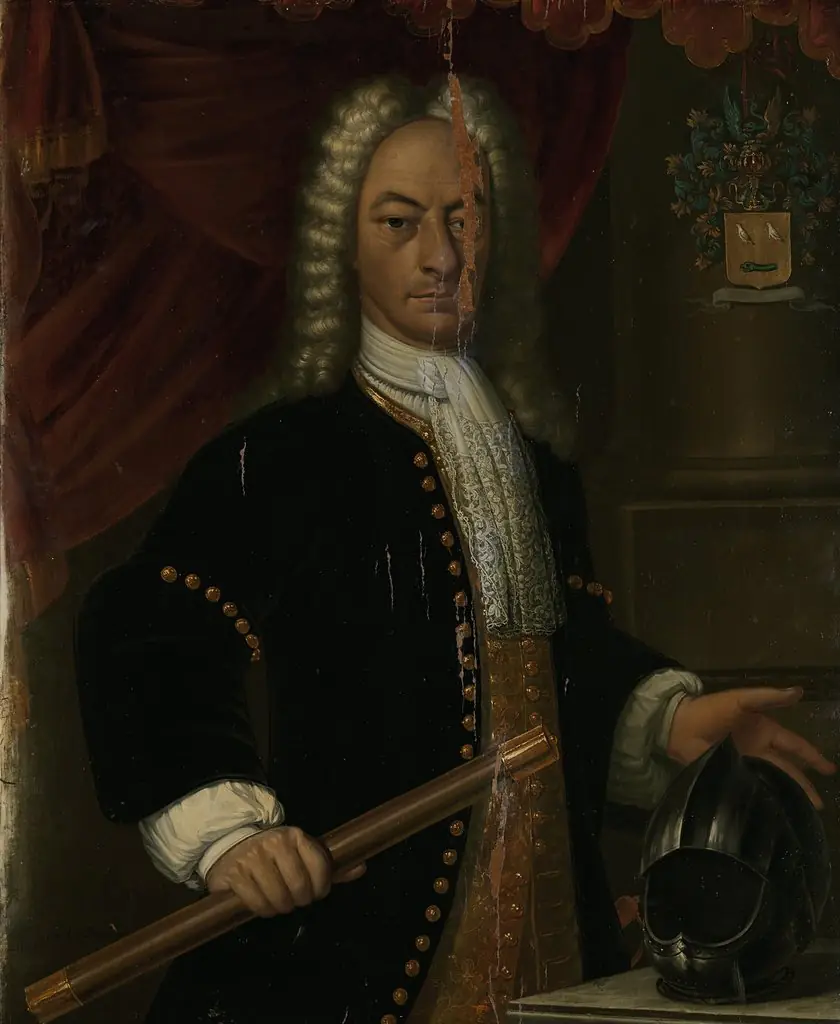 Portrait of Diederik van Durven, Governor-General of the Dutch East Indies
 Portrait of Johannes Thedens, Governor-General of the Dutch East India Company
 Diederik van Durven (1729-1730)
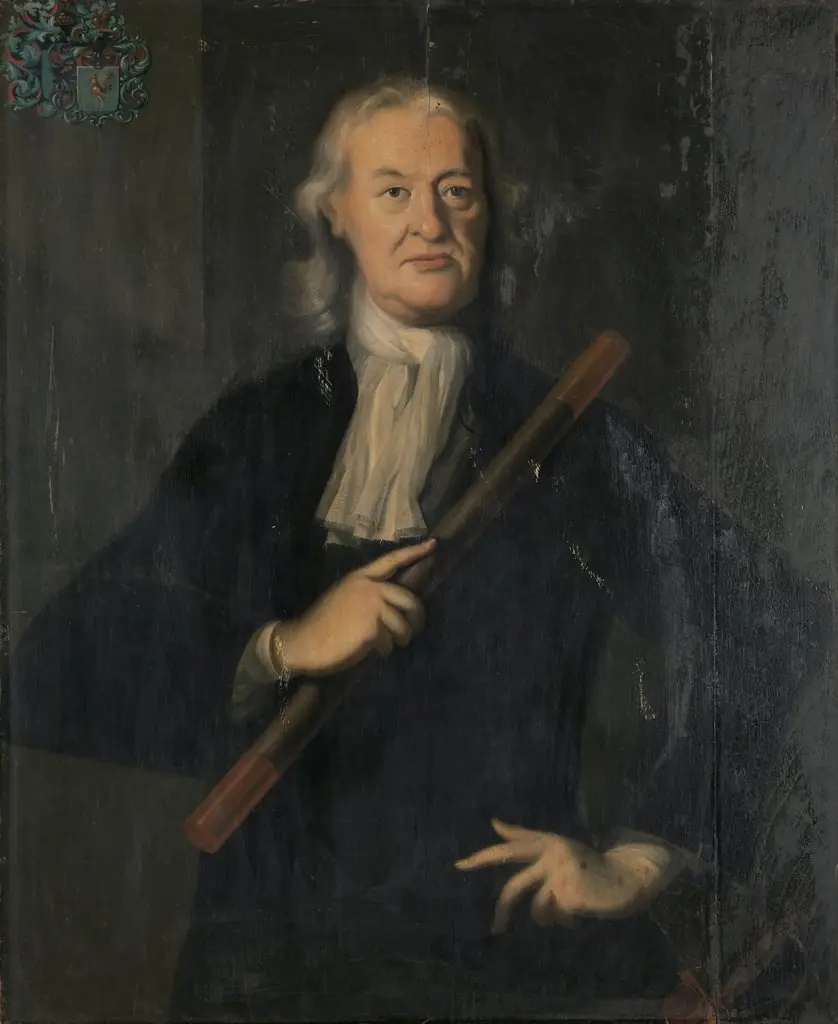 Portrait of Mattheus de Haan, Governor-General of the Dutch East Indies
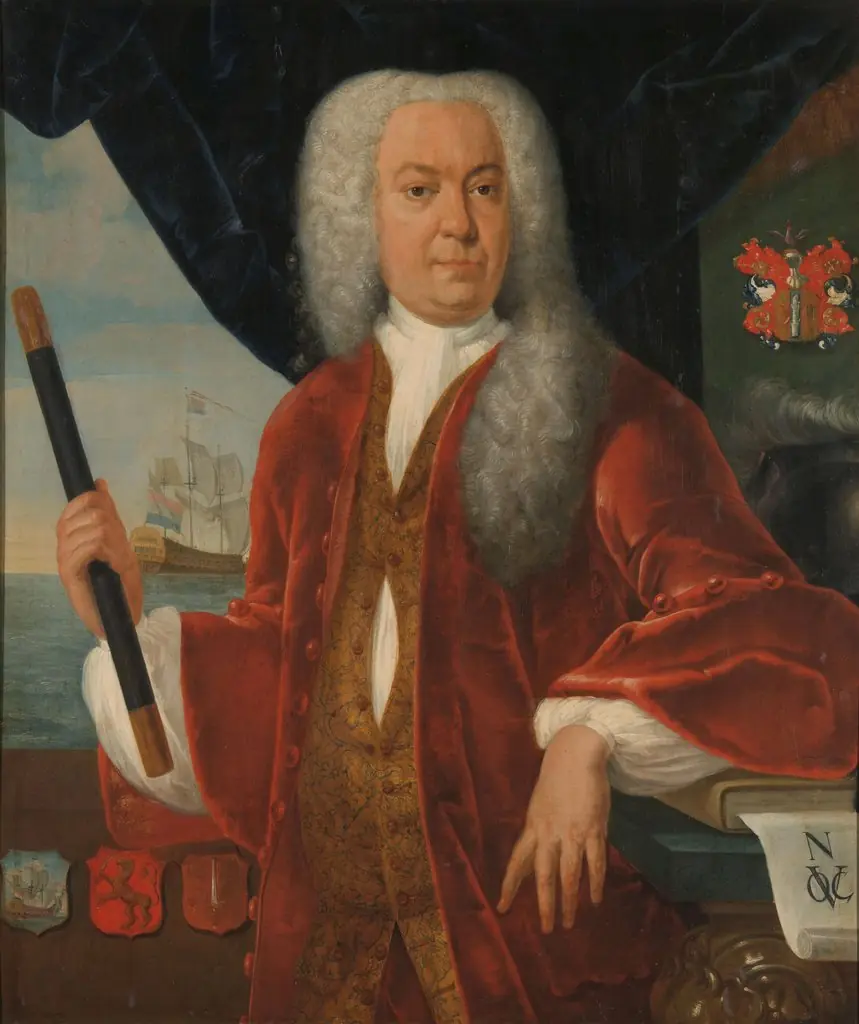 Portrait of gouverneur-generaal Adriaan Valckenier
 Portrait of Adriaan Valckenier (1695-1751), Gouverneur-generaal (1737-41)
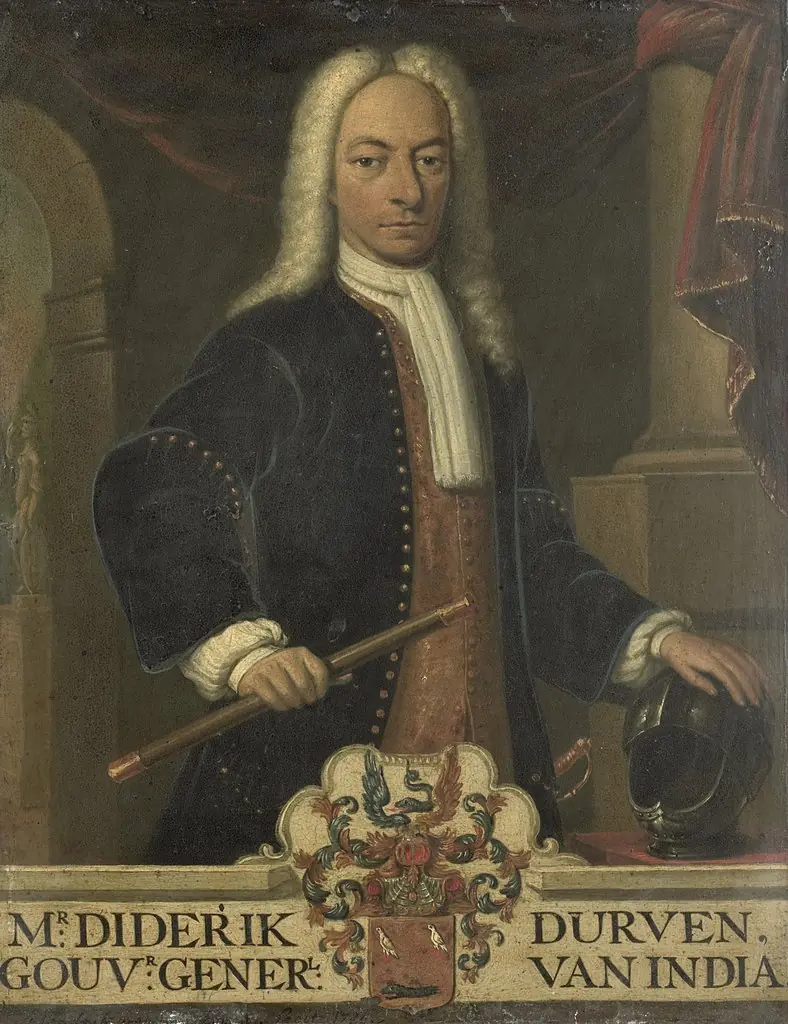 Portrait of Diederik van Durven (1676-1740)
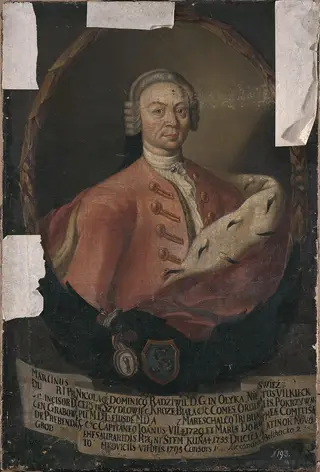 Portrait of Marcin I Mikołaj Radziwiłł (1705–1782)
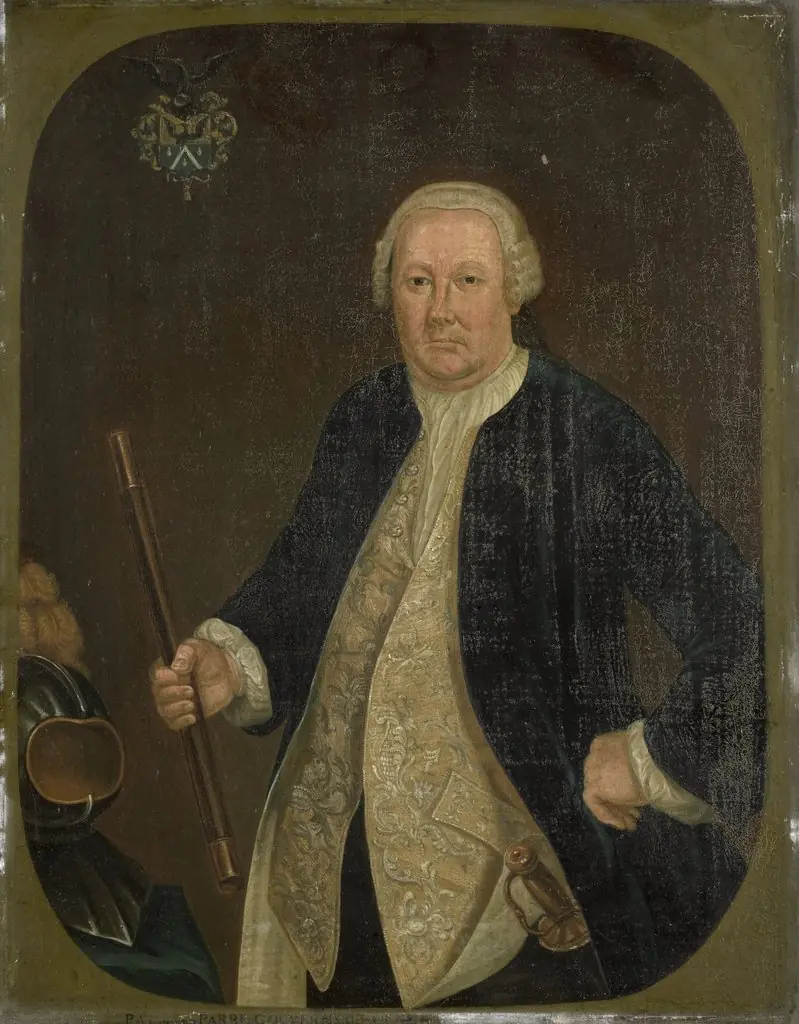 Portrait of Petrus Albertus van der Parra (1714-1775)
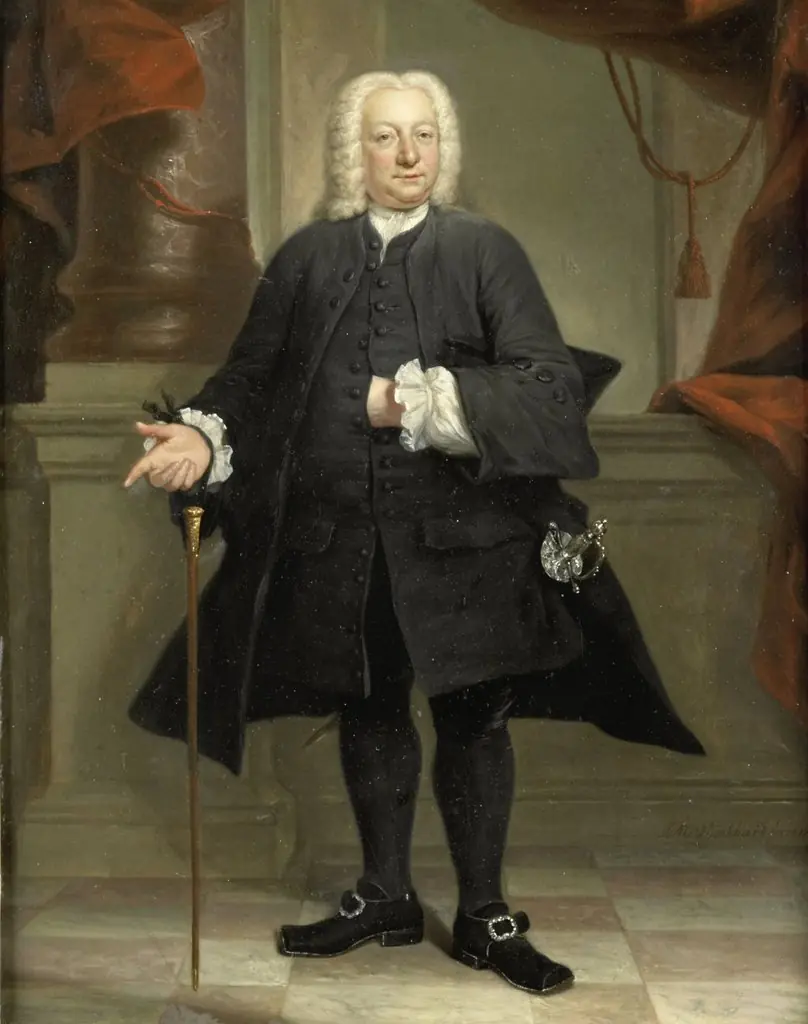 Portrait of a Man
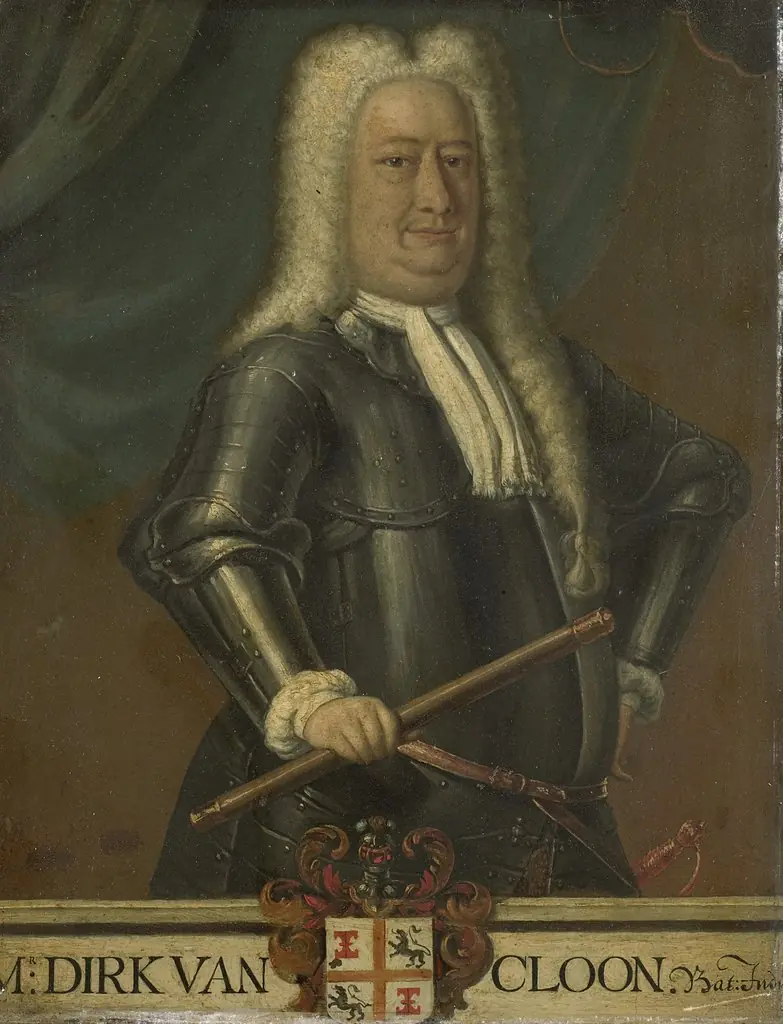 Dirk van Cloon (1684-1735). Gouverneur-generaal (1730-35)