Artwork
Self-Portrait
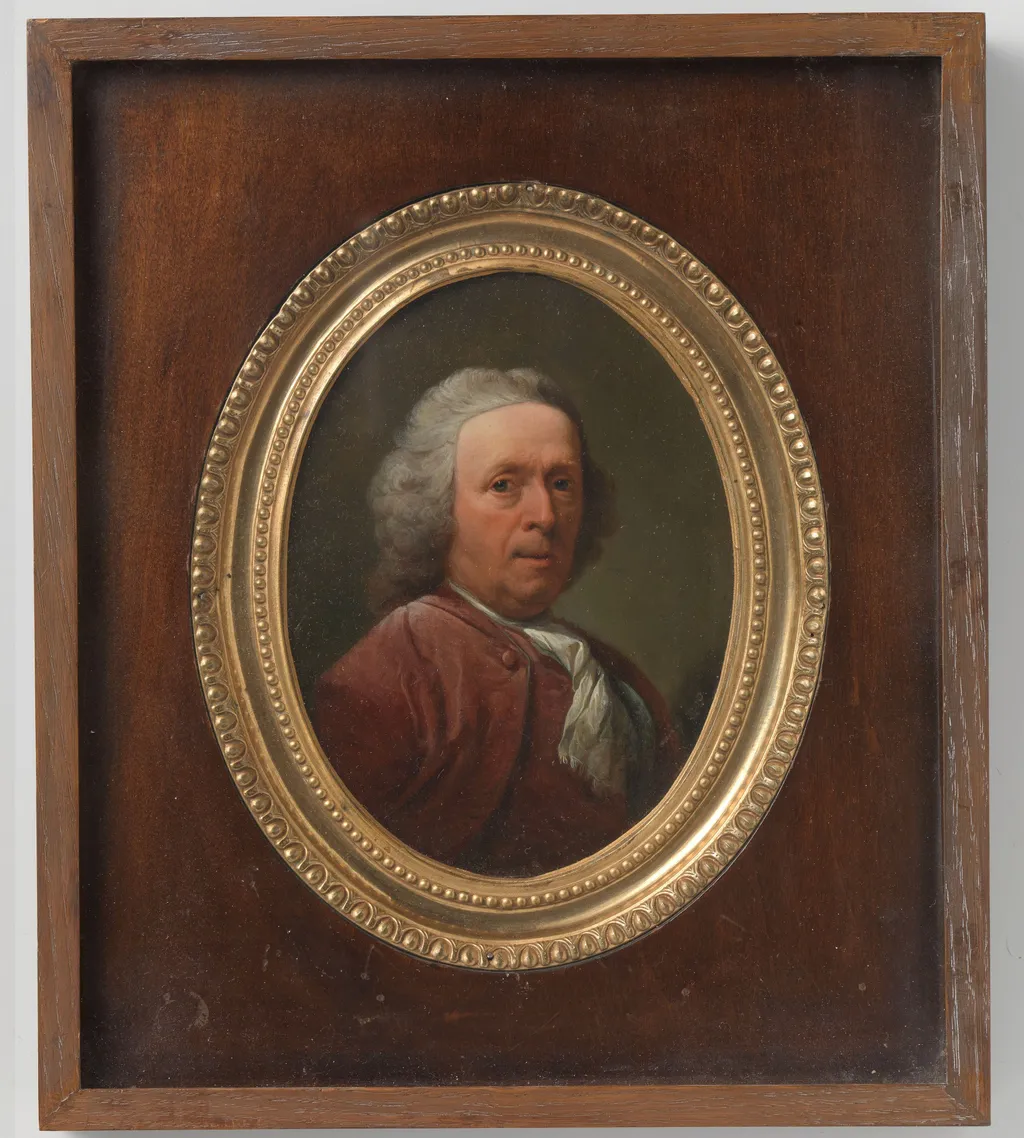
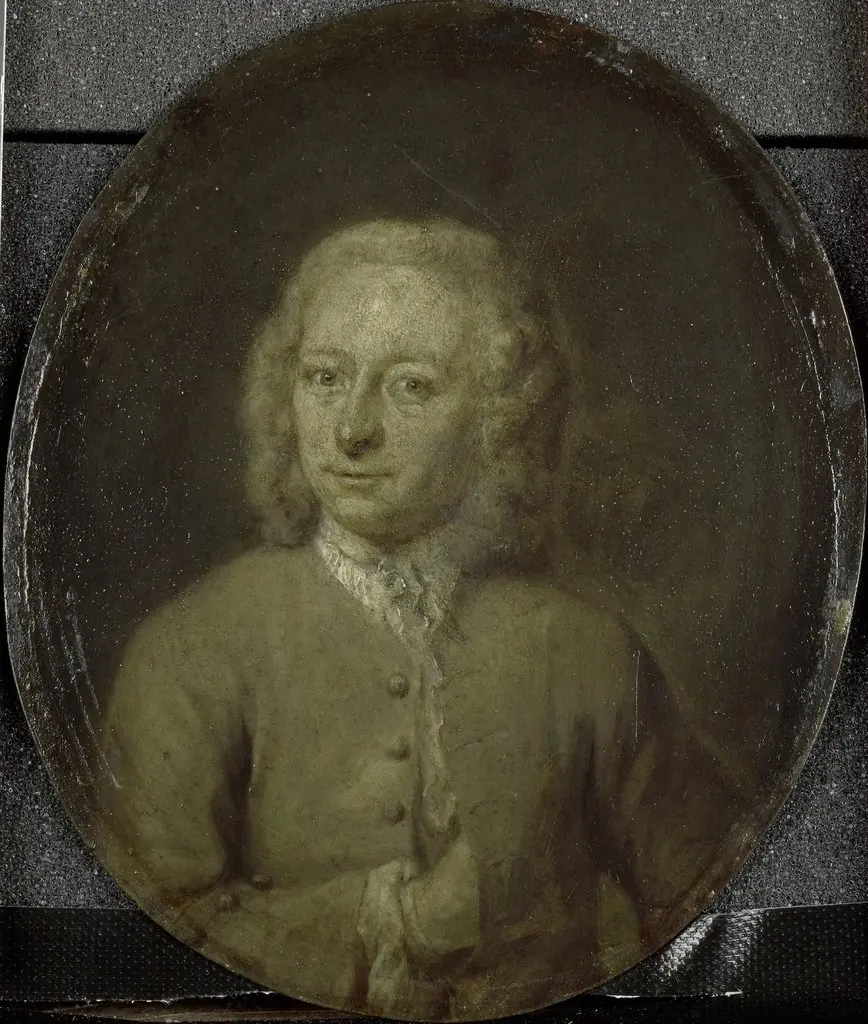
Self-Portrait is an oil painting by the Biedermeier artist Dionys van Nijmegen. It is held in the collection of the Rijksmuseum.
About this work
Subject & Meaning
The composition focuses on the figure of the artist himself, establishing a straightforward identity statement typical of the genre.
The painting depicts the artist Dionys van Nijmegen, presenting a direct visual record of the creator as the sole main subject. As a self-portrait executed in 1800, the work functions primarily as a personal representation rather than an allegorical scene laden with complex iconography or symbolic objects. The composition focuses on the figure of the artist himself, establishing a straightforward identity statement typical of the genre.
No additional symbolic elements or narrative meanings beyond the depiction of the artist are indicated in the available records.
Technique & Style
This self-portrait by Dionys van Nijmegen is executed in oil paint on a copper support, a combination well suited to the smooth, enamel-like finish associated with metal panels. The small-scale format measures 17 cm in height by 13 cm in width, allowing for finely detailed handling typical of copper painting. As a portrait genre work, the technique emphasizes precise rendering of the sitter's features against the luminous ground provided by the prepared metal surface.
The copper support offers a rigid, non-absorbent ground that encourages meticulous brushwork and a polished surface quality, while the oil medium permits subtle tonal transitions and glazed modeling. The compact dimensions favor close, careful execution suited to an intimate self-presentation.
Overview
Self-Portrait, created in 1800 by Dionys van Nijmegen, is a copper painting depicting its artist. It is part of the Rijksmuseum's collection.
History & Provenance
Created in 1800, the work's history prior to its acquisition by the Rijksmuseum is not detailed here. It remains part of the museum's holdings.
Context
While specific contextual influences are not outlined, the use of chiaroscuro suggests alignment with broader European artistic practices of the time, emphasizing realism through contrast.
Legacy
The work's impact or influence on subsequent artists is not specified, though it serves as a representative example of early 19th-century portrait painting techniques.
Own this work as a print
Artist & collection
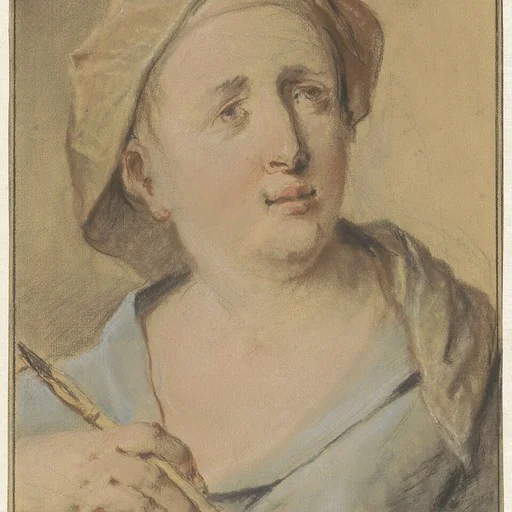

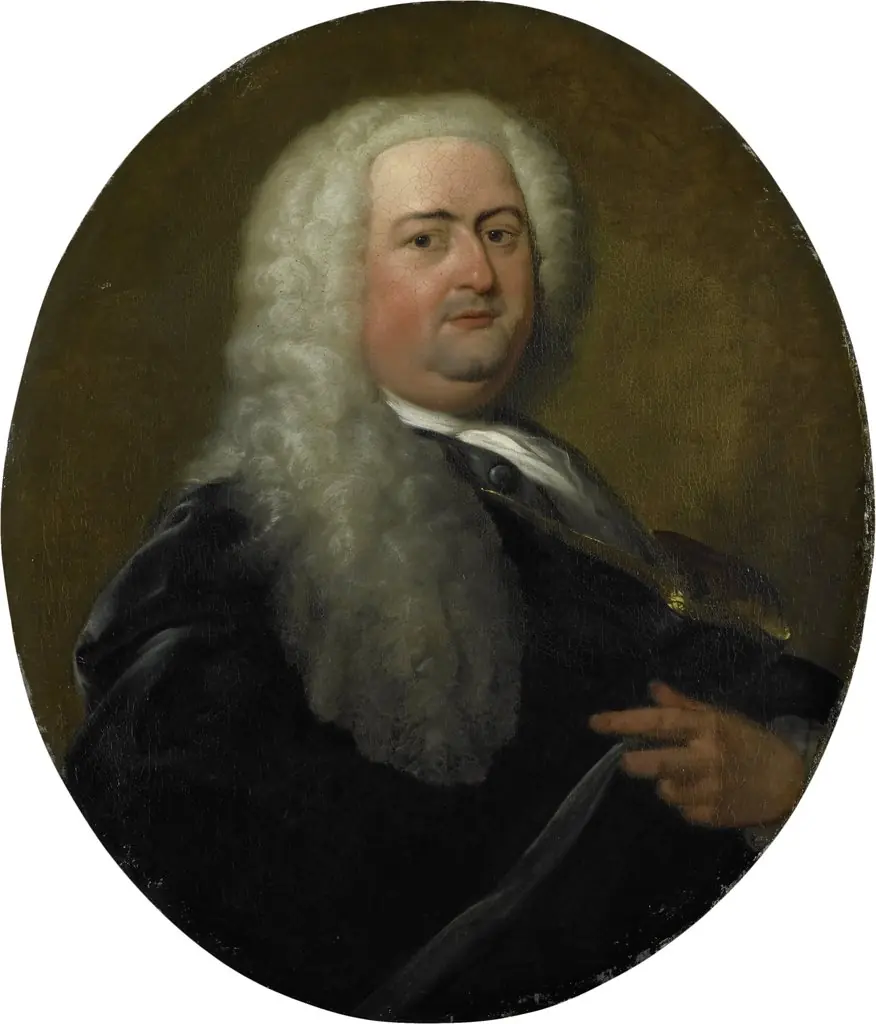
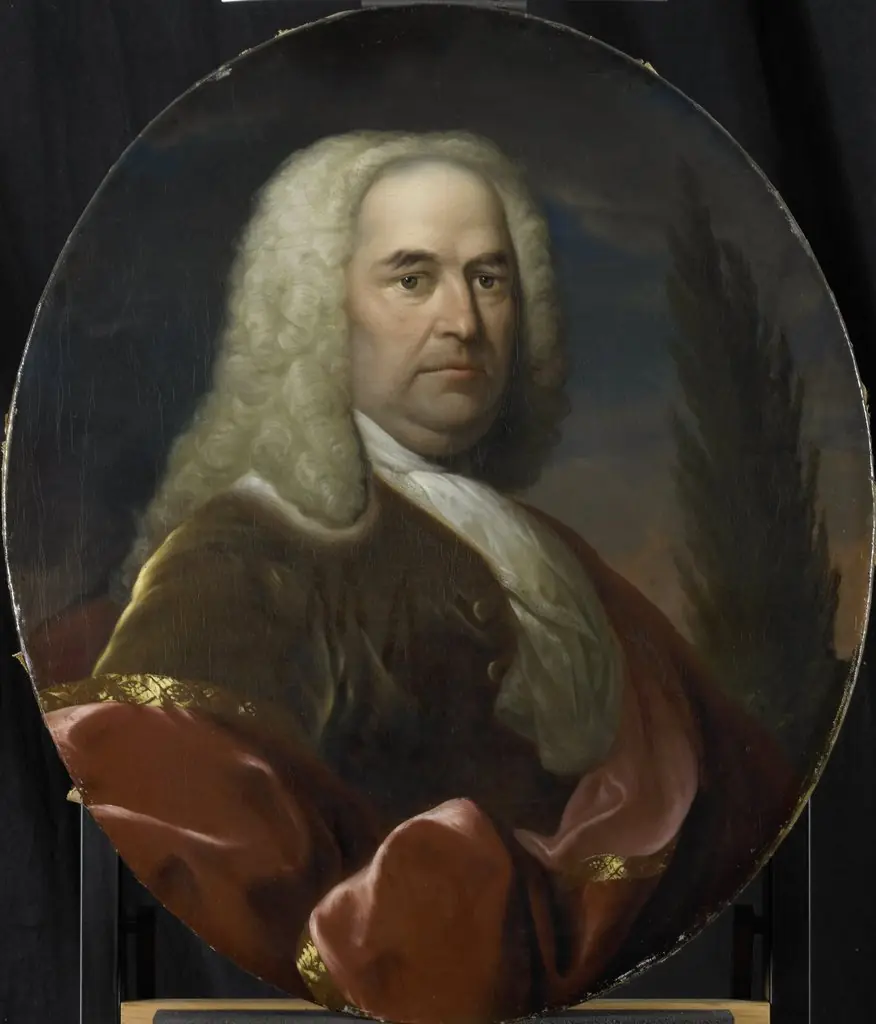
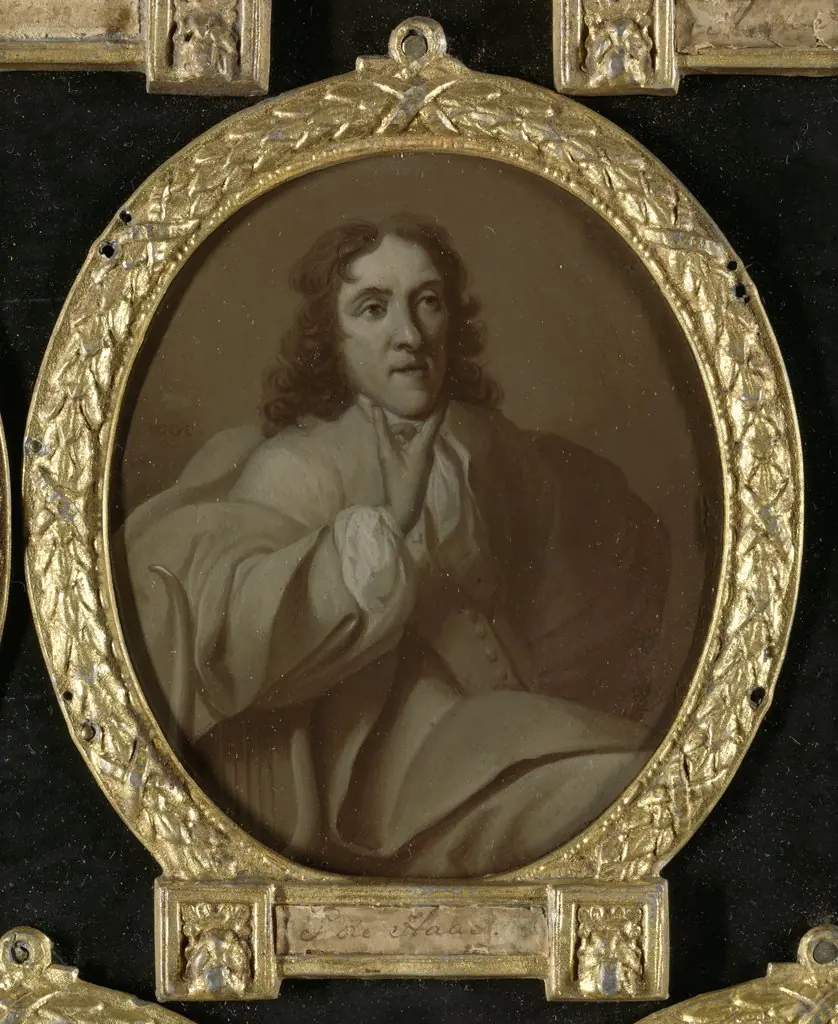
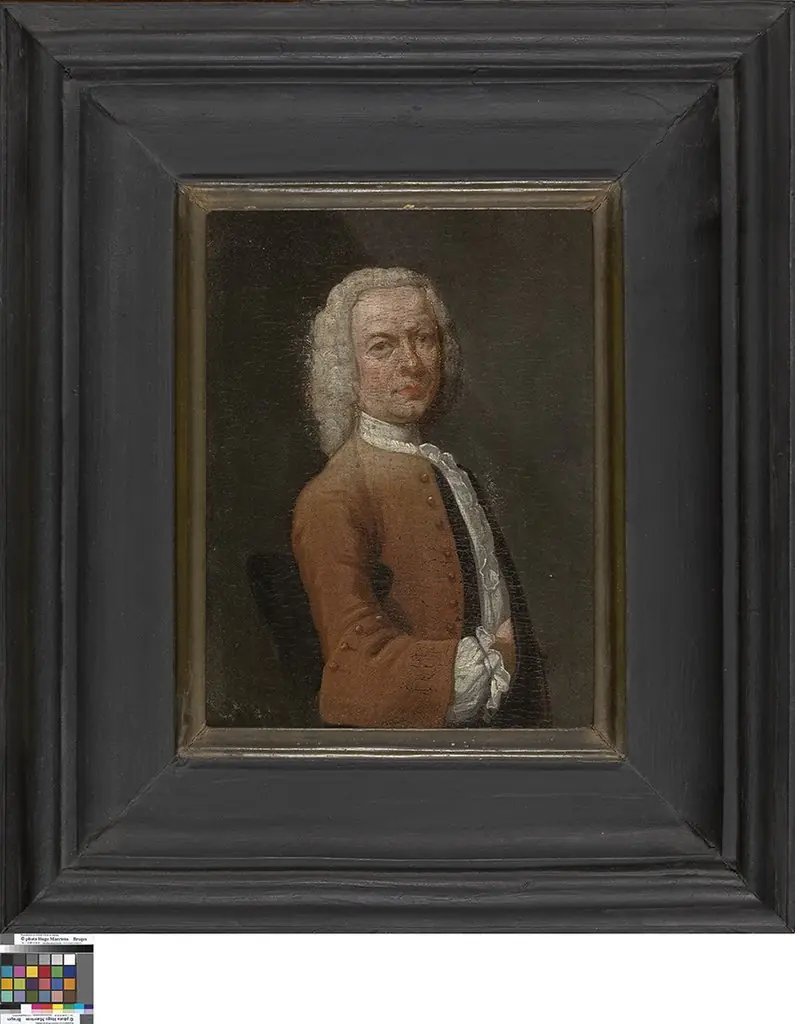
- Portret van Guillielmus Suweyns
 Portret van een man
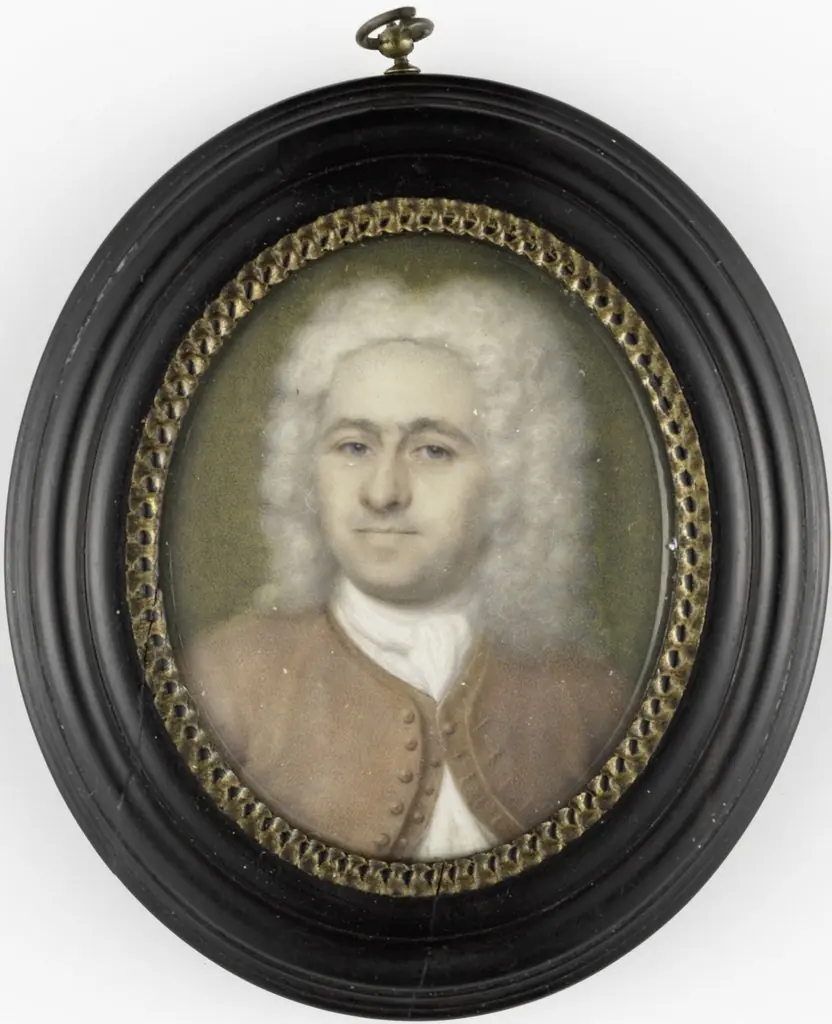 Herman Wolters (1682-1756). husband of the painter
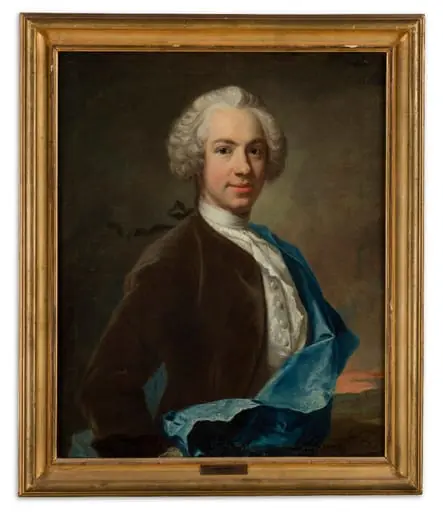 Kanslianeuvos Carl Fredrik Eckleff
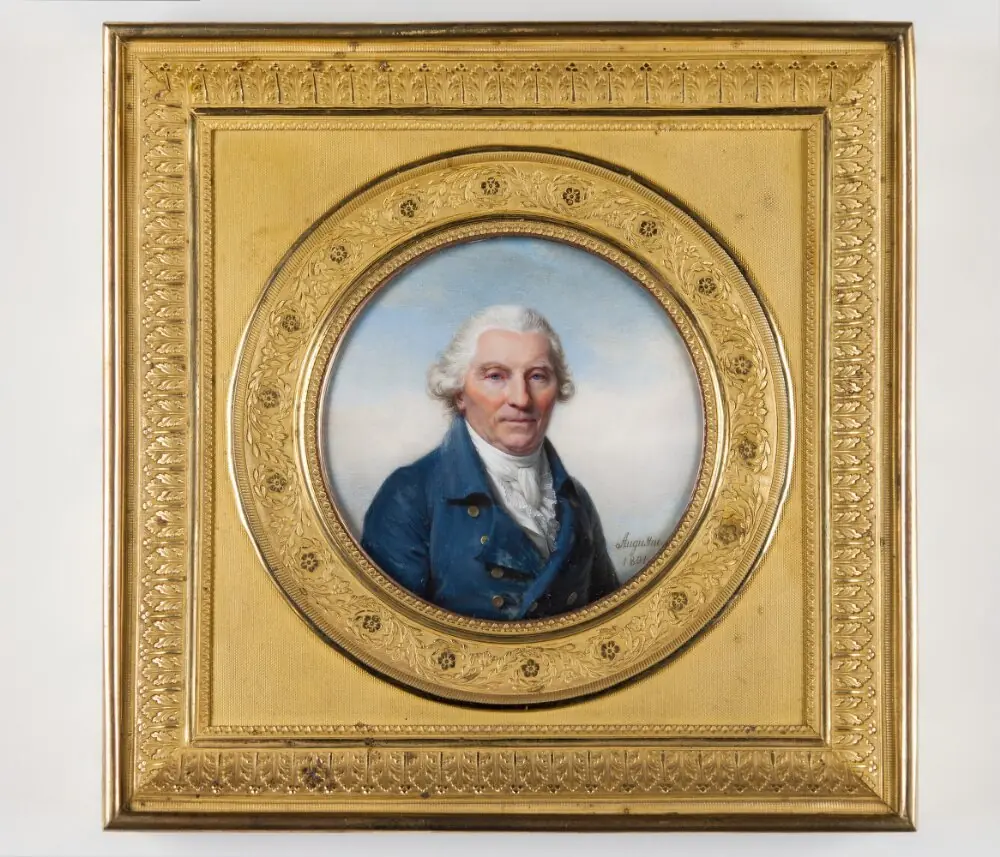 Germain du Cruet, Sr de Barailhon
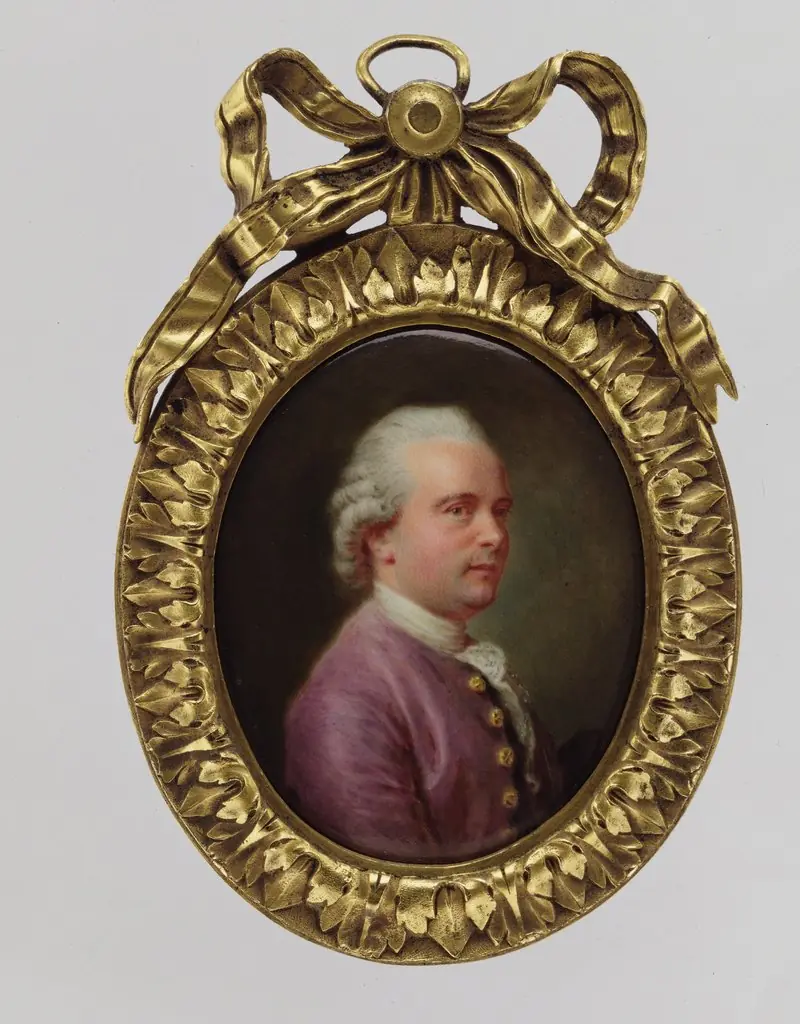 Abbé Charles Bossut (1730–1814)
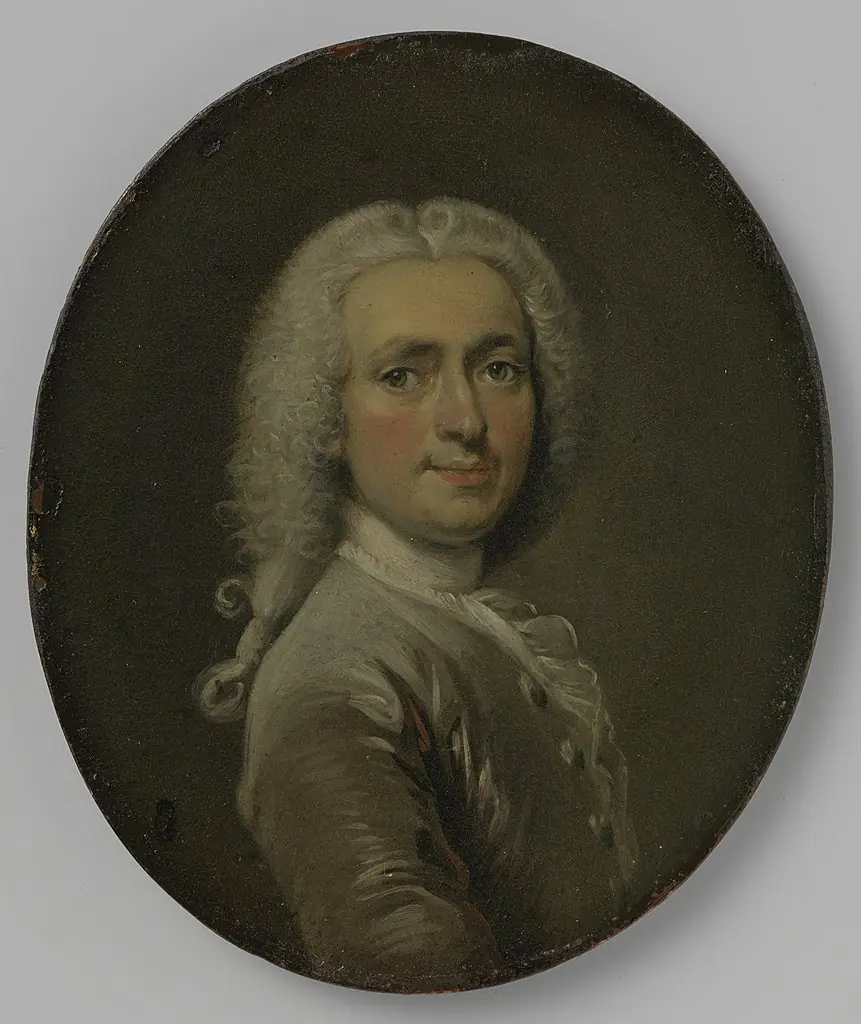 Self-portrait, Rijksmuseum
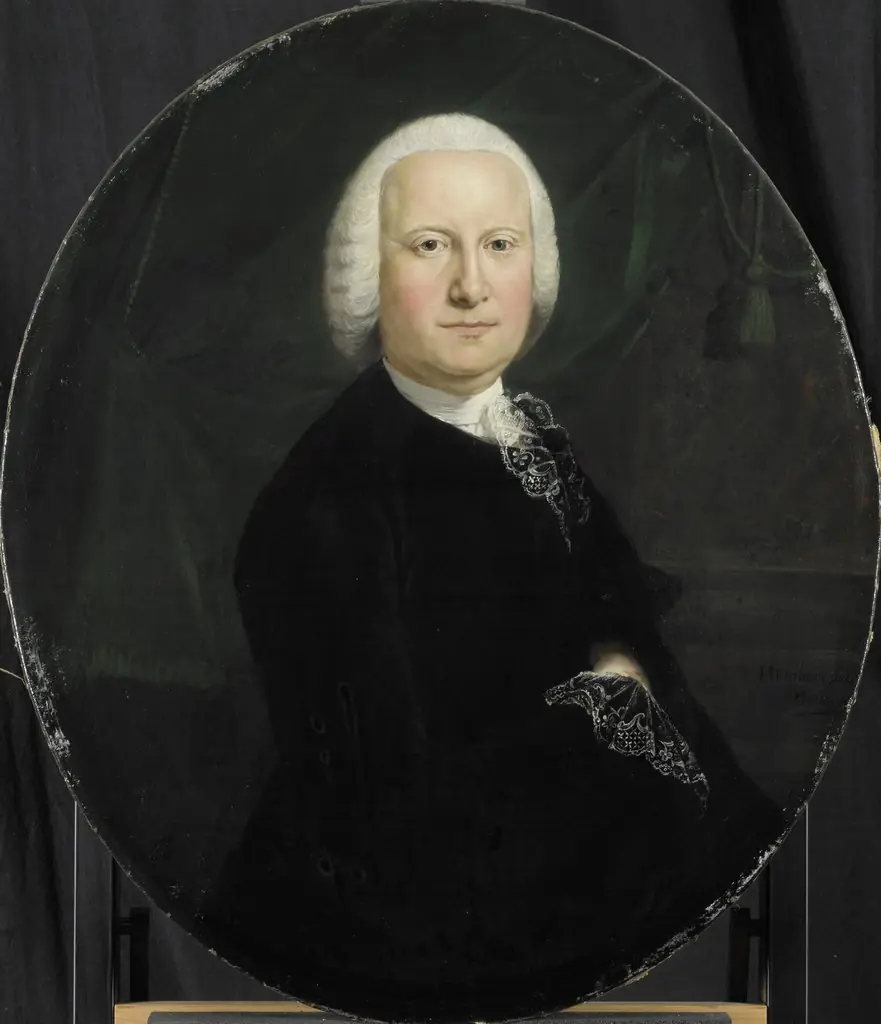 Portrait of Adriaan du Bois, Director of the Rotterdam Chamber of the Dutch East India Company, elected 1742
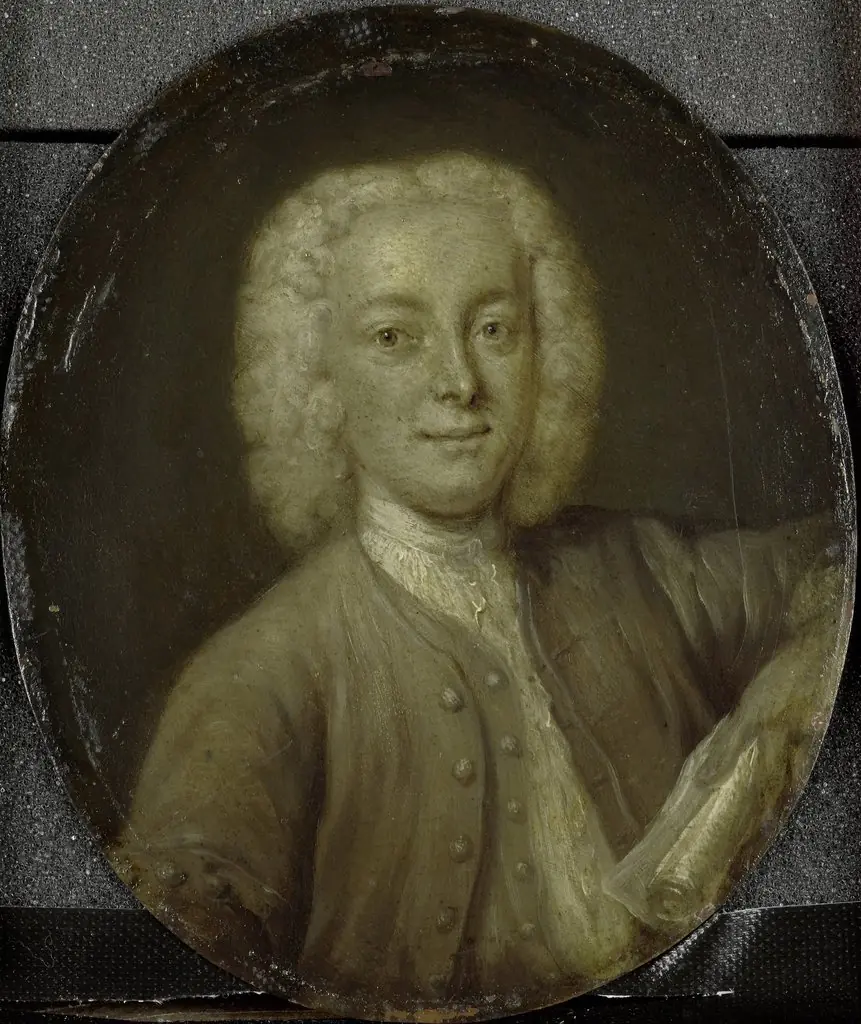 Portrait of Lucas Pater, Merchant and Poet in Amsterdam
 Portrait of Adriaan du Bois, Director of the Rotterdam Chamber of the Dutch East India Company, elected 1742
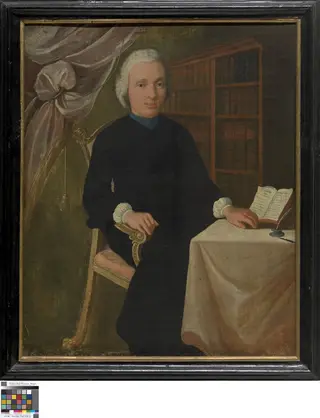 Portret van kanunnik Leonardus Arents
 Portrait of Frans van Steenwijk, Poet and Playwright in Amsterdam