Artwork
Portrait of Walter Senserff, Director of the Rotterdam Chamber of the Dutch East India Company, elected 1731
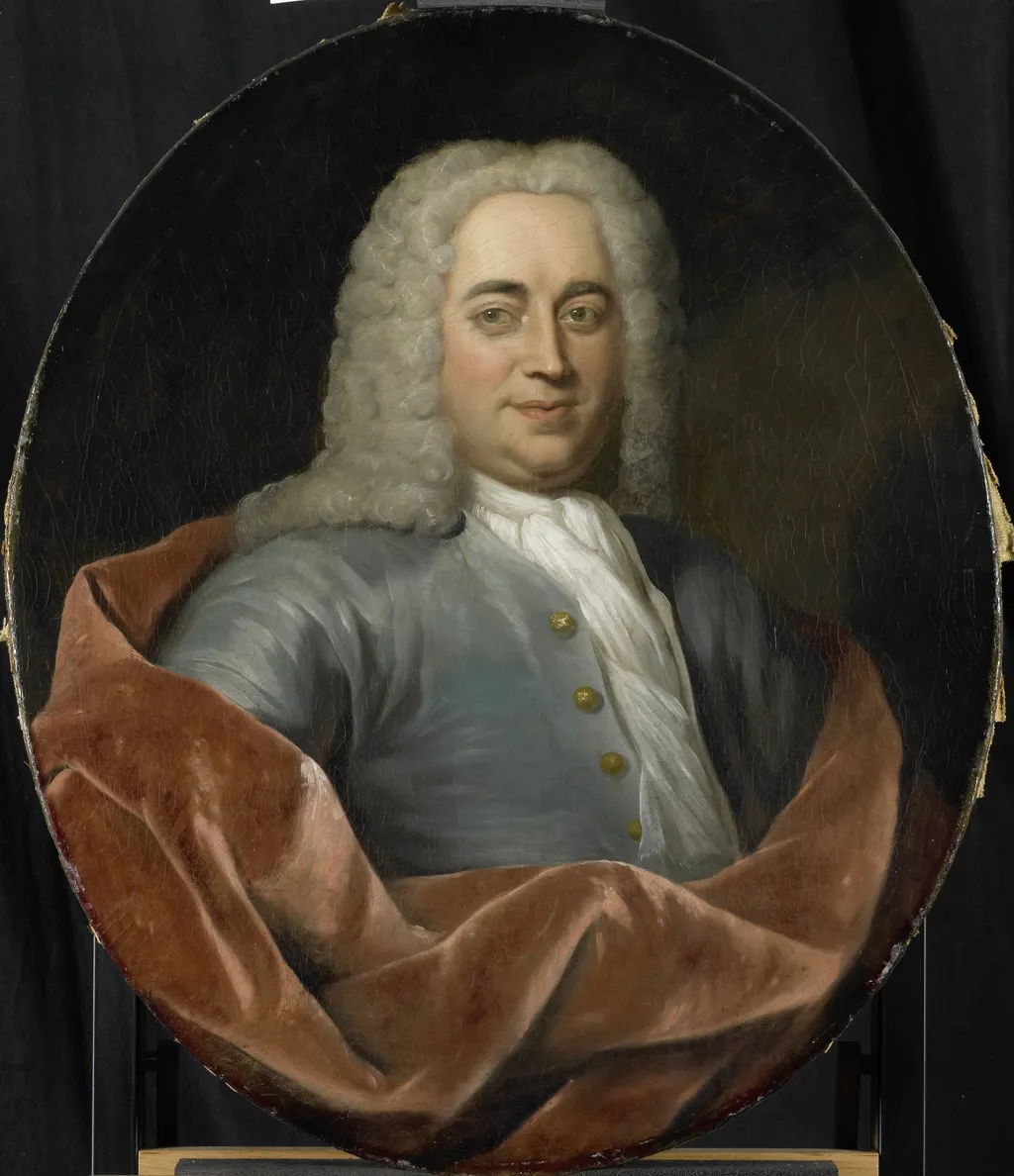
Portrait of Walter Senserff, Director of the Rotterdam Chamber of the Dutch East India Company, elected 1731 is an oil painting by the Rococo painting artist Jan Maurits Quinkhard. It dates from 1750 and is held in the collection of the Rijksmuseum.
About this work
History & Provenance
The work depicts Senserff in his capacity as Director of the Rotterdam Chamber of the Dutch East India Company, a role he assumed upon his election in 1731.
Jan Maurits Quinkhard executed the oil-on-canvas portrait of Walter Senserff in 1750. The work depicts Senserff in his capacity as Director of the Rotterdam Chamber of the Dutch East India Company, a role he assumed upon his election in 1731. The painting measures 82 cm in height and 68 cm in width.
Historical records trace the ownership of the artwork through several significant institutions, including the Nederlandsch Museum voor Geschiedenis en Kunst and the Schielandshuis. The piece is currently associated with the collections of the Rijksmuseum and Museum Rotterdam, reflecting its long-standing connection to the history of the Dutch East India Company in Rotterdam.
The Portrait of Walter Senserff, painted by Jan Maurits Quinkhard in 1750, is held in the Rijksmuseum and Museum Rotterdam. It is catalogued under the accession identifiers of these institutions. The work has been exhibited in shows focusing on Dutch portraiture and East India Company history, including a 1995 exhibition at the Rijksmuseum and a 2007 joint presentation with Museum Rotterdam on 18th-century civic leaders.
Context
The portrait of Walter Senserff, director of the Rotterdam Chamber of the Dutch East India Company, was created in 1750 by Jan Maurits Quinkhard. It is classified as a portrait painting executed in oil on canvas, measuring 82 cm by 68 cm. The work is held in the collections of the Rijksmuseum and Museum Rotterdam and is noted for its depiction of a prominent historical figure within the Dutch East India Company. Scholars have examined its role in 18th-century portraiture, emphasizing Quinkhard's contribution to civic portraiture in the Netherlands and the painting's significance within the broader trajectory of Dutch portrait painting.
Overview
This oil painting, created around 1750 by Jan Maurits Quinkhard, portrays Walter Senserff in his official role as Director of the Rotterdam Chamber of the Dutch East India Company, a position he held from 1731. The work is characterized by its Rococo style and is part of the Rijksmuseum's collection.
Subject & Meaning
The subject, Walter Senserff, is depicted in formal attire, symbolizing his authority as Director. His calm demeanor and direct gaze convey a sense of dignity and professionalism, underscoring his esteemed position within the Dutch East India Company.
Technique & Style
Quinkhard employed soft, nuanced lighting to accentuate Senserff's facial features and clothing details, such as the gray coat with brass buttons and white cravat. The composition, set against a dark background with a red cushion, utilizes chiaroscuro principles to create depth and draw focus to the subject.
Legacy
While specific lasting impacts of this portrait on art history are not broadly documented, it remains a valuable example of 18th-century Dutch Rococo portraiture, offering a glimpse into the lives of the Dutch elite and the artistic techniques of the time.
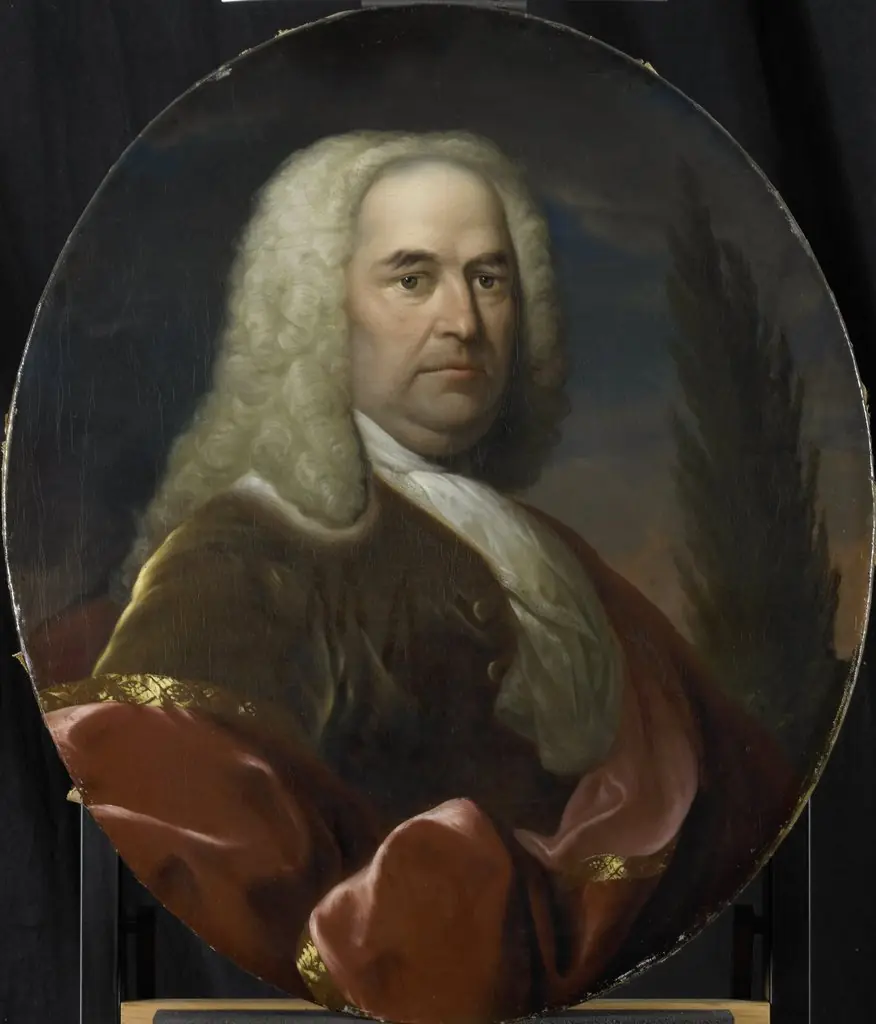
Own this work as a print
Artist & collection
Artist
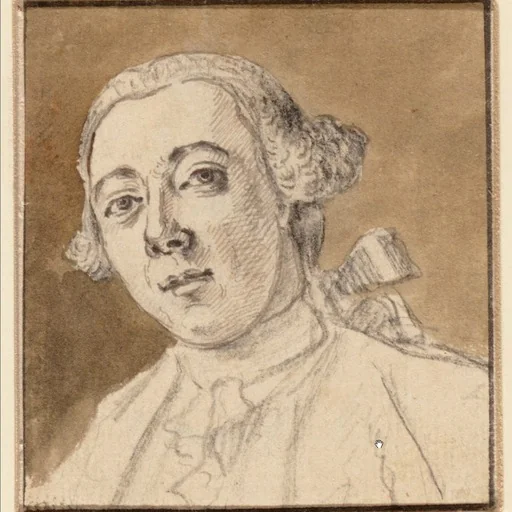
Jan Maurits Quinkhard (28 January 1688 – 11 November 1772) was an 18th-century painter and print designer from the Dutch Republic.

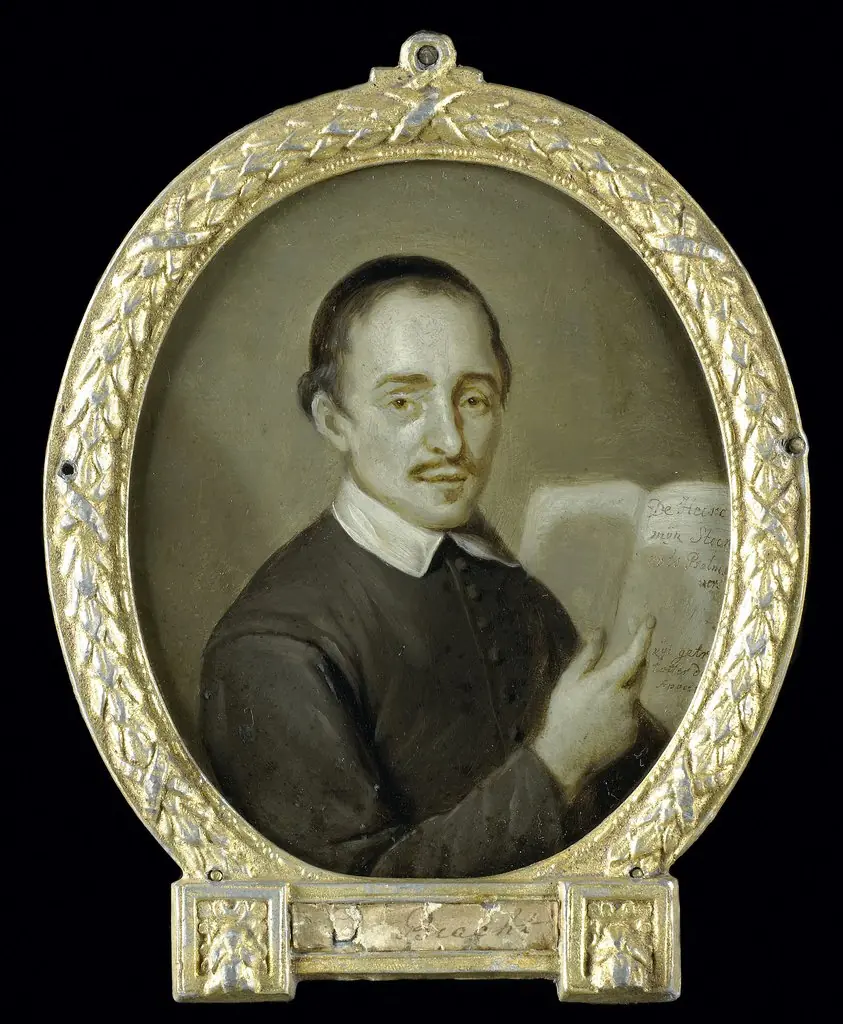 Portrait of Tieleman Jansz van Bracht, Clergyman and Poet in Dordrecht
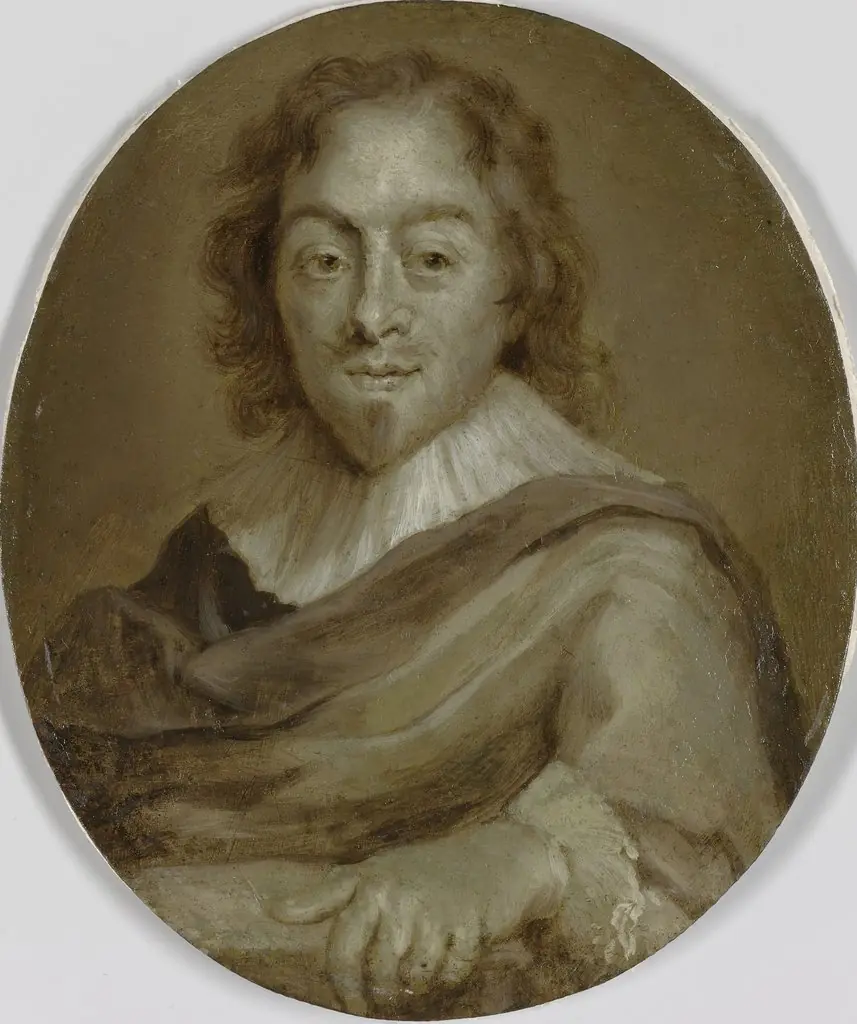 Portrait of Constantijn Huygens, Poet, Secretary to Prince Frederick Henry and Prince William II and First Councilor and Exchequer to William III
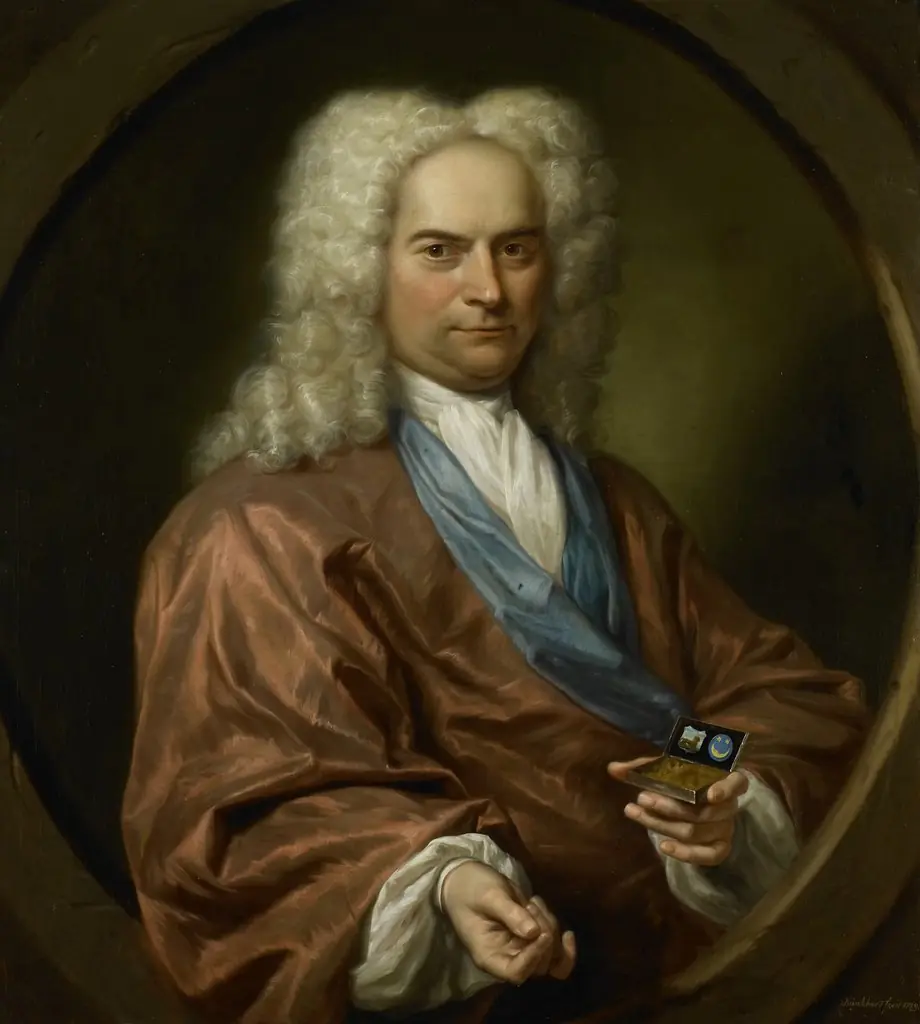 Portrait of David Leeuw, Mennonite Cloth and Dry Goods Merchant
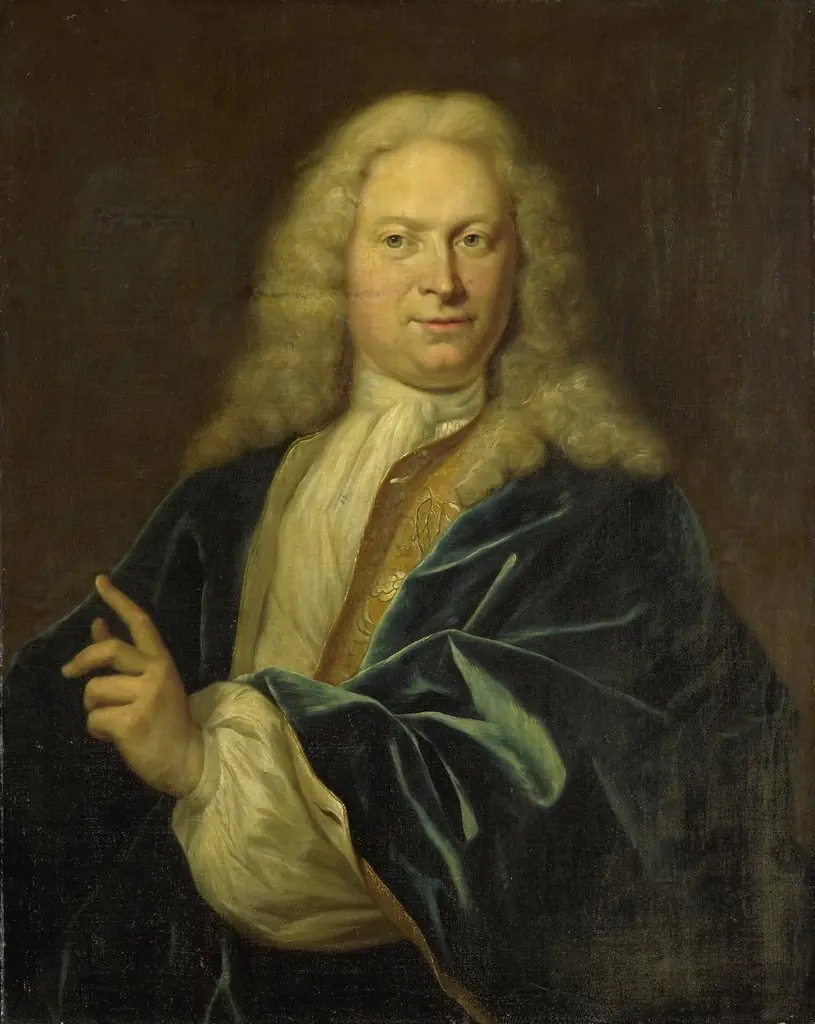 Portrait of Jan Hendrik van Heemskerck, Count of the Holy Roman Empire, Lord of Achttienhoven, Den Bosch and Eyndschoten, Captain of the Citizenry of Amsterdam (Johan Hendrik Graaf Van Heemskerk)
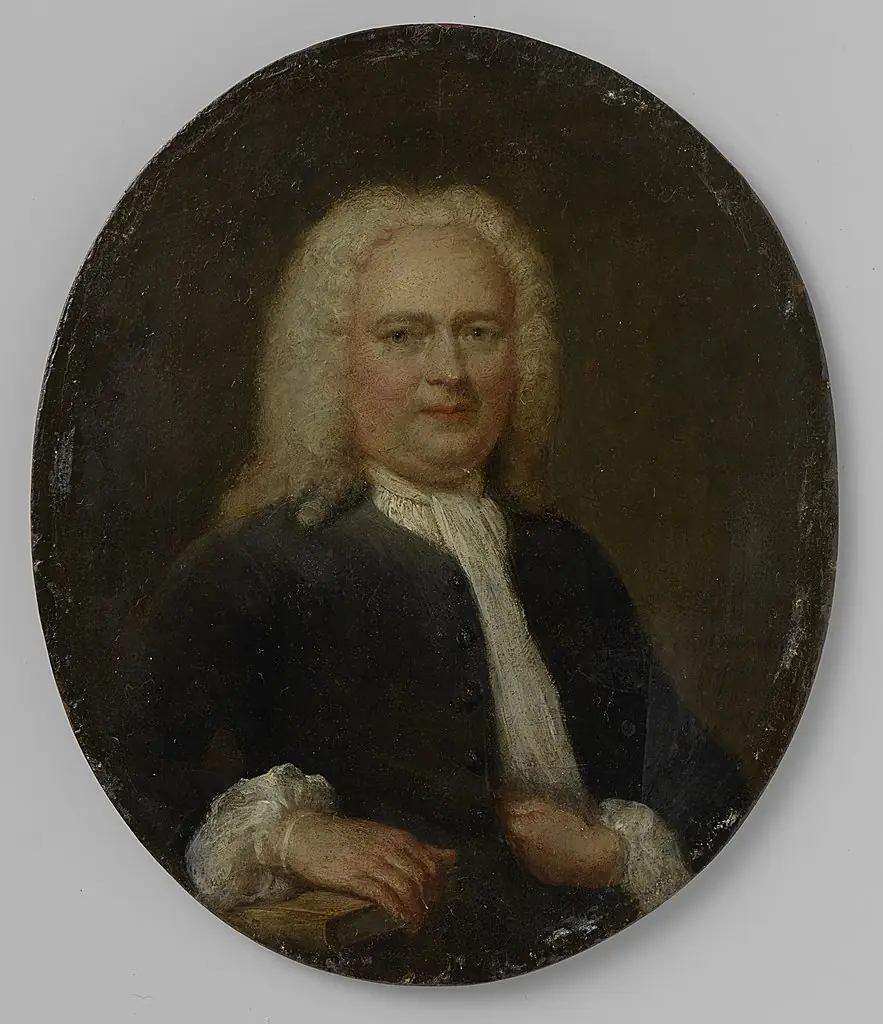 Portrait of a Man, perhaps a Member of the Klinkhamer Family
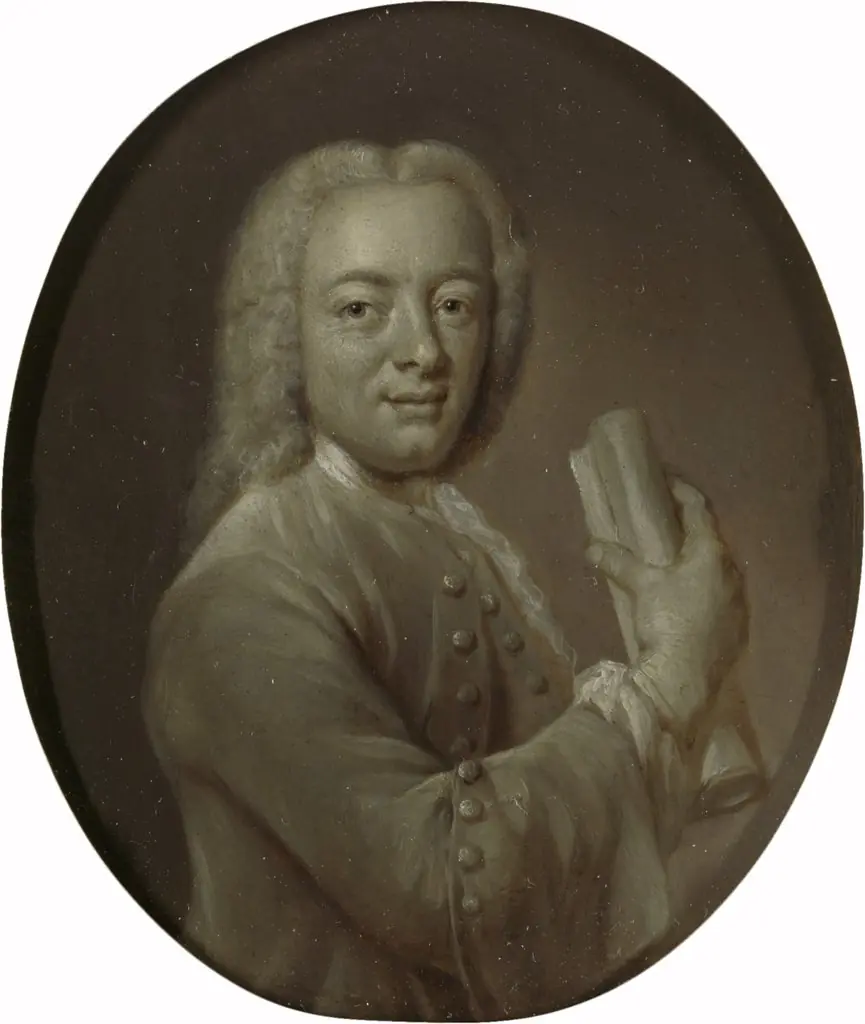 Portrait of Bernardus de Bosch I, Poet in Panpoeticon Batavum
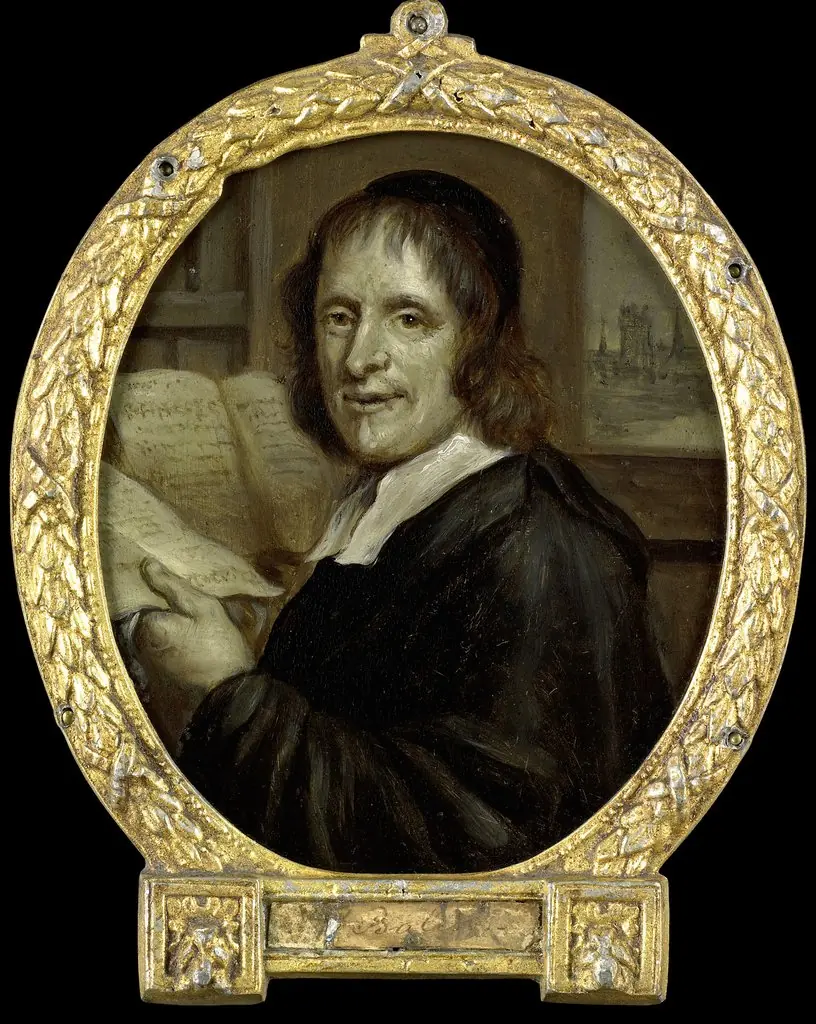 Matthijs Balen Jansz (1611-91), poet and chronicler of Dordrecht
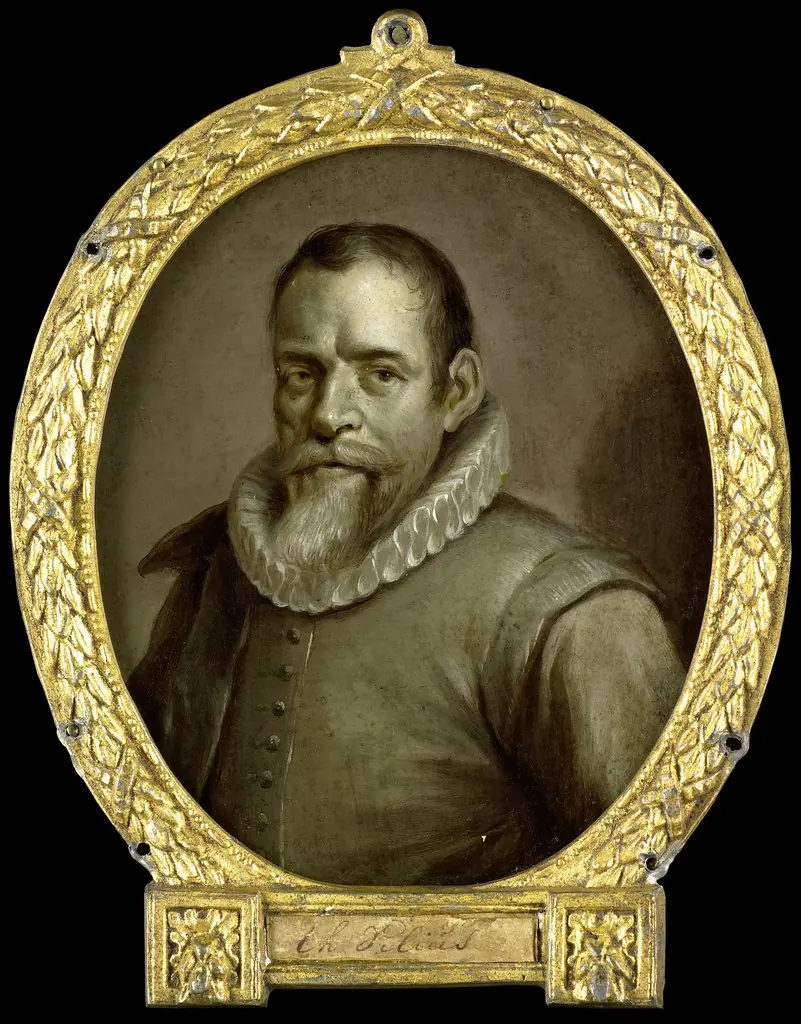 Portrait of Theodorus Velius, Writer of the Chronicle of Horn
- Portrait of Hugo du Bois, Director of the Rotterdam Chamber of the Dutch East India Company, elected 1734
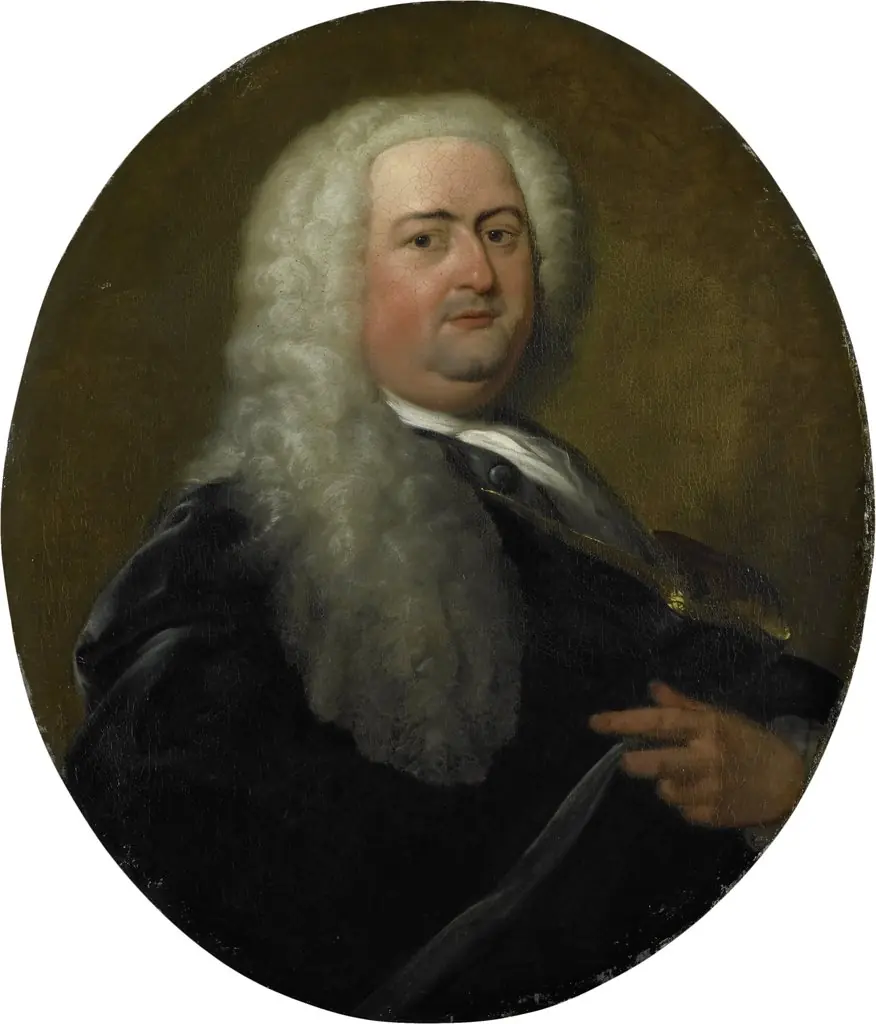 Portrait of Adriaen Paets, Director of the Rotterdam Chamber of the Dutch East India Company, elected 1734
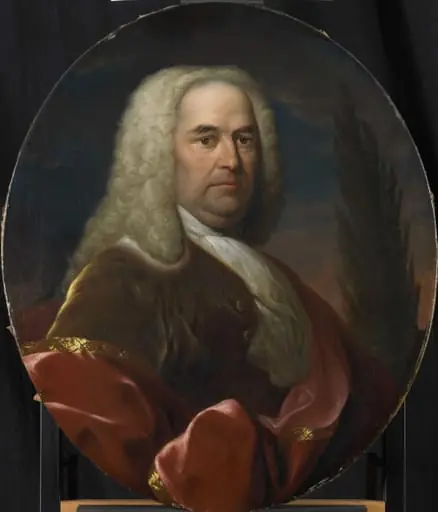 Portrait of Hugo du Bois, Director of the Rotterdam Chamber of the Dutch East India Company, elected 1734
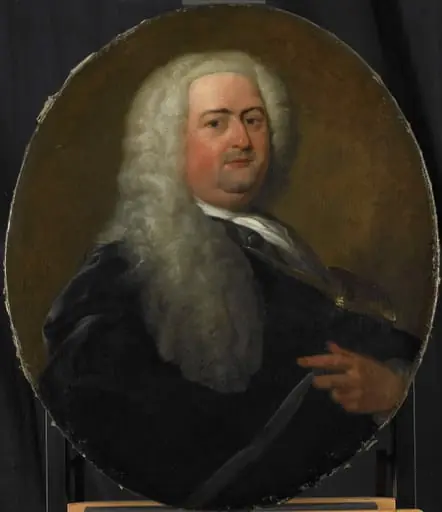 Portrait of Adriaen Paets, Director of the Rotterdam Chamber of the Dutch East India Company, elected 1734
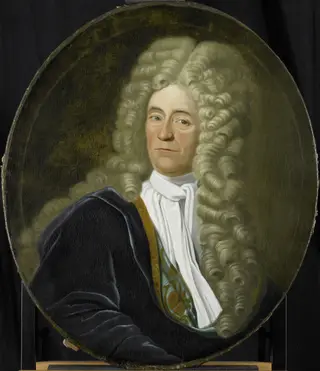 Portrait of Willem van Hogendorp, Director of the Rotterdam Chamber of the Dutch East India Company, elected 1692
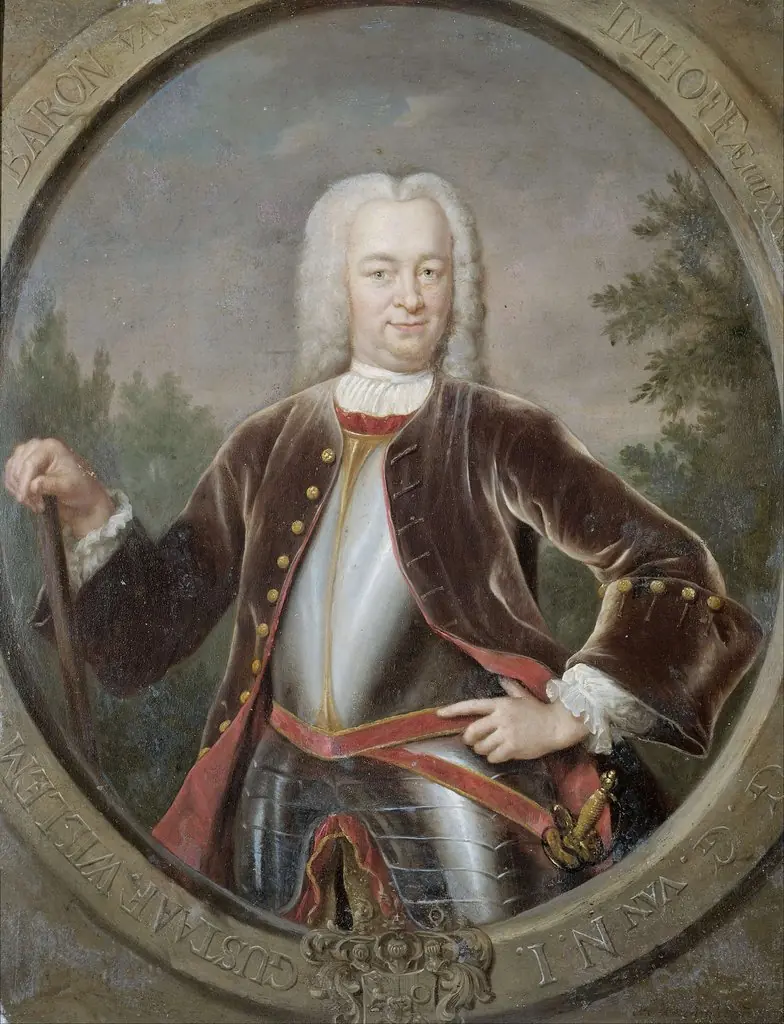 Portrait of Gustaaf Willem, Baron van Imhoff, Governor-General of the Dutch East India Company