Artwork
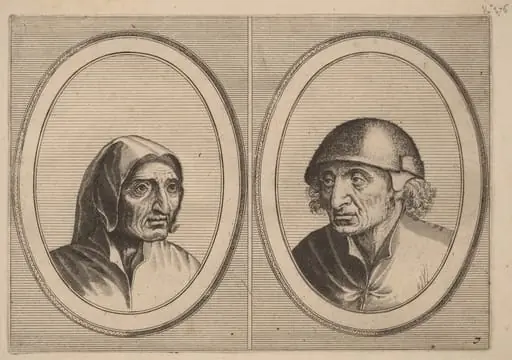
"'t Suynighe Waertje" and "De Goelicke Waerdin"
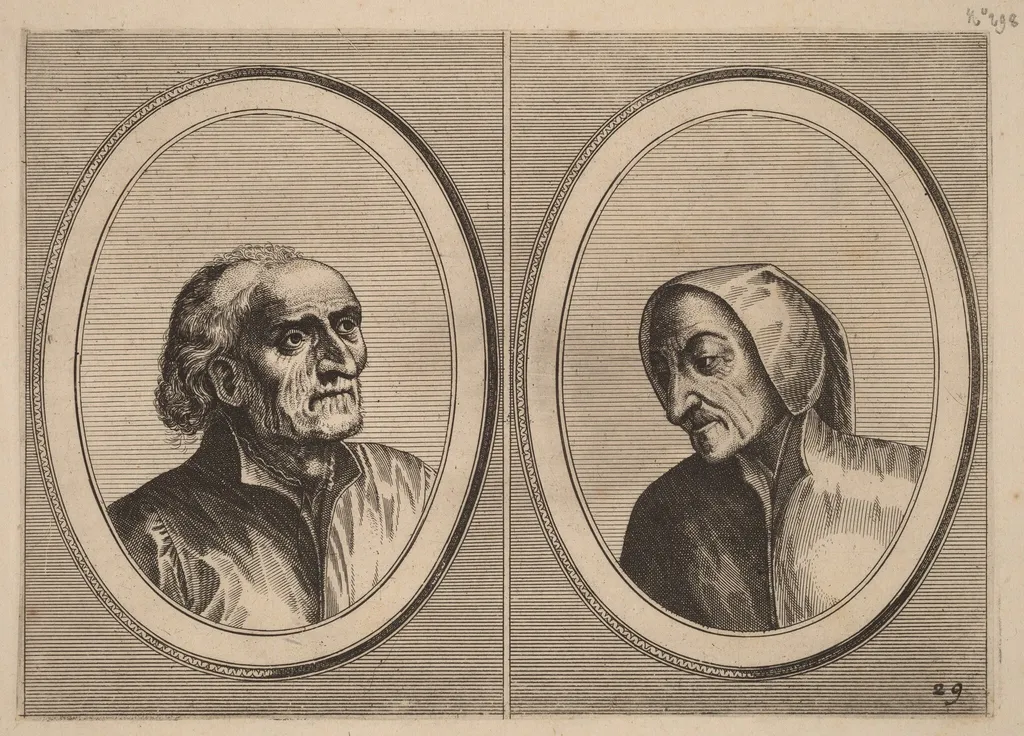
"'t Suynighe Waertje" and "De Goelicke Waerdin" is an ink print by the Renaissance artist Johannes van Doetechum the Elder. It dates from 1564 and is held in the collection of the National Gallery of Art.
About this work
Overview
Two etchings, ’t Suynighe Waertje and De Goelicke Waerdin, created by Johannes van Doetecum the Elder around 1564, capture scenes of everyday life in tavern settings.
Subject & Meaning
The etchings portray tavern life, offering glimpses into 16th-century Dutch social environments through detailed, narrative compositions typical of the era’s printmaking.
Technique & Style
Executed using etching, a method allowing for fine lines and nuanced shading, the works showcase van Doetecum’s skill in capturing textures, from facial wrinkles to fabric details, within oval-framed portraits.
History & Provenance
Produced during van Doetecum’s time in Deventer (before his 1578 move to Haarlem), these etchings reflect his collaborative practice, often with his brother Lucas and later his sons, in reproducing genre scenes and maps.
Context
Part of a broader tradition of Dutch printmaking, these etchings align with the detailed narrative style of contemporaries like Pieter Bruegel the Elder, for whom van Doetecum etched reproductions.
Legacy
While specific legacy details of these two etchings are not highlighted, they contribute to the broader appreciation of van Doetecum’s contributions to 16th-century Dutch print culture and the documentation of everyday life.
Own this work as a print
Artist & collection

Artist
Johannes van Doetechum the Elder
Joannes van Doetecum the Elder (1530 – 1605) was a Dutch engraver-cartographer known for his etched works after genre scenes by Pieter Bruegel the Elder and maps of various cities in the Netherlands.

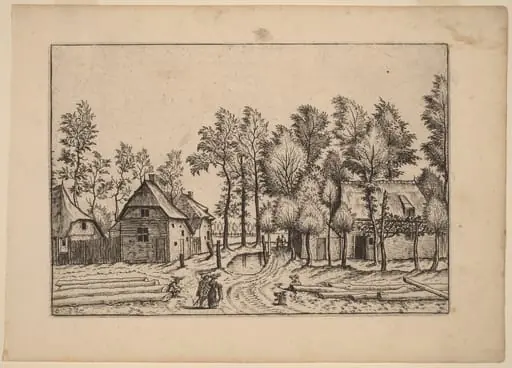
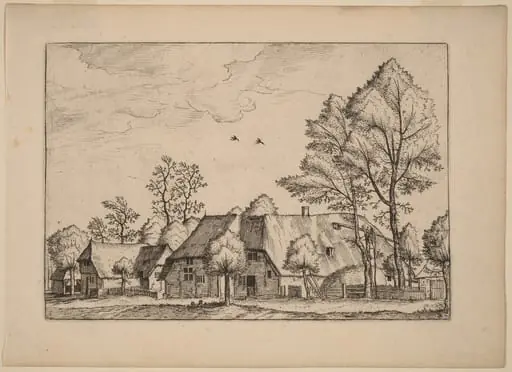
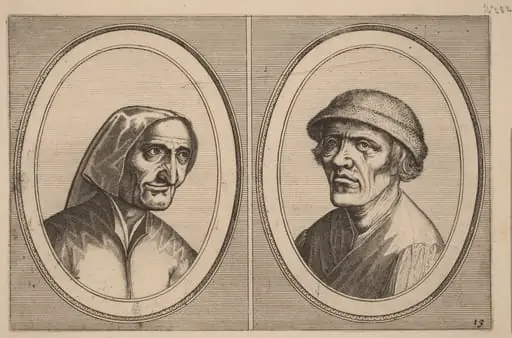 "Maey Veeghde-pot" and "Pannetje Vet"
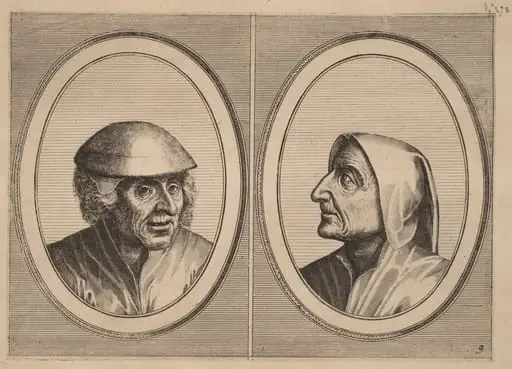 "Kees Geldt-sack" and "Kaarighe Truy"
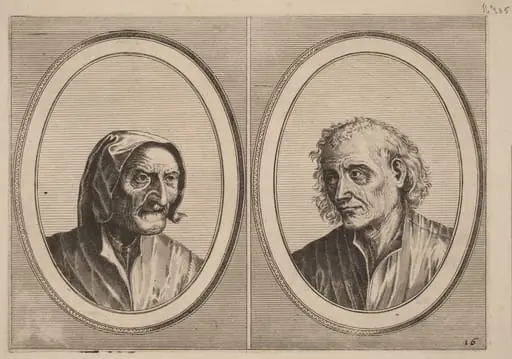 "Foockel Frons-muyl" and "Pietje Hard-loop"
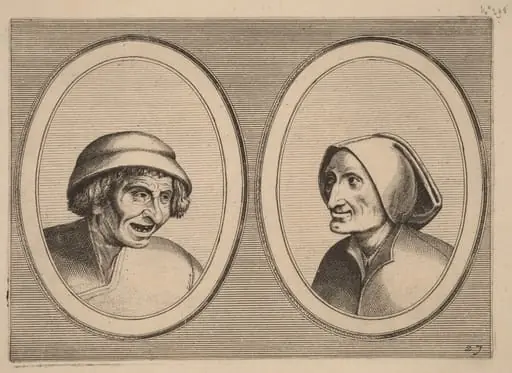 "Keesje Licht-hart" and "Verblinde Swaen"
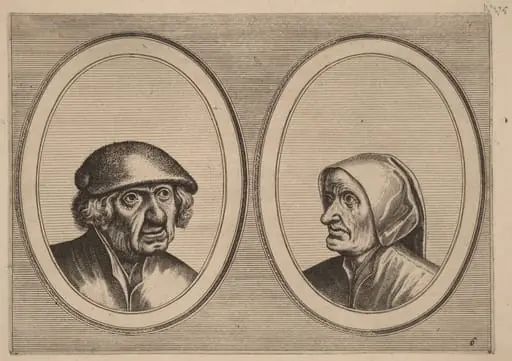 "Dirck Domp" and "Zeedighe Kniertje"
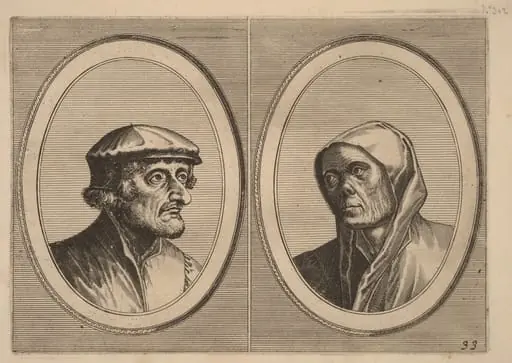 "Voorsichtighe Krijn" and "Broentje Spaer-pots"
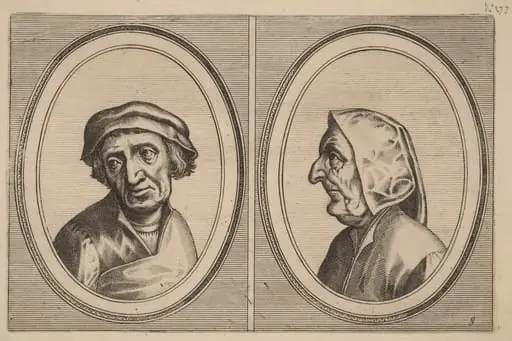 "Goelijeke Floor" and "Kinne Snavels"
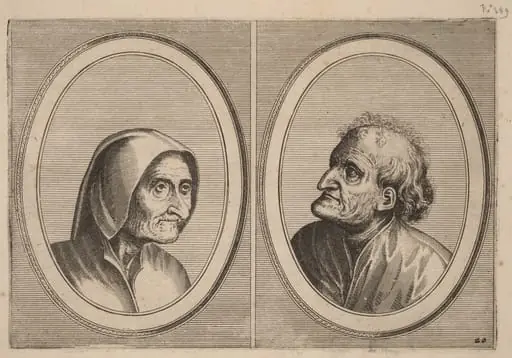 "Ritze Stijn" and "Schurckje Sonder-Baerdt"
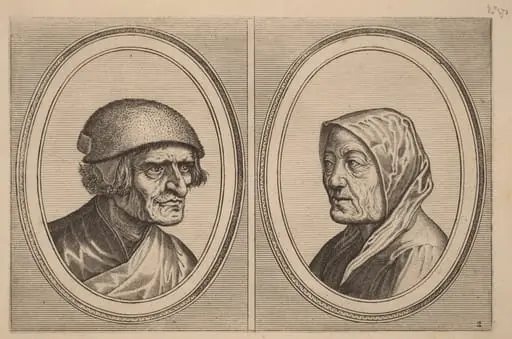 "Beleefde Goossen" and "Prijne Lecker-tants"
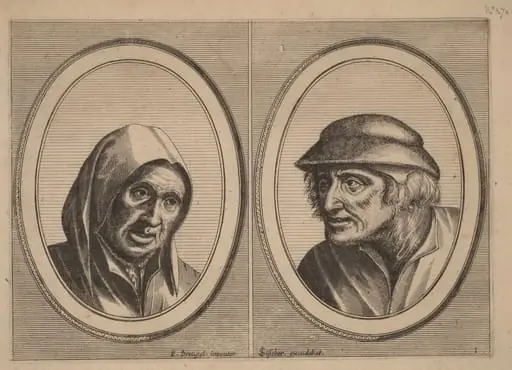 "Susanna Smuls" and "Leuye Joost"