Artwork
Portrait of D. Carlota Joaquina
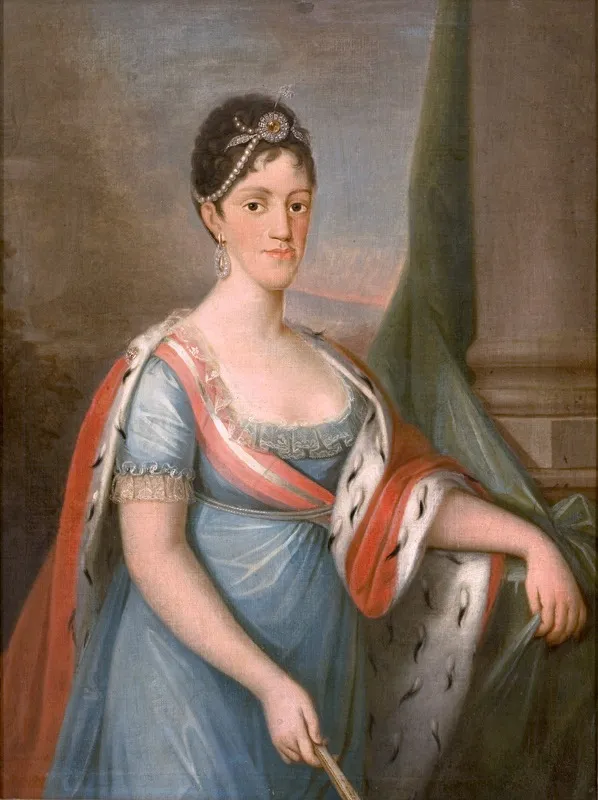
Portrait of D. Carlota Joaquina is an oil painting by Domingos Sequeira. It dates from 1804 and is held in the collection of the São Paulo Museum of Art. Painted in 1804 by Domingos António de Sequeira, this oil portrait captures Carlota Joaquina, Queen of Portugal by marriage.
About this work
Overview
Painted in 1804 by Domingos António de Sequeira, this oil portrait captures Carlota Joaquina, Queen of Portugal by marriage.
Painted in 1804 by Domingos António de Sequeira, this oil portrait captures Carlota Joaquina, Queen of Portugal by marriage. Sequeira, a leading court artist under King John VI, rendered her likeness with formal precision. The work belongs to the São Paulo Museum of Art’s collection and reflects the conventions of royal portraiture in early 19th-century Europe, emphasizing status through attire and pose.
Subject & Meaning
Carlota Joaquina, born a Spanish infanta, became Queen Consort of Portugal through her marriage to Prince John. The portrait presents her in regal insignia, tiara, scepter, and ornate sash, to assert her royal authority and lineage. The column and draped fabric evoke classical permanence, reinforcing her position within the monarchy. Her gaze is direct, conveying composure and dignity befitting her role in a turbulent political era.
Technique & Style
Sequeira employed smooth brushwork and layered glazes to render textures of silk, metal, and skin with subtle realism. The blue gown contrasts with the red-and-white sash, drawing attention to her form against a neutral background. Lighting is even and controlled, avoiding dramatic shadows. The composition follows a pyramidal structure, typical of academic portraiture, balancing symmetry with restrained elegance.
History & Provenance
Commissioned during Sequeira’s tenure at the Portuguese court, the portrait was likely intended for official display. It remained in royal hands until the 19th century, later entering private collections before being acquired by the São Paulo Museum of Art. Its journey reflects the dispersal of European royal imagery following political upheavals in Iberia and Latin America.
Context
Created amid the Napoleonic Wars and the Portuguese court’s relocation to Brazil, the portrait served as a symbol of continuity. Carlota Joaquina’s presence in art reinforced dynastic legitimacy during a period of instability. Sequeira’s style bridged late Baroque formality and emerging Neoclassical restraint, aligning with broader European trends in royal representation.
Legacy
The portrait stands as one of Sequeira’s key royal commissions, illustrating his role in shaping Portuguese court imagery. While not widely exhibited outside Brazil, it remains a significant example of early 19th-century Iberian portraiture. Its preservation offers insight into how monarchy projected authority through visual culture during a time of imperial transition.
Artist & collection
Artist
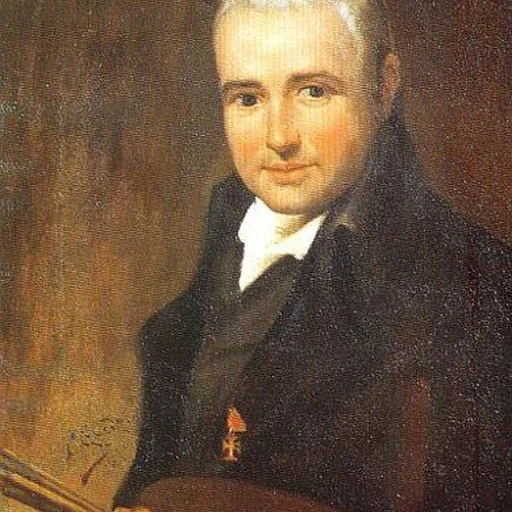
Domingos António de Sequeira (10 March 1768 – 8 March 1837) was a Portuguese painter at the Royal Court of King John VI of Portugal.

- Portrait de Claire Élisabeth de Vergennes, Comtesse de Rémusat
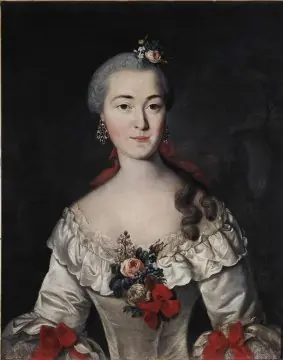 Portrait of M.I. Tatischeva
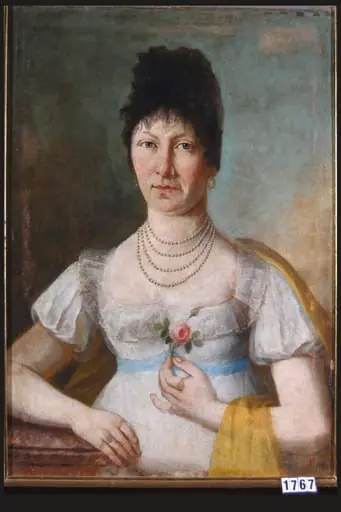 Portret de femeie
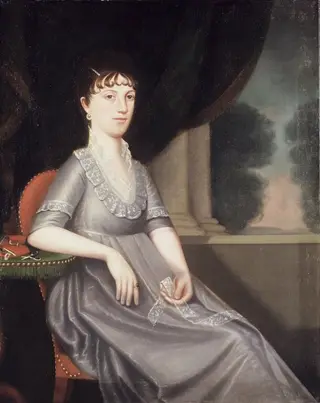 Mrs. Ebenezer Porter (Lucy "Patty" Pierce Merwin)
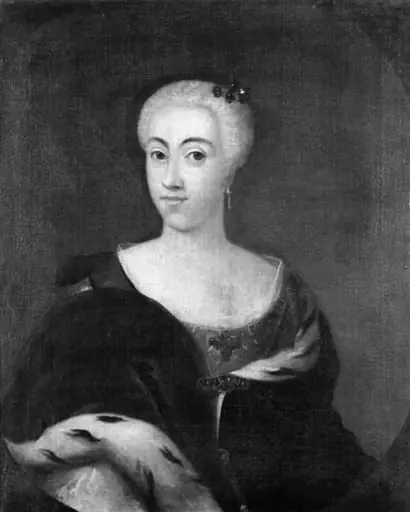 Portrait of a Lady
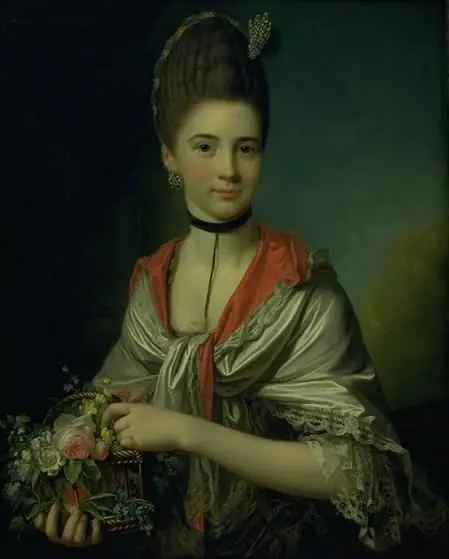 Portrait of Anna Elisabeth Battier, née Storp
 Portrait of a Lady
 Elisabeth Maria Aloysia Auguste Gemahlin Karl Theodors
 Portrait of Countess Darya I. Uvarova
 Kreivitär Ulrika Charlotta Sprengtporten
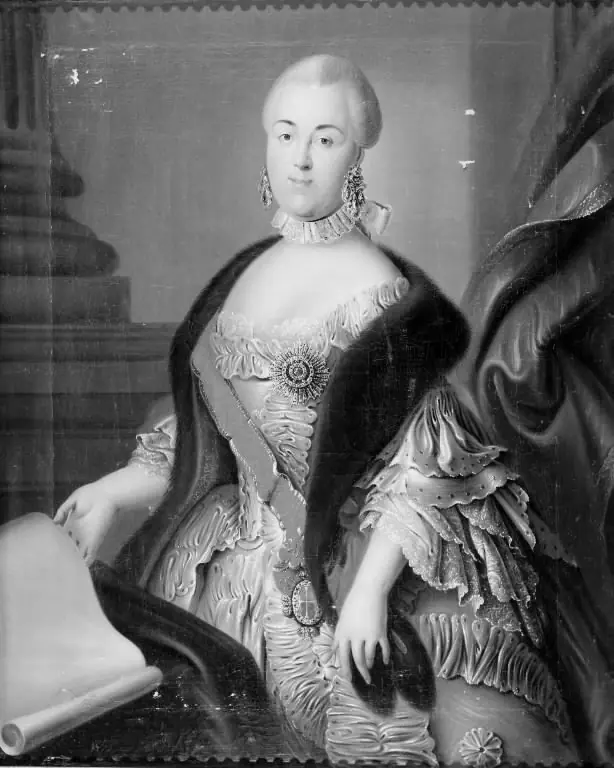 Carl Peter Ulricks gemalinde, Sofia Augusta. Katharina II af Rusland
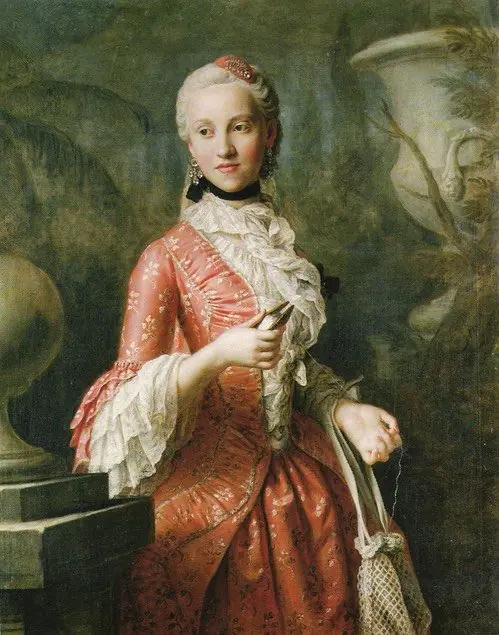 Princess Kunigunde of Saxony