Artwork
Iuba Rex
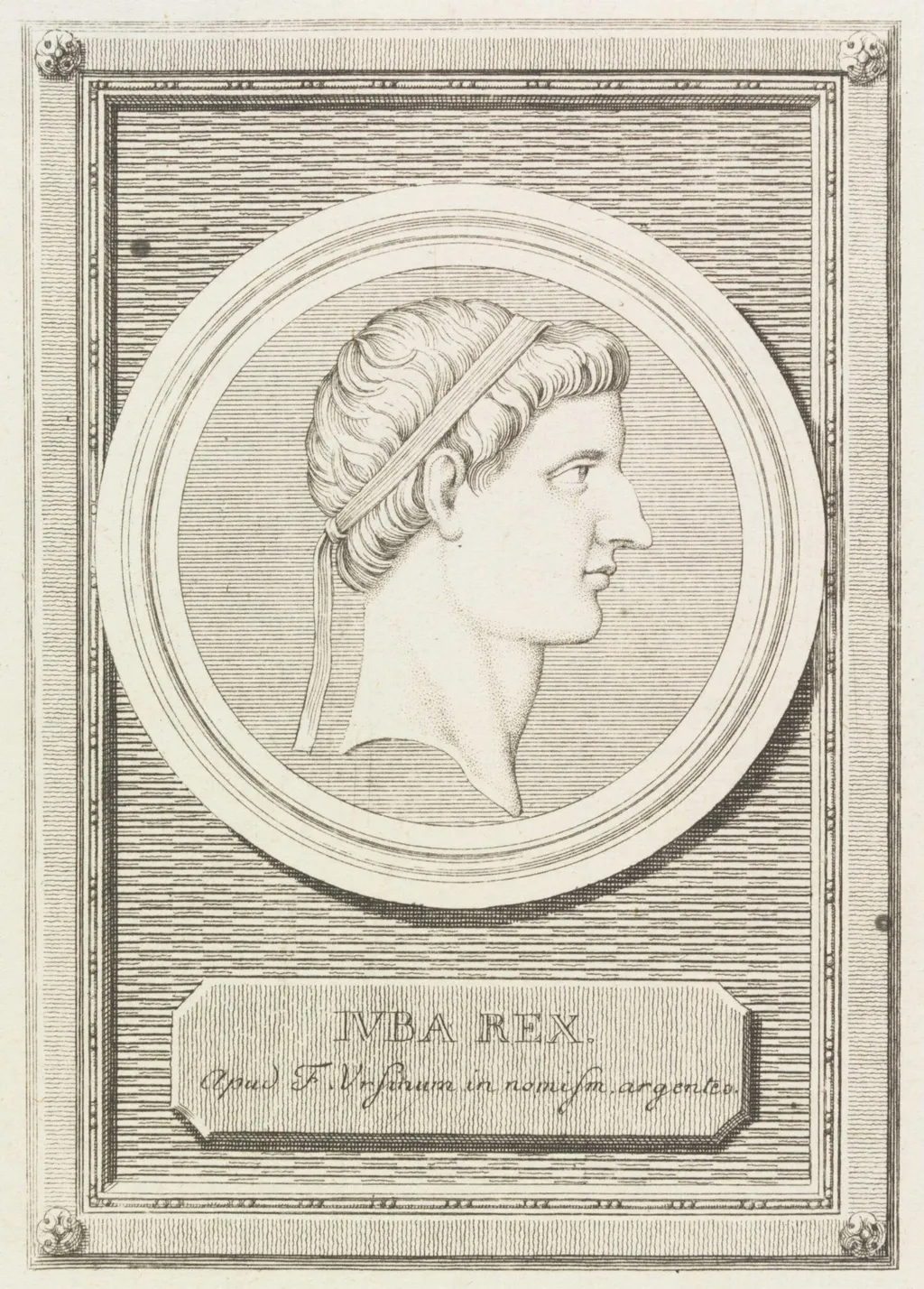
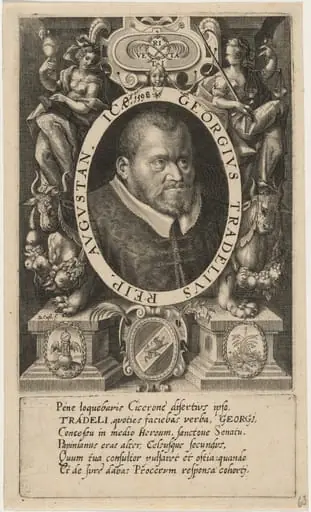
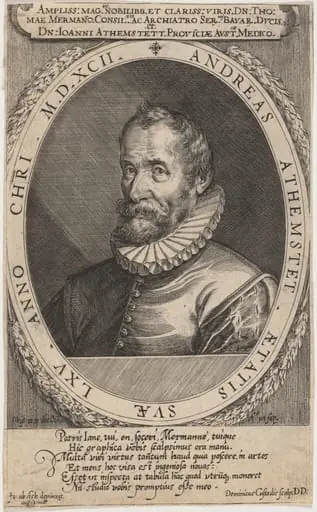
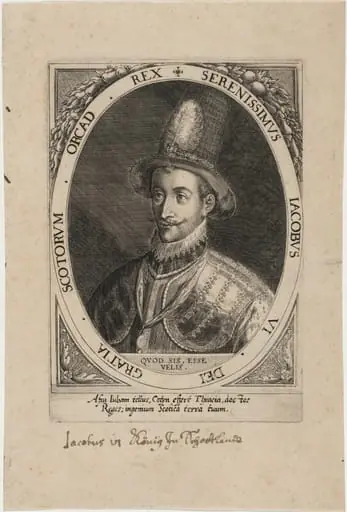
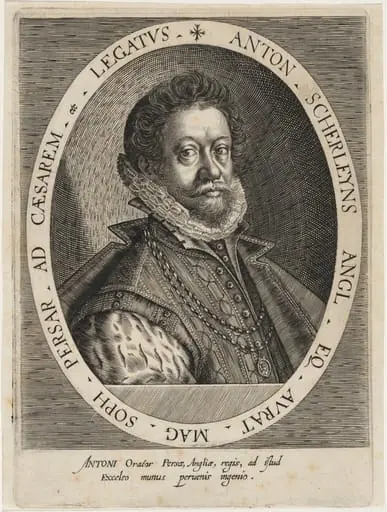
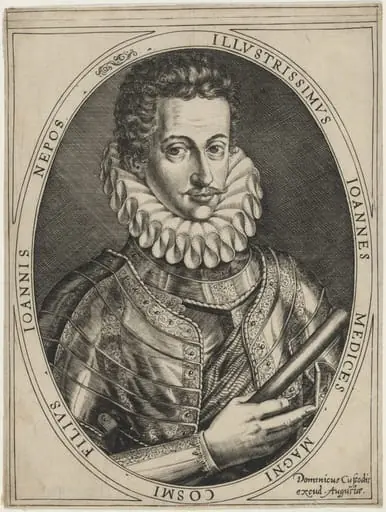
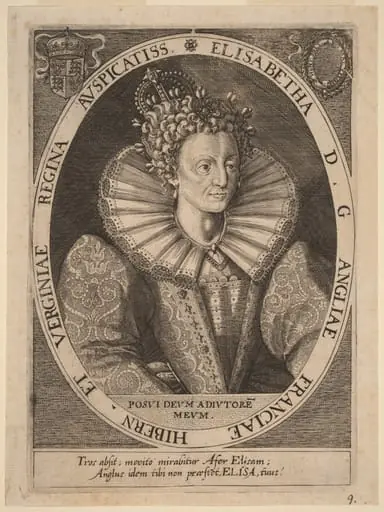
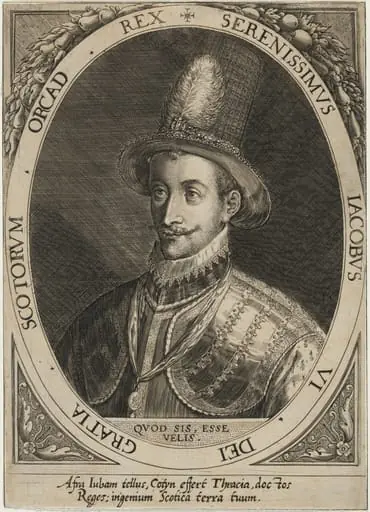
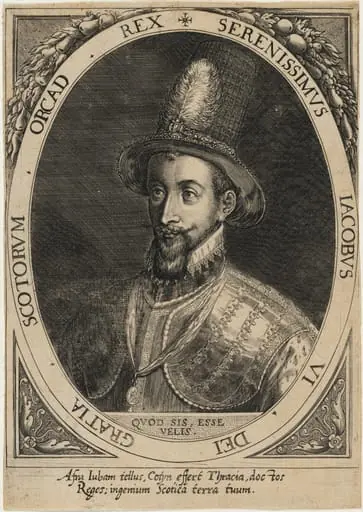
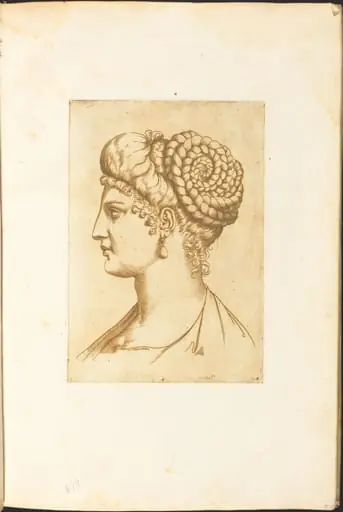
Iuba Rex is a print by Dominicus Custos. It dates from 1550 and is held in the collection of the Victoria and Albert Museum.
About this work
Overview
Created around 1550 by the Flemish engraver Dominicus Custos, Iuba Rex is a copperplate print depicting a dignified male profile.
Created around 1550 by the Flemish engraver Dominicus Custos, Iuba Rex is a copperplate print depicting a dignified male profile. Custos, active in Augsburg and later connected to the Habsburg court in Prague, specialized in detailed portraiture. The work is part of the Victoria and Albert Museum’s collection and reflects the precision and restraint characteristic of mid-16th-century Northern European printmaking.
Subject & Meaning
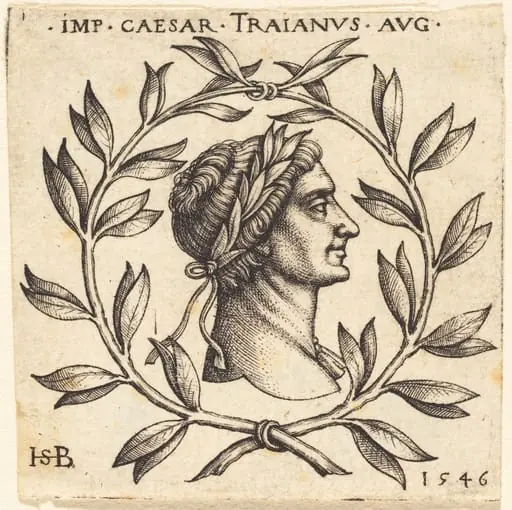
The figure is identified as Iuba, a historical North African king, though the portrait is likely idealized rather than biographical. Rendered in profile with a headband and composed expression, the image conveys authority and noble bearing. The plain background and circular frame focus attention on the subject’s features, aligning the portrait with Renaissance conventions that equated physical composure with moral and political stature.
Technique & Style
Custos employed fine-line copperplate engraving to achieve subtle tonal gradations and crisp contours. The hair and headband are rendered with meticulous hatching, while the face’s structure is defined by controlled, linear strokes. The absence of decorative elements and the neutral background emphasize clarity and restraint, hallmarks of the engraving tradition in which Custos trained and later taught his stepsons, Wolfgang and Lukas Kilian.
History & Provenance
The print entered the Victoria and Albert Museum’s collection as part of its broader holdings in Renaissance and early modern prints. While its early ownership history is undocumented, its survival reflects the circulation of engraved portraits among European collectors interested in classical and historical figures. Custos’s association with imperial circles likely facilitated its dissemination and preservation.
Context
In mid-16th-century Germany and the Holy Roman Empire, engraved portraits served both as artistic exercises and as tools for projecting power and lineage. Custos operated within this context, producing images that blended classical ideals with contemporary courtly aesthetics. His work contributed to a growing market for portable, reproducible likenesses of historical and mythological figures.
Legacy
Custos’s influence extended through his role as a teacher, shaping the next generation of engravers including his stepsons. Iuba Rex exemplifies the technical discipline and formal clarity that defined his output. Though not widely known today, his prints remain valuable for understanding the transmission of portraiture techniques and the visual culture of Habsburg-affiliated workshops in Central Europe.
Own this work as a print
Artist & collection
Artist
Dominicus Custos (1560–1612) was a Flemish artist, printer and copperplate engraver, who worked in the service of Emperor Rudolph II in Prague.