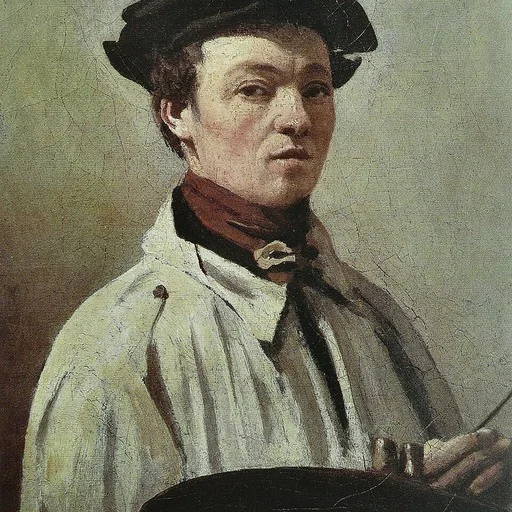
Subject
Headband
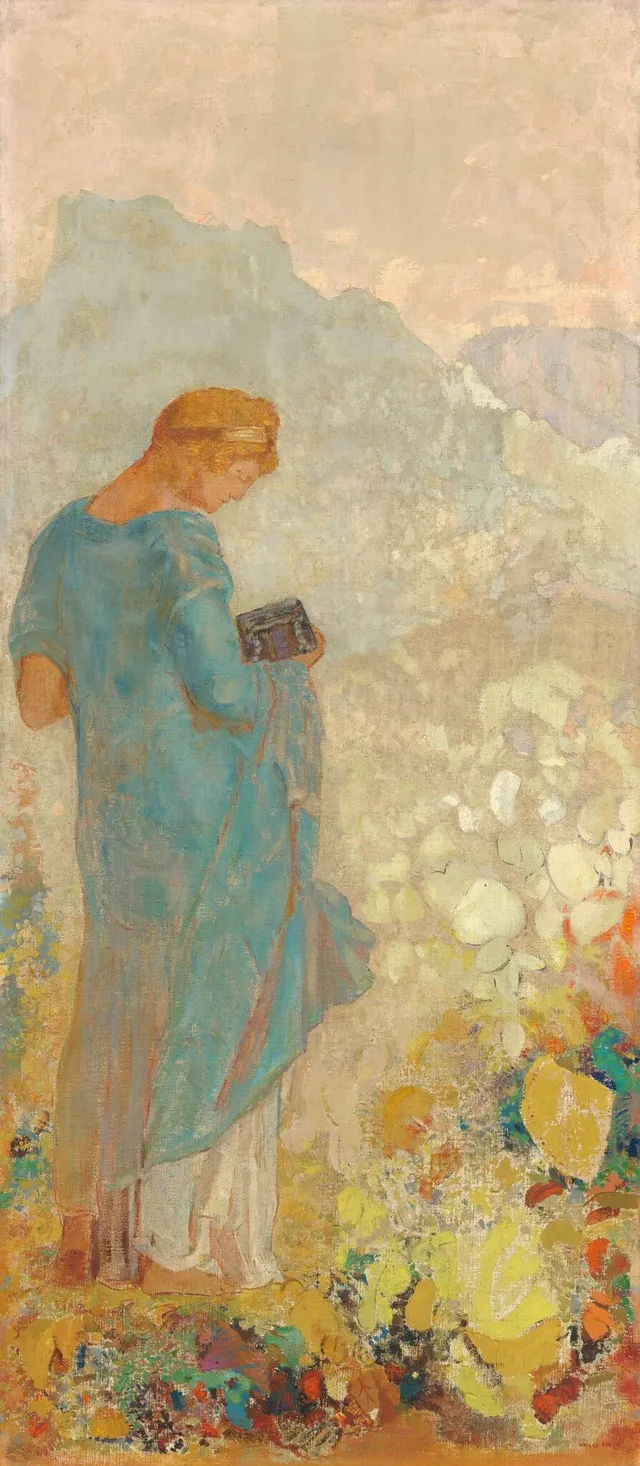
Headband is a subject in art. The gallery holds 28 works in this subject in art, including works by Jean Baptiste Camille Corot, Nicolas Bertin and Rembrandt van Rijn.
A headband (also called a hairband or sweatband) is a clothing accessory worn in the hair or around the forehead, usually to hold hair away from the face or eyes, or to help control forehead sweat or (rarely) to provide some protection to the head during physical activity. Headbands generally consist of a textile loop of elasticised and sometimes absorptive or padded material, or a horseshoe-shaped piece of flexible plastic or metal.
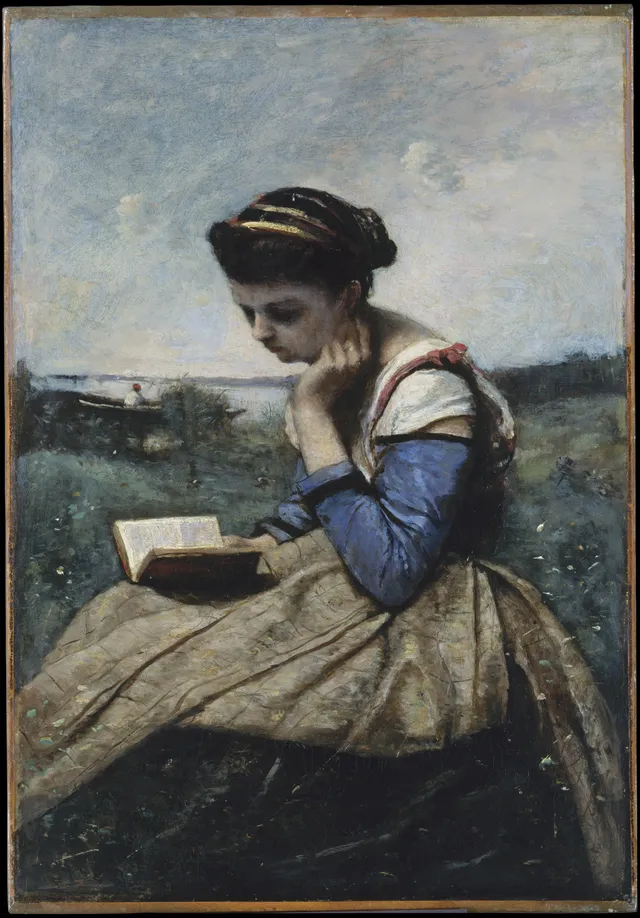
Key artists


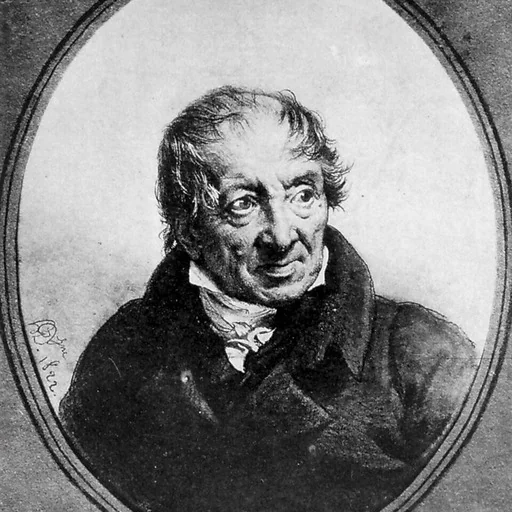
Overview
A headband is a clothing accessory worn in the hair or around the forehead, typically to hold hair away from the face or eyes, to absorb perspiration, or as a decorative element. It generally consists of a textile loop of elasticised and sometimes absorptive or padded material, or a horseshoe-shaped piece of flexible plastic or metal. The motif appears in at least 29 works in the collection under discussion, spanning subjects from classical mythology and Roman wall painting to portraiture and genre scenes. These examples include Bacchante by the Sea, Pandora, Joseph and Potiphar's Wife, Femme Lisant, Morning Toilet, a wall painting from Room H of the Villa of P. Fannius Synistor at Boscoreale, Bacchus and Ariadne, Margaret Strachan (Mrs. Thomas Harwood), Magnolia, and Portrait of a Woman.
Iconography & meaning
The headband carries layered meanings depending on context. In ancient Greek and Roman culture, its origins lie in the hair wreath, worn for special occasions and important events; these evolved into jewelled diadems associated with rulers and divinity. The Etruscans and Romans decorated such wreaths with gold and silver, elevating the form to regal and sacred significance. In Japanese tradition, the hachimaki served as a talisman against evil spirits and later became associated with military determination, particularly among kamikaze pilots in the Second World War. In Western fashion, the headband shifted between practical and decorative registers: the bandeau of the 1920s signalled modern femininity and the fashionable bobbed haircut, while utilitarian sweatbands spoke to athleticism. The headband's capacity to frame the face and control hair has made it a persistent symbol of grooming, discipline, and social presentation across cultures.
Across movements & periods
The treatment of the headband evolved significantly across periods. In antiquity, Greek hair wreaths and Roman diadems established it as ceremonial and elite; the Boscoreale fresco preserves this classical vocabulary. Medieval and early modern European usage included the tight bandeau for securing veils and, controversially, for cranial deformation of infants, a practice documented in France into the nineteenth century. The 1920s marked a decisive modern transformation, when the bandeau became central to the flapper aesthetic, worn with formal evening dress and associated with designers such as Paul Poiret. Silk, feathers, and pearls replaced classical gold and silver. The 1960s saw plastic headbands paired with the beehive hairstyle, while working-class women used cloth strips as protection against industrial pollution. The 1970s introduced political and countercultural associations through tie-dye and paisley bandanas worn by hippies and rock musicians. The 1980s aerobics craze made the terrycloth sweatband ubiquitous, while Princess Diana's 1985 appearance in Melbourne wearing an emerald and diamond choker as a headband demonstrated its continued life as high-fashion statement.
Notable depictions
Canonical depictions in the collection include the Roman wall painting from the Villa of P. Fannius Synistor at Boscoreale, which preserves ancient elite visual culture and the headband's classical antecedents. Bacchus and Ariadne and Bacchante by the Sea draw on this heritage for mythological narrative. In portraiture, Margaret Strachan (Mrs. Thomas Harwood) exemplifies its use in formal eighteenth-century British likenesses. The genre scenes Femme Lisant and Morning Toilet align with a long tradition of depicting feminine toilette. Outside the collection, notable historical wearers and representations include Brigitte Bardot, who popularised the headband in post-war fashion; Sylvester Stallone as Rambo, who made it an emblem of masculine action cinema; and Princess Diana's 1985 Australian tour. In sports, LeBron James has sustained the headband's athletic association into the twenty-first century.
Legacy
The headband's cultural afterlife reflects its unusual flexibility across registers of meaning. From ancient diadem to athletic sweatband, it has signified royalty, religious devotion, medical intervention, political militancy, sexual glamour, and fitness culture. Its persistence in fashion, revived periodically by houses such as Dolce & Gabbana, Fendi, and Maison Michel in 2013, testifies to its formal adaptability. The Japanese hachimaki retains ceremonial and nationalist resonance, while the Rambo-style knotted bandana persists as a global symbol of rugged individualism. In contemporary usage, the headband continues to oscillate between function and ornament, its meanings multiplied by material, width, and context of wear. The collection's 29 works, spanning antiquity to the modern era, constitute a significant archive of this visual and cultural history, demonstrating how a simple strip of fabric or metal has framed faces, signified identities, and absorbed social change across millennia.
Works
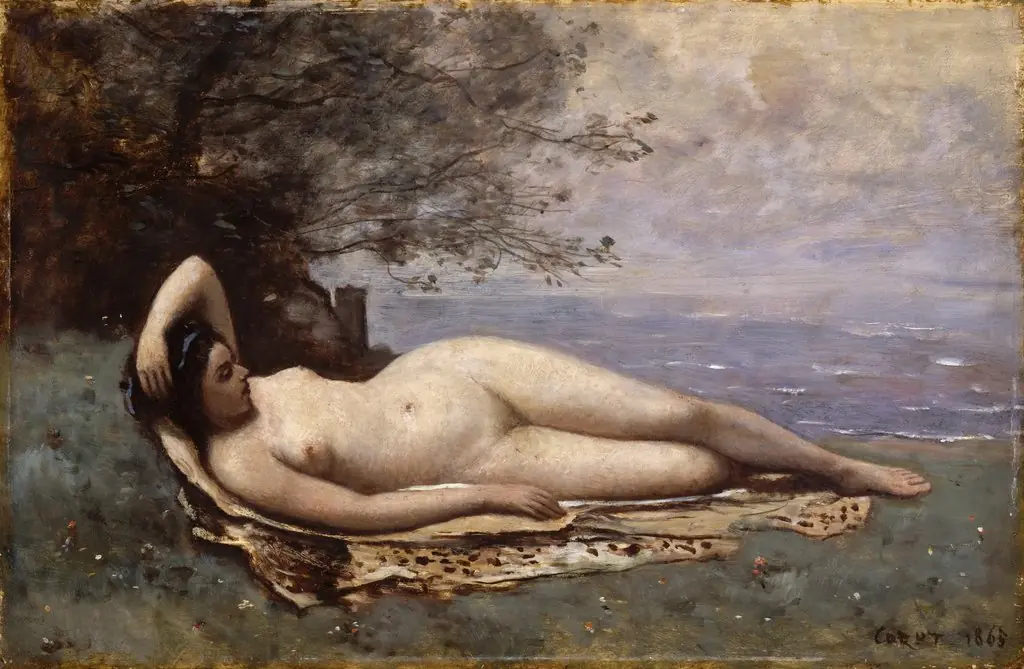 Bacchante by the Sea
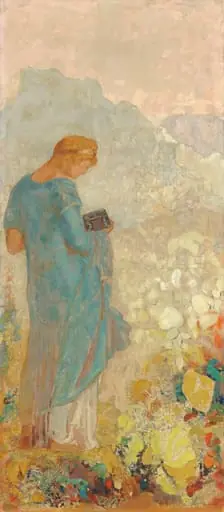 Pandora
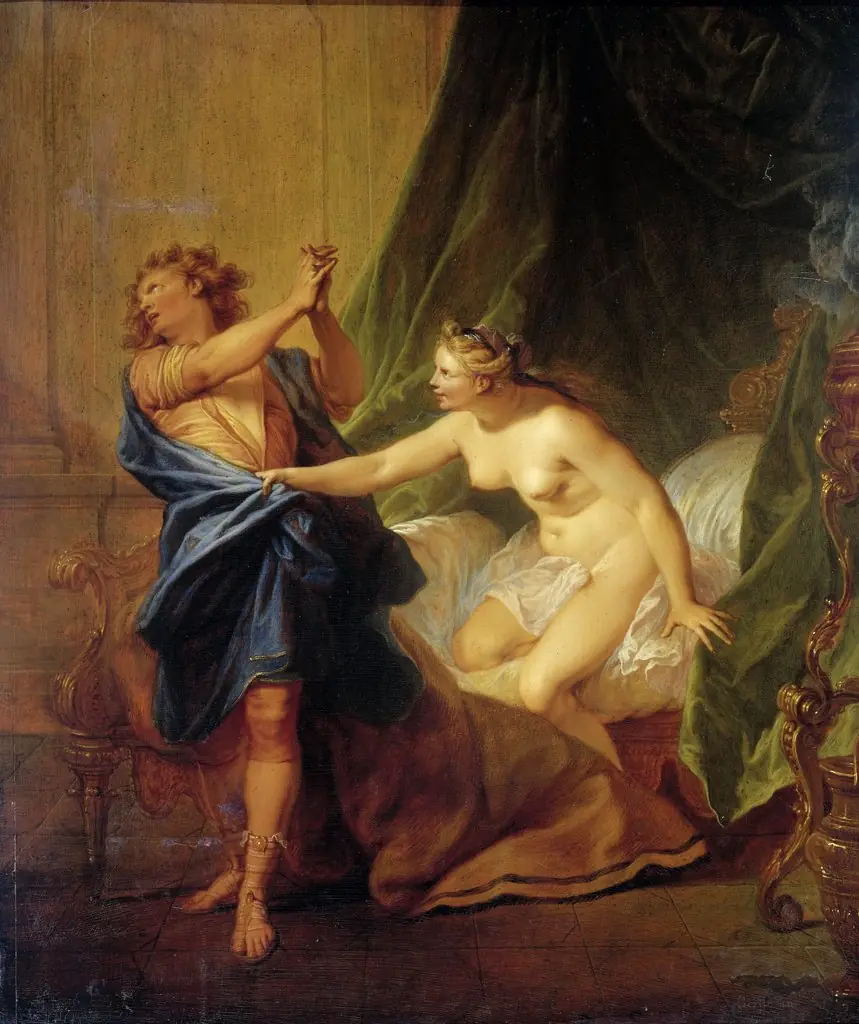 Joseph and Potiphar's Wife
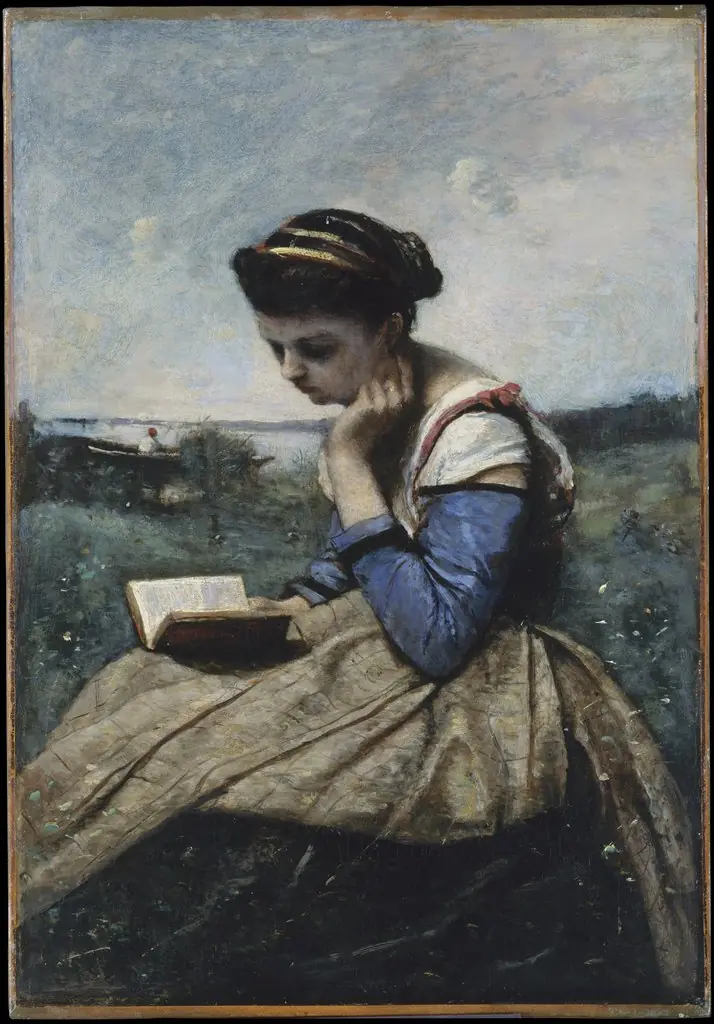 Femme Lisant
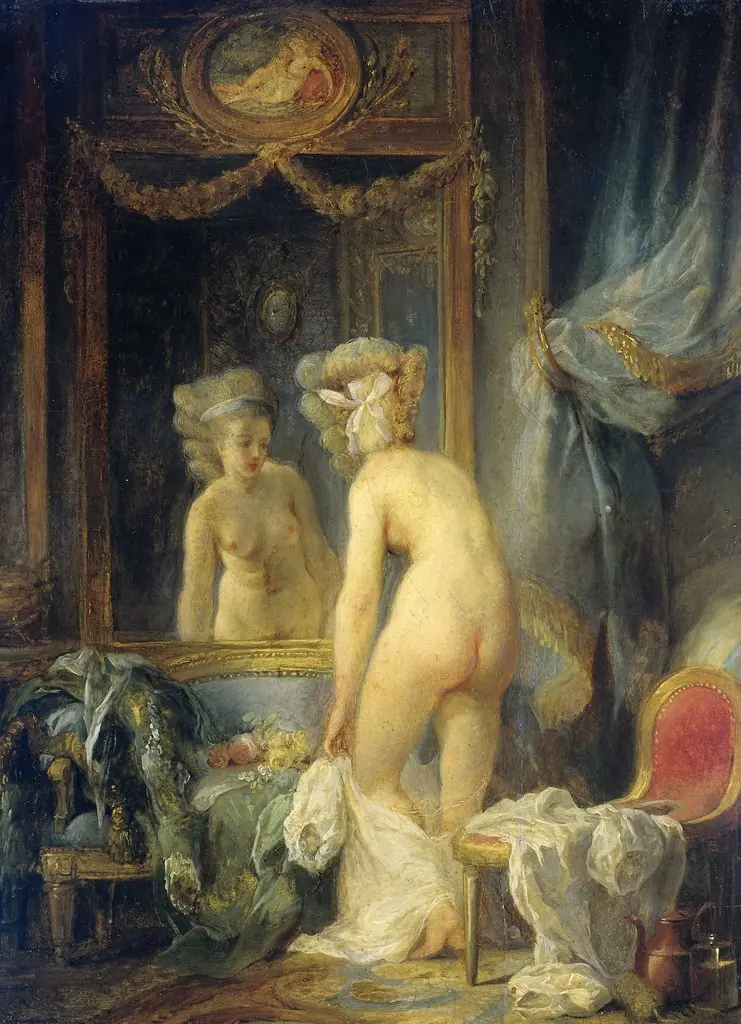 Morning Toilet
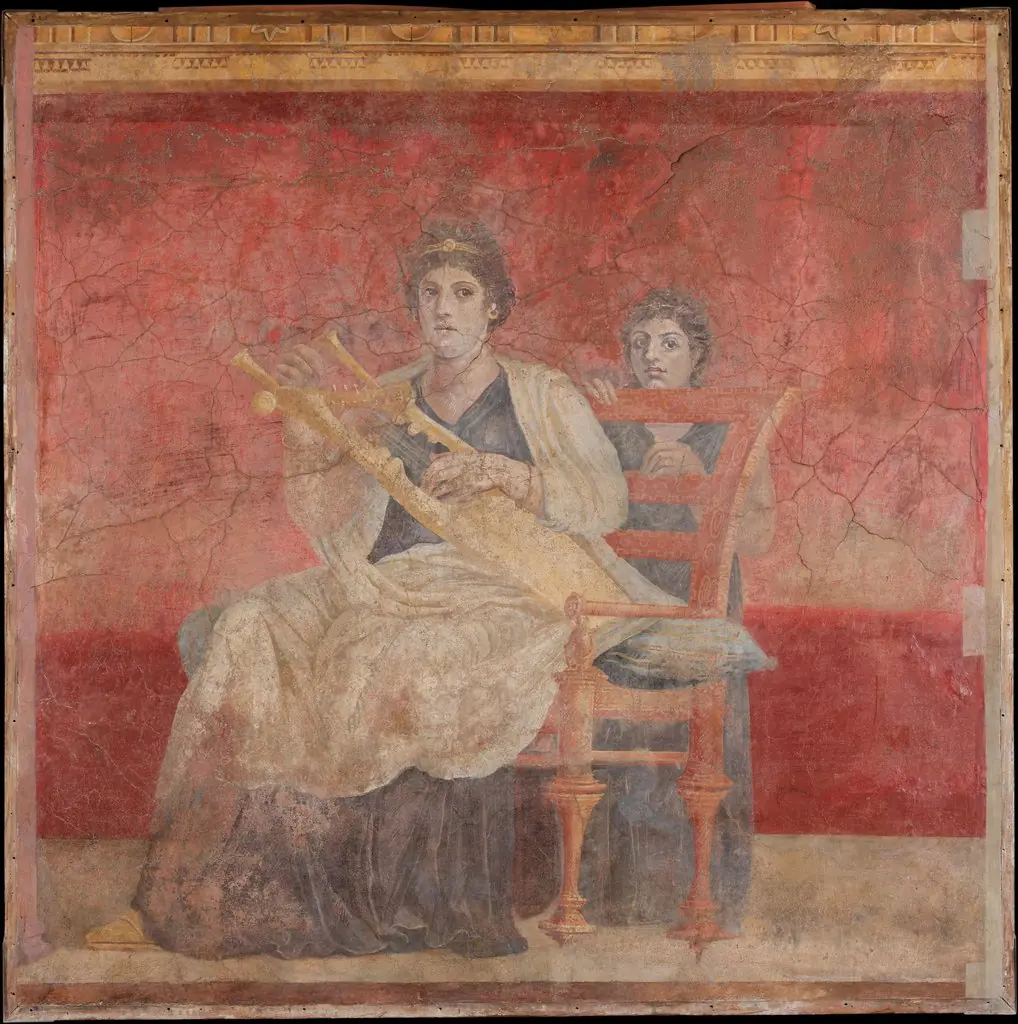 Wall painting from Room H of the Villa of P. Fannius Synistor at Boscoreale
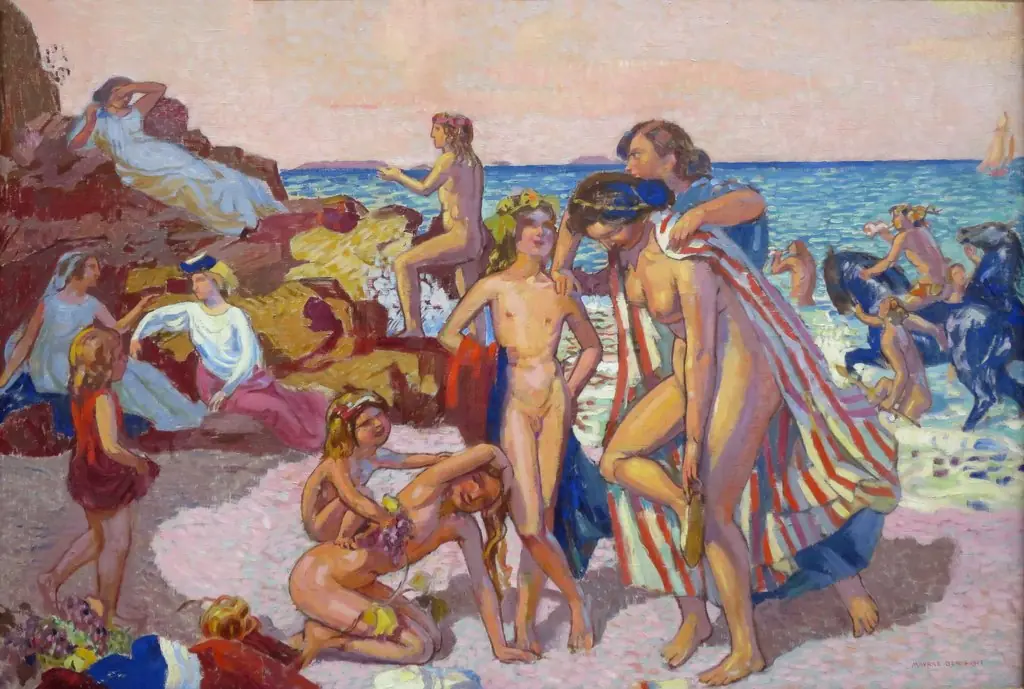 Bacchus and Ariadne
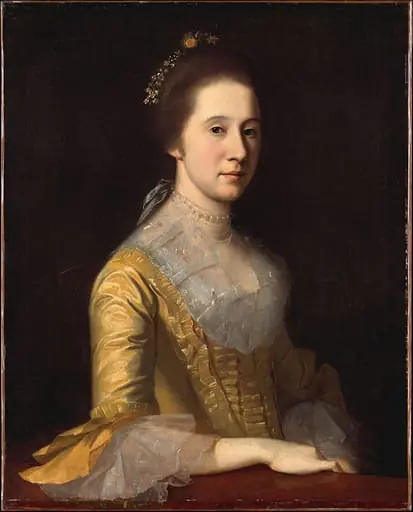 Margaret Strachan (Mrs. Thomas Harwood)
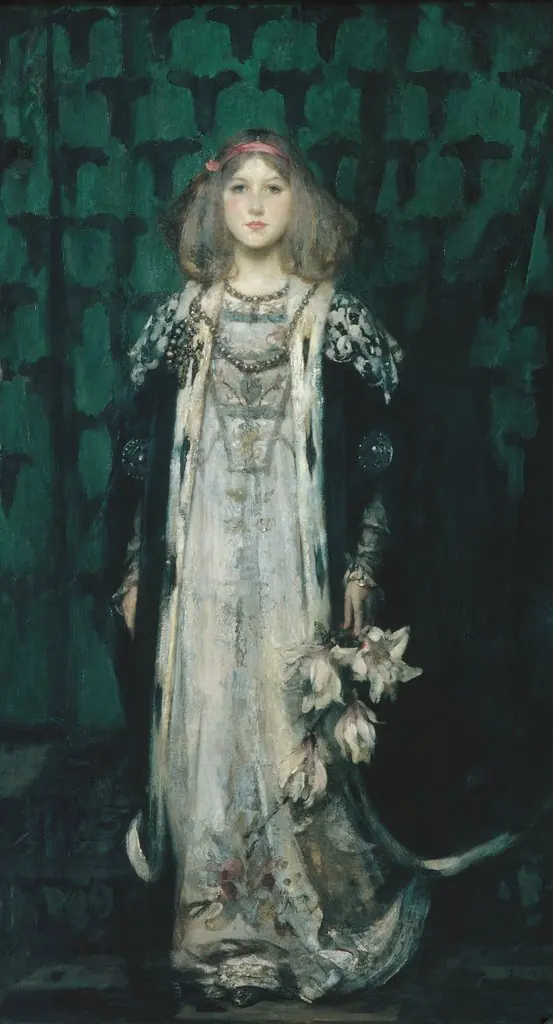 Magnolia
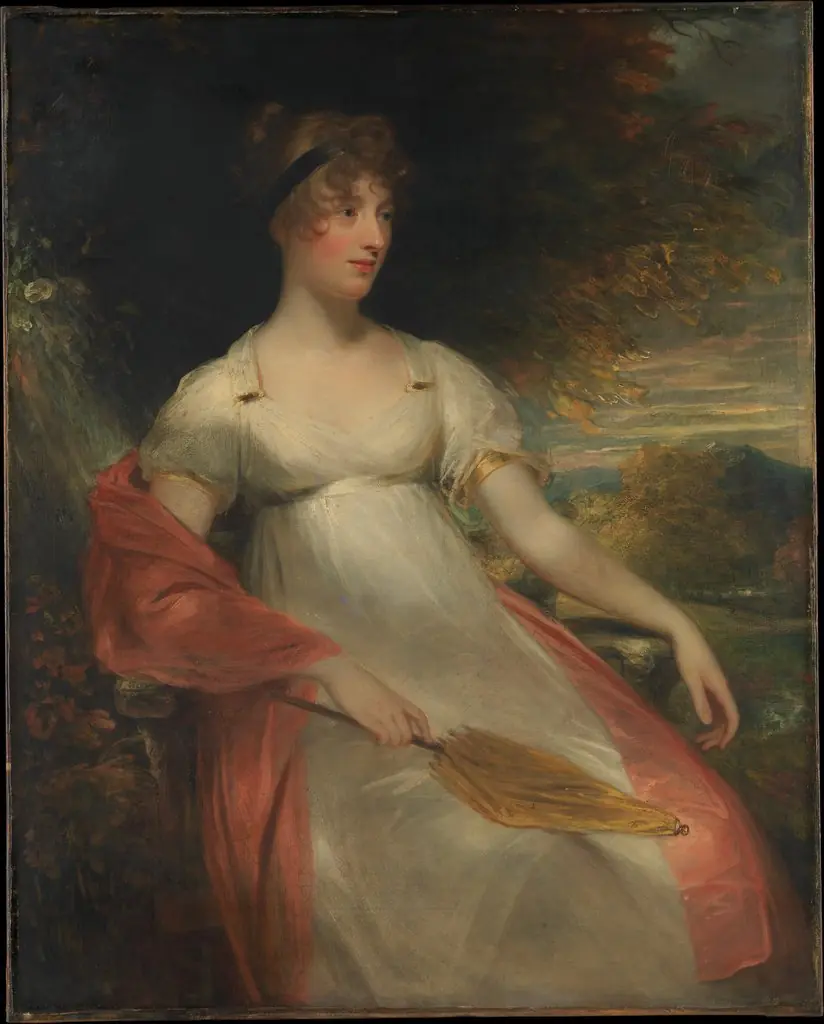 Portrait of a Woman
 Mary House
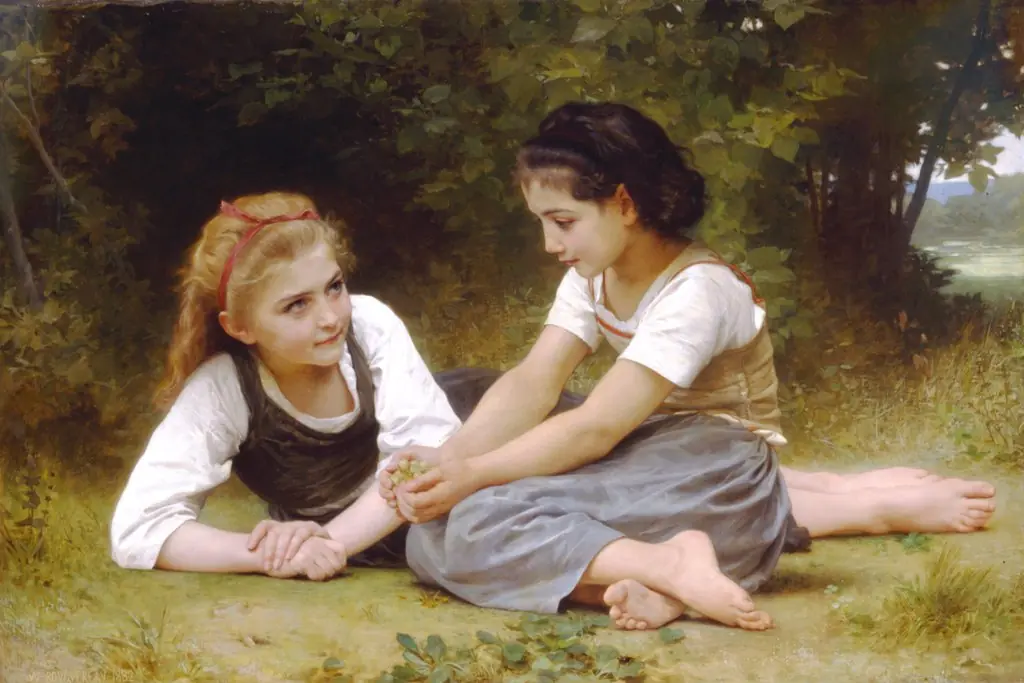 The Nut Gatherers
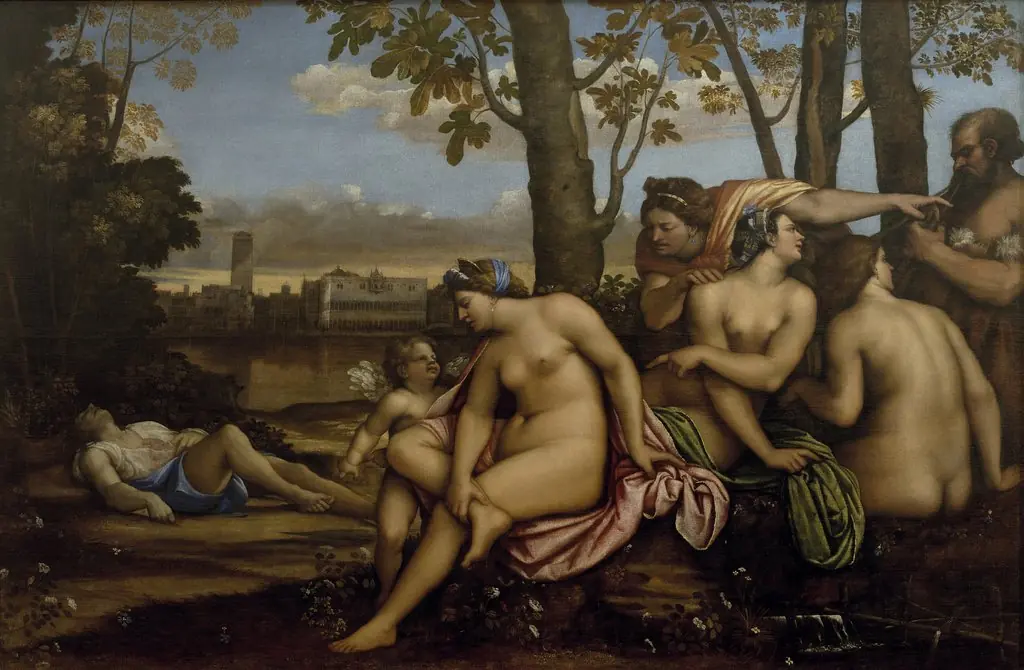 Death of Adonis
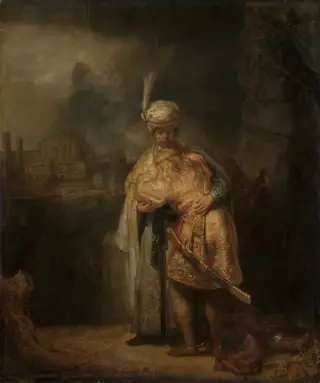 Separation of David and Jonathan
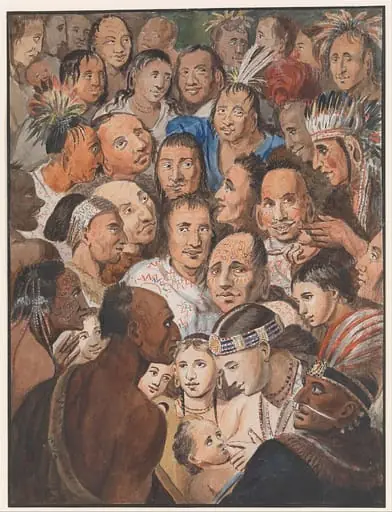 Tableau of Indian Faces
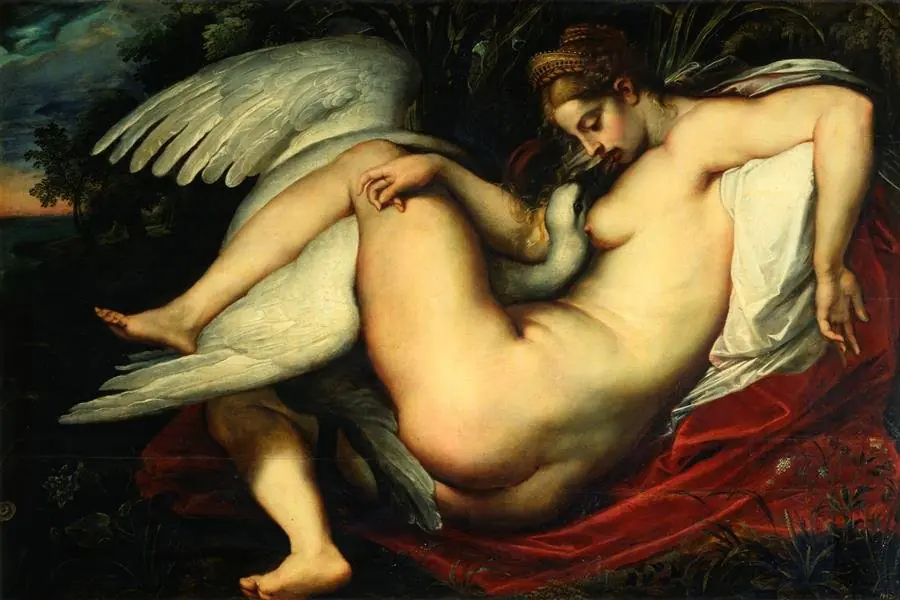 Leda and the swan
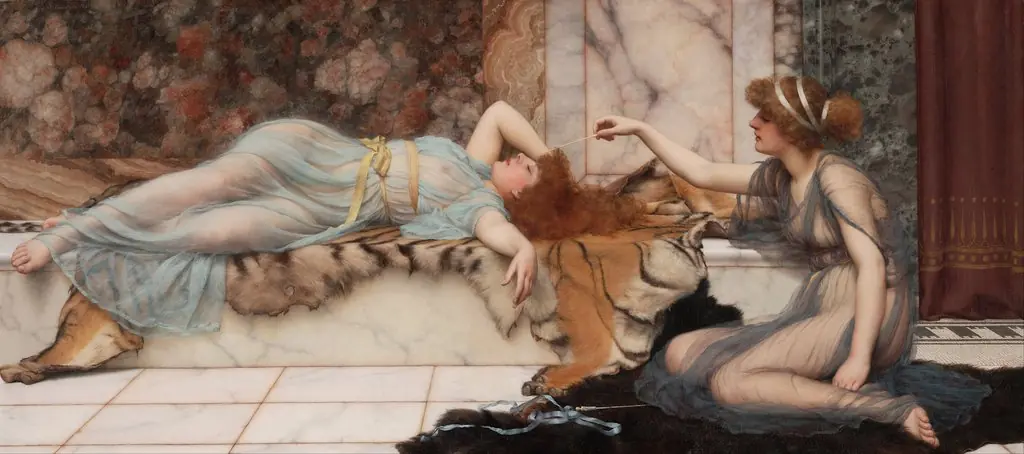 Mischief and Repose
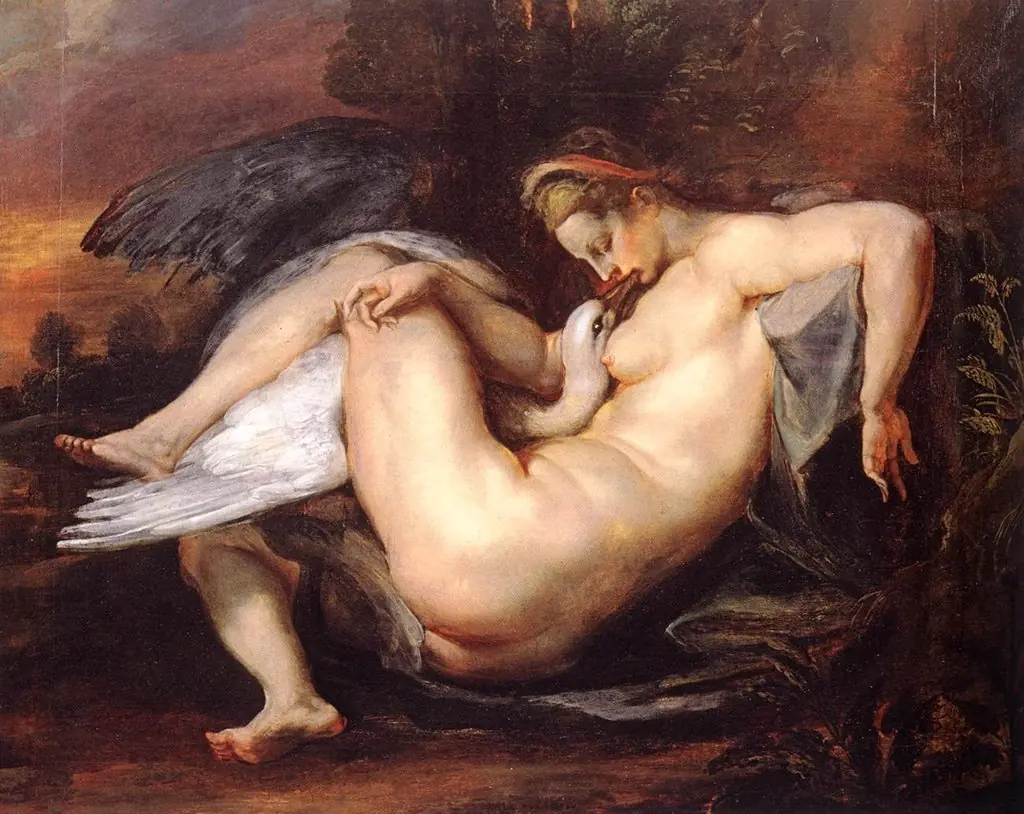 Leda and the Swan
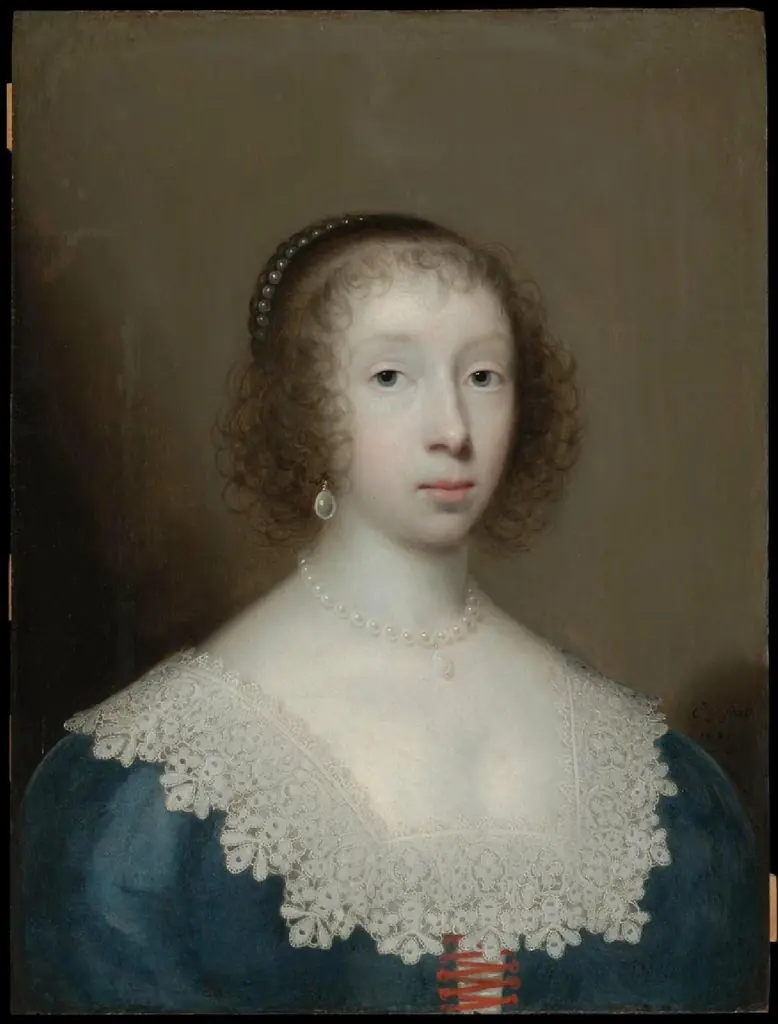 Portrait of a Woman
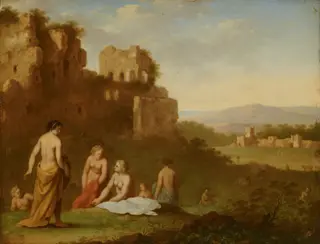 Nymphs Bathing
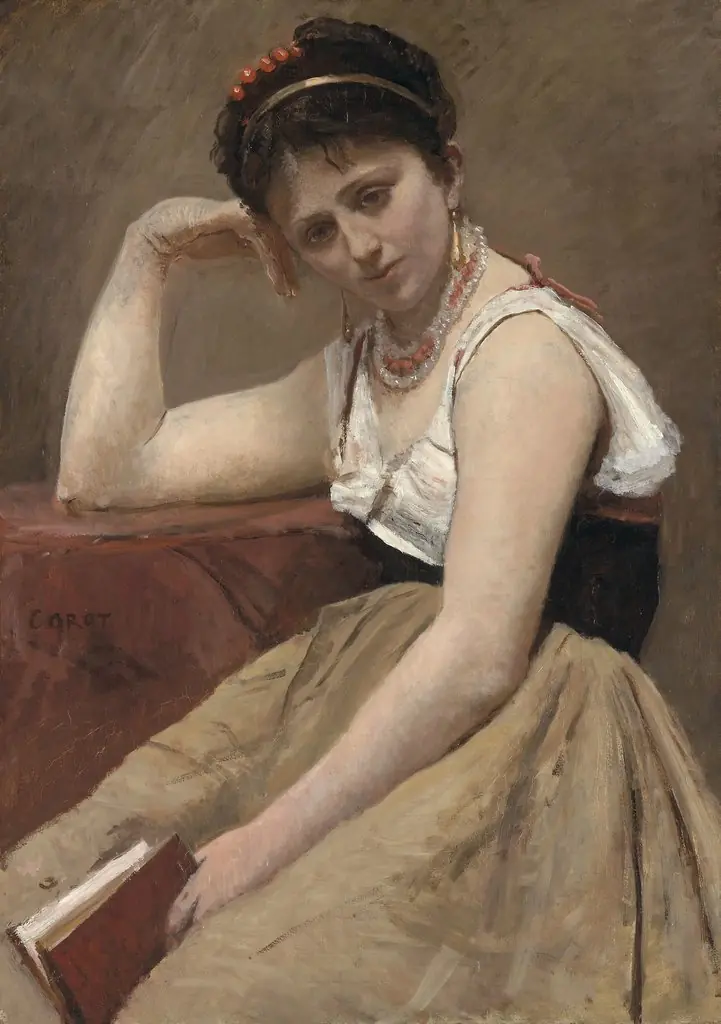 Interrupted Reading
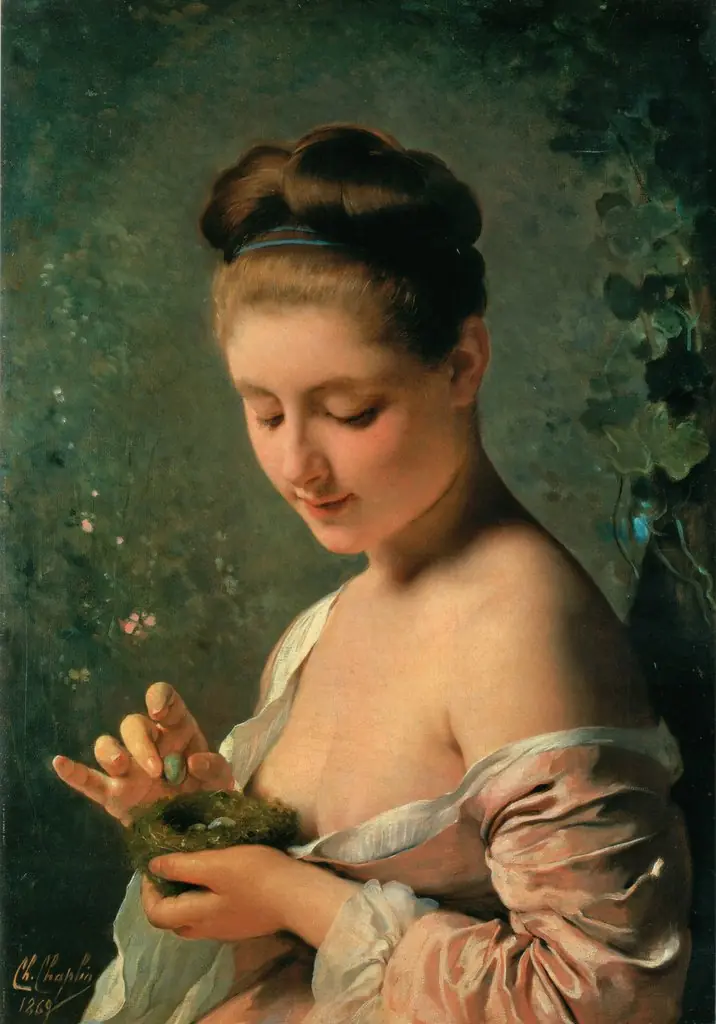 Girl with a Nest
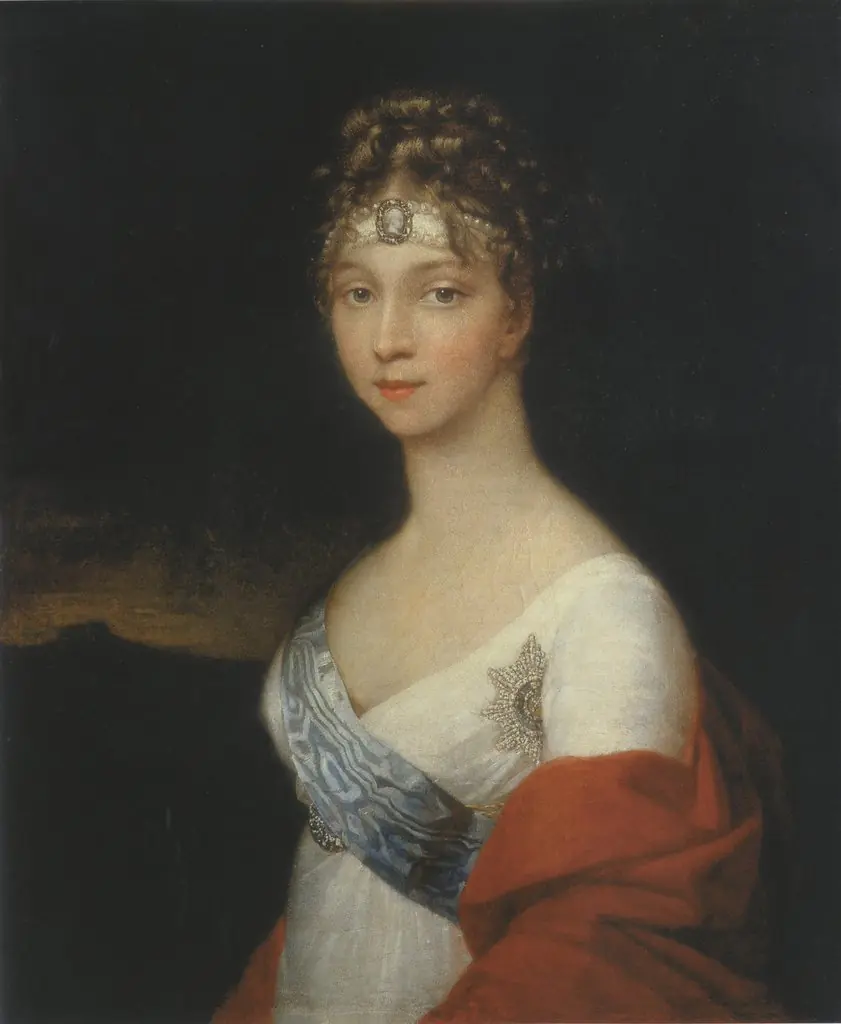 Portrait of Empress Elizaveta Alekseevna
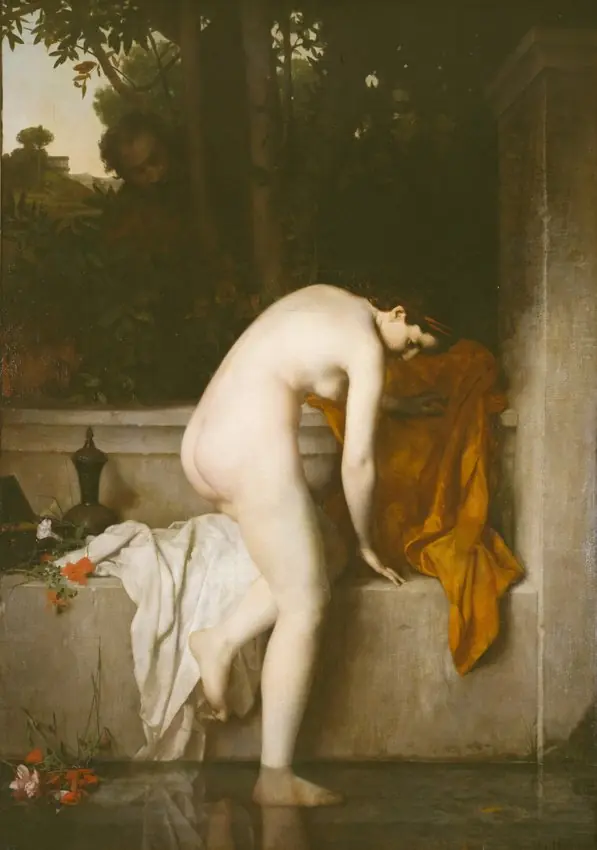 The Chaste Susannah
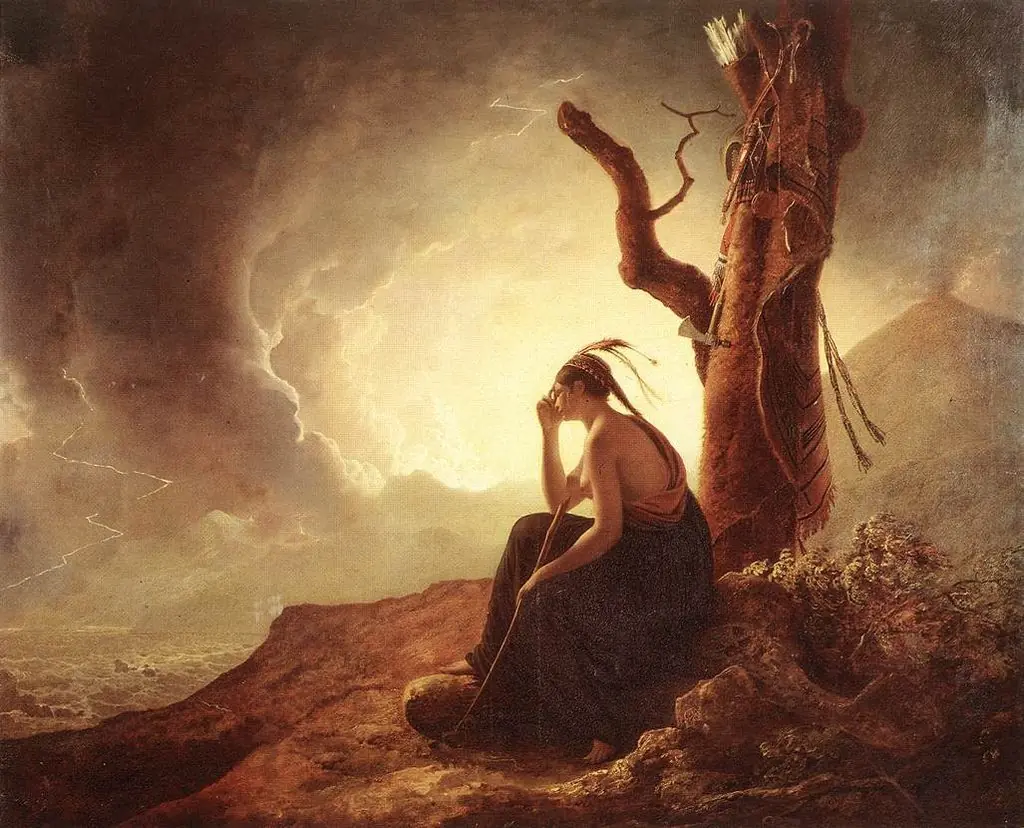 Indian Widow
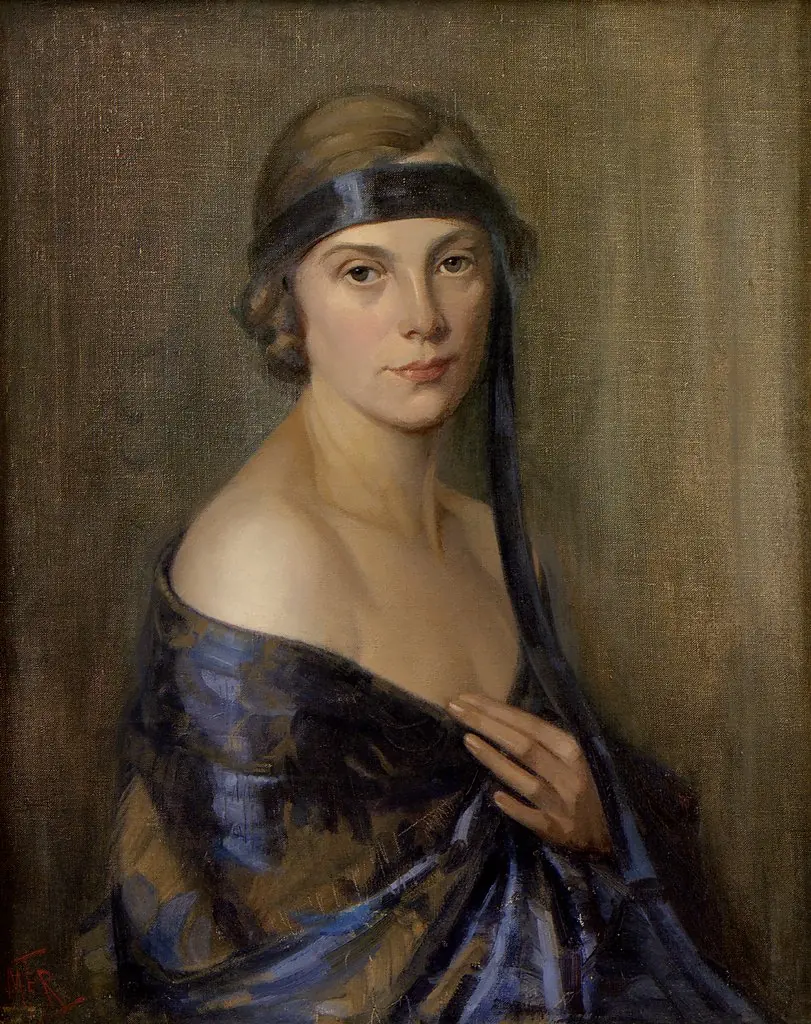 The blue ribbon
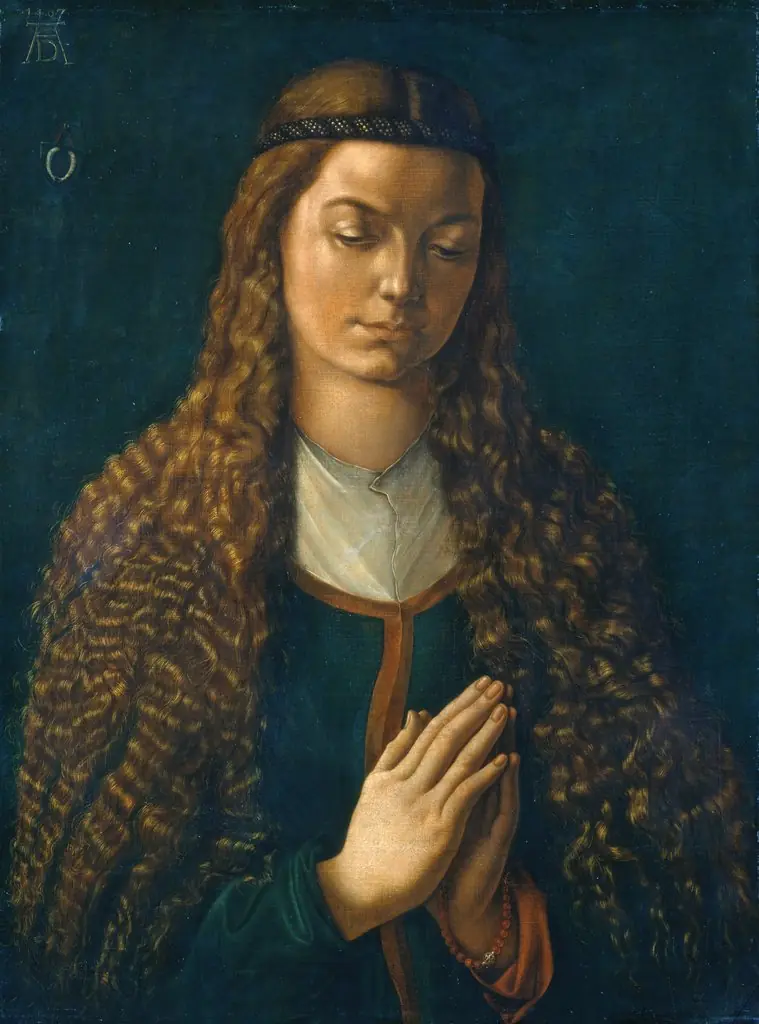 Portrait of a Young Fürleger with Loose Hair
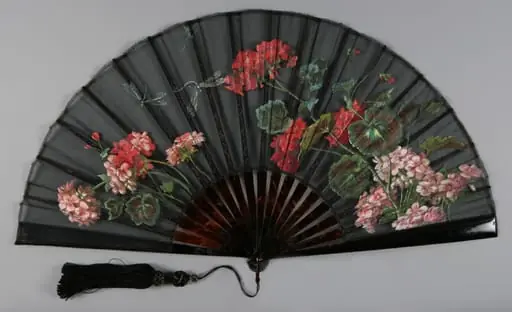 Eventail plié
Frequently asked questions
What is Headband?
Headband is a subject in art. A headband (also called a hairband or sweatband) is a clothing accessory worn in the hair or around the forehead, usually to hold hair away from the face or eyes, or to help control forehead sweat or (rarely) to provide some protection to the head during physical activity.
How many Headband works does Artifact World Gallery have?
Artifact World Gallery holds 28 public-domain Headband works, all free to view and download.
Who are the key Headband artists?
Key Headband artists in the collection include Jean Baptiste Camille Corot, Nicolas Bertin and Rembrandt van Rijn.
Where can I see Headband works?
Headband works in the collection are held by Metropolitan Museum of Art, Hermitage Museum and Museum of New Zealand Te Papa Tongarewa.