Artwork
The Immortal Paradise Building in the Mountain
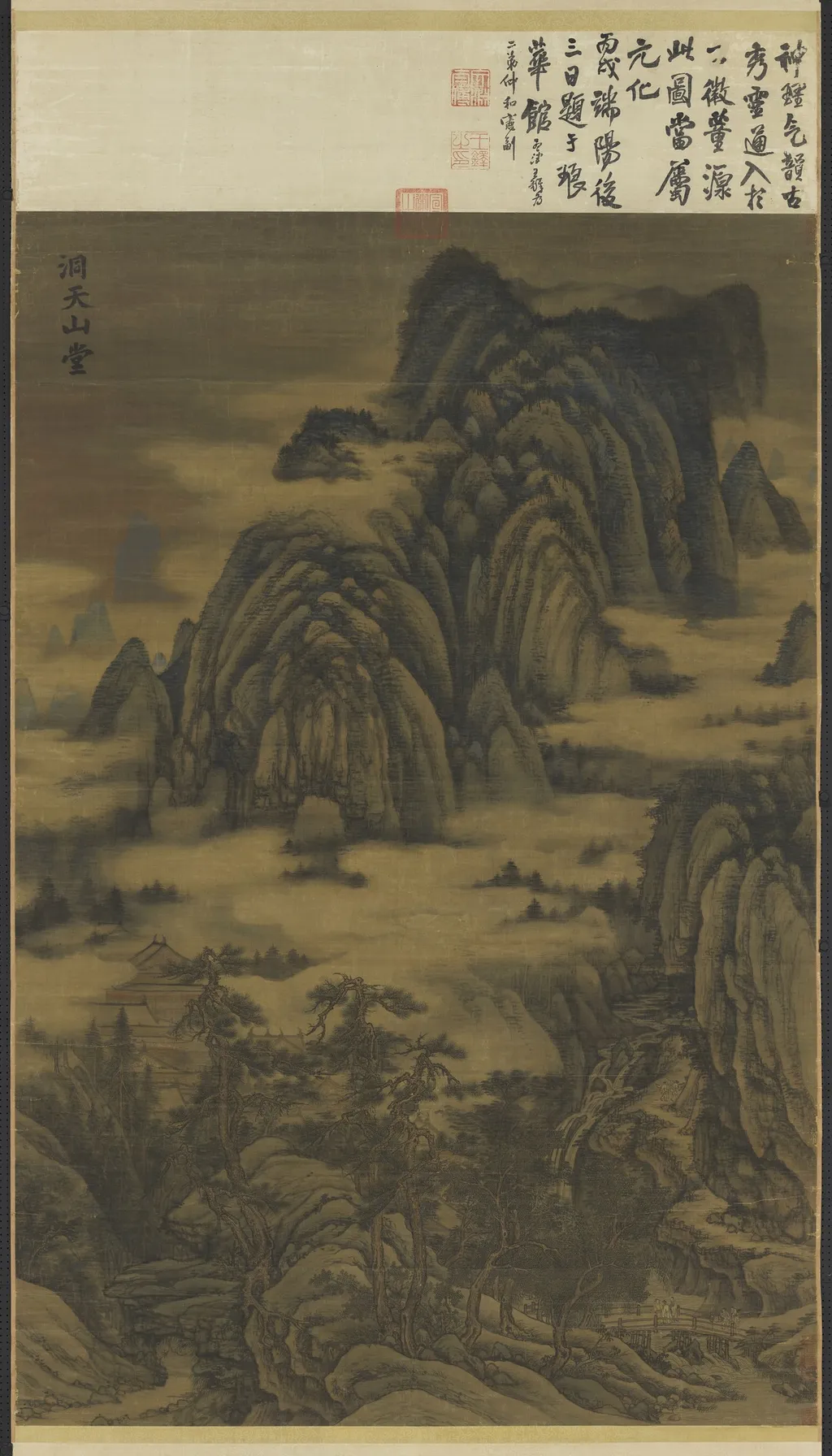
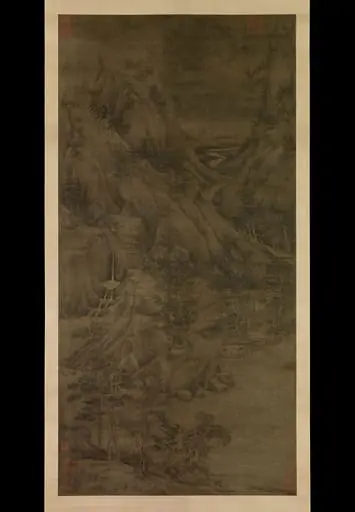
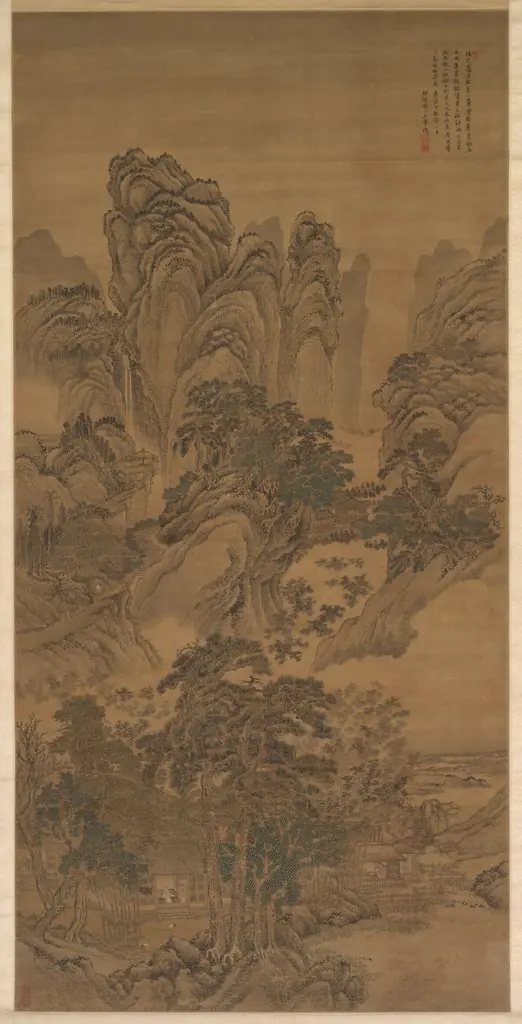
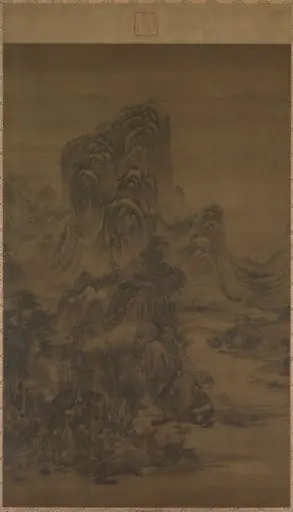
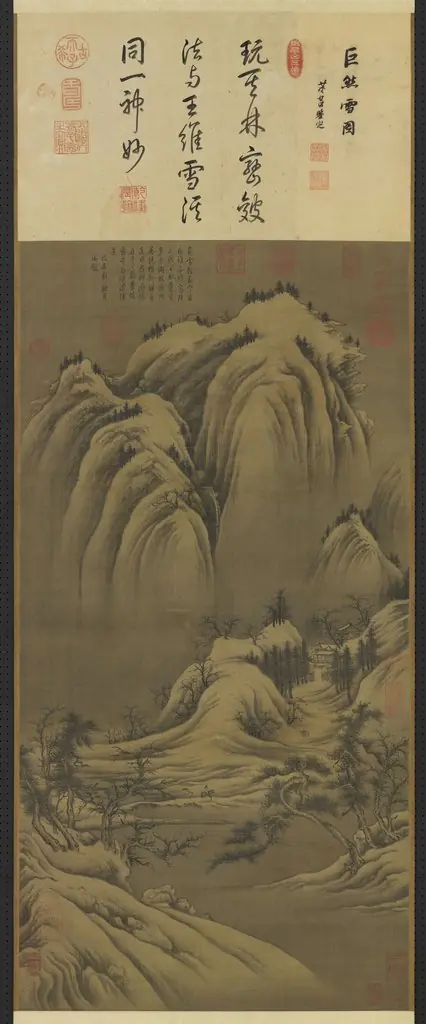
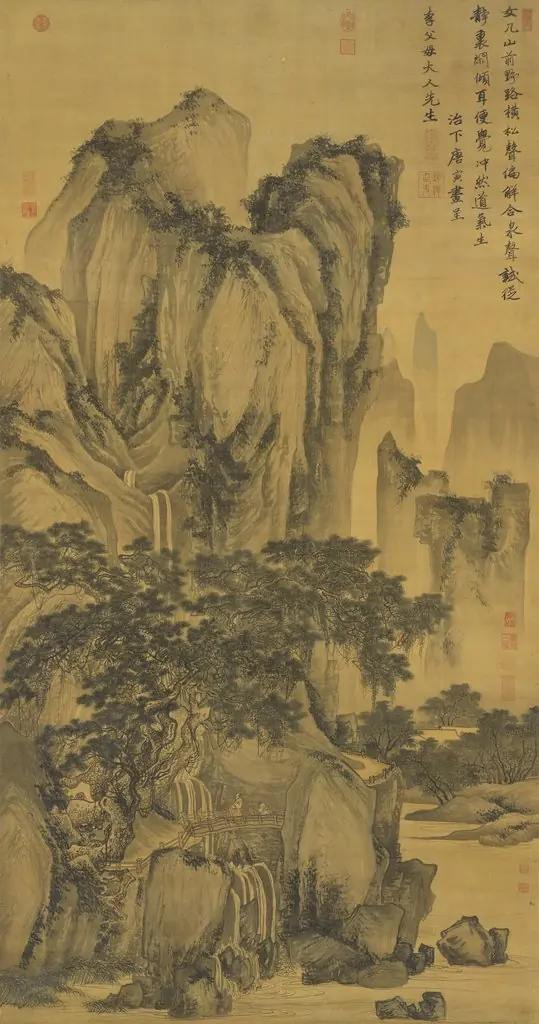
The Immortal Paradise Building in the Mountain is an unspecified painting by the Song dynasty landscape artist Dong Yuan. It dates from 950 and is held in the collection of the National Palace Museum.
About this work
Overview
Created circa 950, The Immortal Paradise Building in the Mountain is a landscape painting attributed to Dong Yuan, an artist active during the Southern Tang period of the Five Dynasties and Ten Kingdoms. Executed in the early Song landscape tradition, the work is part of the National Palace Museum’s collection and exemplifies the tranquil, mist‑laden mountain scenes that characterized elite Chinese brush painting of the era.
Subject & Meaning
The placement of the building in the lower left suggests a human presence harmonized with nature, a common motif in Daoist‑inspired landscape art.
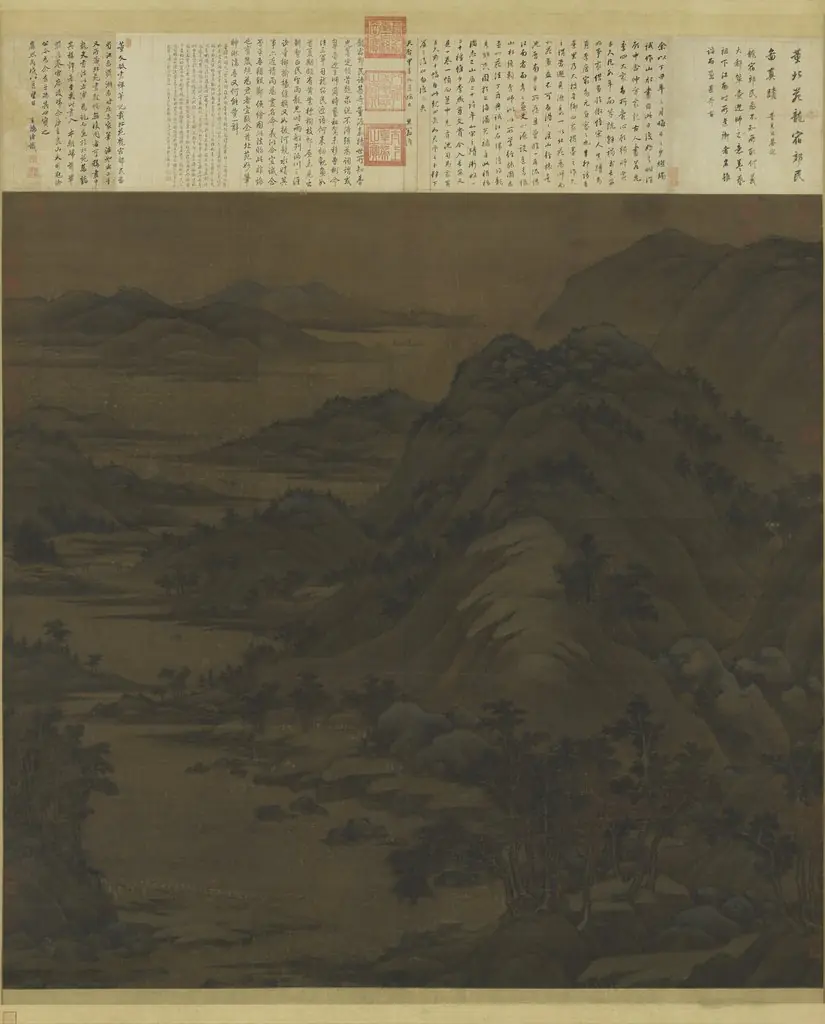
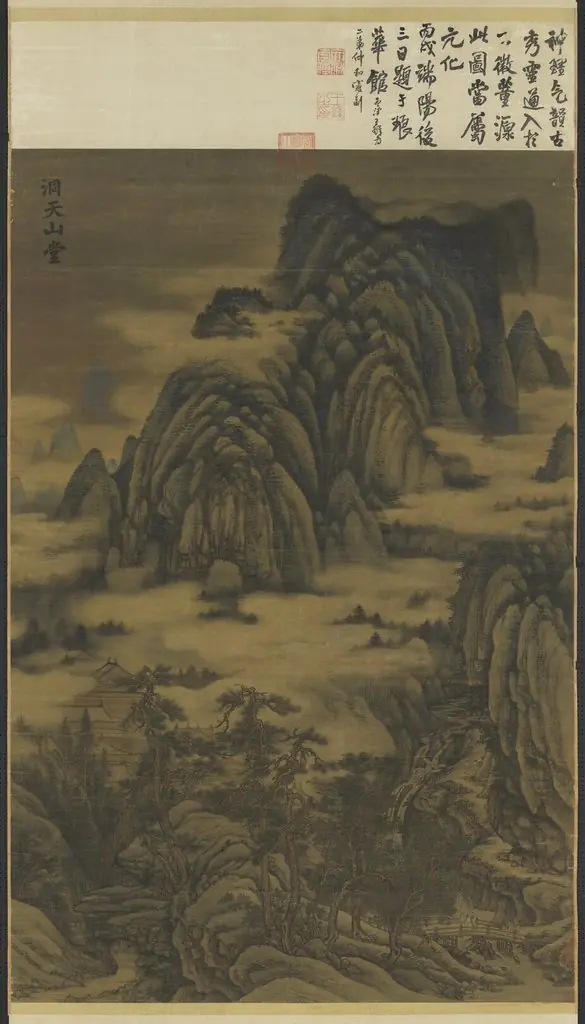
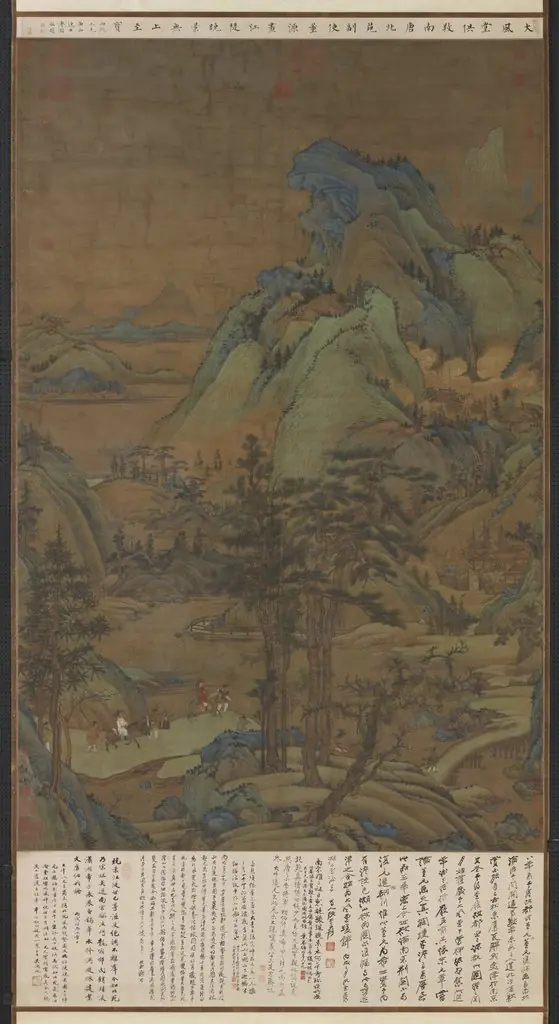
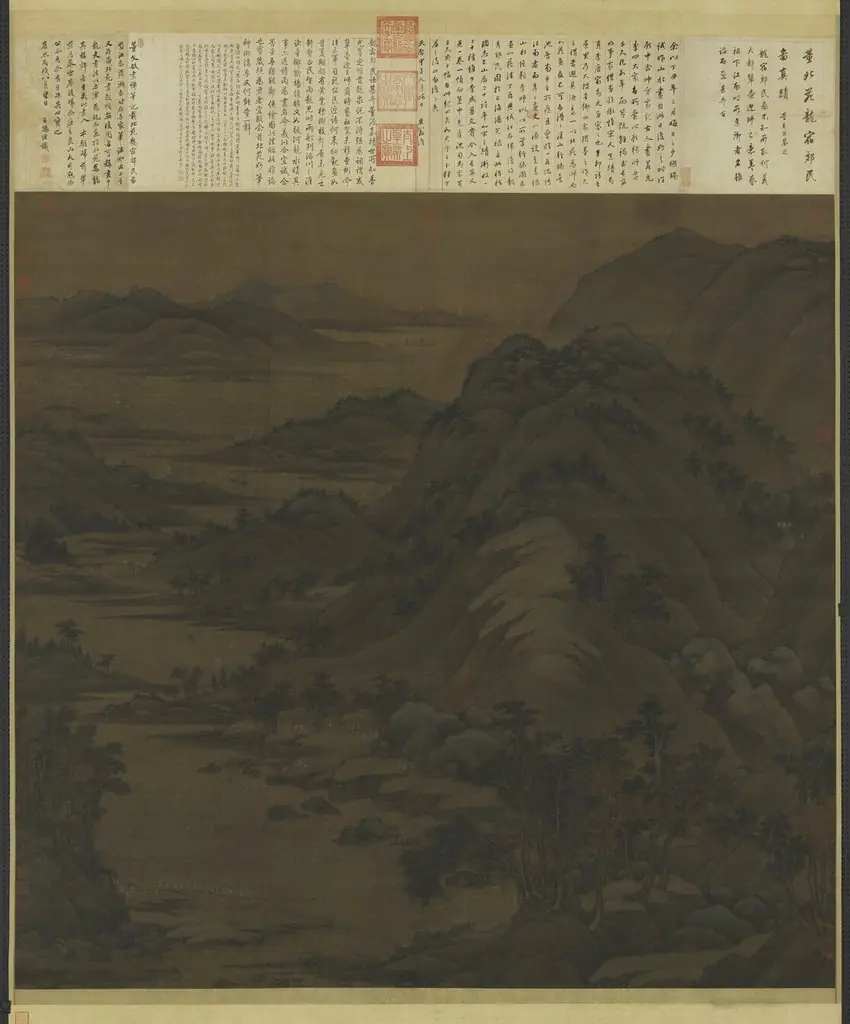
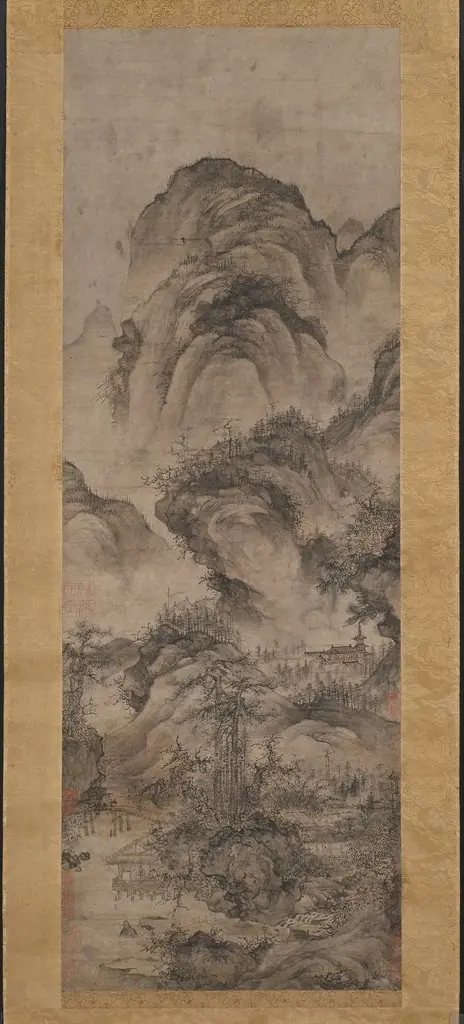
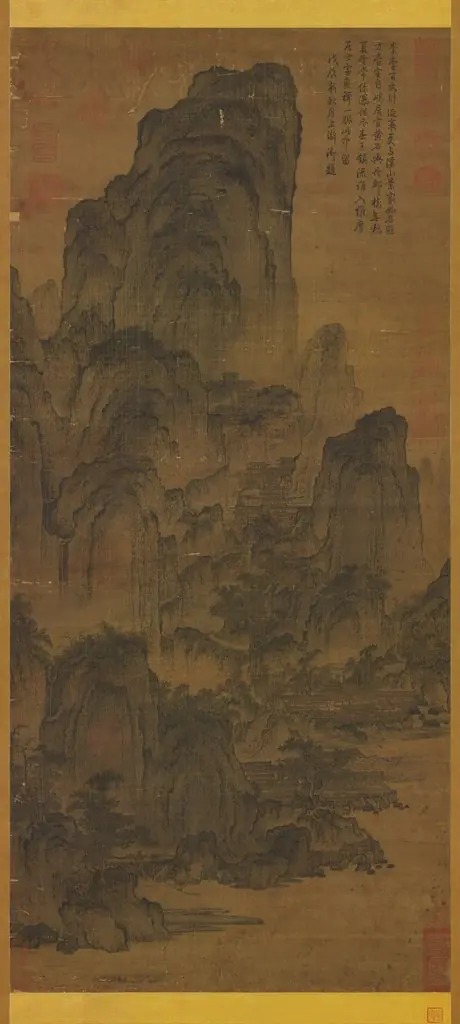
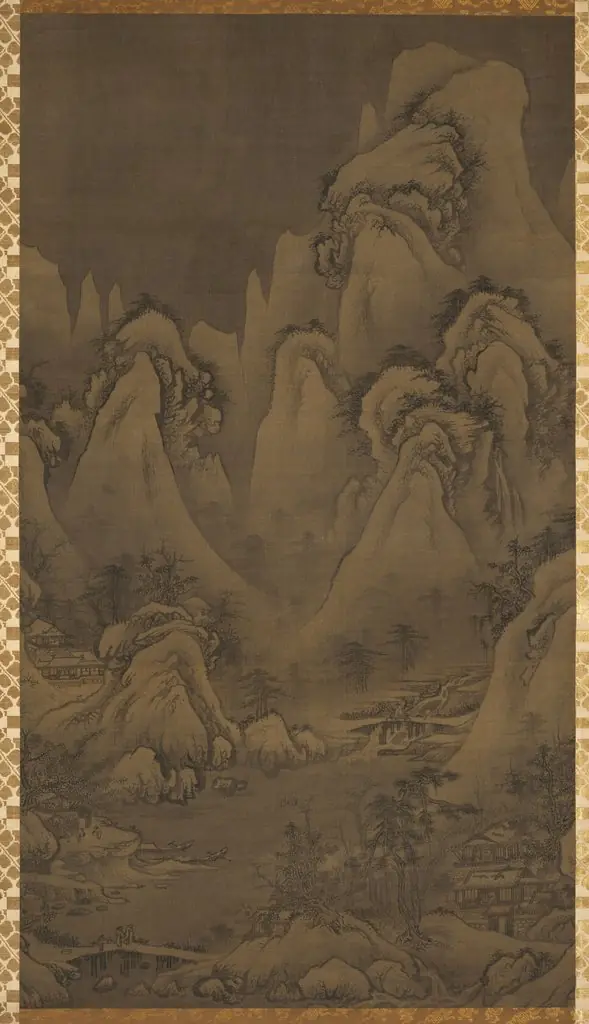
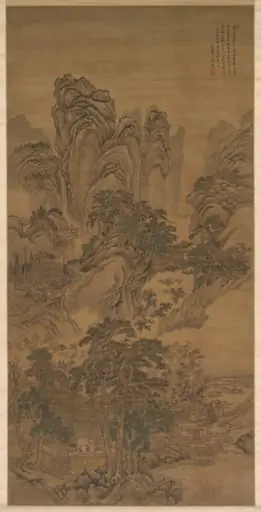
The composition presents a quiet mountainous setting where a modest structure, likely a temple or retreat, nestles among a grove of trees. Tall trunks reach upward, while distant peaks dissolve into atmospheric haze, evoking a sense of seclusion and contemplation. The placement of the building in the lower left suggests a human presence harmonized with nature, a common motif in Daoist‑inspired landscape art.
Technique & Style
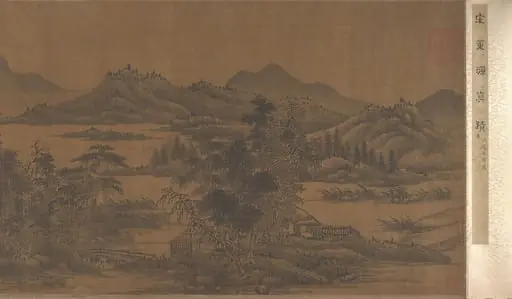
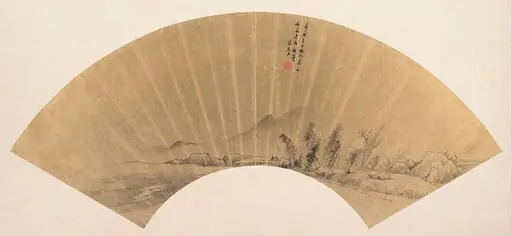
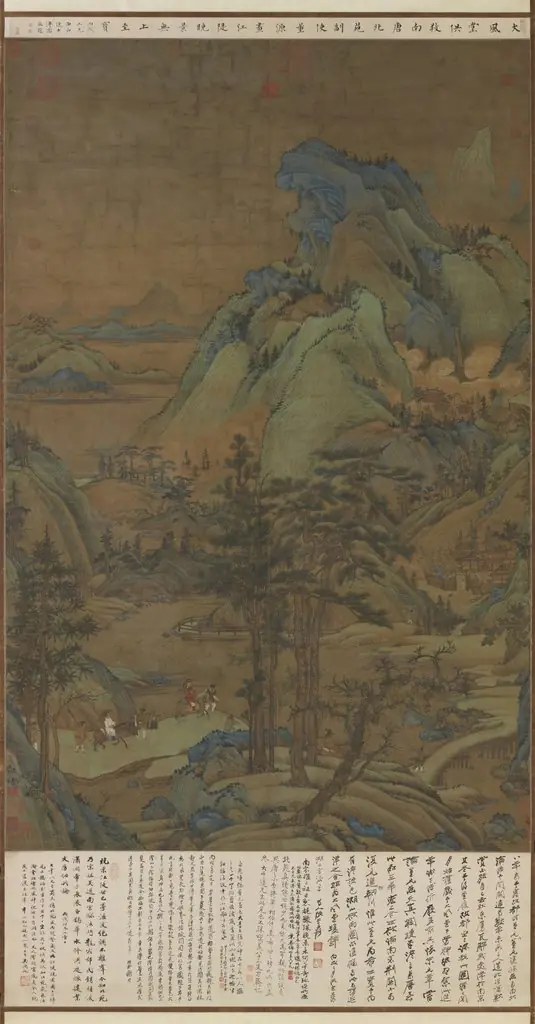
Dong Yuan employs a restrained palette of browns and grays, applying ink and light washes to render rock, foliage, and architecture with subtle tonal variation. Brushwork combines soft, flowing strokes for clouds and mist with more defined, textured lines for tree trunks, creating depth through layered washes. The overall effect is a measured, lyrical rendering that anticipates the refined brush techniques that would dominate Song landscape painting.
History & Provenance
The painting has survived for over a millennium, passing through imperial collections before entering the National Palace Museum in Taiwan. Its attribution to Dong Yuan rests on stylistic analysis and historical records linking the artist to the Southern Tang court and the cultural hub of Nanjing, where he was known for both figure and landscape work.
Context
During the Southern Tang, court patronage encouraged a scholarly aesthetic that valued subtlety and poetic resonance in visual art. Dong Yuan’s approach, integrating delicate atmospheric effects with precise architectural detail, reflects the intellectual climate of the period, wherein landscape painting served as a vehicle for expressing moral and philosophical ideals tied to nature and the cultivated mind.
Artist & collection

Artist
Dong Yuan (Chinese: 董源; pinyin: Dǒng Yuán; Wade–Giles: Tung Yüan; Gan: dung3 ngion4; c.