Artwork
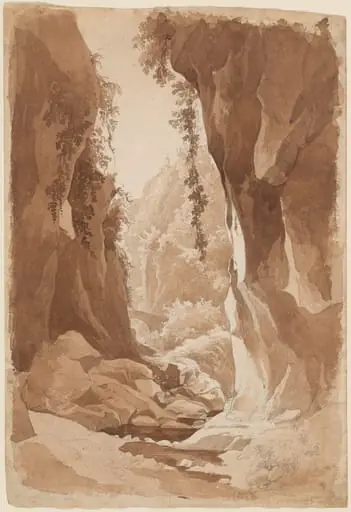
Ravine at Sorrento
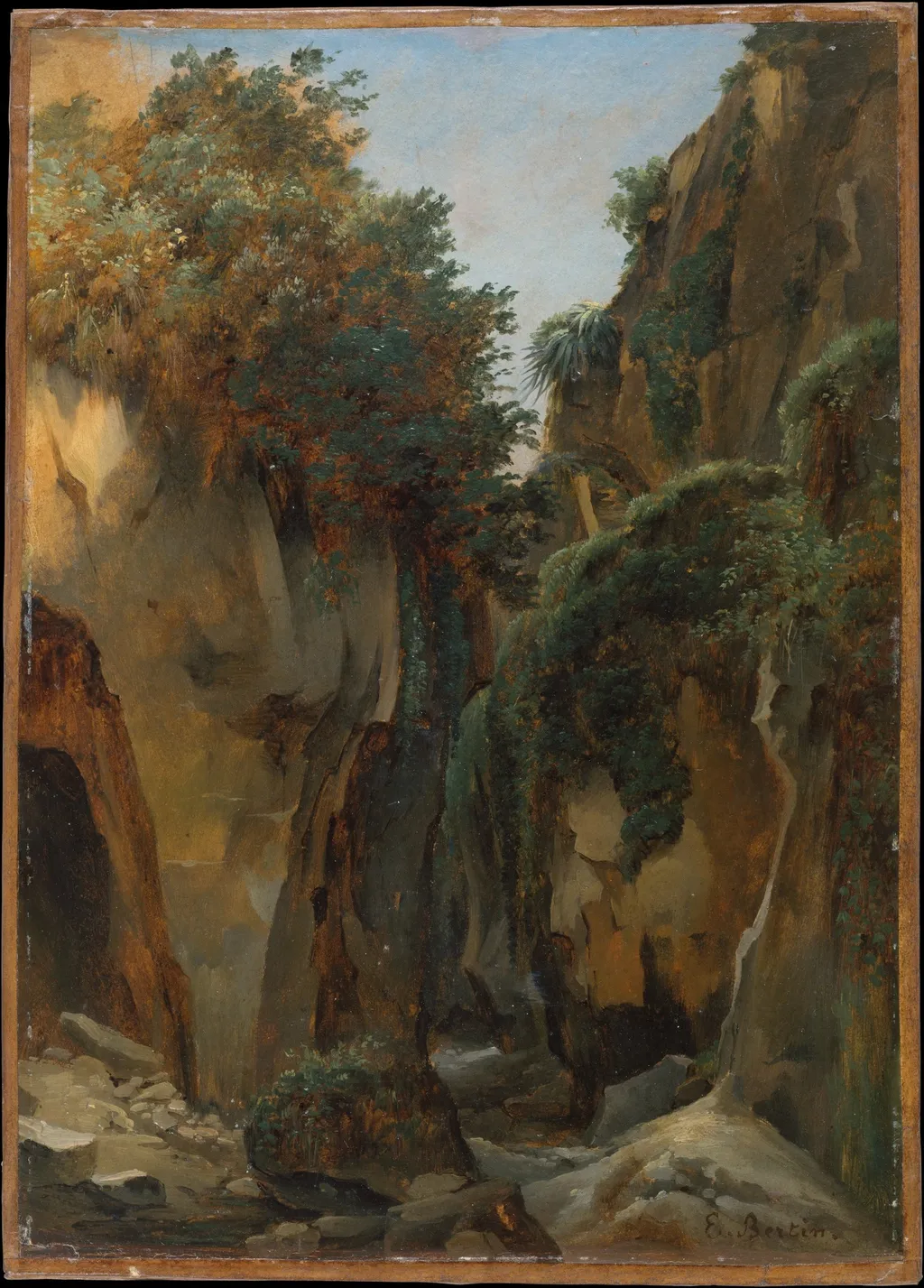
Ravine at Sorrento is an unspecified painting by the French Romanticist artist Édouard Bertin. It dates from 1821 and is held in the collection of the Metropolitan Museum of Art.
About this work
Subject & Meaning
The subject thus functions both as a record of a recognizable locale and as an expression of the Romantic fascination with untouched nature.
Ravine at Sorrento portrays a steep, vegetated gorge framed by distant Mediterranean vegetation, identifying the subject as a specific Italian landscape rather than an idealized or allegorical scene. The painting's composition emphasizes natural topography, a hallmark of early-19th-century landscape art that sought to record real locations with topographical accuracy. As a work by Édouard Bertin dated 1821 and housed in the Metropolitan Museum of Art, it exemplifies the genre's shift toward documenting particular places, using careful observation of light and terrain to convey the character of Sorrento's terrain.
The subject thus functions both as a record of a recognizable locale and as an expression of the Romantic fascination with untouched nature.
Technique & Style
Ravine at Sorrento is catalogued as a painting, classified within the landscape genre, and dated to 1821. According to the catalogue record, the work measures 41 cm in height by 29.5 cm in width, indicating a modest, intimate format typical of cabinet-scale landscape studies.
No source provides explicit information about the medium (such as oil, watercolor, or another technique), the support (canvas, panel, or paper), the handling, the present condition, or the formal and stylistic qualities of the work. Because these aspects are not documented in the available sources, they cannot be described here without speculation.
History & Provenance
The work is held by the Metropolitan Museum of Art, New York, where it is accessioned as part of its collection. No specific exhibition history is documented in the available sources.
Overview
Édouard Bertin's Ravine at Sorrento, painted in 1821, exemplifies the French Romantic movement's engagement with natural scenery. This oil painting captures a tranquil landscape, showcasing the artist's focus on detailed depiction. It is currently part of the collection at The Metropolitan Museum of Art, representing an early work by a painter who would later hold significant cultural positions.
Context
Born in Paris in 1797, Édouard Bertin received his artistic training from prominent figures such as Girodet-Trioson and Bidauld. He established himself as a landscape painter, a genre that gained prominence during the French Romantic period. His works, including Ravine at Sorrento, reflect the era's appreciation for natural beauty, though Bertin's particular emphasis lay in precise rendering rather than dramatic color.
Legacy
Beyond his artistic output, Bertin played an influential role in the French cultural sphere. From 1854 until his death in 1871, he served as the inspector of the Beaux Arts, overseeing artistic education and institutions. Concurrently, he directed the Journal des Débats, a significant French newspaper, demonstrating his broader engagement with public discourse and the arts.
Own this work as a print
Artist & collection
Artist
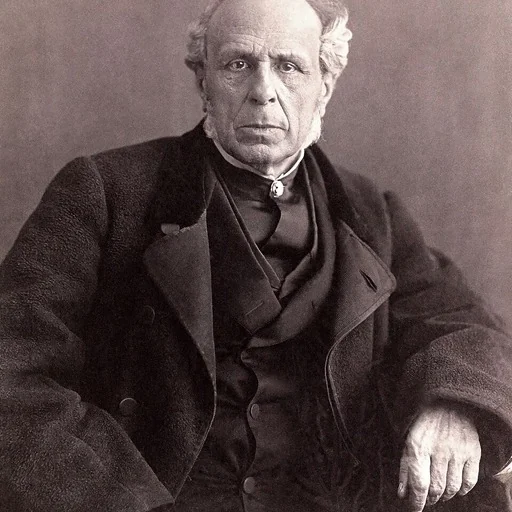
François-Édouard Bertin (French pronunciation:; 1797–1871) was a French painter born in Paris, and the son of the renowned journalist Louis-François Bertin.

 The Dance
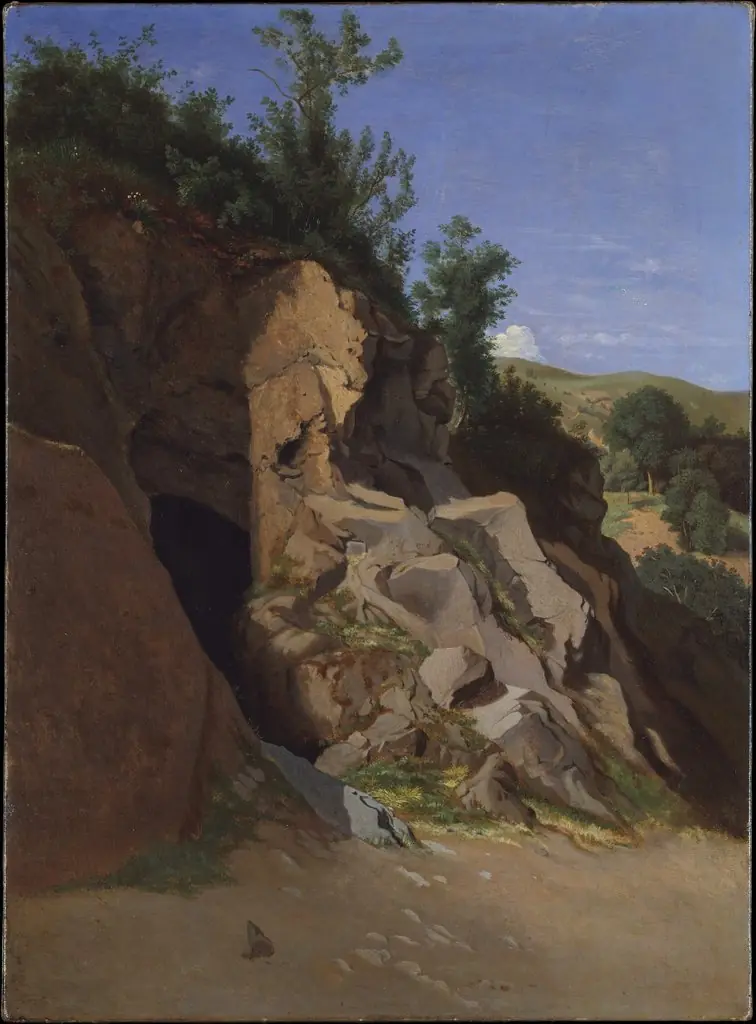 Landscape with a Cave
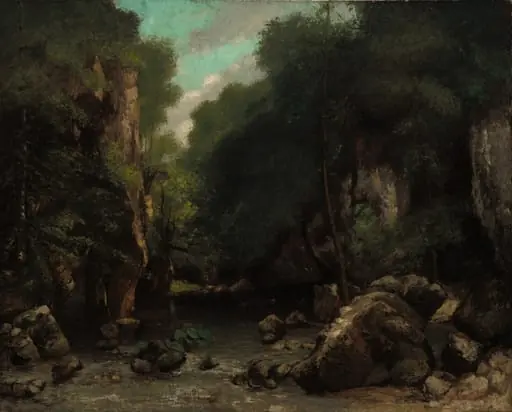 The Valley of Les Puits-Noir
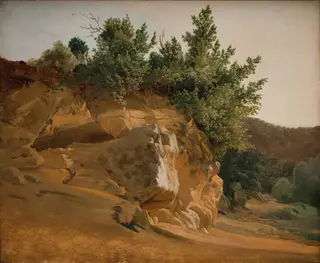 Italian Mountain Landscape with Overgrown Rock, probably near Olevano
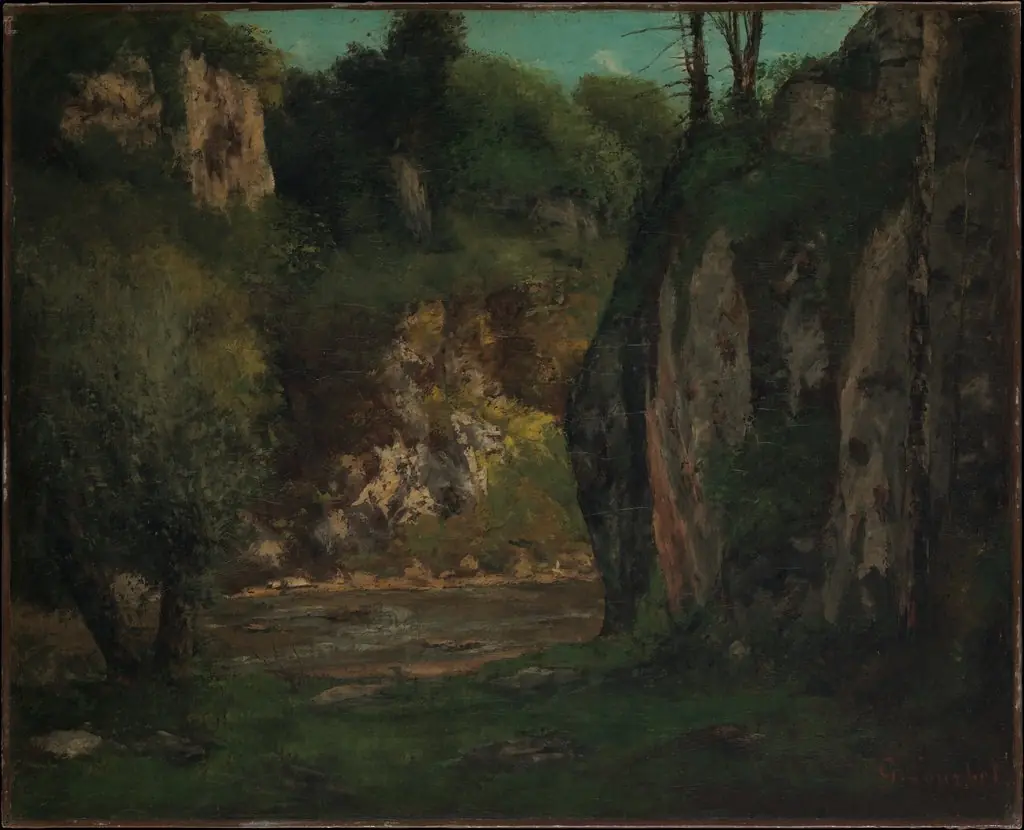 The Hidden Brook
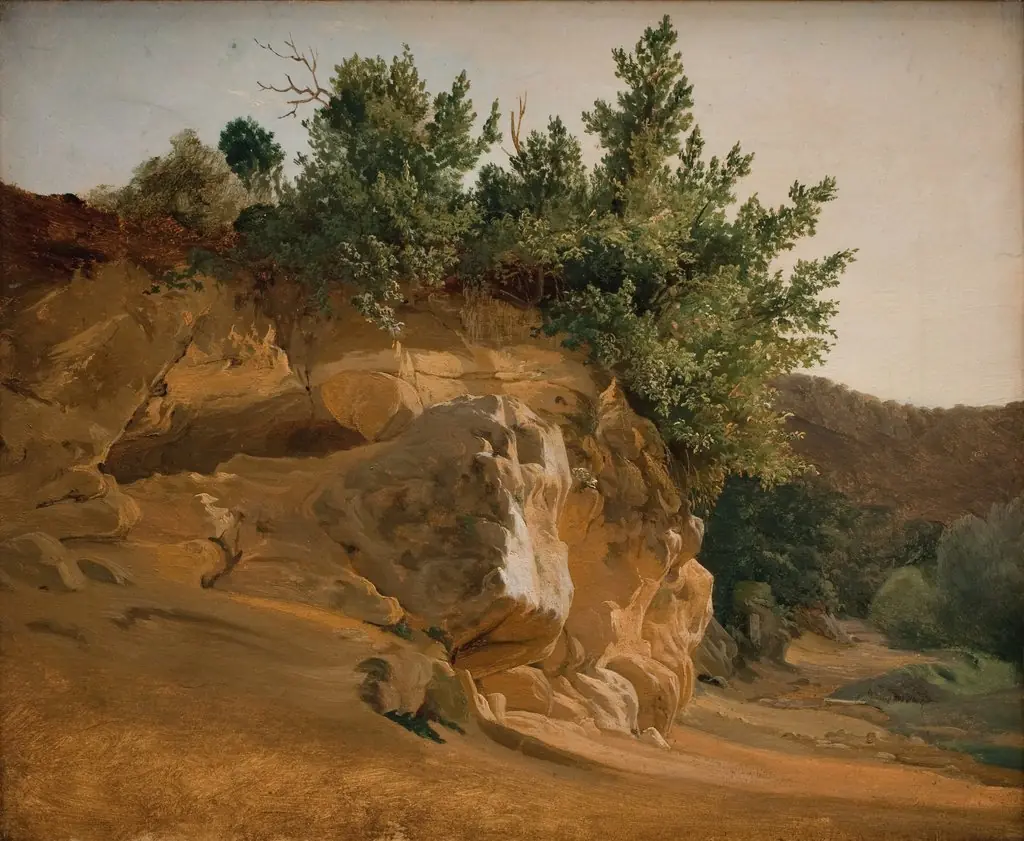 Italian Mountain Landscape with Overgrown Rock, probably near Olevano
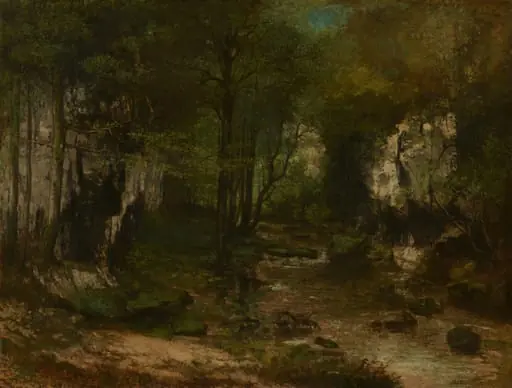 The Stream (Le Ruisseau du Puits-Noir; vallée de la Loue)
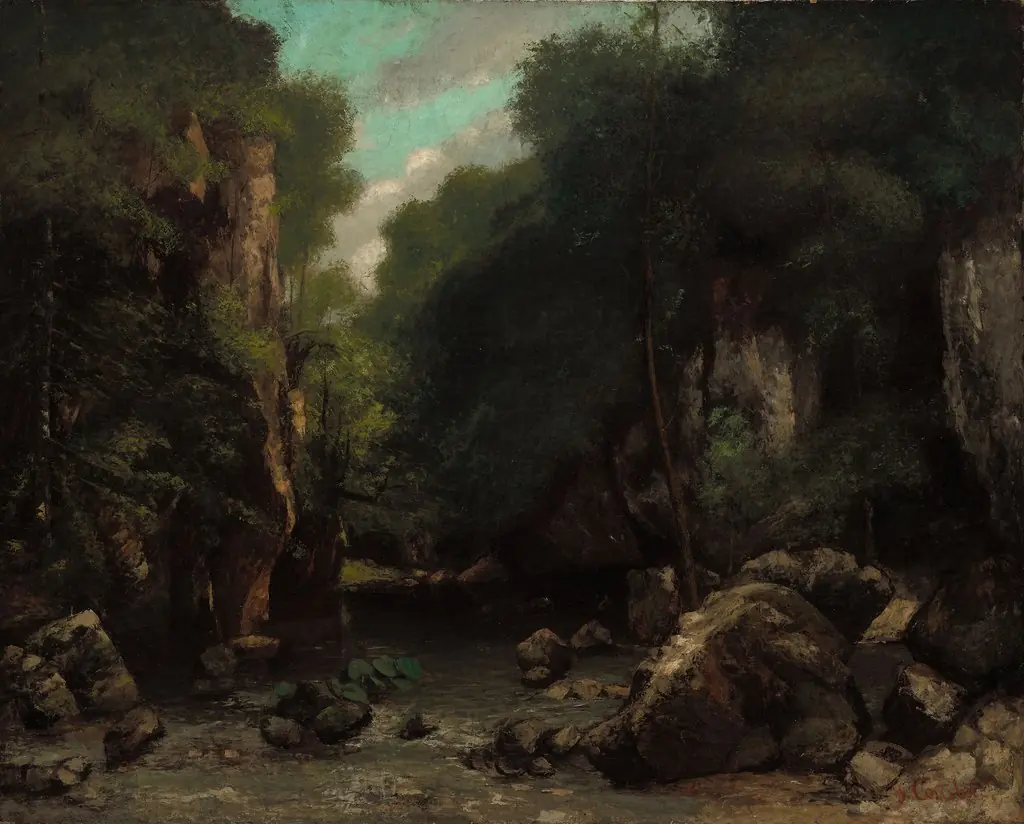 The Valley of Les Puits-Noir
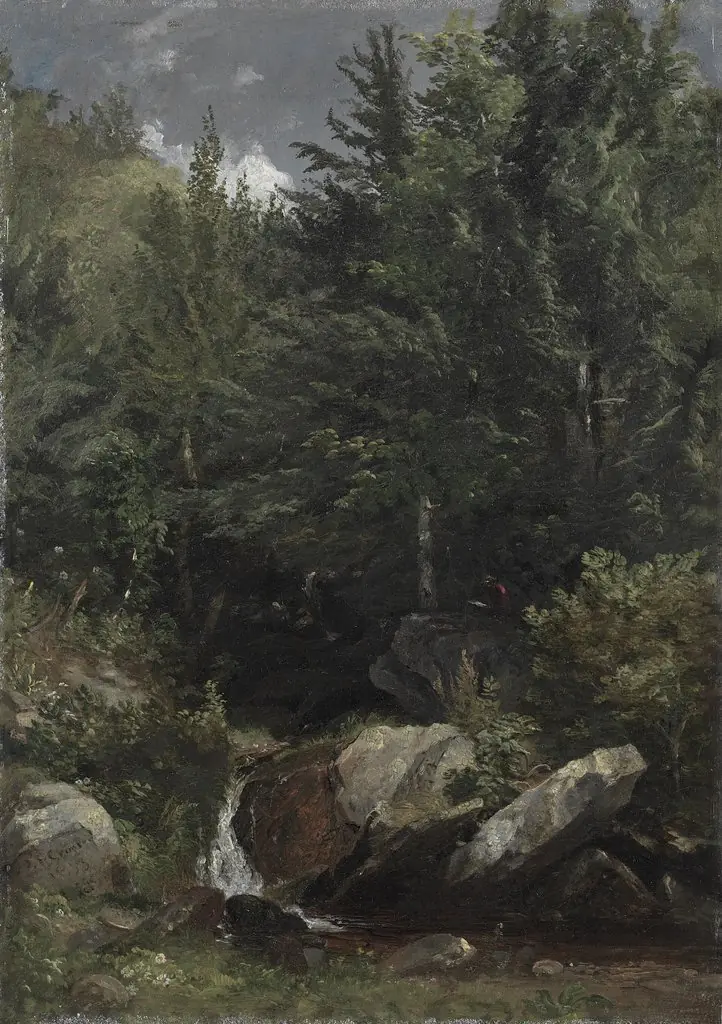 Trees and a Stream on a Hillside
![View up a Street in Sorrento [verso], by François-Édouard Bertin](https://artifactworldgallery.com/img/francois-edouard-bertin--view-up-a-street-in-sorrento-verso--d628dffbf459271a-w320.webp)