Artwork
The Defense of Champigny
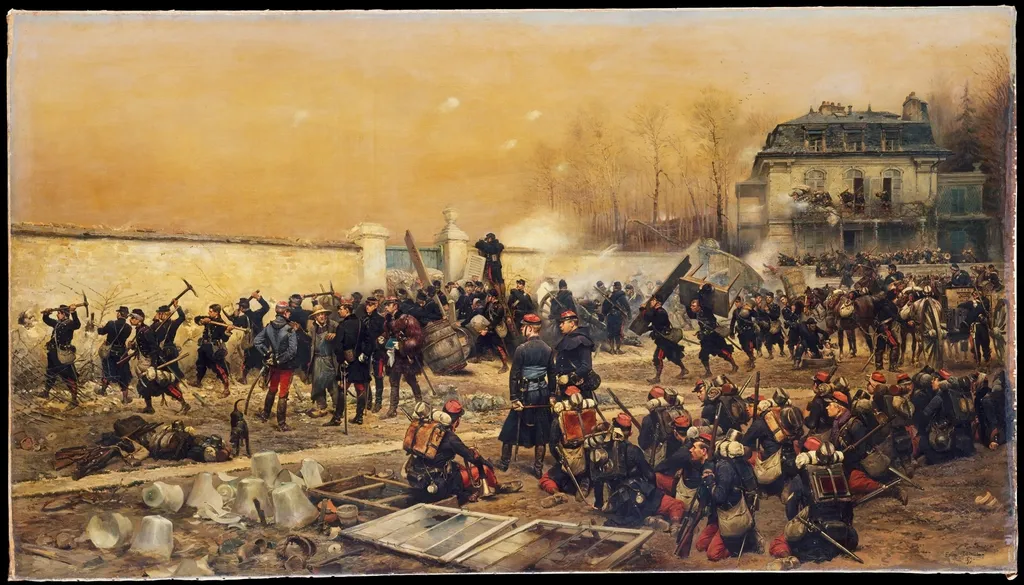
The Defense of Champigny is an oil painting by the Realist artist Édouard Detaille. It dates from 1890 and is held in the collection of the Metropolitan Museum of Art.
About this work
Subject & Meaning
The muted palette, muddy ground, and dull sunset sky symbolize the bleak French situation and the imminent fall of Paris and the Second Empire.
The painting depicts the Battle of Villiers (also known as the Battle of Champigny) during the Franco‑Prussian War, showing French troops fortifying a position in Villiers‑sur‑Marne. Soldiers use pickaxes to bore a hole in a wall for artillery, build barricades from furniture, and empty a house for materials, while cannons fire and shells explode in the sky. Iconographic details include barren trees, one snapped by a shell, and a gardener conferring with General Faron and officers.
The muted palette, muddy ground, and dull sunset sky symbolize the bleak French situation and the imminent fall of Paris and the Second Empire. The scene’s tense, waiting atmosphere conveys both the soldiers’ resilience and the postwar revanchist call for a revitalized national army.
Technique & Style
The Defense of Champigny is executed in oil paint on canvas, a standard medium for late-19th-century French academic battle painting. The work measures 121.9 cm in height by 215.3 cm in width, giving it a broad horizontal format suited to its panoramic battlefield composition. Detaille's handling reflects the conventions of academic art, which borrowed heavily from Romanticism: the figures are rendered with visual realism yet placed in romanticized situations, lending the scene both documentary precision and emotional charge.
The palette is deliberately muted, dominated by a trodden, muddy brown ground strewn with debris and a dull sunset-yellow sky that underscores the bleakness of the French position. Atmospheric details, shells bursting against the sky, birds in flight, and a forest of barren trees, one snapped by a shell, reinforce the wintry, December setting of the engagement. The sources do not provide specific information on the painting's current condition.
History & Provenance
The Defense of Champigny was painted by Édouard Detaille in 1879 as an oil‑on‑canvas study for a planned panoramic depiction of the Battle of Villiers. It was first shown at the Salon of 1879 and later entered the collection of the Metropolitan Museum of Art, where it remains on view. The work originated as part of a larger project to document the Franco‑Prussian War; the full 52 × 400 ft panorama was completed in 1882 and subsequently broken into smaller fragments, one of which, the fragment that corresponds to this painting, was sold at auction in 2012.
The painting’s subject, composition, and muted palette reflect the contemporary French desire for revanchist imagery after the war.
The Defense of Champigny is held by the Metropolitan Museum of Art in New York City, where it forms part of the institution's painting collection. Its documented exhibition history begins with its display at the Salon of 1879, the official Paris exhibition where the work was first shown to the public. The painting was originally conceived as a preliminary study for a much larger panoramic project, the Battle of Champigny, which Detaille completed in 1882; that panorama was later divided into multiple fragments, one of which was sold at auction to a private buyer in 2012.
Context
Detaille's Defense of Champigny occupies a notable position within late-19th-century French military painting and the broader currents of post-Franco-Prussian War art. Coming from a military family and having served during the Siege of Paris, Detaille was a leading practitioner of the academic school, whose work borrowed heavily from Romanticism while pursuing visual realism. The painting is a product of the revanchist climate that followed France's defeat, in which several prominent French painters depicted the Franco-Prussian War to argue for a revitalized national army.
Originally shown at the Salon of 1879, the canvas served as the preliminary study for a monumental 52-by-400-foot panorama of the Battle of Champigny that Detaille completed in 1882, later divided into smaller fragments. The work exemplifies his enduring focus on military subjects and remains a key example of the genre in the Metropolitan Museum of Art's collection.
Overview
Édouard Detaille completed The Defense of Champigny in 1879, rendering this large-scale military scene in oil on canvas. The work depicts a specific engagement from the Franco-Prussian War, known as the Battle of Villiers, which occurred near the village of Champigny. This painting is held in the collection of the Metropolitan Museum of Art.
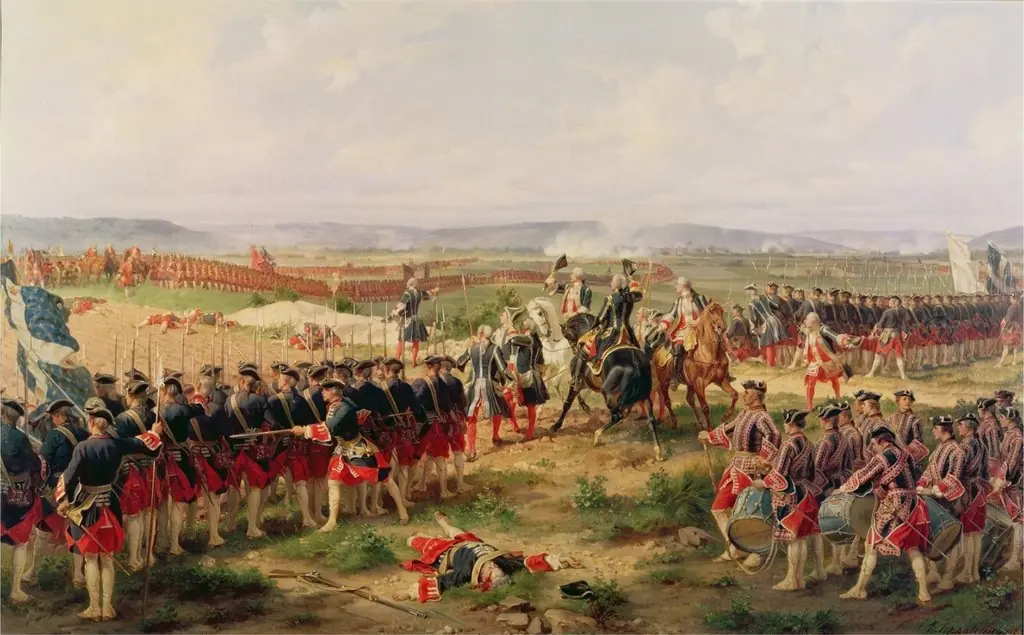
Artist & collection
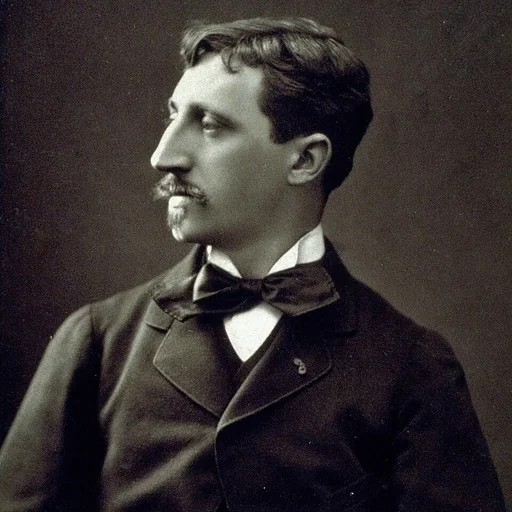
Artist
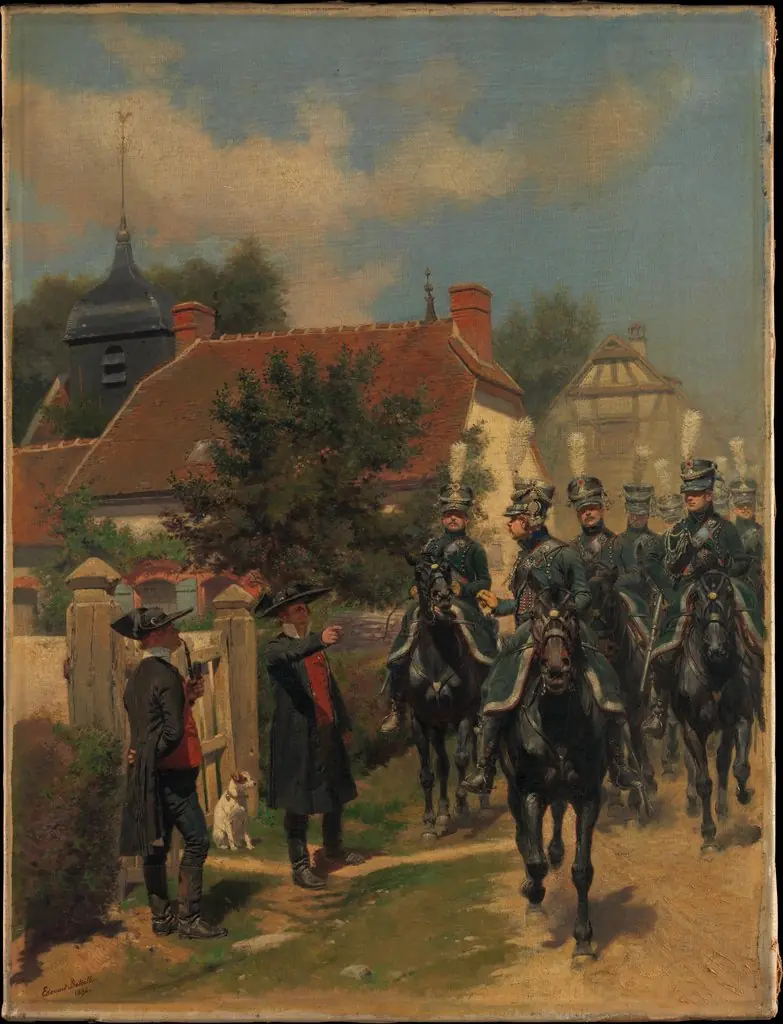
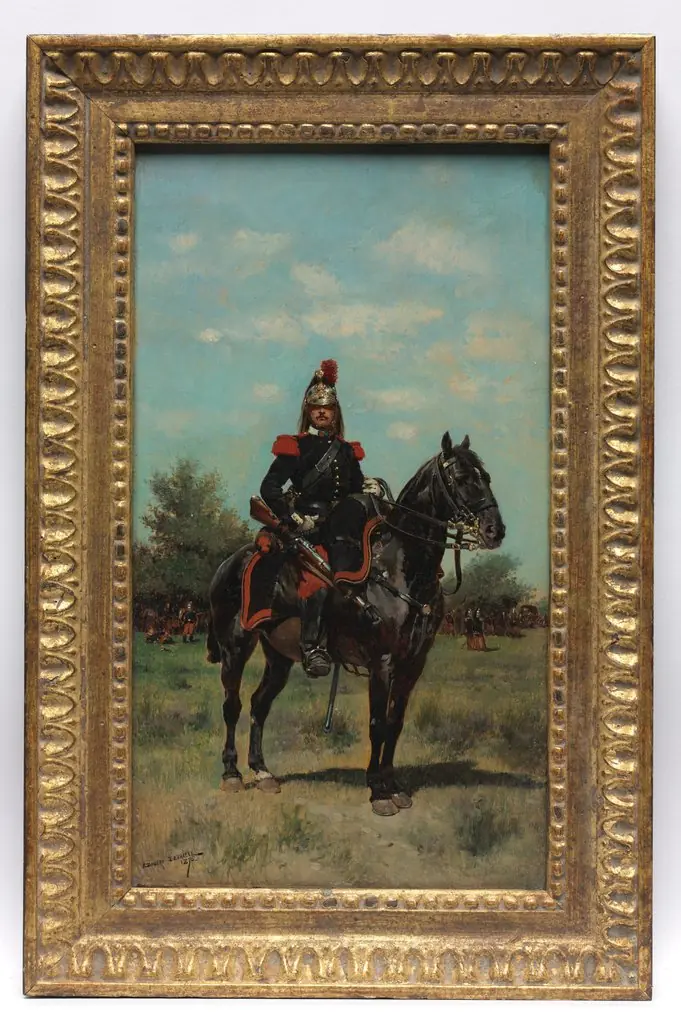
Jean-Baptiste Édouard Detaille (French pronunciation:; 5 October 1848 – 23 December 1912) was a French academic painter and military artist noted for his precision and realistic detail.

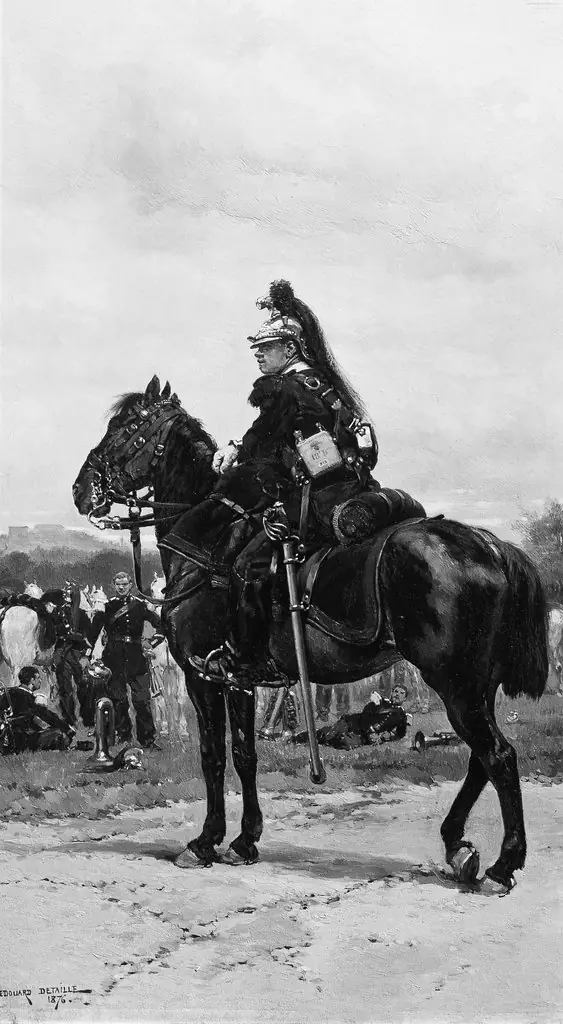
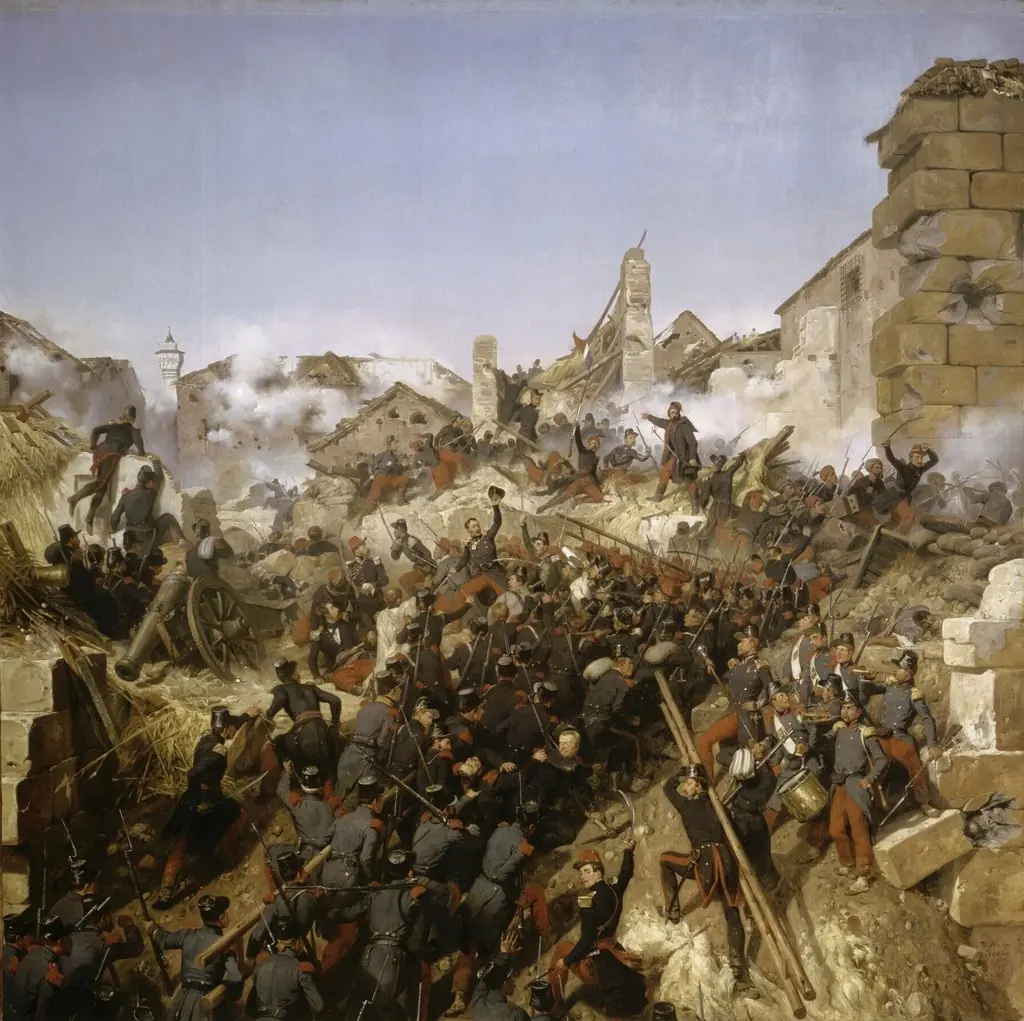 The capture of Constantine. October 13, 1837
 Battle Scene
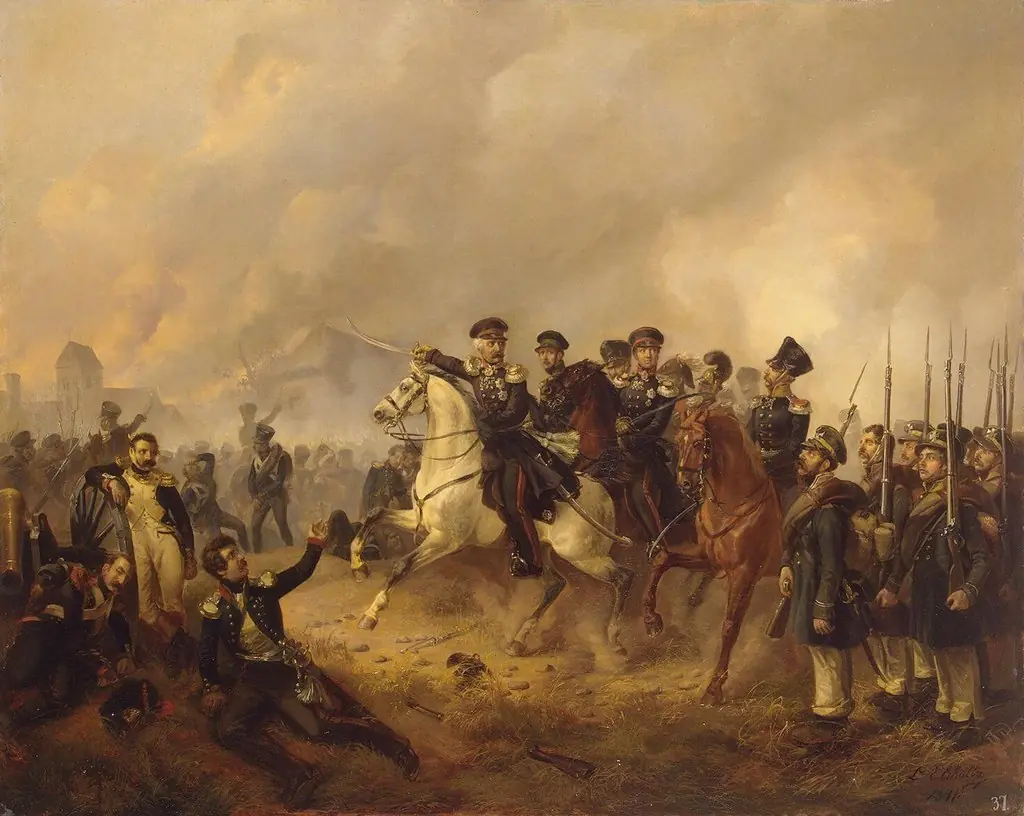 Marshal Blucher on the Battlefield
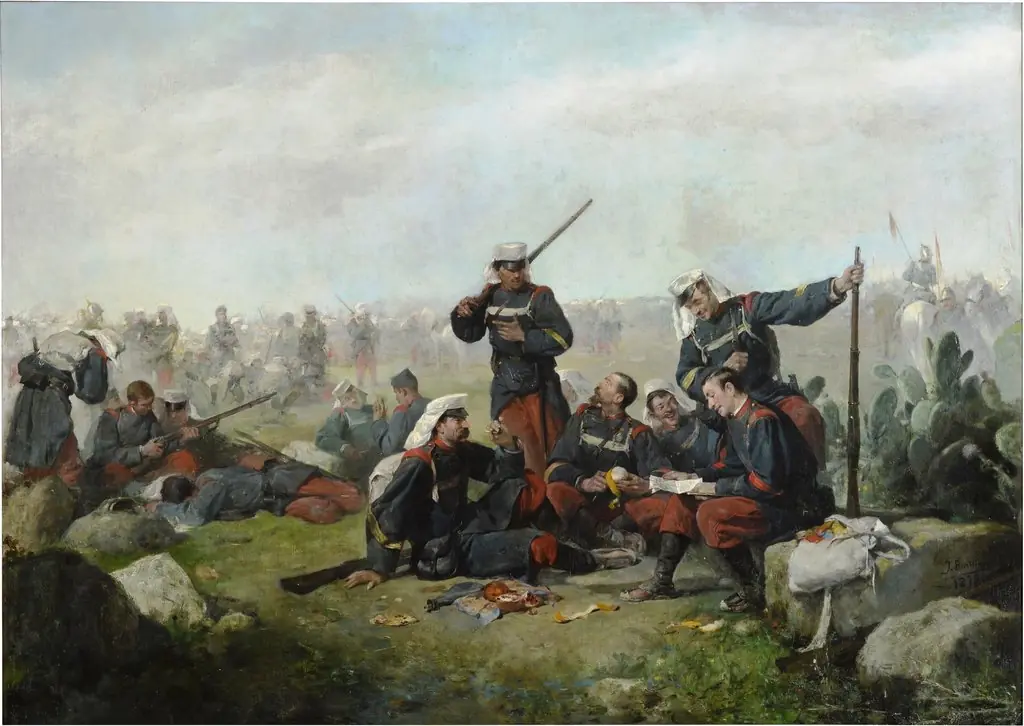 El descanso en la marcha
 Battle Scene
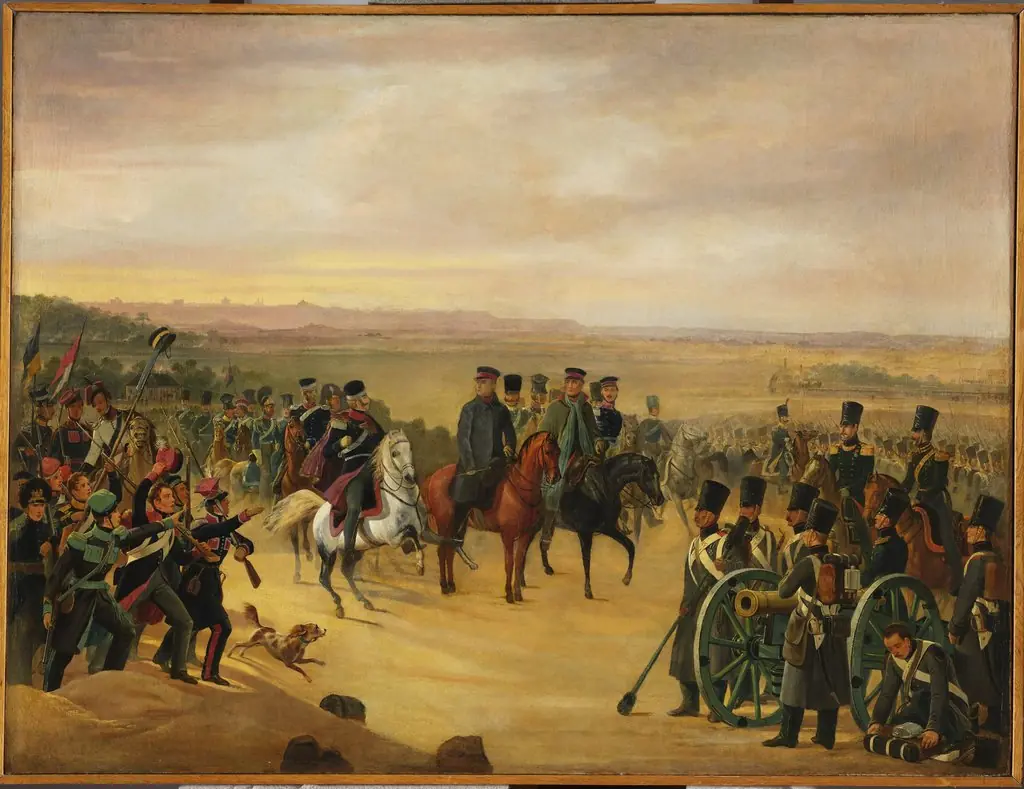 General Józef Chłopicki and Skrzynecki among soldiers
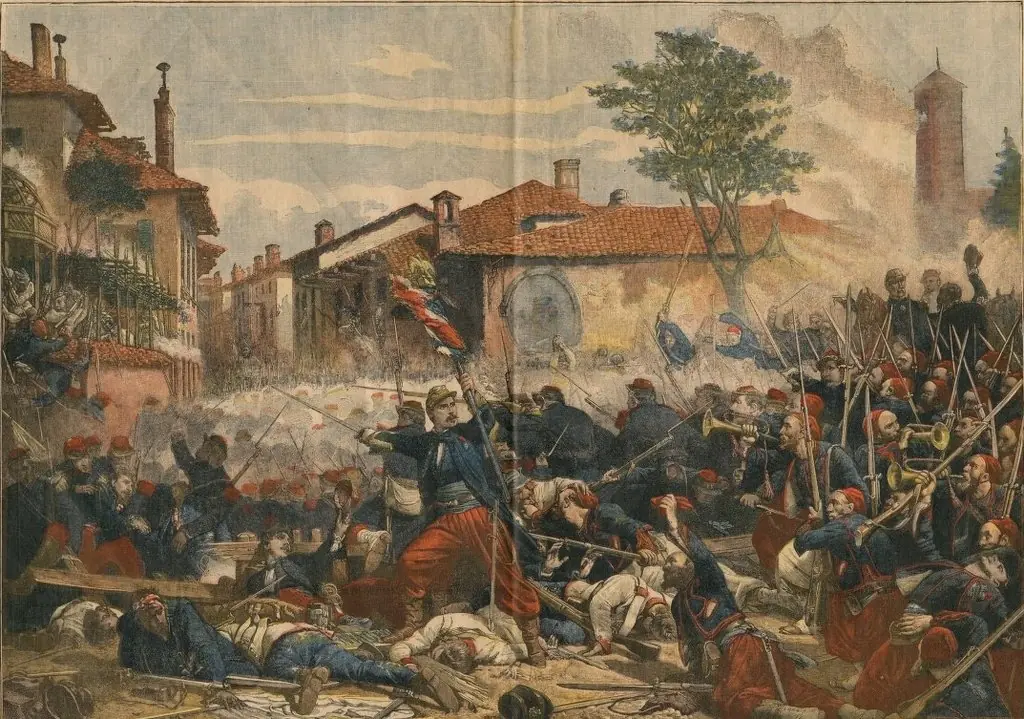 Bataille de Magenta
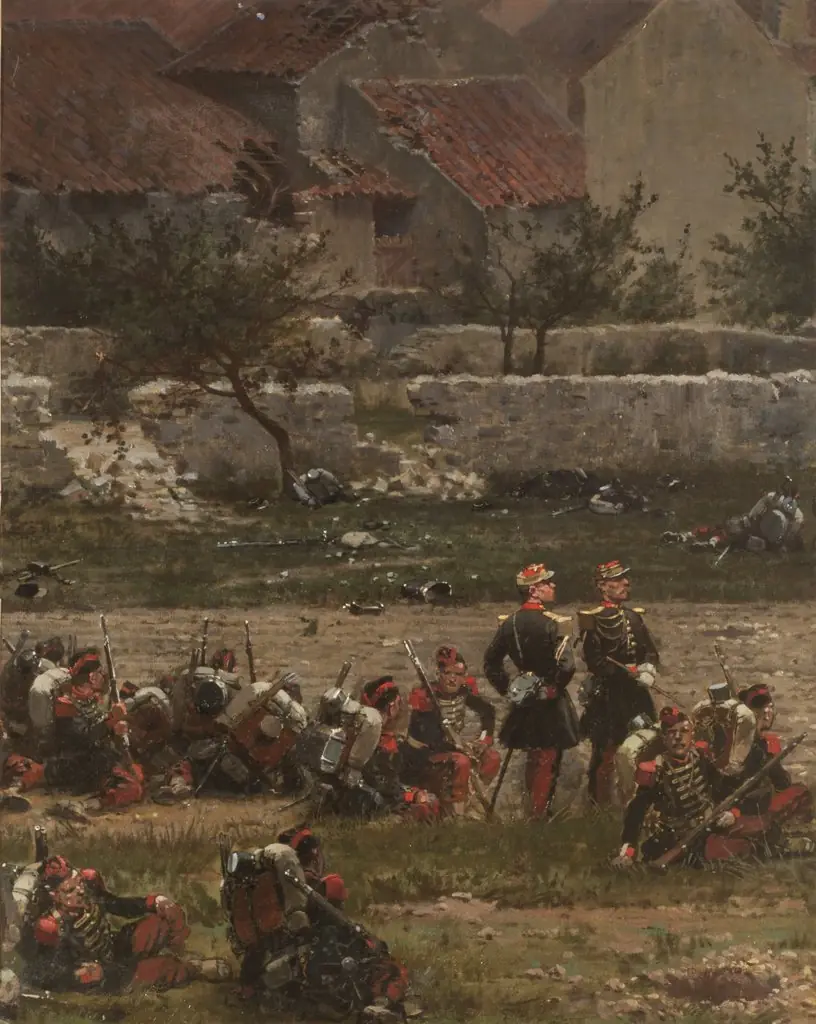 Soldiers at Rest (Panorama of the Battle of Rezonville) (Fragment)
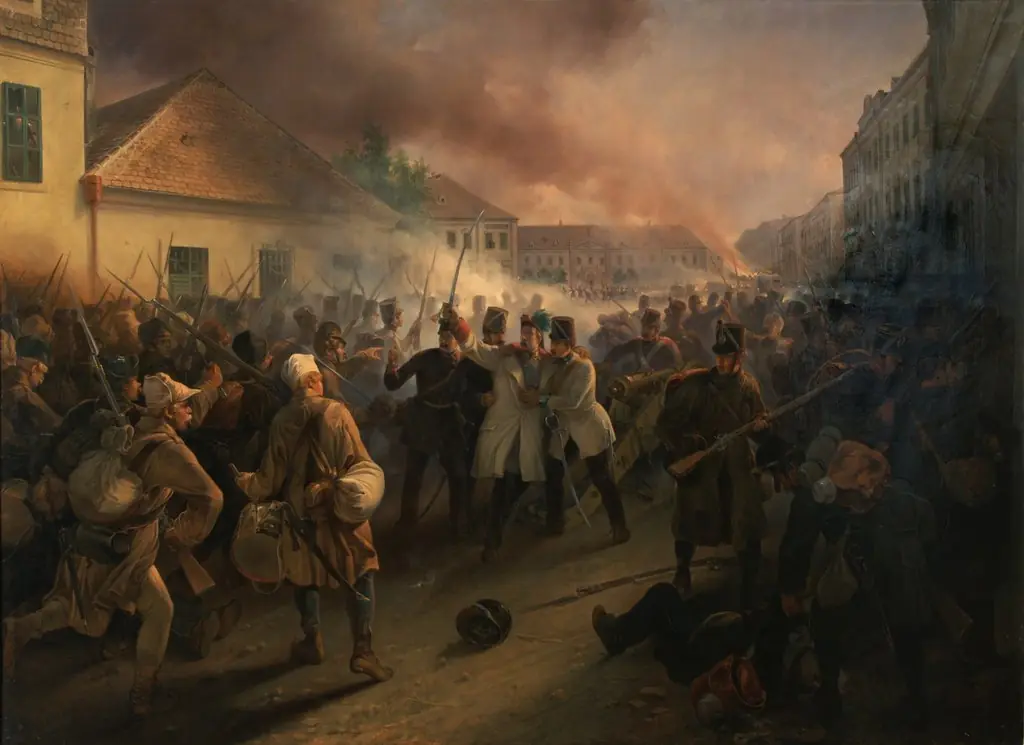 The Heroic Death of General Heinrich Hentzy von Arthurm
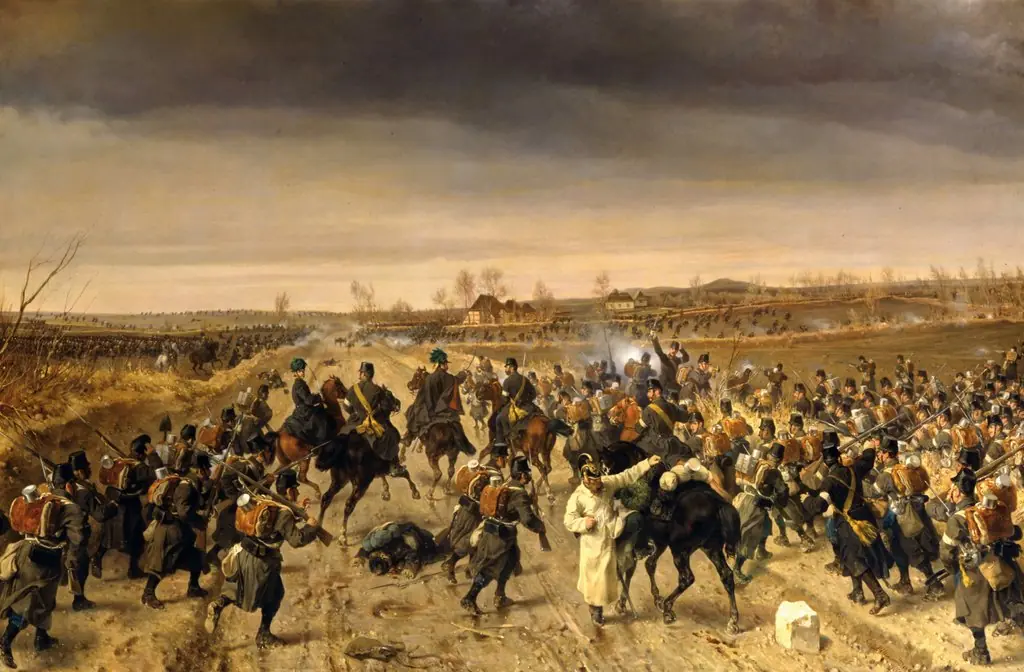 Die Schlacht bei Oberselk am 3. Februar 1864