Artwork
Shimla
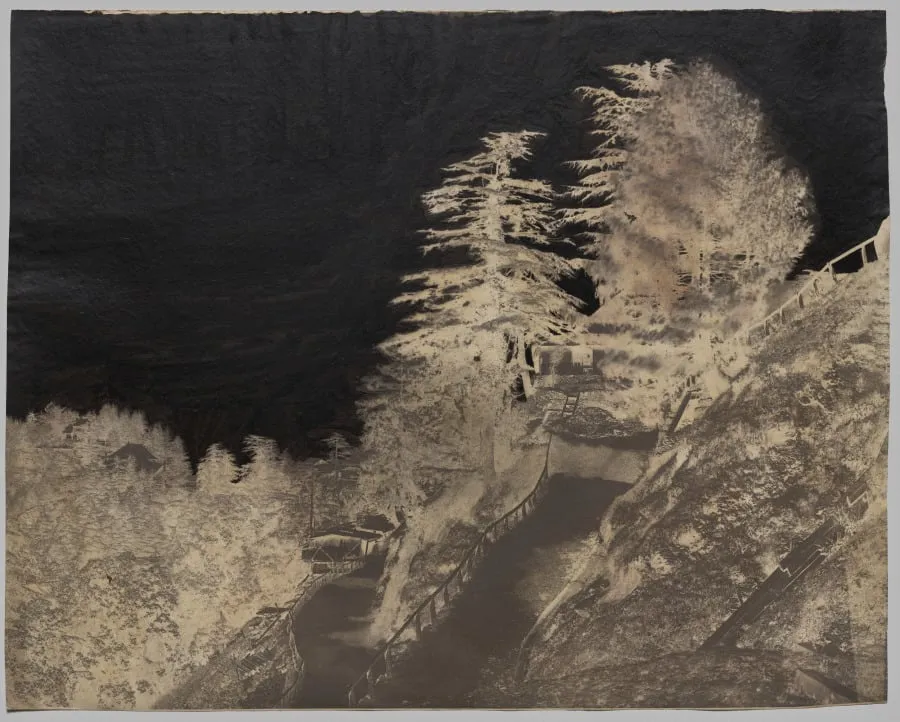
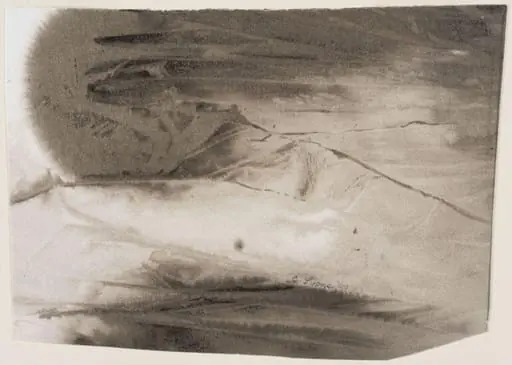
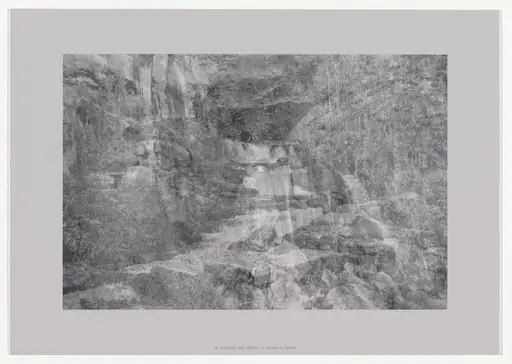
Shimla is a photography by the Impressionist artist Dr. John Murray. It dates from 1865 and is held in the collection of the Cleveland Museum of Art.
- Accession no.
- 2021.206
- Credit line
- Gift of William and Margaret Lipscomb
About this work
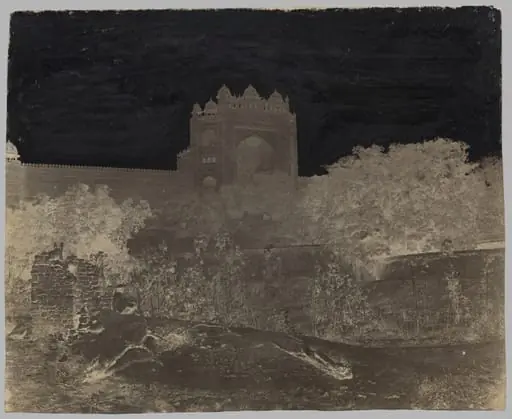
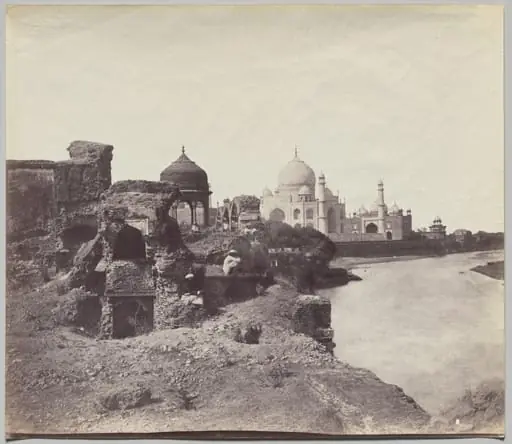
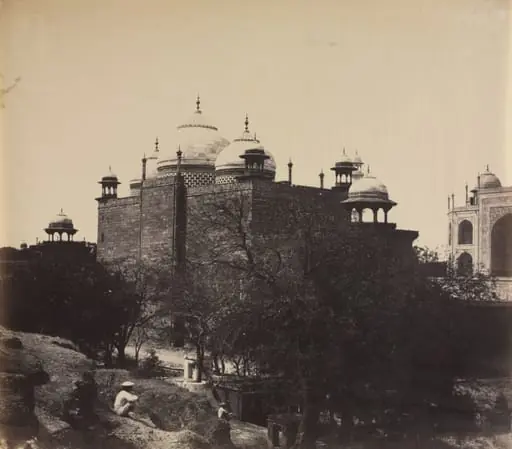
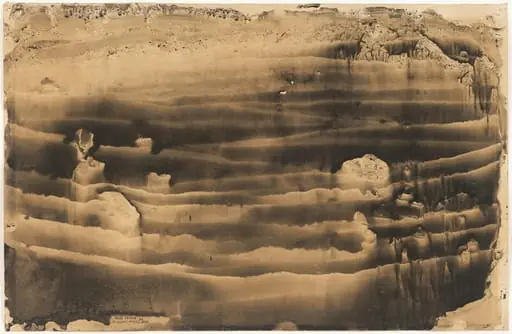
The soft focus and grainy texture feel almost modern, but this was made in 1865, long before color film.
You see a quiet hillside town at dusk, houses stacked like blocks, smoke curling from chimneys.
This isn’t a painting, it’s an early photograph. Murray used paper negatives, waxed to let light through, then printed the image in chemical baths. The soft focus and grainy texture feel almost modern, but this was made in 1865, long before color film.
If you like how light plays in old photos, look up chiaroscuro.
Overview
Shimla is an early photographic work, captured in 1865, depicting a serene hillside town at dusk. The image showcases a townscape with houses stacked in a block-like manner and smoke emanating from chimneys, distinguished by its soft focus and grainy texture.
Subject & Meaning
The subject of Shimla is a tranquil, everyday scene of a hillside town during the dusk hour. The image conveys a sense of calm and domesticity, with the smoke from chimneys suggesting the mundane activities of the town's inhabitants.
Technique & Style
Shimla was created using a paper negative process, where a waxed, light-sensitive paper was exposed in the camera. The negative was then used to print the image through chemical baths, resulting in the characteristic soft focus and grainy texture reminiscent of early photographic techniques.
Context
Produced in 1865, Shimla predates color film and showcases the technical limitations and aesthetic qualities of early black-and-white photography. The work relates to the artistic principle of chiaroscuro, emphasizing the interplay of light and dark.
Artist & collection