Artwork
Victoria Publica
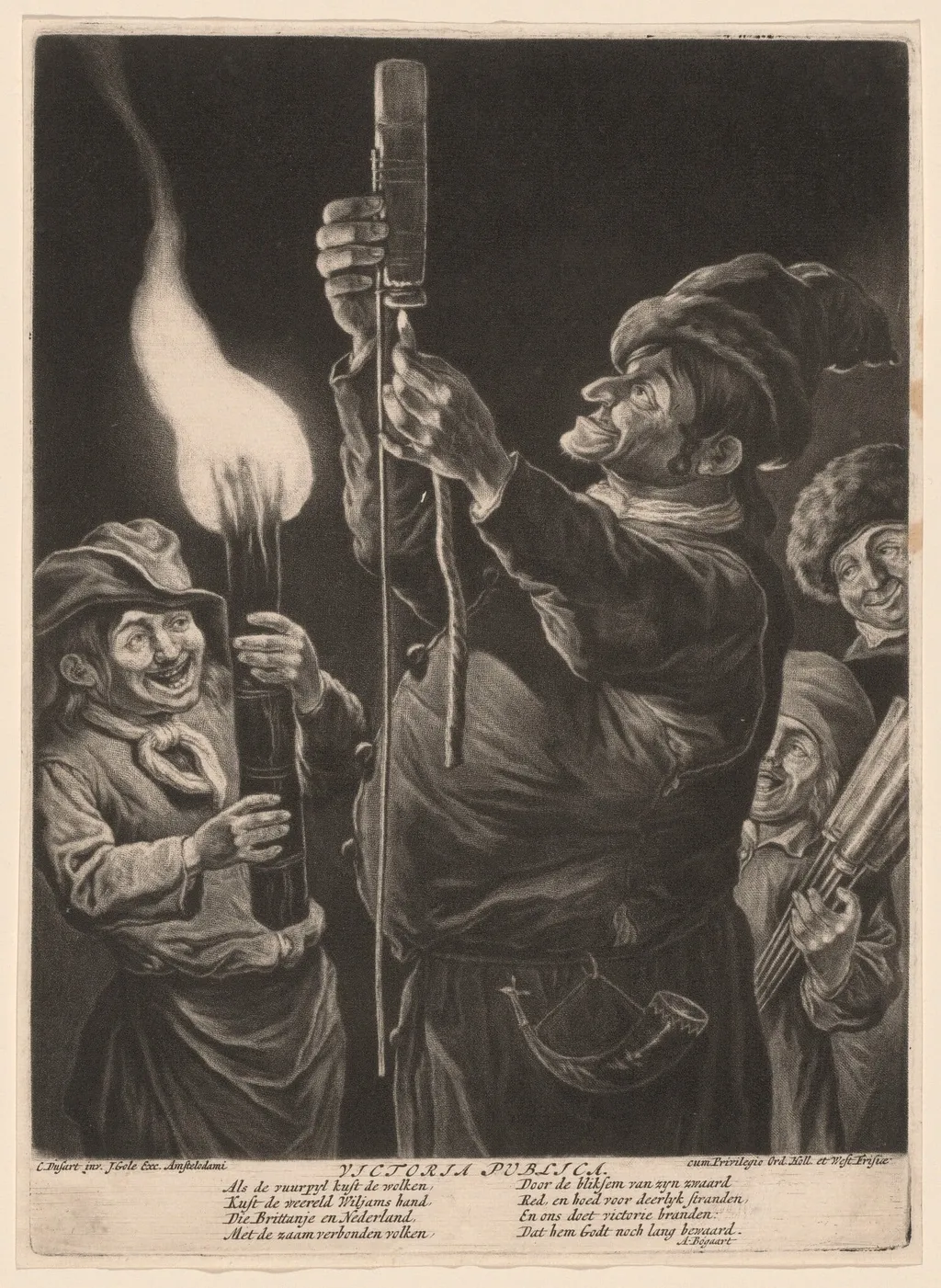
Victoria Publica is an ink print by the Baroque artist Cornelis Dusart. It dates from 1695 and is held in the collection of the National Gallery of Art.
- Inscription
- Inscribed:lower left: 'C Dusart inv. J. Gole Exc: Amstelodami; lower center: VICTORIA PUBLIA; lower right: cum Privilegio Ord. Holl. et West-Frisiae; lower center: Als de vuurpyl kust... / ... noch lang bewaard / A. Bogaart; upper verso by later hand in graphite: KCA-87/120; lower verso by later hand in brown ink: No.6
- Markings
- Marked:CDC
About this work
Overview
Created in 1695 by Dutch artist Cornelis Dusart, Victoria Publica is a mezzotint on laid paper that captures a dramatic, shadow-lit scene.
Created in 1695 by Dutch artist Cornelis Dusart, Victoria Publica is a mezzotint on laid paper that captures a dramatic, shadow-lit scene. Dusart, trained by Adriaen van Ostade, specialized in genre subjects rendered with meticulous detail. This print stands apart from his typical peasant scenes, presenting a more symbolic and theatrical composition. The technique of mezzotint allowed for rich tonal gradations, enhancing the work’s atmospheric intensity and emotional weight.
Subject & Meaning
The print depicts a group of rugged figures gathered around a central man holding a glowing sword. Their expressions range from eager grins to solemn stares, while some hold tools, a hammer, a violin, suggesting mixed identities of laborer and performer. The Dutch and Latin inscriptions imply a coded reference to civic triumph or moral justice.
The sword’s luminous presence may symbolize truth, authority, or divine retribution, framing the scene as an allegory rather than a literal event.
Technique & Style
Dusart employed mezzotint, a process that begins with a textured plate to produce deep blacks and subtle mid-tones. He exploited this to create stark contrasts between the dark, crowded figures and the radiant sword, drawing focus through chiaroscuro. The detailed rendering of facial expressions and clothing reflects his background in drawing and his training under van Ostade. The composition avoids idealization, favoring raw, textured realism that amplifies the scene’s tension.
History & Provenance
Cornelis Dusart remained active in Haarlem throughout his career, from his training in the 1670s until his death in 1704. Victoria Publica was produced during his mature period, when he was refining his printmaking skills. While few records detail its early ownership, the print’s technical quality and thematic complexity suggest it was intended for a discerning audience, possibly collectors interested in allegorical imagery beyond standard genre subjects.
Context
In late 17th-century Holland, printmaking flourished as a medium for both artistic expression and social commentary. Dusart’s work emerged amid a culture that valued moral allegory and civic virtue, often encoded in visual symbols. The use of Latin alongside Dutch points to an educated viewership familiar with classical references.
This print aligns with broader trends in Dutch graphic arts that blended realism with symbolic narrative, reflecting contemporary anxieties about justice and order.
Legacy
Though Dusart is less known than his contemporaries, Victoria Publica demonstrates his command of mezzotint and his ability to elevate genre themes into layered allegory. The print’s dramatic lighting and enigmatic subject matter influenced later artists exploring psychological depth through print. It remains a rare example of Dutch graphic art that merges social observation with symbolic weight, offering insight into the intellectual currents of its time.
Own this work as a print
Artist & collection
Artist
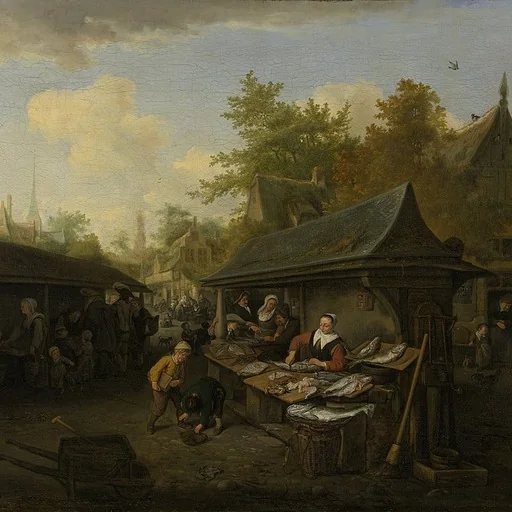
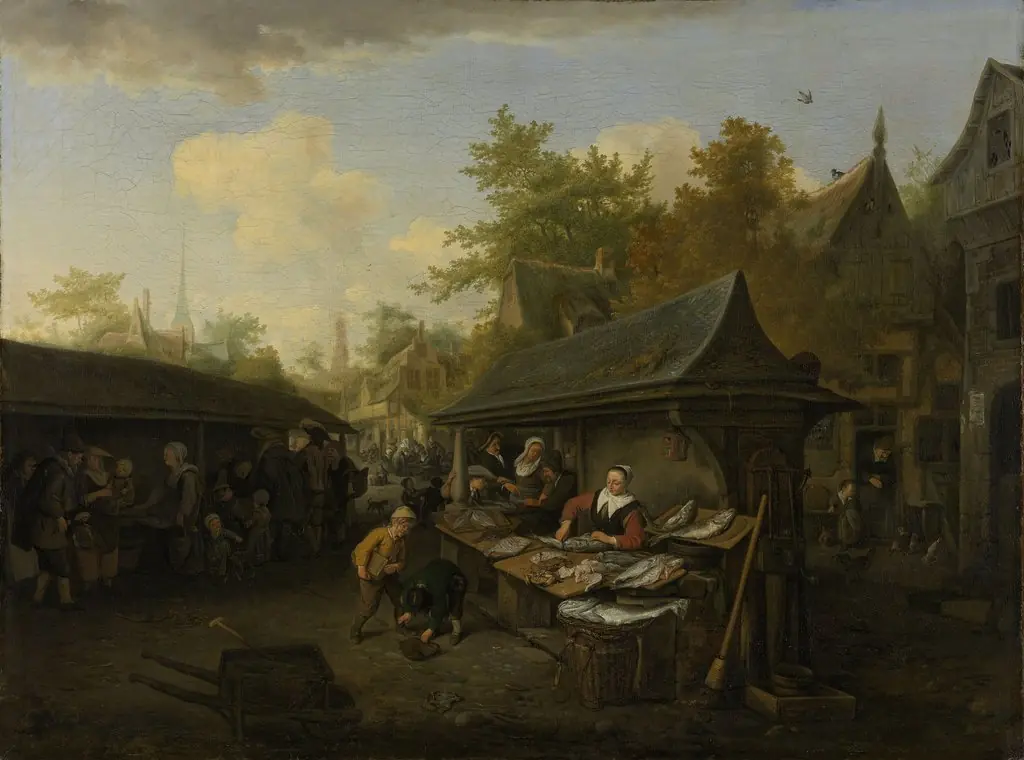
Cornelis Dusart (April 24, 1660 – October 1, 1704) was a Dutch genre painter, drawer (artists), and printmaker.

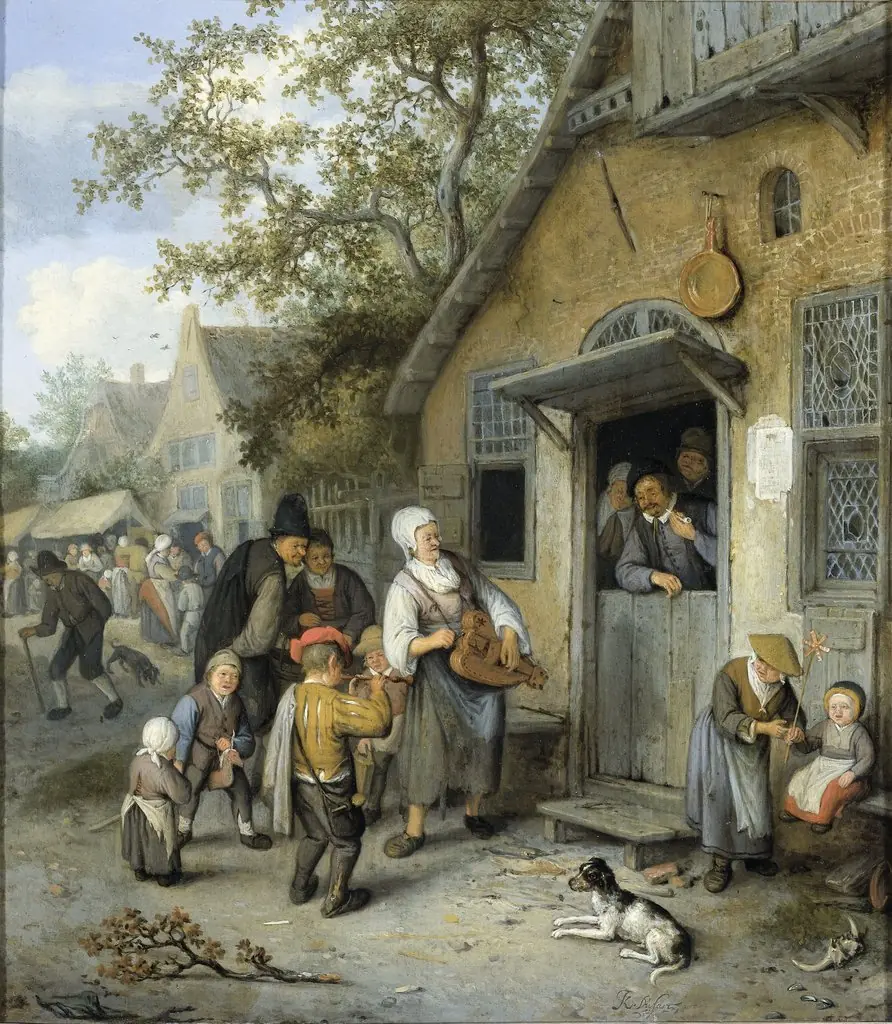
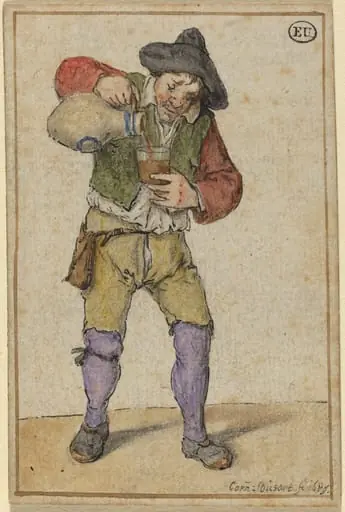
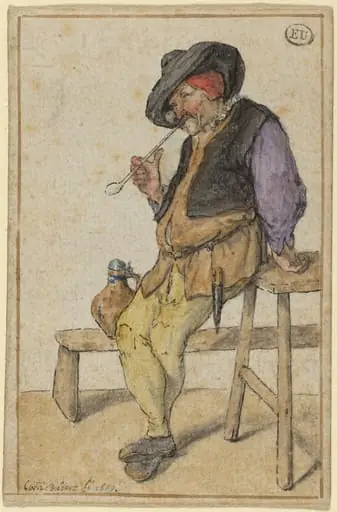
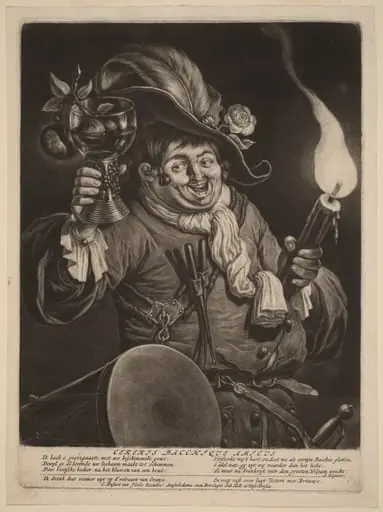
- Cereris Bacchique Amicus (A Friend of Ceres and Bacchus)
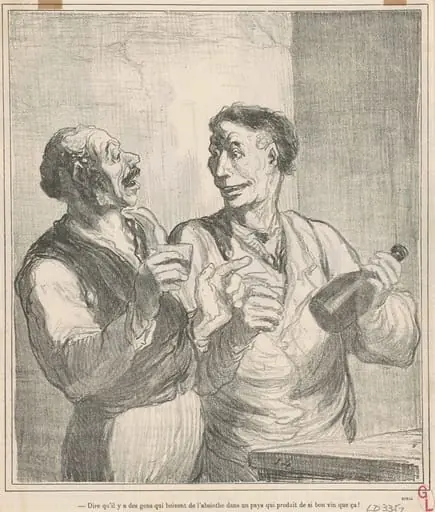 Dire qu'il y a des gens qui boivent de l'absinthe ...
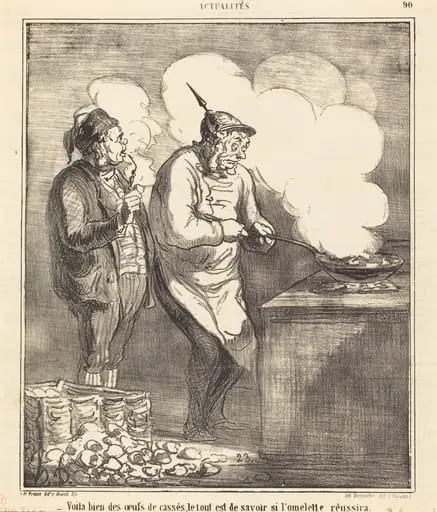 Voila bien des oeufs de cassés...
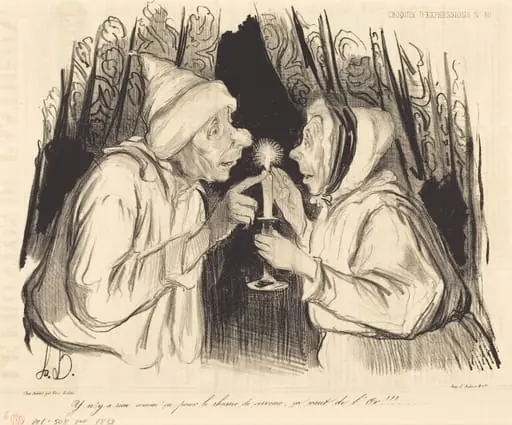 Y n'y a rien comm' ça pour le rhume...
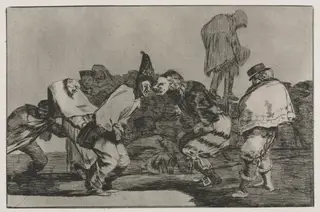 The Proverbs: Carnival Folly
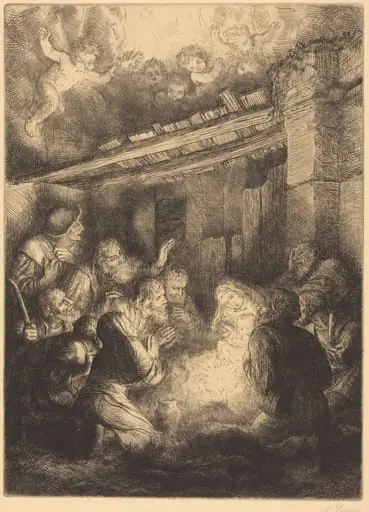 The Adoration of the Shepherds (L'adoration des bergers)
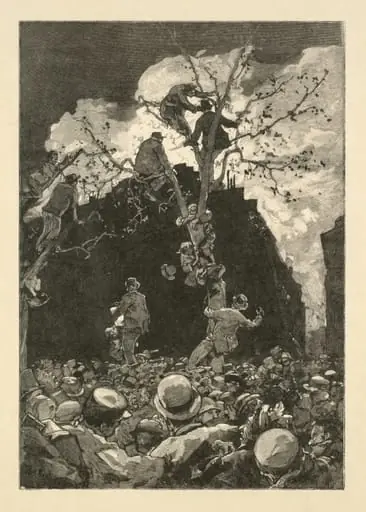 Men Watching a Fire
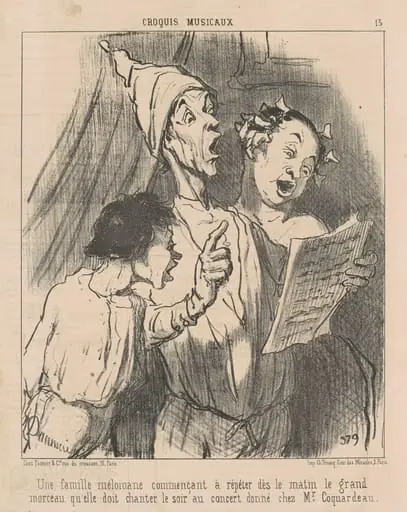 Une famille mélomane ...
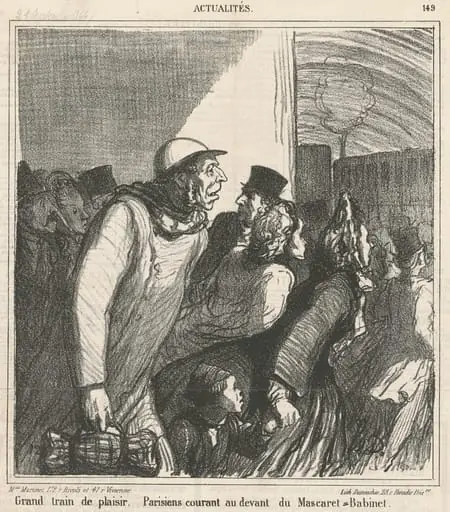 Grand train de plaisir
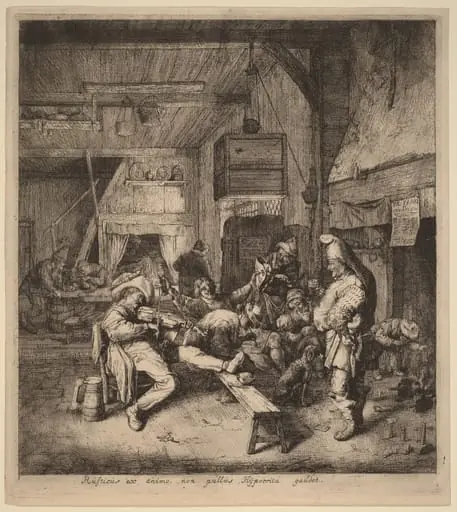 Violin Player Seated in a Tavern