Artwork
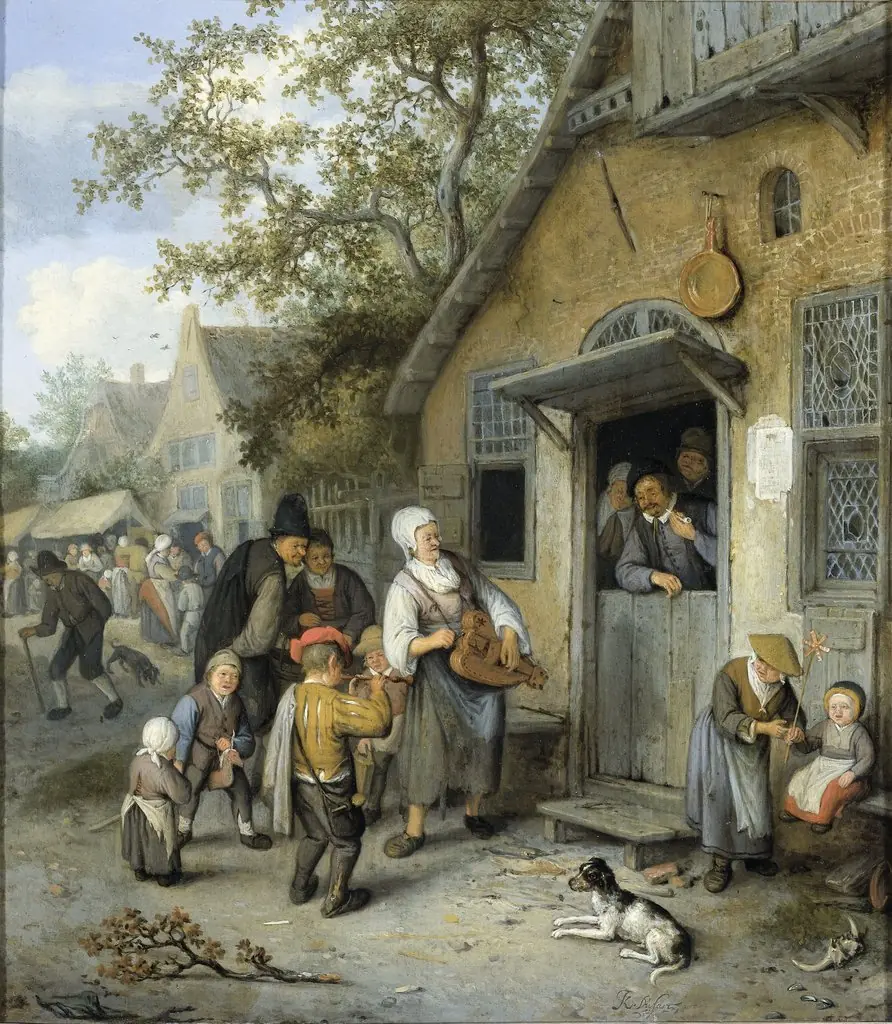
Country Kermis
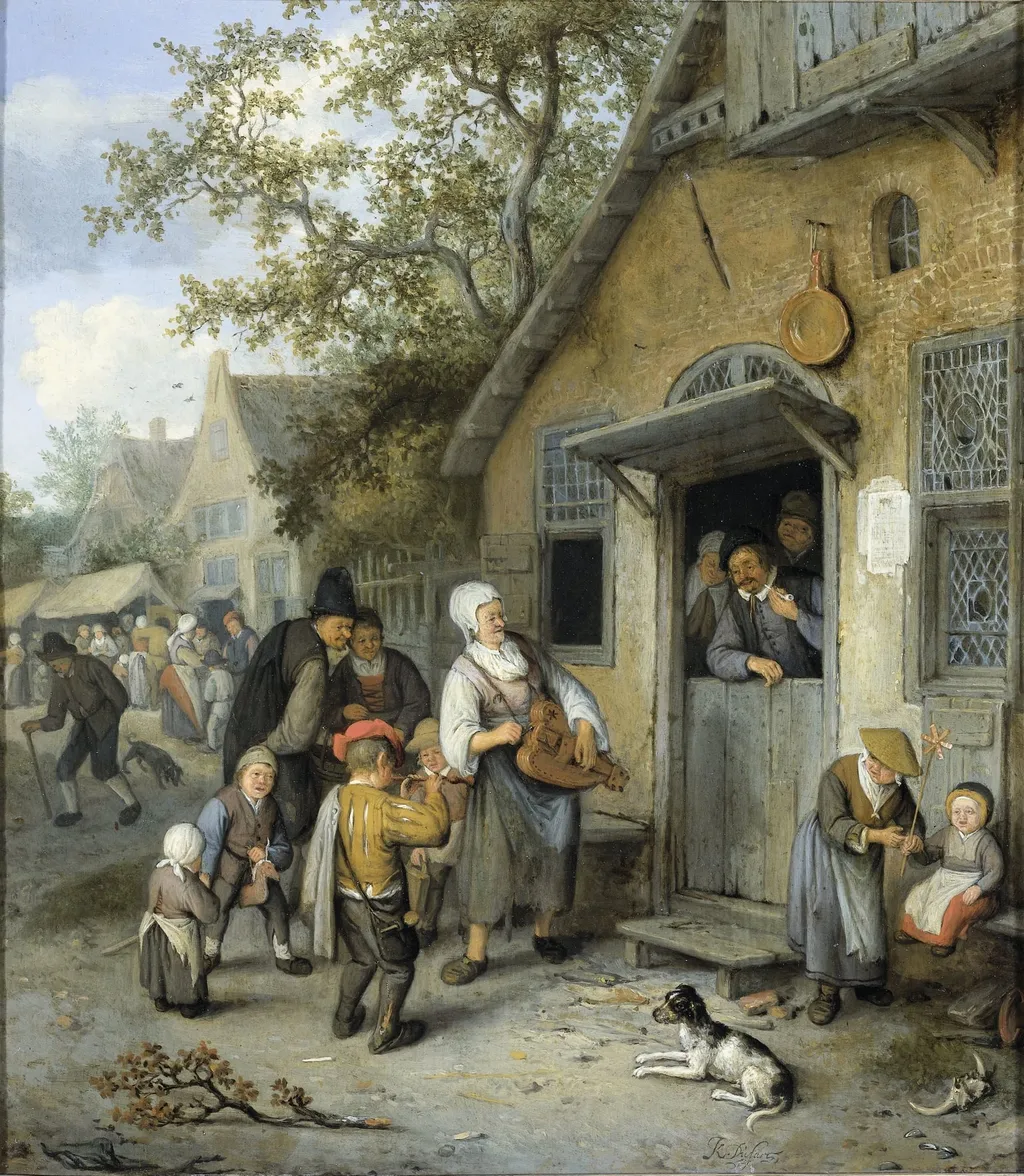
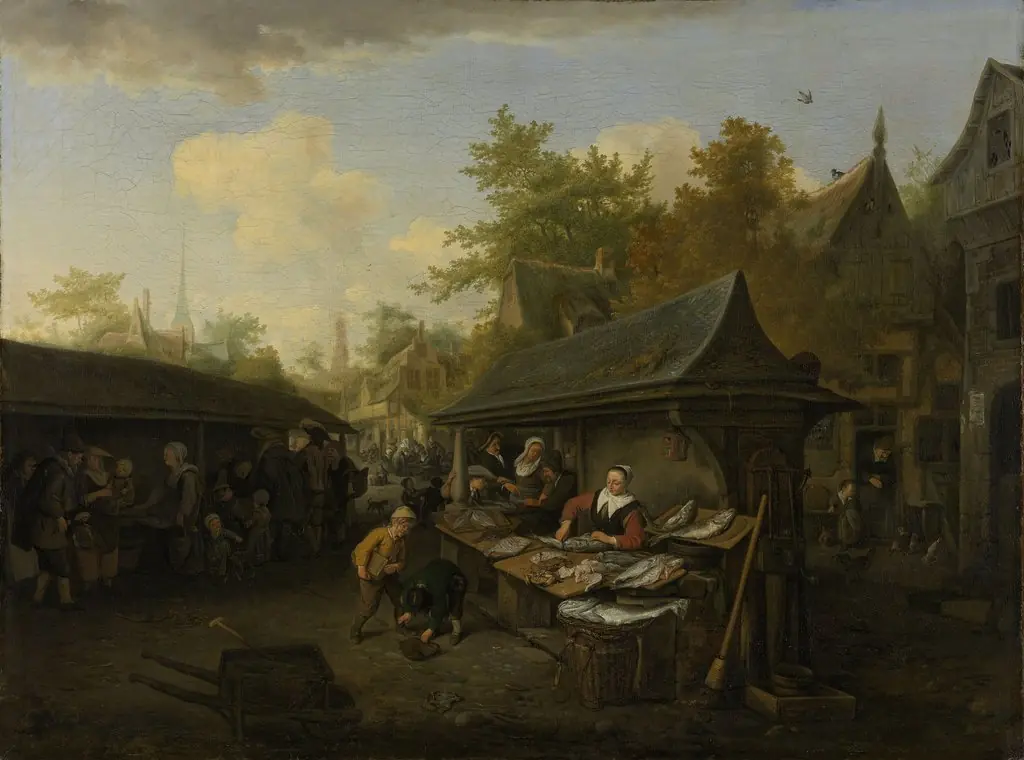
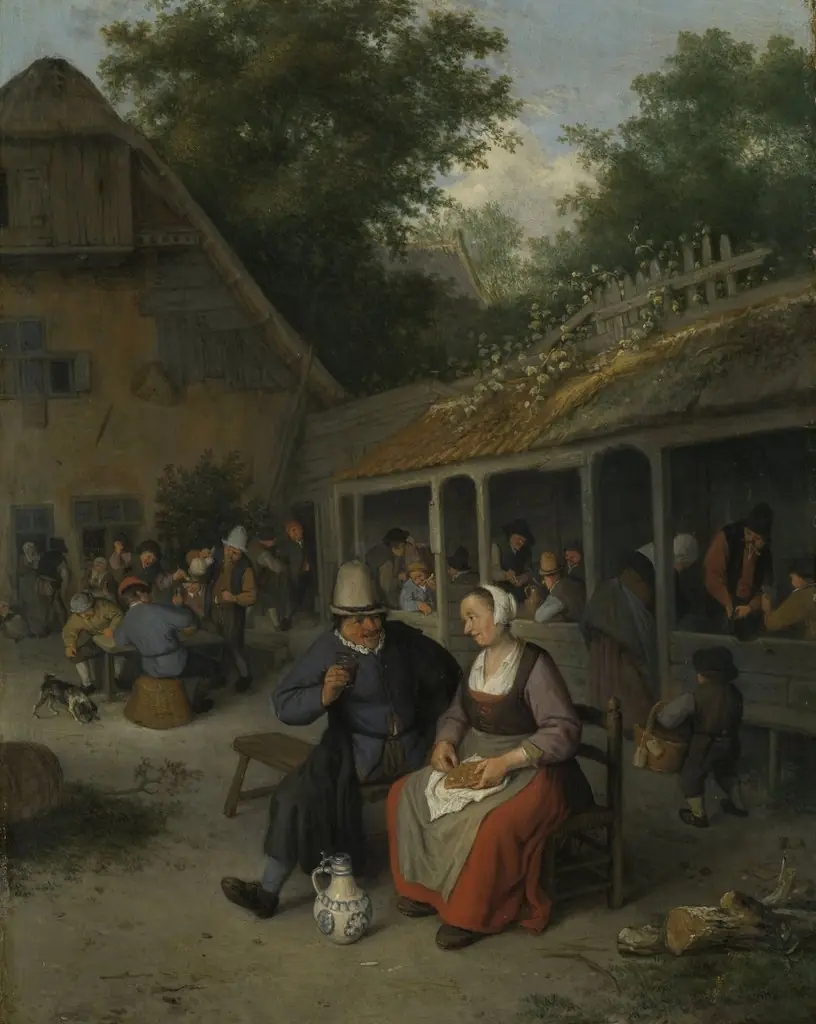
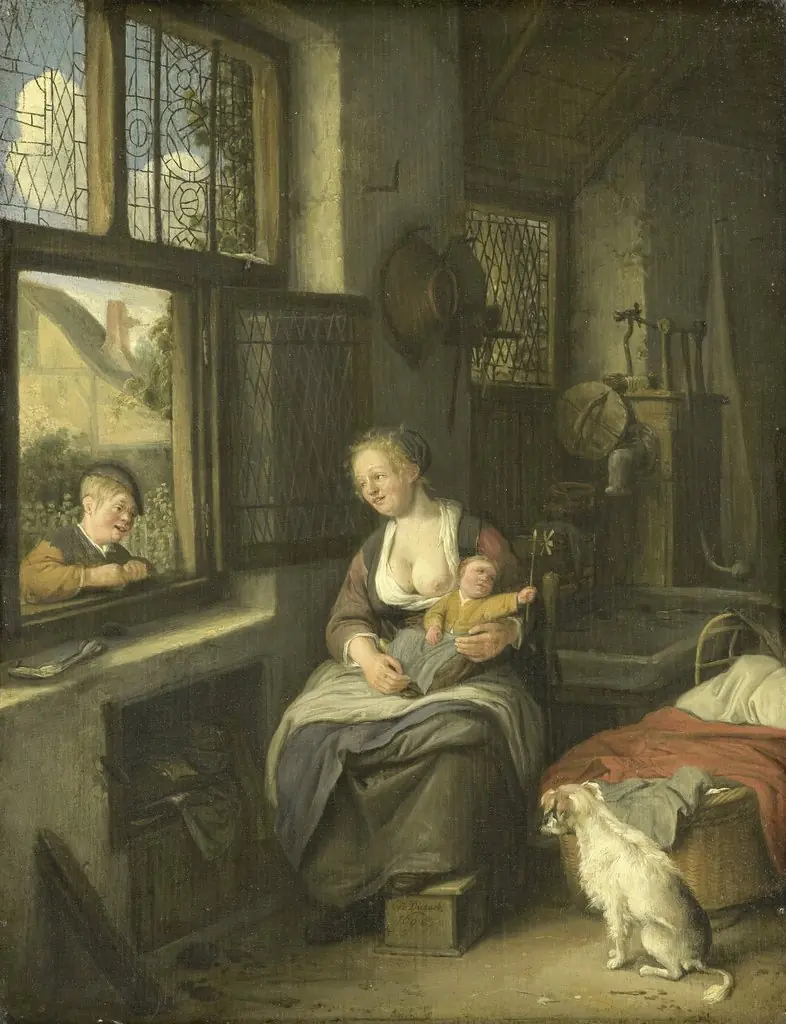
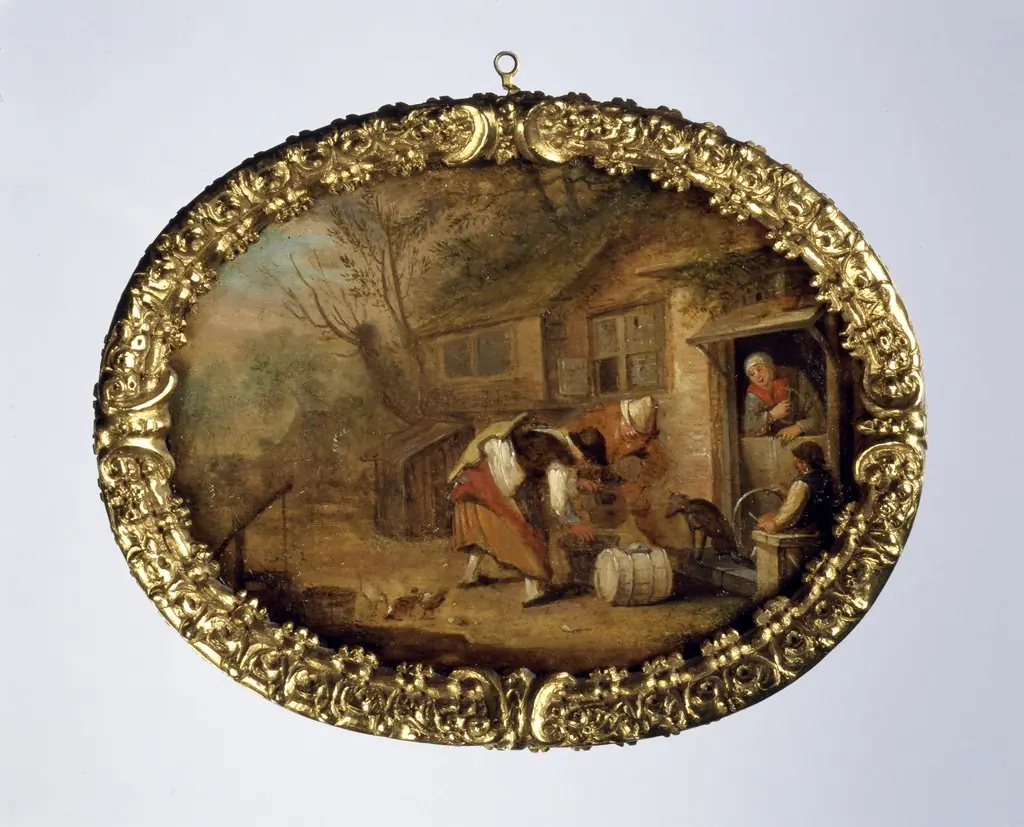
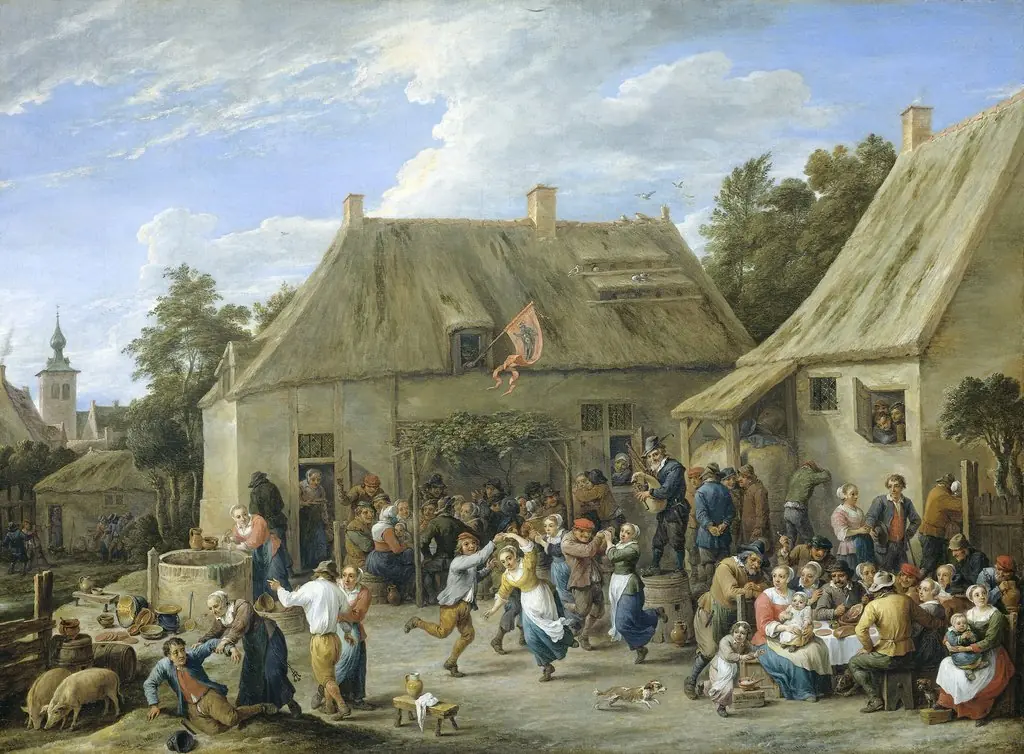
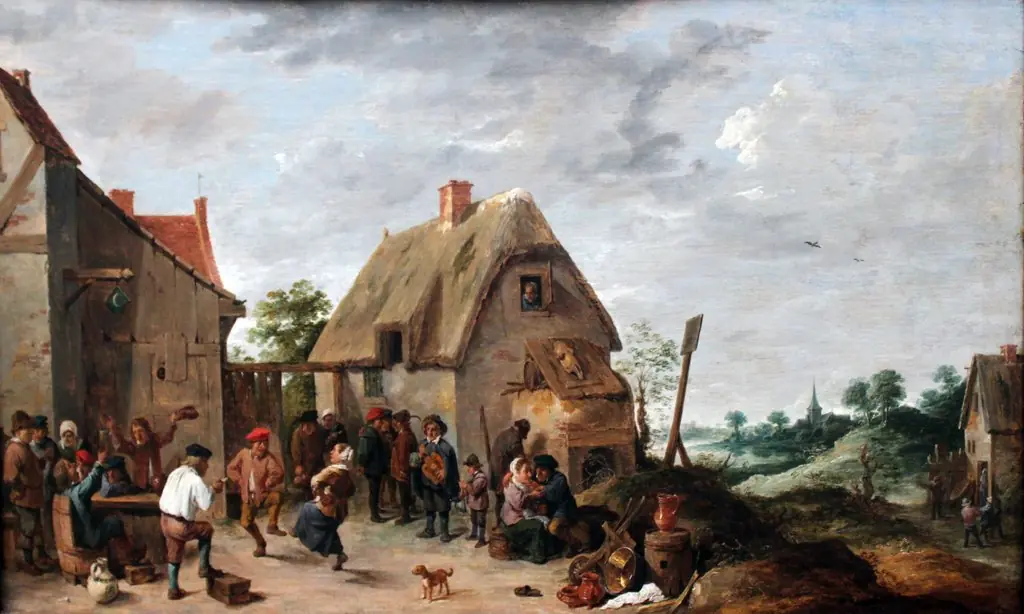
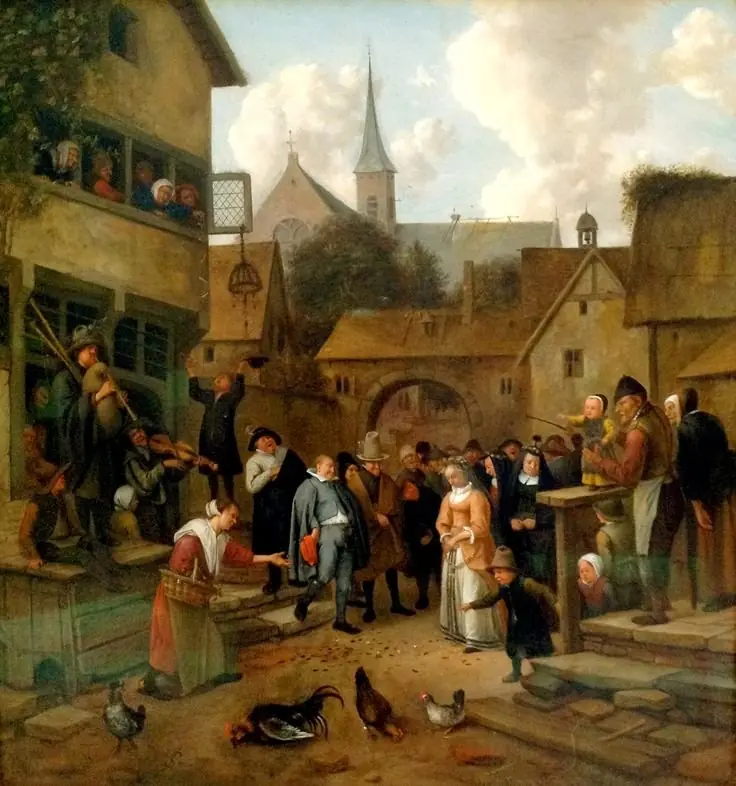
Country Kermis is an unspecified painting by the Dutch Golden Age artist Cornelis Dusart. It dates from 1692 and is held in the collection of the Rijksmuseum. The canvas captures a modest village fair set before a house, where everyday life unfolds without staging.
About this work
Subject & Meaning
The scene shows peasants and townspeople engaged in festive activities, reflecting the everyday leisure and social customs of 17th-century rural Netherlands.
The subject of Country Kermis depicts a lively village fair or kermis, a traditional communal celebration in the Dutch countryside. The scene shows peasants and townspeople engaged in festive activities, reflecting the everyday leisure and social customs of 17th-century rural Netherlands. Symbolically, the work captures the conviviality and rustic charm of such gatherings, emphasizing communal joy without moralizing about vice. Dusart’s portrayal draws on the genre traditions of his mentor Adriaen van Ostade, while also echoing the expressive stylization of Jan Steen, using exaggerated gestures and vivid coloring to convey a sense of animated revelry. The painting thus functions as both a genre scene and a subtle commentary on communal life in the Dutch Republic. The composition centers on figures participating in a fair-like setting, with farmers, musicians, and revelers rendered in dynamic poses that underscore the festive atmosphere. The iconography of the kermis, a seasonal fair, served as a cultural touchstone, representing communal bonding and the rhythms of rural social life. Dusart’s use of bright hues and detailed figures highlights the celebratory nature of the event, while his stylistic choices reflect the influence of his teachers and contemporaries. The work’s meaning lies in its celebration of communal festivity and the everyday life of the Dutch peasantry, rendered with a blend of realism and stylized exaggeration characteristic of Dutch Golden Age genre painting.
Context
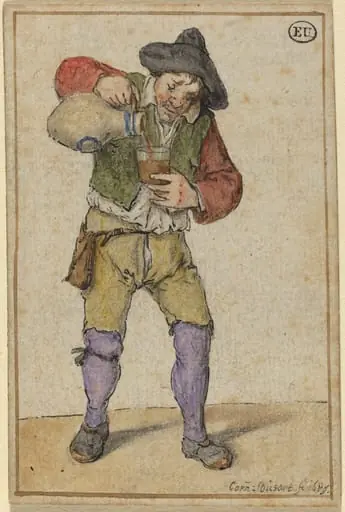
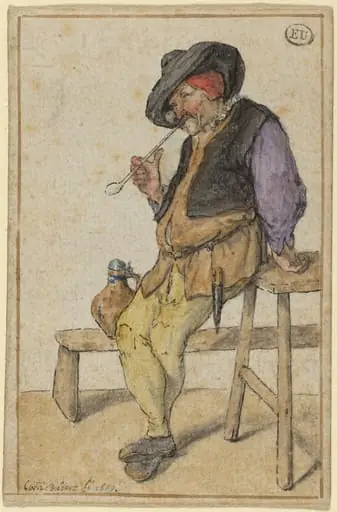
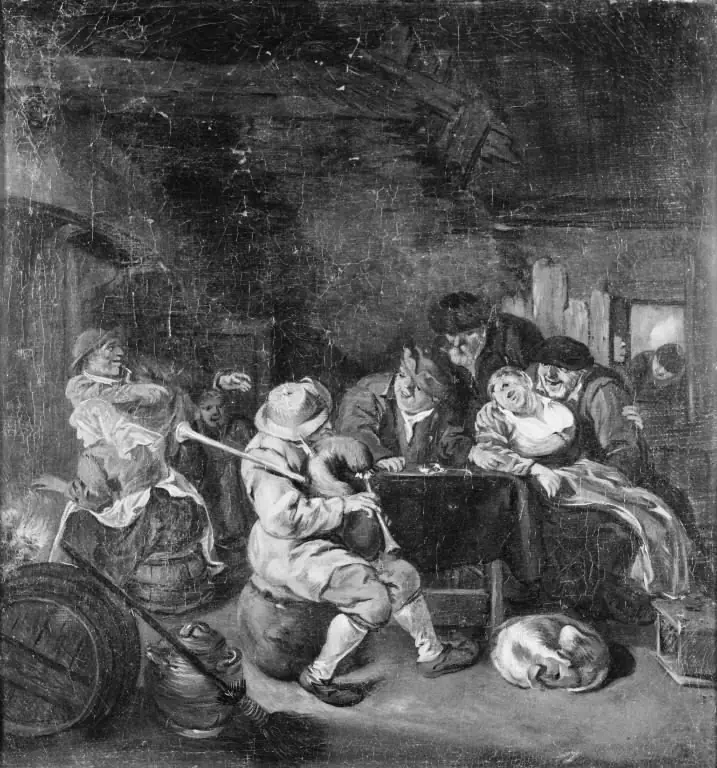
Cornelis Dusart (1660-1704) was a Dutch genre painter and printmaker whose work reflects the festive, peasant-centered scenes typical of the Haarlem school. Trained under Adriaen van Ostade, he adopted his mentor’s focus on tavern interiors, kermis celebrations, and rustic gatherings, while introducing subtle refinements in drawing and color. His drawings, often executed in black and red chalk on pergamen, display a high level of finish, and his etchings frequently reworked van Ostade’s unfinished compositions, as noted in a 1708 sale where he claimed authorship of completed pieces. Dusart’s satirical depictions of revelry and moral excess, such as those in the series 'Les Quatre Âges de la vie humaine,' contributed to the 'image noire' tradition of critical commentary on contemporary society. He was an active member of the Haarlem Guild of St. Luke, served as its dean in 1692, and accumulated a significant collection of drawings and prints, including works by van Ostade and Italian masters. His estate, inventoried in 1704, reveals a deliberate preservation of artworks intended for his aunts, underscoring his role as both artist and collector within the Dutch Golden Age milieu.
Own this work as a print
Artist & collection
Artist
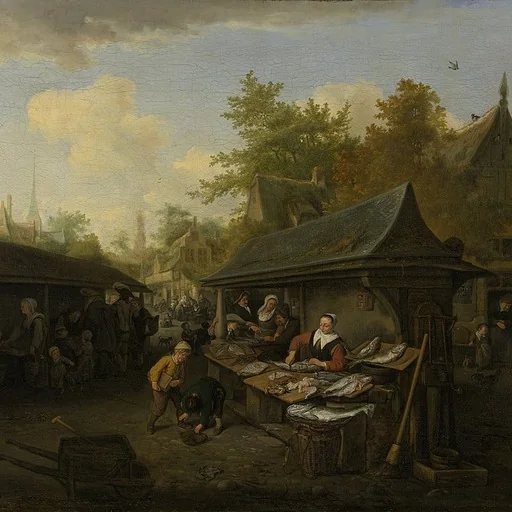
Cornelis Dusart (April 24, 1660 – October 1, 1704) was a Dutch genre painter, drawer (artists), and printmaker.