Artwork
Sigurd Slembe
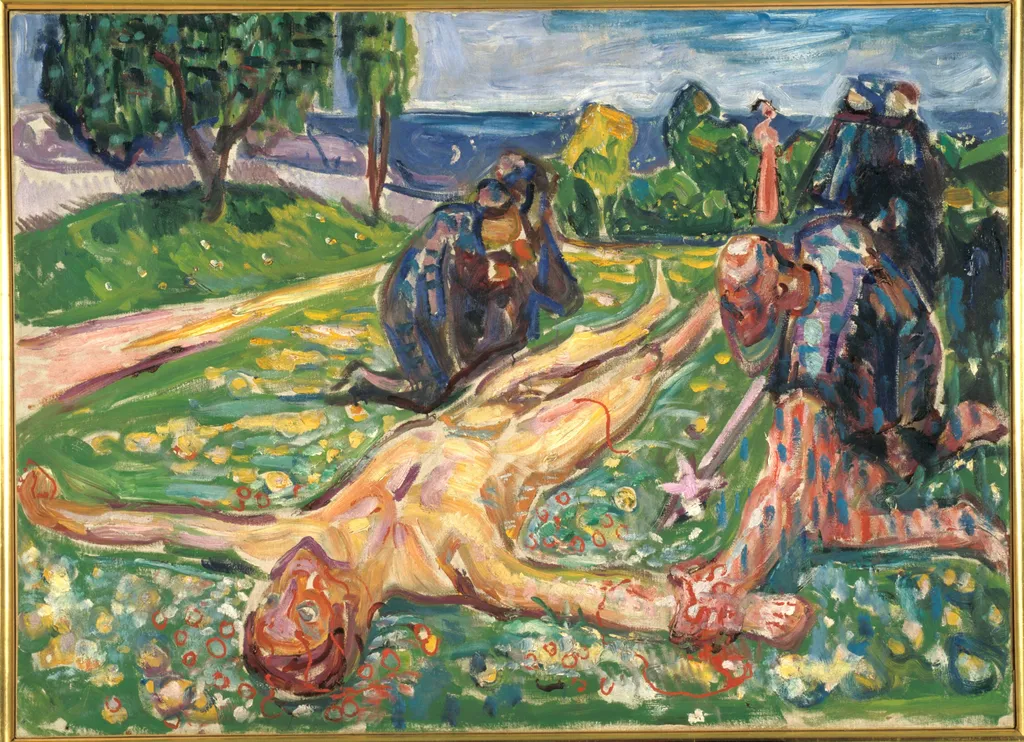
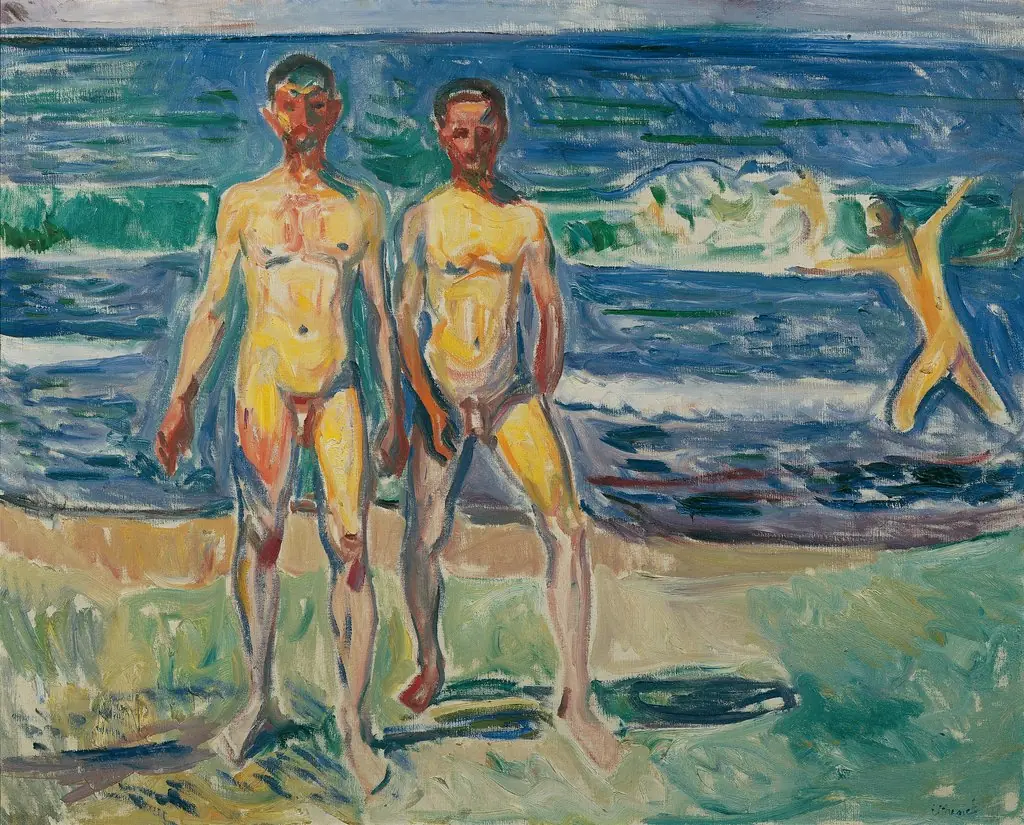
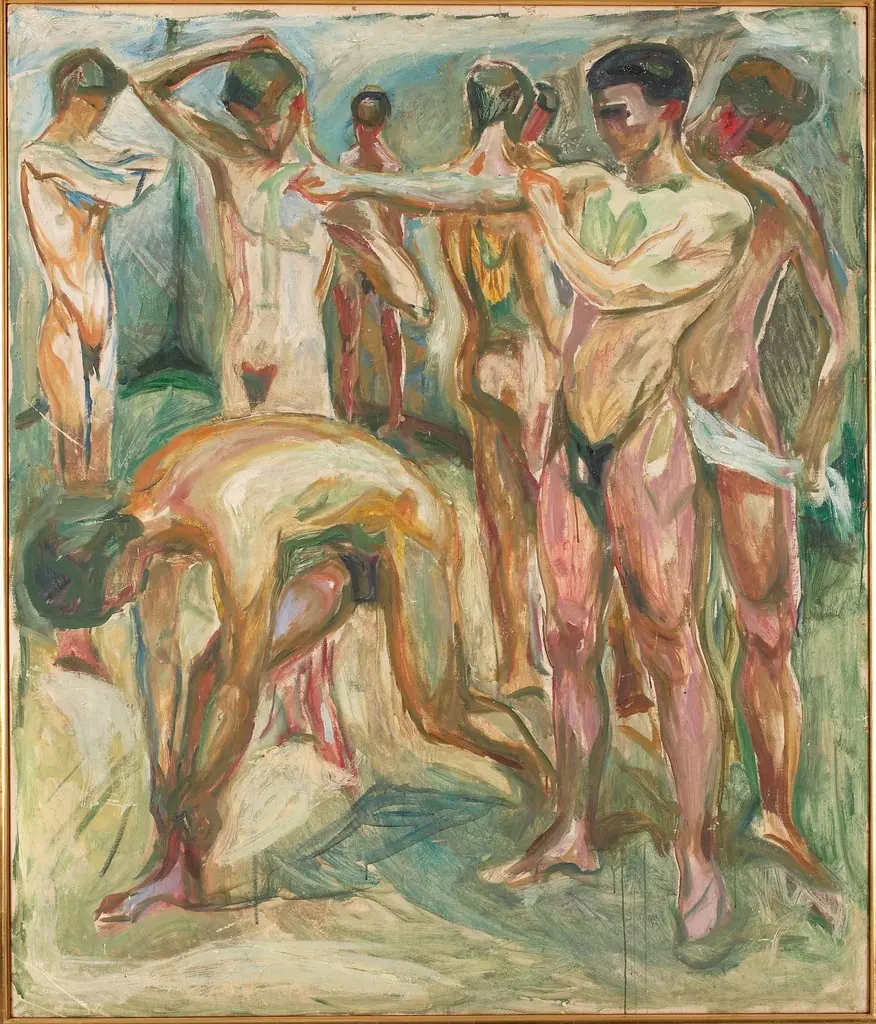
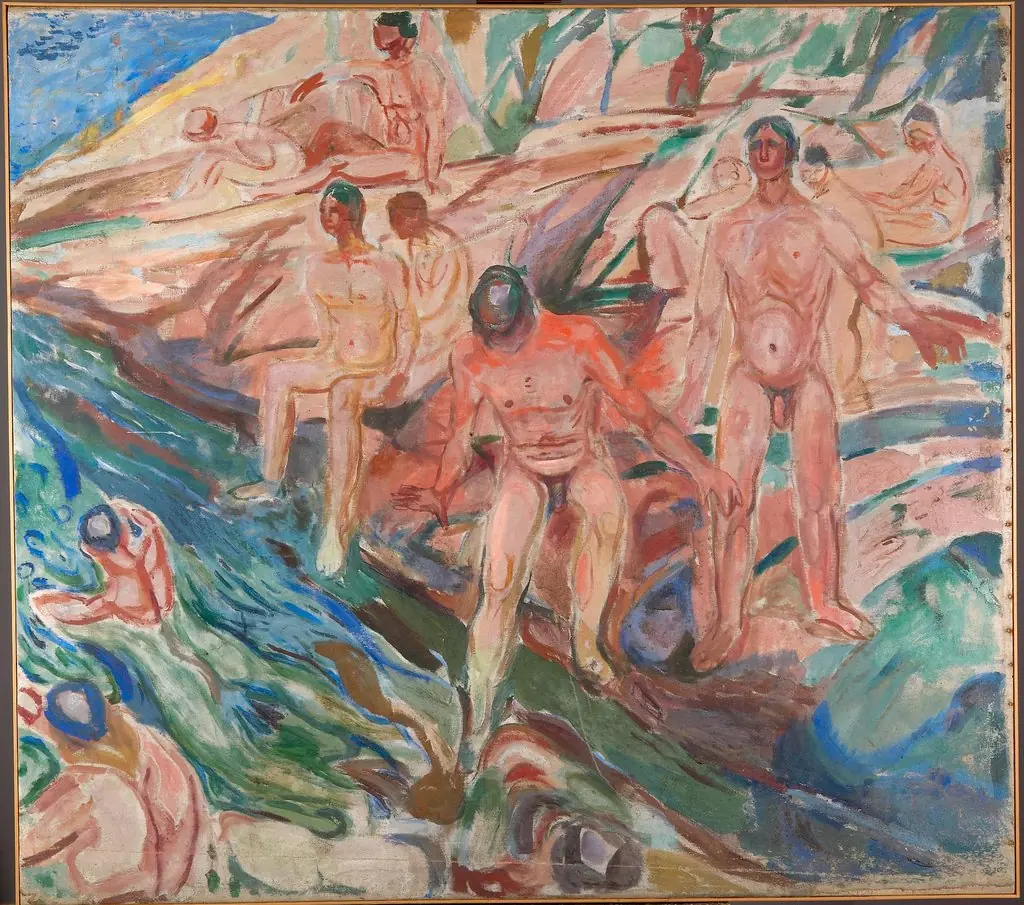
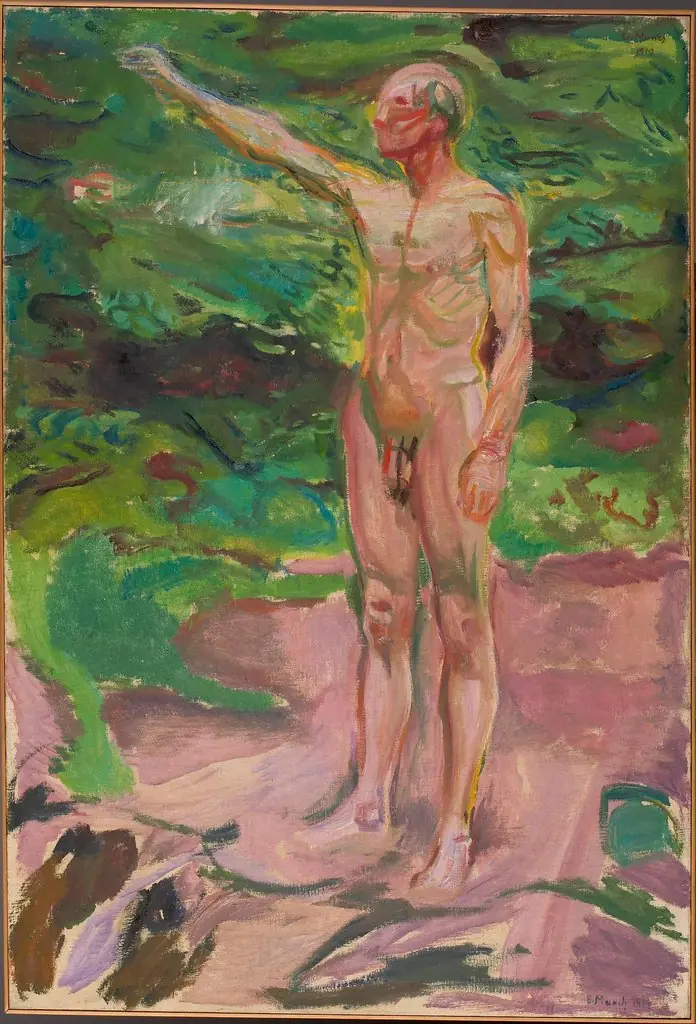
Sigurd Slembe is an oil painting by the Post-Impressionist artist Edvard Munch. It dates from 1909 and is held in the collection of the Munch Museum.
About this work
Subject & Meaning
The composition isolates Slembe’s body against a muted background, focusing attention on his ordeal and the psychological weight of his historical struggle.
The painting depicts Sigurd Slembe, a 12th-century Norwegian pretender to the throne, in a moment of physical suffering. Munch portrays him nude, bound, and bloodied, emphasizing his torment through stark realism and the vivid rendering of wounds. The composition isolates Slembe’s body against a muted background, focusing attention on his ordeal and the psychological weight of his historical struggle.
The presence of blood and the implied act of torture underscore themes of sacrifice, martyrdom, and the violent consequences of political ambition. Through these elements, the work conveys a meditation on suffering as both a personal and historical force.
Technique & Style
Edvard Munch executed Sigurd Slembe in 1909 as an oil painting on canvas. The work measures 89 cm in height and 123 cm in width, classifying it within the genre of history painting. Stylistically, the composition depicts the figure of Sigurd Slembe alongside graphic elements of torture, wounds, blood, and nudity. These formal choices emphasize the brutal narrative content central to the subject matter.
History & Provenance
Sigurd Slembe is an oil-on-canvas history painting by Edvard Munch, created in 1909. The work measures 89 by 123 centimeters and depicts the medieval Norwegian figure Sigurd Slembe alongside motifs of torture, wounding, blood, and nudity.
The painting is held in the collection of the Munch Museum, where it remains located. The sources do not document an earlier ownership chain, a specific commissioner, or any intermediate provenance prior to its entry into the museum's holdings, nor do they record exhibition history or market transactions tied to the work.
Sigurd Slembe, painted by Edvard Munch in 1909, is held by the Munch Museum. The oil-on-canvas work measures 89 cm in height by 123 cm in width and is catalogued within the museum's collection. No exhibition history beyond its current placement at the Munch Museum is documented in the available sources.
Legacy
The painting's stark portrayal of Sigurd Slembe's torture and martyrdom established a powerful visual language for themes of suffering and national identity in early 20th-century Norwegian art. Its intense emotional focus and use of symbolic elements like blood and nudity influenced subsequent Nordic expressionists seeking to convey psychological depth through history painting. The work's presence in the Munch Museum collection cemented its status as a key example of Munch's engagement with historical narratives, contributing to his enduring reputation as a pioneer of emotionally charged modernism.
Its depiction of violence and spiritual anguish resonated with later artists exploring similar motifs in the interwar period.
Overview
Edvard Munch’s 1909 oil work titled Sigurd Slembe belongs to the museum’s permanent collection. Executed as a history painting, the canvas captures a dramatic episode from the medieval Norwegian saga of the eponymous outlaw, presenting a moment of violence rather than a conventional landscape.
Context
Sigurd Slembe illustrates Munch’s engagement with national legends at a time when he was expanding beyond personal symbolism toward broader historical subjects. The work demonstrates how his expressive technique could be applied to collective memory, influencing later Scandinavian artists who sought to merge mythic content with modernist visual language.
Own this work as a print
Artist & collection
Artist
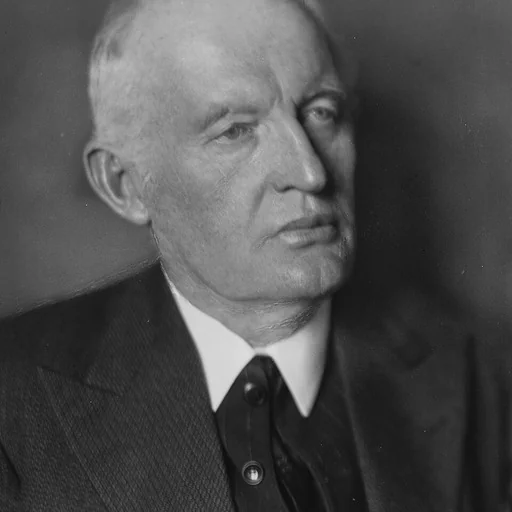
Edvard Munch ( MUUNK; Norwegian:; 12 December 1863 – 23 January 1944) was a Norwegian painter.