Artwork
Standing Nude
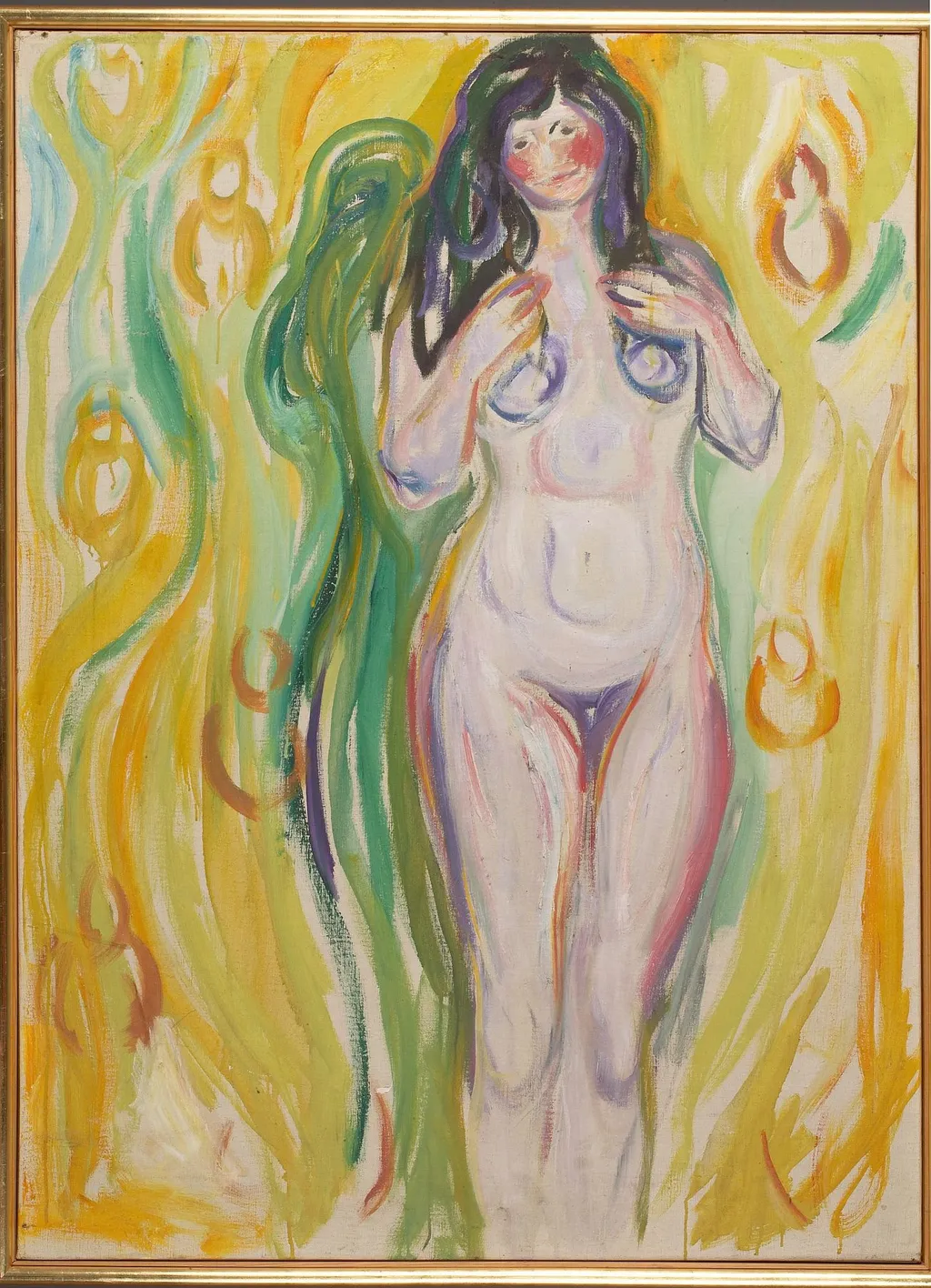
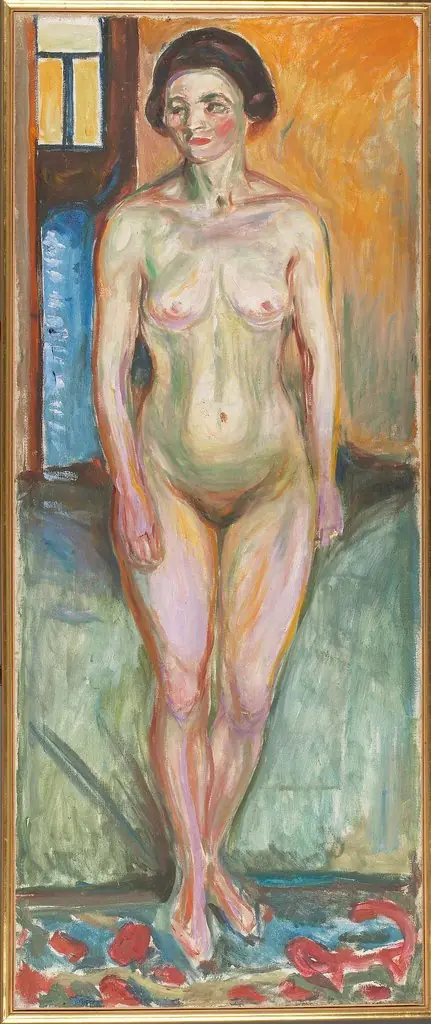
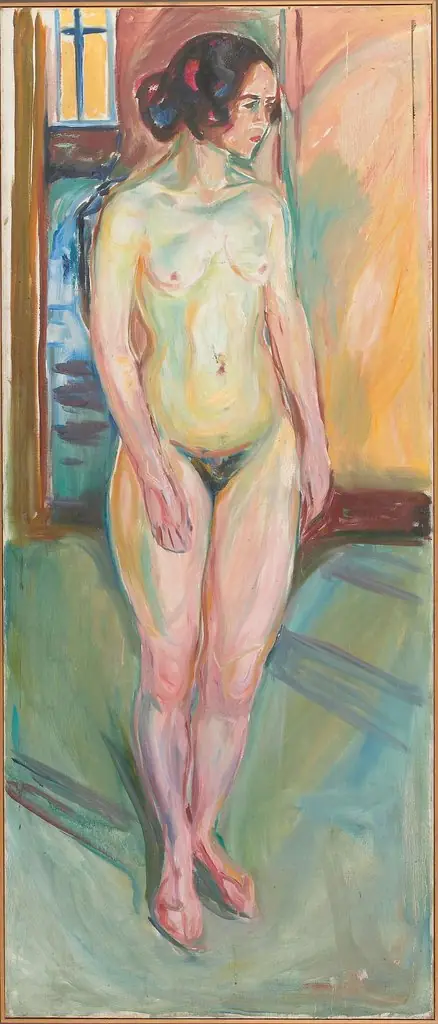
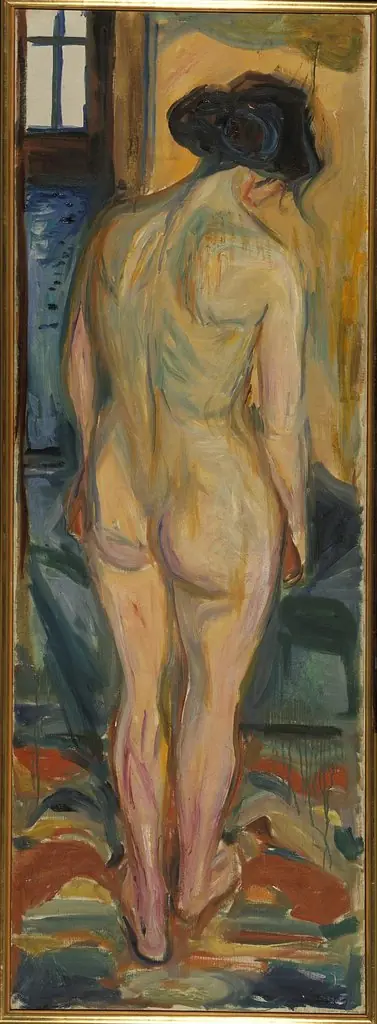
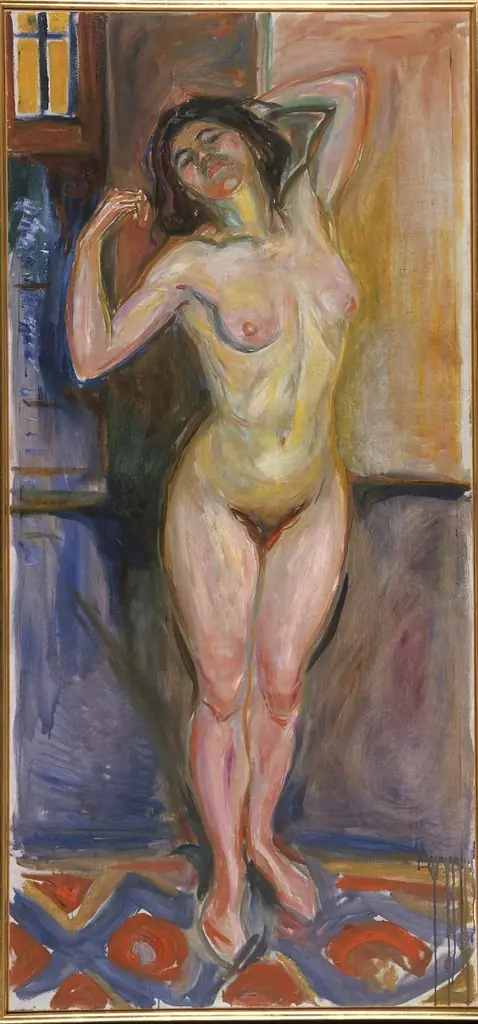
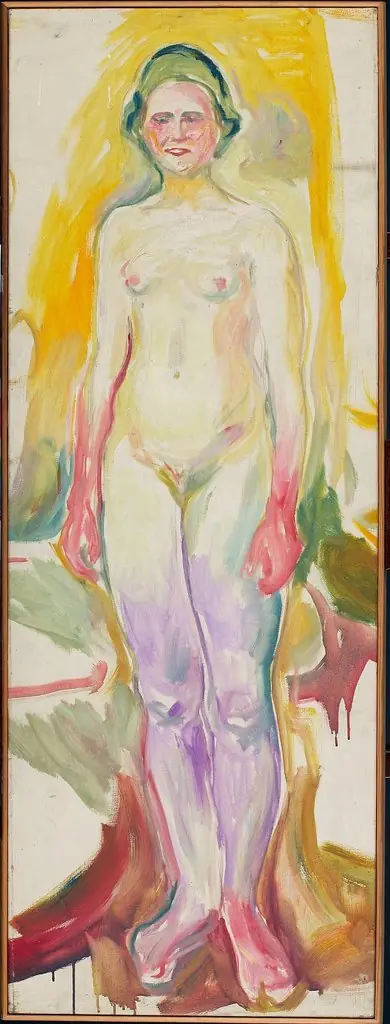
Standing Nude is an oil painting by the German Expressionist artist Edvard Munch. It dates from 1919 and is held in the collection of the Munch Museum.
About this work
Overview
The painting resides in the Munch Museum in Oslo, reflecting Munch’s sustained engagement with the human figure during his later years.
Painted in 1919, Standing Nude is an oil on canvas work by Norwegian artist Edvard Munch. It portrays Annie Fjeldbu, a model and acquaintance of the artist, in a full-length standing pose. The painting resides in the Munch Museum in Oslo, reflecting Munch’s sustained engagement with the human figure during his later years. Unlike his earlier, more turbulent compositions, this piece conveys a quieter, more contemplative mood.
Subject & Meaning
The subject, Annie Fjeldbu, is rendered with a gentle expression and soft facial tones, suggesting introspection rather than eroticism. Her raised arms and relaxed posture evoke a sense of quiet self-possession. Munch’s focus on the individual’s inner state aligns with his broader interest in psychological presence. The nudity is not theatrical but intimate, emphasizing vulnerability and stillness over idealized form.
Technique & Style
Munch employed loose, fluid brushwork to suggest movement in the figure’s form, avoiding rigid contours. The body is modeled with subtle shifts in tone rather than sharp chiaroscuro, creating a sense of warmth and softness. Background hues of yellow, green, and orange blend organically, enveloping the figure in a luminous, atmospheric space. Color serves emotional resonance more than descriptive accuracy, characteristic of his expressive approach.
History & Provenance
Created during Munch’s mature period, the painting was made after his return to Norway following years abroad. It depicts Annie Fjeldbu, who posed for several of his works in the 1910s and 1920s. The painting entered the collection of the Munch Museum upon its founding, as part of the artist’s own bequest of his estate, ensuring its preservation within the context of his broader oeuvre.
Context
Though often associated with German Expressionism, Munch’s late work diverged from its more aggressive tendencies. Standing Nude reflects a personal, introspective phase following personal losses and health struggles. The painting emerges from a period when Munch increasingly turned to domestic and solitary subjects, favoring calm over chaos, and intimate observation over symbolic drama.
Legacy
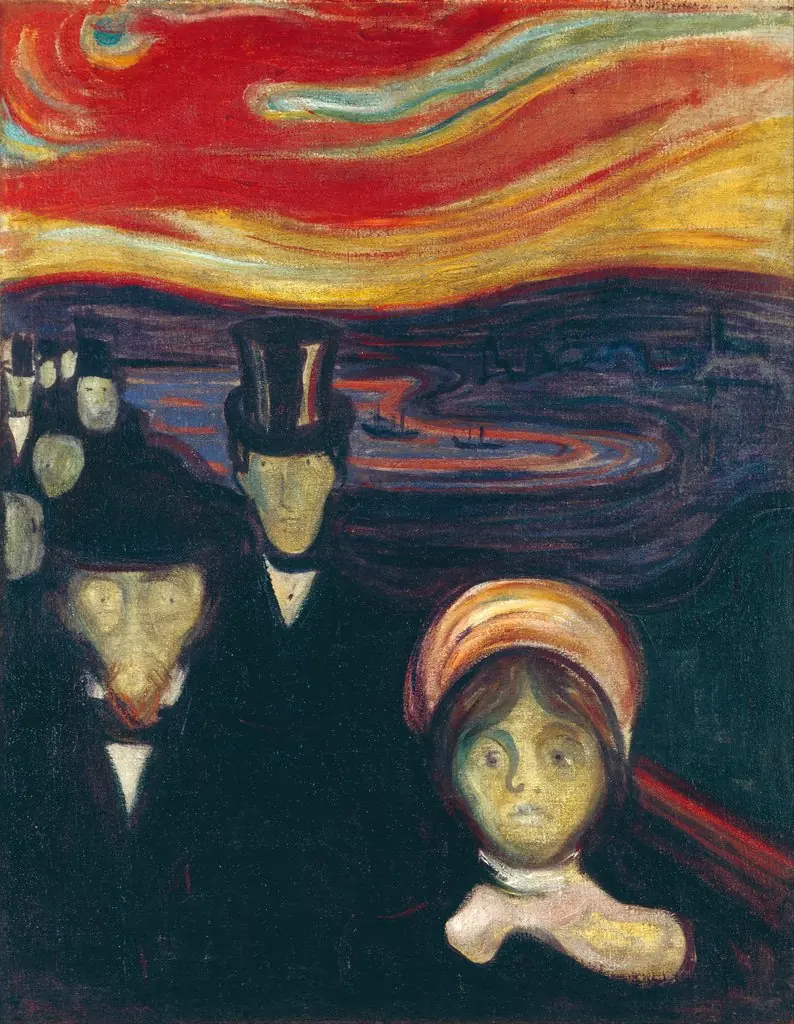
The painting contributes to Munch’s enduring exploration of the human form as a vessel for emotional experience. It stands apart from his more famous works like The Scream, illustrating his capacity for restraint and tenderness. Its presence in the Munch Museum anchors it within a curated narrative of the artist’s lifelong engagement with identity, presence, and inner life.
Own this work as a print
Artist & collection
Artist
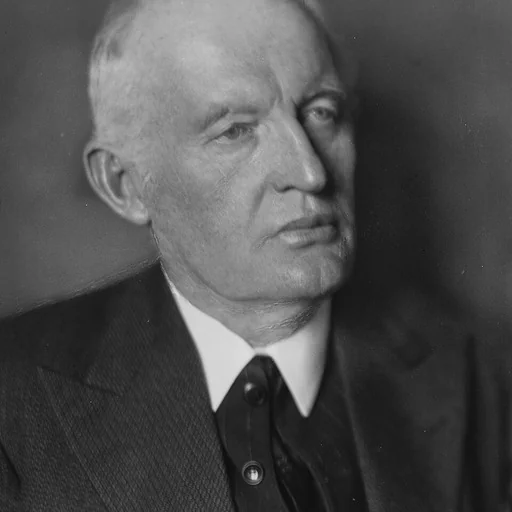
Edvard Munch ( MUUNK; Norwegian:; 12 December 1863 – 23 January 1944) was a Norwegian painter.