Artwork
The Hearse on Potsdamer Platz
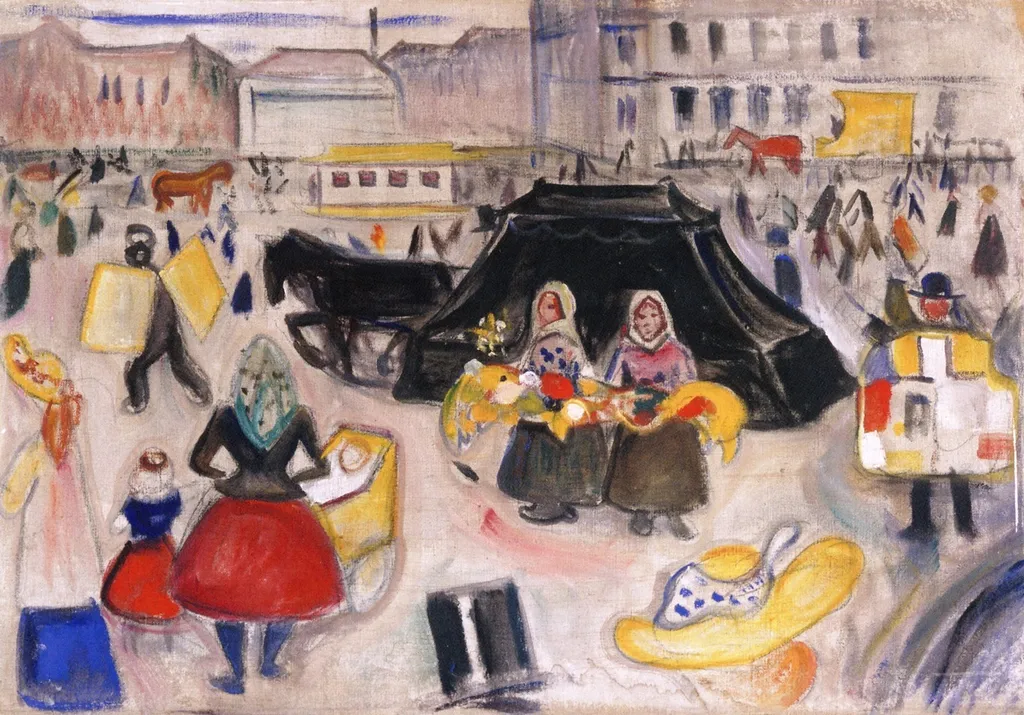
The Hearse on Potsdamer Platz is an oil painting by the Post-Impressionist artist Edvard Munch. It dates from 1902 and is held in the collection of the Munch Museum.
About this work
Overview
The painting is held in the collection of the Munch Museum in Oslo, where it is cataloged under inventory number MM.
The Hearse on Potsdamer Platz is an oil painting created by Edvard Munch in 1902. Executed on unprimed canvas, the work measures 68 by 98 centimeters and is classified as a genre scene. It depicts a bustling urban street scene set in Berlin, specifically the Potsdamer Platz. The painting is held in the collection of the Munch Museum in Oslo, where it is cataloged under inventory number MM.M.00736 and as Woll M 520 in the catalogue raisonne. The work is notable for its juxtaposition of mundane commercial activity with the funerary motif of a hearse, reflecting the artist's ongoing psychological and existential themes.
Subject & Meaning
The composition captures the vibrant activity of Potsdamer Platz from a slightly elevated vantage point. At the center of the square sits a black covered structure or tent, before which two figures wearing headscarves stand behind a display of yellow and red goods. To the left, a woman in a red skirt and green headscarf pushes a yellow pram alongside a small child in red and blue, while another figure carries two yellow rectangular objects. A large yellow boot with blue decoration lies on its side in the foreground near a black and white striped object. The titular hearse, a black horse-drawn vehicle, stands behind the central tent, introducing a funerary element into the everyday market scene. The background is filled with pale buildings, a yellow tram with red windows, horses, pedestrians, and small flags or pennants hanging on a line. This intersection of daily commerce and a vehicle of death creates a stark thematic contrast characteristic of Munch's exploration of modern life and mortality.
Technique & Style
Munch executed the painting in oil on unprimed canvas, a choice that contributes to the work's raw and immediate visual texture. The brushwork is notably loose and sketchy, featuring fluid, unblended strokes that leave the weave of the canvas visibly exposed across the surface. Light in the scene appears diffuse, with minimal shadow definition, avoiding sharp contrasts in favor of an atmospheric effect. The color palette relies on a foundation of muted pinks, grays, and blues, which are sharply punctuated by bold applications of red, yellow, and black. This stylistic approach emphasizes the flatness of the picture plane while capturing the fleeting, chaotic energy of the modern metropolis.
History & Provenance
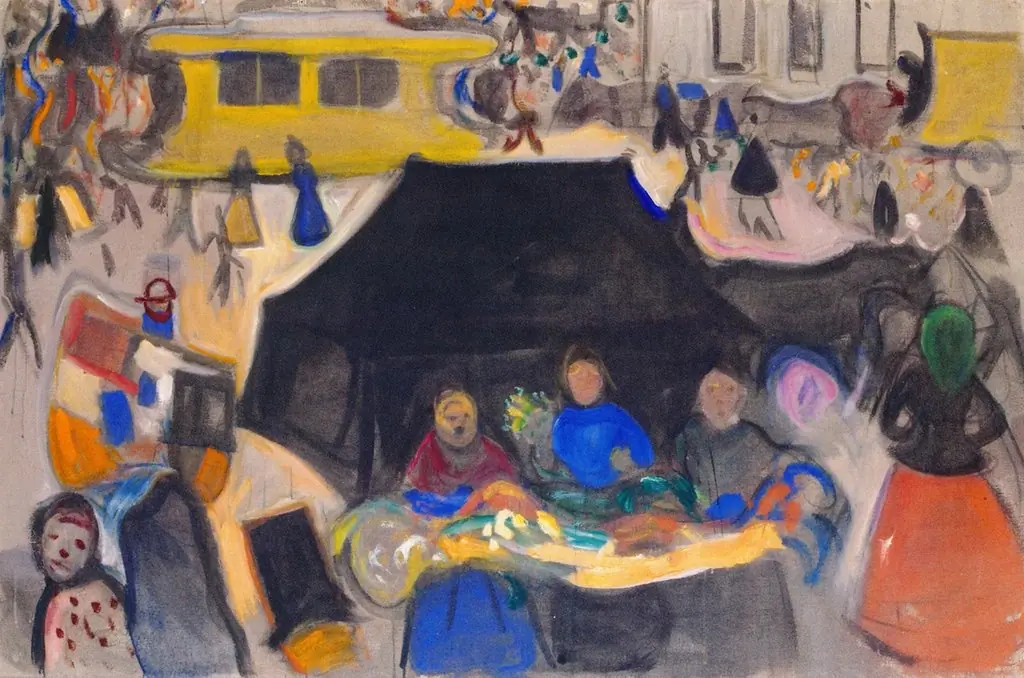
Created in 1902, the painting is accompanied by a series of preparatory works from the same year. These include an oil on canvas version of the same subject, as well as multiple pen detail sketches focusing on individual elements such as the market woman, market women, a salesman, and a peat woman. Beyond the painting, Munch also produced a print version of the subject using line etching, drypoint, and aquatint on sturdy yellowish wove paper. This print, executed in 1902 and printed between 1902 and 1914, exists as an avant lettre edition. One impression of this print, signed by Munch and bearing the printer Felsing's signature, was acquired by the collection of Arnold Budczies in Berlin, likely from the Graphisches Kabinett in Munich in 1928. The painting itself resides in the Munch Museum, while an impression of the print is held by the Nasjonalmuseet for kunst, arkitektur og design in Oslo.
Artist & collection
Artist
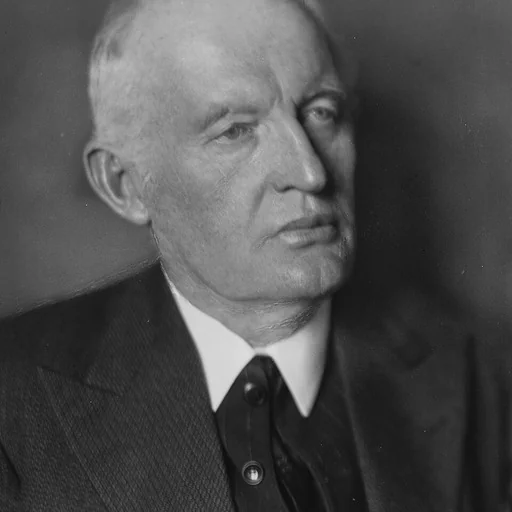
Edvard Munch ( MUUNK; Norwegian:; 12 December 1863 – 23 January 1944) was a Norwegian painter.

 17th of May in a Small, Norwegian Town
 Set Design for Henrik Ibsen's "Ghosts"
 Runaway Horse in Street
 Promenade on Karl Johan
 Soft goods. Rostov the Great
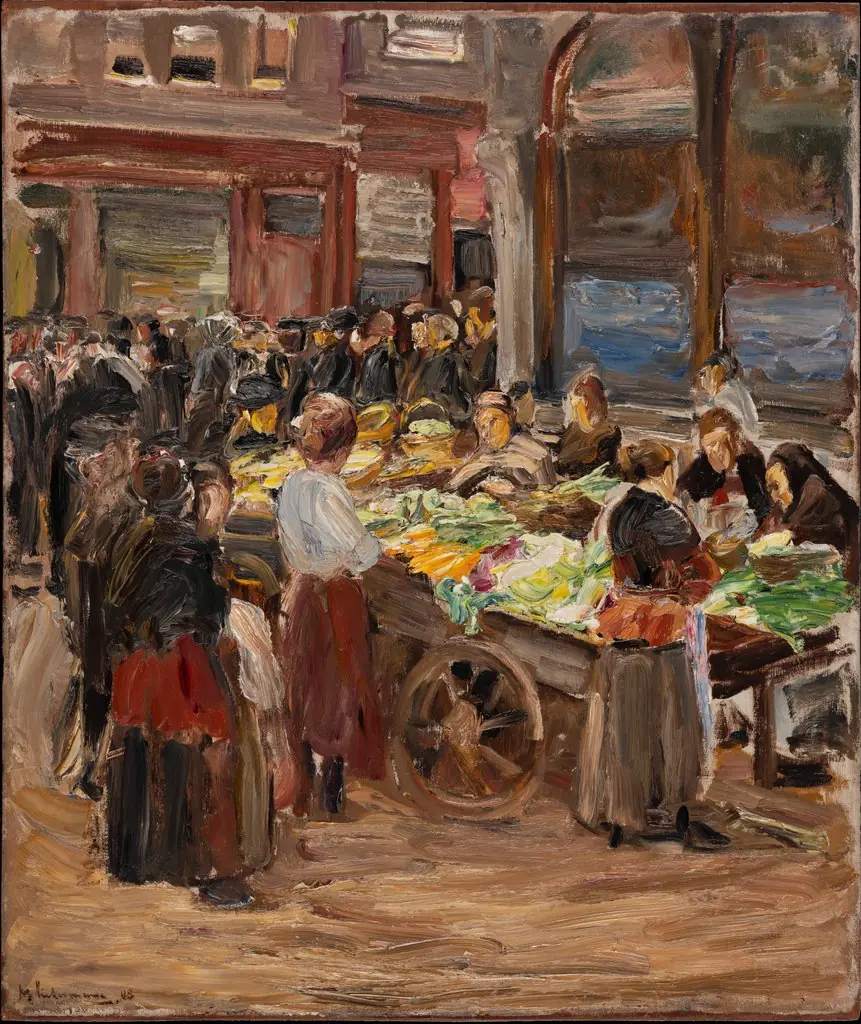 Jewish Street in Amsterdam
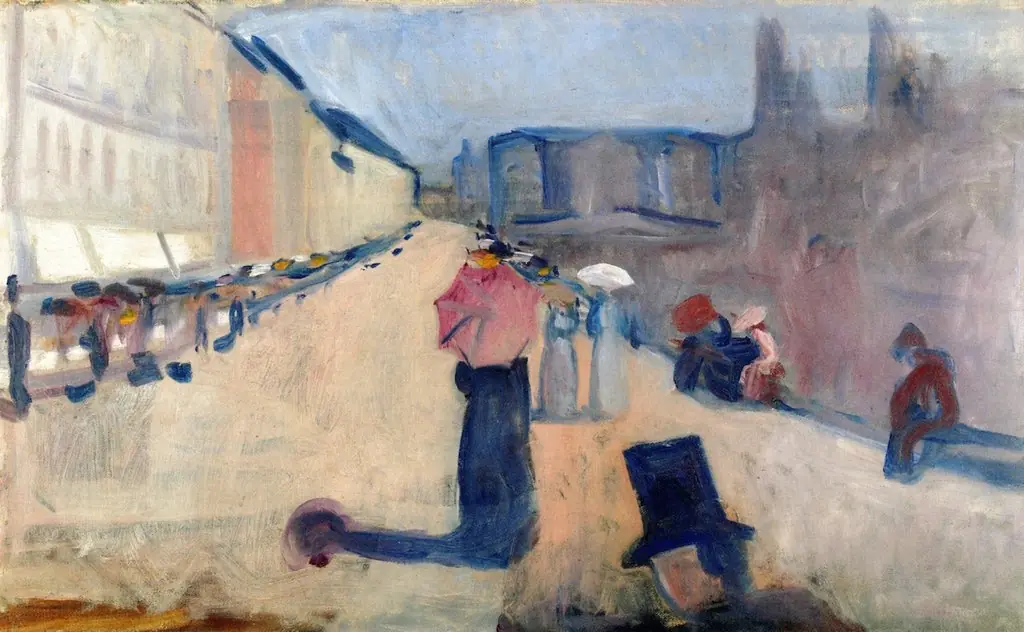 From Karl Johan
 Oameni la târg
 Piață din Bucureștii Vechi
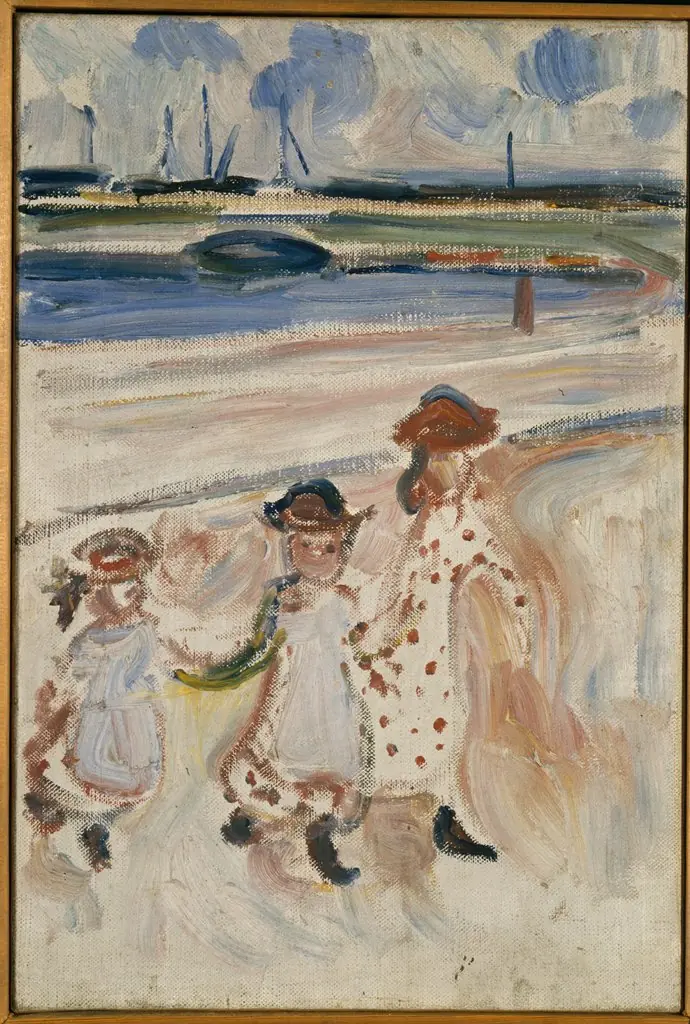 Three Small Girls on the Beach
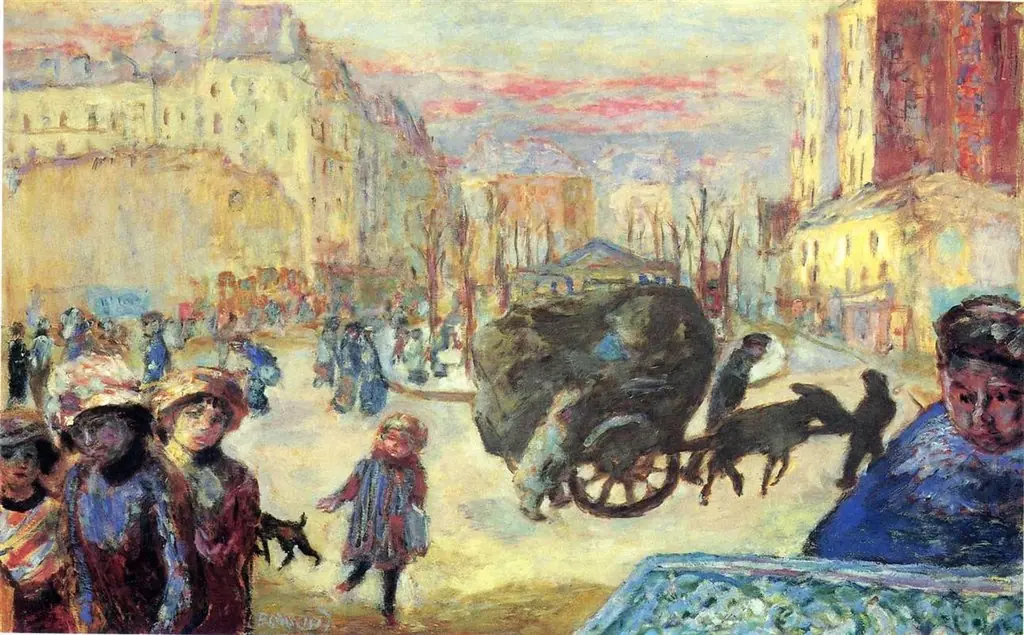 Morning in Paris
- The Hearse on Potsdamer Platz