Artwork
Eye of Maria Miles Heyward
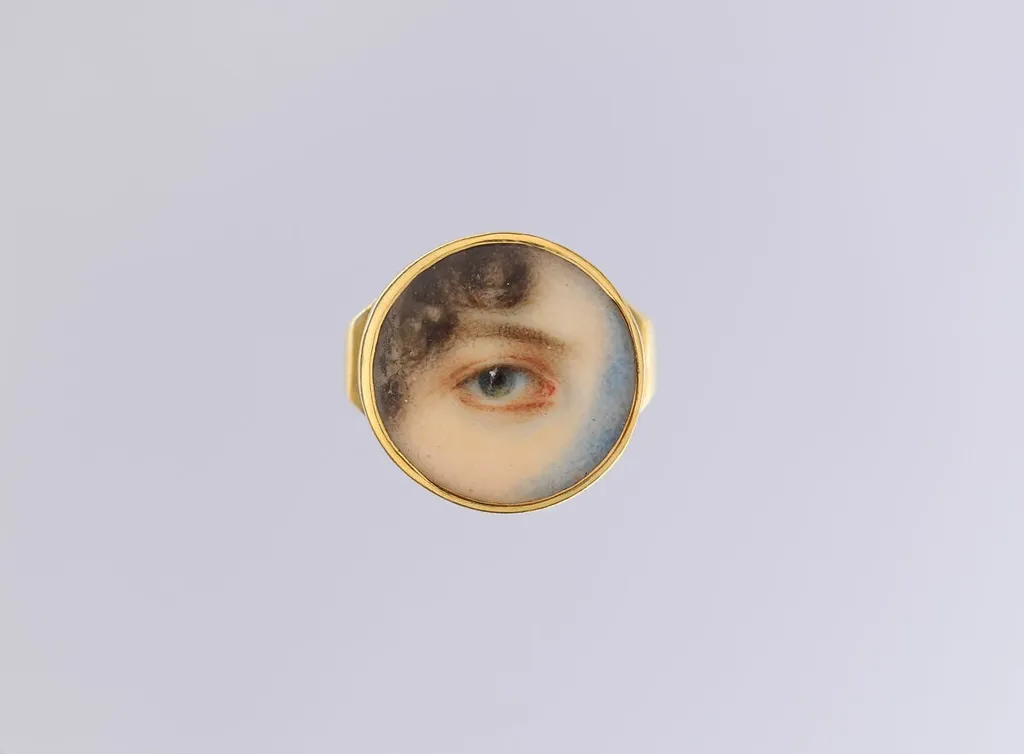
Eye of Maria Miles Heyward is a watercolor painting by the American Folk Art artist Edward Greene Malbone. It dates from 1802 and is held in the collection of the Metropolitan Museum of Art.
About this work
Subject & Meaning
The piece is housed in the Metropolitan Museum of Art’s American Wing, where it functions as an intimate study of the sitter’s presence.
The portrait titled Eye of Maria Miles Heyward depicts the eye of Maria Miles Heyward Drayton, a member of a prominent South Carolina family, rendered in watercolor on ivory in 1802 by Edward Greene Malbone. By concentrating on the ocular feature, the work uses the eye as a focal point that suggests personal identity and visual attention, aligning with portrait conventions of the early American period. The piece is housed in the Metropolitan Museum of Art’s American Wing, where it functions as an intimate study of the sitter’s presence.
Technique & Style
Executed in 1802 by Edward Greene Malbone, the miniature is a watercolor on ivory, a support typical of American portrait miniatures of the period. Malbone employed a refined stipple technique, building delicate tonal gradations through minute, overlapping dots of pigment rather than continuous line or wash. The ivory support, polished to a translucent sheen, enhances the luminosity of the eye and surrounding tissue.
The composition isolates the orb and lid against a plain background, emphasizing anatomical precision and subtle modeling of the cornea and sclera. The handling remains restrained, with careful attention to the play of light on the moist surface of the eye, conveying both anatomical fidelity and a quiet, contemplative mood.
History & Provenance
The miniature Eye of Maria Miles Heyward was painted by Edward Greene Malbone in 1802 in watercolor on ivory. Commissioned as a portrait element, the work depicts only the sitter’s eye, a convention in miniature portraiture of the period. Upon completion, the miniature entered the collection of the Metropolitan Museum of Art, where it has remained since acquisition. No further provenance details beyond the museum’s holding are recorded in the cited sources.
The watercolor on ivory is held in the collection of the Metropolitan Museum of Art, where it is classified under The American Wing. Wikidata records both its collection and location as the Metropolitan Museum of Art. No specific accession number, accession date, or exhibition history is documented in the available sources.
Overview
Edward Greene Malbone, a prominent miniaturist of his era, created Eye of Maria Miles Heyward around 1802. This watercolor on ivory portrait focuses intimately on a single eye, showcasing the artist's skill in rendering fine detail. The work exemplifies the popular tradition of miniature portraiture in early 19th-century America, for which Malbone was widely recognized.
Context
Edward Greene Malbone, active in American urban centers during the late 18th and early 19th centuries, was considered the foremost miniaturist of his generation. His work, including this piece, aligns with aspects of American folk art, characterized by its handcrafted quality and directness. Malbone's career, though cut short by his death in 1807, significantly shaped the genre of miniature portraiture in the nascent United States.
Artist & collection

Artist
Edward Greene Malbone (1777 – May 7, 1807) was an American painter, and the most sought-after miniaturist of his day.

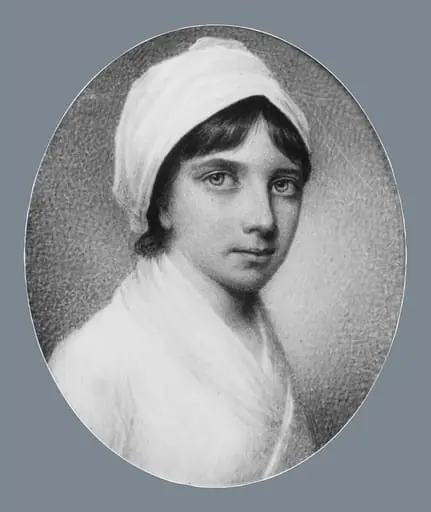
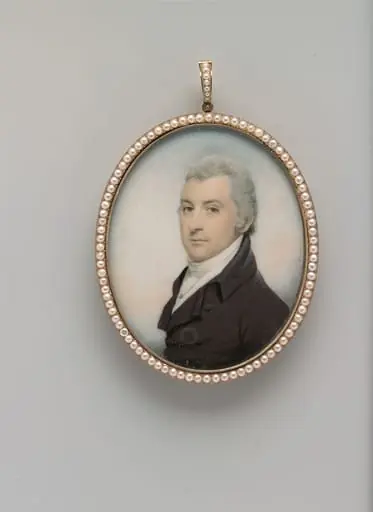
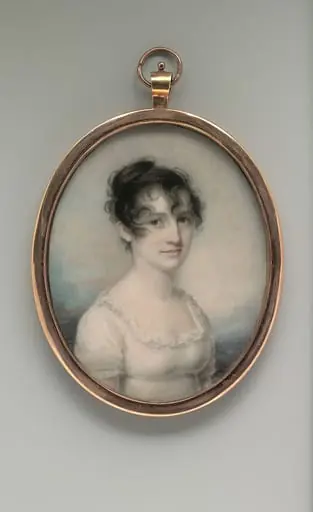
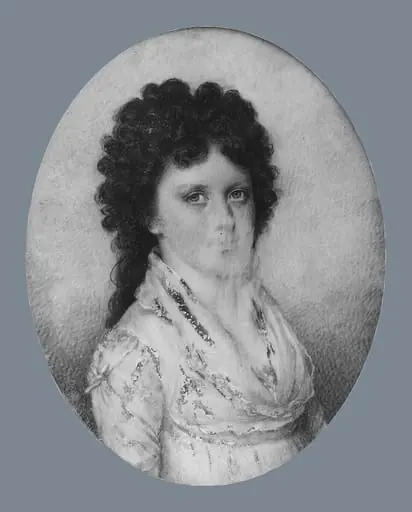
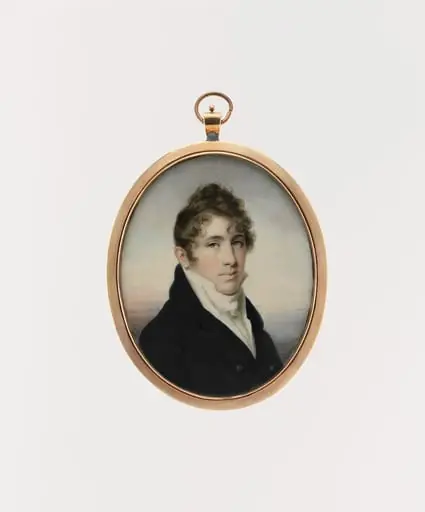
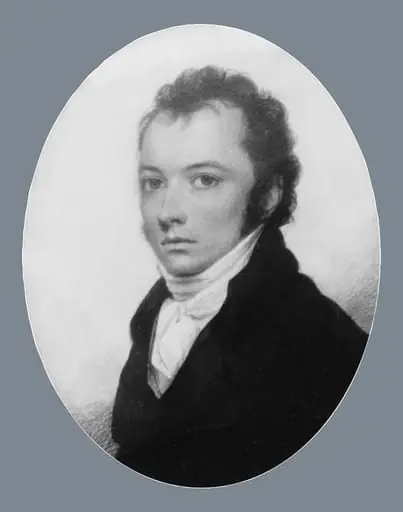
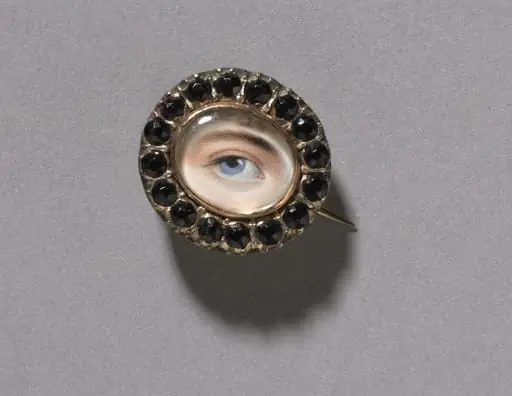 Eye
Eye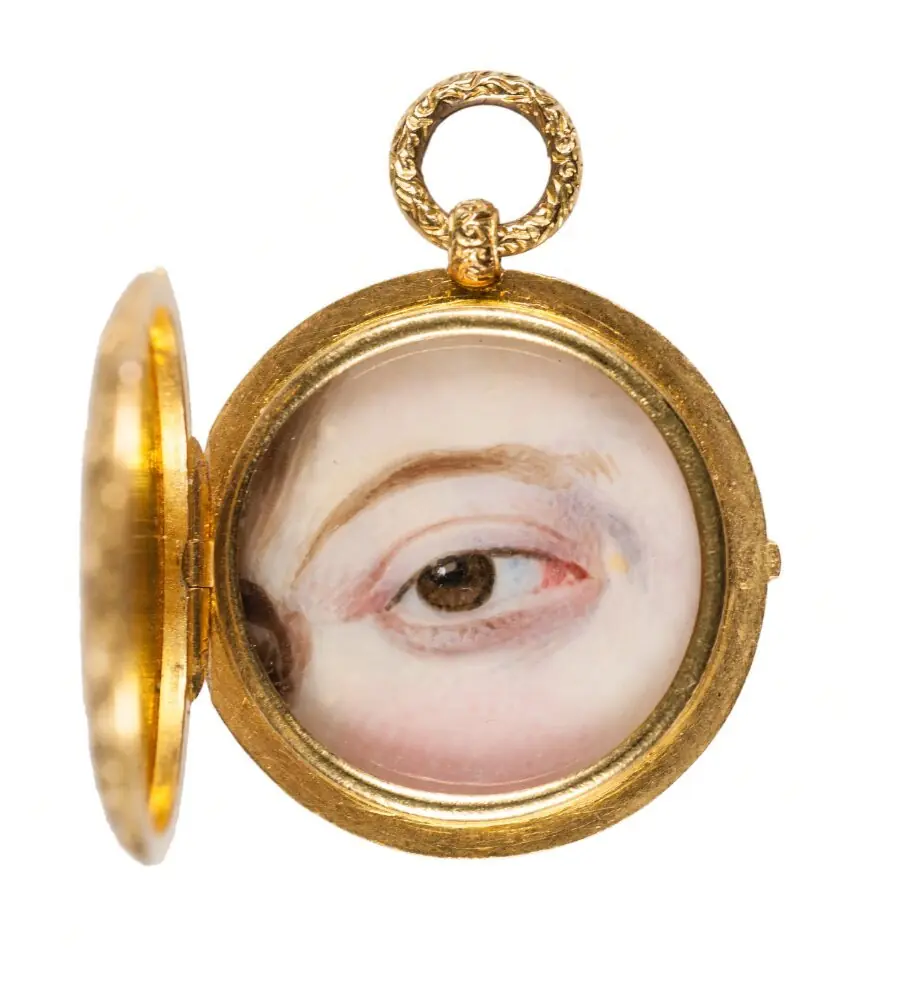 Ögonminiatyr av Victoria av Sachsen-Coburg, hertiginna av Nemours
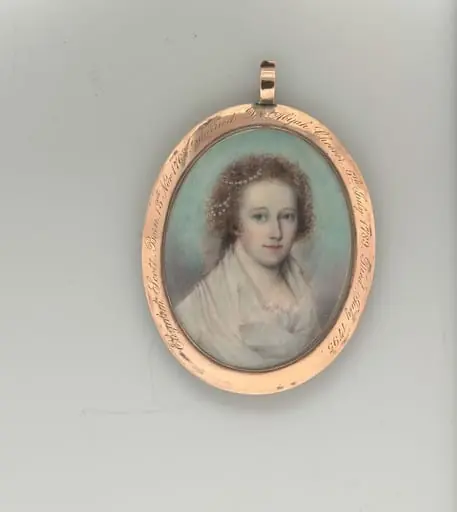 Mrs. Abijah Cheever (Elizabeth Scott)
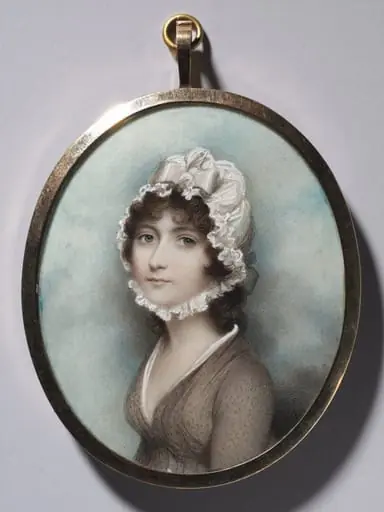 Portrait of a Woman
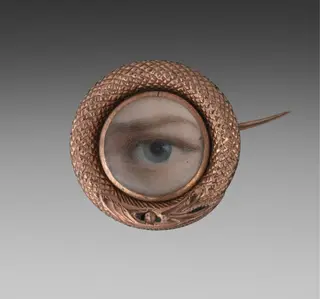 Eye
Eye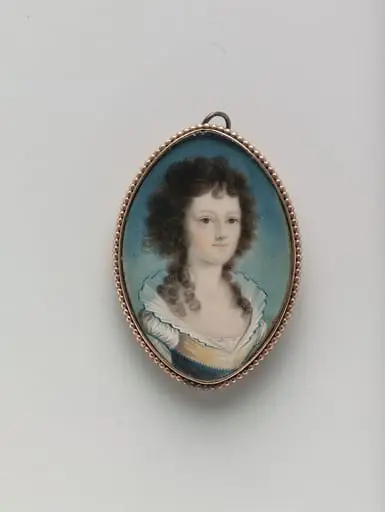 Mrs. James Bleecker (Sarah Bache)
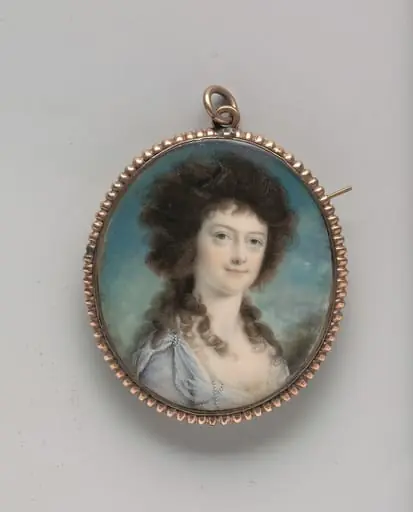 Mrs. James Bleecker (Elizabeth Garland Bache)
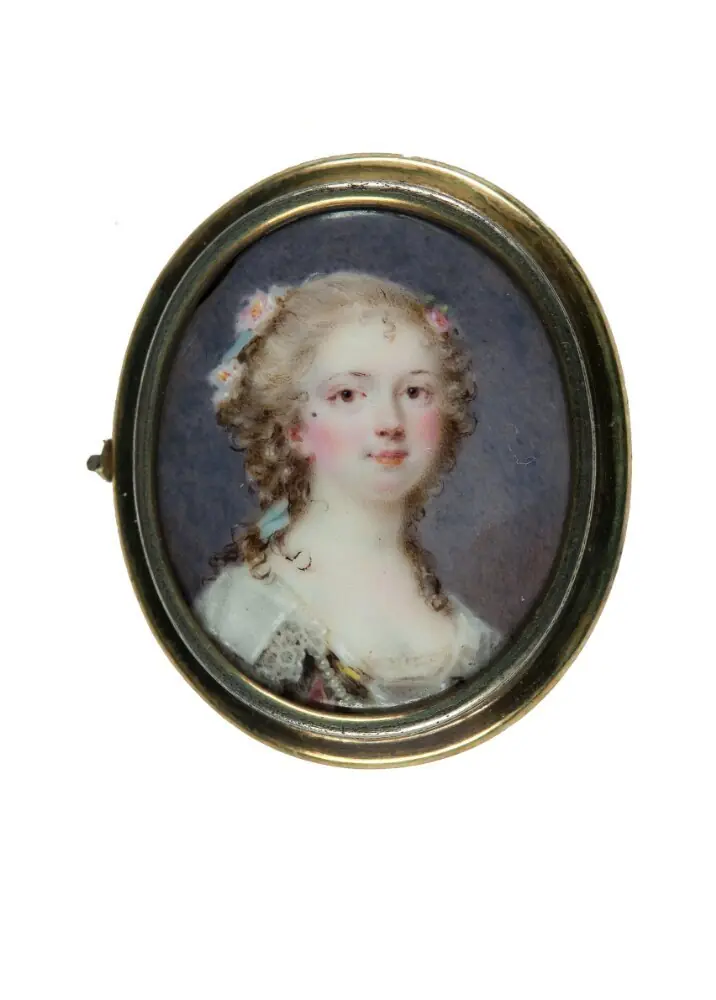 Élisabeth Vigée-Lebrun, Presumed Portrait
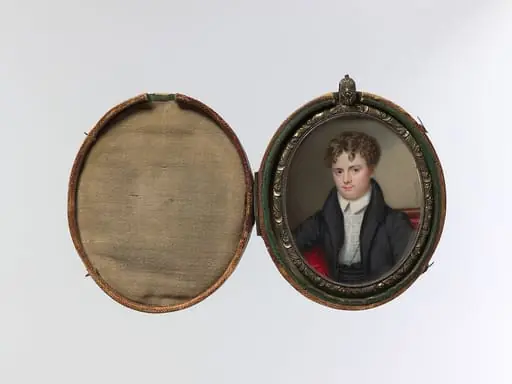 Joseph Stevens Buckminster Thacher
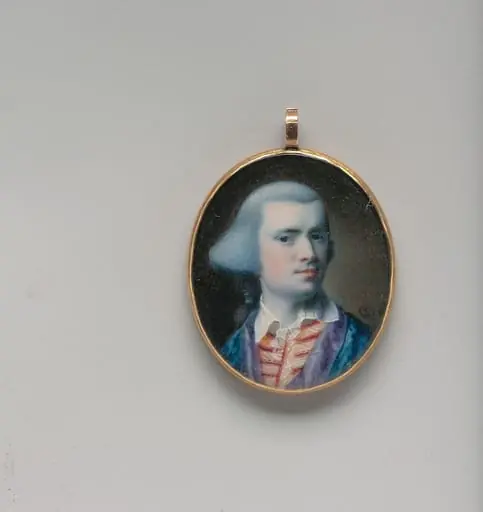 Self-portrait miniature