Artwork
Susan Poinsett

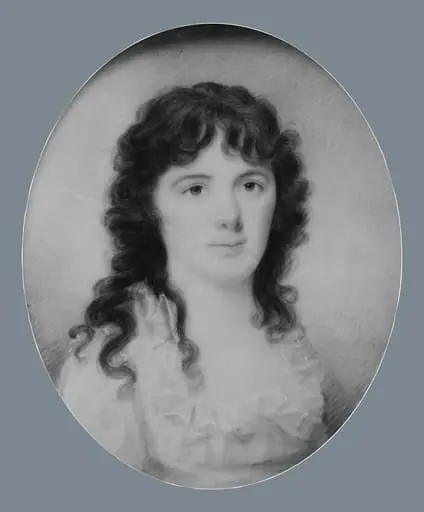
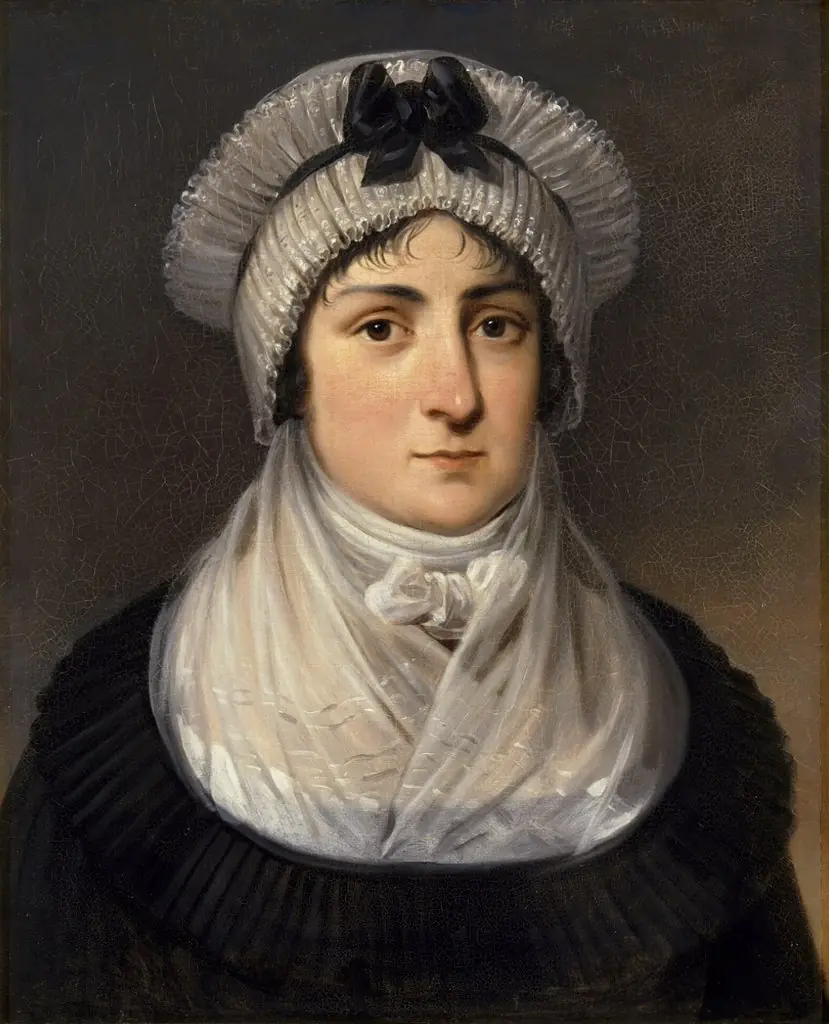
Susan Poinsett is a watercolor painting by the American Folk Art artist Edward Greene Malbone. It dates from 1802 and is held in the collection of the Metropolitan Museum of Art.
About this work
Subject & Meaning
The miniature portrays Susan Poinsett herself as its sole human subject, identified as the principal figure of the composition.
The miniature portrays Susan Poinsett herself as its sole human subject, identified as the principal figure of the composition. Classified as a portrait of a woman, the work functions as a personal likeness rather than a narrative or allegorical scene, with no additional figures, attributes, or symbolic objects documented in its cataloguing. The watercolor-on-ivory format, a hallmark of intimate keepsake portraiture in the early American republic, frames the sitter as an individual worthy of commemoration, reflecting conventions of genteel female representation in early nineteenth-century American society.
The image's meaning is therefore tied to the identity of the sitter rather than to iconographic symbolism, presenting Poinsett as the named subject of a formal portrait intended to preserve her likeness.
Technique & Style
The portrait Susan Poinsett (1802) is executed in watercolor on an ivory support, a medium that creates a luminous, translucent surface typical of early‑American portrait miniatures. Measuring approximately 6.4 × 5.2 inches, the work is housed in the Metropolitan Museum of Art’s American Wing and depicts the sitter as a young woman. Malbone’s handling emphasizes fine linear detail and subtle color modulation, producing a delicate yet precise representation of facial features and attire.
The composition is tightly framed, focusing on the sitter’s head and shoulders, while the muted palette and soft edges convey a refined, intimate aesthetic characteristic of the period’s elite portraiture.
History & Provenance
The watercolor on ivory portrait of Susan Poinsett was executed by Edward Greene Malbone in 1802, as recorded in the work’s catalog entry and confirmed by the Metropolitan Museum of Art’s collection data. The painting entered the museum’s holdings, establishing a clear ownership chain that leads to its present location in the American Wing. Its creation is documented through the date 1802 and the medium specification of watercolor on ivory, which together provide the dating and creation history of the piece. The work remains classified as a portrait within the museum’s collection.
Overview
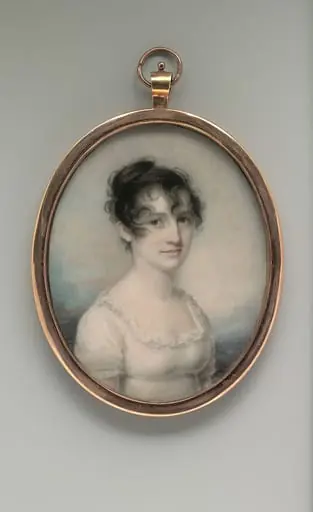
This miniature portrait depicts Susan Poinsett, rendered in watercolor on ivory. The small-scale painting, designed to be held in the hand, captures the sitter with a direct gaze. Her dark hair frames a composed expression, and she is dressed in white.
Created in the early 19th century, this work exemplifies the delicate artistry prevalent in portrait miniatures of the period, offering an intimate portrayal of its subject.
Artist & collection

Artist
Edward Greene Malbone (1777 – May 7, 1807) was an American painter, and the most sought-after miniaturist of his day.

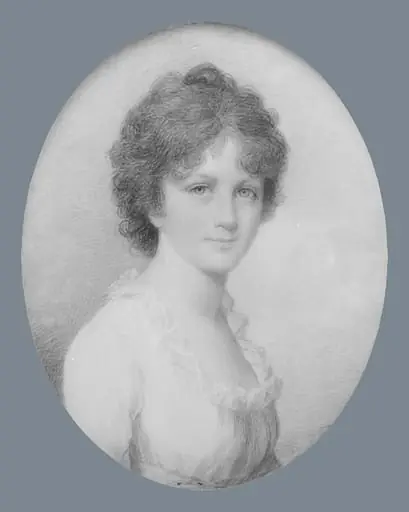
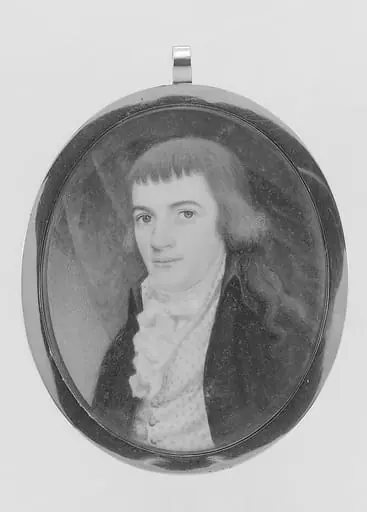
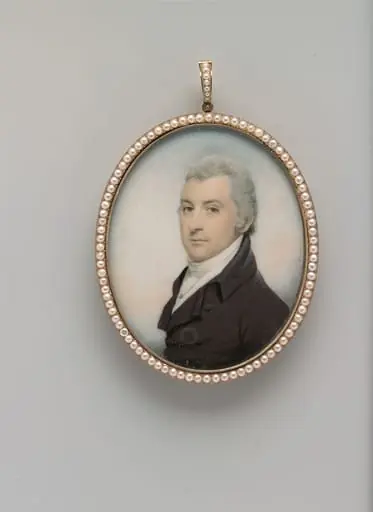
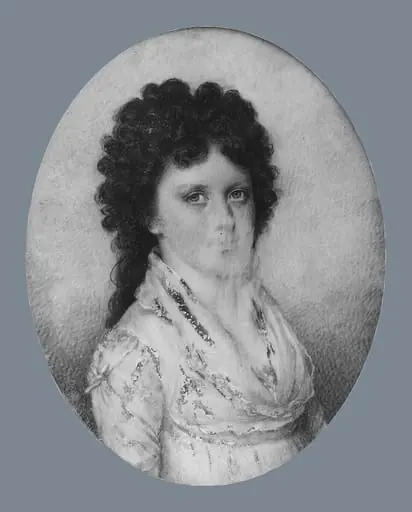
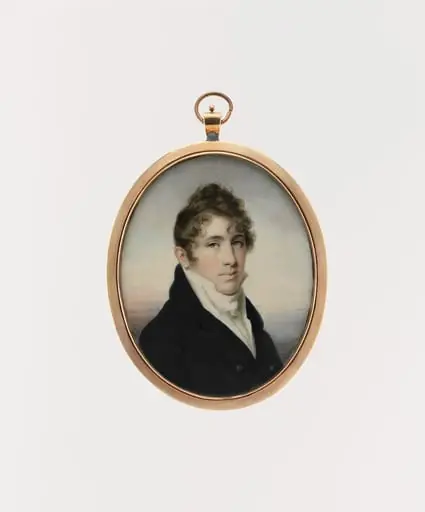


- Mrs. John Nightingale (Martha Washington Greene)
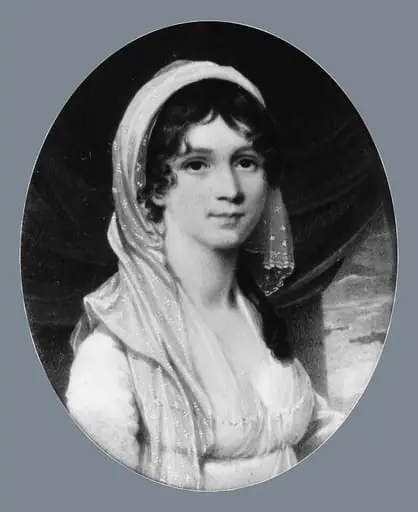 Sarah Louisa Jenkins
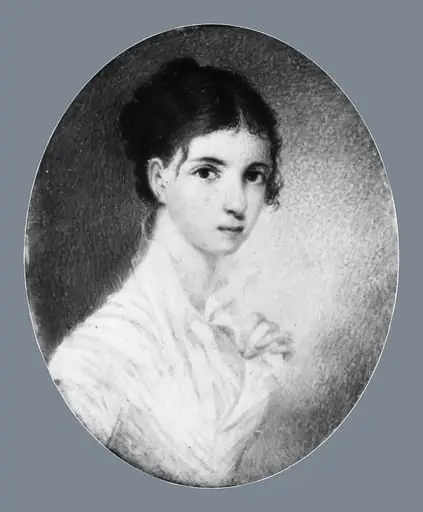 Mrs. William Wortley Worsley (Rebecca Smith)
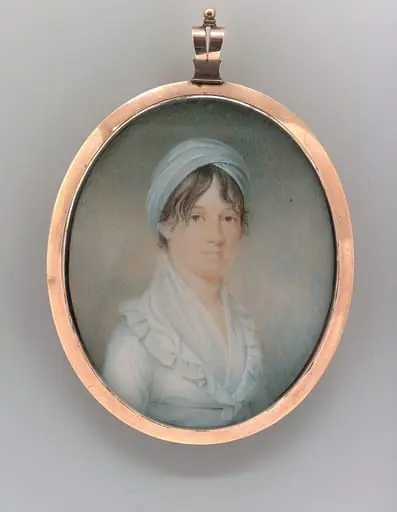 Mrs. Jonathan Pinkney, Jr. (Elizabeth Munroe)
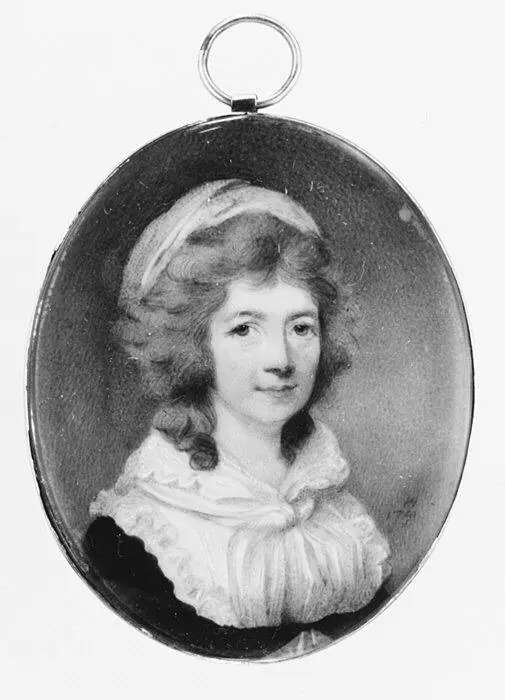 Portrait of a Woman, Said to Be Lady Agnes Anne Wrothesley
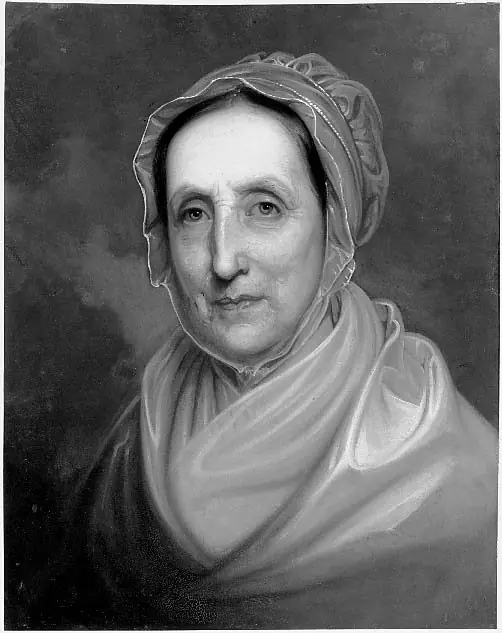 Mrs. Samuel Rodman (Elizabeth Rotch)
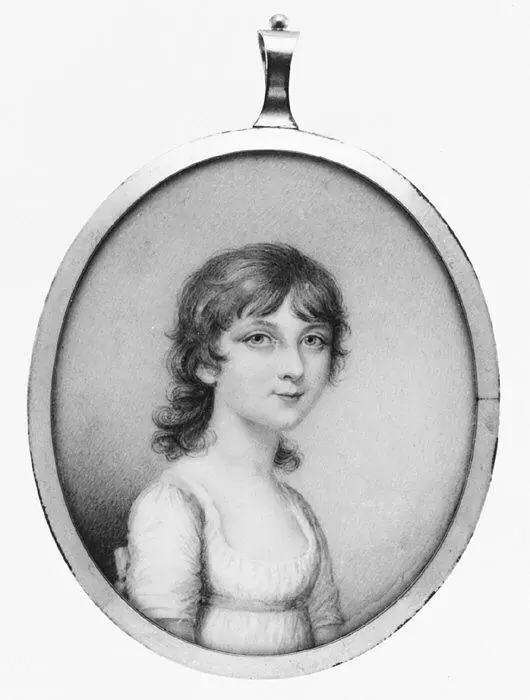 Portrait of a Girl
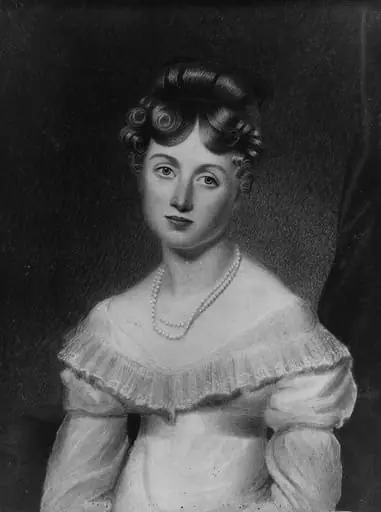 Portrait of a Lady
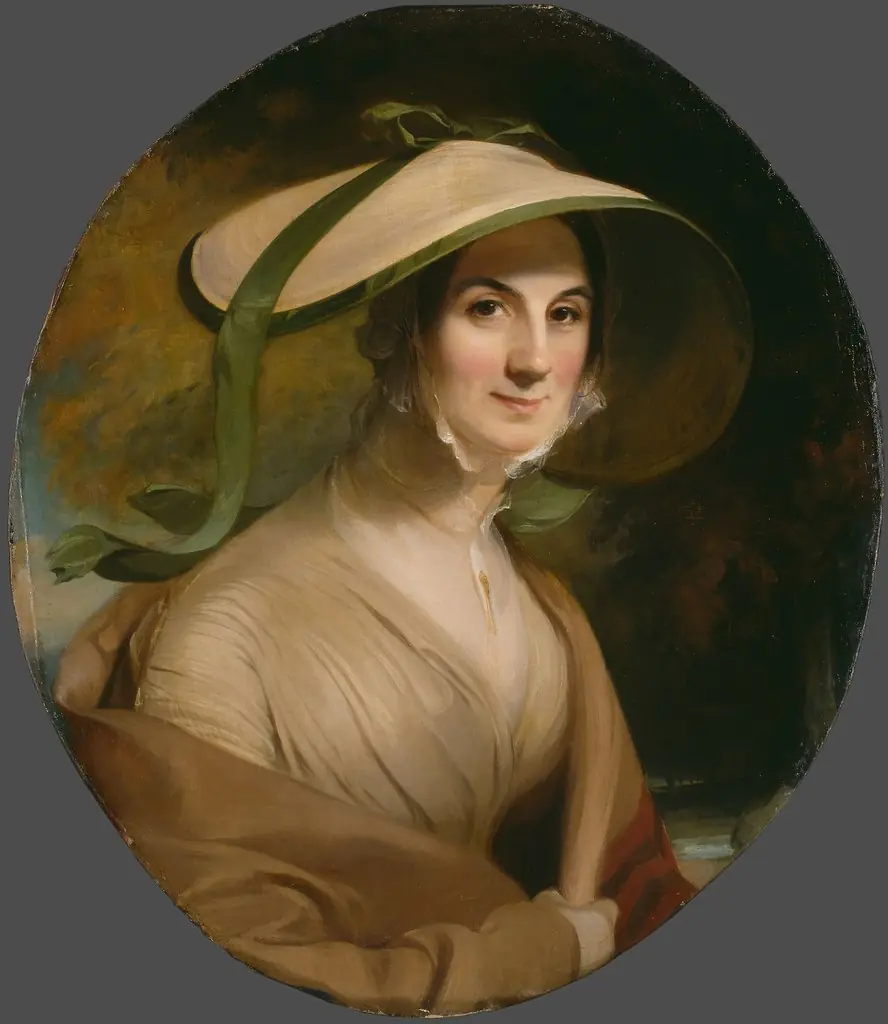 Mrs. George Lingen
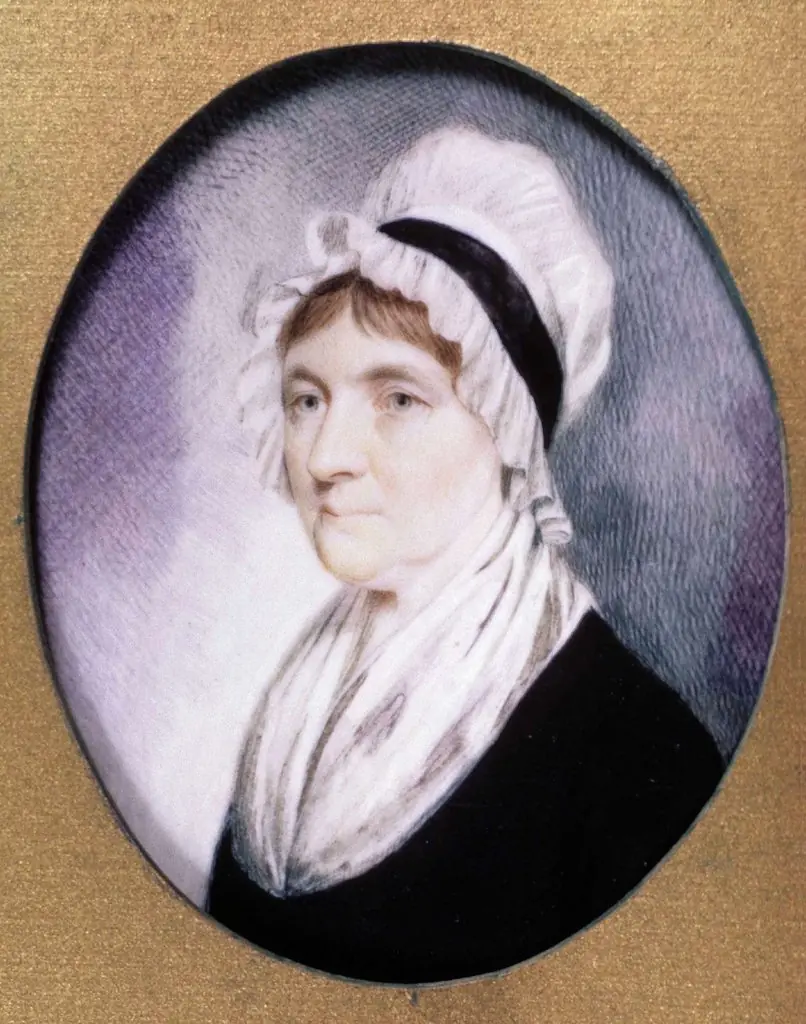 The Artist's Mother
 Marie-Fortunée d'Este, princesse de Conti