Artwork
George Bethune
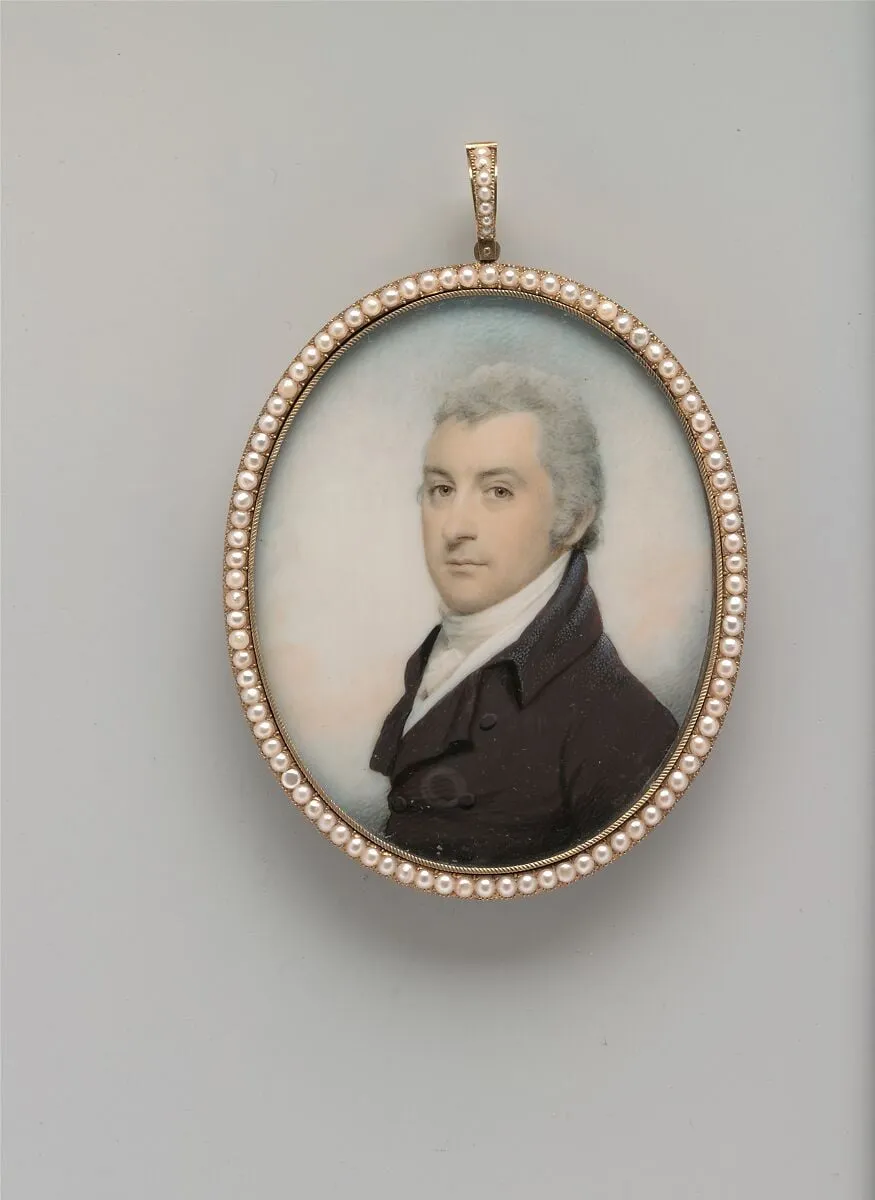
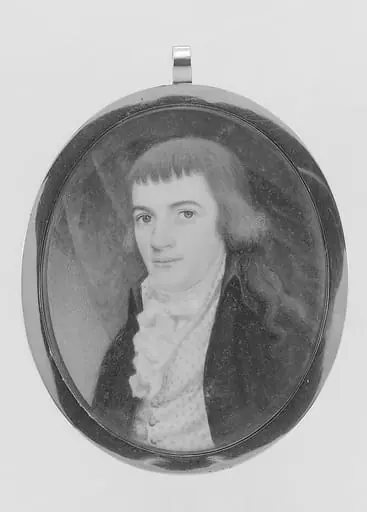
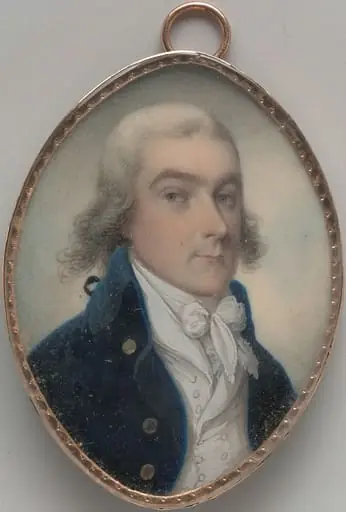
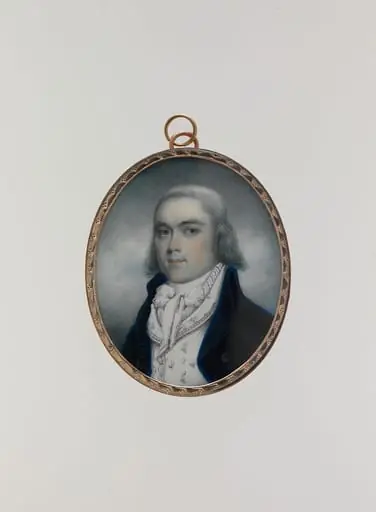
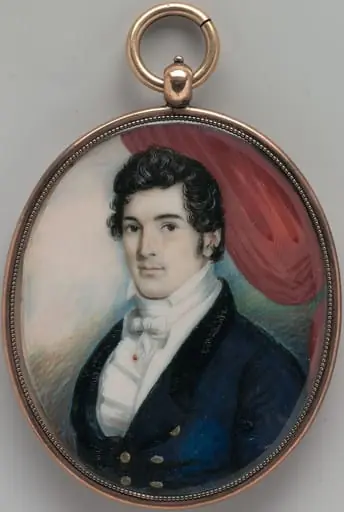
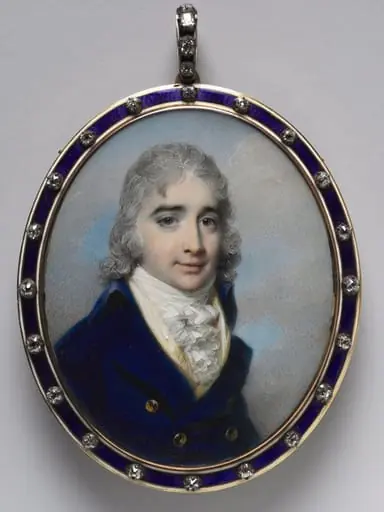
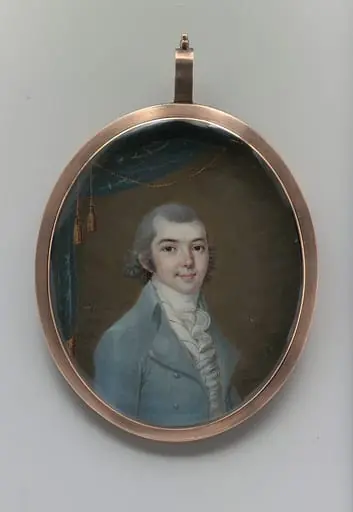
George Bethune is a watercolor painting by the American Folk Art artist Edward Greene Malbone. It dates from 1800 and is held in the collection of the Metropolitan Museum of Art.
About this work
Subject & Meaning
Created in 1800 by Edward Greene Malbone, this watercolor on ivory functions as a portrait depicting George Bethune.
Created in 1800 by Edward Greene Malbone, this watercolor on ivory functions as a portrait depicting George Bethune. The work's primary subject is Bethune himself, identified specifically as a man within the genre of portraiture. As a representational image, the piece focuses on capturing the likeness of this individual rather than employing complex allegorical symbolism or broader iconographic narratives.
Technique & Style
Edward Greene Malbone executed the portrait of George Bethune in 1800 using watercolor applied directly to an ivory support, reflecting his specialization in miniature portraiture. The work measures 7.8 by 6.2 centimeters, dimensions typical for the format. The use of ivory as a ground necessitates translucent watercolor layers built up to achieve luminosity and subtle tonal gradations, yielding a refined, small-scale likeness consistent with the stylistic conventions of early 19th-century American miniature painting.
History & Provenance
The portrait of George Bethune by Edward Greene Malbone dates to 1800 and is executed in watercolor on ivory. The painting is housed in the Metropolitan Museum of Art in New York, catalogued under the department of The American Wing as a portrait from the early American period. No specific earlier ownership records are documented in the available sources.
Context
The 1800 watercolor on ivory portrait of George Bethune by Edward Greene Malbone is housed in the Metropolitan Museum of Art's American Wing and is categorized as an early American portrait. Its presence in the American Wing highlights the work's significance within the corpus of early American portraiture, reflecting the artistic conventions of the period.
Overview
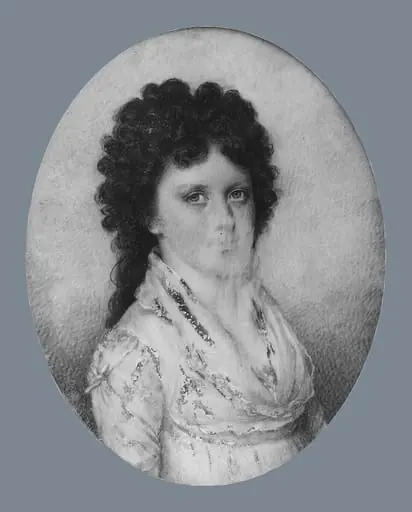
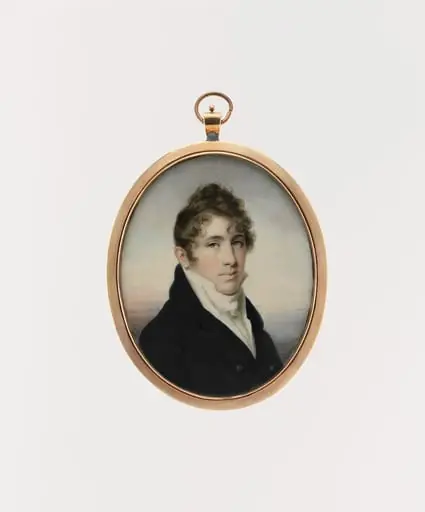
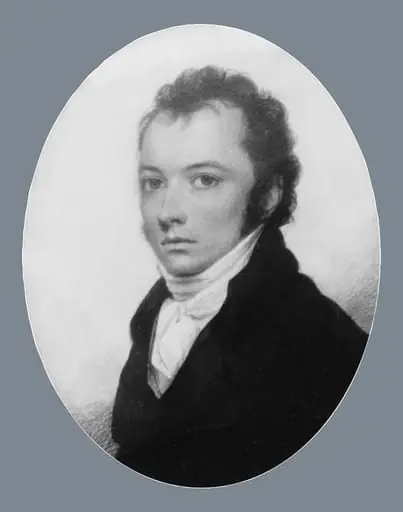
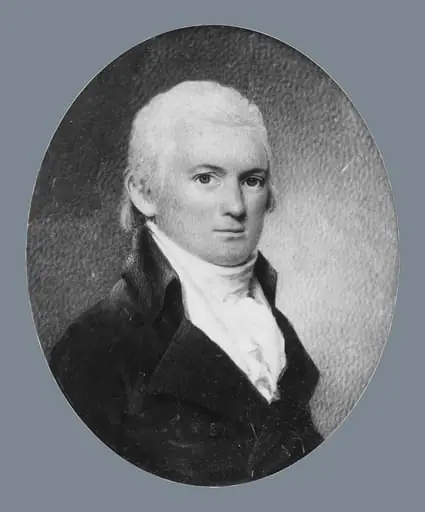
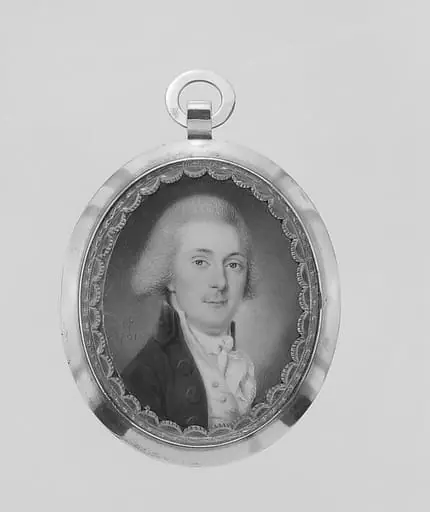
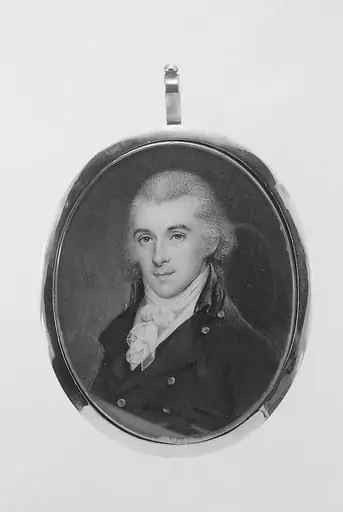
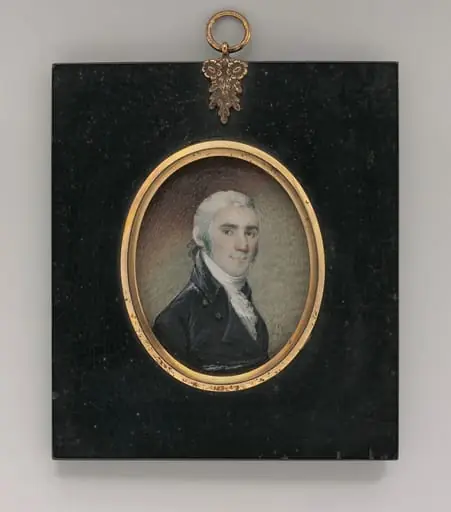
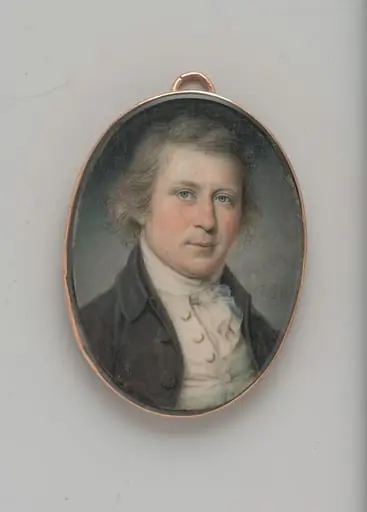
Painted in 1800 by Edward Greene Malbone, George Bethune is a miniature portrait executed in watercolor on ivory. The work depicts a young man facing forward, his gaze directed straight at the viewer. He wears a dark coat that contrasts with his pale complexion, which is illuminated by soft, diffused light against a plain, shadowed background.
Malbone applied the watercolor directly onto the polished ivory surface, a technique that allows the white ground to reflect through translucent layers of pigment, creating a luminous, skin-like quality distinct from paper-based miniatures. This piece exemplifies Malbone's mastery of the medium, which he helped popularize in the United States. Created during the artist's early career, shortly after he began producing miniatures professionally, the work demonstrates the refined elegance and technical precision that established him as a leading figure in American portrait miniatures before his untimely death in 1807.
The composition focuses entirely on the sitter's facial features and expression, utilizing the small scale to create an intimate and immediate connection between the subject and the observer.
Artist & collection

Artist
Edward Greene Malbone (1777 – May 7, 1807) was an American painter, and the most sought-after miniaturist of his day.